
XRecovery Technical Evaluation: A Trusted System Crash Image Repair Tool Software with High Success Rates
Sep 29, 2026
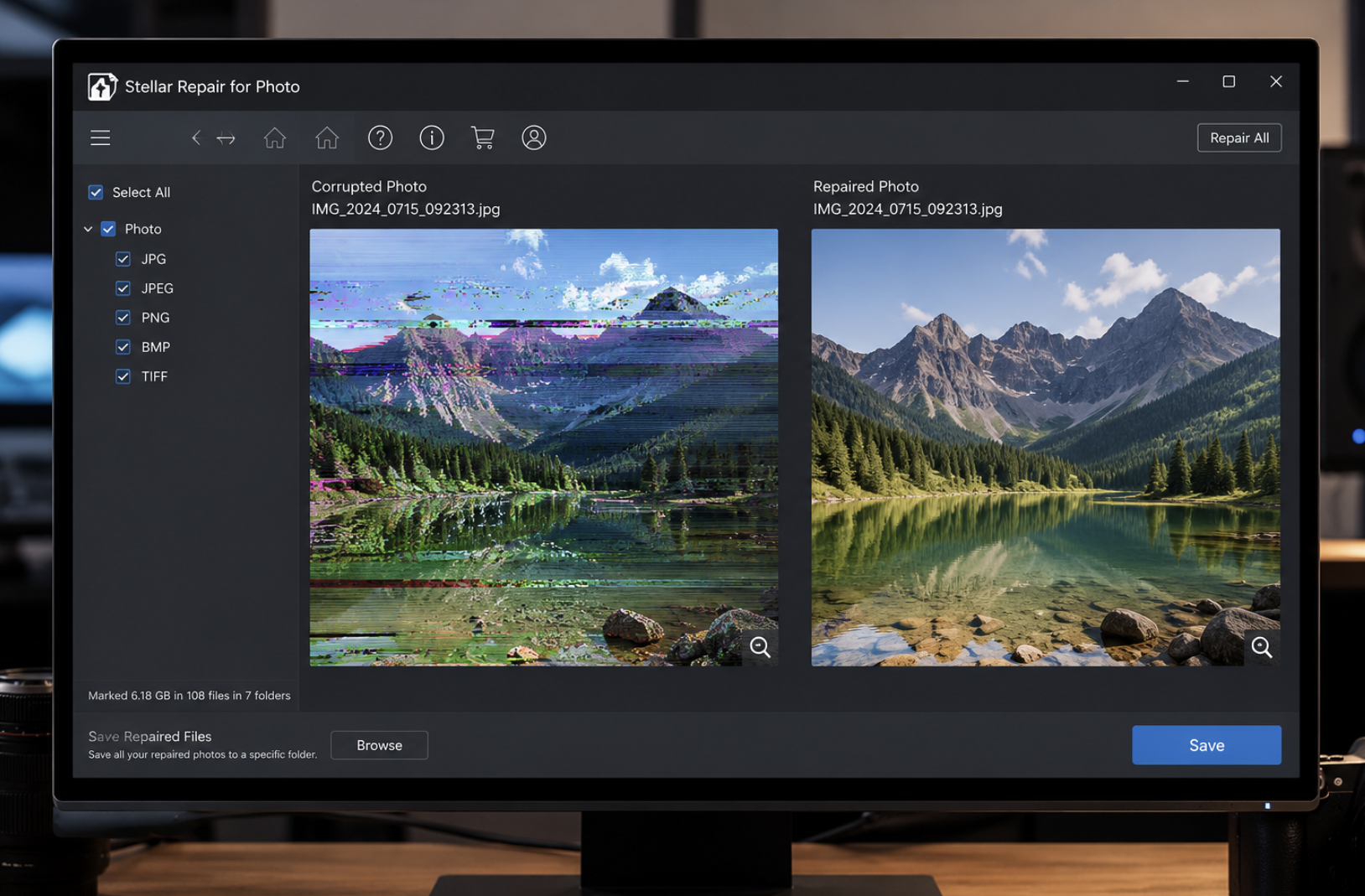
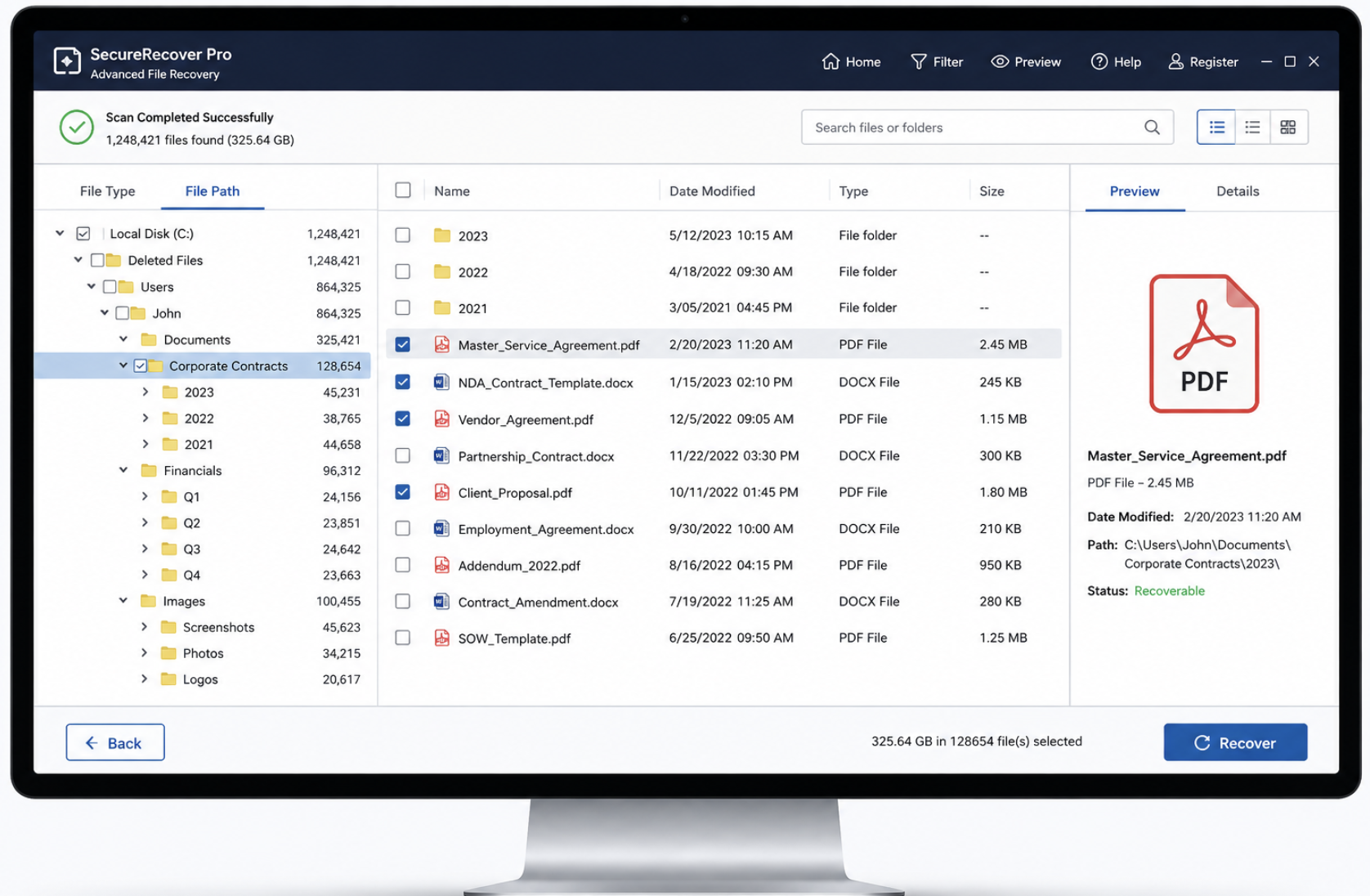
Hong Kong, Hong Kong S.A.R. Sep 29, 2026 (Issuewire.com) - Sudden system crashes interrupt disk input-output cycles unpredictably, causing severe disruptions across modern professional workspaces. When a Windows workstation experiences a blue screen error or an abrupt power failure while saving a high-resolution image file, complex data fragmentation occurs instantly. The storage controller fails to finalize the necessary file pointer configuration within the master allocation table before power completely disconnects. Consequently, the affected image file becomes corrupt, unreadable, and detached from the standard operating system directory structure. In these sudden administrative emergencies, digital media editors and technical operators require a Trusted System Crash Image Repair Tool Software (https://www.xappset.com/xrecovery/) to analyze unindexed binary arrays safely. Most users assume that an interrupted file write sequence results in permanent, irreversible data destruction on the storage media. However, modern data recovery engineering demonstrates that the core image payload remains completely intact within the raw sectors of the hard drive. The primary challenge rests on locating these isolated streams without relying on a corrupted system directory index. Traditional retrieval applications often struggle with files that lack proper metadata terminators or exhibit severed cluster paths. Therefore, implementing a systematic binary repair process becomes essential for maintaining operational continuity in fast-paced production environments. By focusing on algorithmic reconstruction instead of basic directory reading, advanced tools rebuild the broken pathways that link visual data together. This technical methodology provides a reliable remedy for sudden system disruptions across modern corporate computing networks. Advanced File Carving: How XRecovery Reconstructs Truncated Image Bitstreams To bypass a fractured partition table successfully, software must read raw sector blocks directly from the physical storage media. This operation, technically described as file carving, analyzes unique binary footprints instead of relying on corrupted file system markers. When standard operating systems lose track of file locations, the underlying data clusters stay arranged in sequence until new data overwrites those sectors. Highly specialized extraction engines parse these raw sectors sequentially to locate distinct file markers that define specific graphic formats. For instance, proprietary professional formats like Sony ARW, Canon CR3, and compressed JPEGs possess distinct header and footer signatures. XRecovery uses sophisticated heuristic pattern matching to find these hidden markers across thousands of unindexed storage sectors. Once the engine identifies a valid file header, it analyzes the following stream to confirm structural continuity. If a sudden crash caused the file to fragment across multiple non-contiguous clusters, standard tools often fail to reassemble the visual blocks properly. Alternatively, advanced parsing logic scans adjacent storage sectors to stitch the broken payload back into a cohesive, readable stream. This technique eliminates compression artifact errors and restores the image layout to its original state before the crash. By processing files locally within volatile memory, the utility ensures that no modification occurs on the original drive during scanning operations. This non-destructive sequence preserves the original state of the media, allowing for completely safe, repeatable extraction attempts. Quantifying the Benchmark: Internal Test Success Rates vs. Real-World Storage Variables Evaluating software performance requires concrete empirical data rather than vague promotional assertions or unsubstantiated marketing slogans. According to internal testing metrics compiled by Xcel Labs Limited, advanced sector reconstruction tools achieve excellent consistency in logical repair scenarios. Specifically, these internal laboratory evaluations reveal an image recovery success rate ranging between 95% and 99% for partitions affected by sudden system crashes or sudden power interruptions. These high benchmarks indicate that modern algorithms can reliably salvage complex visual payloads when the underlying storage sectors remain physically healthy. However, the engineering team emphasizes that real-world outcomes depend heavily on external variables that alter data conditions. For example, severe physical media degradation, thermal wear, and mechanical failure restrict the effectiveness of any logical repair software application. Furthermore, if the operating system writes new data over the dropped clusters before recovery begins, the success rate decreases proportionally. This operational variable makes immediate action essential following any unexpected data loss incident on a workstation. By providing transparent, case-dependent diagnostic outcomes, the developers avoid the misleading absolute guarantees common in the consumer software market. Instead, the application offers an honest assessment of file integrity, allowing administrators to make informed decisions based on empirical visual evidence before committing corporate financial resources. The Enterprise Operational Matrix: Efficiency Gains for IT Fleets and Forensic Labs Minimizing operational downtime within professional media environments directly affects long-term business profitability and project timelines. When a workstation crashes during an intensive graphic design session, a creative studio cannot afford to waste days re-shooting commercial assets. Deploying a resilient localized diagnostic tool allows IT teams to handle these emergencies immediately on-site without shipping drives to external labs. For organizations that handle sensitive proprietary content, external data transmission represents a major security liability and a potential compliance hazard. To address this risk, the localized infrastructure designed by XRecovery (Xcel Labs Limited) (https://www.xappset.com/about-us/) operates completely offline without any external internet connection requirements. This strict local boundary protects companies from regulatory compliance violations because no corporate files leave the physical workspace during execution. Technicians can securely assess various complex recovery scenarios (https://www.xappset.com/recovery-scenarios) such as formatted volumes, dropped partition tables, and sudden power failure corruptions. Furthermore, the downloadable utility features a generous two-gigabyte complimentary data allocation for all users. This trial allocation allows technical helpdesks to execute deep sector scans, verify image previews, and export essential files without spending upfront capital. If an enterprise requires expanded capacity across multiple systems, managers can transition to affordable operational tiers that offer predictable monthly or annual licensing options. This flexible model eliminates the burden of high perpetual retainers, ensuring that organizations only pay for actual utility when data emergencies materialize. Ecosystem Collaboration: Scaling Deterministic Extraction into Institutional Partnerships The digital management sector continues to change rapidly, favoring functional efficiency, local privacy, and clear cost structures over brand heritage. As corporate procurement officers evaluate software expenses, the demand for practical engineering solutions replaces the traditional reliance on high-priced legacy brands. High-performance software utility hinges on transparent code performance, minimal system footprint, and predictable deployment models. The software ecosystem managed by XAppSet satisfies this market shift by focusing entirely on optimized sector parsing and broad file format compatibility. This development strategy creates an excellent operational framework for commercial distributors, IT consultants, and hardware repair operations that want to expand their service portfolios. By integrating dependable, budget-friendly recovery utilities, corporate partners can deliver superior value to their client networks while maintaining strong operational margins. Moving away from over-priced systems allows businesses to achieve outstanding technical resilience without exceeding their strict financial boundaries. Collaborative teams can easily integrate these robust data tools into their existing workflow frameworks to minimize the impact of future storage crises. For corporate entities and engineering professionals seeking advanced system integration details and secure software packages, complete technical insights remain accessible through the primary developer portal at https://www.xappset.com/.
Source :Xcel Labs Limited
This article was originally published by IssueWire. Read the original article here.
More News

Free dental clinic to open at Everest Base Camp in 2027
Key Takeaways: A free dental clinic will be established at Everest Base Camp during the spring 2027 climbing season The facility aims to serve Sherpa guides, Icefall Doctors, po...

Bihar: BPSC gets zero applications for 218 polytechnic faculty posts
The Commission said the vacancies covered several engineering disciplines, with the related requisitions subsequently returned to the State department

India beat Qatar 3-2 after epic comeback, enter volleyball quarters
India beat Qatar 3-2 after epic comeback, enter volleyball quarters

Naidu, Kalyan launch ₹11,085-crore works under Palle Panduga 3.0
Under Palle Panduga 3.0 (village festival), roads will be laid, mini gokulams (cattle sheds) constructed, and plantation works taken up, among other activities

ED raids 15 premises linked to former Bengal minister Indranil Sen in money laundering case
The probe is examining massArt’s ownership, management, financial flows and alleged links with influential persons, officials said
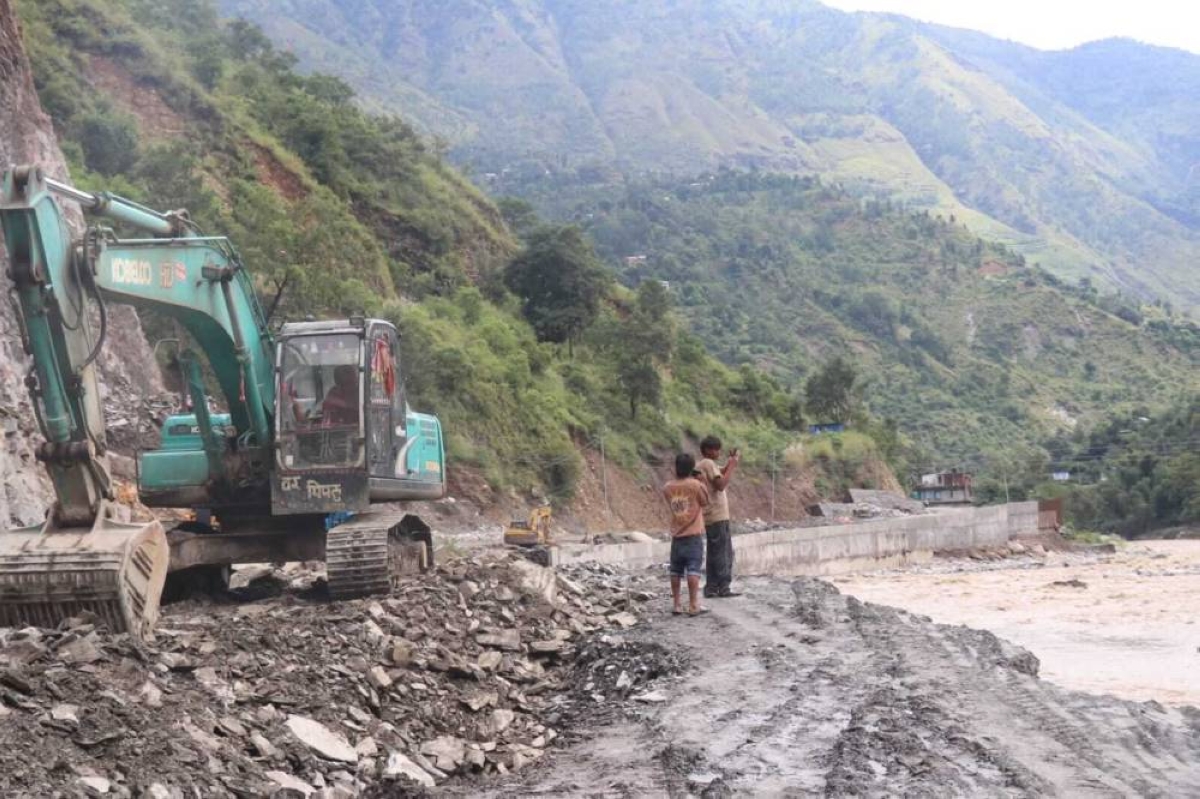
BP Highway reopens after four-day closure caused by floods, slides
Key Takeaways: BP Highway reopened on Tuesday after remaining blocked for four days due to floods and landslides Traffic resumed after temporary diversions were built and debris...

Can China’s new satellite coordination standards boost PLA targeting and resilience?
Chinese researchers are drafting standards for autonomous satellite coordination and data sharing in a move analysts say could speed up military targeting and make People’s Liberation Army satellite networks more resilient. An expert panel convened by the Chinese Institute of Command and Control (CICC) in Beijing on September 21 approved work on 10 proposed voluntary standards, clearing the way for draft texts to be released for consultation. In an account of the meeting published last Thursday,...

Neeru's coach breaks umbrella in wild celebration after historic trap Gold: Video
Neeru's coach breaks umbrella in wild celebration after historic trap Gold: Video

An Se Young Scripts History, Becomes The First Woman Shuttler To...
Paris Olympics champion An Se Young became the first woman to win two Asian Games singles titles, crushing Akane Yamaguchi 21-7, 21-9 to cap another dominant week in Nagoya.

A call from Thalapathy Vijay: Ancy Sojan's one wish after long-jump silver
A call from Thalapathy Vijay: Ancy Sojan's one wish after long-jump silver

We look at each other and laugh watching Ro-Ko story play out on TV: Rohit Sharma
We look at each other and laugh watching Ro-Ko story play out on TV: Rohit Sharma

Govt working on new National Steel Policy; to seek stakeholders' comments: Steel Secy Poundrik
The new policy will set a road map up to 2047 for the Indian steel industry
YOUR NEWS, OUR NETWORK.
Do you have Great News you want to tell the world?
Be it updates about your business or your community, you can make sure that it’s heard by submitting your story to our network reaching hundreds of news sites across 6 verticals.