
Rep. Min Marks 50th House Member to Join Congressional Family Business Caucus; ‘Price of Prosperity’ and Wealth Taxes Topics for Latest Gathering on Capitol Hill
Oct 8, 2026
Family-Owned Business Leaders Gather in Dirksen Senate Building to Hear Rep. Kustoff and Rep. Panetta, plus Dr. Frank Luntz, Discuss Voter Attitudes, Midterm Legislative Landscape
Washington, DC (Hagerstown, MD), United States, October 8, 2026 -- The Congressional Family Business Caucus met last week in the Dirksen Senate Office Building where family businesses discussed wealth taxes, voter attitudes, and how the post midterm legislative agenda will affect family-owned businesses next year.
The meeting, which saw Rep. David Min (D-CA) become the 50th House member to join the bipartisan Caucus, focused on the themes “The Price of Prosperity” and “Family Business Strategies for Battling All Taxes on Success."
Attendees also heard from two house members, Rep. David Kustoff (R-TN) and Rep. Jimmy Panetta (D-CA), who shared their overview of the upcoming midterms and how they may affect family-owned businesses.
The Caucus, the last for the 119th Congress, is co-chaired by Rep. Lou Correa (D-CA) and Rep. Claudia Tenney (R-NY) and is comprised of 22 Democrats and 28 Republicans. Family Enterprise USA was the organizer of the Caucus. Family Enterprise USA advocates for family-owned businesses across the country.
With the House of Representatives out of session, Caucus attendees and family business leaders shifted to the Dirksen Building on the Senate side of the Capitol Building.
In the morning session, which began at 8:30AM, legislative updates were provided by Capitol Hill insiders Russ Sullivan and Jared Jones, both from the legal and government affairs firm, Brownstein.
Dr. Frank Luntz, the well-known communications consultant and pollster, presented his views on the political landscape and new research on what Americans will be thinking when they vote this November.
Luntz gave attendees a particularly alarming report on the state of America’s mindset. Luntz presented new research among 1,000 voters which showed voters “don’t want more taxes, they want our government to better manage the funds it already has and stop the wasteful, uncontrolled and unaccountable spending.”
Other findings focused on the barrage of wealth tax proposals in both state and federal chambers.
Luntz’s observations were tough: “Wealth taxes could push good American jobs out of America” and “don’t punish success, rather protect opportunity.”
Another speaker, EY’s Dianne Mehany, Private National Tax Leader at consulting firm EY, presented on “The Cumulative Tax Burden,” a topic that covered how income, estate, gift, and transaction taxes add up on family-owned businesses across generations, and how high-leverage planning can create opportunities.
A panel of family-owned business leaders shared strategies on maintaining businesses growth, tax concerns, and solutions for passing their businesses on to the next generation.
The panelists were Jeff Ahola, of Ahola Corporation, George Gleason, II, of Bank OZK, John-Paul Lake of Rain for Rent, and Casey Roscoe of Gerking Ranch.
Tim Schultz, Chief Executive Officer, and Pat Soldano, President, Family Enterprise USA led the discussions, along with John Gugliada, Director of Engagement, Family Enterprise USA.
“It’s important Members of Congress, including those in the Senate, understand what a powerful economic engine family-owned businesses are for our country, and these Caucus meetings help craft policies that keep them strong and growing,” said Family Enterprise USA’s Schultz.
America’s family businesses are the largest private employers in the country, accounting for 83.3 million jobs in some 32 million family businesses across the country, according to research. These businesses contribute $7.7 trillion annually to U.S. gross domestic product.
For more information on Family Enterprise USA go to: www.familyenterpriseusa.com
About Family Enterprise USA
Family Enterprise USA promotes multi-generational family business creation, growth, viability, and sustainability by advocating for family businesses and their lifetime of savings with Congress in Washington, D.C. FEUSA represents and celebrates all sizes, professions and industries of family-owned enterprises and multi-generational employers. FEUSA is a 501.C3 organization
Contact Info:
Name: Bob Chew
Email: Send Email
Organization: Family Enterprise USA and Family Enterprise USA Action
Address: 712 H Street NE Suite 1330, Washington DC, United States
Phone: 310-383-0528
Website: https://familyenterpriseusa.com/
Video URL: https://www.youtube.com/watch?v=BI1Mo5Reyig
Release ID: 89205511
In case of identifying any errors, concerns, or inconsistencies within the content shared in this press release that necessitate action or if you require assistance with a press release takedown, we strongly urge you to notify us promptly by contacting [email protected] (it is important to note that this email is the authorized channel for such matters, sending multiple emails to multiple addresses does not necessarily help expedite your request). Our expert team is committed to addressing your concerns within 8 hours by taking necessary actions diligently to rectify any identified issues or supporting you with the removal process. Delivering accurate and reliable information remains our top priority.
More News



Public executions in USA: What does Fort Hood firing squad execution mean? When will Pentagon live stream take place?
Public executions in USA: Five states currently allow executions by firing squad: Idaho, Mississippi, Oklahoma, South Carolina, and Utah. The Trump administration earlier this year said it would allow execution by firing squad in the federal prison system.
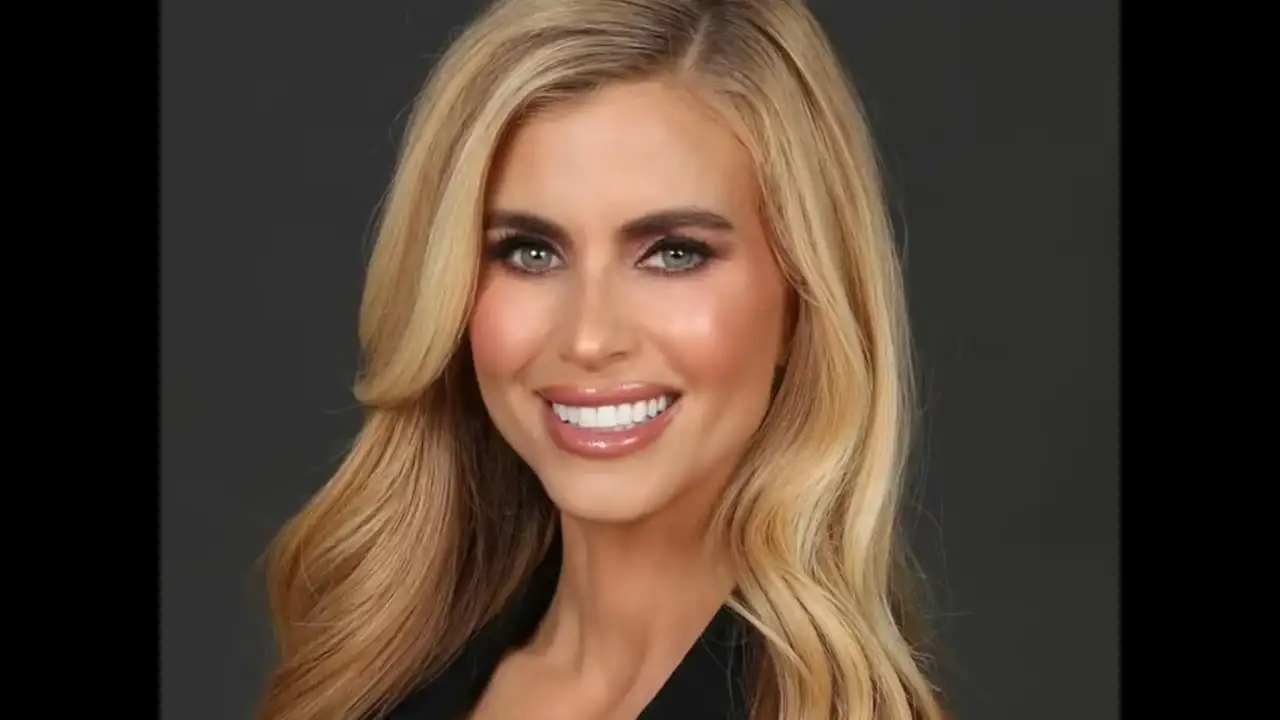
Is Katie Zacharia the new White House Press Secretary? What to know about Karoline Leavitt’s potential successor
Katie Zacharia has reportedly been offered the White House press secretary role after Karoline Leavitt’s departure. Here’s what to know about Trump’s potential new press secretary, her DHS experience and political background.

Can AI ever possess a human soul? Pope Leo XIV's remarks and Anthropic's new Claude policy deepen the consciousness debate
Pope Leo XIV recently addressed the distinction between human understanding and AI's data processing capabilities. He emphasized that human experiences cannot be fully captured by mere data compilation. Anthropic's new policy raises moral considerations regarding AI welfare and abusive interactions. Technology leaders remain divided over the consciousness and emotional capacity of AI systems. As discussions continue, experts explore the implications of AI's growing sophistication on human identity and understanding.

Discerning desis ensured that many local products are now on par with the world’s best
The long-held reluctance of Indians to accept locally made "foreign" items as equally good alternatives until well into the 21st century probably stems from the notorious policy of "import substitution", a legacy of the era of socialist scarcity and Five-Year Plans. It was a typical sarkari diktat, supposedly to achieve economic self-reliance and protect domestic industry. But negligible focus on technology and quality benchmarking led to chronic sub-par products.
Discerning desis ensured that many local products are now on par with the world’s best
The long-held reluctance of Indians to accept locally made "foreign" items as equally good alternatives until well into the 21st century probably stems from the notorious policy of "import substitution", a legacy of the era of socialist scarcity and Five-Year Plans. It was a typical sarkari diktat, supposedly to achieve economic self-reliance and protect domestic industry. But negligible focus on technology and quality benchmarking led to chronic sub-par products.
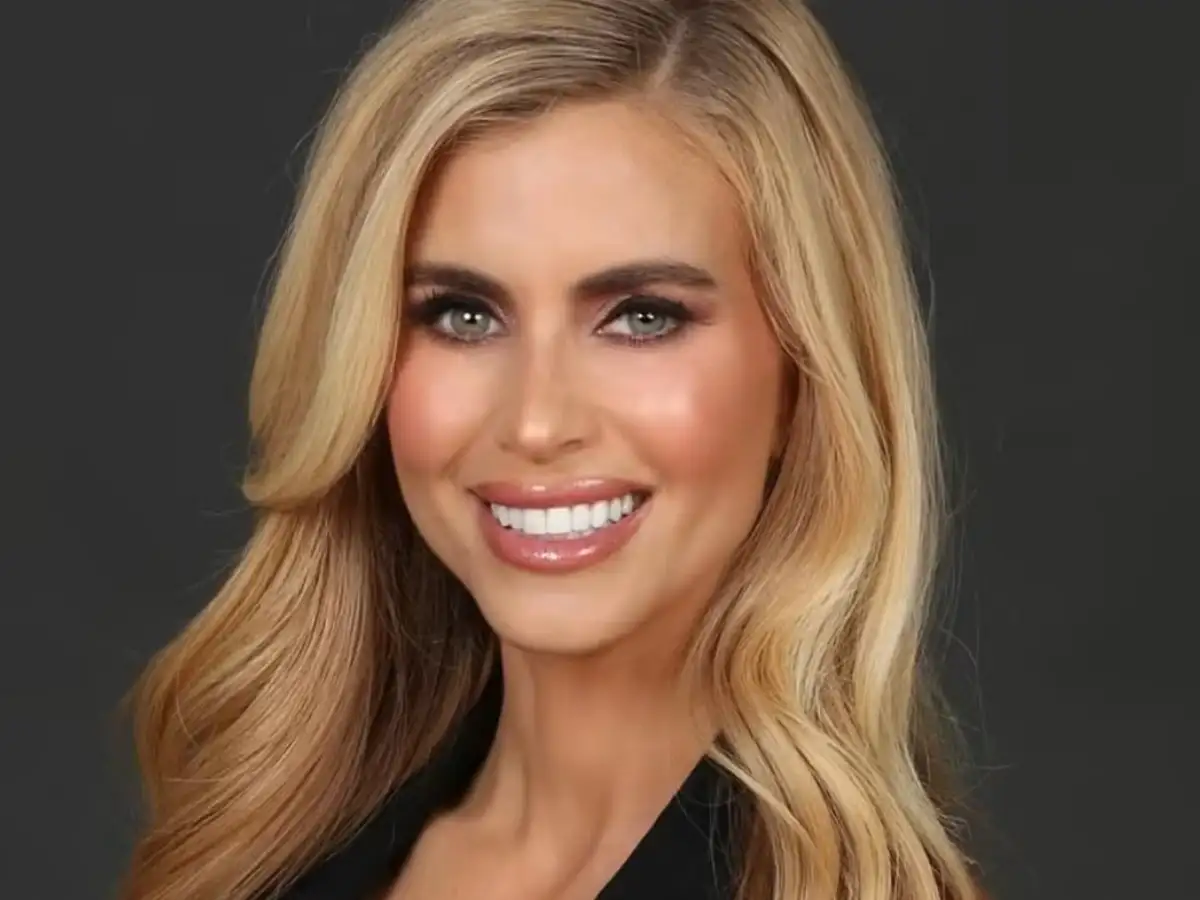
Katie Zacharia’s past in focus: DHS stint, Pepperdine law degree and Truth Social link as Trump picks her for White House press secretary, replacing Karoline Leavitt
Katie Zacharia has been named the new press secretary for the White House, taking over from Karoline Leavitt. With a solid background as a spokesperson for the Department of Homeland Security, she brings experience from the Trump Media and Technology Group, specializing in communications. An alumnus of Pepperdine University, her career reflects a steadfast dedication to conservative principles.

Great civilisations: Built on trade, but wary of traders
China ranked people in four groups: scholar, farmer, artisan, merchant. Shi, nong, gong, shang. The idea is old, found in the Guanzi. The scholar governs. Farmer grows food. Artisan makes things. The merchant makes nothing. He buys low, sells high and keeps the difference. So, he goes to the bottom. The first Han emperor, Gaozu, took this seriously. Sima Qian tells us he banned merchants from wearing silk and from riding in carriages. He taxed them hard. Made them look poor, even if they were rich. Then the state ran short of money.
Great civilisations: Built on trade, but wary of traders
China ranked people in four groups: scholar, farmer, artisan, merchant. Shi, nong, gong, shang. The idea is old, found in the Guanzi. The scholar governs. Farmer grows food. Artisan makes things. The merchant makes nothing. He buys low, sells high and keeps the difference. So, he goes to the bottom. The first Han emperor, Gaozu, took this seriously. Sima Qian tells us he banned merchants from wearing silk and from riding in carriages. He taxed them hard. Made them look poor, even if they were rich. Then the state ran short of money.
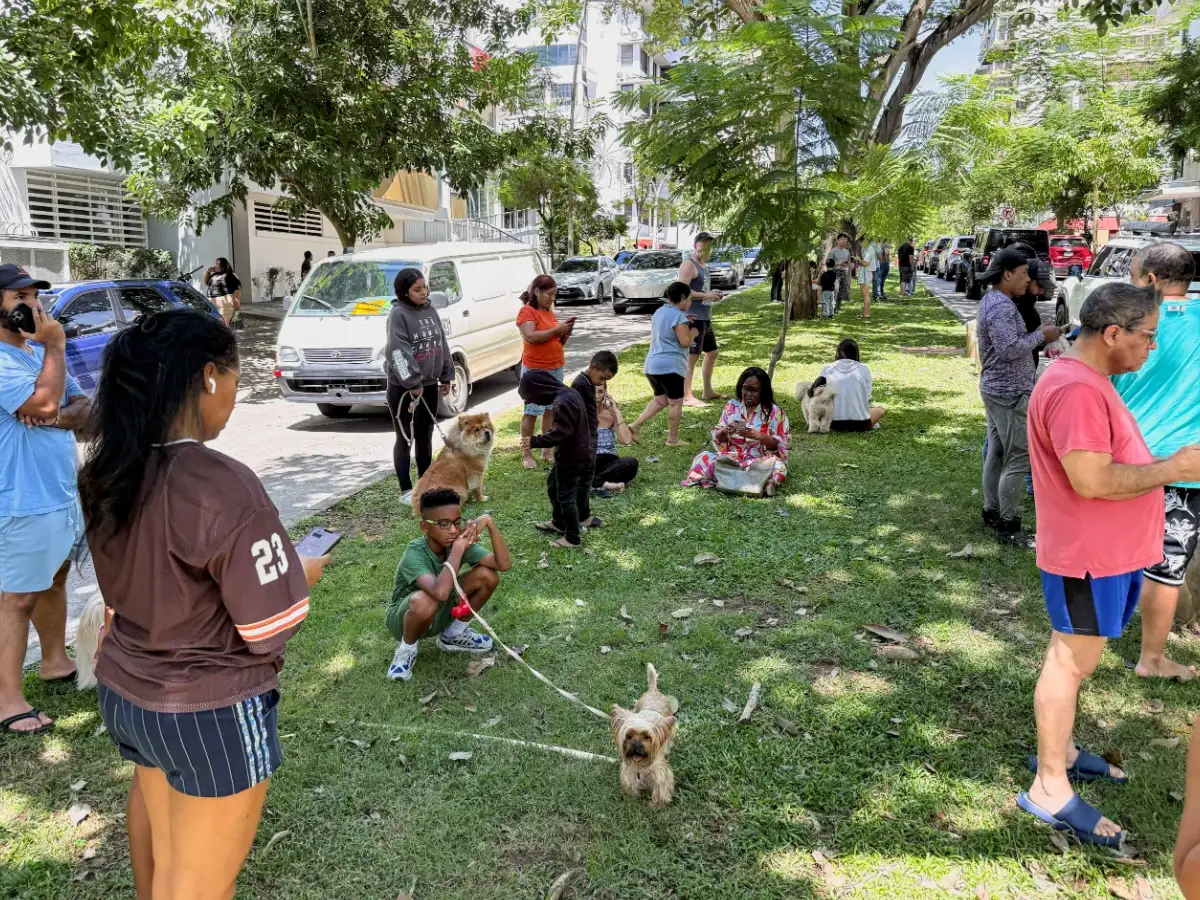
7.6 magnitude earthquake jolts Panama, people evacuate buildings as tsunami threat looms over Pacific coast
A strong earthquake measuring 7.6 in magnitude hit near the southern coast of Panama. Although initially reported as 8.0, the magnitude was later downgraded by the US Geological Survey. Evacuations occurred in Panama City, but no immediate damage reports were available. Tsunami warnings were issued for much of Central America's Pacific coast, including Colombia and Ecuador. The quake was also felt in the capital of neighboring Costa Rica.
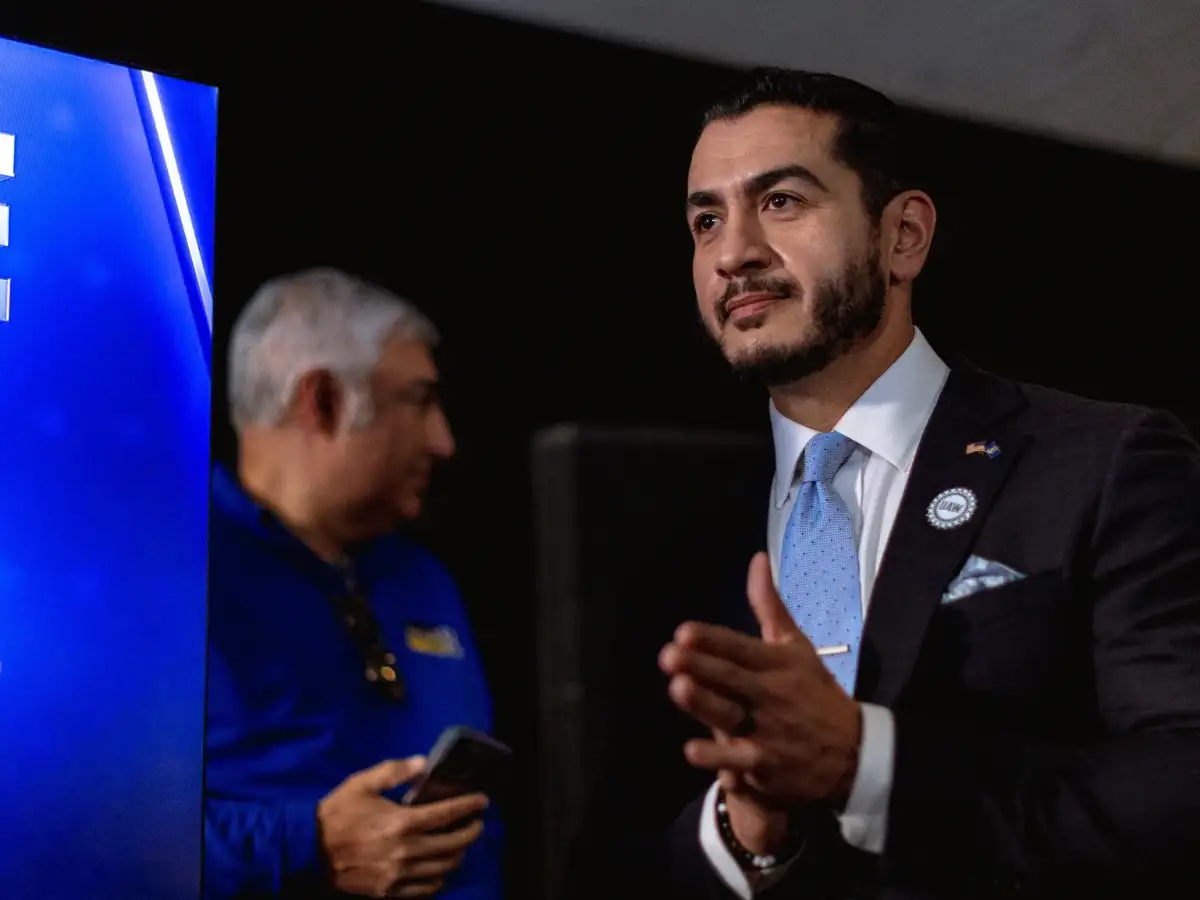
US midterm elections: Who is Abdul El-Sayed? The Egyptian-American Rhodes scholar and public health expert taking on Republicans in Michigan’s Senate race
Abdul El-Sayed took an unusual route to American politics. Trained in medicine and public health, he spent years studying why people get sick and how public systems can improve their lives. Now, the 41-year-old Egyptian-American is running for the US Senate in Michigan after defeating establishment-backed Haley Stevens in the Democratic primary. A Rhodes Scholar and former Detroit health chief, he is campaigning for Medicare for All, tighter campaign finance rules and relief from rising living costs.
YOUR NEWS, OUR NETWORK.
Do you have Great News you want to tell the world?
Be it updates about your business or your community, you can make sure that it’s heard by submitting your story to our network reaching hundreds of news sites across 6 verticals.