
Paintless Dent Repair: A Craft in High Demand Amid Hail Damage and a Growing Skills Gap
Nov 26, 2026
Boca Raton, Florida Nov 25, 2026 (Issuewire.com) - A Technique Born on the Assembly Line
Paintless Dent Repair (PDR) -- known in Brazil as "Martelinho de Ouro" and, in its early Portuguese-language form, as DSP (Desamassamento Sem Pintura) -- restores a dented vehicle panel to its original shape without repainting it, using a controlled pulling technique and precision tools rather than body filler or a spray gun. The method traces back roughly four decades to automobile assembly lines, where it was originally used to correct minor sheet-metal imperfections before a vehicle left the factory -- a process known internationally as PSSMR (Paintless Shrinking Sheet Metal Repair). It later moved off the assembly line and into independent repair shops, where it became known by its popular Brazilian name and, eventually, by the broader set of specialized tools technicians now use: precision hammers, pry bars, and inspection lights designed to reveal imperfections invisible under normal lighting.
Marcelo Backaus Ribas, owner of the PDR business Backaus Martelinho de Ouro in southern Brazil, has practiced the technique for more than a decade on vehicles spanning compact passenger cars to larger models, across a range of brands. His training consisted of a 40-hour course completed in 2013 and an advanced course with an experienced technician in 2016, built on top of years of direct, repetitive practice.
A Shortage of Skilled Hands
In the United States, demand for PDR services is closely tied to hailstorm activity: a single severe hail event can damage hundreds or thousands of vehicles in a single region, and insurers increasingly favor Paintless Dent Repair over traditional bodywork because it is faster and avoids repainting. That demand, combined with a limited pool of technicians trained to the level required for high-volume, insurance-grade repair work, has created a recurring shortage of qualified PDR specialists in affected markets.
Unlike some trades, PDR has no single standardized licensing path in either Brazil or the United States -- technicians are typically trained through short courses and apprenticeships, and their reputations are built almost entirely on the quality of finished work rather than on formal credentials. That is part of what makes a track record like Ribas's relevant to U.S. shops and insurers evaluating technicians from outside the traditional pipeline.
Ribas sees that gap as the natural next step for a career built in Brazil. "I've spent more than ten years perfecting this technique on all kinds of vehicles. I know there's a real need for trained hands in the U.S., especially wherever hail does the most damage," he says.
Positioning for a Bilingual Market
Ribas built his business in Brazil around a direct-to-client "fast delivery" service model -- traveling to dealership lots, detailing centers and private driveways instead of requiring vehicles to be dropped off -- which helped him form lasting partnerships with established players in the Porto Alegre metropolitan area, including businesses in operation for over 25 and 40 years. That business, Backaus Martelinho de Ouro, was formally registered in 2021 after years of steady, self-funded growth, including through the disruptions of the COVID-19 pandemic.
That same history carries formal recognition in Brazil from both local government -- a 2024 congratulatory motion from the Cachoeirinha city council -- and from ABRAESA, the national trade association for automotive repair, which named him an Honorary Associate in 2025. For insurers and shops vetting technicians trained outside a conventional pipeline, that kind of outside validation can matter as much as hours logged on the job. His company's branding is already presented in both Portuguese and English, reflecting his plans to bring that experience to the U.S. auto repair market.
"I've worked on all kinds of vehicles, from small passenger cars to larger ones, across different brands. I know the technique, and I know there's demand for it," Ribas says. "What I'm looking for now is the right place to put that experience to work."
Source :Marcelo Backaus Ribas
This article was originally published by IssueWire. Read the original article here.
More News


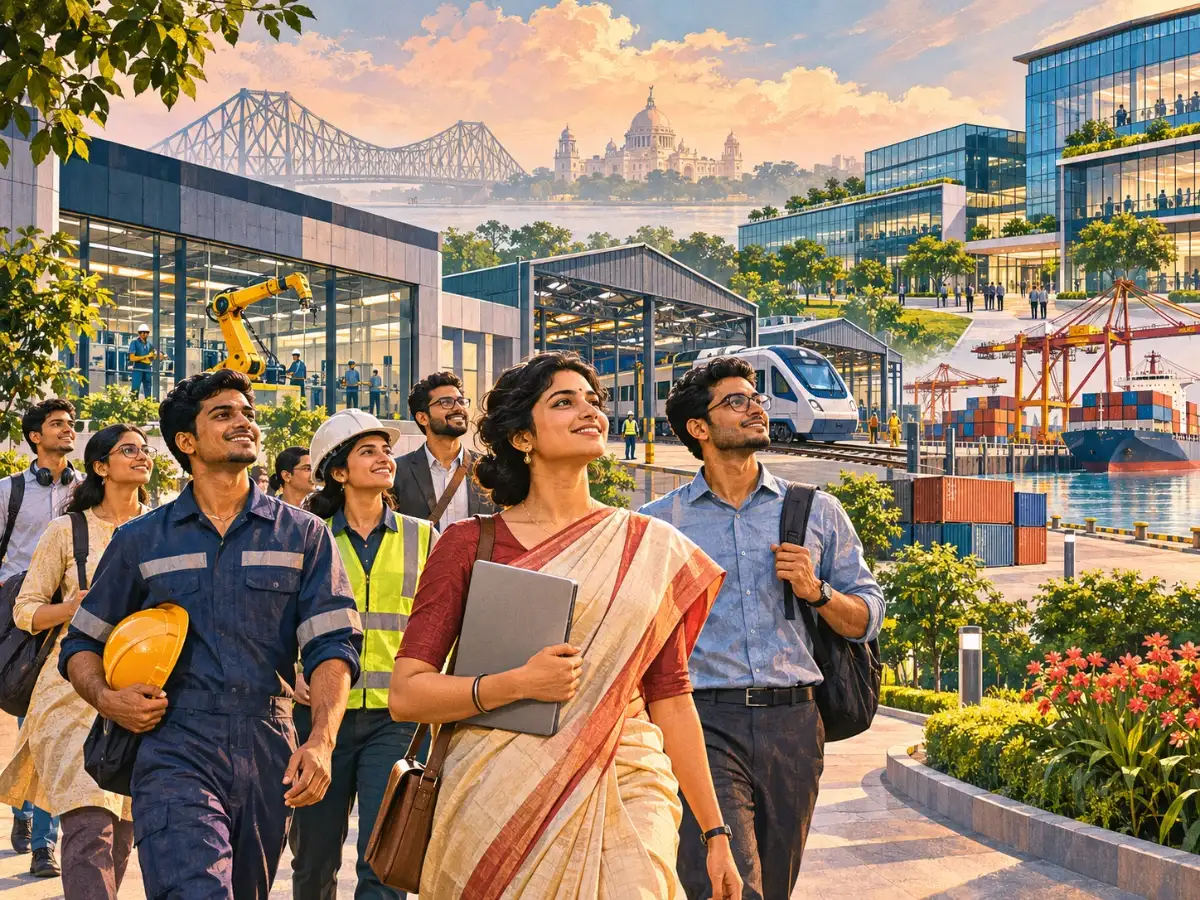
Bengal's legacy needs a Gen Z makeover to power its economic future
Faced with the pressing task of economic rejuvenation, West Bengal is striving to retain its youth and attract much-needed investment. During the Economic Times Bengal Ascends event, experts pointed out that the state's traditional economic identity requires transformation. They advocated for improved career opportunities and infrastructure, emphasizing collaboration with micro, small, and medium enterprises to cultivate a supportive investment climate and ensure the region’s prosperous future.
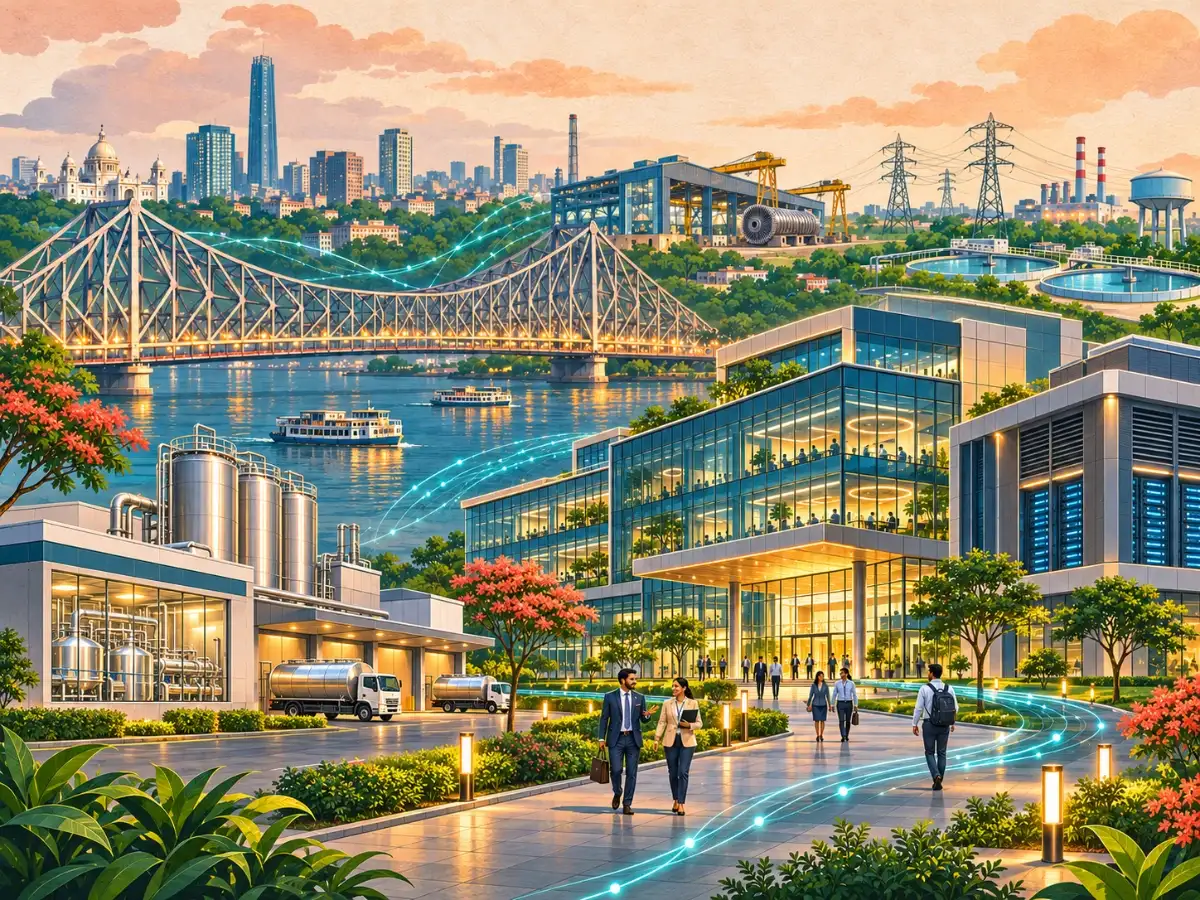
Bengal needs tech push, talent return to become global business hub, industry leaders say
Industry leaders at The Economic Times Bengal Ascends summit emphasized the need for West Bengal to enhance its technology ecosystem. They noted that improving infrastructure and talent acquisition could position the state as a hub for global services. Key investments, such as Amul's dairy plant expansion, could foster economic growth and benefit local farmers. The role of artificial intelligence in various sectors was also a focal point of discussion.

Ukraine says it struck a major Russian air base, damaging five planes
Ukrainian forces conducted a successful strike on the Savasleyka air base in Russia's Nizhny Novgorod region, damaging five military aircraft. This action is part of ongoing efforts to weaken Russia's military capabilities amid escalating conflict. Recent high-profile attacks also targeted Russian ships and infrastructure, illustrating Ukraine's aggressive response. Ukrainian Defense Minister Yevhenii Khmara reported hunting down numerous Russian ballistic-missile launchers used in attacks.
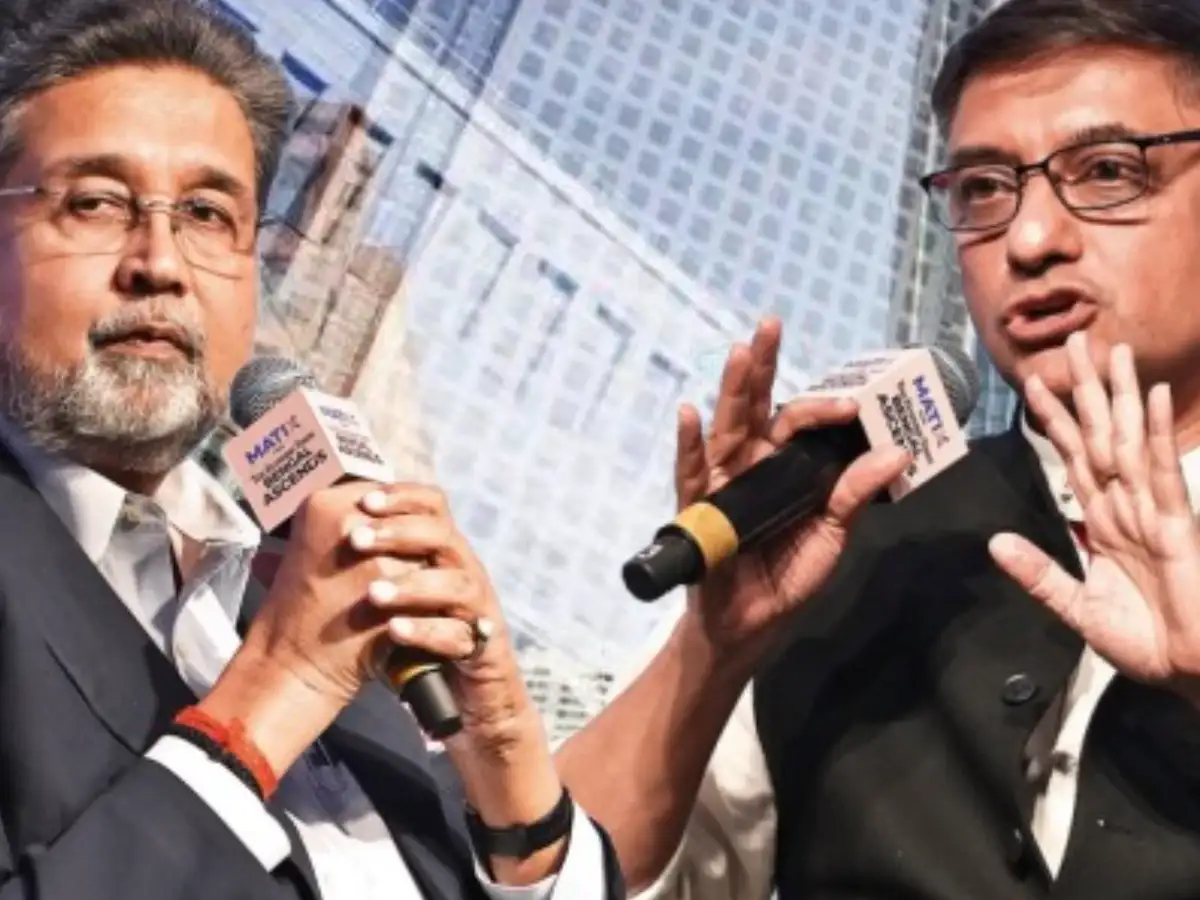
ET Bengal Ascends: Can Kolkata become the economic engine of eastern India? Industry leaders spell out what the state needs
Political alignment between West Bengal and the Centre is fostering infrastructure development and industrialisation in the state. Key discussions highlight land availability, execution speed, and nurturing first-generation entrepreneurs as crucial factors for growth. Industrialists emphasize the need for Kolkata to be positioned as the economic hub of the East to attract investments. Additionally, establishing trust and overcoming negative perceptions of the state are both essential elements.

Alice Huang-linked firms listed $270 million in AI servers in China, records show
Alice Huang's connections have helped finance up to 764 AI servers in China valued at around $270 million. Her previous company, Megaspeed, faces US restrictions on technology exports to China. Century Litong, linked to Huang, has secured financing for numerous powerful computing servers located in Shanghai. The hardware arrangements reflect ongoing challenges for Chinese technology firms to obtain essential computing resources.
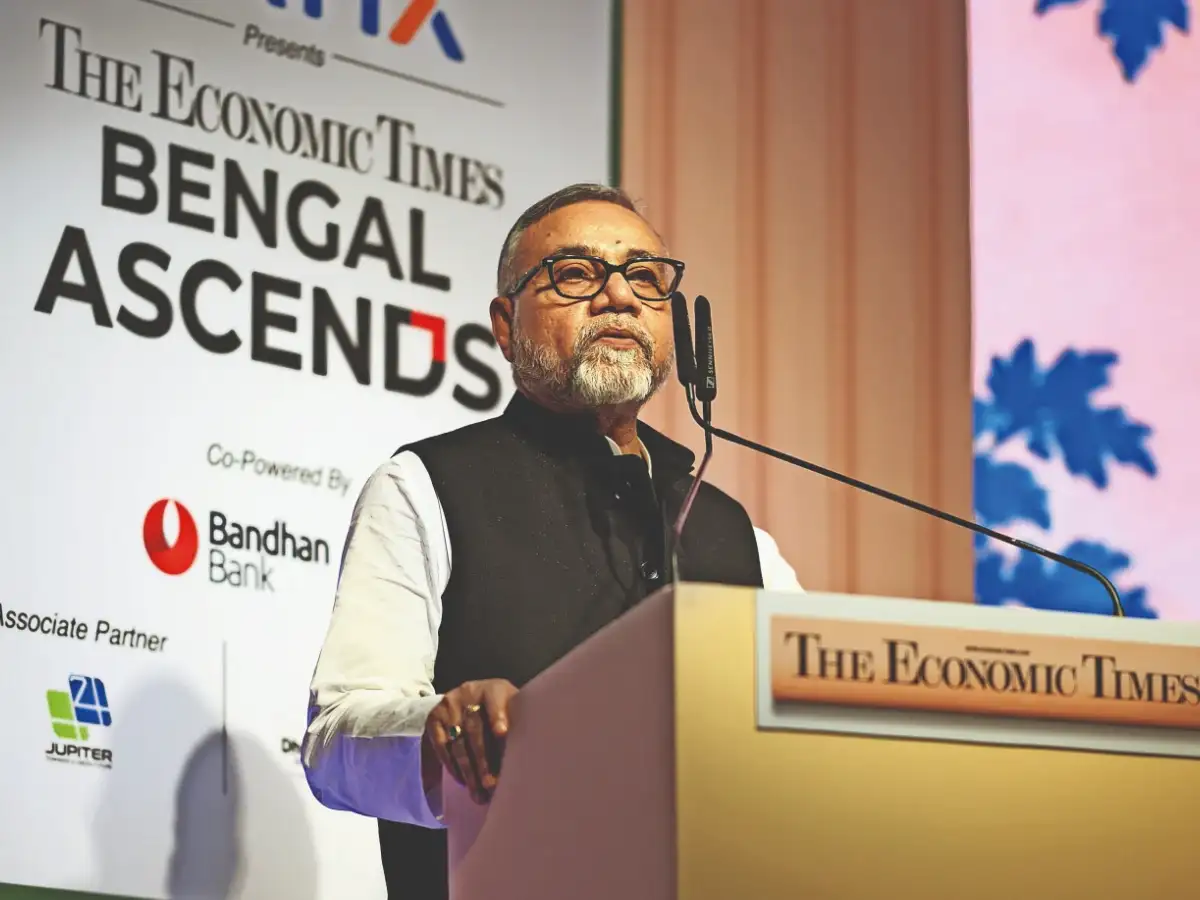
ET Bengal Ascends: 'We invite businesses to partner govt in industrialisation drive,' says Industries Minister Tapas Roy
West Bengal's minister Tapas Roy stated that the government is focused on revitalizing the state's industrial sector. Significant investments are expected from domestic and foreign sources, promoting long-term economic growth. New policies covering industrial land and investment incentives have been introduced to attract manufacturers. The state aims to be a leading industrial hub by 2031, emphasizing sustainable development. Meetings with international investors reflect growing interest in West Bengal's industrial prospects.
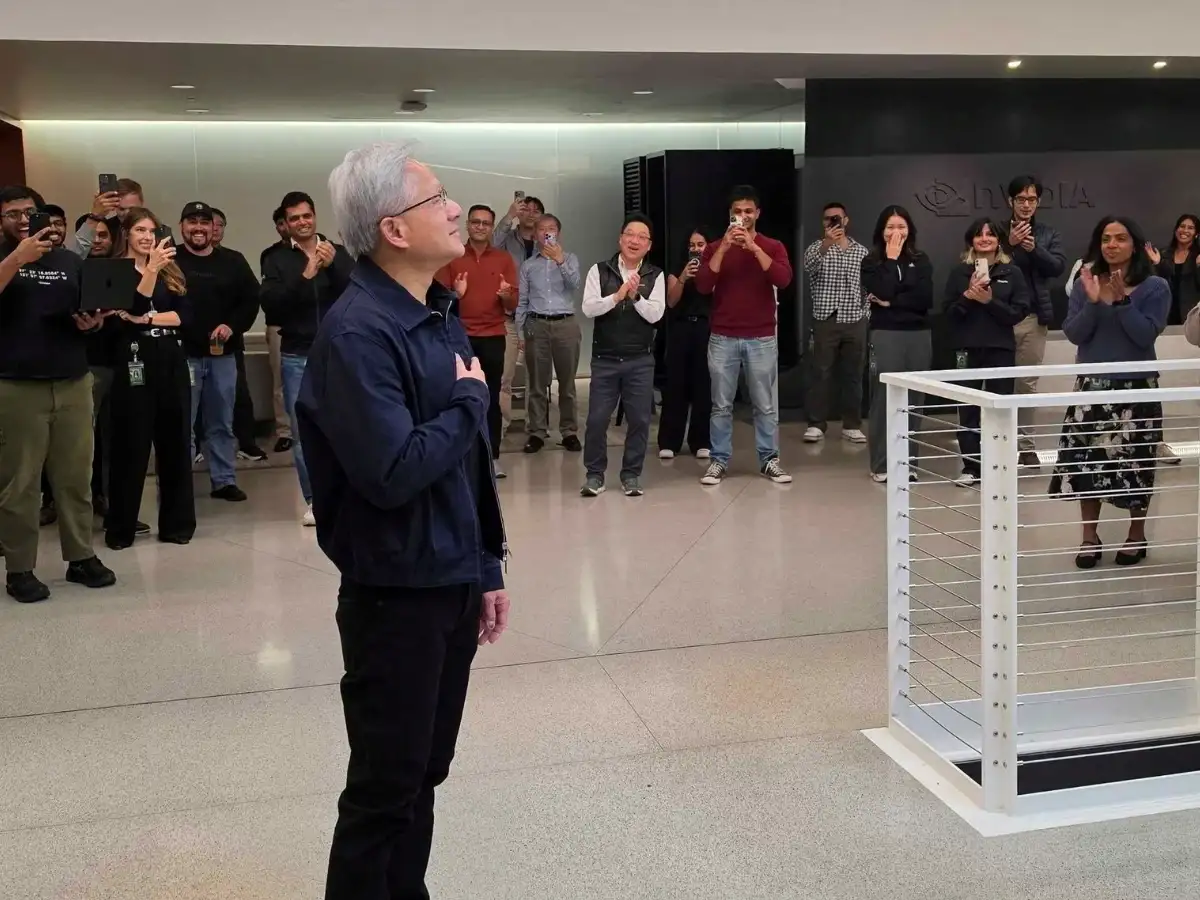
Jensen Huang admits "terrible mistakes", apologises to employees over code of conduct violations in first address after Nvidia comeback
Jensen Huang, the chief executive of Nvidia, acknowledged making terrible mistakes in a recent meeting. He expressed regret for his personal misconduct, which impacted his family and colleagues. Huang stated that he is undergoing therapy while his actions led to his resignation earlier this month. Following an internal investigation, Nvidia's board reinstated Huang, stating it was in the company's best interest.
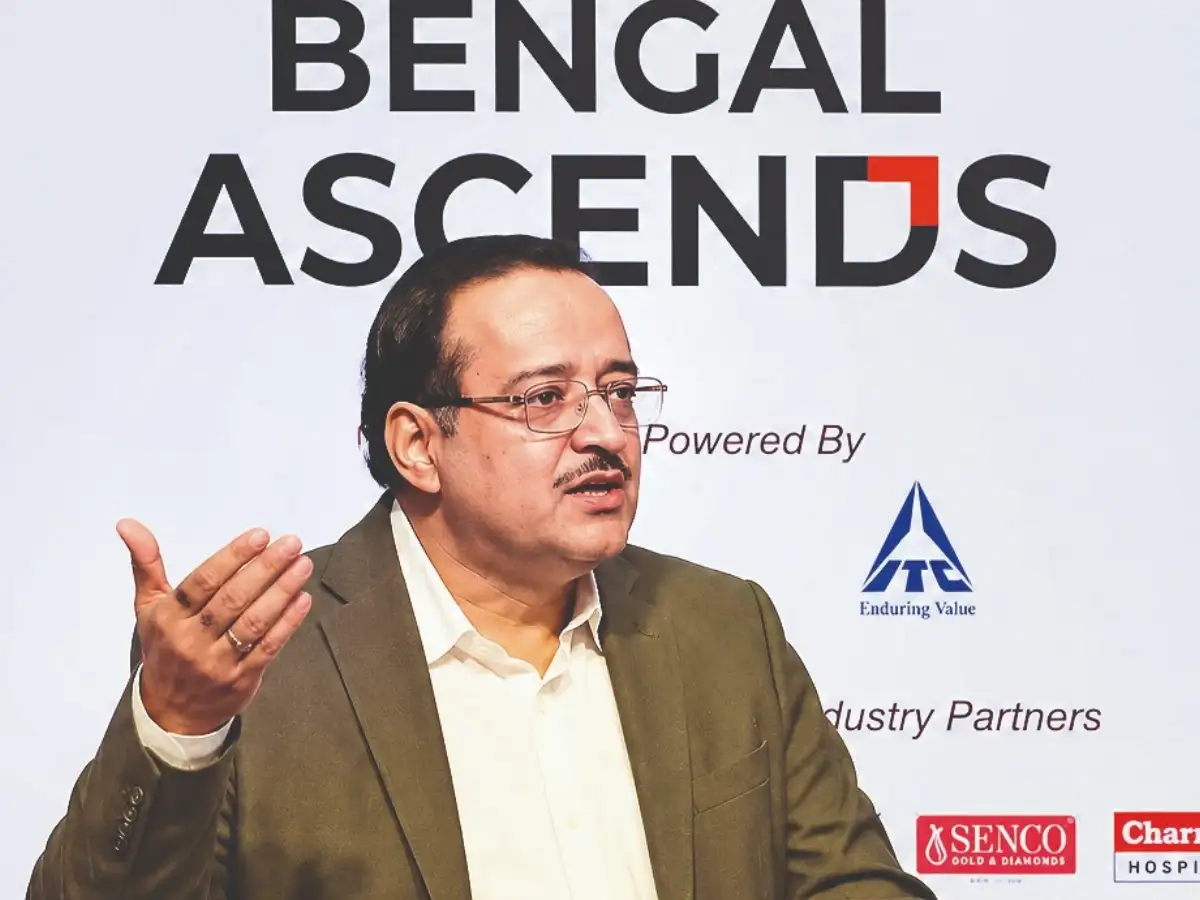
ET Bengal Ascends: Business model will be tailored to realities, says Subrata Gupta, Advisor to Bengal CM
The West Bengal government aims to attract investors by creating industrial parks to support various industries. Subrata Gupta highlighted the challenges of land scarcity and the need for employment generation in the state. West Bengal ranks fourth in investment intentions but drops to fourteenth in actual investments realized. The government emphasizes the importance of providing plug-and-play facilities to facilitate easier access for investors.
YOUR NEWS, OUR NETWORK.
Do you have Great News you want to tell the world?
Be it updates about your business or your community, you can make sure that it’s heard by submitting your story to our network reaching hundreds of news sites across 6 verticals.