
Lisa Doverspike on Building Leadership Capacity
Oct 8, 2026
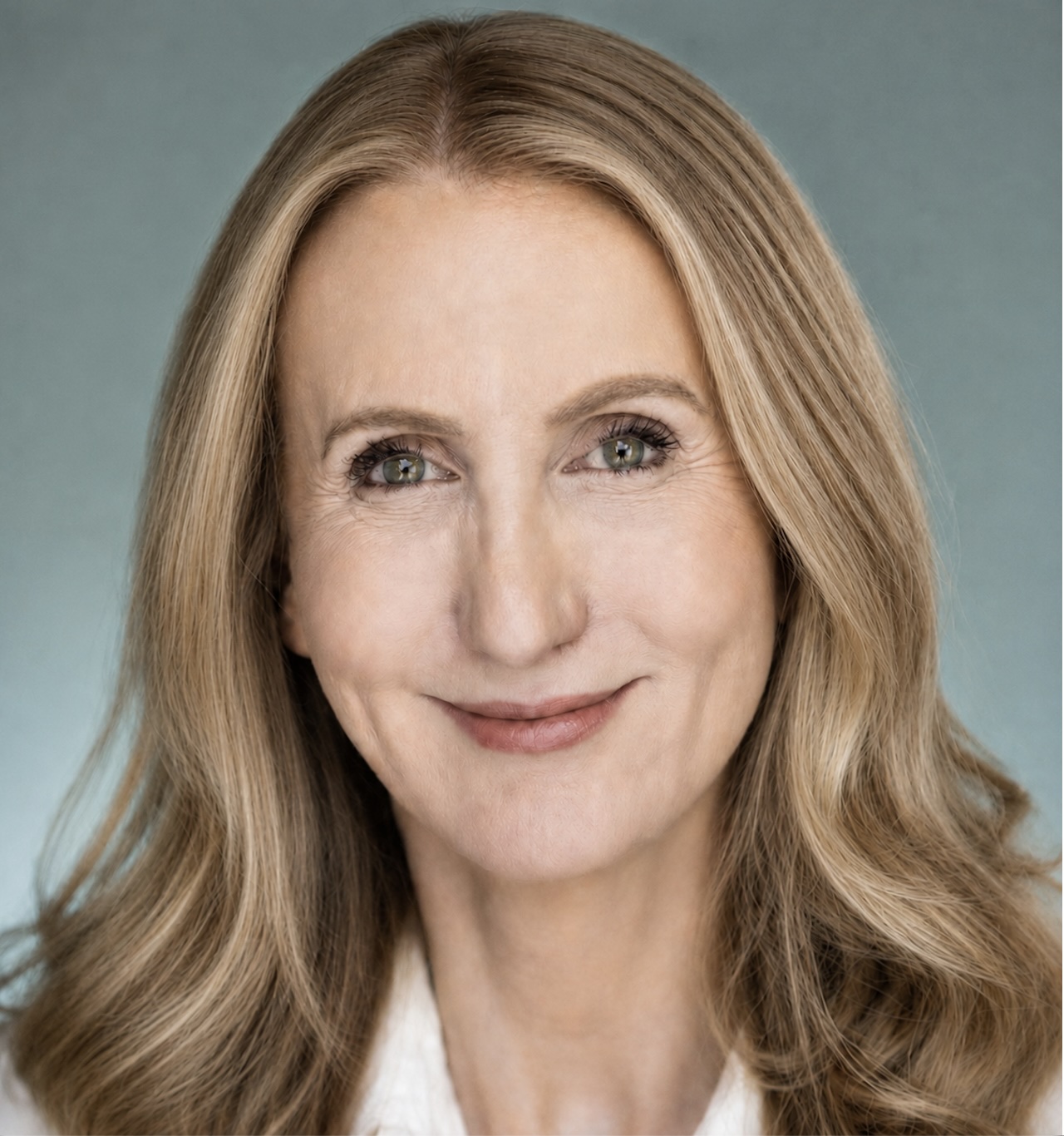
Lisa Doverspike on Building Leadership Capacity
Orange, California Oct 7, 2026 (Issuewire.com) - An organization's capacity extends beyond the number of people it employs. It also reflects how broadly responsibility, judgment, and decision-making can be carried throughout the enterprise.
Throughout more than 30 years in finance and organizational leadership, Lisa Doverspike has seen the value of developing people who can exercise judgment and take meaningful responsibility. As organizations become more complex, decisions multiply and responsibilities broaden. Some issues benefit from executive perspective. Others are best handled by capable people with the knowledge and authority to act.
Leadership capacity grows when responsibility can move through an organization without routinely moving decisions to the top.
Building that capacity requires more than delegating work. It means giving capable people meaningful responsibility, appropriate authority, and accountability for outcomes.
Give People Responsibility
A task comes with instructions. Responsibility requires judgment.
Assigning someone a project while retaining approval at each step transfers work. Giving that person a clear objective, appropriate decision authority, and accountability for the result creates an opportunity to exercise responsibility.
That distinction becomes more important as organizations grow. When decisions routinely move upward, execution can slow and senior leaders can become involved in issues that others are equipped to handle. Giving capable people room to decide creates additional capacity while developing the judgment required for broader responsibilities.
Clear expectations provide the framework. People need to understand the objective, the authority that comes with the responsibility, the resources available to them, and the circumstances that warrant additional input.
Executives can then contribute experience without taking ownership of the decision back. A few questions can help: What is the issue? Which options have you considered? What do you recommend? What resources do you need to move forward?
These questions encourage people to think through the issue and arrive with a recommendation. They also allow an executive to test the reasoning, add perspective, and identify considerations that may deserve additional attention.
Over time, the organization develops more people who can evaluate alternatives, make decisions, and take responsibility for outcomes.
Put Executive Attention Where It Adds Value
Executive attention is an organizational resource, and where it is applied matters.
Senior leaders need enough visibility to understand what is happening across the enterprise. Their perspective can be particularly valuable when decisions cross functional boundaries, involve significant resources, affect governance or culture, or influence longer term strategy.
A financial decision may have implications for capital allocation and future investment. A leadership decision may influence succession and organizational culture. An operating issue may reach customers, employees, technology, and financial performance. These decisions often benefit from the broader perspective senior executives can provide.
Other decisions may be better made by the people with the greatest knowledge of the issue.
The distinction requires judgment. Senior leaders add value when they recognize where their involvement can materially improve an outcome and where another leader has the knowledge, responsibility, and authority to decide.
Clear decision rights help. People who understand what they own, when collaboration is useful, and when an issue should be elevated can move with greater confidence and accountability. Senior executives, in turn, can devote more attention to setting priorities, allocating resources, developing people, anticipating what comes next, and connecting decisions across the enterprise.
Build an Organization With Depth
Leadership capacity becomes especially visible when circumstances change.
A business may enter a new market, integrate an acquisition, implement a major system, lose a key executive, or encounter an unexpected challenge. Organizations with depth have people who can step forward, assess what needs to happen, and assume responsibility.
That depth develops through experience. Leaders give capable people opportunities to make consequential decisions, provide context and resources, ask questions that sharpen their thinking, and hold them accountable for results. As people demonstrate sound judgment, their responsibilities can expand.
The benefits extend to succession. Developing people who are prepared for broader responsibilities gives an organization more options as roles evolve and leadership needs change.
The effect can compound. One capable executive can contribute to many good decisions. An organization with leadership depth can bring sound judgment to decisions across functions, locations, and levels of responsibility.
For Doverspike, building leadership capacity is ultimately about creating a stronger organization. Senior executives contribute perspective where it adds value while giving capable people meaningful opportunities to lead.
The test often comes when responsibility expands, circumstances change, or a key leader is unavailable. Organizations with leadership depth are better positioned to continue making decisions, executing priorities, and moving forward because capable leadership exists throughout the enterprise.
To learn about Lisa Doverspike visit: https://www.linkedin.com/in/lisa-doverspike-74723628/?isSelfProfile=false
Source :Lisa Doverspike
This article was originally published by IssueWire. Read the original article here.
More News
Public executions in USA: What does Fort Hood firing squad execution mean? When will Pentagon live stream take place?
Public executions in USA: Five states currently allow executions by firing squad: Idaho, Mississippi, Oklahoma, South Carolina, and Utah. The Trump administration earlier this year said it would allow execution by firing squad in the federal prison system.
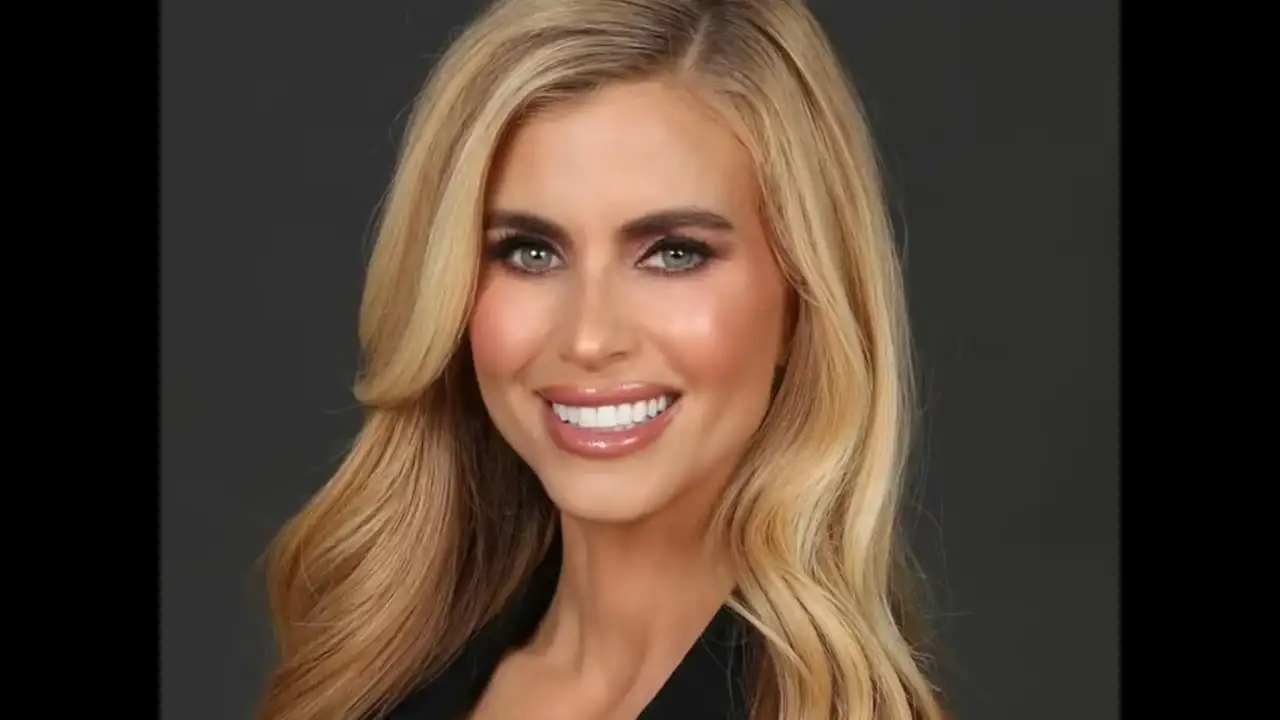
Is Katie Zacharia the new White House Press Secretary? What to know about Karoline Leavitt’s potential successor
Katie Zacharia has reportedly been offered the White House press secretary role after Karoline Leavitt’s departure. Here’s what to know about Trump’s potential new press secretary, her DHS experience and political background.
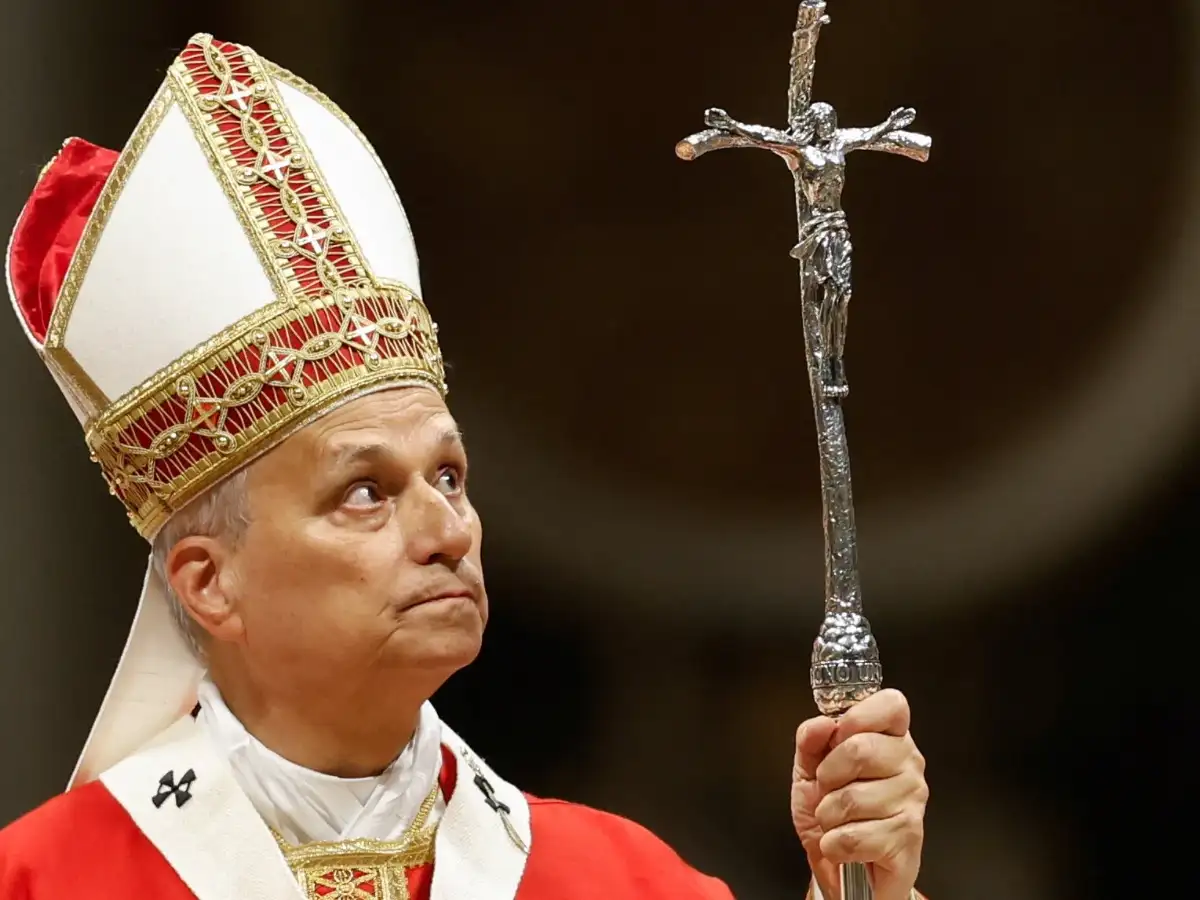
Can AI ever possess a human soul? Pope Leo XIV's remarks and Anthropic's new Claude policy deepen the consciousness debate
Pope Leo XIV recently addressed the distinction between human understanding and AI's data processing capabilities. He emphasized that human experiences cannot be fully captured by mere data compilation. Anthropic's new policy raises moral considerations regarding AI welfare and abusive interactions. Technology leaders remain divided over the consciousness and emotional capacity of AI systems. As discussions continue, experts explore the implications of AI's growing sophistication on human identity and understanding.

Discerning desis ensured that many local products are now on par with the world’s best
The long-held reluctance of Indians to accept locally made "foreign" items as equally good alternatives until well into the 21st century probably stems from the notorious policy of "import substitution", a legacy of the era of socialist scarcity and Five-Year Plans. It was a typical sarkari diktat, supposedly to achieve economic self-reliance and protect domestic industry. But negligible focus on technology and quality benchmarking led to chronic sub-par products.
Discerning desis ensured that many local products are now on par with the world’s best
The long-held reluctance of Indians to accept locally made "foreign" items as equally good alternatives until well into the 21st century probably stems from the notorious policy of "import substitution", a legacy of the era of socialist scarcity and Five-Year Plans. It was a typical sarkari diktat, supposedly to achieve economic self-reliance and protect domestic industry. But negligible focus on technology and quality benchmarking led to chronic sub-par products.
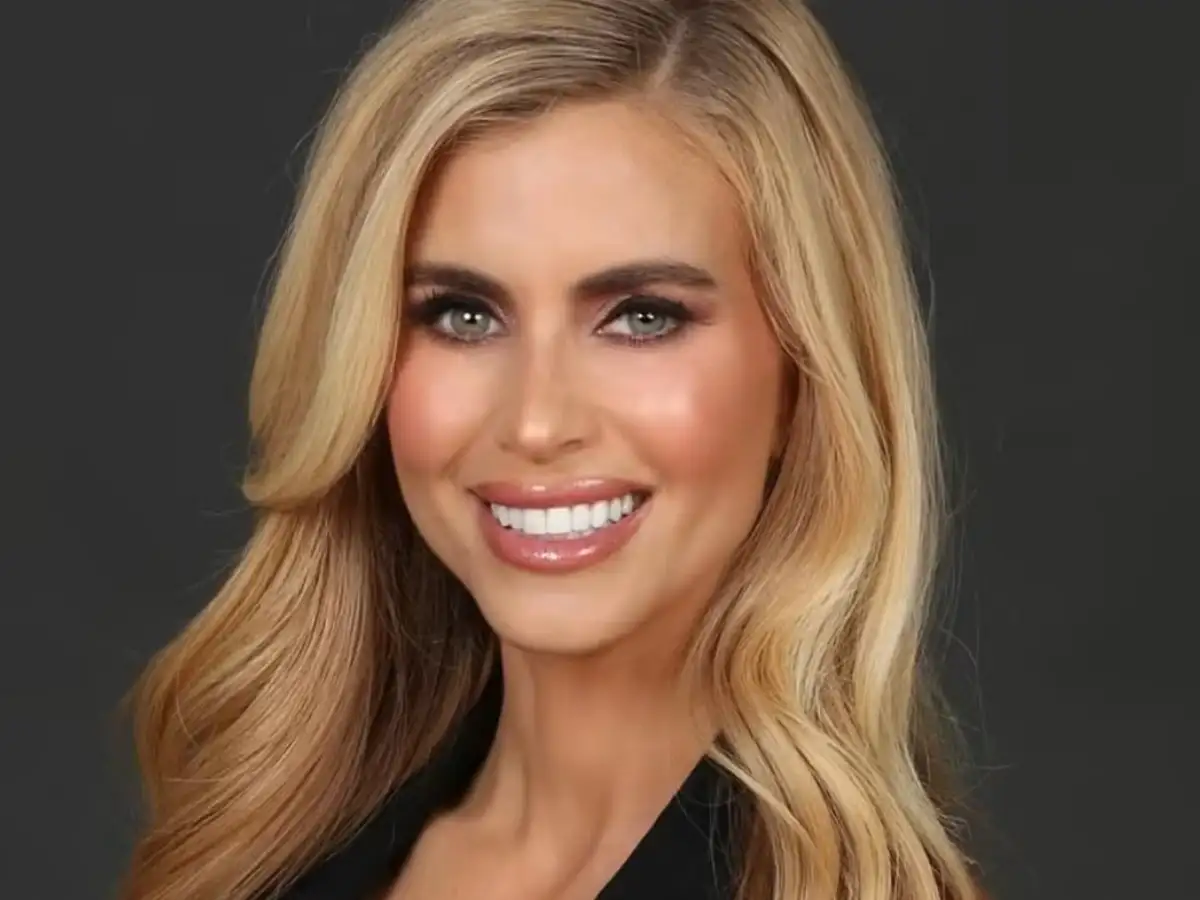
Katie Zacharia’s past in focus: DHS stint, Pepperdine law degree and Truth Social link as Trump picks her for White House press secretary, replacing Karoline Leavitt
Katie Zacharia has been named the new press secretary for the White House, taking over from Karoline Leavitt. With a solid background as a spokesperson for the Department of Homeland Security, she brings experience from the Trump Media and Technology Group, specializing in communications. An alumnus of Pepperdine University, her career reflects a steadfast dedication to conservative principles.

Great civilisations: Built on trade, but wary of traders
China ranked people in four groups: scholar, farmer, artisan, merchant. Shi, nong, gong, shang. The idea is old, found in the Guanzi. The scholar governs. Farmer grows food. Artisan makes things. The merchant makes nothing. He buys low, sells high and keeps the difference. So, he goes to the bottom. The first Han emperor, Gaozu, took this seriously. Sima Qian tells us he banned merchants from wearing silk and from riding in carriages. He taxed them hard. Made them look poor, even if they were rich. Then the state ran short of money.
Great civilisations: Built on trade, but wary of traders
China ranked people in four groups: scholar, farmer, artisan, merchant. Shi, nong, gong, shang. The idea is old, found in the Guanzi. The scholar governs. Farmer grows food. Artisan makes things. The merchant makes nothing. He buys low, sells high and keeps the difference. So, he goes to the bottom. The first Han emperor, Gaozu, took this seriously. Sima Qian tells us he banned merchants from wearing silk and from riding in carriages. He taxed them hard. Made them look poor, even if they were rich. Then the state ran short of money.
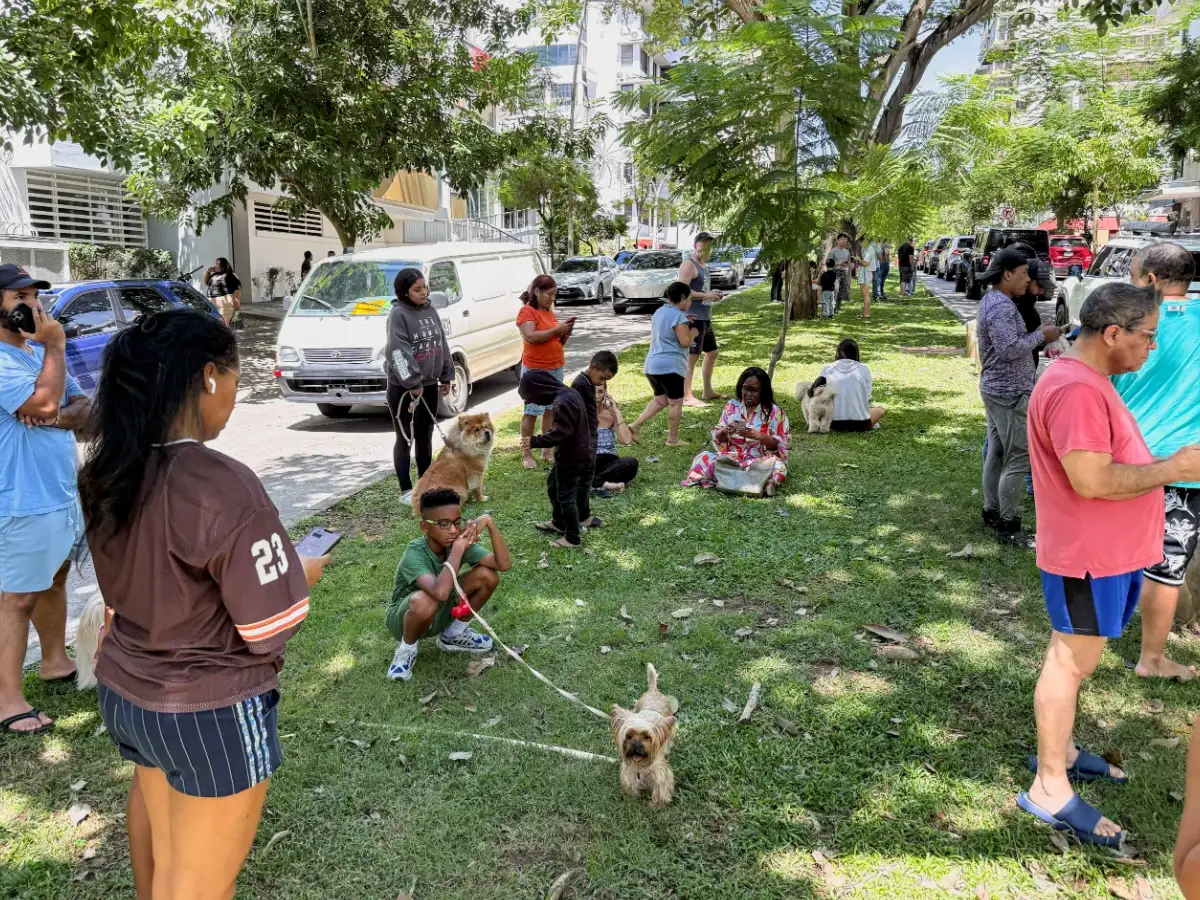
7.6 magnitude earthquake jolts Panama, people evacuate buildings as tsunami threat looms over Pacific coast
A strong earthquake measuring 7.6 in magnitude hit near the southern coast of Panama. Although initially reported as 8.0, the magnitude was later downgraded by the US Geological Survey. Evacuations occurred in Panama City, but no immediate damage reports were available. Tsunami warnings were issued for much of Central America's Pacific coast, including Colombia and Ecuador. The quake was also felt in the capital of neighboring Costa Rica.
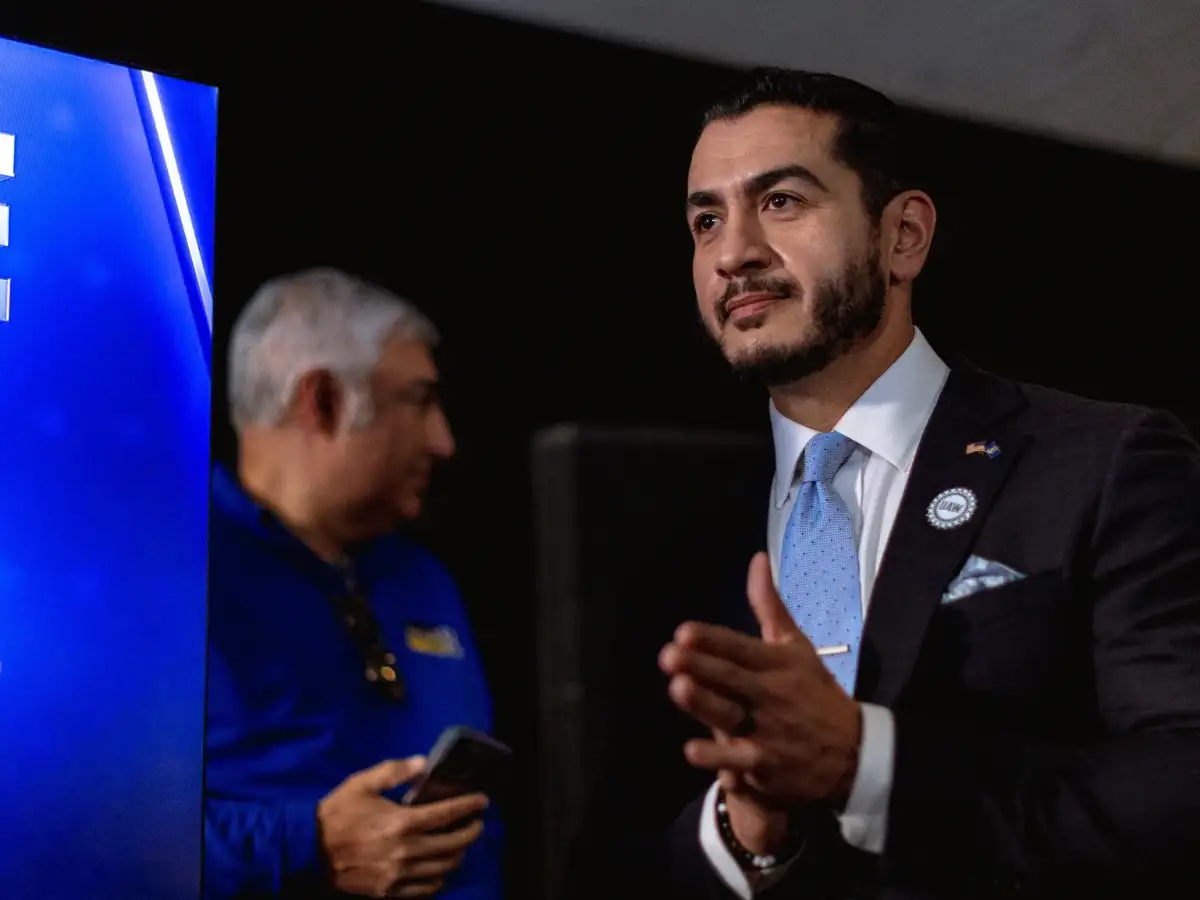
US midterm elections: Who is Abdul El-Sayed? The Egyptian-American Rhodes scholar and public health expert taking on Republicans in Michigan’s Senate race
Abdul El-Sayed took an unusual route to American politics. Trained in medicine and public health, he spent years studying why people get sick and how public systems can improve their lives. Now, the 41-year-old Egyptian-American is running for the US Senate in Michigan after defeating establishment-backed Haley Stevens in the Democratic primary. A Rhodes Scholar and former Detroit health chief, he is campaigning for Medicare for All, tighter campaign finance rules and relief from rising living costs.
YOUR NEWS, OUR NETWORK.
Do you have Great News you want to tell the world?
Be it updates about your business or your community, you can make sure that it’s heard by submitting your story to our network reaching hundreds of news sites across 6 verticals.