
Innovation in Bedding Production: Analyzing Hengchang Engineering as a China Top Mattress Machine Manufacturer
Sep 20, 2026
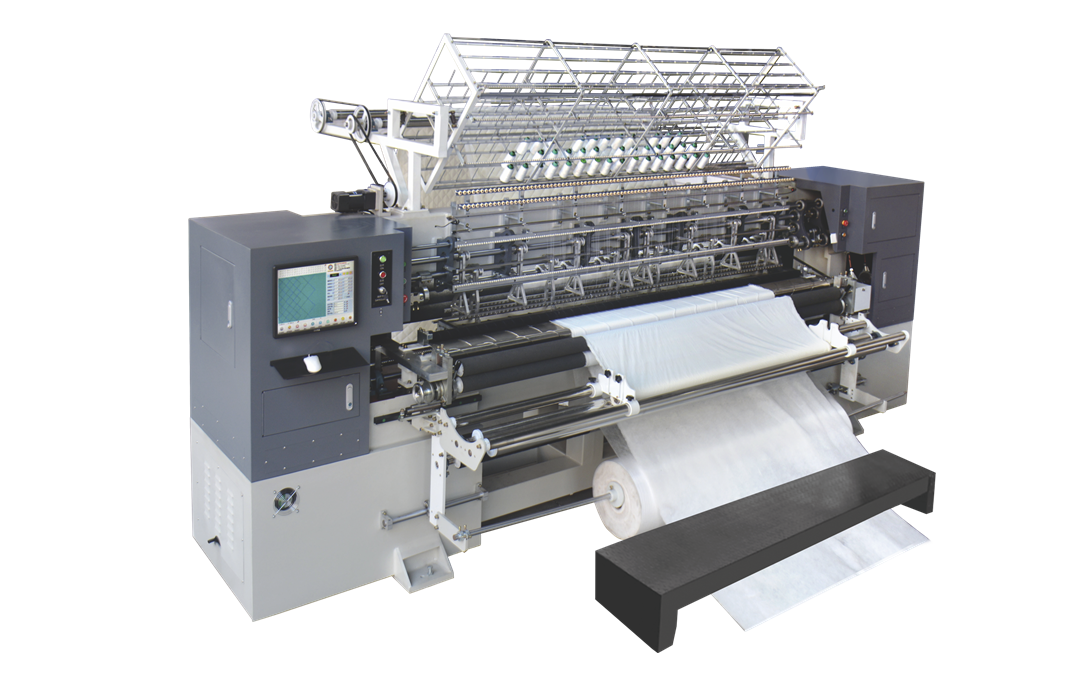
Dongguan, Guangdong Sep 19, 2026 (Issuewire.com) - Talk about innovation in bedding production often starts with broad claims and buzzwords. A more useful starting point is the shop floor. On a real quilting line, the meaningful question is whether quilting, edge trimming, and stacking move without waiting between steps. When each stage feeds the next with no idle gap, that continuity itself becomes the true unit of progress. Hengchang Quilting Machinery Factory has built its reputation around this idea, and its position as a China top mattress machine manufacturer rests less on any single headline number than on how its machines link together. The company mainly produces high-speed computerized quilting machines, computerized automatic cutting machines, mattress production equipment, and related materials, and each product line is designed to fit into a connected workflow rather than sit alone. Looking at Hengchang through this lens explains why a mattress machine manufacturer is judged by line rhythm more than by isolated specs.
Traceable Iteration at the Machine Level
The clearest evidence of engineering work shows up in how individual machines change over time. Small mechanical decisions, repeated across every unit, add up to steadier output.
Take the multi-function chain stitch quilting machines. On the HC4000, the drive uses a Y-axis coupling instead of a belt. That single change reduces slippage and keeps stitch spacing consistent at speed, which matters when a line runs for long shifts. Presser plate height is set through the computer control rather than by hand, so operators can match different fabric thicknesses without guesswork. The machine bodies are built heavier on purpose, and the added mass helps absorb vibration during fast reciprocation. Broken-thread detection through an encoder stops the machine when a stitch fails, so defects do not travel downstream unnoticed.
These are not dramatic features. They are the kind of quiet refinements a working mattress machine maker keeps making, and each one can be traced to a specific product page rather than to a slogan.
The lineup extends past quilting. The HC-FQ2500 handles four-side sewing and cutting, closing the border on a panel in one pass. The HC-ST-A brings stacking into the same motion sequence, so finished panels collect in order instead of being handled separately. Seen together across the products and applications pages, these units form a chain: material comes in, gets quilted, gets its edges finished, and gets stacked, with the mechanical design of each stage matched to the next.
Control and Software Working Together
Hardware alone does not create smooth flow. The control side has to keep pace. On Hengchang machines, a PLC touchscreen runs the operation, and a CAD-based pattern library lets an operator load or adjust quilting designs directly. Because patterns are stored and recalled digitally, switching from one design to another does not require rebuilding a setup by hand.
What stands out here is that the company develops its own mechanical designs and software rather than sourcing control systems from outside. That in-house pairing means the motion hardware and the program that drives it are tuned to each other. Pattern changes can happen without a full stop, so a line does not lose a long block of time every time a product spec changes. This is a practical benefit, not a claim about connected factories or futuristic automation. The value is simpler: fewer manual steps, fewer chances for error, and a shorter gap between one job and the next.
For a buyer comparing suppliers, this matters. Two machines might list similar stitching speeds, yet the one that changes patterns faster and catches thread breaks automatically will produce more usable output over a week. Judging a mattress machine on control behavior, not just top speed, gives a truer picture of what it delivers.
Line-Level Rather Than Single-Machine Thinking
It is easy to compare quilting equipment by peak stitching rate. That number is real, but on its own it can mislead. A single machine running fast still stalls a line if the next stage cannot keep up, or if changeovers eat into the day.
Hengchang's approach places the innovation at the join between machines. The goal is a steady takt across quilting, trimming, and stacking, so the whole run holds a consistent pace. When the HC-FQ2500 finishes borders at a rate that matches upstream quilting, and the HC-ST-A stacks at the same rhythm, the line avoids the pile-ups and empty pauses that quietly cut daily volume. This line-level view is what separates a supplier of individual machines from a partner in bedding production. The relevant measure is not how fast one unit can go in a demonstration, but how evenly a complete setup runs through an ordinary shift.
This also shapes how the company supports its customers. Products are described in terms of quality, reliability, efficiency, cost-effectiveness, and ease of operation, and those points read differently once the line-level goal is clear. Reliability means fewer unplanned stops that break the rhythm. Ease of operation means faster, cleaner changeovers. Cost effectiveness follows from steadier output rather than from a low sticker price alone. Past project examples on the cases and applications pages show these machines working in real production settings, which is the sort of evidence that carries more weight than description.
Where This Leaves Hengchang
Return to the standard set at the start: continuity across steps. Measured that way, Hengchang Quilting Machinery Factory earns its standing as a top mattress machine manufacturer through three layers of steady improvement that stack on one another. At the process layer, quilting, trimming, and stacking are arranged to flow without waiting. At the mechanical layer, choices like the Y-axis coupling, computer-set presser height, added mass for vibration control, and encoder-based thread detection make each stage dependable. At the control layer, in-house software and a stored pattern library keep changeovers short and errors rare.
None of these points needs exaggeration to stand up, because each one traces back to a specific machine or a specific page rather than to a broad promise. That is the engineering character behind the Hengchang name: not a single breakthrough, but a set of connected, checkable refinements that a mattress machine manufacturer builds up over many production runs. For anyone weighing equipment for a bedding line, that traceability is the point worth holding onto.
Further product details, application examples, and company background are available at https://machine-quilting.com/
Media Contact
Hengchang Quilting Machinery Factory
+86 13450027928
XiaLingBei Industrial Area, LiaoBuTown, DongGuan City, GuangDong Province, 523411
Source :Hengchang Quilting Machinery Factory
This article was originally published by IssueWire. Read the original article here.
More News

Trump’s Iran war bill hits $45.1 billion and counting
The Pentagon estimates the US conflict with Iran has cost $45.1 billion. This figure surpasses earlier Congressional Budget Office projections for the war. The Pentagon's estimate includes war-related expenses and additional fuel costs. However, it does not cover repairs or indirect military operation costs. The conflict's ongoing nature suggests continued financial expenditures.

Who is Suchika Tariyal? From self-defence to assuring India an Asian Games medal in MMA
Suchika Tariyal secured an Asian Games medal in MMA on Sunday. She advanced to the semifinals after defeating Mongolia's Altanchimeg Baigalmaa. Her combat sports career began with Judo and evolved through Ju-Jitsu. Tariyal also achieved success in professional MMA after a seven-year break. She previously served in public service and sports administration roles.

UN General Assembly 2026: Trump returns to the world stage as Ukraine, Middle East wars and AI risks dominate agenda
The UN General Assembly takes center stage in New York this week, bringing together global leaders to debate pressing issues such as the Middle East crisis, Ukraine's turmoil, and the dangers posed by artificial intelligence. Notably, President Donald Trump will take the floor again, although Xi Jinping will not be present. This event challenges the United Nations to rethink its significance and address financial strains from member countries.
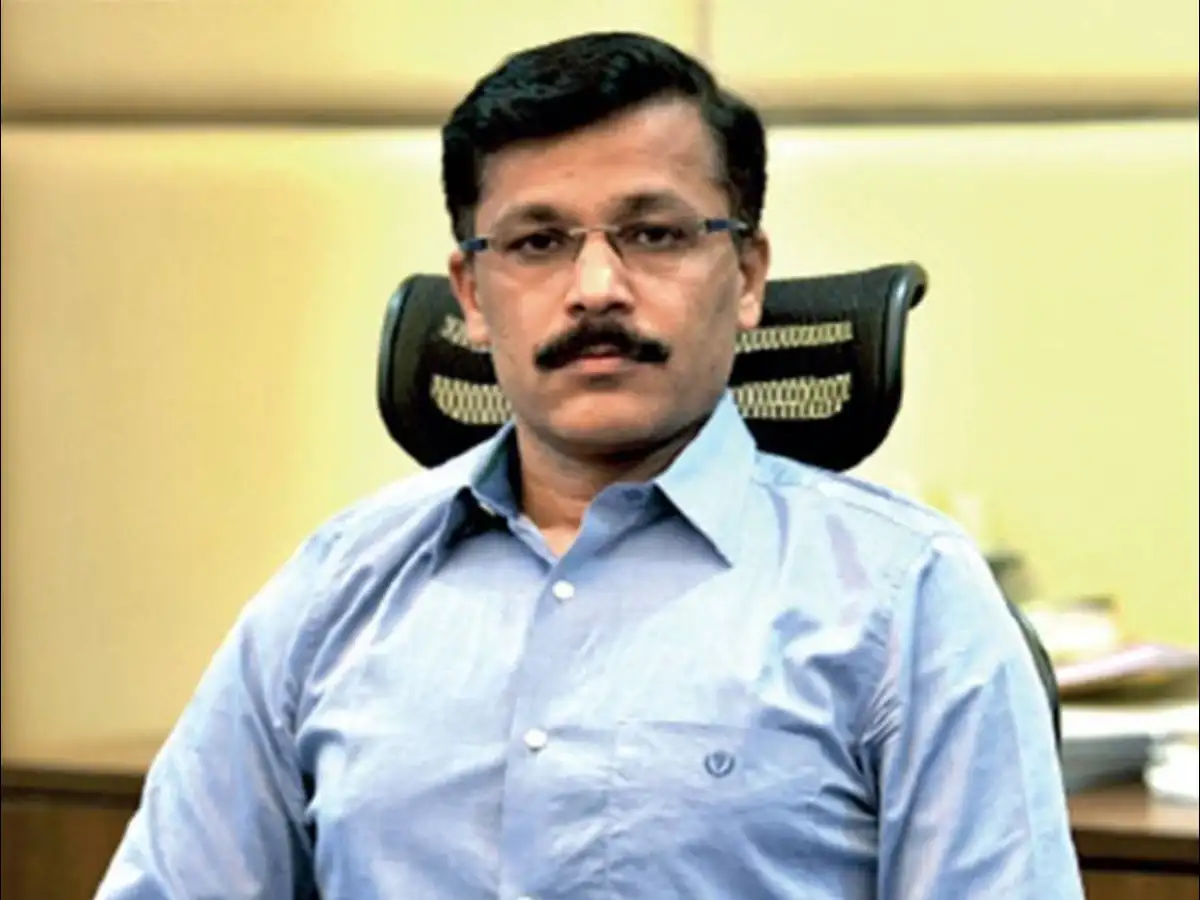
‘We need to balance business & livelihoods with public health,' says Maharashtra FDA chief Tukaram Mundhe
Maharashtra FDA commissioner Tukaram Mundhe says India must improve street-food hygiene without hurting vendors’ livelihoods. He backs designated vending zones with proper sanitation and regulation, while stressing that footpaths should remain accessible to pedestrians. Mundhe says local authorities and FDA must work together to ensure safe, organised and sustainable vending.
‘We need to balance business & livelihoods with public health,' says Maharashtra FDA chief Tukaram Mundhe
Maharashtra FDA commissioner Tukaram Mundhe says India must improve street-food hygiene without hurting vendors’ livelihoods. He backs designated vending zones with proper sanitation and regulation, while stressing that footpaths should remain accessible to pedestrians. Mundhe says local authorities and FDA must work together to ensure safe, organised and sustainable vending.
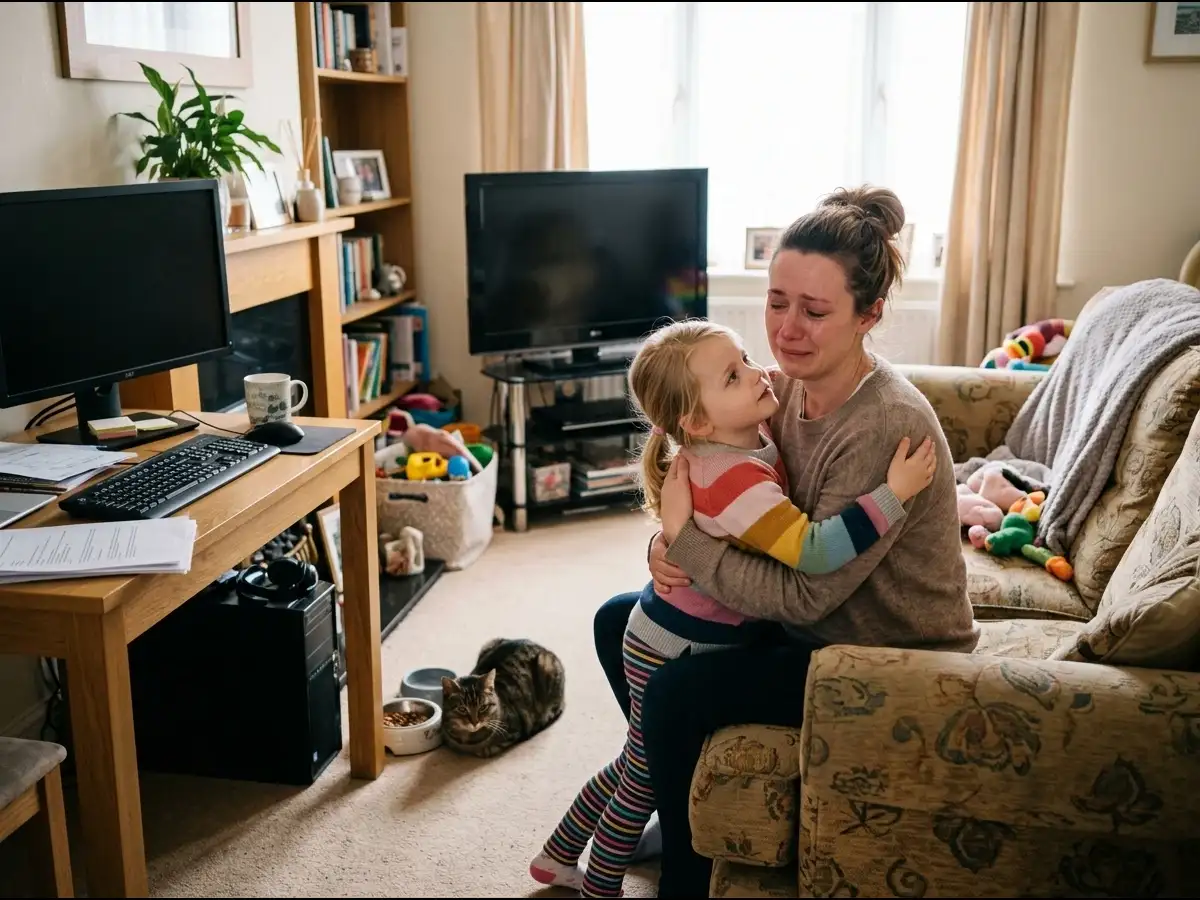
Good in people: A 6-year-old noticed her mother picking her up from school, helping dad and feeding the cat after she forgot to turn the TV back, then said something so kind that brought her to happy tears
Good in people: A 6-year-old’s simple response to her mother’s forgotten TV chore has touched thousands online, offering a tender reminder of how children can notice the everyday sacrifices adults often overlook.The mother, who was going through a difficult period, was moved to tears when her daughter recognized everything she does for the family and told her, “It’s ok to forget.”

Fired employee claims company paid $15,000 to walk away, then asks about missing $380,000, stuns HR
A viral X post claims a fired employee accepted a $15,000 payment after being asked not to contact company clients, then questioned management about an alleged $380,000 transfer from a client account. The post claims investigators later uncovered altered records and an approval trail involving executives, with three executives eventually charged.

India’s street food paradox: Cleaner cities, but where do vendors go?
India’s street-food vendors are facing tighter enforcement as cities reclaim pavements and push for cleaner public spaces. But without designated vending areas, basic infrastructure and consistent regulation, thousands of small businesses risk being pushed further into informality. From Mumbai to Singapore, the challenge is balancing hygiene, accessibility, livelihoods and urban planning.
India’s street food paradox: Cleaner cities, but where do vendors go?
India’s street-food vendors are facing tighter enforcement as cities reclaim pavements and push for cleaner public spaces. But without designated vending areas, basic infrastructure and consistent regulation, thousands of small businesses risk being pushed further into informality. From Mumbai to Singapore, the challenge is balancing hygiene, accessibility, livelihoods and urban planning.

3 dead, one critical in high-speed BMW crash on Mumbai Coastal Road
A high-speed BMW crash on Mumbai Coastal Road early Sunday morning resulted in three fatalities. The vehicle was traveling from Marine Drive towards Haji Ali when the driver lost control. Two deceased individuals were identified as Shanay Gajjal and Dhirya Seth. An unidentified 25-year-old man also died, and a 20-year-old passenger is critically injured. The accident occurred around 5:20 AM near Lotus Jetty.
3 dead, one critical in high-speed BMW crash on Mumbai Coastal Road
A high-speed BMW crash on Mumbai Coastal Road early Sunday morning resulted in three fatalities. The vehicle was traveling from Marine Drive towards Haji Ali when the driver lost control. Two deceased individuals were identified as Shanay Gajjal and Dhirya Seth. An unidentified 25-year-old man also died, and a 20-year-old passenger is critically injured. The accident occurred around 5:20 AM near Lotus Jetty.

J&K: Security tightened in Bhalesa as SOG intensifies search operations and patrolling
Security has been tightened in Bhalesa in Doda district following recent terror-related developments in the Doda-Udhampur belt. Exclusive visuals show personnel of the Special Operations Group conducting intensive search operations and patrolling in border and interior areas as security forces maintain heightened vigilance in the region.
YOUR NEWS, OUR NETWORK.
Do you have Great News you want to tell the world?
Be it updates about your business or your community, you can make sure that it’s heard by submitting your story to our network reaching hundreds of news sites across 6 verticals.