
Getting to Better than Normal in a Post-COVID-19 World
Apr 6, 2021

Delegates at an online conference organised by APDA and AFPPD looked at ways to mitigate the impact of COVID-19 on women and girls.
JOHANNESBURG, South Africa, Apr 6 2021 (IPS) - Girls in Asia don’t want to go back to normal – they want to go “back to better than normal”, says Zara Rapoport, a delegate during an online seminar on the impact of the COVID-19 pandemic on gender. The seminar, held this week, was organised by the Asian Forum for Parliamentarians on Population and Development (AFPPD) and the Asian Population and Development Association (APDA). It focused on the impact of COVID-19 on gender in the Asia Pacific and Central Asian regions. Rapoport, the Regional Gender Equality and Inclusion Lead for Plan International Asia Hub, said her organisation had worked with a group of girls to design a youth-led, feminist report with a post-COVID-19 vision of the future. Their ideas included what the girls termed a ‘revolutionary reset’. They felt that the world they came from before the pandemic was intrinsically unequal – and this needed to change. She said her organisation took on board the adolescent girls’ suggestions to see a future world with “gender justice, education and training for everyone”. A world where women and girls have rights to protection, gender equality, and climate change is addressed. While the message was clear, the impact of the pandemic on women was devastating. However, most of the speakers concentrated on programmes to address women’s issues across the Asia Pacific and Central Asian regions. Professor Keizo Takemi, MP, Japan, and Chair of AFPPD reminded delegates that it was critical to address gender issues. Research showed women were at higher risk from the pandemic’s COVID-19 impacts, which included reduced access to reproductive health care. Upala Devi, Gender Advisor UNFPA APRO, said it was “very, very disheartening to see all the gains made in the last 20 years erased, reversed, in just one year in the pandemic.” She said a recent gender gap report had estimated that it would take another 75 years to regain some of the gains. This was not something we would see in our lifetime, she warned. The pandemic, she warned, was not over, and India and Bangladesh were experiencing the third wave with lockdowns and other social distancing restrictions coming into play. Nevertheless, Devi said the pandemic forced organisations to focus on continuity and life-saving gender-based violence (GBV) and health response services. She outlined several innovative delivery models which had gained traction in the region. “We’ve looked at the development of the technical guidance on the remote provision of human response services … ensuring that those who are the most vulnerable and marginalised have access to services,” Devi said. This included, at a macro ‘South South-level’, facilitating, country-to-country sharing of knowledge, strategies, and promising practices. It included developing a guidance note on the adaptation of dignity kids for a COVID-19 context at a regional level. Then at a national level, there was evidence of really innovative programming. Devi said the “Spotlight Initiative”, a multi-year global partnership between the European Union and the United Nations to eliminate all forms of violence against women and girls, had been rolled out in some countries in the Asia Pacific. Under this initiative, countries like Papua New Guinea and Timor-Leste worked with remote service delivery workers to strengthen responses in delivering GBV services. “We have created creative shelters in many countries like Bangladesh and India, and Thailand. We have looked at innovative means to provide psychosocial support through free counselling and tele-counselling … and SMS-based psychosocial first aid,” she said, outlining some of the other innovations in the region. Devi said they were looking at remote case management in, for example, countries like Pakistan. APPs were now safety nets for women, with good examples from Delhi and Mumbai in India. The safety APPs ensure that women have access to the nearest police station if they feel that their safety had been compromised. Other innovations included one stop COVID centres. Ulukbek Batyrgaliev, member of IPPF’s Board of Trustees, Chair of National Youth Committee at the Reproductive Health, said women in the Central Asia region were largely excluded from decision making. About 83 percent of women suffer from domestic or sexual violence, forced and early marriages and were affected by some harmful and humiliating cultural and social practises, like virginity tests. Nevertheless, through the organisation’s social media outreach during the COVID-19 pandemic, they could reach 50 000 girls and women. In addition, it created information videos on sexual and reproductive health, HIV and so on. Björn Andersson, Regional Director, UNFPA APRO, reminded parliamentarians they played a critical role in shaping a “more equal future”. He joined other delegates, including Maher Afroze, who said she was COVID-positive, to applaud and celebrate women leaders in the front lines of the COVID-19 in pandemic response. The delegates clapped for the doctors, nurses, midwives and other health workers, social workers, psychosocial counsellors, hotline operators and community volunteers. They thanked them for finding new and innovative ways to reach women and girls in need and provide life-saving services.More News

PSG's Ligue 1 Clash Against Arch-Rivals Lyon Postponed Due To Violent Protests In Paris
The date change for PSG causes a potential headache as the match will now clash with the Ballon d'Or ceremony taking place in London on Monday evening.
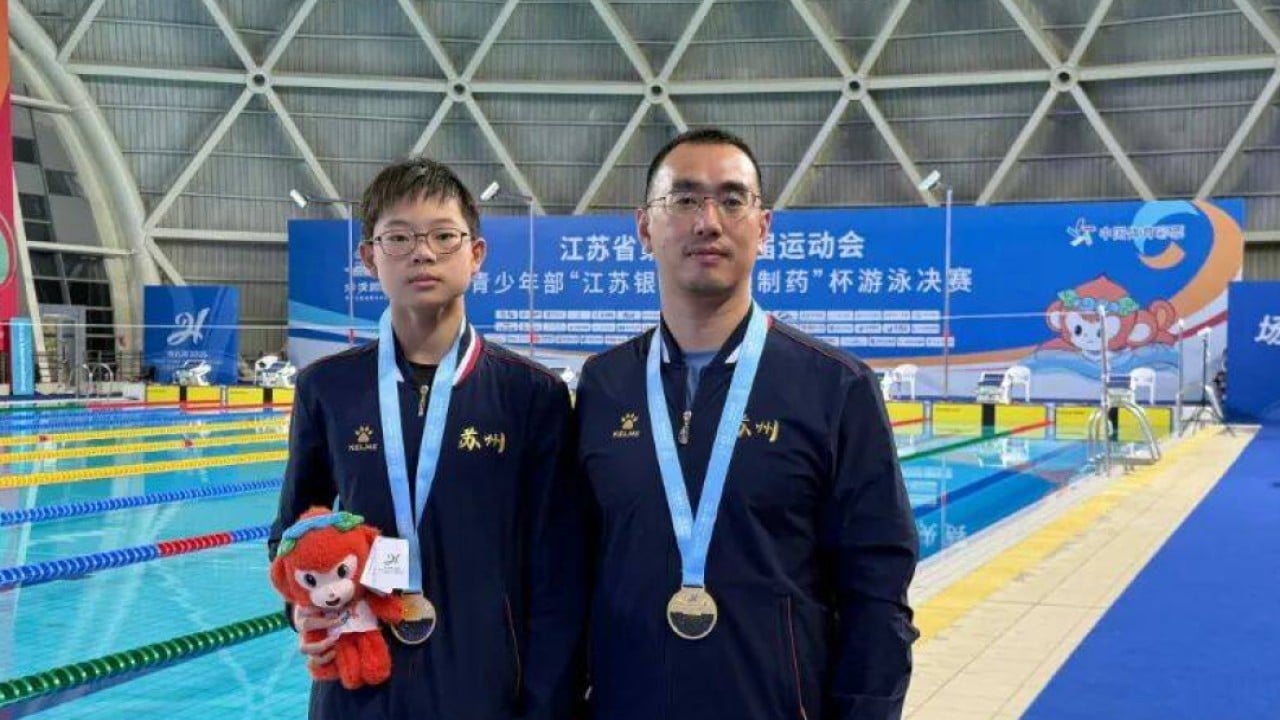
Newest Chinese swimming sensation is already turning heads, and he’s only 12 years old
China may have unearthed another swimming sensation in 12-year-old Hu Rundong, who turned heads by winning gold, setting records and meeting first-class standards at a provincial event this week. Hu emerged as the stand-out performer in the junior swimming division at the 21st Jiangsu Provincial Games, winning five gold and four silver medals across 10 events. Competing in the boys’ 12-year-old category, the Suzhou native competed in breaststroke, butterfly, freestyle and individual medley...
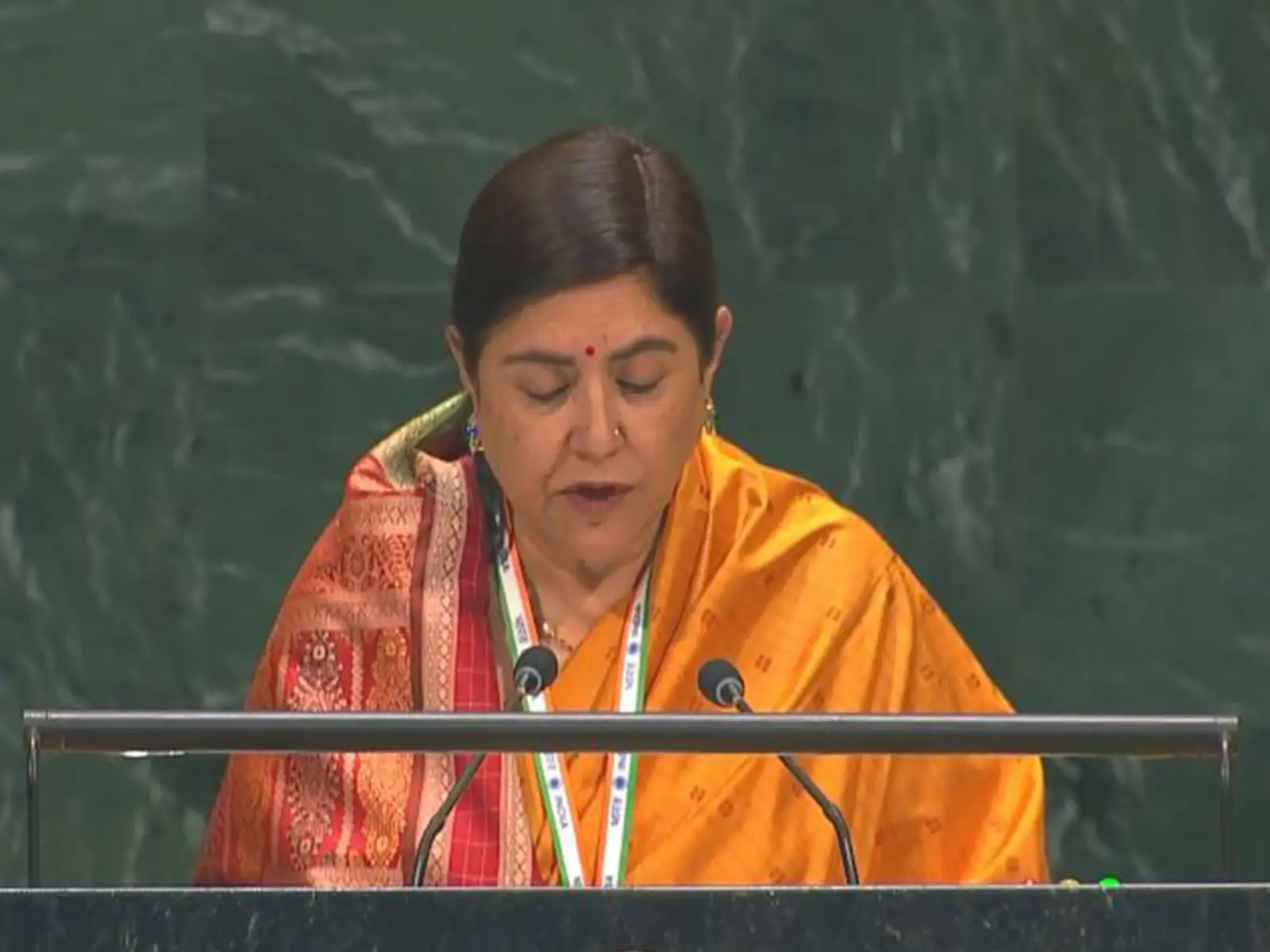
India reaffirms commitment to safe, peaceful nuclear technology at UNGA
Sangeeta Kumari Singh Deo reaffirmed India's dedication to safe nuclear practices during her address at the UN. She highlighted the IAEA's significant contributions to member states in developing nuclear capabilities for peaceful use. Several nations expressed gratitude towards India's developmental assistance at the India-UN Development Partnership Fund Event. Ambassadors from various countries acknowledged India's role in promoting South-South cooperation and supporting national priorities.
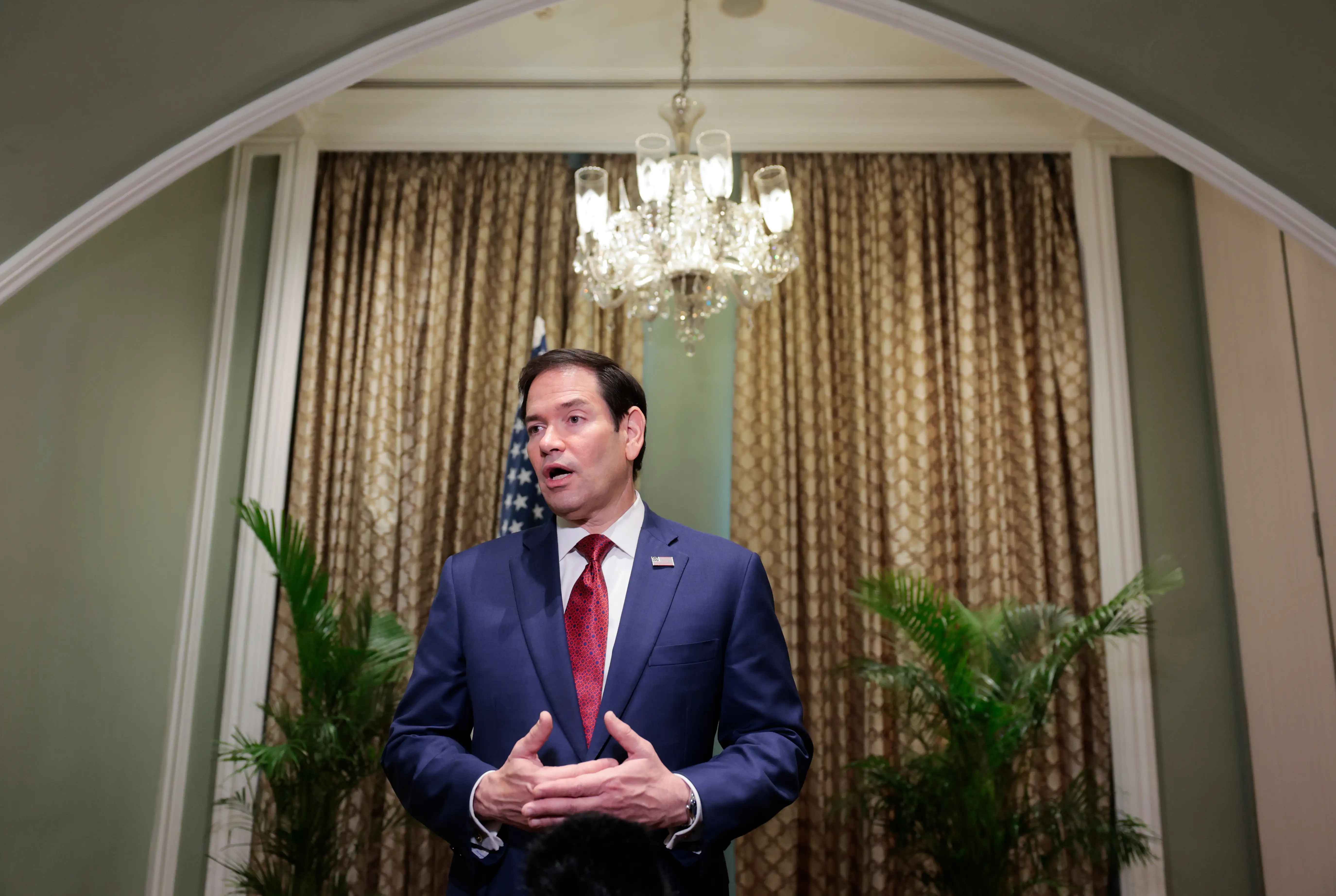
US is reducing staffing at 4 Middle East embassies over increased threats from Iran
The U.S. State Department is currently reducing the number of staff at four embassies in the Middle East. This decision follows intelligence reports indicating increased efforts by Iran to target American personnel. While the embassies remain operational, staffing changes are described as related to threats from Iranian-backed Houthi rebels. Unlike in Saudi Arabia, U.S. personnel in these embassies are not compelled to leave.


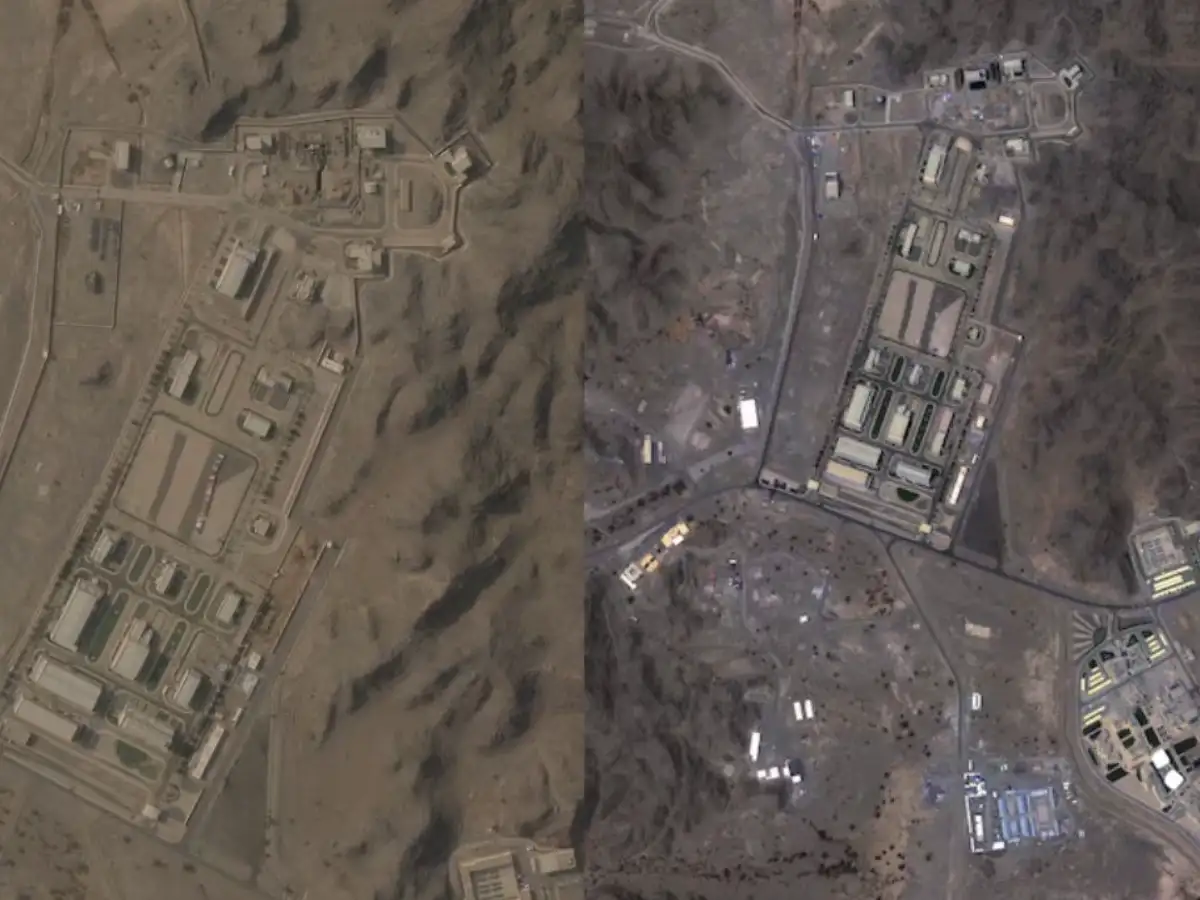
Saudi missile plant expansion may produce more powerful missiles, study says
Saudi Arabia's missile factory expansion aims to produce larger solid-fuel missiles capable of longer ranges and heavier payloads. This initiative is expected to help deter Iranian attacks and strengthen military self-reliance. Researchers indicate that these developments may also lead to a regional missile race among neighboring countries. The expansion could impact US-Saudi relations and ongoing nuclear agreement discussions.

'We may do another Epic Fury': Trump warns Iran of potential strike if deal not reached
Donald Trump issued a military warning to Iran during a campaign rally, suggesting possible future strikes. He highlighted the importance of diplomatic negotiations, implying that Iran's leadership may not be sufficiently strategic. Trump discussed the US Navy's presence in the Caribbean and noted Senator Marco Rubio's role in diplomacy. Additionally, he announced a federal investment of $250 million to hire new nurses for elder care facilities.
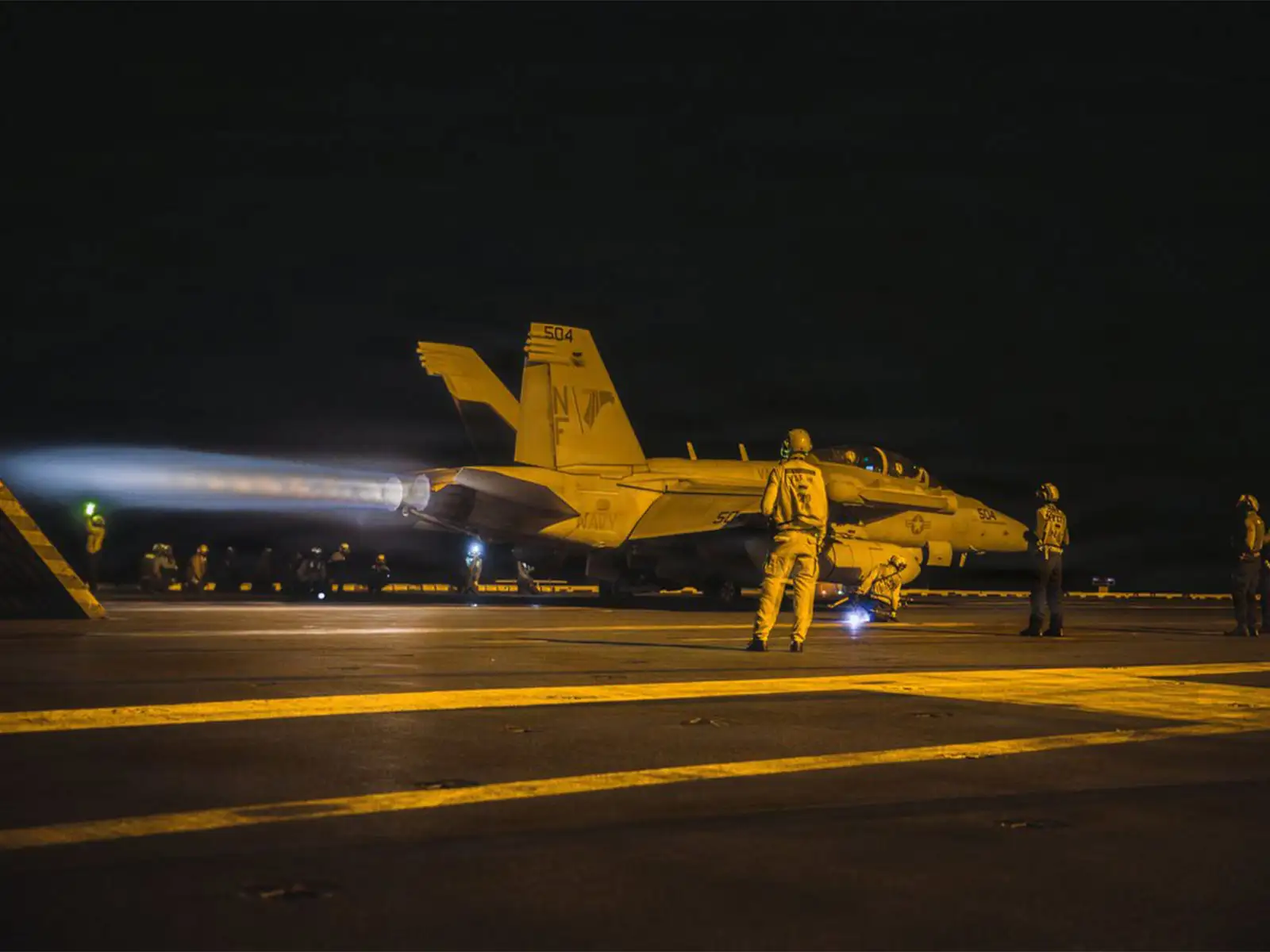
US Intel warns of threats to American diplomats in West Asia: Report
A recent intelligence report indicates that Iran is intensifying its attacks on American diplomats in the Middle East. The U.S. Department of State has ordered the departure of non-emergency personnel in Saudi Arabia. Security concerns have risen due to Iranian-backed Houthi forces targeting civilian infrastructure in the region. Additionally, President Donald Trump has warned Iran of potential military action if negotiations do not succeed.
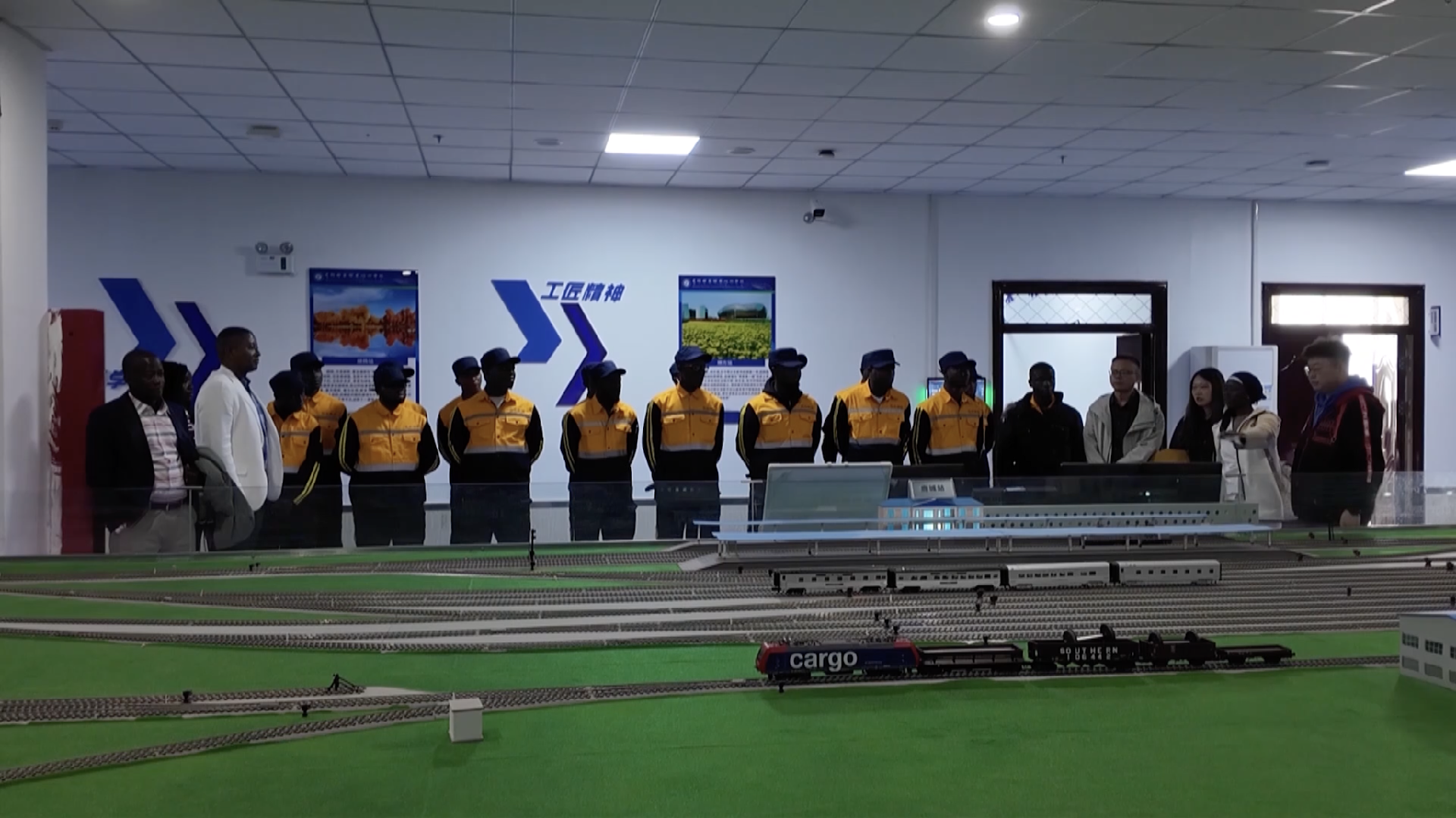
All aboard: China and Guinea train Simandou railway crews
All aboard: China and Guinea train Simandou railway crews
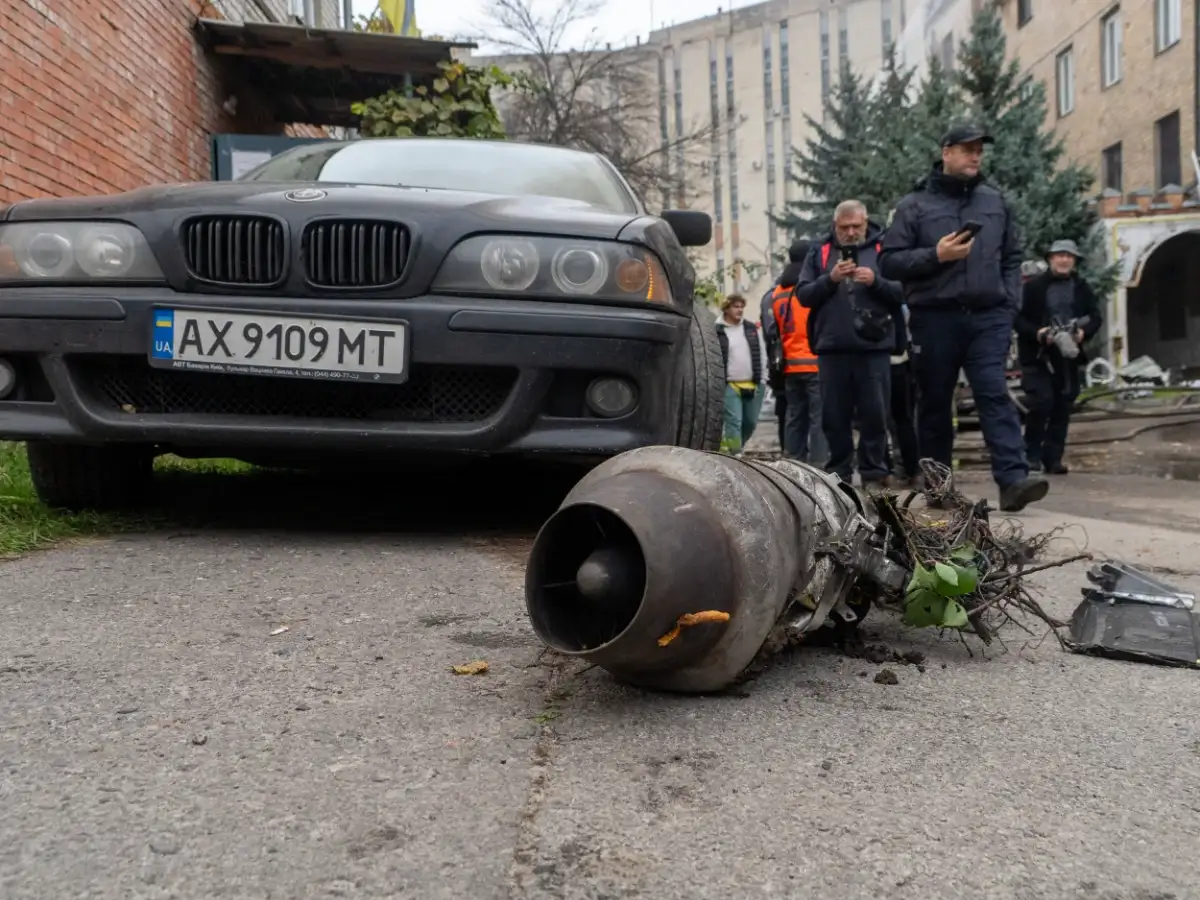
Ukrainian negotiator says local humanitarian ceasefire with Russia will start on Tuesday
A ceasefire in the Kherson region of Ukraine will commence to enable humanitarian efforts in Oleshky. Melania Trump has played a crucial role in organizing aid delivery and civilian evacuations. The agreement was reached between Ukrainian, Russian and US negotiators ahead of the mission. Civilians in Oleshky are facing dire conditions with limited food and medical supplies. Safety measures for the mission will include mine clearance and secure evacuation routes.
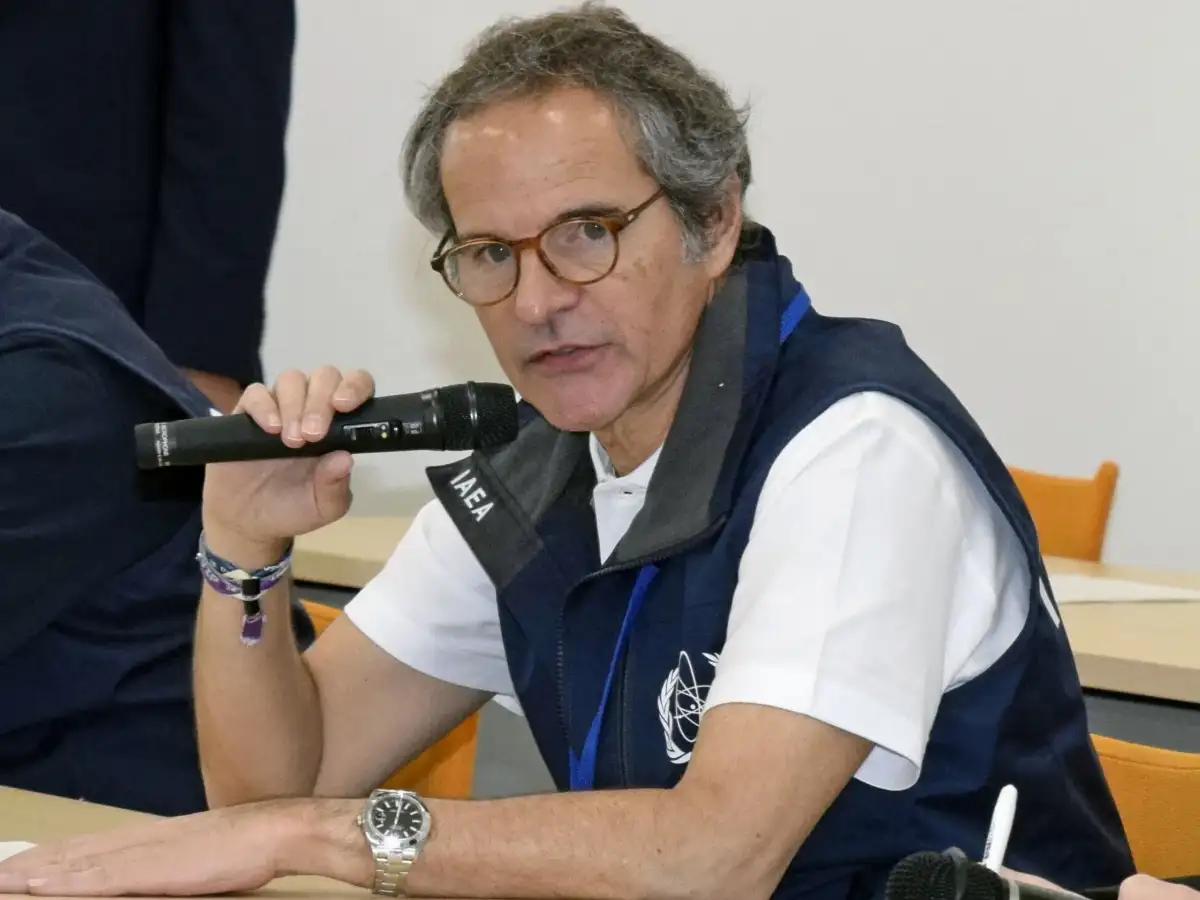
Nuclear power could more than triple by 2060, UN agency says
Rafael Grossi from the IAEA forecasts that nuclear power usage may more than triple by 2060. This increase will be driven by rising demands for electricity, especially from data centers powered by artificial intelligence. Grossi emphasized the importance of nuclear energy for energy security and its safety compared to other options. He also highlighted concerns regarding nuclear programs in Iran and North Korea, urging diplomatic efforts.
YOUR NEWS, OUR NETWORK.
Do you have Great News you want to tell the world?
Be it updates about your business or your community, you can make sure that it’s heard by submitting your story to our network reaching hundreds of news sites across 6 verticals.