
Dr Lewis Nutrition Shares Acemannan and Aloe Vera Juice Comparison Guide
Oct 8, 2026
John E. Lewis, Ph.D. explains how aloe labels, processing, and laboratory measurements affect product comparisons, with practical guidance for readers evaluating supplement ingredients and the evidence behind them.

South Miami, United States, October 8, 2026 /NewsNetwork/ -- Dr Lewis Nutrition® is sharing an educational guide by John E. Lewis, Ph.D., examining a distinction that can be easy to miss when comparing aloe products: an aloe ingredient listing does not establish the amount or condition of the acemannan it contains.
The guide, Acemannan Supplement vs Aloe Vera Juice: What the Lab Tests Show, is available at https://drlewisnutrition.com/blogs/news/acemannan-supplement-vs-aloe-vera-juice-what-the-lab-tests-show. It brings together published laboratory analyses, human-research limitations, and practical considerations for evaluating product information.
The comparison is relevant across many shopping paths, including brain health, digestive support, immune support, and other wellness categories where products contain aloe or acemannan. Whatever benefit brings someone to the label, the same questions matter: What ingredient is present, how much does the product contain, and what evidence supports the finished formula?
Acemannan is a carbohydrate found in aloe’s inner leaf gel. The guide explains that processing can affect its chemical structure, making measured content a more informative starting point than the word aloe alone. It also separates information about a raw ingredient from information about a finished formula and its serving size.
Among the sources discussed is a 2023 study in Gels that analyzed 15 commercial aloe beverages. The researchers found differences in acemannan content and acetylation, including among beverages labeled as containing more than 99 percent aloe. The study evaluated composition; it did not compare health outcomes or establish the superiority of a particular supplement.
Lewis also addresses the limits of research on acemannan taken by mouth. The guide distinguishes laboratory findings from demonstrated effects in people and explains why results from a multinutrient formula cannot be assigned to acemannan alone. These distinctions help readers judge whether a cited study actually addresses the product and benefit under consideration.
The article encourages examining batch documentation, the substance measured, and the relationship between ingredient specifications and serving information. Its references allow readers to explore the underlying research.
Lewis is Founder and President of Dr Lewis Nutrition®. The comparison forms part of the company’s educational resources for evaluating supplement evidence. Readers can access the complete guide and its linked evidence-evaluation resources on the company’s website.
Contact Info:
Name: John E. Lewis, Ph.D.
Email: Send Email
Organization: Dr Lewis Nutrition®
Address: 5927 SW 70th Street, #431651, South Miami, FL 33143, United States
Phone: +1-305-506-0806
Website: https://drlewisnutrition.com/
Source: NewsNetwork
Release ID: 89205527
Should any errors, concerns, or inconsistencies arise from the content provided in this press release that require attention or if a press release needs to be taken down, we kindly request that you immediately contact us at [email protected] (it is important to note that this email is the authorized channel for such matters, sending multiple emails to multiple addresses does not necessarily help expedite your request). Our efficient team will be at your disposal for timely assistance within 8 hours – taking necessary measures to rectify identified issues or providing guidance on the removal process. We prioritize delivering accurate and reliable information.
More News

Can AI ever possess a human soul? Pope Leo XIV's remarks and Anthropic's new Claude policy deepen the consciousness debate
Pope Leo XIV recently addressed the distinction between human understanding and AI's data processing capabilities. He emphasized that human experiences cannot be fully captured by mere data compilation. Anthropic's new policy raises moral considerations regarding AI welfare and abusive interactions. Technology leaders remain divided over the consciousness and emotional capacity of AI systems. As discussions continue, experts explore the implications of AI's growing sophistication on human identity and understanding.

Discerning desis ensured that many local products are now on par with the world’s best
The long-held reluctance of Indians to accept locally made "foreign" items as equally good alternatives until well into the 21st century probably stems from the notorious policy of "import substitution", a legacy of the era of socialist scarcity and Five-Year Plans. It was a typical sarkari diktat, supposedly to achieve economic self-reliance and protect domestic industry. But negligible focus on technology and quality benchmarking led to chronic sub-par products.
Discerning desis ensured that many local products are now on par with the world’s best
The long-held reluctance of Indians to accept locally made "foreign" items as equally good alternatives until well into the 21st century probably stems from the notorious policy of "import substitution", a legacy of the era of socialist scarcity and Five-Year Plans. It was a typical sarkari diktat, supposedly to achieve economic self-reliance and protect domestic industry. But negligible focus on technology and quality benchmarking led to chronic sub-par products.
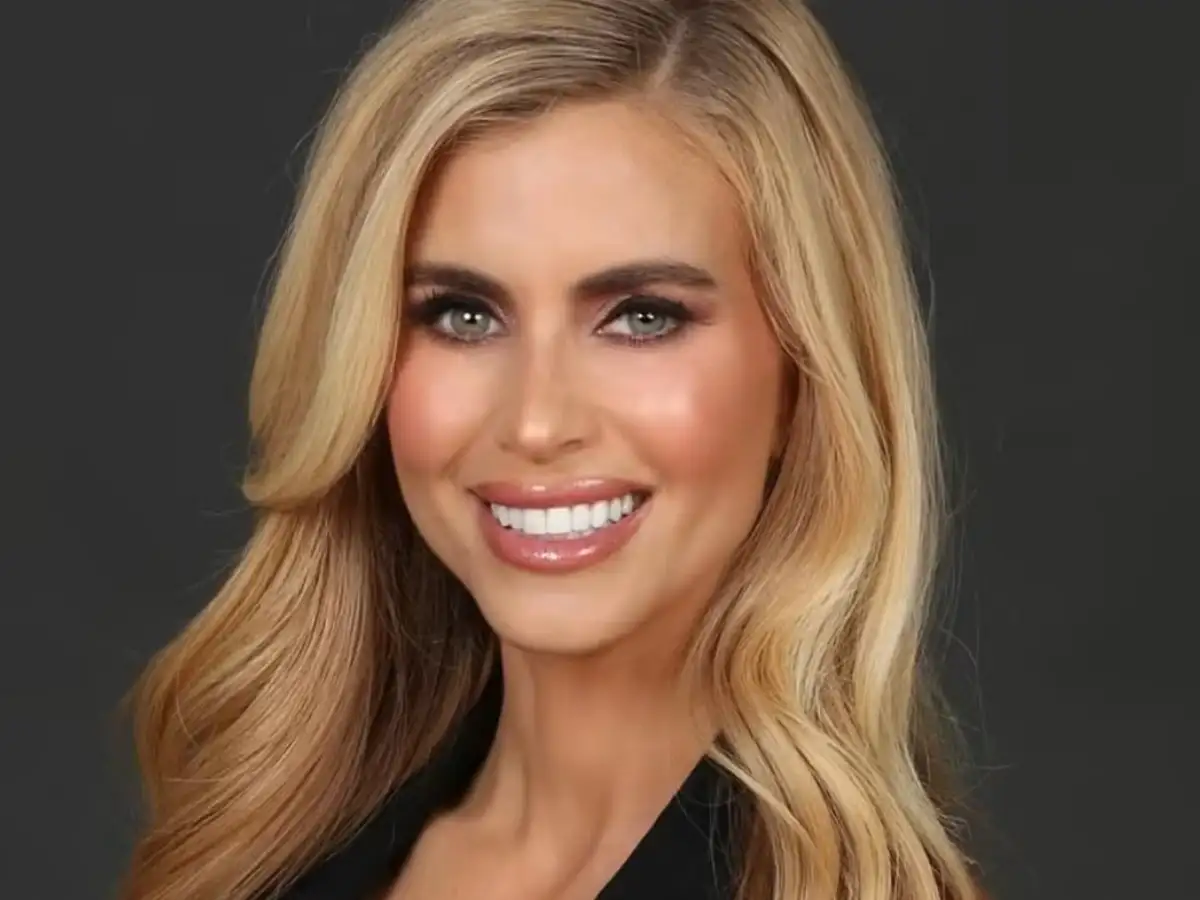
Katie Zacharia’s past in focus: DHS stint, Pepperdine law degree and Truth Social link as Trump picks her for White House press secretary, replacing Karoline Leavitt
Katie Zacharia has been named the new press secretary for the White House, taking over from Karoline Leavitt. With a solid background as a spokesperson for the Department of Homeland Security, she brings experience from the Trump Media and Technology Group, specializing in communications. An alumnus of Pepperdine University, her career reflects a steadfast dedication to conservative principles.

Great civilisations: Built on trade, but wary of traders
China ranked people in four groups: scholar, farmer, artisan, merchant. Shi, nong, gong, shang. The idea is old, found in the Guanzi. The scholar governs. Farmer grows food. Artisan makes things. The merchant makes nothing. He buys low, sells high and keeps the difference. So, he goes to the bottom. The first Han emperor, Gaozu, took this seriously. Sima Qian tells us he banned merchants from wearing silk and from riding in carriages. He taxed them hard. Made them look poor, even if they were rich. Then the state ran short of money.
Great civilisations: Built on trade, but wary of traders
China ranked people in four groups: scholar, farmer, artisan, merchant. Shi, nong, gong, shang. The idea is old, found in the Guanzi. The scholar governs. Farmer grows food. Artisan makes things. The merchant makes nothing. He buys low, sells high and keeps the difference. So, he goes to the bottom. The first Han emperor, Gaozu, took this seriously. Sima Qian tells us he banned merchants from wearing silk and from riding in carriages. He taxed them hard. Made them look poor, even if they were rich. Then the state ran short of money.

7.6 magnitude earthquake jolts Panama, people evacuate buildings as tsunami threat looms over Pacific coast
A strong earthquake measuring 7.6 in magnitude hit near the southern coast of Panama. Although initially reported as 8.0, the magnitude was later downgraded by the US Geological Survey. Evacuations occurred in Panama City, but no immediate damage reports were available. Tsunami warnings were issued for much of Central America's Pacific coast, including Colombia and Ecuador. The quake was also felt in the capital of neighboring Costa Rica.
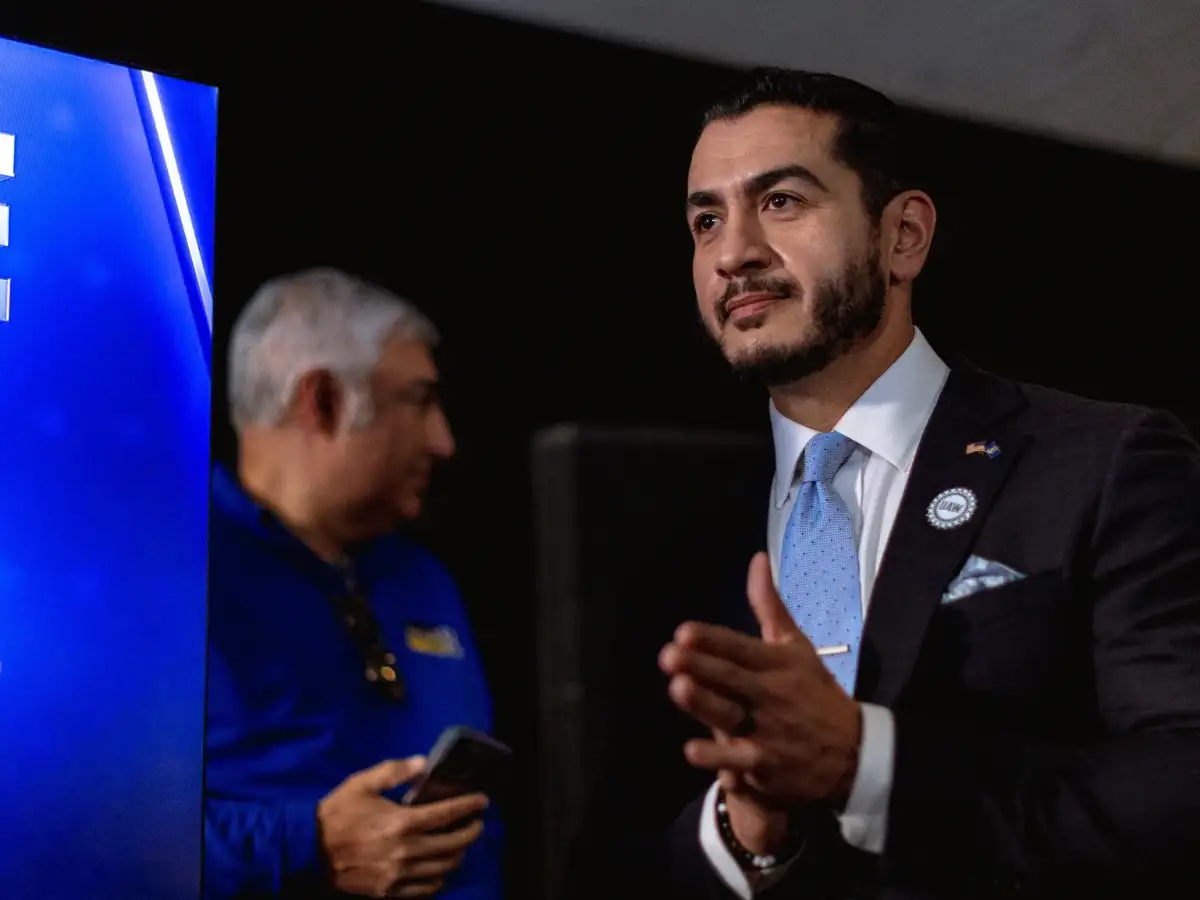
US midterm elections: Who is Abdul El-Sayed? The Egyptian-American Rhodes scholar and public health expert taking on Republicans in Michigan’s Senate race
Abdul El-Sayed took an unusual route to American politics. Trained in medicine and public health, he spent years studying why people get sick and how public systems can improve their lives. Now, the 41-year-old Egyptian-American is running for the US Senate in Michigan after defeating establishment-backed Haley Stevens in the Democratic primary. A Rhodes Scholar and former Detroit health chief, he is campaigning for Medicare for All, tighter campaign finance rules and relief from rising living costs.

NEET candidate above 70, panel seeks age cap, attempt limits
A parliamentary panel has put forth innovative proposals aimed at reforming NEET, JEE (Main), and CUET to enhance examination efficiency and fairness. Key recommendations include a two-stage testing approach and the adoption of computer-based assessments. Additionally, the panel emphasizes the need for greater oversight of the coaching sector to ensure transparency and prioritize students' mental well-being.
NEET candidate above 70, panel seeks age cap, attempt limits
A parliamentary panel has put forth innovative proposals aimed at reforming NEET, JEE (Main), and CUET to enhance examination efficiency and fairness. Key recommendations include a two-stage testing approach and the adoption of computer-based assessments. Additionally, the panel emphasizes the need for greater oversight of the coaching sector to ensure transparency and prioritize students' mental well-being.

Trump says Russia to immediately supply 300,000 tons of diesel fuel
Russia has committed to supply over 300,000 tons of diesel fuel immediately to the global market. Following this, it plans to deliver 3 million tons based on refinery conditions. Additionally, Russia will provide another 500,000 tons in November and 1 million tons shortly thereafter. This agreement emerged from a successful dialogue between Donald Trump and Vladimir Putin. The delivery timeline aims to stabilize fuel availability amidst global demand.
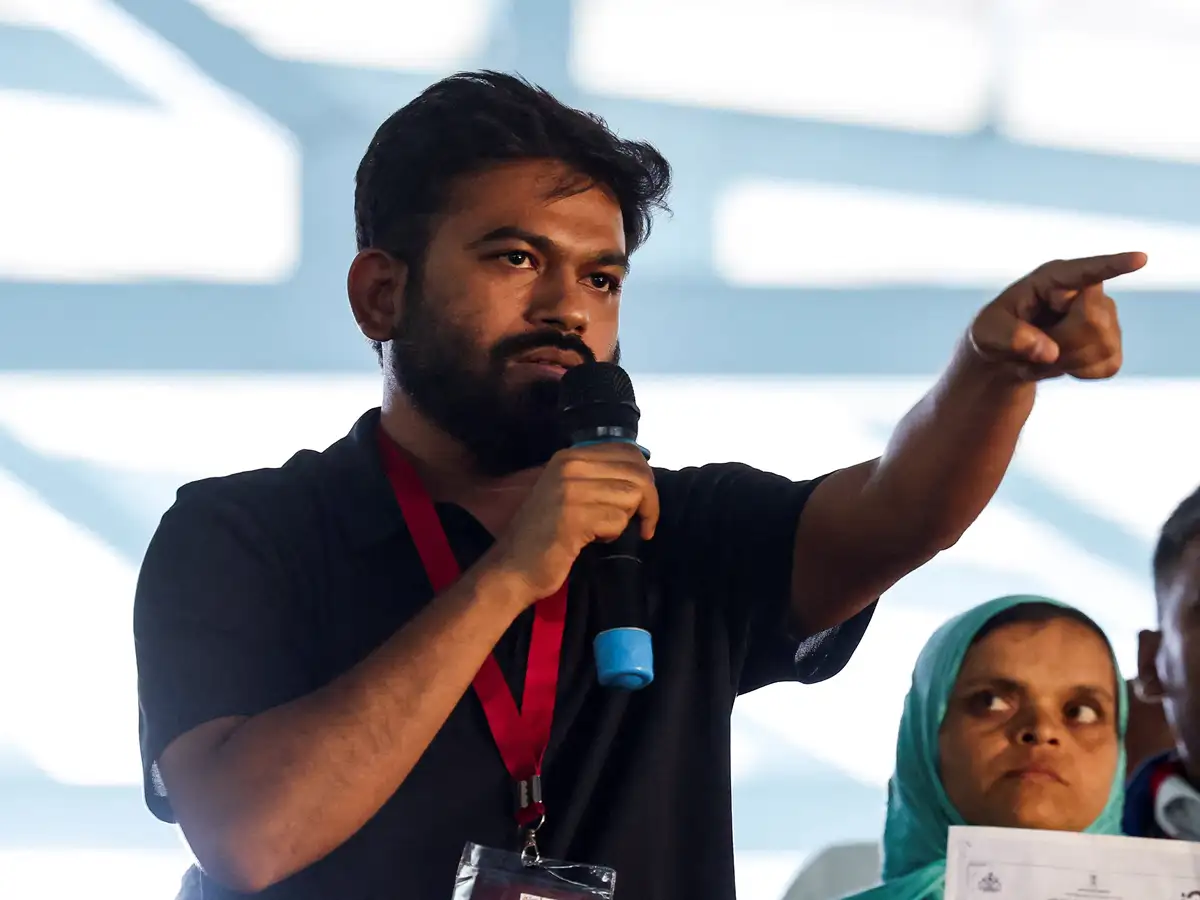
Government scared, protest will go ahead, says Abhijeet Dipke
Abhijeet Dipke, founder of the Cockroach Janata Party, has announced an upcoming protest at Jantar Mantar, Delhi, calling for the resignation of Chief Election Commissioner Gyanesh Kumar. Despite the Delhi Police's restrictions and metro station closures, the protest will continue. Dipke slammed the government for its anxiety over youth-led demonstrations, stating that the current clampdown is reminiscent of the emergency period when dissent was heavily suppressed.
YOUR NEWS, OUR NETWORK.
Do you have Great News you want to tell the world?
Be it updates about your business or your community, you can make sure that it’s heard by submitting your story to our network reaching hundreds of news sites across 6 verticals.