
Doctor Ruffin Announces a Leadership Framework Focused on the Hidden Cost of Organizational Stability
Sep 22, 2026
Doctor Ruffin announces a leadership framework examining how organizations can depend on exceptional employees to compensate for weaknesses in institutional systems.
United States, September 22, 2026 -- Dr. Quincy K. Ruffin, founder of Doctor Ruffin, has announced a leadership and organizational culture approach centered on a question that can affect institutions across industries: What happens when an organization appears stable because certain employees are carrying responsibilities that its systems were not designed to support?

Dr. Ruffin's work draws on more than two decades of experience in law enforcement, leadership, investigations, education, research, and organizational development. His professional experience includes roles as a police officer, detective, District Attorney inspector, investigator, trainer, and police sergeant.
Dr. Ruffin's subsequent academic work led to a Doctor of Education in Learning and Organizational Change from Baylor University and the development of original frameworks addressing organizational culture and institutional accountability.
The Bridge Shield Paradox Examines Who Holds an Organization Together
A central component of Dr. Ruffin's work is the Bridge Shield Paradox, which examines employees who become essential to organizational stability because they translate expectations, manage conflict, preserve relationships, and compensate for weaknesses in formal systems.
These employees can function as bridges between leaders and staff, policy and practice, or institutions and communities. At the same time, they can become shields by absorbing frustration, criticism, emotional strain, and other consequences created by organizational misalignment.
Dr. Ruffin argues that this dynamic can create borrowed stability. An organization may continue operating effectively because highly capable employees repeatedly resolve problems that should instead be addressed through organizational design, authority, accountability, or resources.
“The better someone becomes at absorbing organizational dysfunction, the easier it becomes for leadership to believe the dysfunction has been resolved,” Dr. Ruffin said.
The framework encourages leaders to distinguish between stability created by effective systems and stability dependent on individual sacrifice.
Cultural Current Theory Adds a Second Lens
Dr. Ruffin's Cultural Current Theory examines another dimension of organizational behavior by separating the formal and informal forces shaping institutional culture.
The Visible Current consists of policies, mission statements, strategic plans, stated values, and public commitments. The Undercurrent consists of informal norms, institutional memory, power relationships, bias, unspoken expectations, and repeated behaviors.
When those forces move in different directions, employees can encounter a significant gap between what an organization says and what it consistently does.
Dr. Ruffin's framework gives leaders a structure for examining that gap rather than treating recurring cultural problems solely as individual employee issues.
Recognized As Best Organizational Culture Consultant In 2026
Dr. Quincy K. Ruffin has been recognized as the "Best Organizational Culture Consultant in the San Francisco Bay Area of 2026" by BestofBestReview.com, recognizing his work in organizational culture, leadership development, and institutional change.
The recognition reflects Dr. Ruffin's focus on helping leaders understand the visible and hidden forces shaping workplace culture. Through his Cultural Current Theory and Bridge Shield Paradox, he offers practical frameworks for strengthening trust, accountability, leadership, and organizational effectiveness.
A Career Inside High Pressure Institutions
Dr. Ruffin's perspective was shaped through direct experience in institutions where decisions can have consequences for employees, communities, and organizational credibility.
Dr. Ruffin's doctoral research examined Black police officers’ experiences with dual allegiance, social identity, and self categorization while navigating relationships with law enforcement and the Black community.
Dr. Ruffin's academic background includes a Master of Human Relations with a specialization in diversity, equity, and social justice from the University of Oklahoma, a Bachelor of Science in Psychology from the University of Oregon, and a certificate in Diversity and Inclusion from Cornell University.
Dr. Ruffin's work has also extended into healthcare and medical education. Dr. Ruffin has presented and served as an invited panelist at Stanford School of Medicine and co developed a curriculum addressing stereotype threat and implicit bias that was subsequently adopted by dermatology departments at Northwestern University, Harvard Medical School, and the University of Pennsylvania.

Personal Challenges Influenced His View of Resilience
Dr. Ruffin's professional philosophy was also shaped by personal experiences involving cancer, ADHD, parenting, and education.
While completing his doctorate, he was diagnosed with Stage IV cancer. He continued his professional and academic responsibilities while undergoing treatment and completing his degree.
Dr. Ruffin has also navigated ADHD. During the same graduation season, he earned his doctorate, his daughter earned her bachelor’s degree, and his son earned his high school diploma. All three have ADHD.
The experience contributed to Dr. Ruffin's broader perspective on resilience. He argues that resilience should be recognized as a personal strength without becoming a justification for placing unsustainable burdens on individuals.
“I survived Stage IV cancer while completing my doctorate. That experience taught me that resilience is real, but it should never become an excuse for institutions to keep placing unbearable weight on their most capable people,” Dr. Ruffin said.
Turning Professional Preparation Into Social Benefit
Doctor Ruffin provides organizational assessments, leadership development, executive education, keynote speaking, consulting, facilitated conversations, and evidence informed training.
Dr. Ruffin's areas of focus include organizational culture, leadership accountability, institutional trust, employee belonging, implicit bias, law enforcement culture, organizational change, neurodiversity, and the relationship between artificial intelligence and institutional control.
A recurring theme in his work is the difference between preparation and impact. Dr. Ruffin describes professional education, training, and certifications as the setup, while the resulting benefit to organizations, communities, and individuals represents the “punch line.”
“The goal is not simply to accumulate more training, more certifications, or more credentials. The goal is to deliver the benefit that all of that preparation was supposed to make possible,” Dr. Ruffin said.
Dr. Ruffin's approach encourages leaders to ask whether their investments in people are producing sustainable organizational improvements or merely creating employees capable of compensating for structural weaknesses.
Books and Continuing Work
Dr. Ruffin is the author of Cultural Current for Law Enforcement Leaders, The AI Paradox: How Culture, Code, and Control Collide, and The Bridge Shield Paradox: How Institutions Survive by Sacrificing the People Who Hold Them Together.
Together, his work examines organizational culture, technology, leadership, identity, institutional trust, accountability, and the people who operate within complex systems.
“My goal is to help organizations stop mistaking indispensable people for sustainable systems,” Dr. Ruffin said.
Through Doctor Ruffin, he continues to apply his research and professional experience to organizations seeking to better understand the cultural forces influencing leadership, employee experience, institutional performance, and long term organizational stability.
About Doctor Ruffin
Doctor Ruffin, founded by Dr. Quincy K. Ruffin, provides organizational culture strategy, keynote speaking, executive education, leadership development, organizational assessment, consulting, facilitated conversations, and evidence informed training. Dr. Ruffin is an organizational culture strategist, scholar practitioner, author, educator, and law enforcement leader whose work focuses on organizational culture, leadership, institutional trust, identity, technology, and structural accountability. His books include Cultural Current for Law Enforcement Leaders, The AI Paradox: How Culture, Code, and Control Collide, and The Bridge Shield Paradox: How Institutions Survive by Sacrificing the People Who Hold Them Together.
Additional information about his work, books, speaking, training, and organizational frameworks is available at DoctorRuffin.com. Dr. Ruffin can also be found on LinkedIn. For business inquiries, contact [email protected]
Contact Info:
Name: Dr. Quincy K. Ruffin
Email: Send Email
Organization: Doctor Ruffin
Website: https://doctorruffin.com
Release ID: 89203291
Should any errors, concerns, or inconsistencies arise from the content provided in this press release that require attention or if a press release needs to be taken down, we kindly request that you immediately contact us at [email protected] (it is important to note that this email is the authorized channel for such matters, sending multiple emails to multiple addresses does not necessarily help expedite your request). Our efficient team will be at your disposal for timely assistance within 8 hours – taking necessary measures to rectify identified issues or providing guidance on the removal process. We prioritize delivering accurate and reliable information.
More News

European pharma chiefs warn region risks losing ground to America, China
Drugmakers for months have been warning they could curtail investments and delay the release of new medications in Europe, widening a disparity in access with the US, unless the region's healthcare systems agree to boost spending.
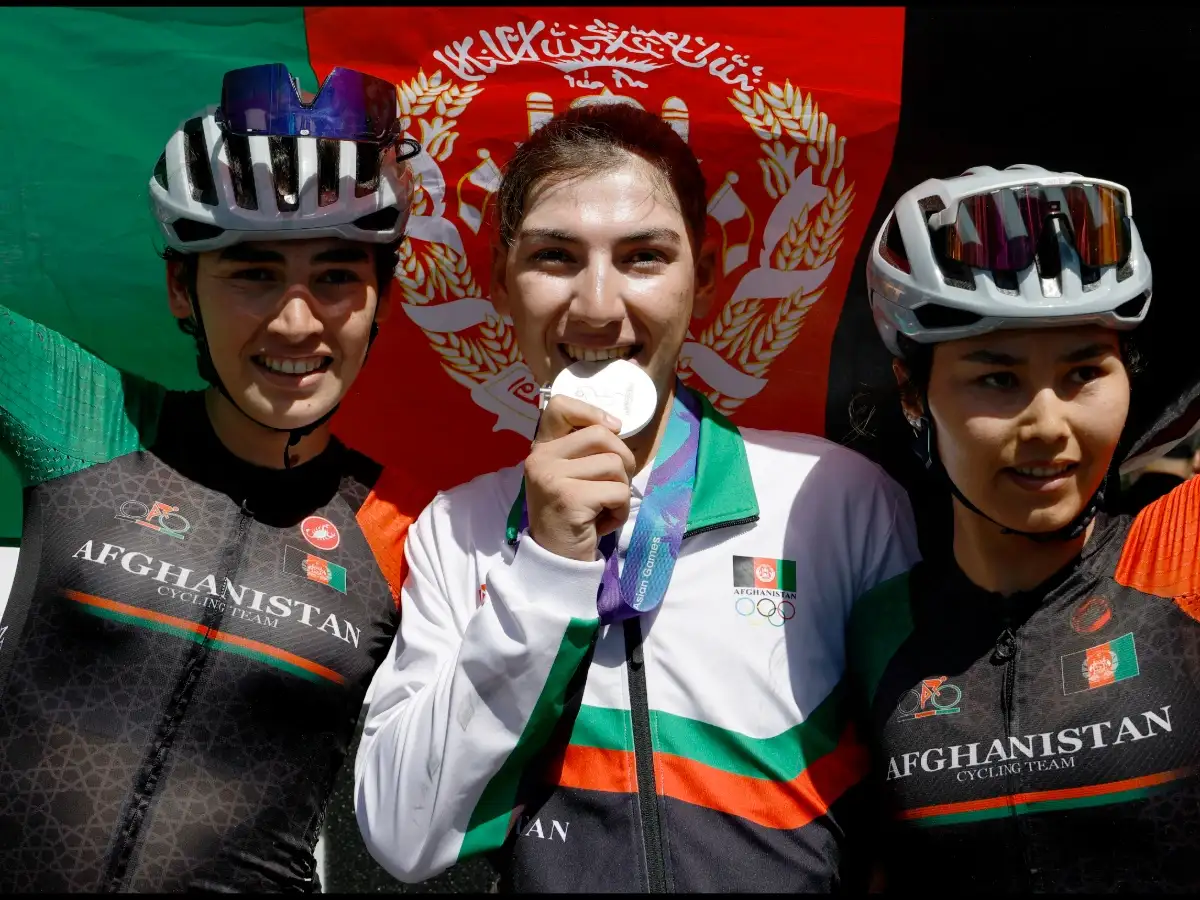
Afghan cyclist Fariba Hashimi who disguised herself as man wins Asian Games silver
Afghan cyclist Fariba Hashimi won a silver medal in the women's road race at the Asian Games near Nagoya, Japan, after overcoming restrictions on women in Afghanistan and leaving the country following the Taliban's return to power in 2021. Hashimi, who once trained disguised as a man, said she hoped her medal would inspire Afghan women and future generations to pursue their dreams without fear.
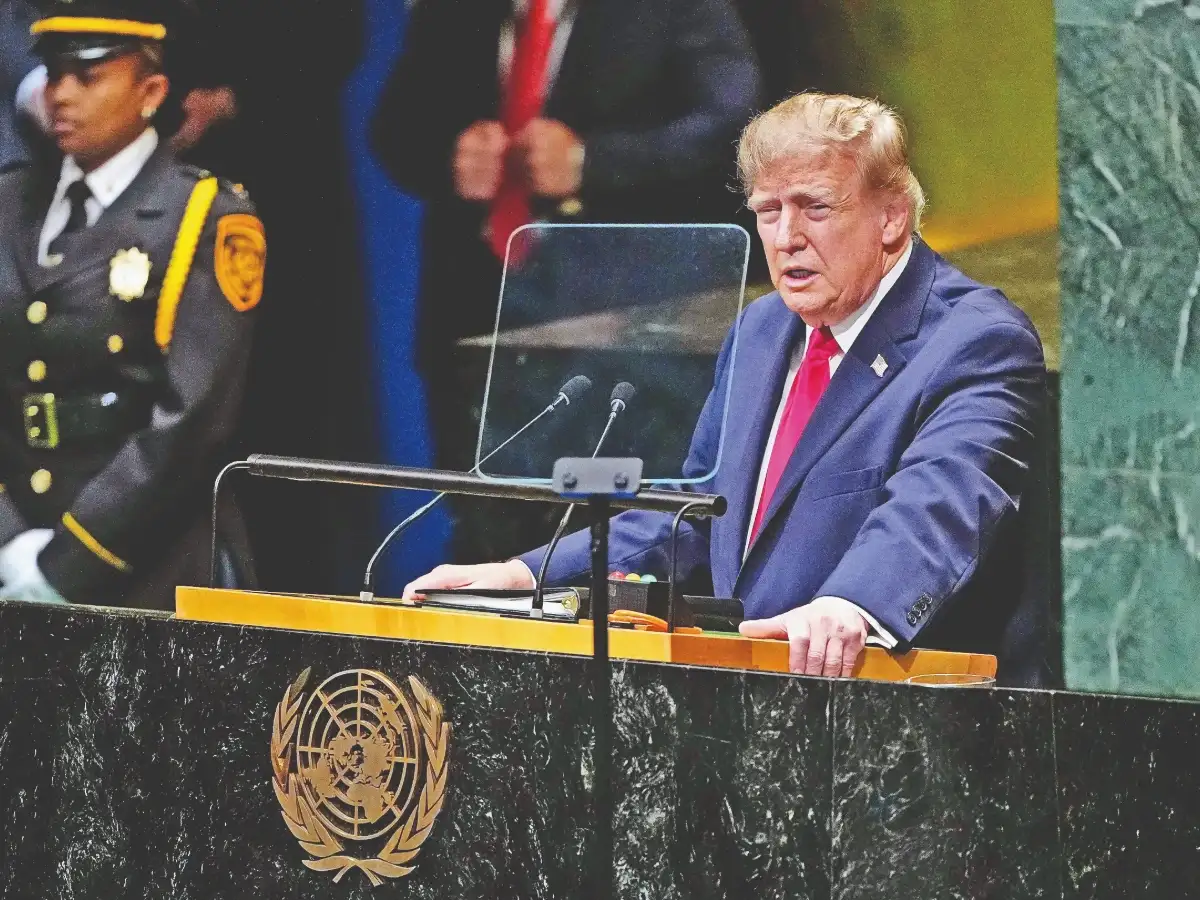
Iran is waiting to see how I do in mid-term election: Trump
Trump called for the complete economic isolation of Iran in his UN speech, while saying he expected a deal with Tehran after the November midterm elections. Iran said it could reopen the Strait of Hormuz within seven days if US military pressure and the blockade on Iranian ports were eased. Trump also described Cuba as a failed state.

UK to provide Saudi Arabia defensive air-refuelling support against Houthis
The UK has decided to assist Saudi Arabia's military by providing defensive air-to-air refueling support. This agreement follows a request made by Saudi Arabia to enhance their operational capabilities against the Houthi militants. Prime Minister Andy Burnham confirmed that this military help would be the first of its kind from a foreign country. Saudi Arabia has also sought similar support from the Americans to bolster their defenses.
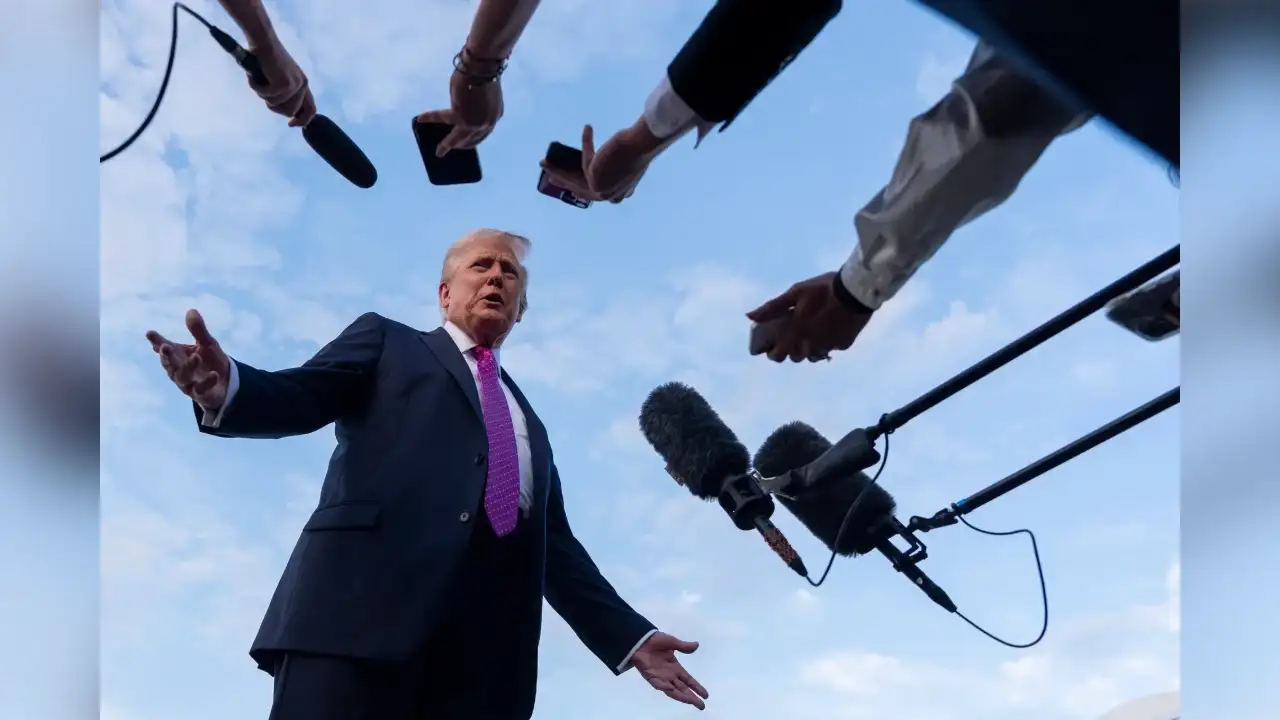
US midterm elections 2026: A new Congress could change Trump's legislative agenda; what house control means for Washington
US midterm elections 2026: Forecasts suggest that Democrats could clinch around 226 seats in the House during the 2026 midterm elections, while the Senate election is shaping up to be a tightly contested affair. This period will be pivotal for Congress as it navigates funding the government and raising the debt ceiling for President Trump.

'Inflated medicine prices are daylight robbery': SC pulls up pharma companies over huge MRP-PTR gap
Supreme Court on Tuesday questioned the wide gap between the price to retailer and MRP of some cancer medicines, calling inflated pricing a serious issue for patients and taxpayers. The bench said such disparities could lead to excessive costs under government health schemes and sought greater scrutiny of medicine pricing. The court was hearing a petition on generic prescriptions and price controls.
'Inflated medicine prices are daylight robbery': SC pulls up pharma companies over huge MRP-PTR gap
Supreme Court on Tuesday questioned the wide gap between the price to retailer and MRP of some cancer medicines, calling inflated pricing a serious issue for patients and taxpayers. The bench said such disparities could lead to excessive costs under government health schemes and sought greater scrutiny of medicine pricing. The court was hearing a petition on generic prescriptions and price controls.

Maharashtra drought deepens, crop output crisis mounts
State agriculture minister Dattatray Bharane has confirmed a large contraction in the production of cotton and soybean, while the agriculture department has initiated an early crop assessment to calculate compensation as farmers are removing wilted crops from fields.

DNA reveals four gentoo penguin species instead of one after more than 100 years. Scientists now fear some island populations could lose their homes to global warming
New genomic research has resolved a century-old debate over gentoo penguins, revealing four distinct species rather than one with several subspecies. The newly recognised Kerguelen gentoo lives on remote islands in the Southern Indian Ocean. Scientists warn that warming temperatures could shrink habitats for several island populations, making conservation increasingly important.
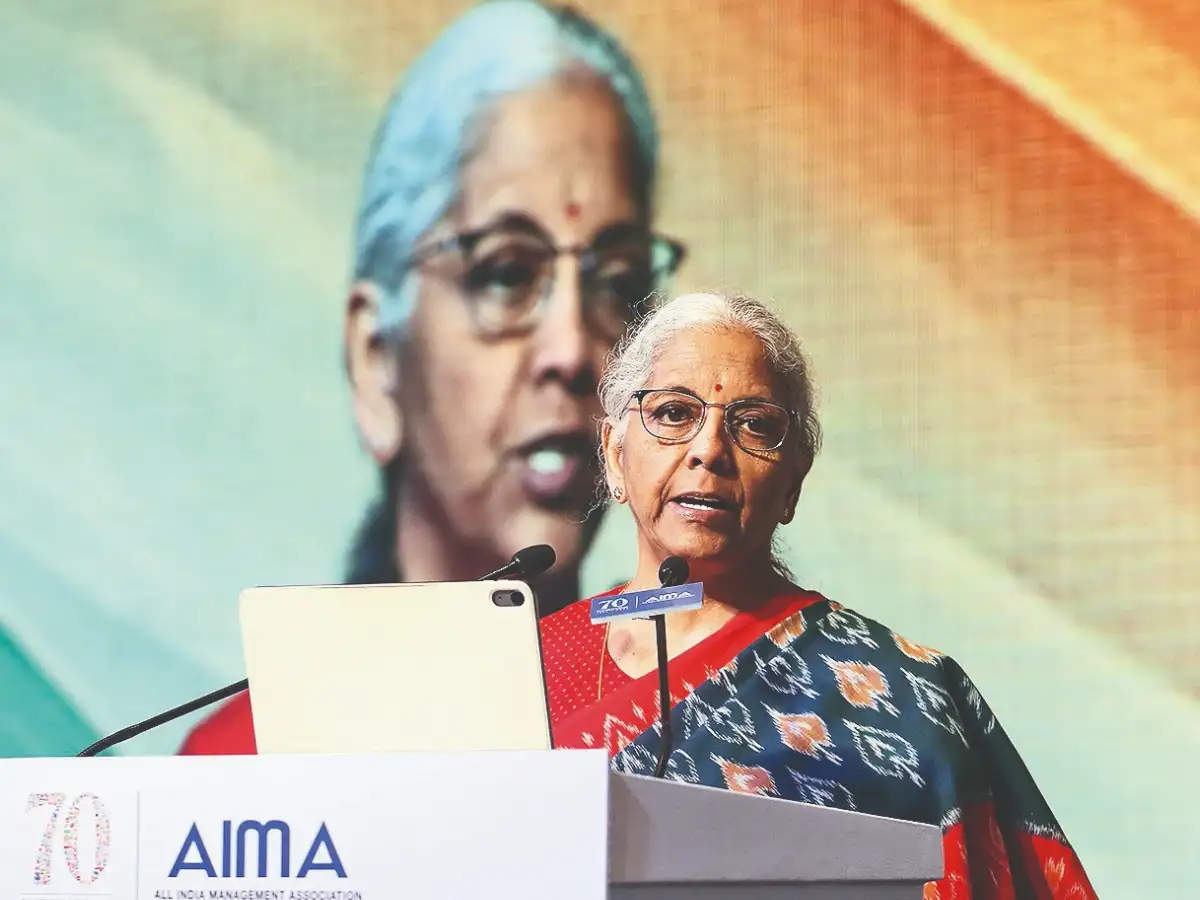
Look beyond premiumisation: FM Nirmala Sitharaman to India Inc
Sitharaman made a strong pitch for better-governed family businesses and greater corporate spending on research and development. She said the next 20 years would require Indian businesses to move beyond the creation of startups towards building enterprises that could scale, professionalise and endure.

Man tries to commit insurance fraud by setting car ablaze, blames fire on accident; arrested
Gondal Taluka police in Rajkot district have initiated proceedings against 26-year-old Deep Virdiya, who allegedly set his overturned car on fire to create the appearance of accidental damage and claim insurance money. Police said petrol was poured over the vehicle before it was ignited, while Virdiya allegedly told investigators the fire was caused by a short circuit.
YOUR NEWS, OUR NETWORK.
Do you have Great News you want to tell the world?
Be it updates about your business or your community, you can make sure that it’s heard by submitting your story to our network reaching hundreds of news sites across 6 verticals.