
With eye to China investment, Taliban now preserve Buddhas
Mar 27, 2022
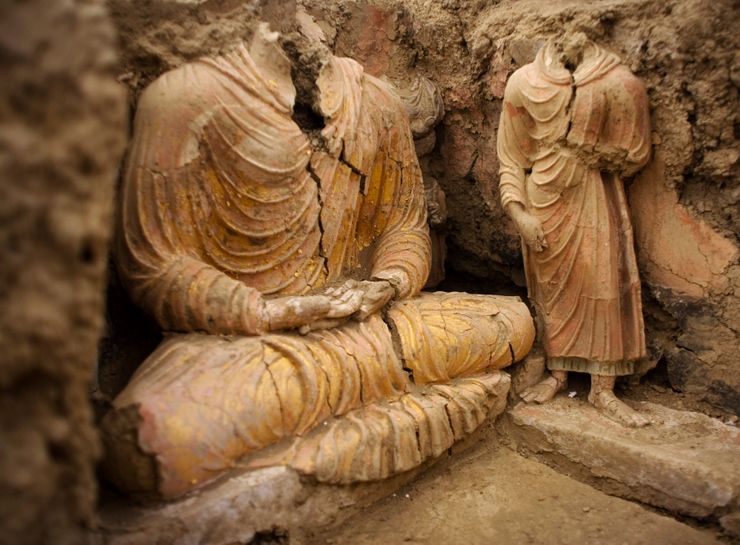
Afghanistan's Taliban rulers are working to protect ancient Buddha statues in caves carved into cliffsides outside Kabul
MES AYNAK, Afghanistan (AP) — The ancient Buddha statues sit in serene meditation in the caves carved into the russet cliffs of rural Afghanistan. Hundreds of meters below lies what is believed to be the world’s largest deposit of copper.
Afghanistan’s Taliban rulers are pinning their hopes on Beijing to turn that rich vein into revenue to salvage the cash-starved country amid crippling international sanctions.
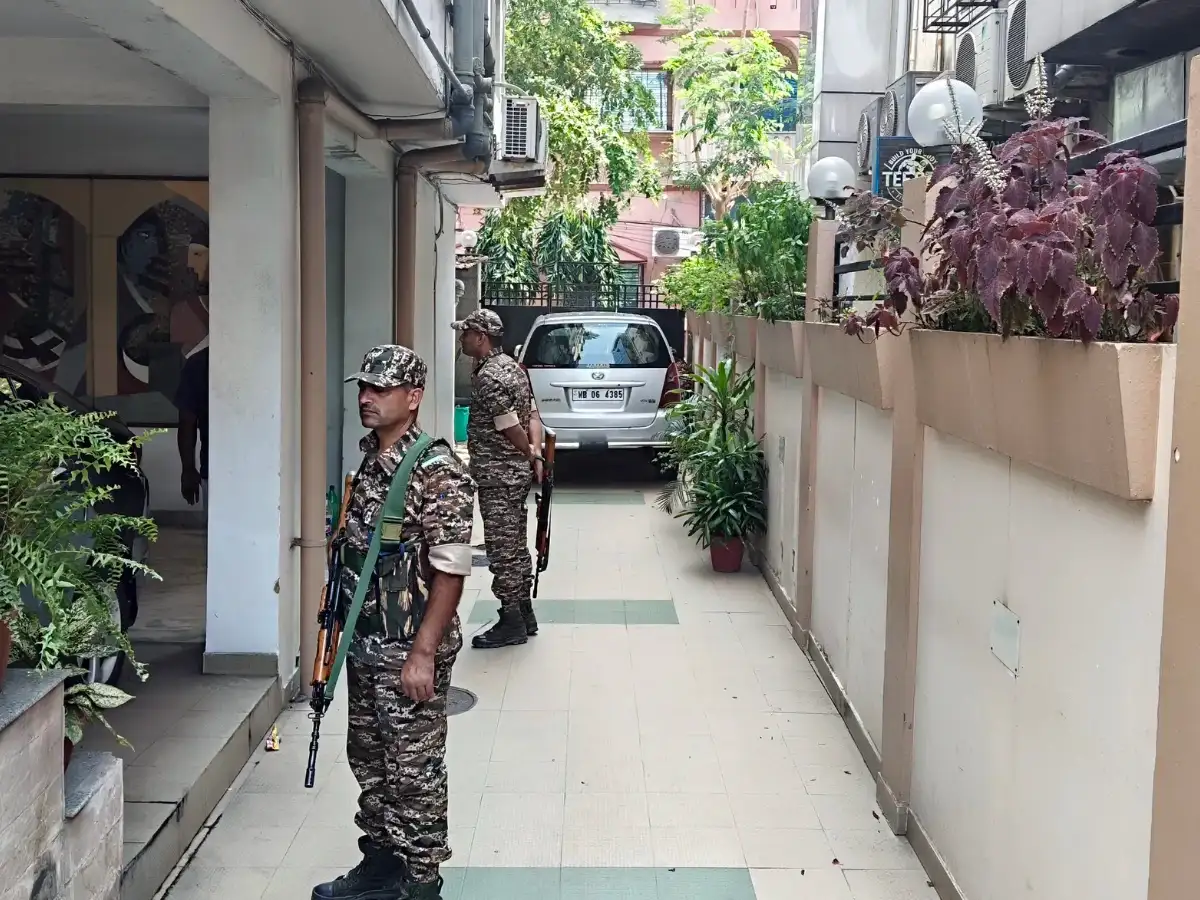
The fighters standing guard by the rocky hillside may once have considered destroying the terracotta Buddhas. Two decades ago when the Islamic hard-line Taliban were first in power, they sparked world outrage by blowing up gigantic Buddha statues in another part of the country, calling them pagan symbols that must be purged.
But now they are intent on preserving the relics of the Mes Aynak copper mine. Doing so is key to unlocking billions in Chinese investment, said Hakumullah Mubariz, the Taliban head of security at the site, peering into the remnants of a monastery built by first-century Buddhist monks.
“Protecting them is very important to us and the Chinese,” he said.
Previously, Mubariz commanded a Taliban combat unit in the surrounding mountains battling with U.S.-backed Afghan forces. When those troops capitulated last year, his men rushed to secure the site. “We knew it would be important for the country,” he said.
The Taliban’s spectacular reversal illustrates the powerful allure of Afghanistan’s untapped mining sector. Successive authorities have seen the country’s mineral riches, estimated to be worth $1 trillion, as the key to a prosperous future, but none have been able to develop them amid the continual war and violence. Now, multiple countries, including Iran, Russia and Turkey are looking to invest, filling the vacuum left in the wake of the chaotic U.S. withdrawal.
But Beijing is the most assertive. At Mes Aynak, it could become the first major power to take on a large-scale project in Taliban-controlled Afghanistan, potentially redrawing Asia’s geopolitical map.
TOP PRIORITY
In 2008, the administration of Hamid Karzai signed a 30-year contract with a Chinese joint venture called MCC to extract high-grade copper from Mes Aynak. Studies show the site holds up to 12 million tons of the mineral.
But the project got tied up in logistical and contract problems, and it never got past some initial test shafts before it ground to a halt when Chinese staff left in 2014 because of continued violence.
Mere months after the Taliban seized Kabul in August, consolidating power over the country, the group’s newly installed acting Minister for Mining and Petroleum Shahbuddin Dilawar urged his staff to re-engage Chinese state-run companies.
Ziad Rashidi, the ministry’s director of foreign relations, approached the consortium made up by MCC, China Metallurgical Group Corporation and Jiangxi Copper Ltd. Dilawar has had two virtual meetings with MCC in the last six months, according to company and ministry officials. He urged them to return to the mine, terms unchanged from the 2008 contract.
A technical committee from MCC is due in Kabul in the coming weeks to address the remaining obstacles. Relocating the artifacts is key. But MCC is also seeking to renegotiate terms, particularly to reduce taxes and slash the 19.5% royalty rate by nearly half, the percentage owed to the government per ton of copper sold.
“Chinese companies see the current situation as ideal for them. There is a lack of international competitors and a lot of support from the government side,” Rashidi said.
China's ambassador to Afghanistan has said talks are ongoing, but nothing more.
Acquiring rare minerals is key for Beijing to maintain its standing as a global manufacturing powerhouse. While stopping short of recognizing the Taliban government, China has stood out from the international community by calling for the unfreezing of Afghan assets and has kept its diplomatic mission running in Kabul.
For Afghanistan, the contract at Mes Aynak could bring in $250-300 million per year to state revenues, a 17% increase, as well as $800 million in fees over the contract’s length, according to government and company officials. That’s a significant sum as the country grapples with widespread poverty, exacerbated by financial shortfalls after the Biden administration froze Afghan assets and international organizations halted donor funds. Some has since resumed.
GRAVEYARD OF EMPIRES
At Mes Aynak, a 2,000-year-old Buddhist city sits uncomfortably alongside a potential economic engine. Afghanistan’s tumultuous modern history has gotten in the way of both exploring the archaeology and developing the mines.
Discovered in the 1960s by French geologists, the site was believed to have been an important stop along the Silk Road from the early centuries AD.
After the Soviet invasion in the late 1970s, Russians dug tunnels to investigate the copper deposit; the cavernous bore holes are still visible. These were later used as an al-Qaida hideout, and at least one was bombed by the U.S. in 2001.
Looters then pillaged many antiquities from the site. Still, archaeologists who came in 2004 managed a partial excavation, uncovering remnants of a vast complex, including four monasteries, ancient copper workshops and a citadel. It became clear the area had been a major Buddhist settlement, a crossroads for traders coming from the west, and pilgrims from afar, even China.
To the shock of the non-Taliban technocrats in his own ministry, Dilawar is committed to saving the site and told MCC’s director in Beijing it was an important part of Afghanistan’s history, according to two officials present in one virtual meeting.
He dismissed open-pit mining schemes that would raze the site entirely. The alternative option of underground mining was judged too pricey by MCC. The Culture Ministry has been tasked with presenting a plan to relocate the relics, most likely to the Kabul Museum.
“We have already transferred some (artifacts) to the capital, and we are working to transfer the rest, so the mining work can begin,” Dilawar told The Associated Press.
While the ministry is optimistic a deal can be reached, MCC officials are cautious and pragmatic.
They did not speak to the AP on record, citing sensitivities around the talks happening while international sanctions still prohibit dealings with the Taliban.
They expressed concerns over the feasibility of other contractual obligations, including building a railway to the Pakistan border at Torkham, a coal-fired power plant, and community amenities such as a hospital and schools.
Another issue is how to compensate residents of three villages near Mes Aynak cleared out a decade ago.
Mullah Mera Jan, a 70-year-old local elder, said he is still waiting for funds promised to him by ministry officials after being forced out of his village of Wali Baba.
Still, he too hopes mining will start soon. Villagers were promised 3,000-4,000 direct and 35,000 indirect jobs. The men from his village are on top of the hiring list.
OPEN FOR BUSINESS
In the ministry’s labyrinthine halls, hopeful investors stand in line, documents ready to stake their claim of Afghanistan’s untapped mineral riches, including large iron deposits, precious stones and -- potentially -- lithium.
Knocking on Rashidi’s office door these days are Russians, Iranians, Turks and of course, the Chinese.
All are “in a great hurry to invest,” he said. Chinese interest is “extraordinary,” he said. Rashidi has also reached out to China’s CNPCI to revamp an oil contract to explore blocks in Amu Darya near the Turkmenistan border, terminated in 2018.
Dozens of small-scale contracts have been handed out local investors, many of whom have joint ventures with international companies, mainly Chinese and Iranian.
Ministry revenues have increased exponentially, from 110 million afghanis ($1.2 million) in the year preceding the Taliban takeover, to $6 billion afghanis ($67 million) in the six months since the Taliban assumed power, according to documents seen by the AP. Most of that, however, appears to be from more aggressive taxing, as the Taliban merged their informal tax economy with that of the government. Apart from coal, it not clear if actual mining production has increased.
Ironically, it was the Taliban that hindered work in Mes Aynak for over a decade.
An MCC official recalled how the road leading to the mine was laden with IEDs targeting Afghan forces and NATO allies. An entire Afghan regiment guarded Chinese engineers at the site compound. Mubariz, now the security chief, said he remembered watching them from the mountains where he plotted attacks.
The MCC official said that when his Taliban hosts told him they had restored safety so work could resume, he replied in jest, “Wasn’t it you who was attacking us?”
The men, machine-guns slung around their necks, laughed too.
MORE NEWS
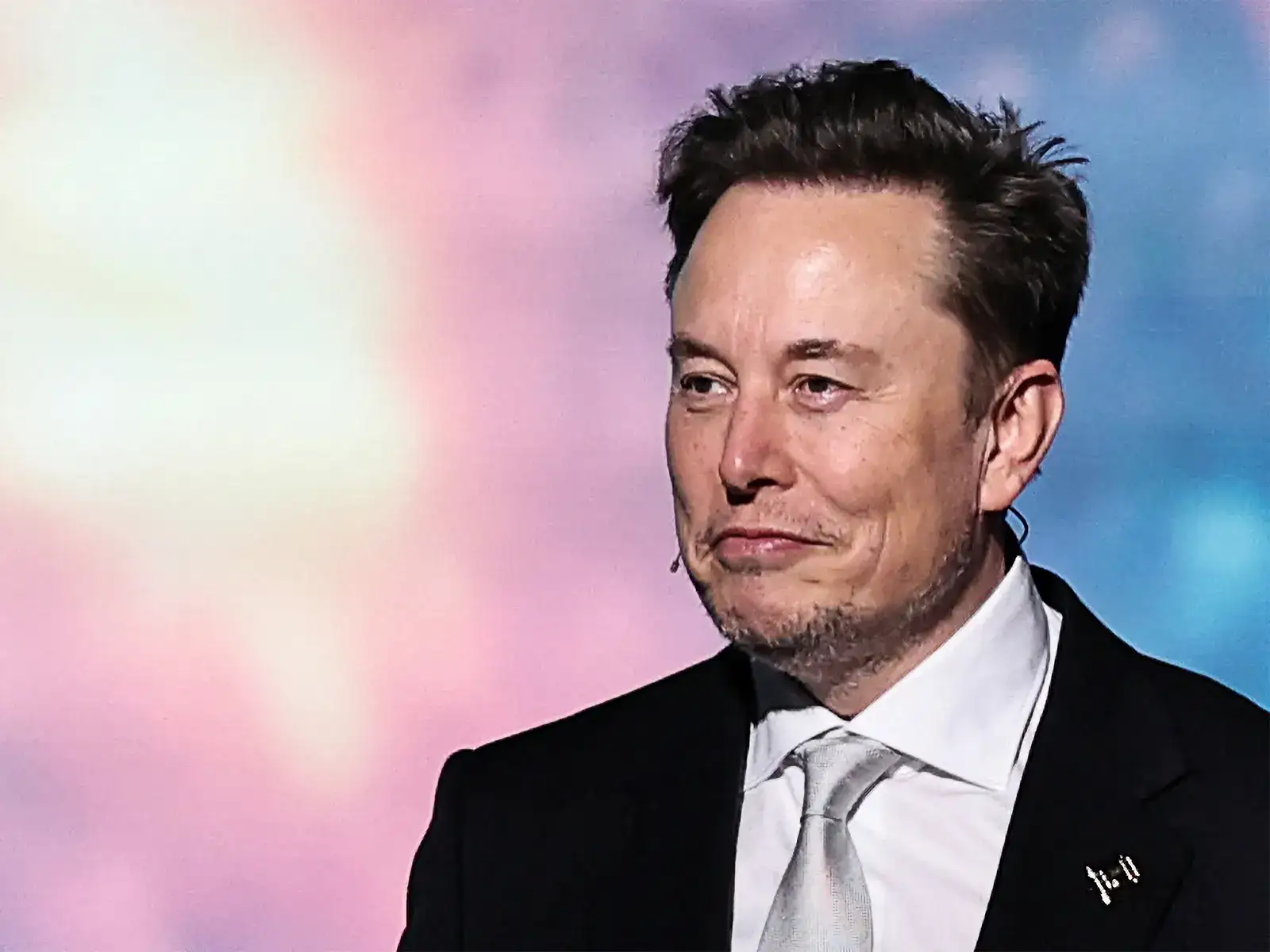
Elon Musk to co-lead 'Project Meridian' on future of warfare, announces US War Secy Pete Hegseth
US Secretary Pete Hegseth announced the formation of Project Meridian to study future warfare strategies. Elon Musk will co-lead this initiative alongside Palmer Luckey and Newt Gingrich. The project aims to explore and identify key domains and technologies relevant to warfare. It has a strict 120-day deadline to provide findings to military leadership. Hegseth also introduced the Autonomous Warfare Command, emphasizing the need for advancements in military technology.

Midair miracles: Passengers hail Captain Smit Machchhar and Israeli heroes who thwarted attack on flydubai flight
An Indian flydubai pilot, Captain Smit Machchhar, was seriously stabbed by his copilot in an attempted plane crash. Despite his injuries, he unlocked the cockpit door, enabling passengers and crew to overpower the attacker. The plane landed safely, and global leaders hailed the captain as a hero.

Asian Games 2026 Live Updates, Day 13: India Win Squash Women's Team Bronze
India at the Asian Games 2026 Live: Follow all the latest updates, scores and latest medals tally as India competes across various events on Day 13 in Japan.
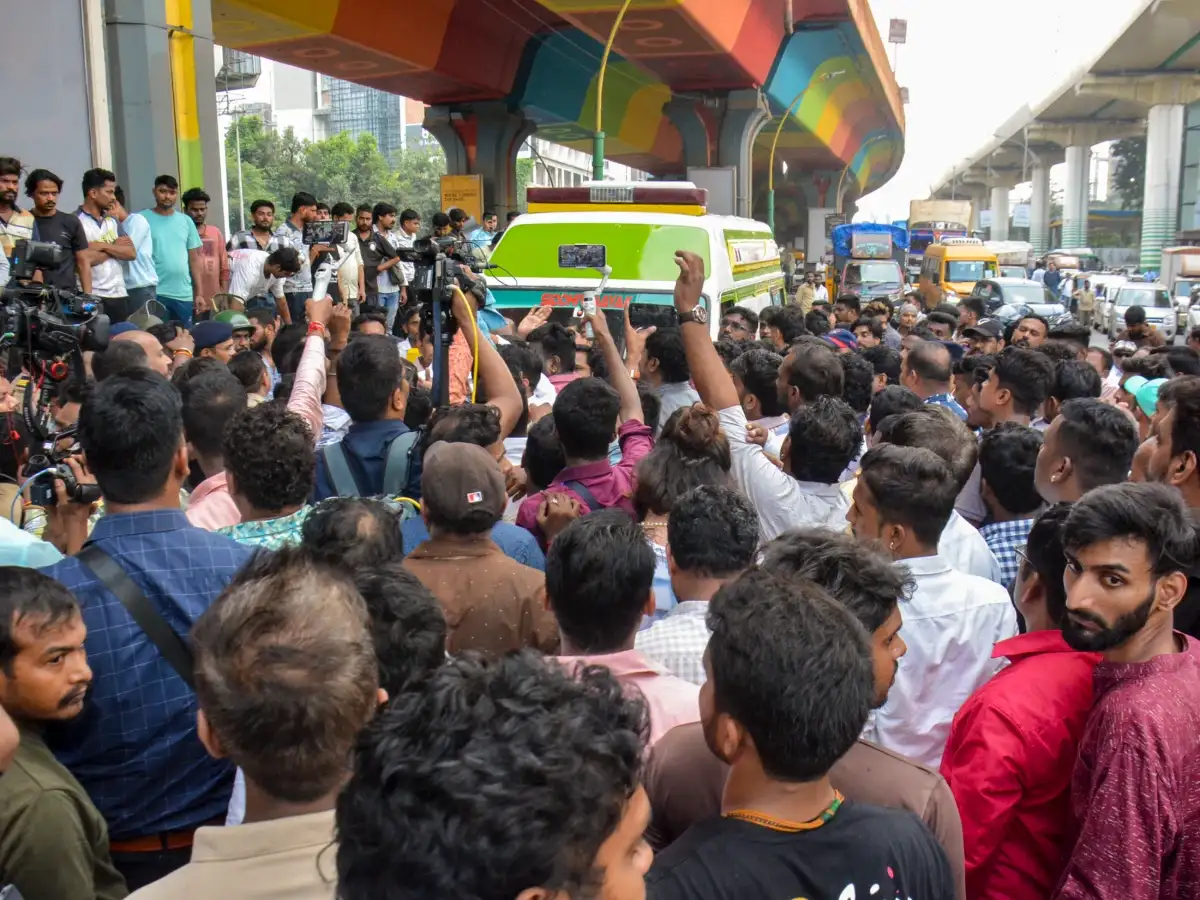
Murder of Sena (UBT) leader: In police statement, son blames ex-mayor of Thane, her husband
Pradeep Purnekar was shot dead in Thane, leading to major protests by his family and supporters. His son, Ram Purnekar, has accused Meenakshi Shinde and her husband of orchestrating the crime. The police arrested one suspect and detained another in connection with the murder case.
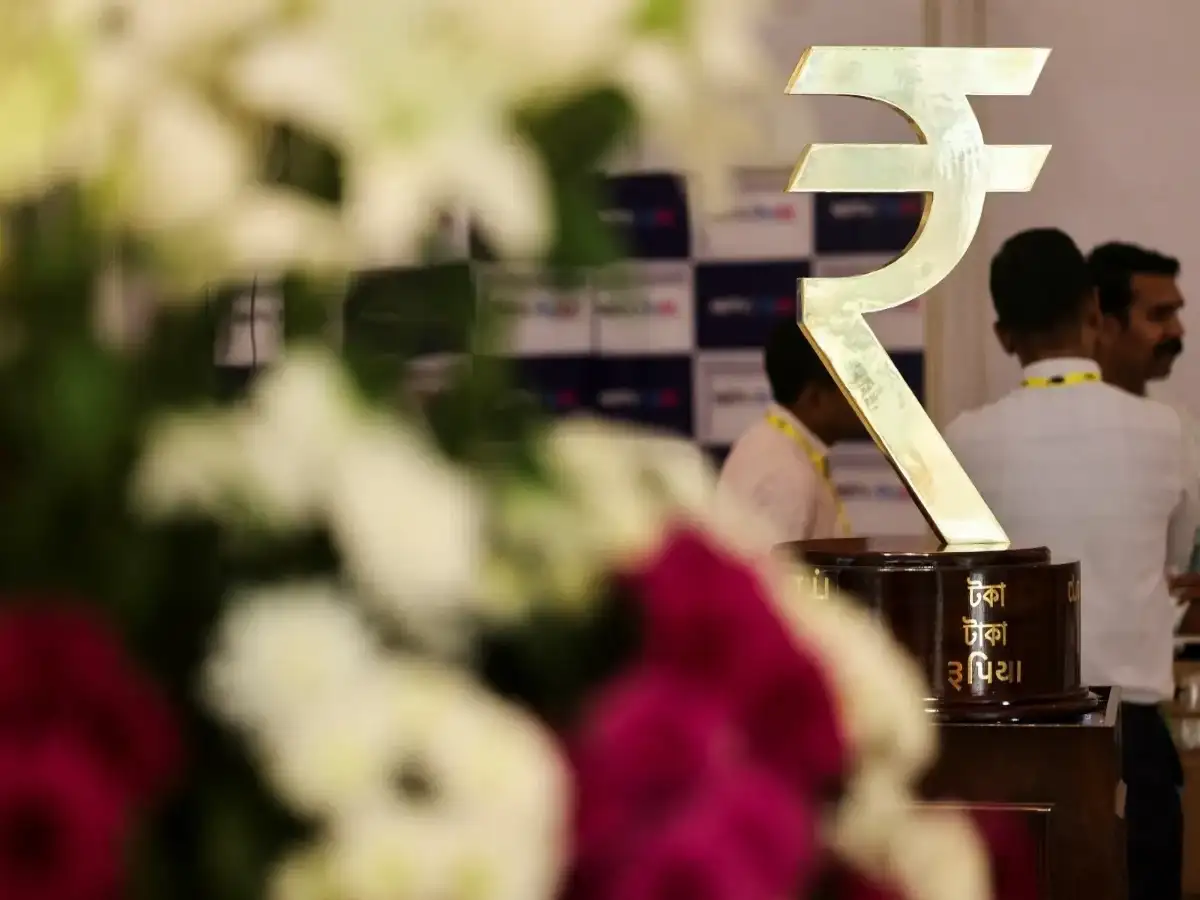
RBI’s success on dollar flows raises stakes in inflation fight & clamour for rate hike
India’s record $133 billion diaspora inflow has flooded banks with liquidity, pushing overnight rates below the RBI’s 5.25% policy rate. The Reserve Bank has already drained more than ₹1 trillion as food and oil prices fuel inflation concerns. Markets now expect further liquidity measures and are increasingly pricing in a possible RBI interest-rate hike.
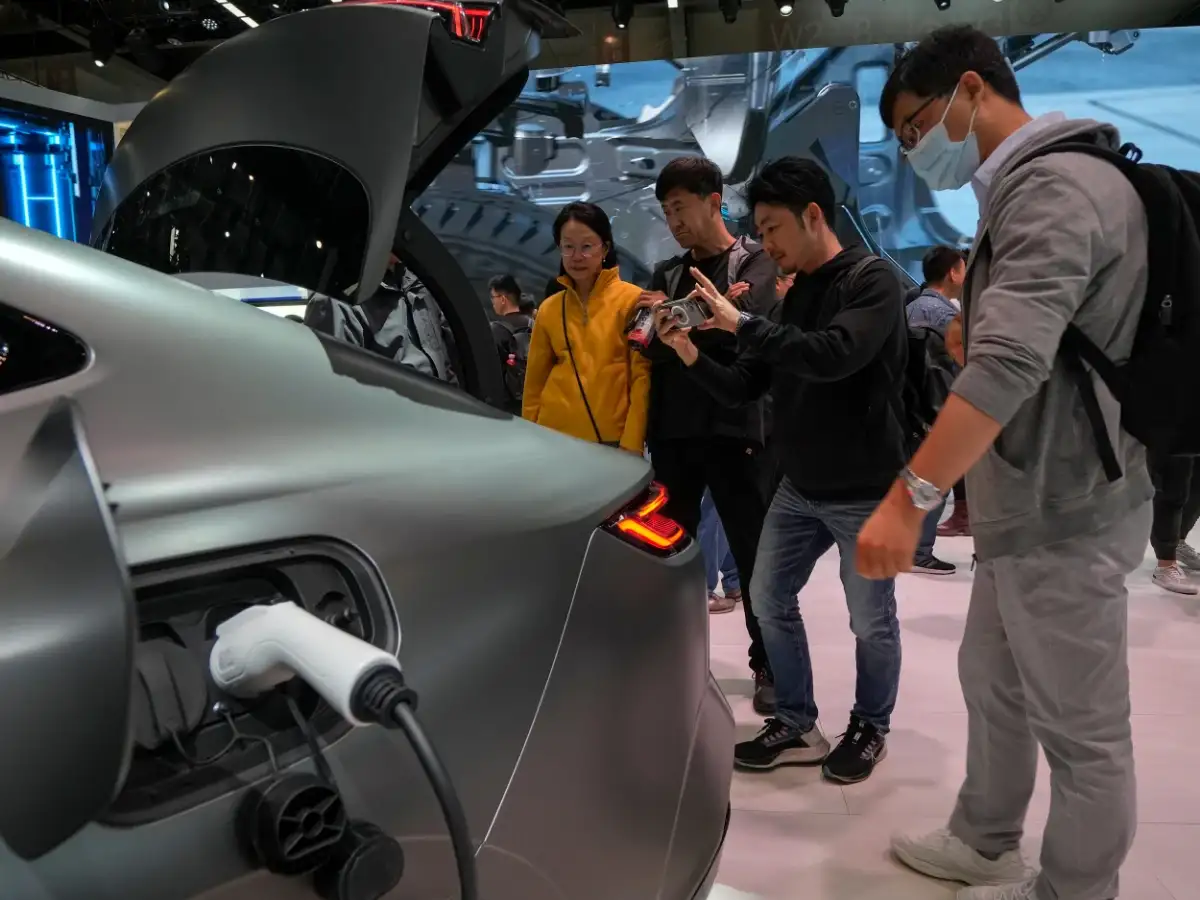
Senate punts bill to permanently ban Chinese cars until after midterm elections
Legislation aiming to permanently prohibit Chinese vehicles and technology from entering the U.S. market is currently stalled. Senators are negotiating to address concerns raised by a Republican senator regarding foreign ownership stakes. The proposed bill seeks to protect American automakers from subsidized Chinese competition and prevent data privacy risks. Supporters of the bill anticipate revisiting this matter after the upcoming November elections.

SC seeks response of Delhi government on plea for free treatment for EWS patients at ILBS
The court agreed to examine the plea which also sought an independent inquiry into alleged patient-rights violations and financial irregularities at the ILBS
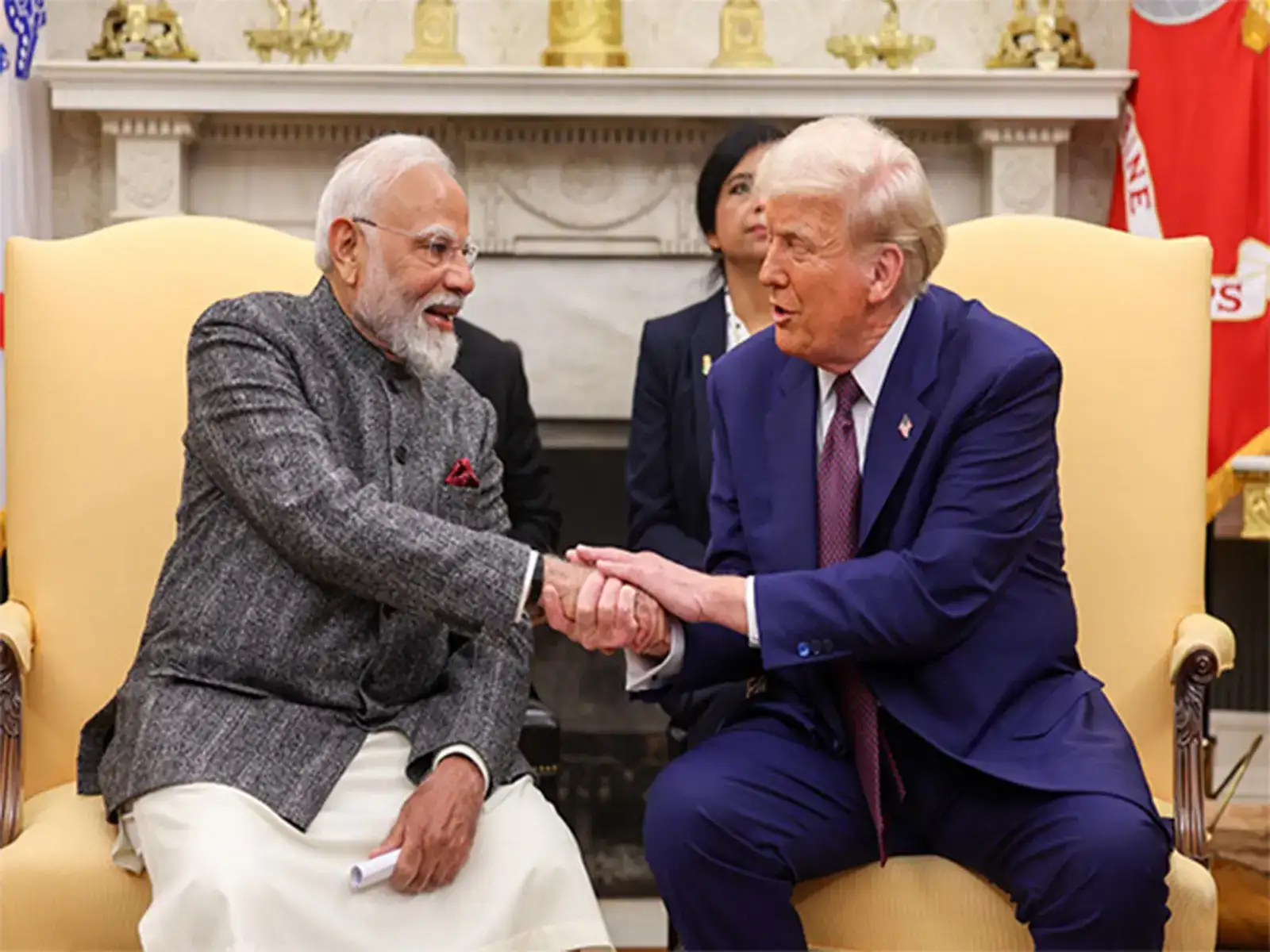
'Very good call': US Ambassador Sergio Gor on PM Modi-Trump telephonic conversation
Modi and Trump engaged in a telephone conversation reviewing bilateral cooperation. They discussed trade, defense, energy, and critical technologies during the call. Both leaders reaffirmed their commitment to advancing the India-US Comprehensive Global Strategic Partnership after evaluating ongoing regional and international developments. EAM S Jaishankar indicated progress on a mutually beneficial trade deal while addressing tariff concerns.
KPSC paper leak: ED alleges IAS officer supplied Veterinary Officer exam paper for bribes
Gyanendra Kumar Gangwar, an IAS officer, allegedly leaked the Veterinary Officers Recruitment Examination question paper for money. The Enforcement Directorate is investigating this corruption case involving 400 Veterinary Officer posts. Middleman Basavaraj Kannale, who facilitated the scheme, promised candidates their selection in exchange for bribes. Candidates received leaked exam materials while residing at a resort prior to the exam.