
US-funded Radio Free Asia closes its Hong Kong bureau over safety concerns under new security law
Mar 29, 2024
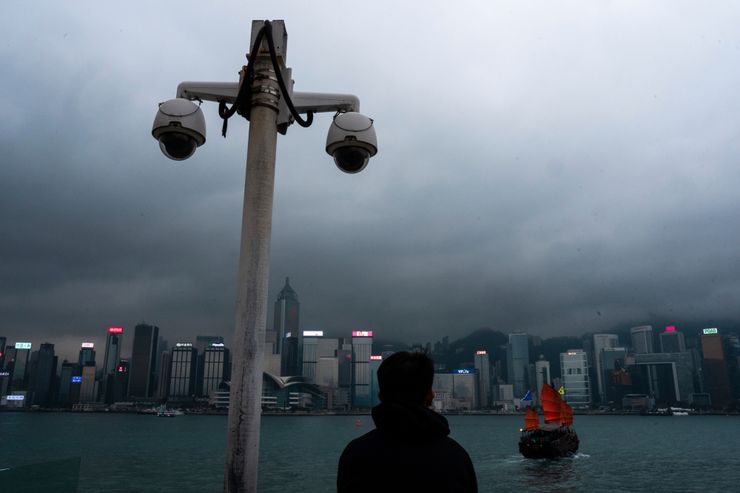
The president of U.S.-funded Radio Free Asia says its Hong Kong bureau has been closed because of safety concerns under a new national security law, deepening concerns about the city’s media freedoms
HONG KONG (AP) — The president of U.S.-funded Radio Free Asia said its Hong Kong bureau has been closed because of safety concerns under a new national security law, deepening concerns about the city’s media freedoms.
Bay Fang, the president of RFA, said in a statement Friday that it will no longer have full-time staff in Hong Kong, although it would retain its official media registration.
“Actions by Hong Kong authorities, including referring to RFA as a ‘foreign force,’ raise serious questions about our ability to operate in safety with the enactment of Article 23,” Fang said.
RFA's move is widely seen as a reflection of the city's narrowing space for a free press following the enactment of the
Safeguarding National Security Ordinance
, locally also known as Article 23 legislation.Hong Kong, once seen as a bastion of media freedom in Asia, has already changed drastically since Beijing imposed a similar security law in 2020 following anti-government protests in 2019.
Since the introduction of the 2020 law, two local news outlets known for critical coverage of the government, Apple Daily and Stand News, were forced to
shut down
after the arrest of their senior management, including Apple Daily publisher Jimmy Lai.Hong Kong ranked 140th out of 180 countries and territories in Reporters Without Borders’ latest World Press Freedom Index.
The new home-grown security law, which was enacted through an expedited legislative process last week, has expanded the government’s power to stamp out challenges to its rule.
It targets espionage, disclosing state secrets, and “colluding with external forces” to commit illegal acts, among others. Some offenses, such as treason and insurrection, carry a maximum penalty of life imprisonment.
The legislation has sparked
worries
among many journalists over a further decline in media freedom. They fear the broadly framed law could criminalize their day-to-day work.RFA, funded by the U.S. Congress through the U.S. Agency for Global Media, has recently been under the Hong Kong government's attack. In January, police issued a letter to RFA and condemned it for quoting “false statements” by wanted activist Ted Hui that they said smeared the police force.
Hui, a former pro-democracy lawmaker, is one of the overseas-based activists for whom police have
offered awards of 1 million Hong Kong dollars
($128,000) for information leading to their arrest. He is accused of requesting foreign countries to impose sanctions on Hong Kong and China.In February, Hong Kong's security minister, Chris Tang, said some comments quoted in reports by RFA about the new legislation were “fake” and “false."
He did not specify the comments or reports, but said they suggested that some provisions of the law were targeting the media. He insisted there were protections for the media in the legislation.
When asked whether the work of RFA is considered “external interference” or “espionage,” Tang said any violation of the law should be judged on a case-by-case basis.
The Hong Kong government did not immediately respond to a request by The Associated Press for comment.
Fang said RFA's Hong Kong bureau has operated as a private news organization since its launch in 1996, and that its editorial independence was safeguarded by a firewall endorsed by the U.S. Congress.
“This restructuring means that RFA will shift to using a different journalistic model reserved for closed media environments," she said.
But she assured RFA's audience in Hong Kong and mainland China that its content would “continue without disruption.”
The authorities have not announced any arrests under the new law. But the government on Wednesday condemned the BBC for what it called an “extremely misleading report” about an activist who was blocked from a
remission of sentence
, or early release, under the law. Tang also wrote a letter to condemn an opinion piece by the New York Times.Over the past months, articles by other international media outlets, including Washington Post and The Times, also have been criticized by officials.
MORE NEWS

China’s battery factories could be sitting right on top of vast lithium deposits
Lithium deposits formed by ancient volcanic activity may lie beneath parts of China’s battery manufacturing heartland, particularly along the southeastern coast, according to a new study. In an interview with the South China Morning Post, geologist Duan Zheng said that “potential targets for clay-type lithium deposits in southeastern China overlap with lithium battery industrial clusters in East and South China”. “Local supplies could significantly reduce transport costs and supply-chain risks,”...
For its autocratic African ally, Taiwan bites its tongue and opens its wallet
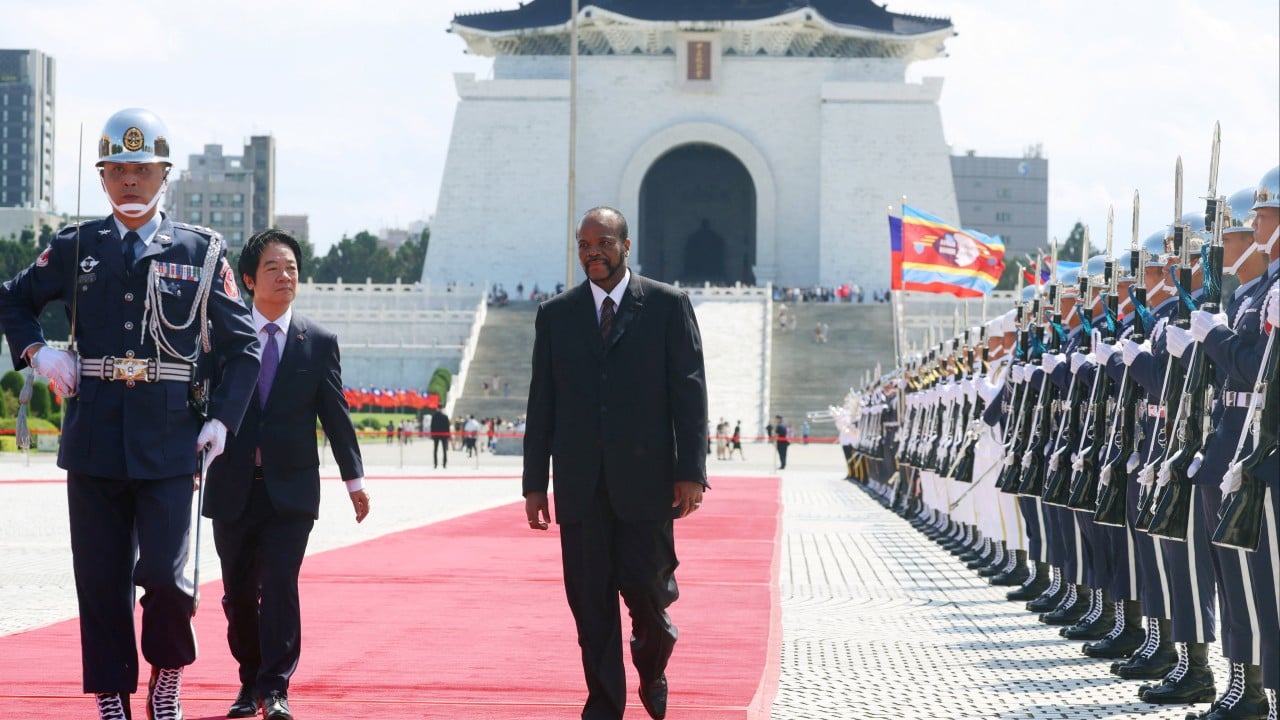
Eswatini probably does not register on most people’s mental maps. Its relatively recent name might sound unfamiliar as many people still know it as Swaziland. That it demands attention from pundits like yours truly has much to do with it being the only African country that still formally recognises Taiwan. It is also the continent’s only absolute monarchy. The two facts are closely connected. Recognising Taipei makes little sense when every one of eSwatini’s neighbours recognises Beijing, but it...

Alibaba wins preliminary injunction against Pentagon lobbying rule
Alibaba has won a preliminary court order blocking a US restriction that drove away its Washington lobbyists, after a federal judge found the Chinese technology giant was likely to succeed in challenging the measure on free-speech grounds. US District Judge Eumi K. Lee ruled on Monday that the government had failed to provide sufficient evidence to justify the restriction, which effectively forces lobbying firms to choose between representing Alibaba and clients seeking Pentagon...

5 things to watch out for in 2027 US defence bill aimed at countering China
The 2027 US defence bill, covering more than US$1 trillion in proposed defence spending, will be one of the most closely watched pieces of legislation when Congress returns after the midterm elections, with efforts to counter China running through nearly every corner of the text. The US House of Representatives passed its version of the bill, known as the National Defence Authorisation Act (NDAA), in July. The bill faces a tougher path in the US Senate, where a July procedural vote to begin...

Dinosaur's rare skeleton is one of the world's most expensive fossils, fetches over USD 47 million against expected estimate worth around USD 9 million
Nanotyrannus was about half the length of an adult T. rex, and the two creatures coexisted during the Cretaceous period some 67 million years ago.

Eric Swalwell controversy: Who is Stephen Cloobeck? Why has FBI raided billionaire donor's Beverly Hills mansion?
Stephen Cloobeck, who founded the Diamond Resorts International timeshare company and ran last year for California governor, contributed more than $23,000 to Swalwell’s congressional campaigns since 2017, federal campaign finance records show.
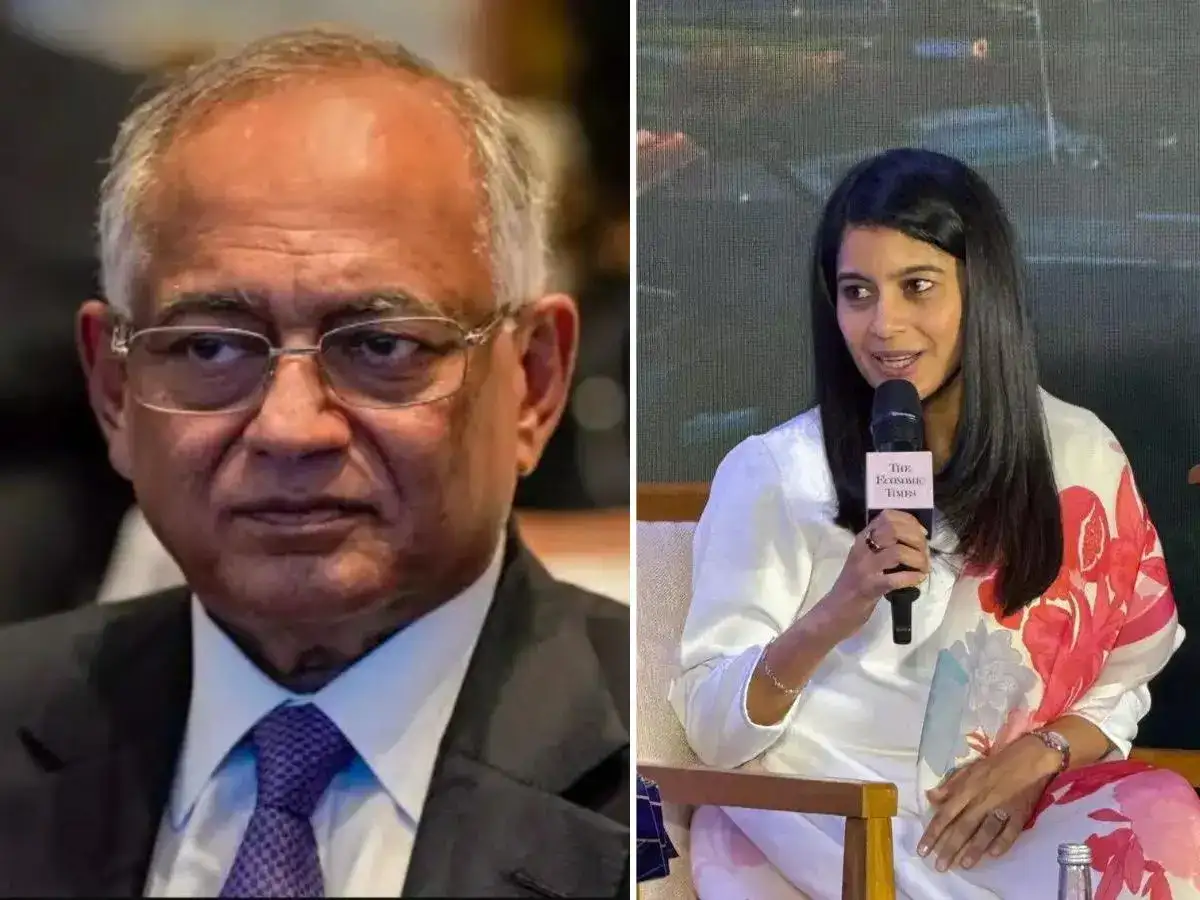
TVS Motor’s Venu Srinivasan and daughter Lakshmi file caveats against each other over inheritance
Venu Srinivasan and his daughter Lakshmi Venu have initiated caveats against each other regarding family business matters. The filings occurred in Chennai’s civil and commercial courts earlier this month. While Venu and his son Sudarshan claim a previous agreement exists, Lakshmi is advocating for a fair settlement. Mallika and Lakshmi have expressed their intention for an amicable resolution through discussions.
We are aware of everything, will decide: Supreme Court on Chief Election Commissioner row
The Supreme Court has issued a notice regarding a plea from Trinamool Congress MP Dola Sen. The plea challenges the changes made to Form 6 by the Election Commission of India. During the hearing, senior advocates presented arguments on the perceived tampering of electoral roll forms. The Election Commission defended its actions, asserting that decisions were made unanimously.

Delhi may raise agricultural land circle rates to ₹5 crore per acre
The proposed changes seek to bridge the gap between official land valuations and market prices across Delhi’s districts and localities

Nations get moving on Paris Climate Accord, but the pace is slow: UNFCCC
The reports assess the progress countries have made towards tackling climate change and achieving the goals of the Paris Agreement. Countries are investing in the clean energy transition, adapting to the impacts of climate change and building resilience, and there are international financial flows to climate action, the reports said.