
US treasury secretary is in China to talk trade, anti-money laundering and Chinese 'overproduction'

Apr 4, 2024
Treasury Secretary Janet Yellen has arrived in a China for five days of meetings in a country that's determined to avoid open conflict with the United States
GUANGZHOU, China (AP) — Treasury Secretary
Janet Yellen
arrived in China on Thursday for five days of meetings in a nation determined to avoid open conflict with the United States, yet the world's two largest economies still appear to be hashing out the rules onhow to compete
against each other.There are tensions over Chinese government support for the manufacturing of electric vehicles and solar panels, just as the U.S. government ramps up its own aid for those tech sectors. There are differences in trade, ownership of TikTok, access to computer chips and national security — all of them a risk to what has become a carefully managed relationship.
The 77-year-old Yellen, a renowned economist and former Federal Reserve chair, laid out to reporters the issues that she intends to raise with her Chinese counterparts during her five-day visit. Yellen begins her trip in Guangzhou and later moves to Beijing for meetings with finance leaders and state officials. Her engagements will include Vice Premier He Lifeng, Chinese Central Bank Governor Pan Gongsheng, former Vice Premier Liu He, leaders of American businesses operating in China, university students and local leaders.
Yellen, speaking to reporters Wednesday during a refueling stop in Alaska en route to Asia, said her visit would be a “continuation of the dialogue that we have been engaged and deepening” ever since U.S. President Joe Biden and Chinese President Xi Jinping met in 2022 in Indonesia. She noted that it would be her third meeting with China's vice premier.
Yellen recently
accused China of flooding global markets
with heavily subsidized green energy products, possibly undercutting the subsidies the U.S. has provided to its own renewable energy and EV sector with funds provided by the Democrats’ Inflation Reduction Act. She said she intends to repeat her concerns to Chinese officials that they're flooding the global market with cheap solar panels and EVs that thwart the ability of other countries to develop those sectors.“We need to have a level playing field,” Yellen told reporters. “We're concerned about a massive investment in China in a set of industries that's resulting in overcapacity.”
Yellen didn’t rule out taking additional steps to counter Chinese subsidies in the green energy sectors, adding, "It’s not just the United States but quite a few countries, including Mexico, Europe, Japan, that are feeling the pressure from massive investment, in these industries in China.”
The Treasury secretary’s travels come after Biden and Xi
held their first call in five months
on Tuesday, meant to demonstrate a return to regularleader-to-leader dialogue
between the two powers. The leaders discussed Taiwan, artificial intelligence and security issues.The call, described by the White House as “candid and constructive,” was the leaders’ first conversation since
their November summit
in California, which renewed ties between the two nations’ militaries and enhanced cooperation on stemming the flow of deadly fentanyl and its precursors from China.Still, it appears to be difficult for the two countries to strike a balance between competition and antagonism.
For instance, Xi last week hosted American CEOs in Beijing to court them on investing in China. Meanwhile, Biden last August issued an executive order that instructed an inter-agency committee, chaired by Yellen, to closely monitor U.S. investment in China related to high-tech manufacturing.
Jude Blanchette, a China expert at the Center for Strategic & International Studies, said, “the Biden administration’s efforts over the last year to stabilize the relationship are clearly working, but the main friction points all remain unresolved and will likely challenge the relationship for the foreseeable future.”
“For the time being, a ‘managed rivalry’ might be the best we can hope for, given the potentially catastrophic consequences of the relationship really going off the rails,” he said.
Yellen last week said China is flooding the market with green energy that “distorts global prices,” and plans to tell her counterparts that Beijing’s increased production of solar energy, electric vehicles and lithium-ion batteries poses risks to productivity and growth to the global economy.
China began to broaden its presence in the global economy more than two decades ago, exporting cheap goods that appealed to U.S. consumers at the expense of factory jobs in many of those consumers' hometowns. Research by the economists David Autor, David Dorn and Gordon Hanson into what's known as the “China Shock” led to the steady demise of many factory towns, and in some cases led to greater political discontent.
Still, some experts see a benefit in an economic showdown to produce green products.
Shang-Jin Wei, a professor of Chinese business at Columbia University, says that a subsidy war could ultimately help consumers in both countries buy more climate-friendly products, which is an aim of the Biden administration.
“In contrast, a U.S. tariff on EV imports could raise the price of EVs in the U.S. and is therefore counterproductive for the purpose of inducing a green transition.”
Yellen's trip will run from April 4 to 9. It's intended as a follow-up to Yellen’s travel to China last July, which resulted in the launch of a pair of economic working groups between the two nations' finance departments to
ease tensions
and deepen ties.But this visit falls in an election year, where tough talk on China has increased by Democrats and Republicans — who criticize Chinese ownership of popular social media app TikTok, the nation’s censorship and human rights record and hold a deep mistrust over recent acts of espionage such as hacking and the use of a spy balloon.
Scheherazade S. Rehman, a professor of International Business and Finance and International Affairs at George Washington University, said while “it’s an election year, so all the rhetoric is going to be sharper, the U.S and China are in a symbiotic trading relationship and ultimately need each other.”
China is one of the United States’ biggest trading partners, and economic competition between the two nations has increased in recent years. Yellen stressed Wednesday that the United States has no interest in decoupling from China.
China’s support of Russia as it continues its invasion of neighboring Ukraine is another issue that will come up during the meetings. As the U.S. and its allies sanction Russian officials and entire sectors of the Russian economy, like banking, oil production and manufacturing, trade between China and Russia has increased.
___
Associated Press writers Josh Boak in Washington and Ken Moritsugu in Beijing contributed to this report.
MORE NEWS
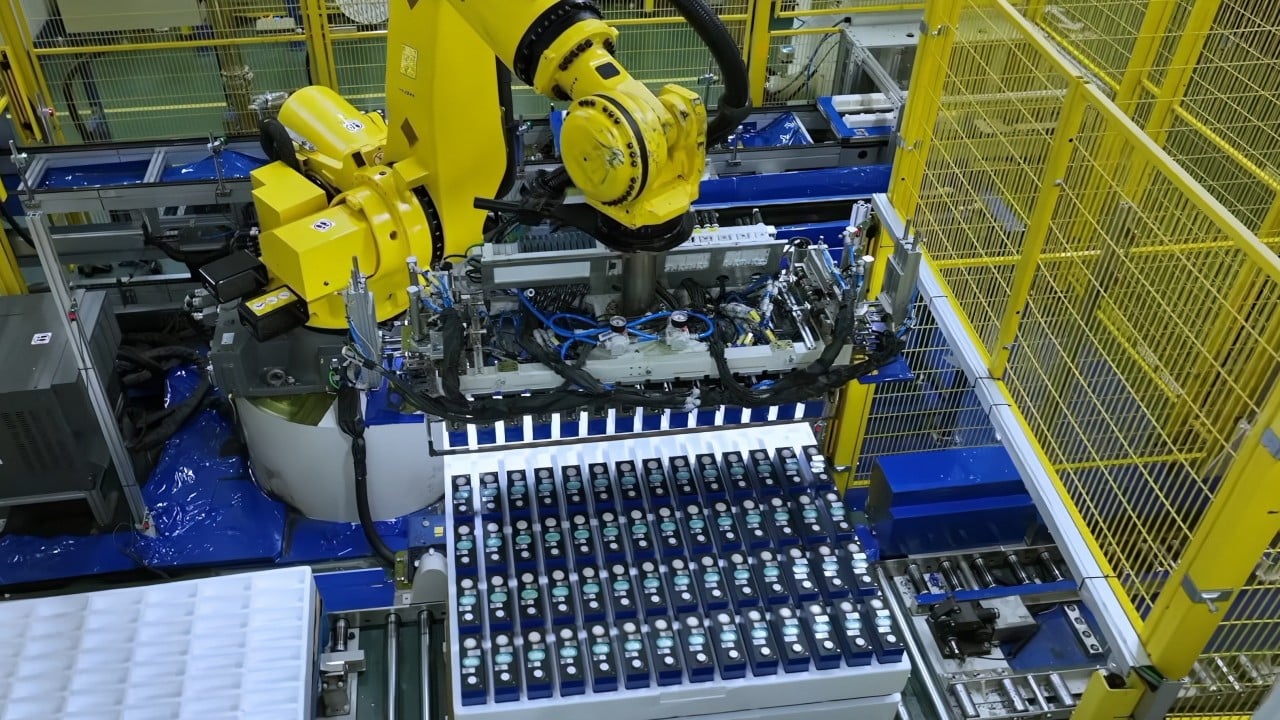
China’s battery factories could be sitting right on top of vast lithium deposits
Lithium deposits formed by ancient volcanic activity may lie beneath parts of China’s battery manufacturing heartland, particularly along the southeastern coast, according to a new study. In an interview with the South China Morning Post, geologist Duan Zheng said that “potential targets for clay-type lithium deposits in southeastern China overlap with lithium battery industrial clusters in East and South China”. “Local supplies could significantly reduce transport costs and supply-chain risks,”...
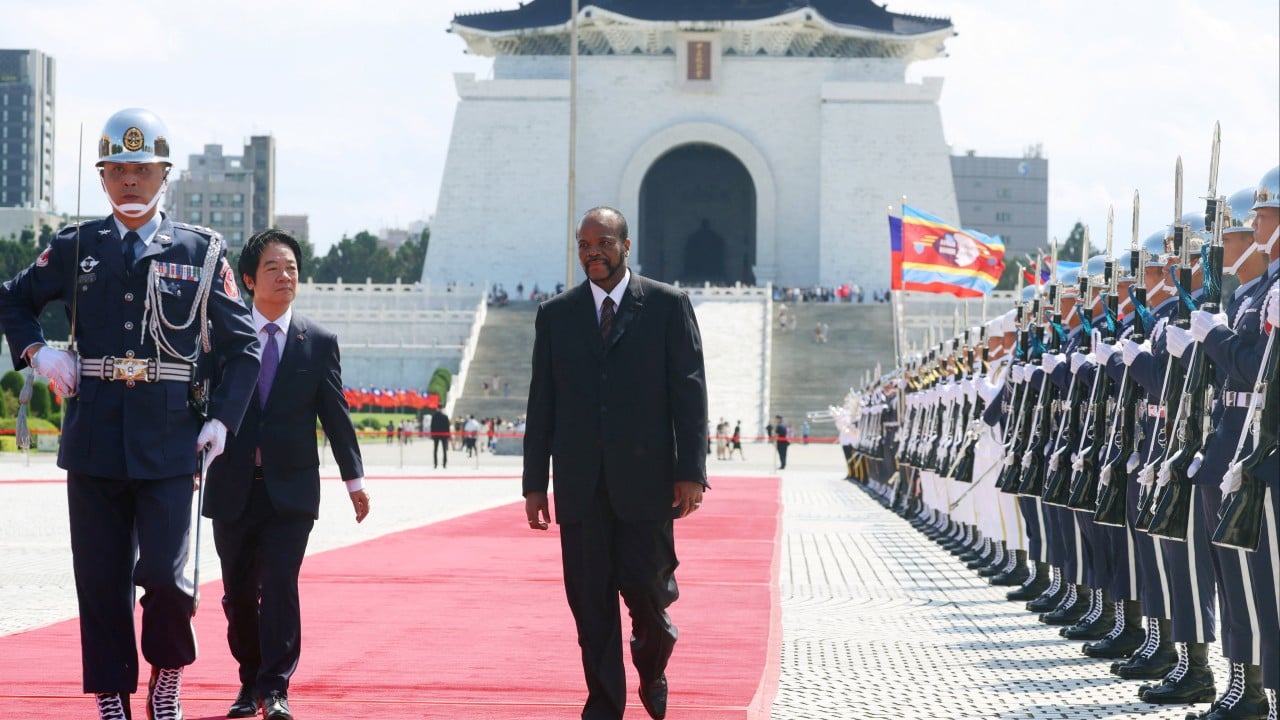
For its autocratic African ally, Taiwan bites its tongue and opens its wallet
Eswatini probably does not register on most people’s mental maps. Its relatively recent name might sound unfamiliar as many people still know it as Swaziland. That it demands attention from pundits like yours truly has much to do with it being the only African country that still formally recognises Taiwan. It is also the continent’s only absolute monarchy. The two facts are closely connected. Recognising Taipei makes little sense when every one of eSwatini’s neighbours recognises Beijing, but it...
Alibaba wins preliminary injunction against Pentagon lobbying rule
Alibaba has won a preliminary court order blocking a US restriction that drove away its Washington lobbyists, after a federal judge found the Chinese technology giant was likely to succeed in challenging the measure on free-speech grounds. US District Judge Eumi K. Lee ruled on Monday that the government had failed to provide sufficient evidence to justify the restriction, which effectively forces lobbying firms to choose between representing Alibaba and clients seeking Pentagon...

5 things to watch out for in 2027 US defence bill aimed at countering China
The 2027 US defence bill, covering more than US$1 trillion in proposed defence spending, will be one of the most closely watched pieces of legislation when Congress returns after the midterm elections, with efforts to counter China running through nearly every corner of the text. The US House of Representatives passed its version of the bill, known as the National Defence Authorisation Act (NDAA), in July. The bill faces a tougher path in the US Senate, where a July procedural vote to begin...


Dinosaur's rare skeleton is one of the world's most expensive fossils, fetches over USD 47 million against expected estimate worth around USD 9 million
Nanotyrannus was about half the length of an adult T. rex, and the two creatures coexisted during the Cretaceous period some 67 million years ago.
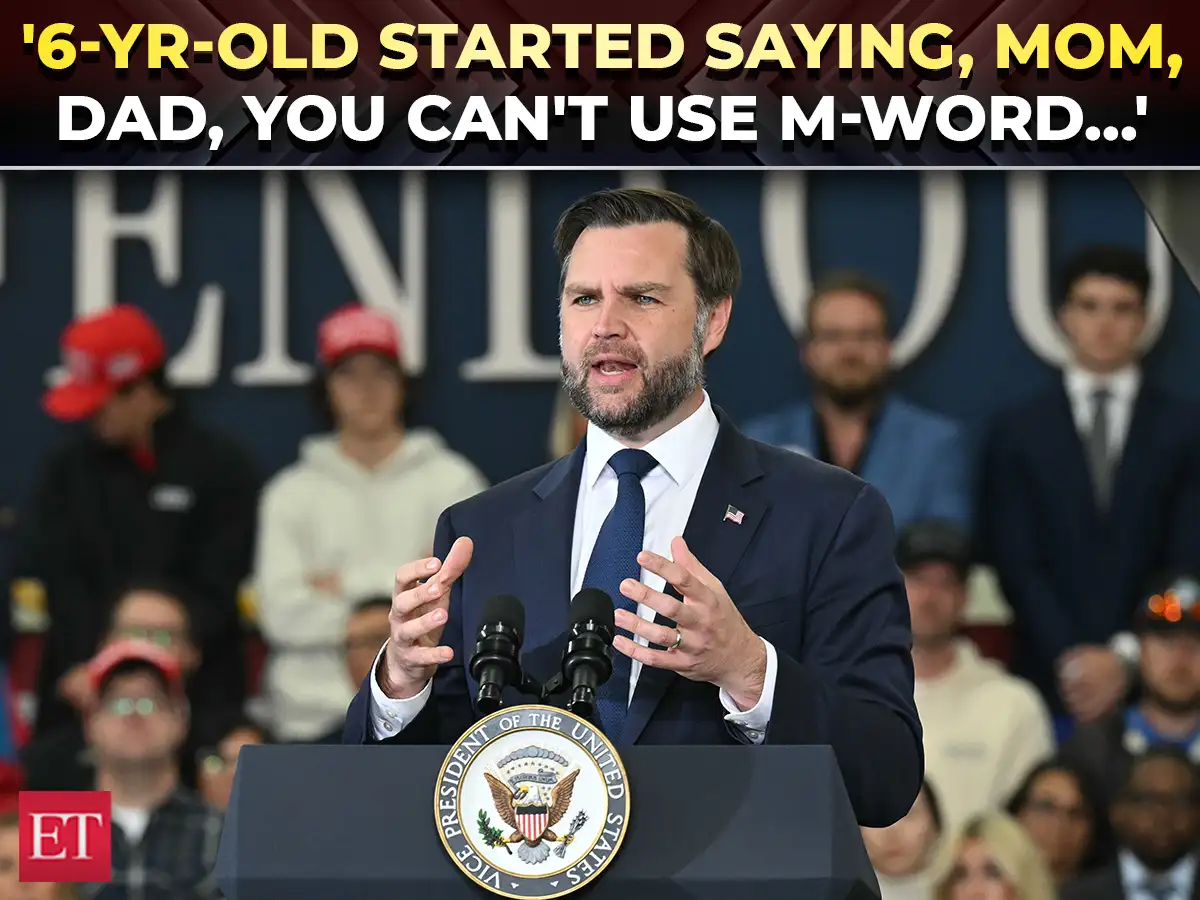

Eric Swalwell controversy: Who is Stephen Cloobeck? Why has FBI raided billionaire donor's Beverly Hills mansion?
Stephen Cloobeck, who founded the Diamond Resorts International timeshare company and ran last year for California governor, contributed more than $23,000 to Swalwell’s congressional campaigns since 2017, federal campaign finance records show.
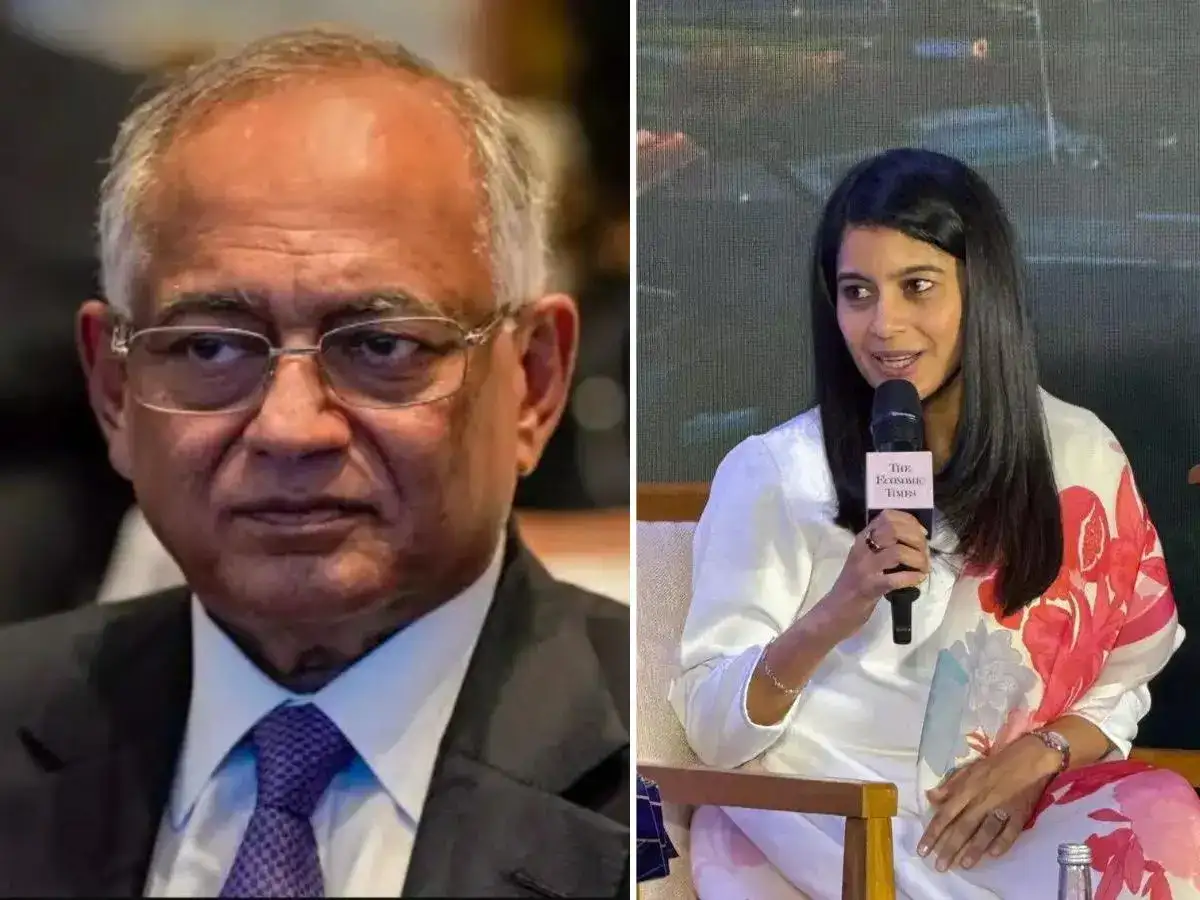
TVS Motor’s Venu Srinivasan and daughter Lakshmi file caveats against each other over inheritance
Venu Srinivasan and his daughter Lakshmi Venu have initiated caveats against each other regarding family business matters. The filings occurred in Chennai’s civil and commercial courts earlier this month. While Venu and his son Sudarshan claim a previous agreement exists, Lakshmi is advocating for a fair settlement. Mallika and Lakshmi have expressed their intention for an amicable resolution through discussions.
We are aware of everything, will decide: Supreme Court on Chief Election Commissioner row
The Supreme Court has issued a notice regarding a plea from Trinamool Congress MP Dola Sen. The plea challenges the changes made to Form 6 by the Election Commission of India. During the hearing, senior advocates presented arguments on the perceived tampering of electoral roll forms. The Election Commission defended its actions, asserting that decisions were made unanimously.

Delhi may raise agricultural land circle rates to ₹5 crore per acre
The proposed changes seek to bridge the gap between official land valuations and market prices across Delhi’s districts and localities

Nations get moving on Paris Climate Accord, but the pace is slow: UNFCCC
The reports assess the progress countries have made towards tackling climate change and achieving the goals of the Paris Agreement. Countries are investing in the clean energy transition, adapting to the impacts of climate change and building resilience, and there are international financial flows to climate action, the reports said.