
US sanctions Chinese companies over Muslim abuse complaints
Jul 22, 2020
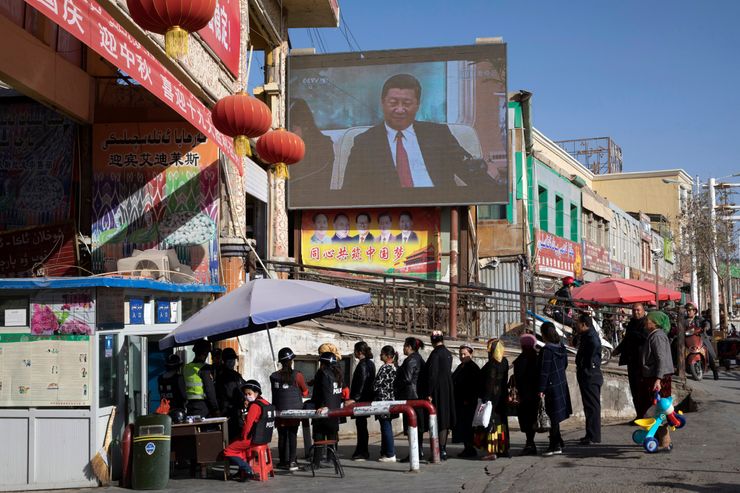
The U.S. government has imposed trade sanctions on 11 companies it says are implicated in human rights abuses in China’s Muslim northwestern region of Xinjiang, including three identified in investigations by The Associated Press
BEIJING (AP) — China said Tuesday it would take unspecified “necessary measures" after the U.S. government imposed trade sanctions on 11 companies it says are implicated in human rights abuses in China’s Muslim northwestern region of Xinjiang.
The sanctions add to U.S. pressure on Beijing over Xinjiang, where the ruling Communist Party is accused of mass detentions, forced labor, forced birth control and other abuses against Muslim minorities. Xinjiang is among a series of conflicts including human rights, trade and technology that have caused U.S.-Chinese relations to plunge to their lowest level in decades.
The Trump administration also has imposed sanctions on four Chinese officials over the accusations. Beijing responded by announcing unspecified penalties on four U.S. senators who are critics of its human rights record.
Three of the companies cited Monday were identified by investigations by The Associated Press in 2018 and 2020 as being implicated in forced labor. One company, Nanchang O-Film Tech, supplies screens and lenses to Apple, Samsung and other technology companies. AP reporters found employees from Xinjiang at its factory in the southern city of Nanchang weren’t allowed out unaccompanied and were required to attend political classes.
U.S. customs authorities seized a shipment from the second company, Hetian Haolin Hair Accessories, on suspicion it was made by forced labor. People who worked for the third, Hetian Taida, which produces sportswear sold to U.S. universities and sports teams, told AP detainees were compelled to work there.
The Department of Commerce said the addition of the 11 companies to its Entity List will limit their access to U.S. goods and technology. It gave no details of what goods might be affected.
“This action will ensure that our goods and technologies are not used in the Chinese Communist Party’s despicable offensive against defenseless Muslim minority populations,” said Commerce Secretary Wilbur Ross in a statement.
The Chinese foreign ministry rejected the sanctions as interference in its affairs and an attempt by Washington to hurt Chinese companies.
“What the United States is concerned about is not the human rights issues at all, but to suppress Chinese companies, undermine the stability of Xinjiang, and smear China’s Xinjiang policies,” said spokesperson Wang Wenbin. “We urge the United States to correct its mistakes, revoke relevant decisions and stop interfering in China’s internal affairs."
Wang said Beijing will “take all necessary measures” to protect Chinese businesses, but gave no indication of possible retaliation.
China has detained an estimated 1 million or more members of the Uighur and other Muslim ethnic minority groups in internment camps.
The government describes them as vocational training facilities aimed at countering Muslim radicalism and separatist tendencies. It says those facilities have since been closed, a claim that is impossible to confirm given the restrictions on visits and reporting about the region.
Veterans of the camps and family members say those held are forced, often with the threat of violence, to denounce their religion, culture and language and swear loyalty to Communist Party leader and head of state Xi Jinping.
The companies cited Monday include clothing manufacturers and technology suppliers.
Two companies cited, Xinjiang Silk Road BGI and Beijing Liuhe BGI, are subsidiaries of BGI Group, one of the world's biggest gene-sequencing companies. The Commerce Department said they were “conducting genetic analyses used to further the repression” of Muslim minorities.
In a statement, BGI Group said it provides no gene technology for surveillance of Uighurs.
The company said Beijing Liuhe BGI provides gene synthesis services for scientific research. It said Xinjiang Silk Road BGI has conducted no business since being established in November 2016.
“BGI Group does not engage in unethical practices and does not provide gene technology for the surveillance of Uighurs,” the company said. “BGI Group does not condone and would never be involved in any human-rights abuses.”
Human rights groups say security forces in Xinjiang appear to be creating a genetic database with samples from millions of people including through using blood and other samples subjects are compelled to provide. Nationwide, authorities have gathered genetic information from the Chinese public for almost two decades that the government says is for use in law enforcement.
Phone calls to BGI's public relations and investor relations departments weren't answered.
The Commerce Department imposed similar restrictions last October and in June on a total of 37 companies it said were “engaged in or enabling" abuses in Xinjiang.
The department issued a warning on July 1 that companies that handle goods made by forced labor or that supply technology that might be used in labor camps or for surveillance might face unspecified “reputational, economic and legal risks.”
The Chinese foreign ministry criticized the warning, saying Beijing would take “necessary measures” to protect Chinese companies but giving no details.
MORE NEWS

Asian Games 2026 Hockey: India cannot afford silly mistakes against Pakistan, says Harmanpreet after fiery semifinal
The Indian hockey team advanced to the Asian Games final in a thrilling semifinal match against Pakistan. After leading with a solid 3-0 score, tensions rose when Pakistan managed to draw level. Harmanpreet Singh highlighted the significance of staying composed during intense moments. The squad recognized the urgent need to strengthen their defensive strategies, especially when facing tough challenges, as they gear up for the impending final matchup.
In 1996, Tim Draper bought Hotmail shares for $300,000. 2 years later, Microsoft acquired the startup for $400 million
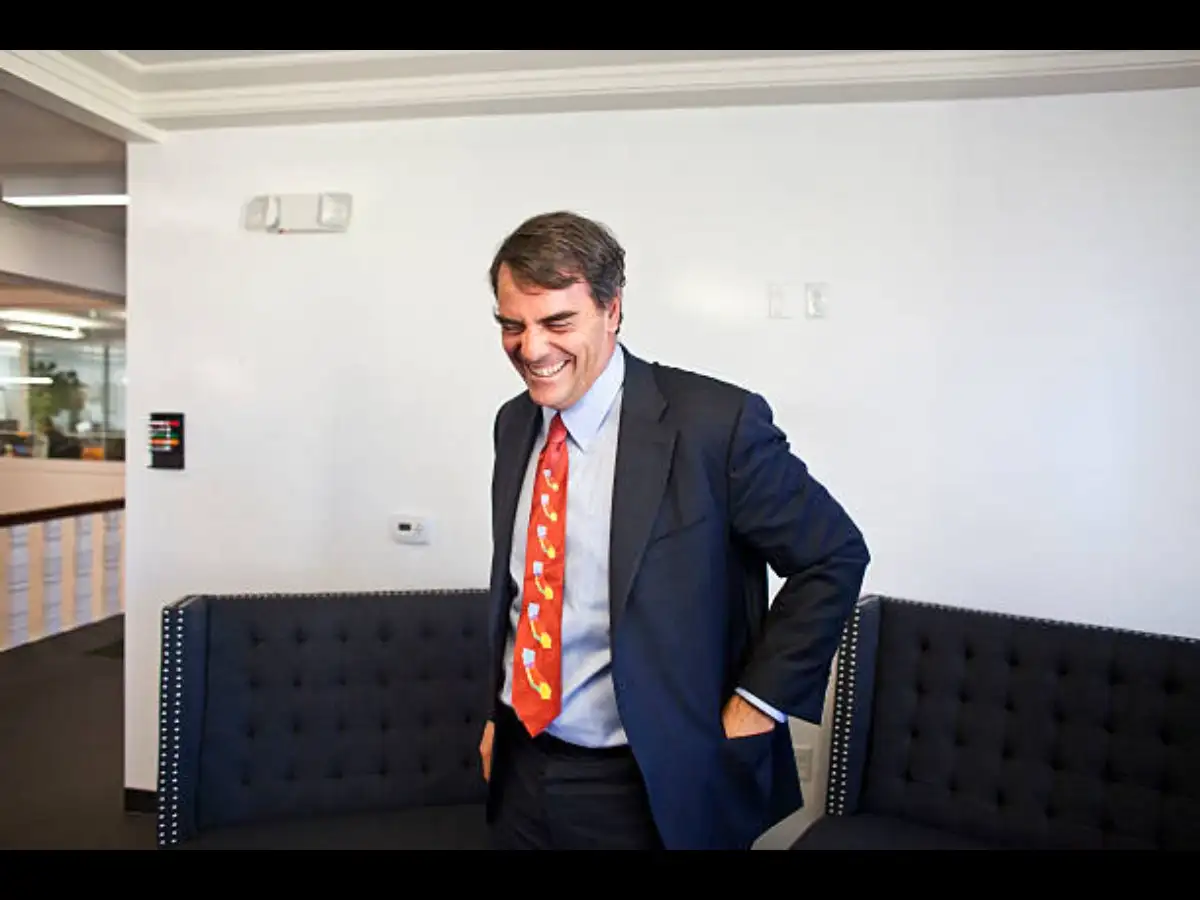
Microsoft announced the Hotmail acquisition on December 31, 1997. It did not reveal how much it paid for the company. A later securities filing provided more detail. Hotmail’s owners received 2,769,148 Microsoft shares in the deal. Wired estimated those shares were worth about $400 million at the time.
October 2026 rule changes: No PUC, no fuel, higher Mumbai tolls, UPI charges and 4 more updates
October 2026 brings seven rule and policy changes that could affect motorists, businesses and consumers across India. The updates include Delhi’s no-PUC, no-fuel rule, higher toll rates for commercial vehicles entering Mumbai, UPI charges on certain merchant payments, revised ATM limits for some bank customers, Aadhaar authentication for subsidised LPG and new NPS charges.
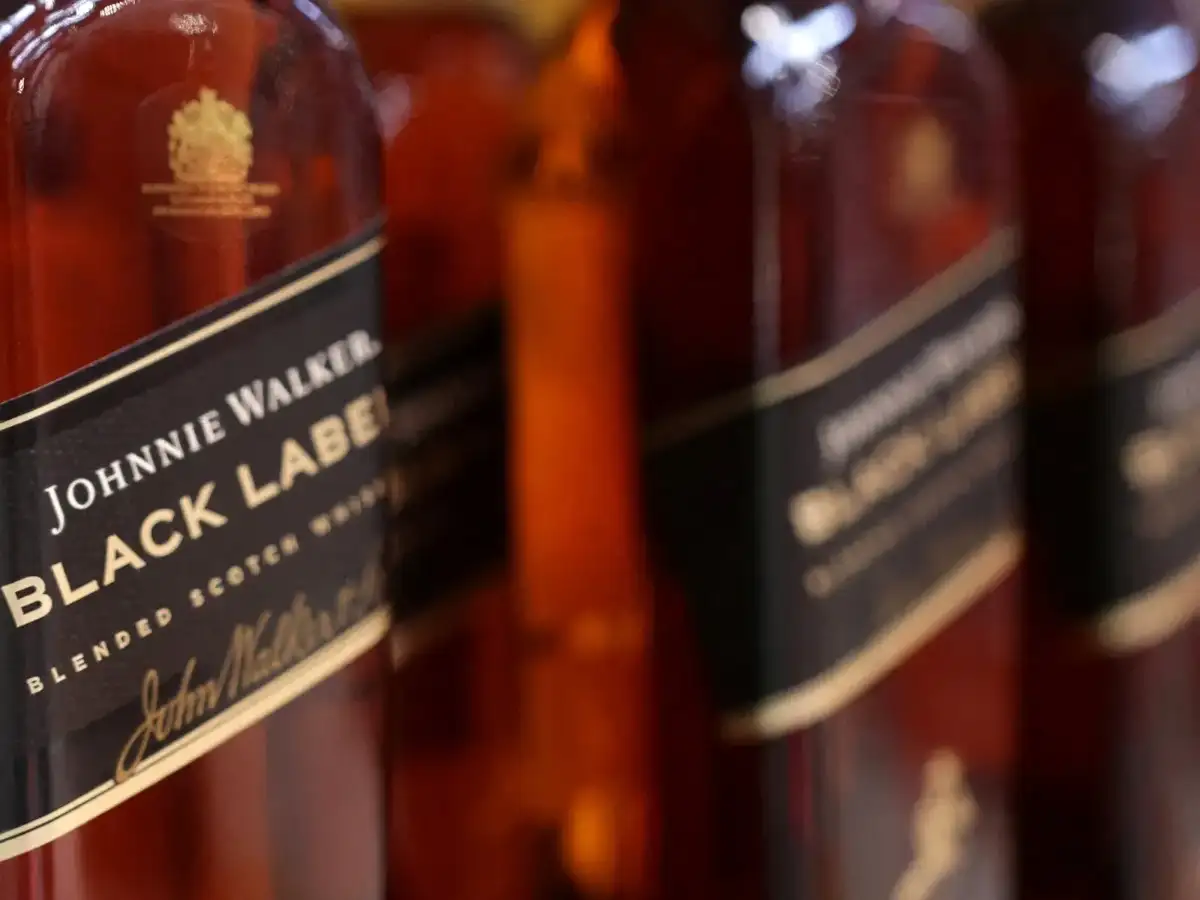
Johnnie Walker parent Diageo defeats false-labelling lawsuit over ‘100% agave’ tequilas
Diageo has been cleared of allegations claiming that its Casamigos and Don Julio tequilas were falsely labeled. A federal judge found insufficient evidence to support claims of consumer deception in the labeling. Plaintiffs argued that they would have chosen different products had they known the truth about the tequila labels. The ruling may be reconsidered according to the plaintiffs' attorney statements following the decision.
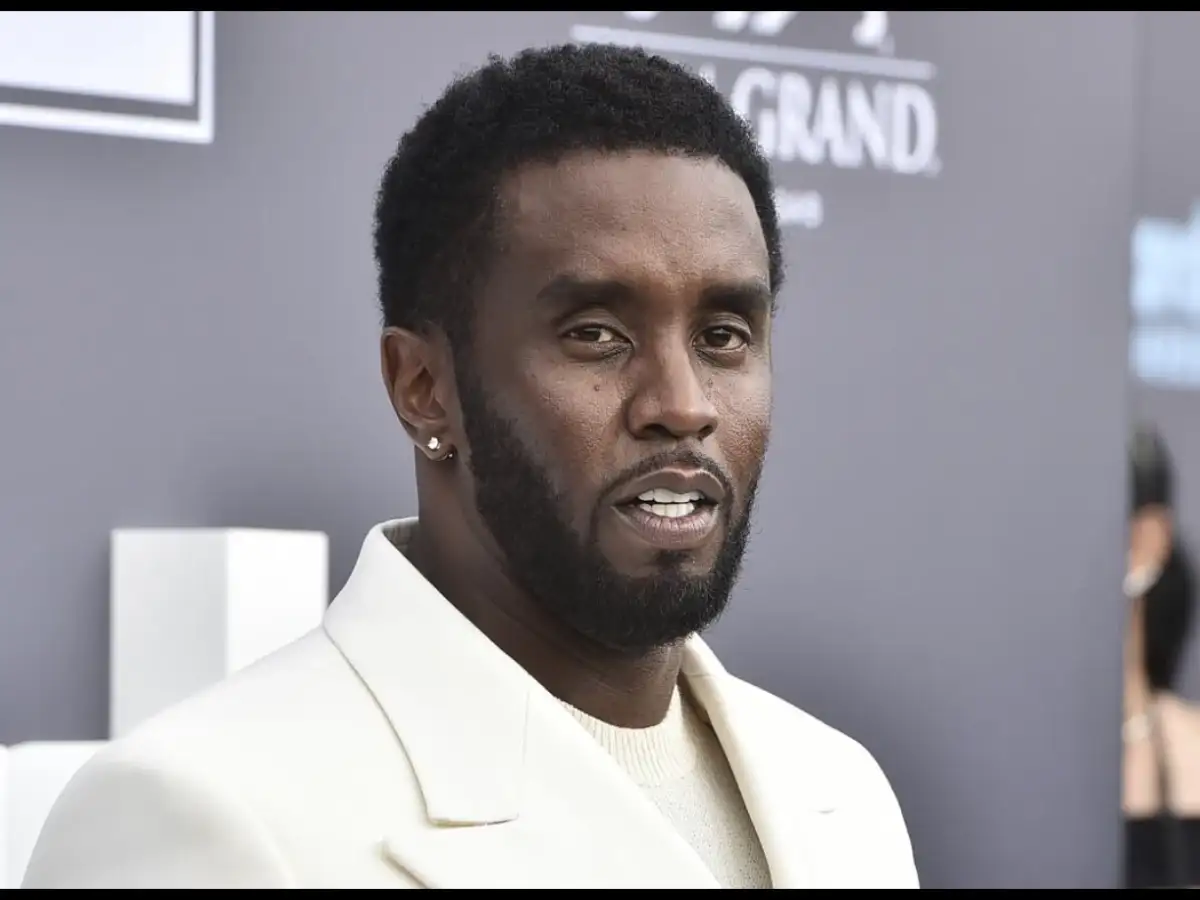
Sean Diddy Combs living like a king behind bars? Reports emerge about his pampered life in jail
Sean 'Diddy' Combs is currently serving a 50-month sentence in Fort Dix federal prison, New Jersey. Reports suggest he pays fellow inmates for services such as cooking, cleaning, and even massages, allowing him to maintain a surprisingly comfortable lifestyle. Despite confinement, sources state he has managed to acquire contraband phones, alcohol, and antidepressants, spending significant sums each month on luxury services.
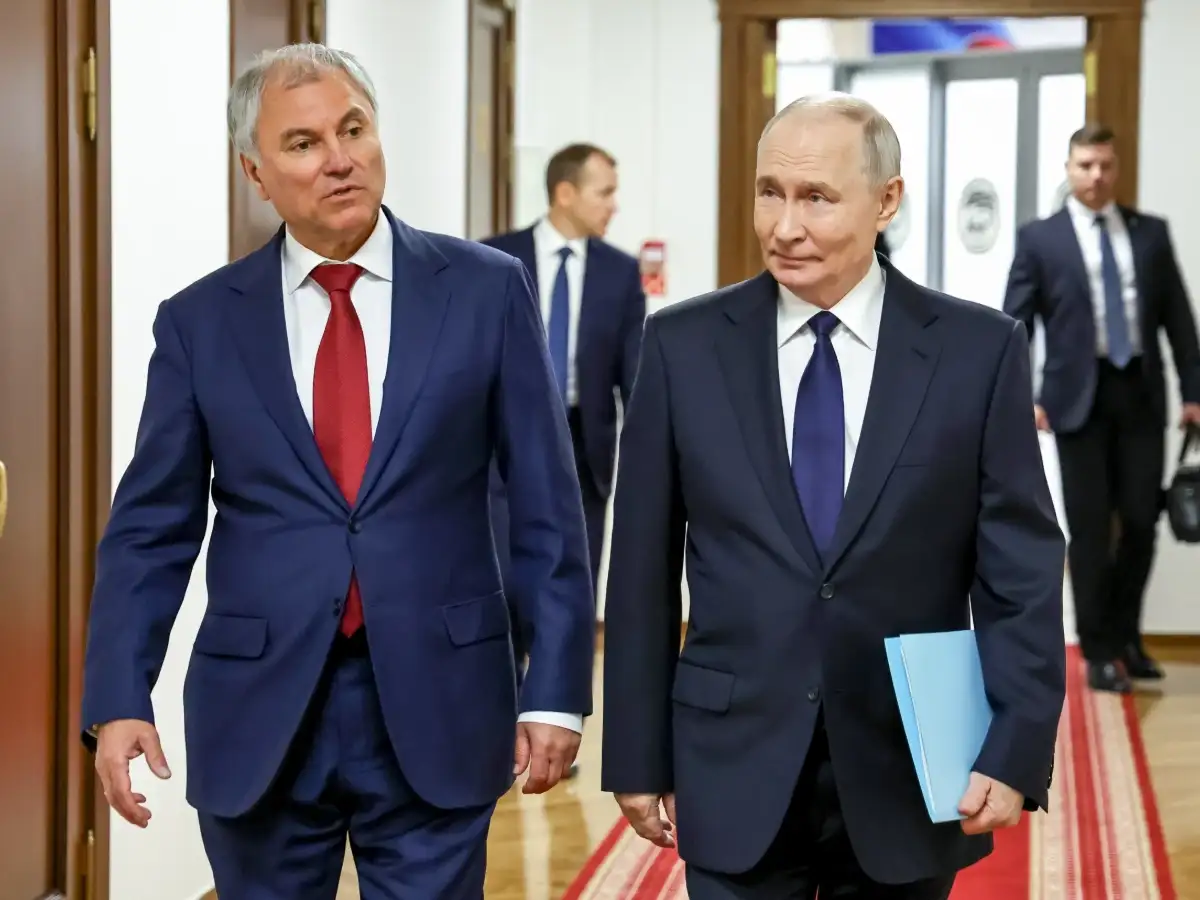
Days after Moscow warns NATO of nuclear attack, Russian strategist warns there will be ‘little left’ of Europe amid World War III threat
After Russia warned NATO that it could use nuclear weapons if the alliance tried to isolate Kaliningrad, Russian foreign policy strategist Sergei Karaganov issued another stark warning. Karaganov said Moscow could initially use conventional weapons but would “go nuclear” if European countries continued backing Ukraine and refused to surrender, warning there would be “little left” of some European countries.

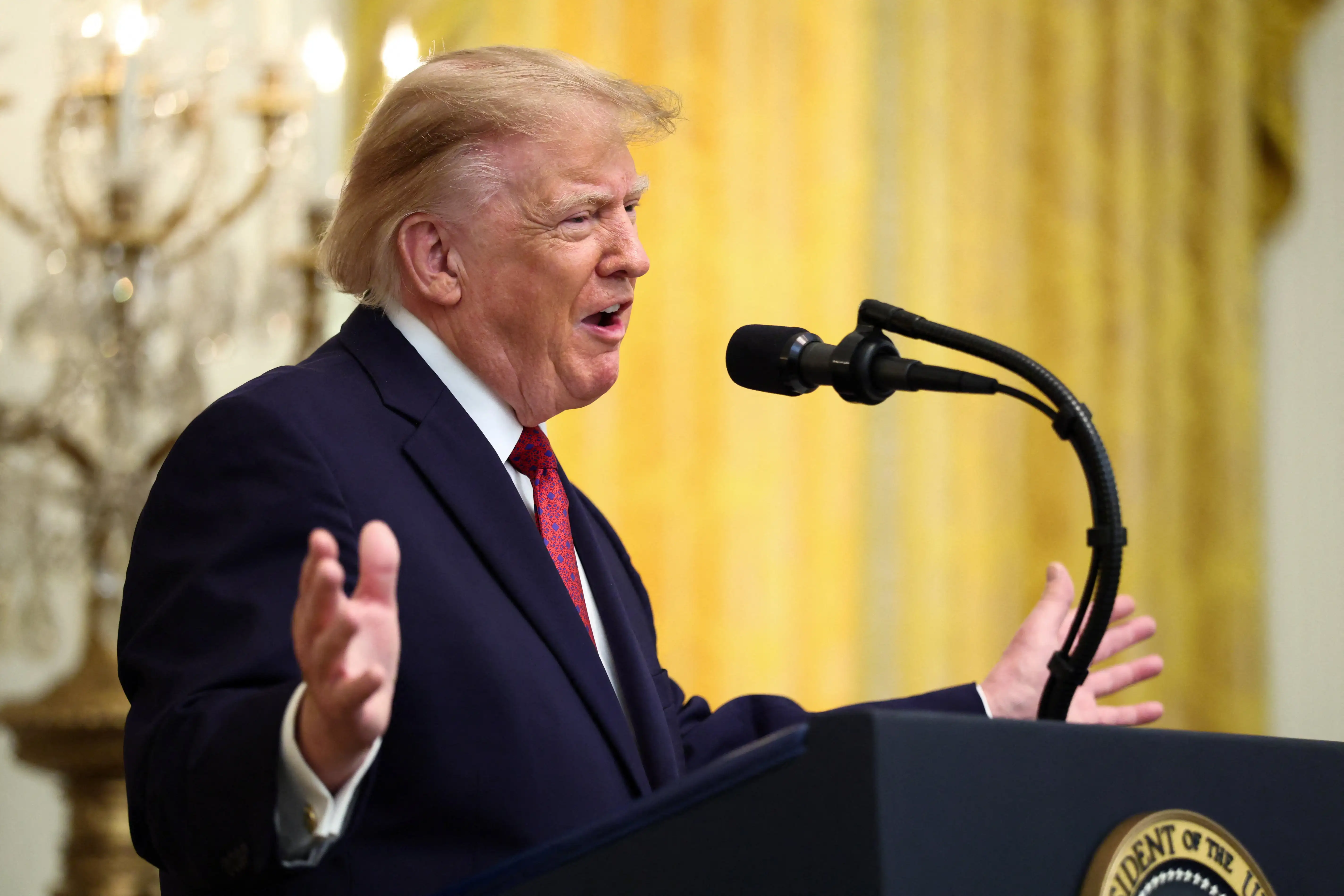
Warning signs multiply for Trump just a month before the midterms
The Republican Party is entering a challenging political environment as midterm elections approach. Issues related to tariffs and the Iran war are causing economic concerns among voters. Recent polling reveals low approval ratings for Trump's handling of the economy and cost of living. Early voting data indicates stronger Democratic participation compared to previous elections. Republican candidates may struggle to distance themselves from Trump while addressing economic dissatisfaction.
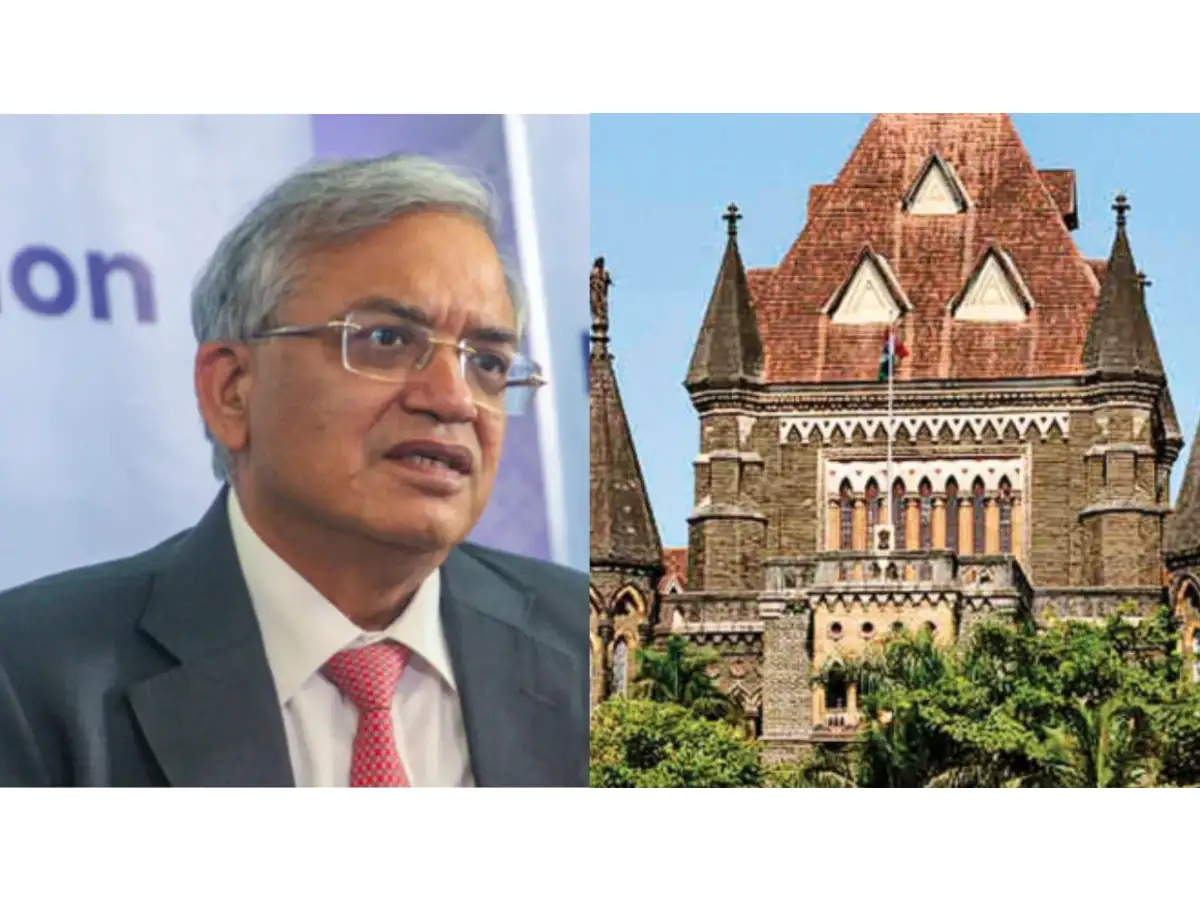
Primary mandate of ECI to ensure citizens vote, says Bombay HC; 'people too can question SIR ordered after decades'
The Bombay High Court questioned the Election Commission's actions regarding the deletion of voter names. The court emphasized the need for continuous updates to electoral rolls instead of abrupt rejections. Citizens should have their applications kept in abeyance rather than outright rejected during the Special Intensive Revision process.
Primary mandate of ECI to ensure citizens vote, says Bombay HC; 'people too can question SIR ordered after decades'
The Bombay High Court questioned the Election Commission's actions regarding the deletion of voter names. The court emphasized the need for continuous updates to electoral rolls instead of abrupt rejections. Citizens should have their applications kept in abeyance rather than outright rejected during the Special Intensive Revision process.