
China rejects US lawmakers' sanctions call over Muslim camps
Aug 30, 2018
China says U.S. lawmakers are wasting taxpayer money by urging President Donald Trump's administration to impose sanctions on Chinese officials allegedly tied to the mass internment of ethnic minority Muslims in camps in the far west
BEIJING — China said Thursday that U.S. lawmakers were wasting taxpayer money by urging President Donald Trump's administration to impose sanctions on Chinese officials allegedly tied to the mass internment of ethnic minority Muslims in camps in the far west.
The lawmakers sent a letter to Secretary of State Mike Pompeo and Treasury Secretary Steve Mnuchin urging the government to apply sanctions to address the "ongoing human rights crisis" in the region of Xinjiang (SHIN'-jhang), in the latest sign that the detentions are raising concerns among Western leaders and governments.
Muslim ethnic minorities in Xinjiang are being detained and tortured and face "egregious restrictions on religious practice and culture" and other abuses, said the letter, which was signed by Florida Sen. Marco Rubio and New Jersey Rep. Chris Smith and 15 others. It was provided to the media on Wednesday.
The letter singles out Xinjiang's top official, Chen Quanguo, accused by many of turning the region into a police surveillance state and implementing a system of internment camps, also known as "re-education centers," where members of the Uighur ('WEE-gur) and other Muslim minorities are locked up for months without trial.
"The detention of as many as a million or more Uighurs and other predominantly Muslim ethnic minorities in 'political reeducation' center or camps requires a tough, targeted, and global response," the letter said.
Former detainees who spoke to The Associated Press described the internment camps as facilities policed by armed guards where Muslims were forced to disavow their religious beliefs, criticize themselves and their loved ones and give thanks to the ruling Communist Party. Beatings and deaths have been reported despite authorities' tight control on information from the region.
The detention program has swept up people, including relatives of American citizens, on ostensible offenses ranging from accessing foreign websites to contacting overseas relatives. Other aspects of the security crackdown the AP has detailed include all-encompassing digital surveillance, mass deployment of police and severe regulations against religious customs and dress.
On Thursday in Beijing, the Foreign Ministry said Chinese citizens enjoy freedom of religion according to the law and that the American lawmakers should not "threaten to impose sanctions at every turn on other countries."
"I would like to advise the individual U.S. lawmakers to focus on and perform their duties well because they are spending taxpayer money," spokeswoman Hua Chunying told reporters. "They should certainly serve the Americans properly instead of poking their noses in other countries' affairs and pretending to be a judge of human rights."
China denies such internment camps exist but says criminals involved in minor offenses are sent to "vocational education and employment training centers" to help with their rehabilitation and reintegration into society.
"The argument that 'a million Uighurs are detained in re-education centers' is completely untrue," Chinese representative Hu Lianhe said earlier this month in responding to questions raised by the U.N.'s Committee on the Elimination of Racial Discrimination in Geneva.
But reporting on its findings Thursday, the committee echoed concerns expressed by the U.S. lawmakers. China was one of seven countries up for review in the latest session of the group of independent experts linked to the U.N. human rights office.
"The committee has been alarmed by numerous reports of detention of large numbers of ethnic Uighurs and other Muslim minorities held incommunicado and often for long periods, without being charged or tried, under the pretext of countering terrorism and religious extremism," committee member Nicolas Marugan said at a news conference in Geneva.
The committee called on China, among other things, to strengthen its measures to prevent torture and ill-treatment against members of ethnic minorities, such as by improving their access to lawyers, and to allow independent experts to investigate all deaths of ethnic minorities in custody.
China insists tough measures are needed as part of a "People's War on Terror" to purge separatist and religious extremist elements from Xinjiang, a vast region with more than 10 million Muslims. Deadly ethnic riots in its capital in 2009 killed hundreds and sporadic violence occurred in subsequent years. But reports of violence are increasingly rare and the existence of an effective organized resistance to Chinese rule is widely doubted.
China's foreign ministry did not immediately respond to a request for comment on the letter.
Rubio and Smith had raised the possibility of imposing sanctions on Chinese officials under the 2016 Global Magnitsky Act in April, asking the U.S. ambassador to Beijing, Terry Branstad, to visit the region and collect information on Xinjiang officials responsible for the mass detention policy.
The Global Magnitsky Act allows the U.S. government to place travel and financial restrictions on individuals anywhere in the world given credible proof of their role in human rights violations or corruption. For the first time in December, U.S. authorities designated 52 people under the act, including a Myanmar general allegedly involved in the deadly crackdown on Rohingya Muslims and a Chinese police official who oversaw the Beijing detention center that held Cao Shunli, a human rights activist who died in custody.
Acting Deputy Assistant Secretary of State Laura Stone said later in April that the U.S. was deeply concerned about the detentions and could take action under the Magnitsky act.
Along with Chen, other Chinese officials named in the letter include Hu, the Chinese delegate to the U.N. human rights meeting, who is an official with the Communist Party's United Front Work Department; Xinjiang Deputy Party Secretary Shohret Zakir; and the head of Xinjiang's Politics and Law Commission Zhu Hailun.
The letter also mentions two companies that could be sanctioned under a separate executive order, Hikvision and Dahua Technology, both of which make video surveillance technology used extensively throughout Xinjiang track residents and restrict their movements.
The letter was signed by a bipartisan group of senators and congressmen, including Ted Cruz and Sherrod Brown.
___
Associated Press writer Jamey Keaten contributed to this report from Geneva.
MORE NEWS
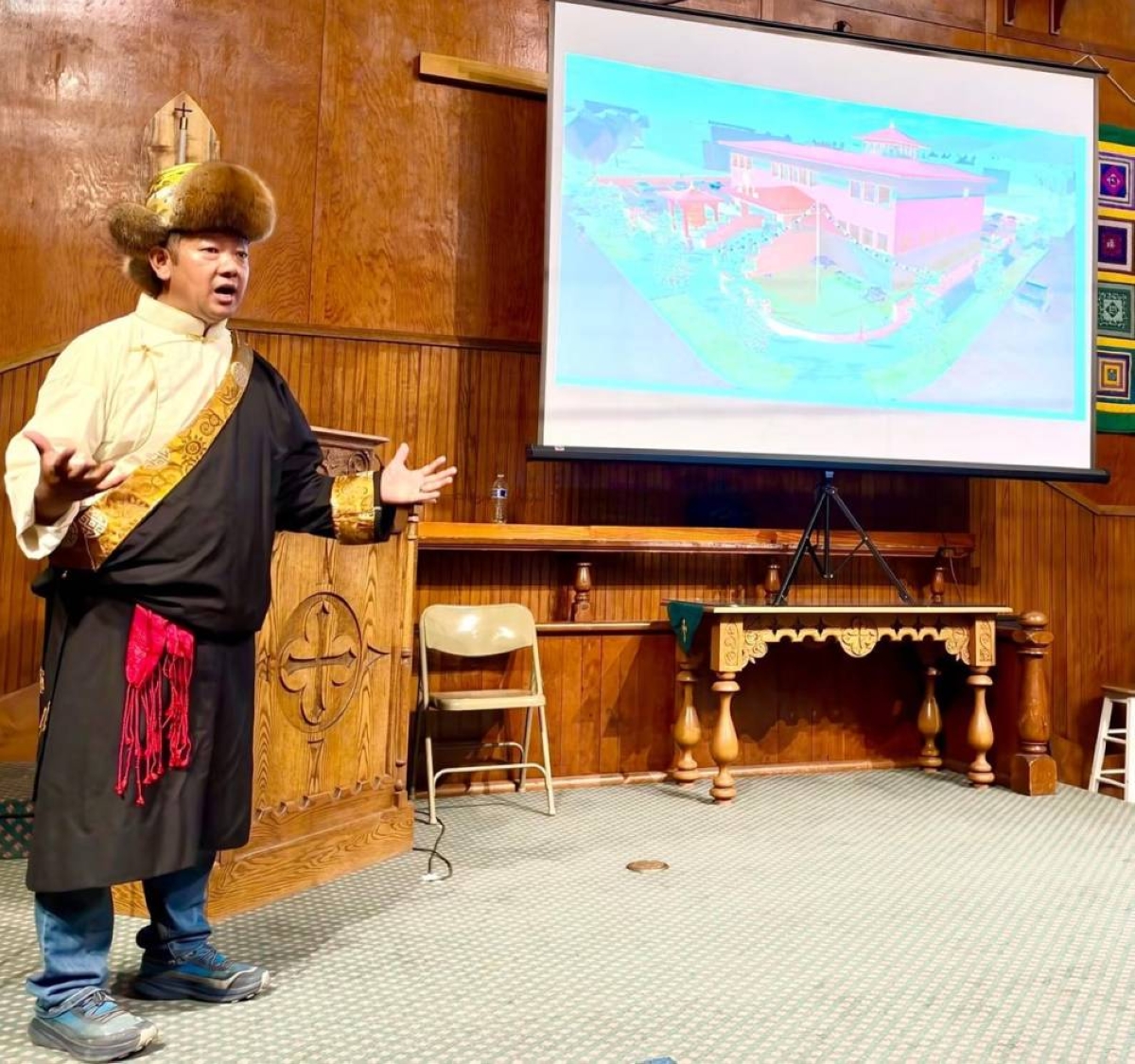
Sherpa climbers share stories of risk, rescue and resilience in Colorado
KATHMANDU, OCTOBER 2Sherpa mountaineers have shared stories of mountain rescues, loss, climbing risks and the effects of climate change at an event in Colorado aimed at raising fun...
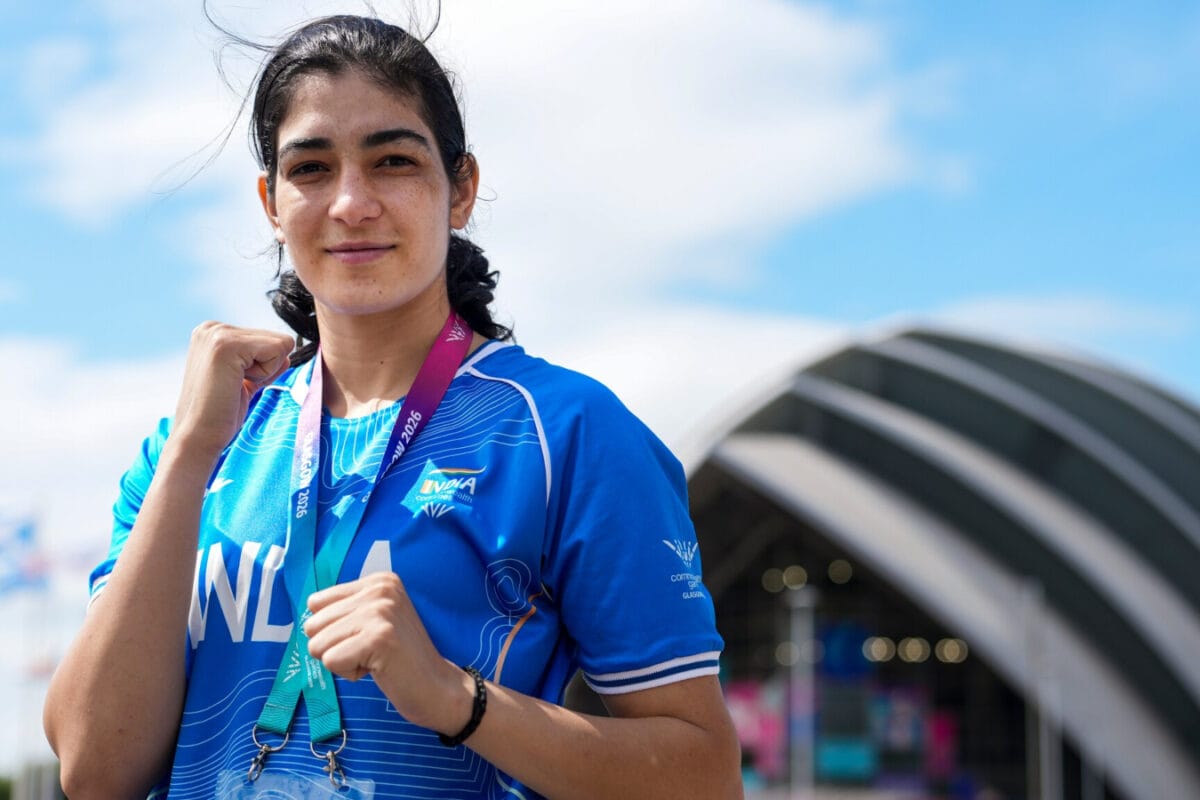
Asian Games 2026 Live Updates, Day 14: Sujeet Wins India's First Wrestling Gold, Ankush Clinches Boxing Gold
Asian Games 2026, October 2 Live Updates: Follow all the latest updates from the 14th day of the event with Indian contingent in action across various sports.
SC stays Karnataka HC order constituting SIT, fresh probe in KPSC recruitment irregularities
The Supreme Court has stayed the Karnataka High Court's directions regarding the Special Investigation Team for KPSC recruitment irregularities. The bench issued a notice for responses from original petitioners and the state government. Senior advocate Kapil Sibal argued against a new investigation, stating the CID was near completion. The high court had mandated the formation of an SIT to investigate allegations against KPSC.
SC stays Karnataka HC order constituting SIT, fresh probe in KPSC recruitment irregularities
The Supreme Court has stayed the Karnataka High Court's directions regarding the Special Investigation Team for KPSC recruitment irregularities. The bench issued a notice for responses from original petitioners and the state government. Senior advocate Kapil Sibal argued against a new investigation, stating the CID was near completion. The high court had mandated the formation of an SIT to investigate allegations against KPSC.
SSC Exam Calendar 2026: Commission announces dates for JE, Delhi Police SI And CHSL exams; check full schedule
The Staff Selection Commission has announced the schedule for various upcoming recruitment exams, starting with the Junior Engineer exam set for November 2 to November 6, 2026. This will be followed by the Sub-Inspector exam from November 20 to November 28, 2026. Finally, the Combined Higher Secondary Level Tier-I examination will take place from November 30, 2026, to December 31, 2026.
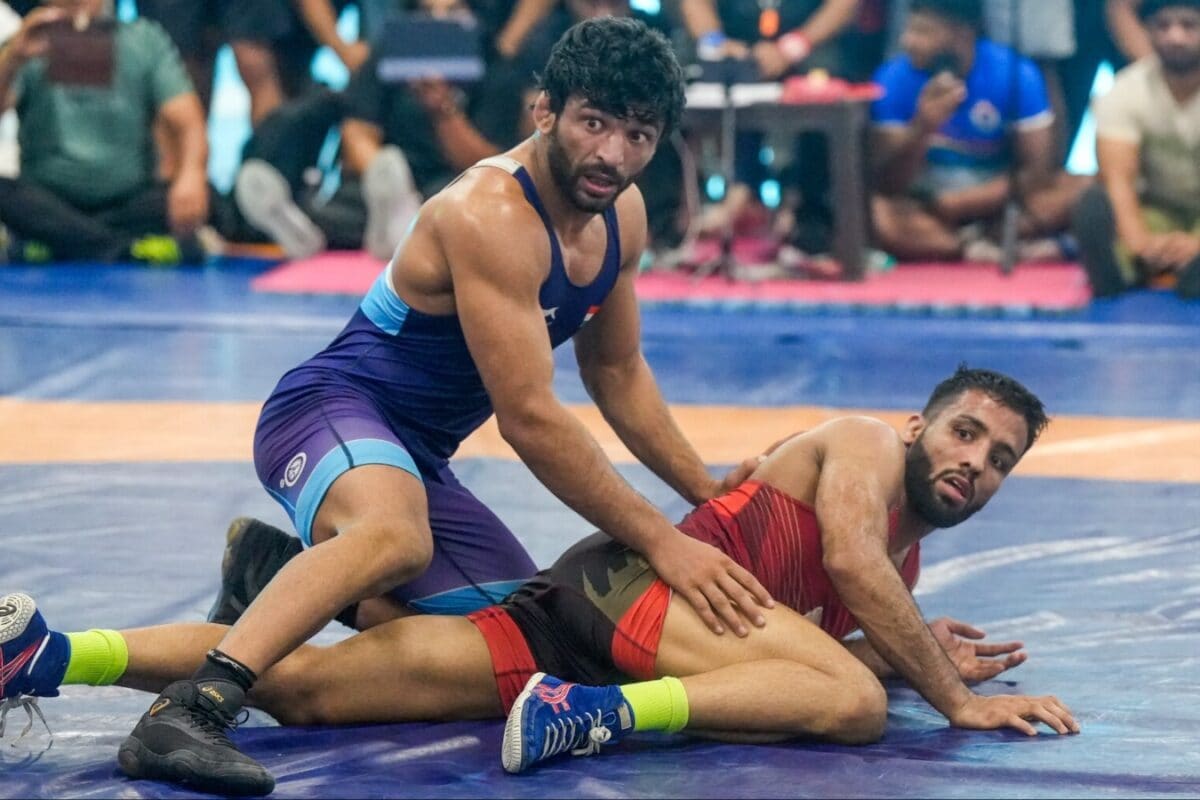
Sujeet Wins GOLD In Men's 65kg Freestyle Wrestling At Asian Games 2026
The Indian defeated Abdulmajid Kudiyev of Tajikistan 10-9 in the final to secure the top spot on the podium.

Allahabad HC judge flags issues with full court meetings, says last 2 seemed 'stage-managed'
Justice Vinod Diwakar has raised concerns regarding the insufficient frequency and quality of full court meetings. He noted that only 16 meetings occurred over the last decade despite requirements for quarterly sessions. The judgment highlights the lack of accountability in high court administration and stresses a need for improved institutional practices. Furthermore, Justice Diwakar emphasized that individual judges' views should be represented in discussions for effective deliberation.
Allahabad HC judge flags issues with full court meetings, says last 2 seemed 'stage-managed'
Justice Vinod Diwakar has raised concerns regarding the insufficient frequency and quality of full court meetings. He noted that only 16 meetings occurred over the last decade despite requirements for quarterly sessions. The judgment highlights the lack of accountability in high court administration and stresses a need for improved institutional practices. Furthermore, Justice Diwakar emphasized that individual judges' views should be represented in discussions for effective deliberation.
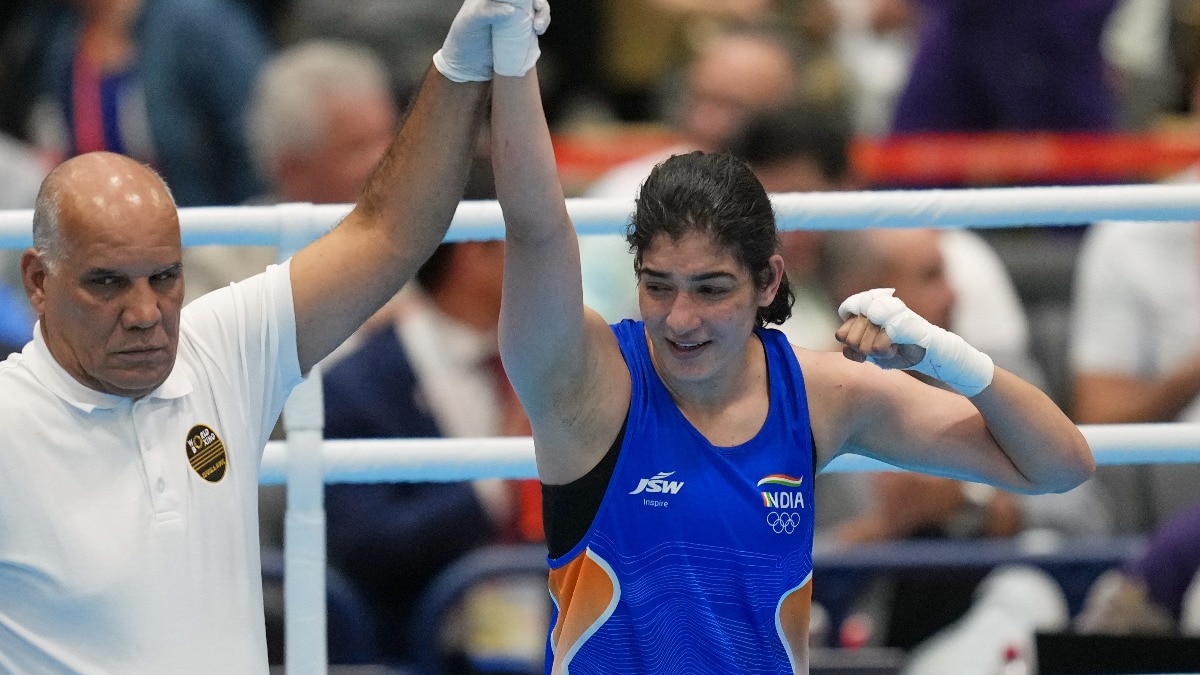
2 years after losing her medal, Parveen Hooda returns to claim Asian Games gold
2 years after losing her medal, Parveen Hooda returns to claim Asian Games gold
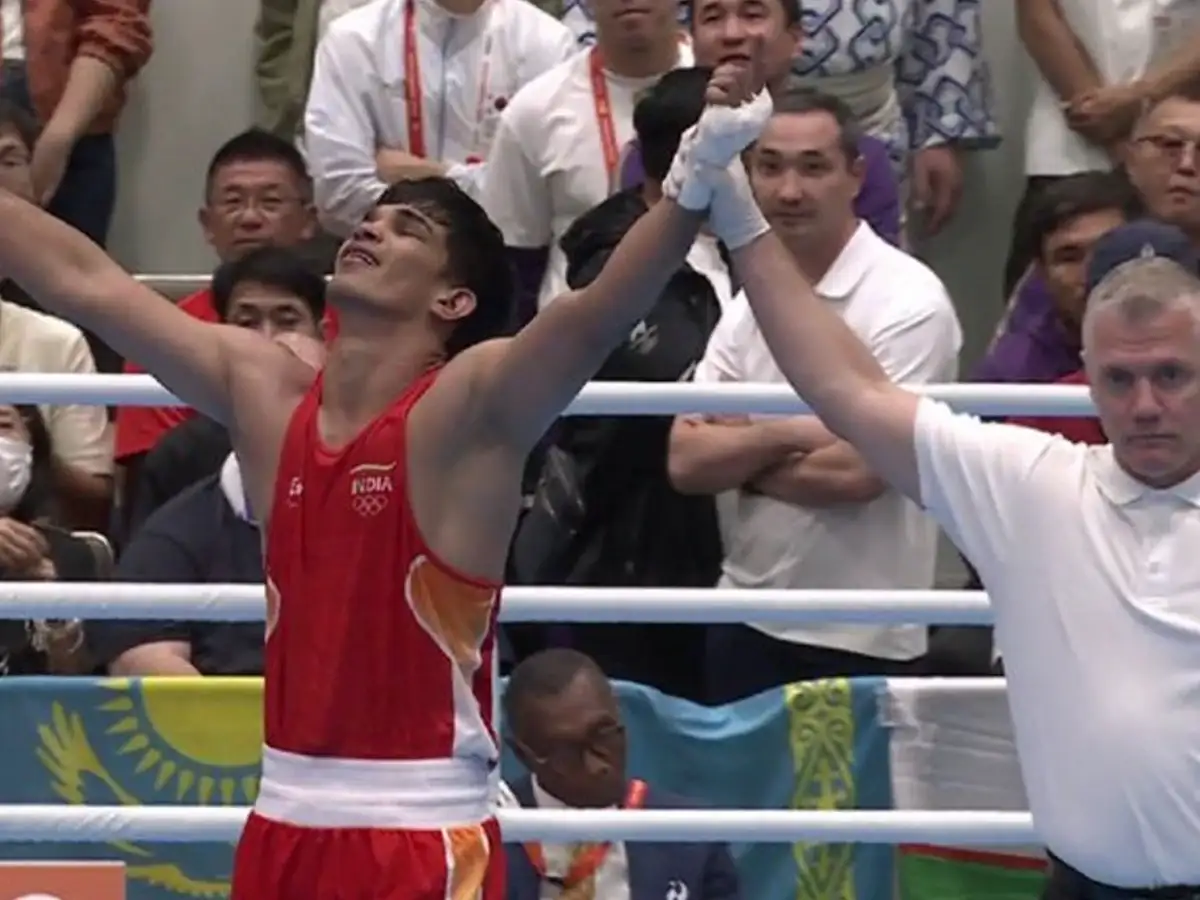
Ankush Panghal wins Asian Games 2026 boxing gold in men's 80kg, beats South Korea's Kim Minseong 4-0
Ankush Panghal secured the men's 80kg gold medal at the Asian Games in Aichi-Nagoya on Friday. He defeated South Korea's Kim Minseong with a dominating performance, winning by a score of 4-0. Panghal's victory marks his second major title after winning the Commonwealth Games gold two months prior. He showcased impressive counter-punching skills, using speed and movement during the bout.

Athlete MR Poovamma Says Karnataka CM Congratulated Her Two Days After Gold Win At Asian Games
According to Poovamma, the calls came after media reports highlighted that she had not received any communication from state leaders following her gold-medal win.
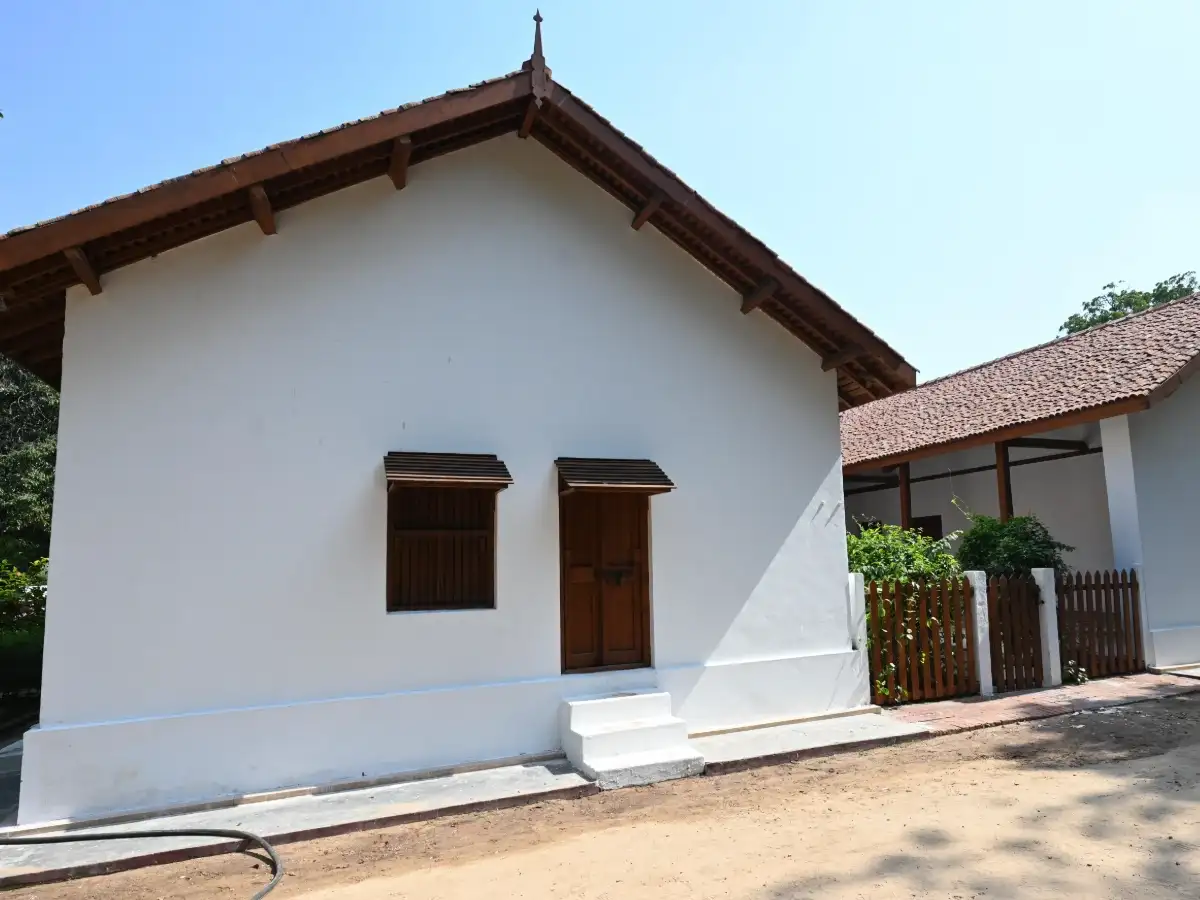
Before Sabarmati, Kochrab ashram was Gandhi's first laboratory for social change
Kochrab Ashram became Mahatma Gandhi's initial site for practicing principles of truth and social equality in 1915. Tushar Gandhi emphasized that inviting a Dalit family led to significant backlash and his eventual relocation. Constructive activities such as spinning khadi were emphasized during his time at Sabarmati Ashram, which he established later in 1917. The ashram now serves as a museum housing artifacts related to Gandhi's life.