
Taliban-appointed prime minister meets with a top Pakistan politician in hopes of reducing tensions
Jan 8, 2024
Afghanistan’s Taliban-appointed prime minister has met with one of Pakistan’s most senior politicians in an attempt to reduce lingering tensions between the two countries
ISLAMABAD (AP) — Afghanistan's Taliban-appointed prime minister met Monday with one of Pakistan's most senior politicians in an attempt to reduce lingering tensions between the two countries, a spokesman for the Taliban government said.
Fazlur Rehman, whose Jamiat Ulema Islam party is known for backing the Afghan Taliban, is the first senior Pakistani politician to visit Kabul since the
Taliban seized power in neighboring Afghanistan
in August 2021 as U.S. and NATO troops withdrew from the country after 20 years of war.The Pakistani delegation met with Prime Minister Mullah Mohammad Hasan Akhund in Kabul, Taliban spokesman Zabihullah Mujahid said in a statement.
Rehman’s party in a social media post confirmed the meeting. Rehman has no current position in Pakistan's government, but he is close to the military.
His visit comes less than a week after Mullah Shirin, the governor of Afghanistan’s Kandahar province, traveled to Islamabad and met with Pakistan’s caretaker Foreign Minister Jalil Abbas Jilani. They discussed issues including Pakistan's ongoing expulsion of Afghans without valid documents.
During Monday’s meeting, the Taliban-appointed prime minister told the Pakistani delegation that the “Islamic Emirate will not allow anyone to pose a threat to any country.”
Pakistan is concerned about the presence in Afghanistan of the Pakistani Taliban, which is a close ally of the Afghan Taliban. Pakistan has said many Pakistani Taliban leaders and fighters have found sanctuary in Afghanistan and have been emboldened to carry out more attacks on security forces in Pakistan.
The Afghan Taliban government insists it does not allow the Pakistani Taliban to use its soil to launch attacks in Pakistan.
Monday's Taliban statement quoted the head of the Pakistani delegation, Rehman, as saying the aim of his visit was to “remove misunderstandings between the two countries.”
Tensions also exist around Pakistan's ongoing expulsion of Afghans.
Pakistan has deported more than half a million Afghans without valid papers in recent months as part of a crackdown on such foreigners. Pakistan has long hosted about 1.7 million Afghans, most of whom fled during the 1979-1989 Soviet occupation. More than half a million fled Afghanistan
when the Taliban seized power.
Monday’s statement quoted the Taliban-appointed prime minister, Akhund, as saying such “behavior does not solve the problems but leads to mistrust.”
In a separate meeting with the Pakistani delegation, the Taliban's deputy prime minister for political affairs, Abdul Kabir, said the Taliban government seeks strong and respectful relations with countries, particularly Pakistan, and that such a commitment is based on mutual respect.
“Afghanistan’s land won’t be used against others,” Kabir was quoted as saying in a statement by the prime minister’s office. It said Kabir also sought more cooperation from Pakistan on issue of the expulsion of Afghans.
MORE NEWS

China’s top swimmers enjoy record-breaking performances at national championships
Chinese swimmers showcased their strength in-depth with record-breaking performances by veterans and rising stars at the national championships in Beijing. As of Tuesday, swimmers had broken one world, six Asian and multiple national records. Zhang Yufei and Zhang Zhanshuo set Asian short-course records in the women’s 100m butterfly and men’s 800m freestyle, clocking 54.87 seconds and 7 minutes 28.61 seconds respectively to claim gold. The national event is the official selection trial for...
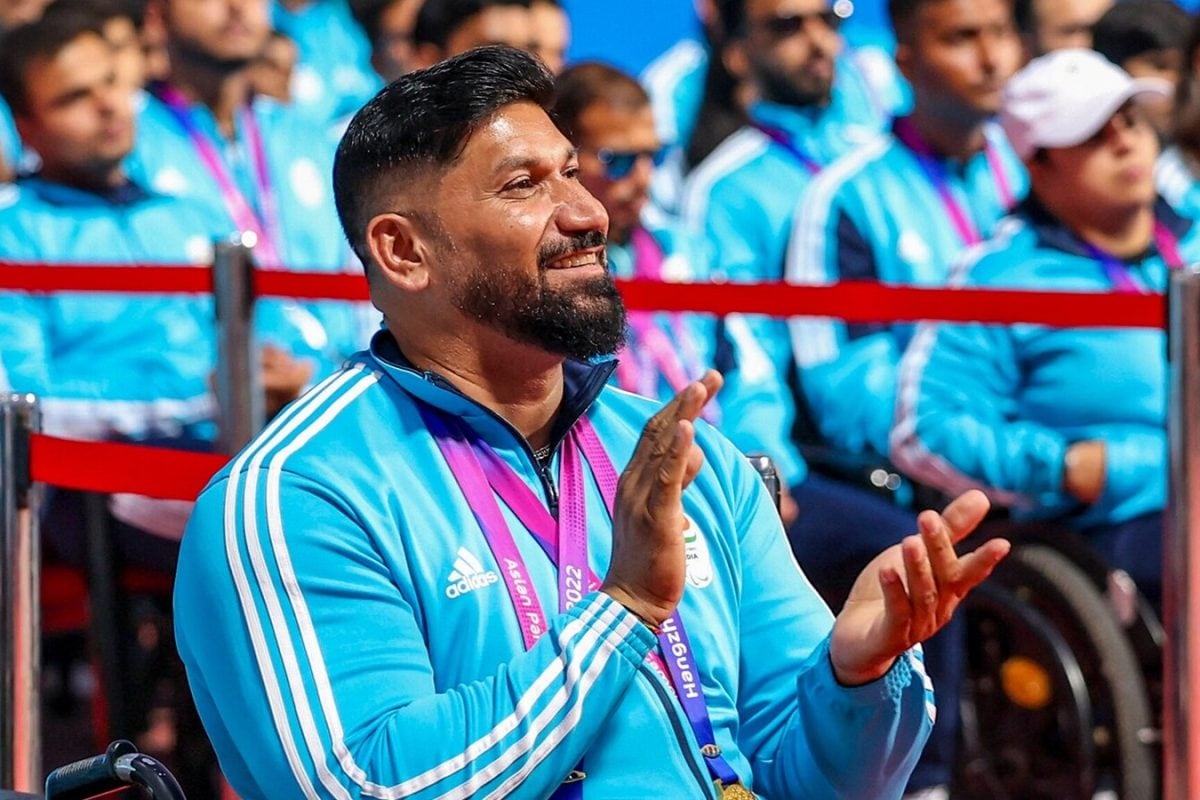
'Personal' Setback Behind Neeraj Yadav's Suicide? Police Reveals Startling Details
A reported fallout with a woman friend has emerged as a key angle in the investigation into Neeraj Yadav's death.

Three-Time Grand Slam Winner Ends Tennis Career With 1st-Round Defeat In Basel
Stan Wawrinka ended his 24-year professional tennis career following a first-round defeat at the Basel Open.

Thomas van Tonder Completes World-First Crossing Beneath Bloukrans Bridge
Thomas van Tonder completed a world-first crossing beneath Bloukrans Bridge, traversing 600 suspended monkey bars over 280 metres in 47 minutes and 37 sec.
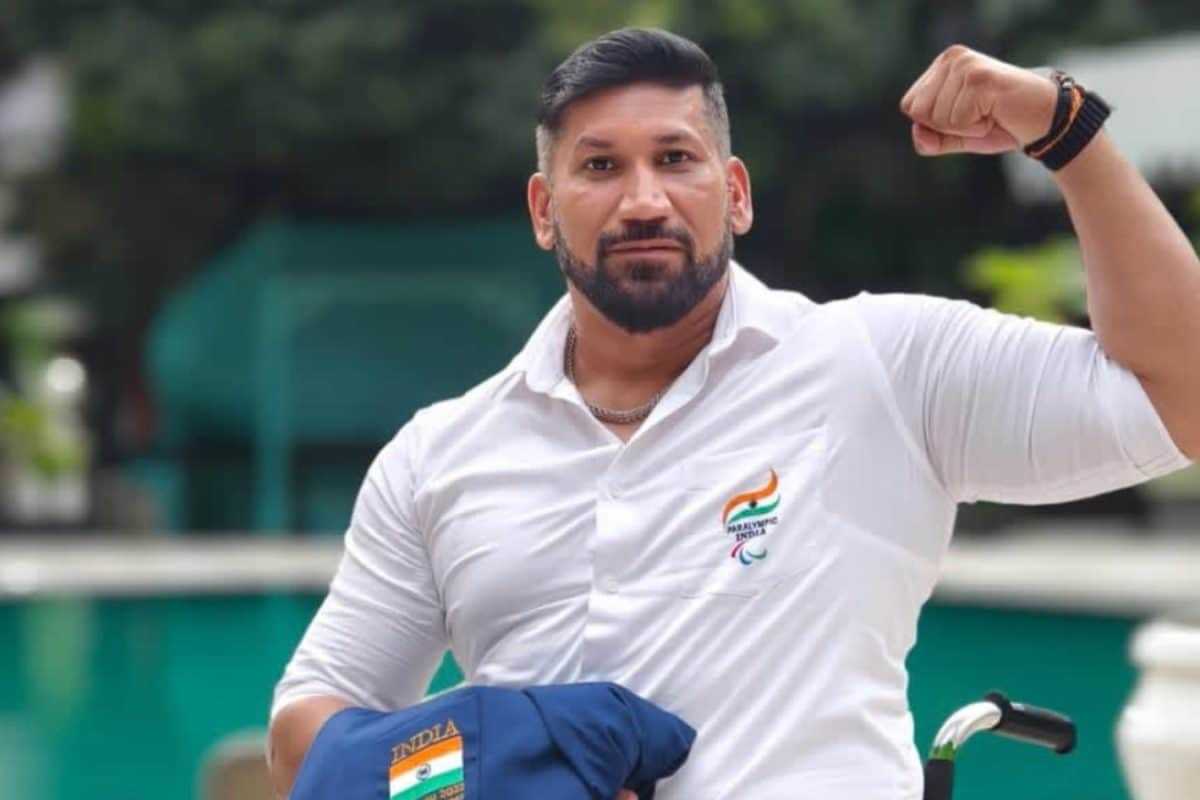
Neeraj Yadav, Three-Time Asian Para Games Gold Medallist, Dies By Suicide
Para-athlete Neeraj Yadav has reportedly died by suicide after consuming poison.
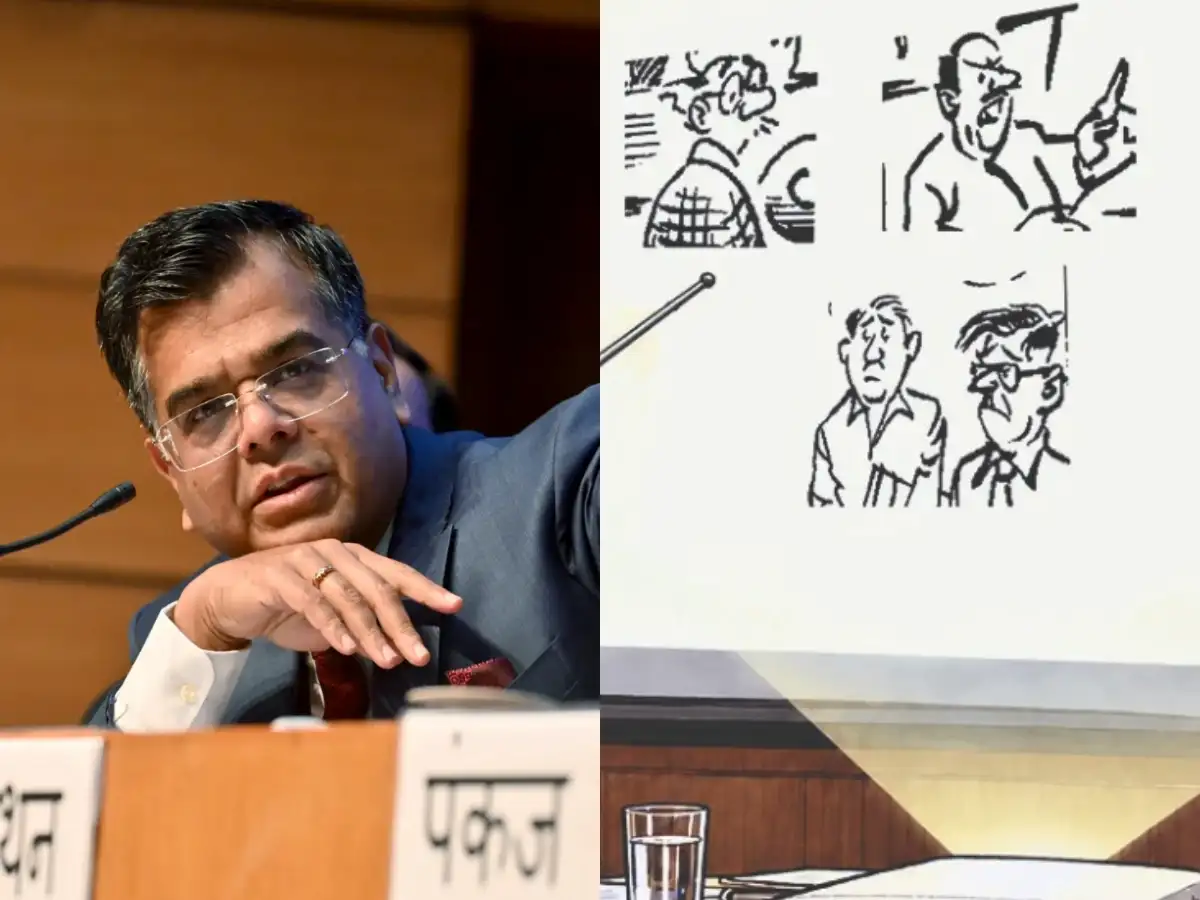
Babus who call late meetings, delay files face scrutiny as cabinet secretary lists 12 types of secretaries
Cabinet Secretary T V Somanathan highlighted issues with bureaucratic efficiency at a recent performance review meeting. He presented a list of problematic behaviors affecting government productivity using cartoons. Somanathan emphasized the necessity of timely decision-making and better communication between ministries. Another topic addressed was the improper usage of ration cards by railway employees.

Delhi starts online liquor booking app: How to order favourite brands without waiting in queues, check process, outlet availability, and key rules
Delhi's latest initiative introduces an online liquor booking app, letting users select their favorite brands and make payments seamlessly. To streamline the process, residents have 48 hours to pick up their orders from one of the 208 designated shops. While home delivery isn’t an option, the app aims to eliminate long queues and enhance transparency.


1st batch of Agniveers retiring soon: What's the retirement money, career options and benefits they will get
By 2026, approximately 18,300 Agniveers will finish their service in the armed forces, marking a pivotal transition. To ease their shift into civilian life, numerous states have initiated job quotas specifically for ex-Agniveers across different uniformed services and police departments. These initiatives stem from the Agnipath scheme launched in June 2022, which focuses on enlisting younger individuals in military roles.
GST clarification on foreign investor brokerage offers sentiment boost, analysts say
The Indian government has clarified that brokerage paid by overseas clients may qualify as an export service. This could help foreign investors avoid the 18% goods and services tax on brokerage fees. Analysts suggest this clarification is sentimentally positive amid significant foreign outflows from Indian stocks. There is ongoing speculation regarding potential cuts in capital gains tax ahead of the federal budget.

'Copying China's manufacturing model may not pay off': Ashwini Vaishnaw hits back with ‘Cope harder’ remark, cites Rs 3 lakh crore PLI returns
Union Minister Ashwini Vaishnaw has hit back at criticism of India's mobile phone manufacturing strategy with a blunt “Cope harder” remark. Citing figures from the government's Production Linked Incentive (PLI) scheme, he said the government paid Rs 19,000 crore in incentives and collected Rs 25,000 crore in direct taxes, alongside Rs 3 lakh crore in GST. His response followed a Bloomberg Opinion video questioning India's iPhone manufacturing model, its dependence on imported components and the cost of government subsidies.