
China moves to expand DNA testing in Muslim region
May 16, 2017
A rights group and independent observers say China appears to be laying the groundwork for the mass collection of DNA from residents of a restive region with a large Muslim population
BEIJING — China appears to be laying the groundwork for the mass collection of DNA samples from residents of a restive, largely Muslim region that's been under a security crackdown, rights observers and independent experts said Tuesday.
Police in western China's Xinjiang region confirmed to The Associated Press that they are in the process of purchasing at least $8.7 million in equipment to analyze DNA samples.
Observers from Human Rights Watch said they've seen evidence of almost $3 million in additional purchases related to DNA testing. They warned such a collection program could be used as a way for authorities to beef up their political control.
The move comes after Chinese authorities last year reportedly required Xinjiang residents to submit DNA samples, fingerprints and voice records to obtain passports or travel abroad.
Xinjiang borders several unstable Central Asian countries, including Afghanistan. It's experienced numerous bombings and vehicle and knife attacks blamed on ethnic separatists from the native Uighur Islamic minority.
In one of the most recent attacks, eight people, including three assailants, were killed in a February knife attack in southern Xinjiang's Pishan County, which borders Pakistan.
Chinese authorities seeking to counter religious extremism among the Uighurs (pronounced WEE-gurs) have taken increasingly aggressive steps to quell the unrest. Those have included mandatory satellite tracking systems for vehicles in some areas, rewards for terror-related tips and prohibitions against women wearing veils and men growing beards.
The purchases of DNA testing equipment in Xinjiang were confirmed by an official at the regional Public Security Bureau. The official, who gave only her surname, Huang, said a supplier already had been found. In Xinjiang's Sheche County, suppliers were being sought for voiceprint collection systems and 3-D portrait systems, according to a security official surnamed Yin, who declined to give further details.
If used at full capacity, the new equipment could be used to profile up to 10,000 DNA samples a day and several million a year, said Yves Moreau, a computational biologist specializing in genome analysis and DNA privacy at the University of Leuven in Belgium.
The scale of the purchases raises "a legitimate concern that Chinese authorities could be planning to DNA profile a large fraction, or even all" of the Uighur people in Xinjiang, Moreau said.
Since it started collecting DNA profiles in 1989, China has amassed the unique genetic information on more than 40 million people, constituting the world's largest DNA database, according to a study last year by forensic researchers at the China Ministry of Public Security.
Unlike many other countries, China lacks legal protections to guard people's privacy and prevent their genetic information from being misused, said Helen Wallace, founder of the British group GeneWatch.
"Xinjiang is already an oppressive region with a high level of surveillance," said Human Rights Watch researcher Maya Wang. "To collect even more information on a mass scale unrelated to criminal investigation opens the door for an even greater level of surveillance and control."
Government-sponsored DNA databases compile the genetic markers present in each individual, typically from blood, saliva or hair samples. They're used by law enforcement agencies around the globe as evidence in criminal prosecutions and to monitor prior offenders.
In the United States, where laws generally limit DNA collection to people who have been arrested, the Federal Bureau of Investigation has 12.8 million offenders in its DNA database, according to the agency. That's almost 4 percent of the total U.S. population. The United Kingdom has 5.2 million people in its database, or about 8 percent of its population, according the British government.
China's database now covers about 3 percent of its population. It's been used by authorities to reunite abducted children with their parents. It was also used in a highly publicized case last year to help track down a serial killer who authorities said admitted to the murders of 11 women and girls over a 14-year period.
"It's clear there's a fairly large infrastructure being built for DNA collection and they're planning to expand that further," Wallace said. "I would like to see China put their legal database on clear legal footing. That includes the kinds of safeguards we see in other countries."
___
Follow Matthew Brown on Twitter at twitter.com/matthewbrownap
MORE NEWS

Naval staffer among two arrested for spying for Pakistan: Andhra Police
Andhra Pradesh Police arrested two individuals as part of an espionage investigation involving contacts with Pakistani operatives. The arrests included a naval employee and a civilian engaged for naval officers. The Counter Intelligence Cell coordinated with police from ten states to track the suspects. Authorities reported that sensitive information was shared regarding defence establishments in India. Further investigation continues to reveal the extent of the conspiracy and other suspects involved.
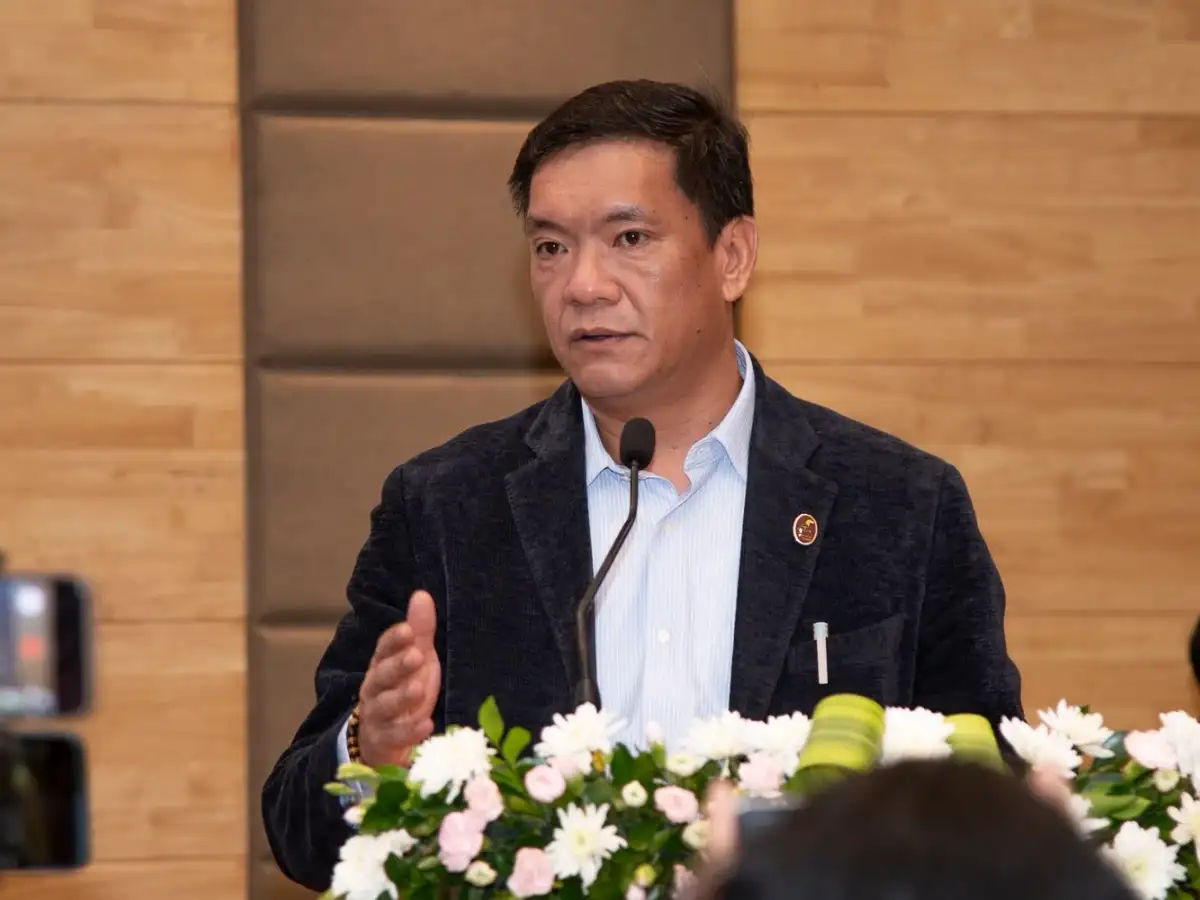
Hydropower presents massive investment opportunity with 19,000 MW projects underway: Arunachal Pradesh CM Pema Khandu
Arunachal Pradesh is focused on hydropower development, with 19,000 MW of projects in various stages. Chief Minister Pema Khandu highlighted the strategic importance of the Siang Upper Multipurpose Project and the need for public consultations. He emphasised conducting the Preliminary Feasibility Report before deciding on the project's construction. Several infrastructure projects under the Pasighat Smart City Mission were inaugurated to improve urban amenities.


Karnataka HC questions ED over 12-year delay in FEMA case against Cafe Coffee Day CEO Malavika Hegde
The Karnataka High Court on Tuesday questioned the Enforcement Directorate over initiating FEMA proceedings against Cafe Coffee Day CEO Malavika Hegde more than 12 years after the transactions under scrutiny. The court examined whether such action was permissible after an unreasonable delay and extended interim protection against the proceedings.

India Vs Uruguay LIVE Score: Can Khalid Jamil's Men Upset The 2-Time World Champions?
India vs Uruguay: Follow all live updates from the FIFA international friendly in Kolkata.
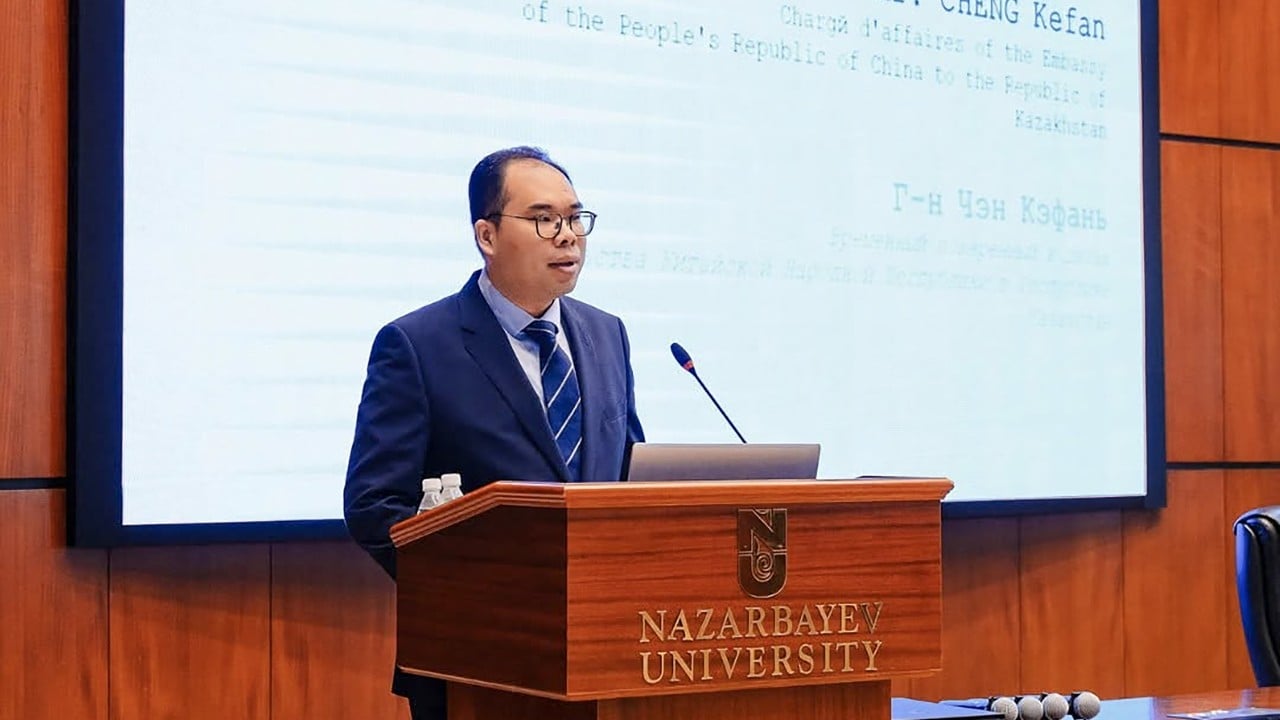
How traditional Chinese medicine is shaping Kazakhstan’s health system
China has pledged to expand its health partnership with Kazakhstan by helping the Central Asian nation integrate traditional medicine directly into its national healthcare system, shifting away from simple product exports. The Chinese embassy in Kazakhstan on Monday called for the alignment of high-level policy to enhance bilateral health cooperation for both countries’ benefit. “Both nations should promote the qualitative upgrading of cooperation in smart healthcare, hi-tech diagnostics and...
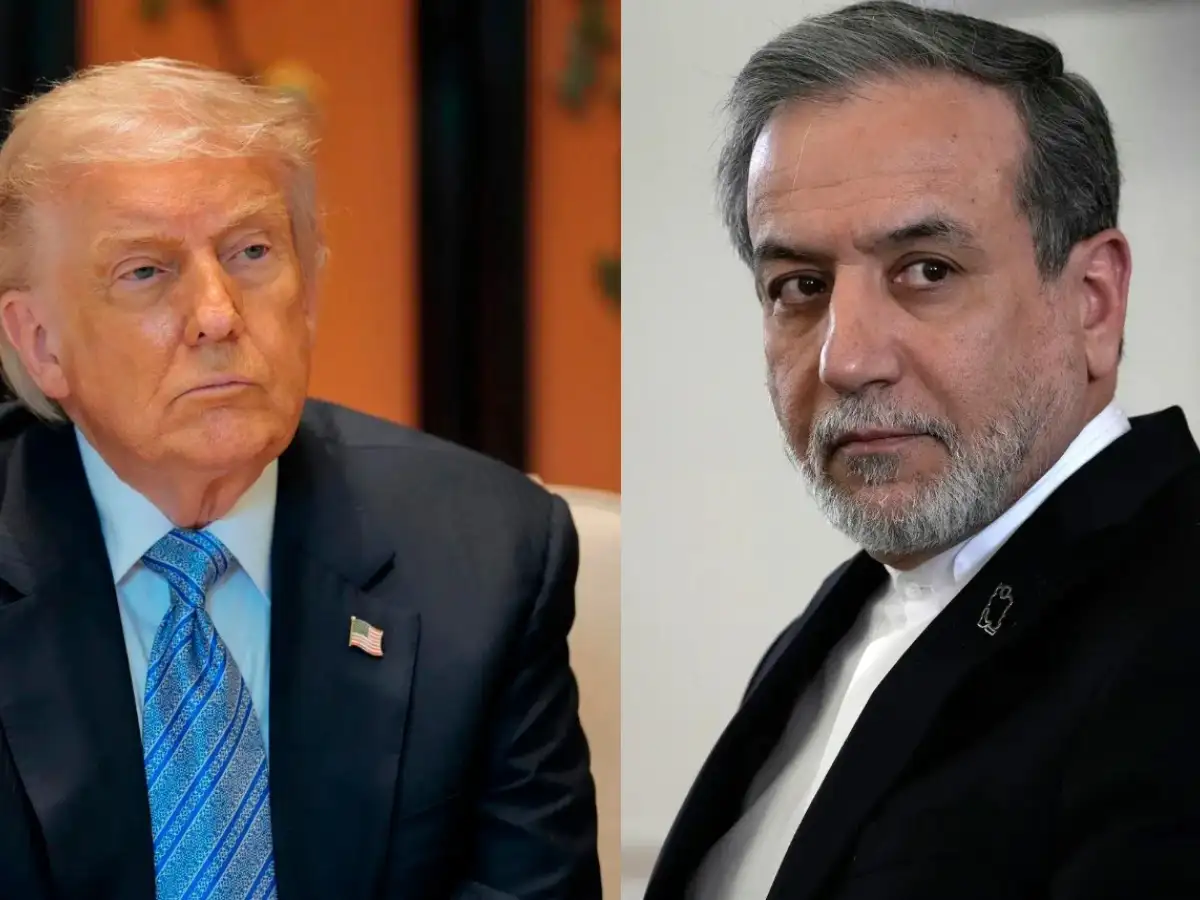
Qatar says US-Iran talks to end Middle East war continue via mediators, despite deadlock over Strait of Hormuz
Mediator Qatar confirmed that indirect negotiations between the United States and Iran continue amid a protracted conflict. Talks have resumed despite ongoing tensions and previous ceasefires not yielding lasting peace. Iranian President Masoud Pezeshkian expressed skepticism about the effectiveness of these discussions. As the war persists, both nations aim to address the strategic concerns surrounding the Strait of Hormuz.


Protests erupt across India demanding resignation of Chief Election Commissioner Gyanesh Kumar over voter list manipulation
Protests have emerged across India as citizens demand the resignation of Chief Election Commissioner Gyanesh Kumar. Demonstrators claim that the ongoing Special Intensive Revision process threatens voter rights and favors the ruling Bharatiya Janata Party. Critics say this process requires complex documentation that may disenfranchise vulnerable communities and lead to significant voter list reductions. Opposition parties and activists are calling for more independent election oversight.

Helicopter makes emergency landing in Uttarakhand’s Rudraprayag amid bad weather
A helicopter made an emergency landing at the Agastyamuni sports ground in Rudraprayag district on Tuesday after encountering adverse weather conditions. The aircraft landed safely at the sports ground, with the incident occurring amid challenging weather conditions in the region.
Helicopter makes emergency landing in Uttarakhand’s Rudraprayag amid bad weather
A helicopter made an emergency landing at the Agastyamuni sports ground in Rudraprayag district on Tuesday after encountering adverse weather conditions. The aircraft landed safely at the sports ground, with the incident occurring amid challenging weather conditions in the region.

19-year-old Zain Javaid's startup called Ghost builds an AI computer without screen; the 'brain in a box' can be the next big PC idea
Ghost is pioneering a revolutionary startup with its innovative screenless AI computer known as Core, co-founded by Zain Javaid. This cutting-edge device is crafted to operate AI agents that function independently, engaging users via a mobile application. With an emphasis on security, Core protects user data by keeping it stored locally, steering clear of cloud dependencies.