
Pre-dawn food run then rush home: Kashmir under curfew
Aug 9, 2019
Residents of Kashmir are developing a daily drill to cope with an indefinite 24-hour curfew in the Indian-controlled portion of the Himalayan region
SRINAGAR, India — Navigating through narrow, winding streets, Reyaz Ahmed embarks upon a daily drill under an indefinite 24-hour curfew in Indian-controlled Kashmir.
The 35-year-old trader gets up around 5 a.m. and meets his neighborhood friend in the main city of Srinagar. They walk few kilometers (miles) to reach farmers selling fresh vegetables and milk. On the way they also get essential groceries and medicines stockpiled by neighborhood shopkeepers and pharmacists inside their homes.
The routine has one important element: they must be back by 6.
Shortly after dawn, police and paramilitary soldiers, in full riot gear and armed with automatic rifles, swiftly occupy the roads and streets in Srinagar and its old quarters where Ahmed and his friend Adil Bhat live. Government forces set up checkpoints, lay steel barricades and razor wire at all entry and exit points in the urban heart of anti-India protests and clashes.
"Then the day goes in watching television, some sleep and waiting for the evening when soldiers withdraw from the streets," Ahmed said. Bhat doesn't have TV at home and keeps himself informed with whatever news he gets from radio.
An unprecedented security lockdown and near-total communication blockade has continued since Sunday night in Muslim-majority Kashmir, a day before the Hindu nationalist-led government in New Delhi scrapped the disputed Himalayan region's autonomous status. New Delhi rushed tens of thousands of additional soldiers to one of the world's most militarized regions to stave off more unrest from rebels who have been fighting Indian rule for decades.
Tens of thousands of police and soldiers have fanned out across Kashmir to impose curfew as authorities suspended all telephone and internet services as part of the massive the security lockdown, energizing Kashmir's powerful grapevine.
On Friday, the region's police chief, Dilbagh Singh, said the strict curfew will be eased for weekly prayers. "People will be allowed to go to the area-specific mosques for the prayers in most parts of the Srinagar city," he told The Associated Press.
Ahmed said he walked about 7 kilometers (4 miles) on Wednesday to check on his ailing aunt. "It's so frustrating to walk more than double mileage to dodge checkpoints and barricades," he said.
Such restrictions on movement are nothing new for Kashmiris. They endured months of clampdown during massive public uprisings against Indian rule in 2008, 2010 and 2016. However, landline phones have never been cut before.
Frequent separatist calls for general strikes and protests are routinely met with security lockdowns. So Kashmiris have learnt by experience to figure out ways to survive an incarceration inside their homes. Residents are also used to stockpiling essentials, a practice they've turned to during harsh winter months when roads and communications lines often remain snapped.
Over a million people live inside the security siege of Srinagar. The hardships, residents say, are slowly unfolding.
They have begun to face shortages of food and other necessities as shops remain shuttered and public movement limited. With schools closed, parents have struggled to entertain kids at home. Patients have faced shortages of prescription drugs. ATMs are cashless and banks shut.
"Time and again an entire population has been incarcerated. We will never forgive India for this brazen collective punishment," said Mohammed Akbar, a woodwork artisan in Srinagar.
Residents fear that the move to abrogate Kashmir's autonomy would open a floodgate of Hindus settling in the region and alter the demographics in India's only Muslim-majority state.
"They (India) may say it's for development and corruption-free governance, but these are all lies," said Akbar. "This is an assault on our identity, culture and a plan in the long run to change demography here."
The reaction to India's action has so far been largely subdued. People are still dealing with the stringent lockdown that has forced an eerie calm on the region.
Despite this, anti-India protests and clashes have occurred daily, mostly when soldiers begin to withdraw just as the sun begins to set. Young Kashmiri men have barraged police and soldiers with stones and abuse amid slogans seeking an end to Indian rule.
One person has been killed and at least two dozen others, including one critically, wounded as troops responded by firing shotguns and tear gas and launched counter stone attacks, police and doctors said.
India's national security adviser, Ajit Doval, has camped in Srinagar to personally monitor the situation, officials said. Hundreds, including top pro-India Kashmiri leaders, have been either put under house arrest or formally arrested.
The crisis also led to tensions between Indian soldiers and Kashmiri police officials, who say they were kept in the dark about Indian plans.
In at least three places, scuffles were reported between Indian paramilitary soldiers and local police officials leading to injuries on both sides, according to three police and two paramilitary officers. They all spoke on condition of anonymity as government forces have been strictly barred from briefing reporters.
Local police have increasingly come under pressure from rebels fighting against Indian rule since 1989, who have warned them to stay away from India's counterinsurgency operations.
The status of Kashmir has been a key dispute between Pakistan and India since the two split after the end of British colonial rule in 1947. They each control part of Kashmir and have fought two wars over their rival claims. Initially, the anti-India movement in the Indian-controlled portion of Kashmir was largely peaceful, but after a series of political blunders, broken promises and a crackdown on dissent, Kashmiris launched a full-blown armed revolt in 1989.
After ordering Indian and foreign tourists as well as Hindu pilgrims to leave Kashmir last week, police have quietly been asking hundreds of thousands of Indian migrant laborers to leave as well.
"Every Indian tourist will be seen with suspicion that they're here as part of an ethnic flooding plan," said Bashir Ahmed, a tour operator whose family also runs houseboats on the famed Dal Lake in Srinagar. "This is something we will have to deal with and can dampen tourism industry now."
Months earlier, the largest indigenous rebel group, Hizbul Mujahideen, warmed that "every Indian would become a legitimate target if India scrapped the region's special status."
Meanwhile, Ahmed the trader, said "no matter what, we've a job to do to help our families and neighbors right now."
"If we're not hitting streets (to protest,) that doesn't mean we've accepted India's decision. We will respond and we know when to do that," he said.
___
Follow Aijaz Hussain on Twitter at http://www.twitter.com/hussain_aijaz
MORE NEWS
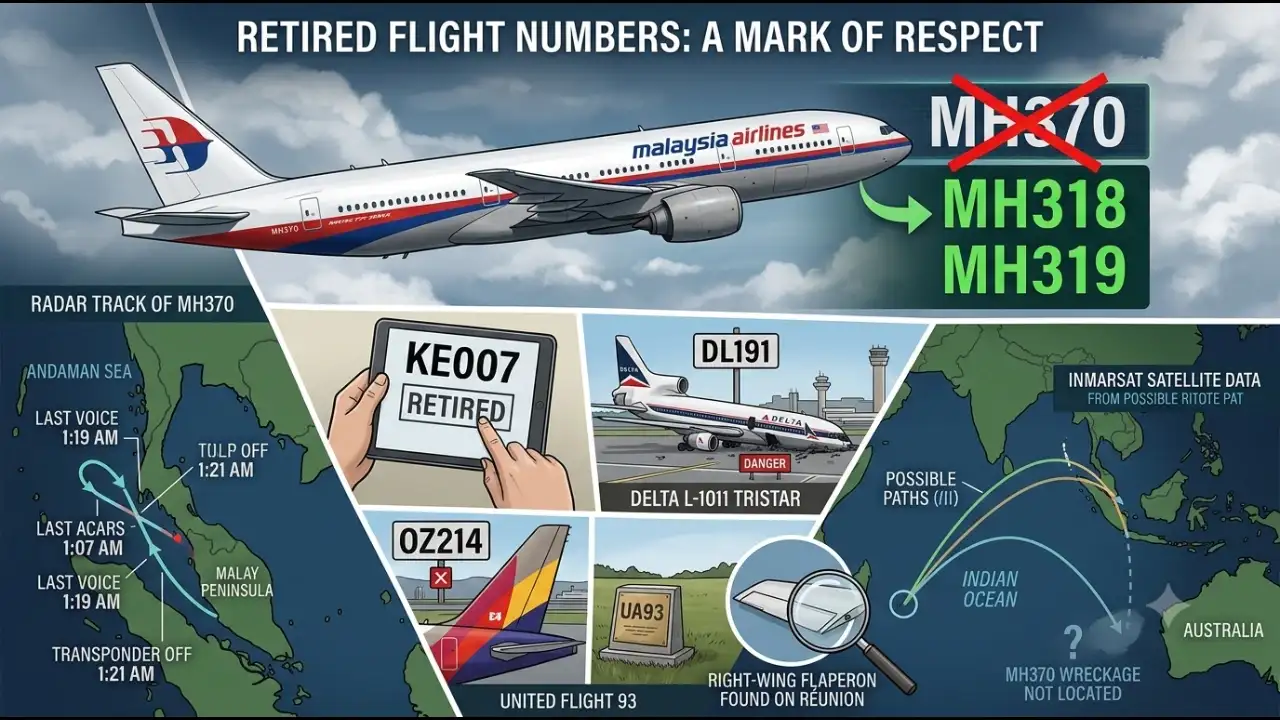
Malaysia Airlines stopped using flight code MH370 after the plane disappeared with 239 people aboard - why airlines retire flight numbers after aviation tragedies
Malaysia Airlines MH370: Malaysia Airlines changed flight numbers MH370 and MH371 following the aircraft's disappearance in March 2014. The aircraft, carrying 239 people, vanished during its journey from Kuala Lumpur to Beijing. Extensive search operations were conducted in the Indian Ocean, but the main wreckage remains undiscovered.

Social Security claiming age names could change: Will your benefits change? What new labels for ages 62, 67 and 70 really mean
Congress has cleared a bill that would give Social Security’s key claiming ages new names. The proposal would call 62 the “minimum monthly benefit age,” 67 the “standard monthly benefit age,” and 70 the “maximum monthly benefit age.” The ages themselves would not change. The goal is to make the benefit trade-offs easier to understand before workers decide when to claim.
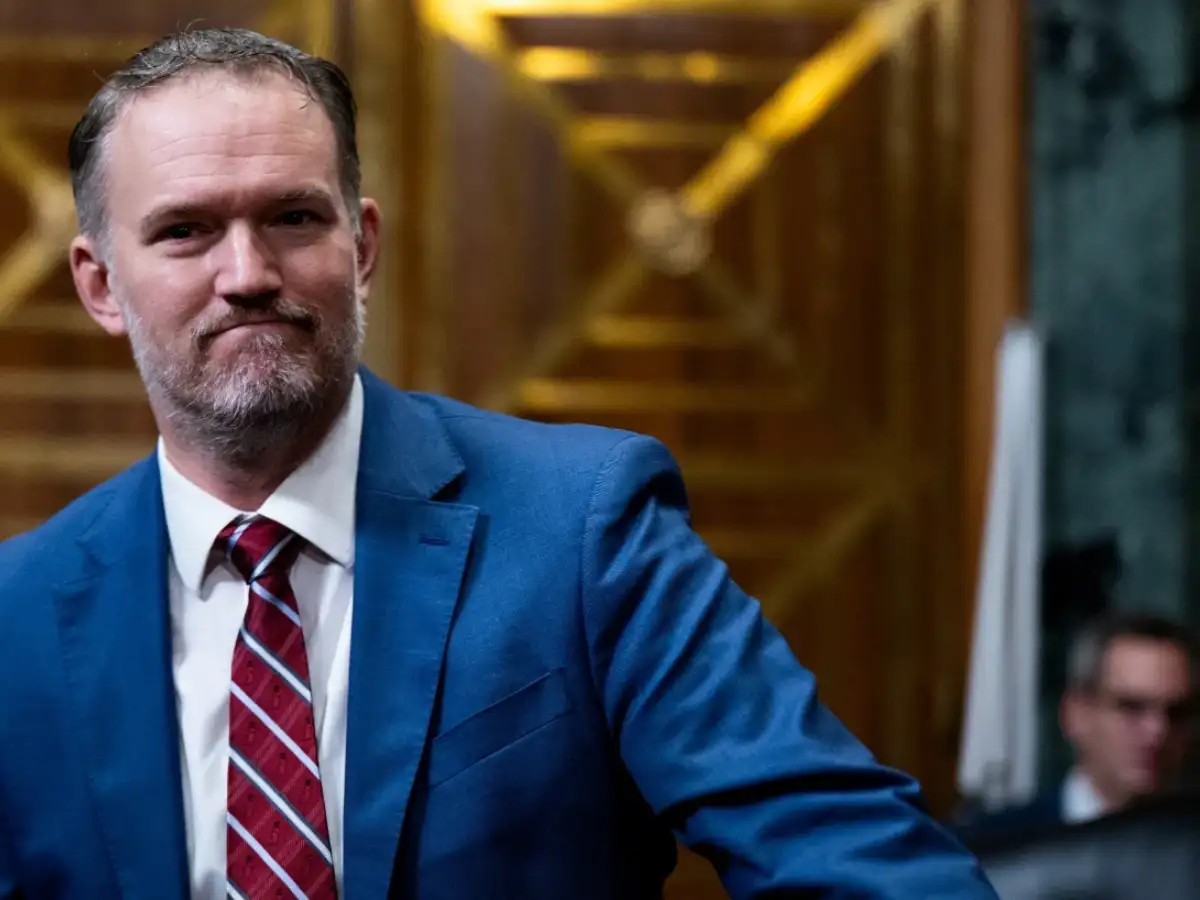
India-US trade deal 'not imminent'; USTR Greer says 'sticking points' identified
US Trade Representative Jamieson Greer said the Trump administration is working with India to finalise a bilateral trade deal, but an agreement is not imminent. Greer said he had a “very constructive conversation” with Commerce Minister Piyush Goyal at the G20 trade ministers meeting and that officials remain engaged.

Jeff Bezos just put $25 million into the Pacific Ocean. Is the Bezos Earth Fund enough to save the Pacific Ocean before the $10 billion deadline?
The Bezos Earth Fund has committed $25 million to enhance conservation efforts across five Pacific island nations, now totaling approximately $63.3 million dedicated to preserving marine ecosystems. This initiative strives to safeguard at least 30% of the oceanic territories by 2030, aligning with Jeff Bezos' ambitious $10 billion climate pledge. As the deadline nears, over $7 billion remains available for impactful distribution.
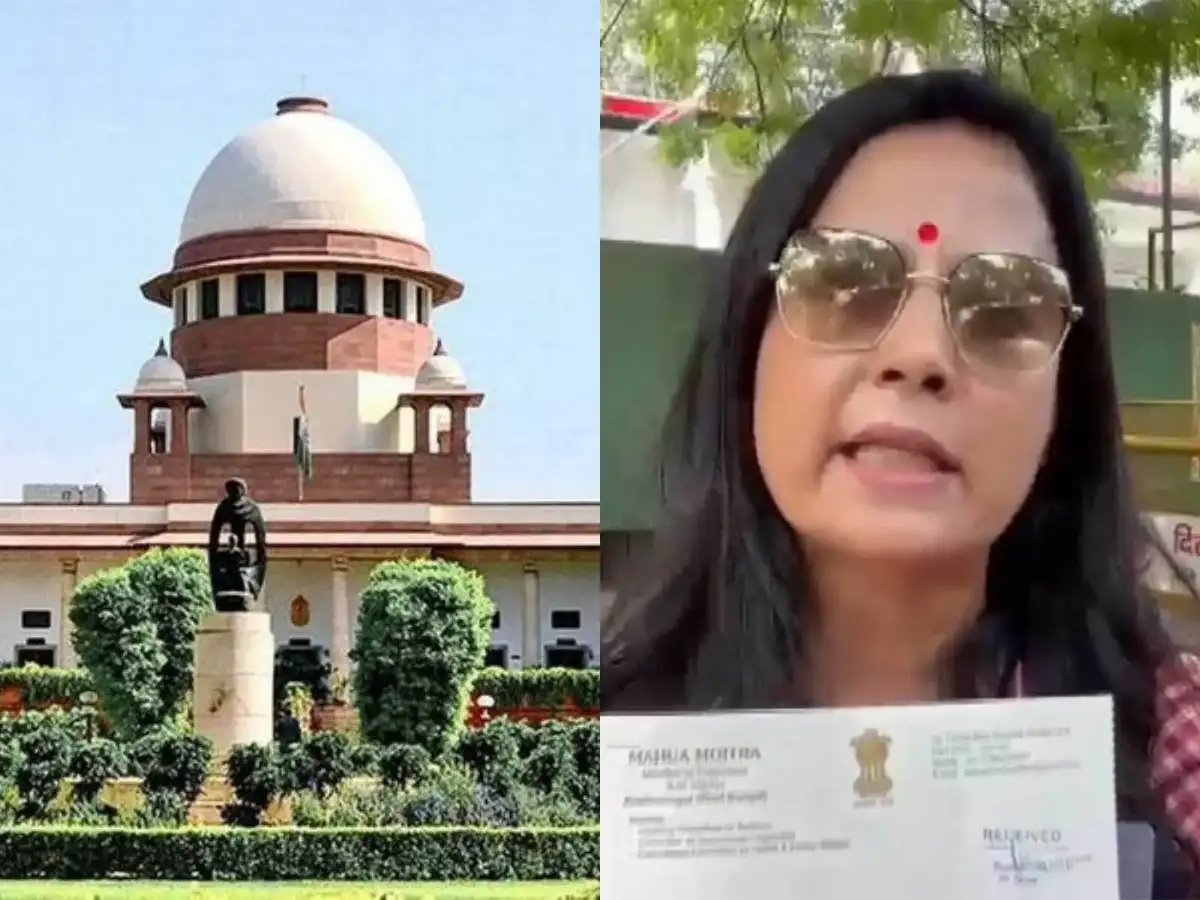
SC seeks Centre, Bengal govt response on Mahua Moitra’s plea over MPLADS works
The Supreme Court has sought responses from the Centre and West Bengal government on TMC MP Mahua Moitra’s plea alleging obstruction in implementing works under the MPLADS in her Krishnanagar constituency. A bench of Justices Joymalya Bagchi and V Mohana also heard her allegations that her functioning as an MP had been impeded.
SC seeks Centre, Bengal govt response on Mahua Moitra’s plea over MPLADS works
The Supreme Court has sought responses from the Centre and West Bengal government on TMC MP Mahua Moitra’s plea alleging obstruction in implementing works under the MPLADS in her Krishnanagar constituency. A bench of Justices Joymalya Bagchi and V Mohana also heard her allegations that her functioning as an MP had been impeded.
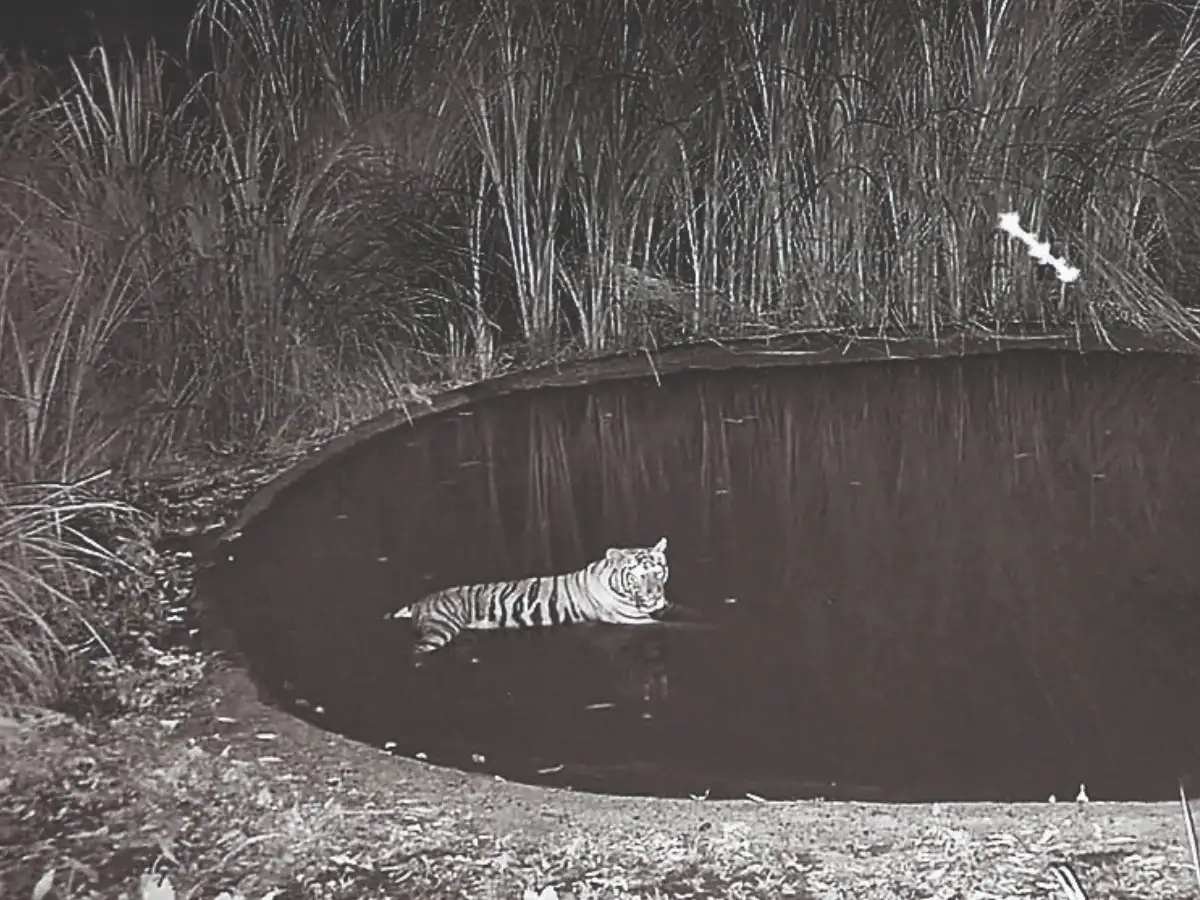
Buxa to get its first tigress as Bengal begins tiger reintroduction drive in north
A tigress translocated from Bihar’s Valmiki Tiger Reserve will be released into West Bengal’s Buxa Tiger Reserve on Friday, marking the first such exercise in Bengal and eastern India. The move aims to restore the reserve’s tiger population, strengthen the ecosystem and boost tourism in the Dooars region, officials said.
Buxa to get its first tigress as Bengal begins tiger reintroduction drive in north
A tigress translocated from Bihar’s Valmiki Tiger Reserve will be released into West Bengal’s Buxa Tiger Reserve on Friday, marking the first such exercise in Bengal and eastern India. The move aims to restore the reserve’s tiger population, strengthen the ecosystem and boost tourism in the Dooars region, officials said.
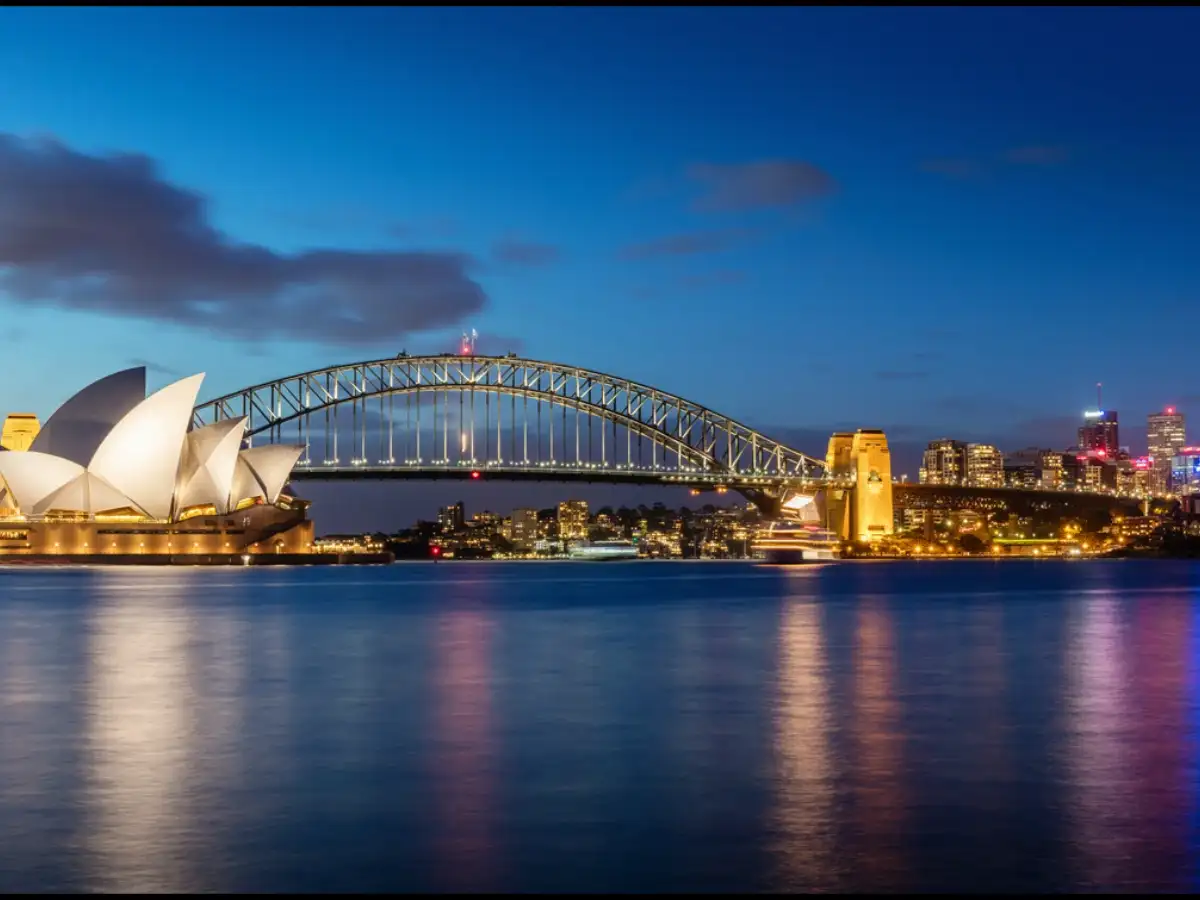
‘Get Friday off if public holiday falls Saturday’: Indian man says Australia has cracked the holiday code, gets day off to watch horse race
An Indian man who has lived in Australia for 10 years has shared a humorous comparison of public holidays in Australia and India. Aditya Khaneja pointed to holidays linked to sporting events, horse racing and fairs in Australia, contrasting them with India’s religious and national occasions. His take on weekend holiday rules also drew attention online.
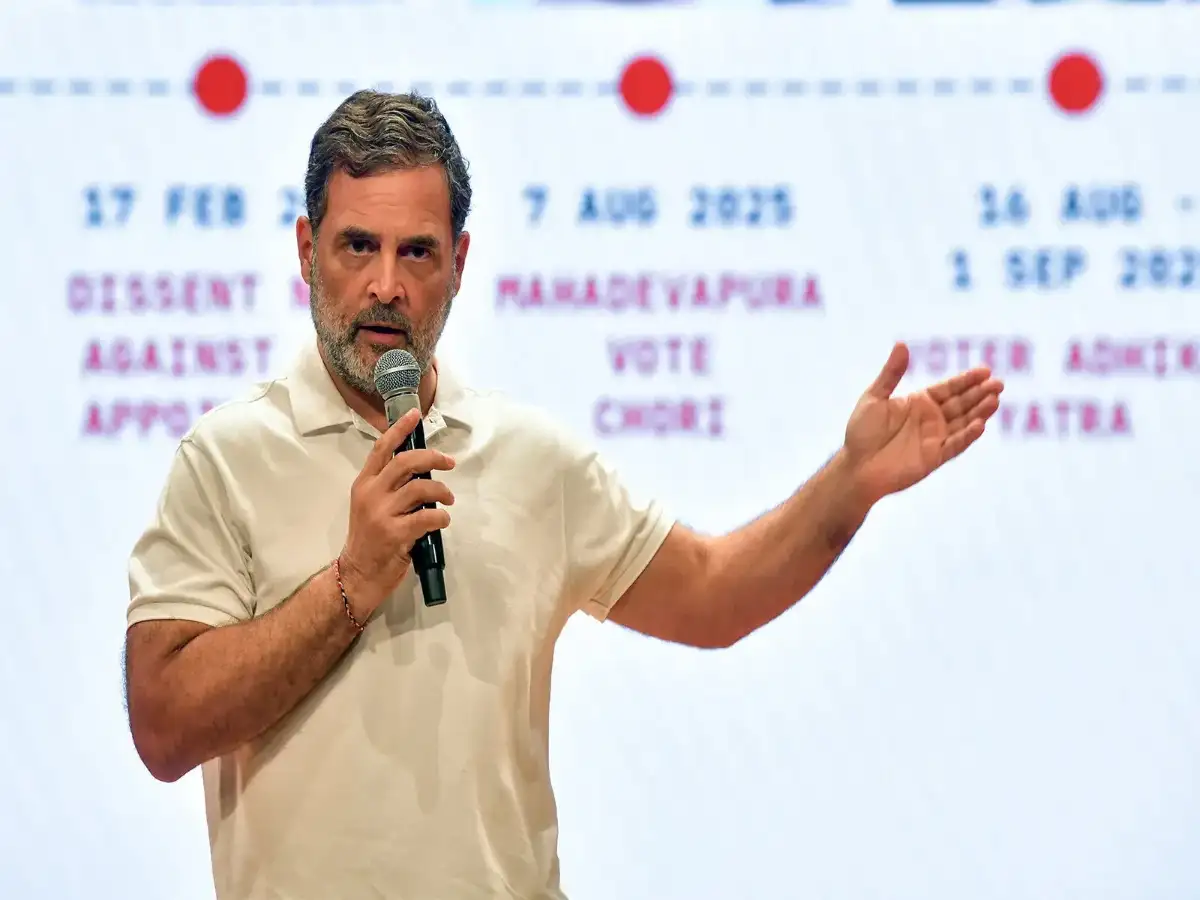
Rahul Gandhi asks who ordered TCS to change Form 6, whether firm was pressured
Congress leader Rahul Gandhi questioned the Election Commission over changes to online Form 6, asking who ordered Tata Consultancy Services to implement them and who approved them at TCS. Gandhi also asked whether the company was pressured. Congress leader Jairam Ramesh separately alleged the changes were aimed at removing Gen Z voters.
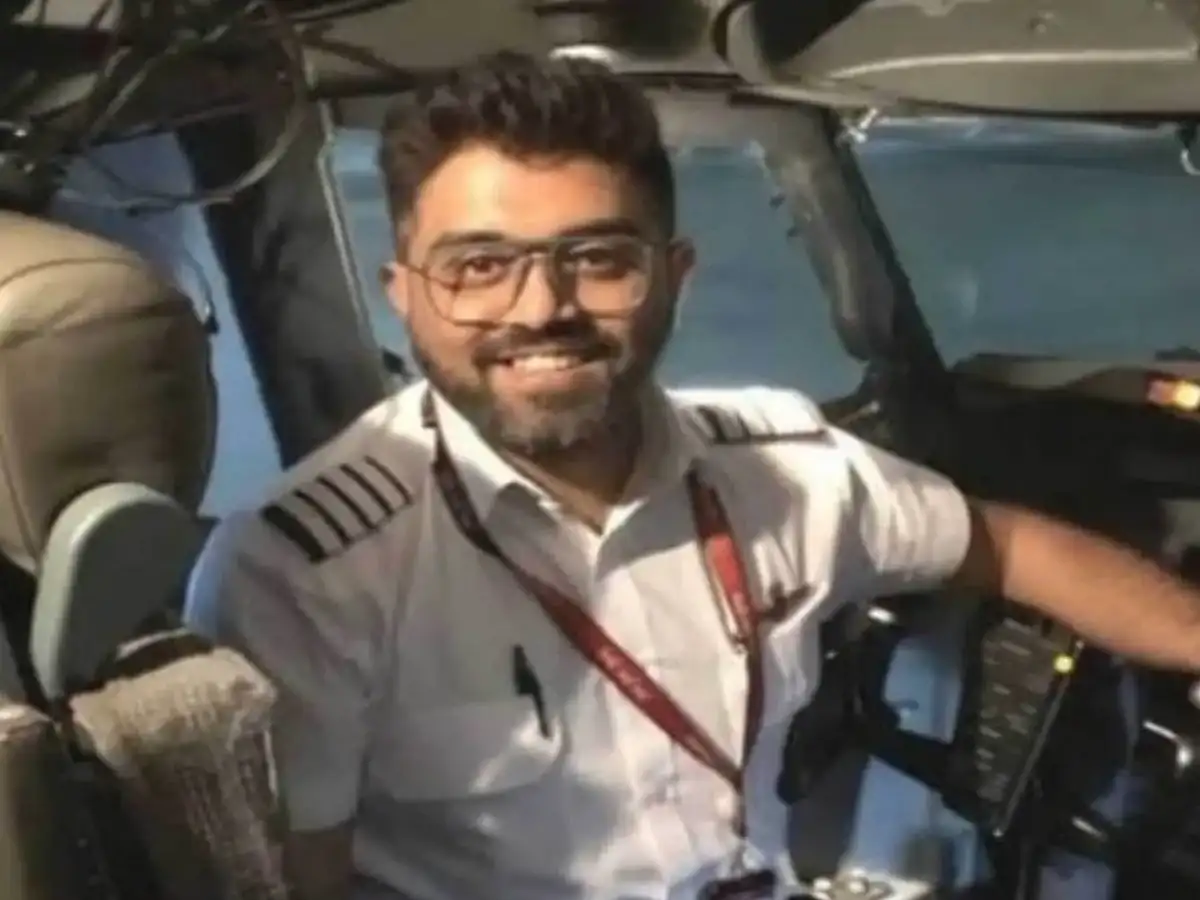
Speedy recovery of 'global hero' pilot is Mumbai neighbourhood's main concern
Neighbours in Mumbai’s Chembur have rallied around Flydubai pilot Captain Smit Machchhar after reports that he fought back against an alleged cockpit attack during a flight from Dubai to Tel Aviv. As his parents travelled to Saudi Arabia, residents recalled Machchhar’s Mumbai upbringing, aviation journey and years as a SpiceJet pilot.
Speedy recovery of 'global hero' pilot is Mumbai neighbourhood's main concern
Neighbours in Mumbai’s Chembur have rallied around Flydubai pilot Captain Smit Machchhar after reports that he fought back against an alleged cockpit attack during a flight from Dubai to Tel Aviv. As his parents travelled to Saudi Arabia, residents recalled Machchhar’s Mumbai upbringing, aviation journey and years as a SpiceJet pilot.