
Vatican defends pope against criticism over Rohingya stance
Nov 29, 2017
The Vatican has defended Pope Francis after human rights groups expressed disappointment that he didn't publicly acknowledge the plight of Rohingya Muslims, who have been subject to what the U.N. calls "ethnic cleansing" by Myanmar's military
YANGON, Myanmar — The Vatican on Wednesday defended Pope Francis after human rights groups expressed disappointment that he didn't publicly acknowledge the plight of Rohingya Muslims, who have been subject to what the United Nations has termed a campaign of "textbook ethnic cleansing" by Myanmar's military.
Spokesman Greg Burke said Francis took seriously the advice given to him by the local Catholic Church, which urged him to toe a cautious line and not even refer to the "Rohingya" by name during his trip to Myanmar and Bangladesh, since the majority of people in Myanmar reject the term because the ethnic group is not a recognized minority in the country.
"The moral authority of the pope stands," Burke asserted Wednesday. "You can criticize what's said, what's not said, but the pope is not going to lose moral authority on this question here."
Burke spoke as Francis neared the midpoint of his weeklong trip, which was in the works well before the Myanmar military launched what it called "clearance operations" in Rakhine state in response to attacks by a group of Rohingya militants against security positions in August. The campaign, denounced by the U.N. and the U.S. as "ethnic cleansing," has forced more than 620,000 Rohingya to flee to neighboring Bangladesh in the worst Asian refugee crisis in decades. Rohingya in the camps have reported entire villages in Myanmar being burned and looted and women and girls raped.
Burke noted that the Holy See had only recently established diplomatic relations with Myanmar, that the Catholic Church in the country was small, and that the Holy See's broader gains were to "build bridges" with the predominantly Buddhist nation as it emerges from decades of military dictatorship.
"Everyone is entitled to their opinion. Vatican diplomacy is not infallible," Burke said. At the same time, he stressed that Francis' diplomatic stance in public in Myanmar didn't negate what he had said in the past, or what he might be saying in private.
In the past, Francis has strongly condemned the "persecution of our Rohingya brothers," denounced their suffering because of their faith and called for them to receive "full rights." And he has defined his papacy by his outspoken defense of refugees and advocacy for society's most marginal and disenfranchised. While he called in his first major speech on Tuesday for all of Myanmar's ethnic groups to have their human rights respected, his failure to specify the Rohingya crisis on Myanmar soil drew criticism from Amnesty International, Human Rights Watch and Rohingya themselves.
Myanmar's government and most of the Buddhist majority say the members of the Muslim minority are "Bengalis" who migrated illegally from Bangladesh and don't acknowledge them as a local ethnic group even though they have lived in Myanmar, also known as Burma, for generations.
Burke and senior members of Myanmar's Catholic Church spoke to reporters after Francis had a busy day stressing a message of forgiveness, unity and healing of old wounds during an open-air Mass, an audience with Myanmar's senior Buddhist monks and during an encounter with his own Catholic bishops.
Local authorities estimated that about 150,000 people turned out for the Mass, but the crowd seemed far larger and included faithful bearing flags from Thailand, Cambodia and Vietnam, among other places.
In his homily, Francis acknowledged the suffering that Myanmar's ethnic and religious groups have endured, a reference to the decades of conflicts between Myanmar's military and ethnic minorities who seek greater autonomy. The conflicts involving the Karen, Kachin, Sha and Wa — who are 40 percent of the country's population — have claimed thousands of lives and continue today in parts of the country.
"I know that many in Myanmar bear the wounds of violence, wounds both visible and invisible," Francis said at the Mass in Yangon's Kyaikkasan Ground park. While the temptation is to respond with revenge, Francis urged instead a response of "forgiveness and compassion."
Aung San Suu Kyi's civilian government, which came to power in 2015 after decades of military rule, has been negotiating with 17 of the 20 major ethnic groups, a process Francis and the Myanmar Catholic Church have sought to encourage.
A prayer read out in the Karen language during the Mass referred directly to the initiative. "For the leaders of Myanmar, that they may always foster peace and reconciliation through dialogue and understanding, thus promoting an end to the conflict in the states of Kachin, Rakhine and Shan, we pray to the Lord," read the prayer.
Members of Myanmar's mostly Christian Kachin minority were on hand for the Mass, many of whom traveled two days by train from Kachin state to see the first pope ever to visit Myanmar.
Despite the high humidity, the scene at the park was joyous and pious, with many women covering their heads with lace veils.
"I can't express how happy I am," said Henery Thaw Zin, a 57-year-old ethnic Karen from Hinthada, a four-hour drive from Yangon. "I can't imagine, or can't expect to get a chance like this again, not just in this life, but in my next life as well."
Later Wednesday, in a meeting with Myanmar's senior Buddhist monks, Francis called for religious leaders to speak with one voice affirming their commitment to peace and respect for justice and dignity for all people.
"If we are to be united, as is our purpose, we need to surmount all forms of misunderstanding, intolerance, prejudice and hatred," Francis told the Sangha council, a committee of high-ranking monks appointed by the government.
Citing the teachings of both Buddha and his namesake, St. Francis of Assisi, Francis said: "May that wisdom continue to foster patience and understanding and heal the wounds of conflict that through the years have divided people of different cultures, ethnicities and religious convictions."
The head of the council, Bhamo Sayadaw, lamented how some people use religion for "extremism and terrorism," saying such interpretations were wrong and inspired by "greed and ego" since religion is meant to inspire the common good.
The elderly monk didn't refer to any particular religion, but the government has identified a group of Rohingya Muslim militants as a terrorist group, while the Sahgha council has denounced Myanmar's growing Buddhist nationalist group, which has used hate speech to inspire violence against Muslims.
And in his final event of the day, Francis met with his bishops in Yangon's Catholic cathedral, and urged them to help their tiny flock heal from "deeply rooted divisions" that have scarred the country, and help foster unity.
Francis wraps up his visit to Myanmar on Thursday with a Mass for young people in the cathedral before heading to Bangladesh for the second and final leg of his weeklong South Asia tour.
___
Htusan reported from Bangkok. Associated Press producers Hau Dinh and Min Kyi Thein contributed to this report.
MORE NEWS
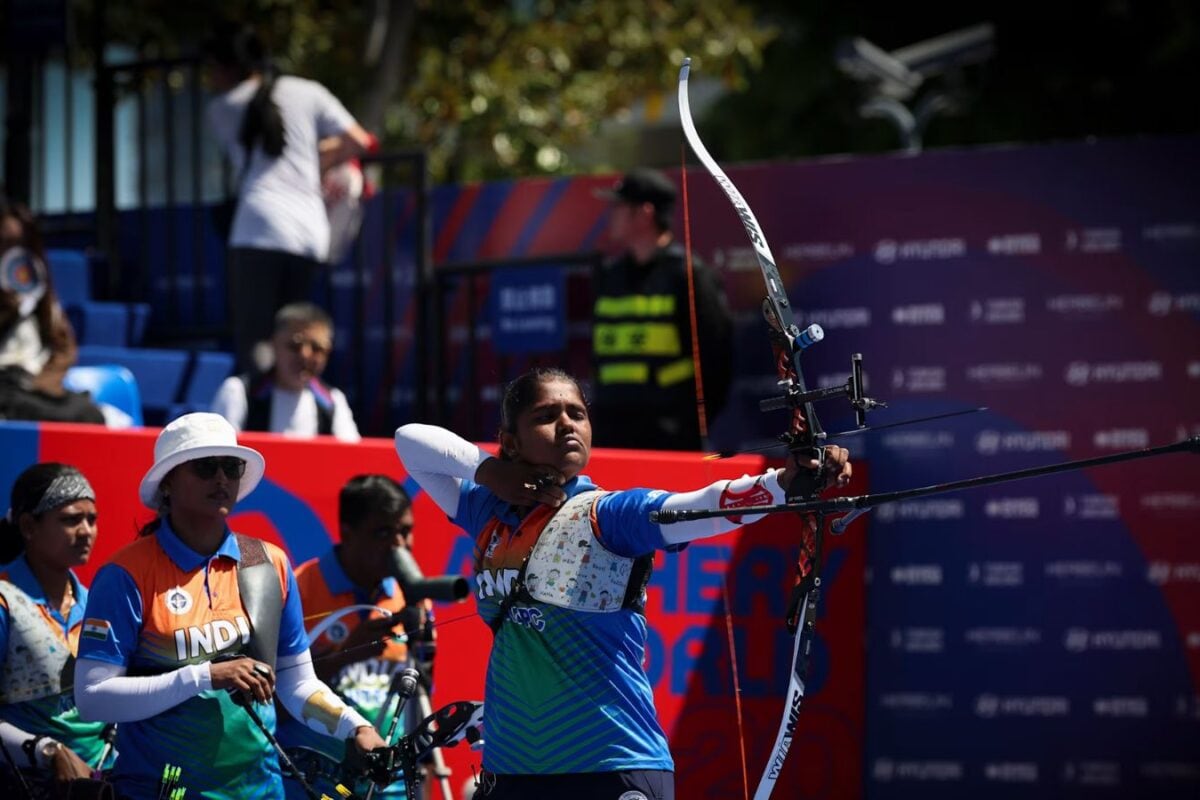
Asian Games 2026 Day 15 LIVE Updates: Kumkum Delivers Under Pressure, Knocks Out World No. 1 Kang
Asian Games 2026, October 3 Live Updates: Follow all the latest updates from the 15th day of the event with Indian contingent in action across nine sports.

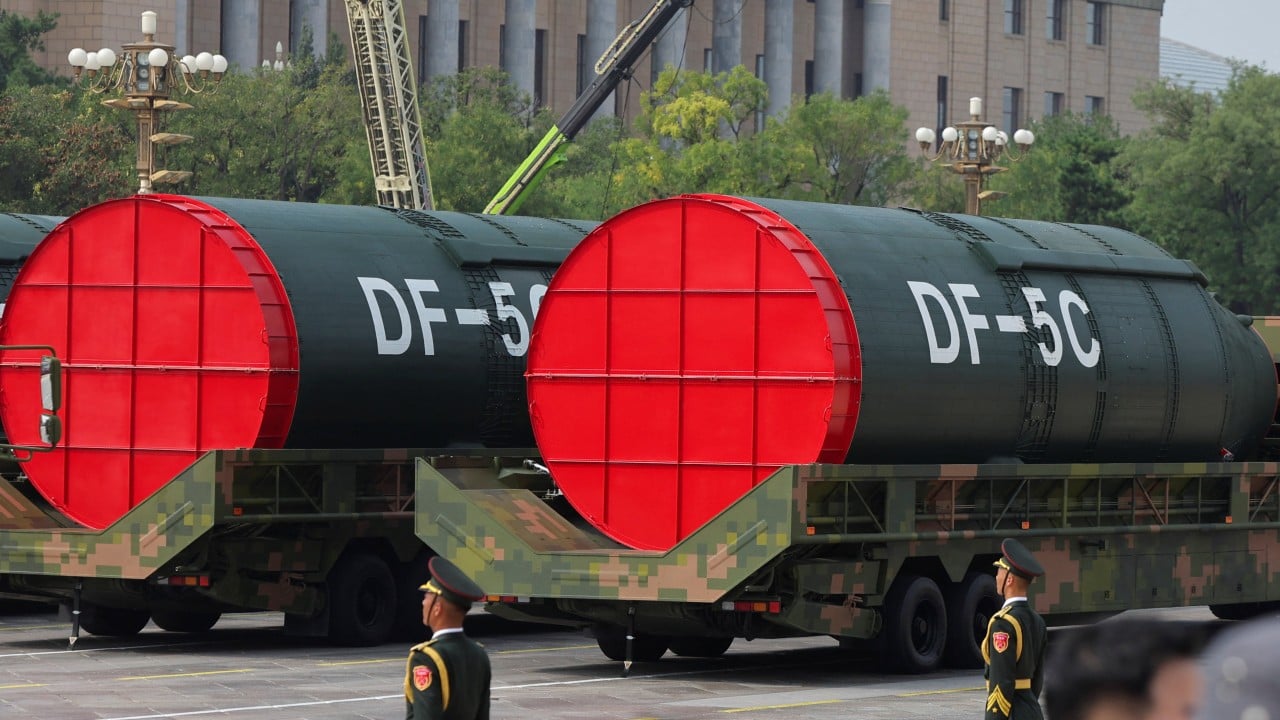
US blast simulation targets China’s alleged secret nuclear testing
The US has conducted a non-nuclear underground experiment to enhance its ability to detect low-yield nuclear explosions that it explicitly linked with a test that Washington suspects China carried out in 2020 – an accusation Beijing denies. The US Department of Energy announced on Wednesday that the National Nuclear Security Administration (NNSA) conducted a “subsurface, non-nuclear chemical high-explosive” experiment at the Nevada National Security Site, which it said aimed to “increase the...


In 1962, a spacecraft was launched by NASA to study Venus but a few moments later, the rocket went off course and was lost
A spacecraft, called Mariner 1, was NASA's first probe which planned to study Venus. A software error and a guidance control problem led to the loss of the spacecraft after it went off its intended path.
‘No retreat’: Key Trump ally urges continued US-China engagement on rare earths
US Republican Senator Steve Daines, a close aide to President Donald Trump and a key interlocutor between Washington and Beijing, has called on the two capitals to stay engaged and “not retreat” over differences on issues including rare earth supply chains. Daines told the South China Morning Post that both sides still had issues that predated Chinese President Xi Jinping’s state visit to Washington last week and that they would continue working on them after the summit. “So that’s again why...
US man arrested over alleged $300 million scheme to smuggle Nvidia AI servers to China
Amid intensifying competition in the AI technology race, US authorities have arrested a California technology company owner accused of using Malaysia and Singapore as transit points to circumvent US export controls and send more than US$300 million worth of restricted computer servers to China. Greg Lui, 38, also known as Yiu Kong Lui, of San Gabriel, was arrested on Thursday and charged with conspiracy to violate US export controls, outbound smuggling and conspiracy to commit money laundering,...
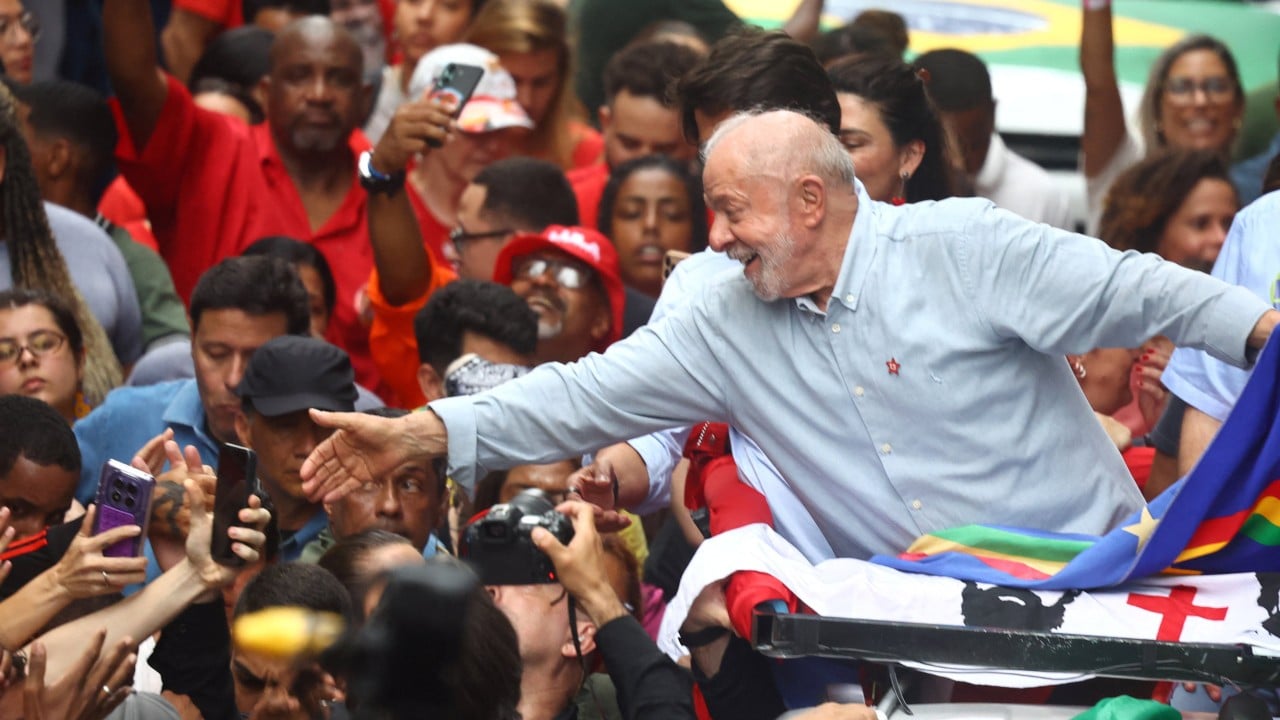
Brazil’s Lula hails ‘bold’ Chinese investors as rival pitches rare earths to Trump
Brazilian President Luiz Inacio Lula da Silva named China as a possible partner in his critical minerals plans, three days before Sunday’s closely fought election. Lula told Flow, one of the country’s most-watched podcasts, on Thursday evening that Brazil should stop shipping out raw ore. “We want to transform them here in Brazil,” he said of the minerals. Asked whether China fit into his plans, Lula said it could be a partner “bringing technology to us”, as could the United States. “[Donald]...

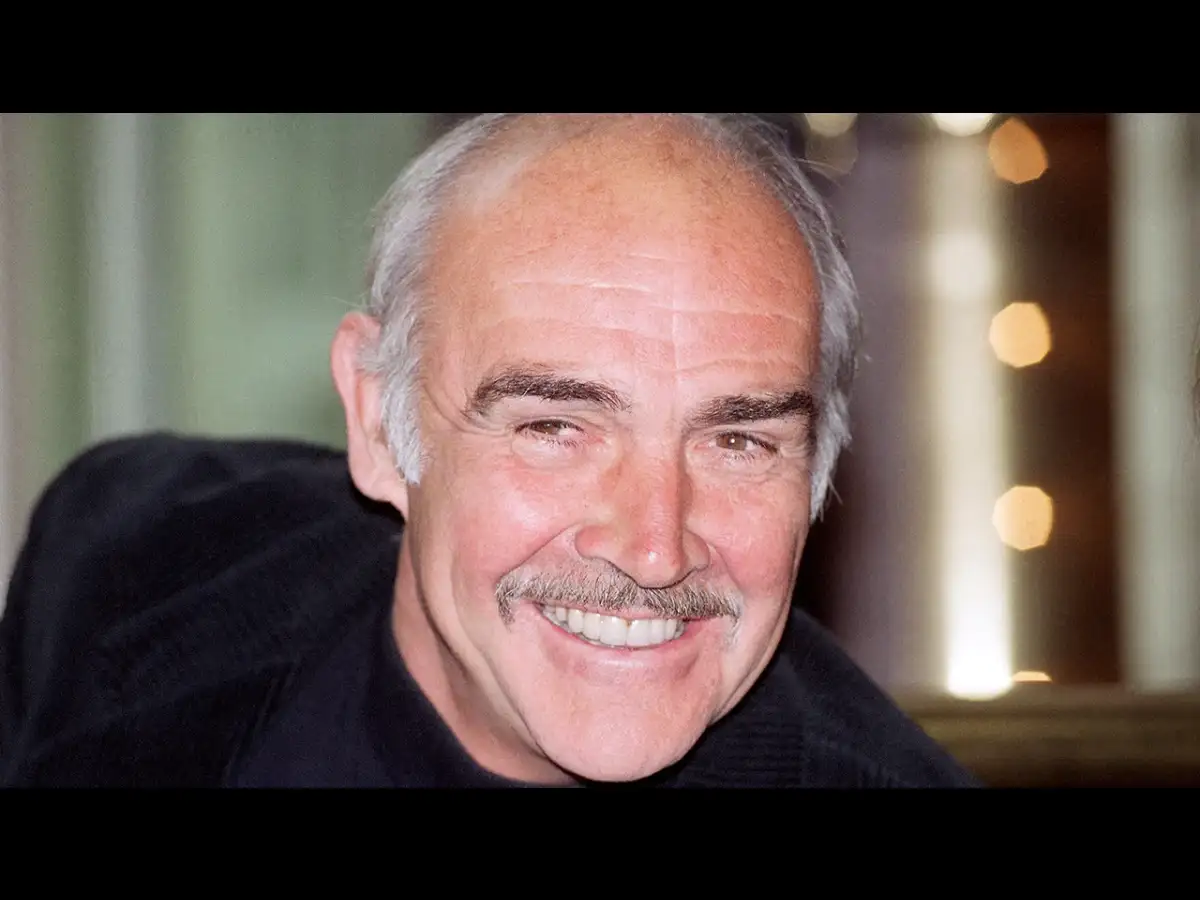
Quote of the day by Sean Connery: 'The key to a woman's heart is an unexpected gift at an unexpected time.' Life lessons from inspirational quote on romance and attentiveness
Quote of the day by Sean Connery from Finding Forrester speaks about the importance of an unexpected gift. It is needed to show a person that you care about them. Romance and spontaneity are highly important in relationships.
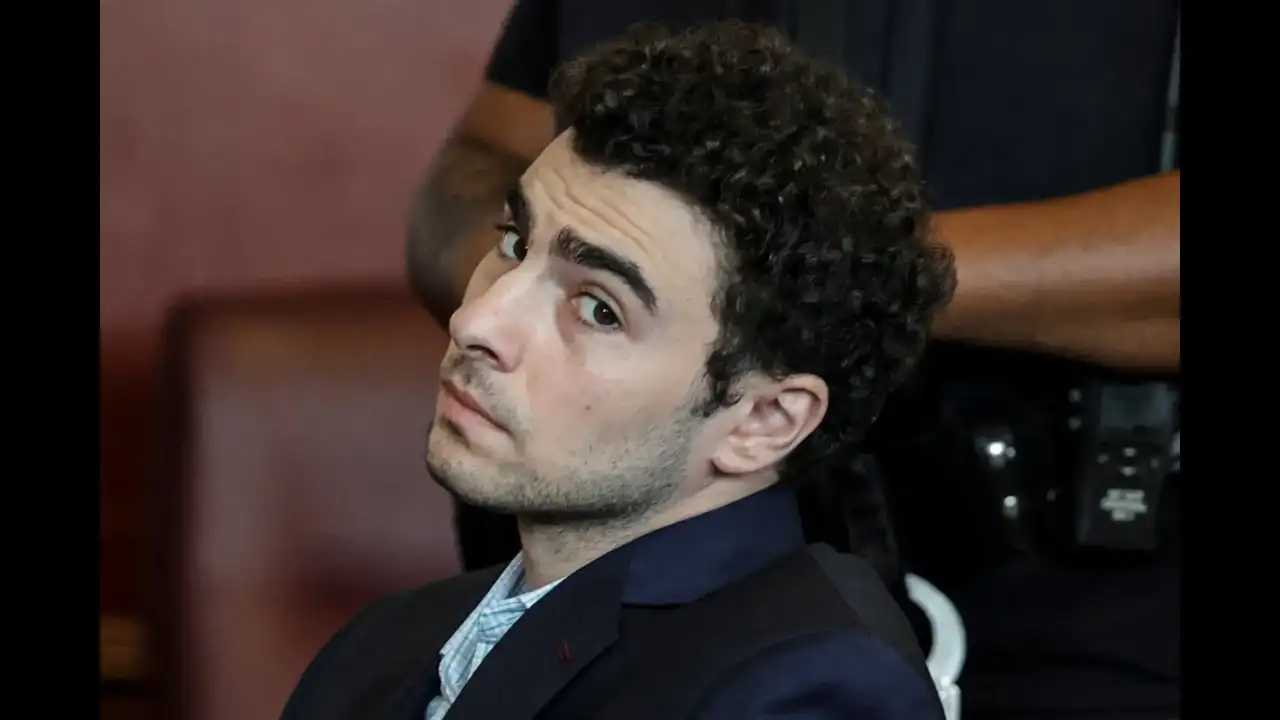
Luigi Mangione arrest video: ‘That’s 100% him’ - newly released footage shows how police identified him at McDonald’s and what happened during his arrest
Luigi Mangione arrest video: Newly released body-camera footage shows the moments police identified Luigi Mangione at a McDonald’s in Pennsylvania and took him into custody. The video captures officers questioning his identity, including the name on his ID, before showing what happened during his arrest and the search that followed at the station.

How to make sure your mailed ballot counts in US midterm elections: Mail it early because the postmark date may not match the day you dropped it in the mailbox
As the 2026 US midterm elections approach, it's crucial for voters to mail their ballots ahead of time to avert potential complications. Remember, ballots must be postmarked by Election Day to be counted. In California, ballots can be accepted up to seven days late if they are postmarked correctly. Voters are encouraged to track their ballots to confirm acceptance.