
Pakistan: More bloggers charged, cleric's rally blocked
Mar 24, 2017
Three more bloggers accused of blasphemy as police blocked a rally by clerics in Islamabad seeking to press their calls for the death of social media activists accused of insulting Islam
ISLAMABAD — Three more bloggers were accused of blasphemy Friday in an Islamabad anti-terrorism court, while elsewhere in the city hundreds of security forces prevented a radical cleric from holding a protest to condemn another five bloggers, who were earlier charged with insulting Islam — an offense punishable by death in this Islamic country.
Police and government officials said the newest charges were laid against two bloggers from Pakistan's southern port city of Karachi and one from the federal capital. They were arrested earlier this week. One of the three used the alias, Allama Ayaz Nizami, and had over 12,000 followers on line, said a police official who spoke on condition of anonymity because he was not authorized to give details of the cases against the three men.
All three were remanded into custody of Pakistan's anti-terrorism cell for seven days while their online activity is investigated, he said.
Meanwhile Pakistani police in full riot gear sealed off and surrounded Islamabad's Red Mosque, long seen as a refuge for Islamic militants in the Pakistani capital, and the home of a religious leader, Maulana Abdul Aziz, preventing his followers from staging their gathering to demand the death penalty for another five bloggers, who were charged earlier with blasphemy.
The Committee to Protect Journalists as well as Amnesty International has decried the use of Pakistan's controversial blasphemy law against the media in Pakistan. Critics say the blasphemy law is being used to silence Pakistan's media because even the allegation can be enough to incite hardliners to kill.
Previously, a provincial governor was shot and killed by his police guard who accused him of blasphemy after he criticized the law and defended a Christian woman sentenced to death under the law.
Meanwhile, the clerics vowed to try again next week. Their demonstration was directed at five bloggers, who were held for nearly three weeks in January.
The bloggers — who went missing but were later returned unhurt to their families — have accused Pakistan's intelligence agency of orchestrating their disappearance because of their criticism of the military and intelligence agencies.
Before their release, hard-liners raised accusations of blasphemy. Abdul Aziz' son-in-law and follower, Salman Shahid, went to court earlier to charge all five bloggers with blasphemy. The five have since fled the country after also receiving death threats.
Alongside the court cases, Prime Minister Nawaz Sharif's government launched a campaign to rid social media of any content considered insulting to Islam — at least any posted by Pakistanis.
The government petitioned Facebook and Twitter to identify Pakistanis worldwide who are found posting material considered offensive to Islam so that Pakistani authorities can prosecute them or pursue their extradition on charges of blasphemy — tantamount to a death sentence.
Earlier, Interior Minister Chaudhry Nisar Khan said a Facebook delegation was expected in Pakistan within weeks.
Meanwhile, the Center for Inquiry, a U.S.-based advocacy group, appealed to Facebook not to consider the censorship demands by Pakistani authorities.
As well as writing a letter to Facebook, Michael De Dora, of the advocacy group, said members of his organization are also taking their concerns about Pakistan's online crackdown to the United Nations and Washington.
"We have taken to the floor of the U.N. Human Rights Council to raise Pakistan's crackdowns on online expression, and communicated our concerns directly with the State Department and Facebook," De Dora said in an email exchange this week. "But it is difficult to tell if our efforts have achieved anything. "
Haroon Baloch, of the Islamabad-based think tank Bytes For All said social media is also widely used by those espousing harsh and exclusive interpretations of Islam. Platforms like Facebook are used to attack Shiite Muslims as well as adherents of minority religions in Pakistan such as Christians and Hindus.
While Pakistan has ordered shut more than 900 web addresses linked to banned religious groups, Baloch said many still maintain social media platforms like Facebook, where they spew hate and even raise funds
____
Associated Press writers Zarar Khan and Munir Ahmed in Islamabad and Adil Jawad in Karachi contributed to this report.
MORE NEWS

Naval staffer among two arrested for spying for Pakistan: Andhra Police
Andhra Pradesh Police arrested two individuals as part of an espionage investigation involving contacts with Pakistani operatives. The arrests included a naval employee and a civilian engaged for naval officers. The Counter Intelligence Cell coordinated with police from ten states to track the suspects. Authorities reported that sensitive information was shared regarding defence establishments in India. Further investigation continues to reveal the extent of the conspiracy and other suspects involved.
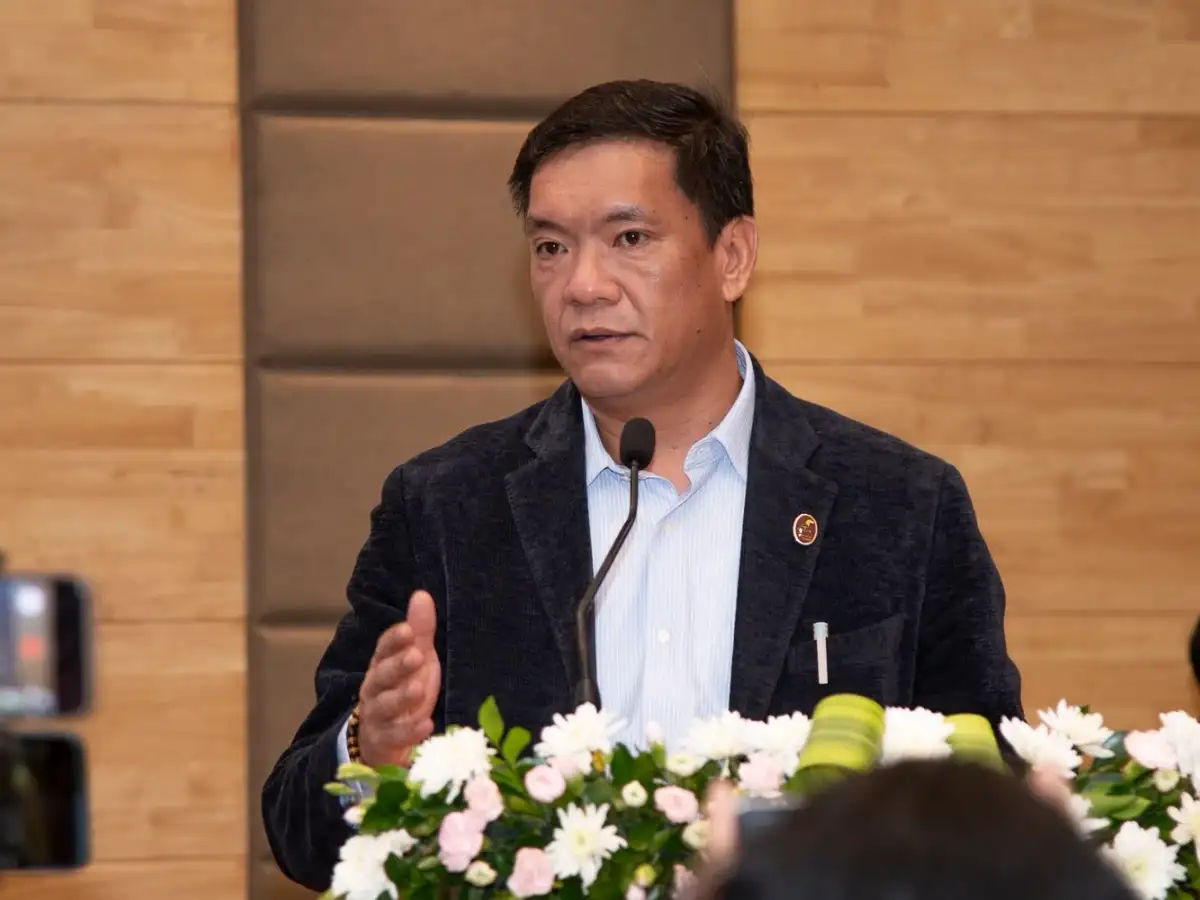
Hydropower presents massive investment opportunity with 19,000 MW projects underway: Arunachal Pradesh CM Pema Khandu
Arunachal Pradesh is focused on hydropower development, with 19,000 MW of projects in various stages. Chief Minister Pema Khandu highlighted the strategic importance of the Siang Upper Multipurpose Project and the need for public consultations. He emphasised conducting the Preliminary Feasibility Report before deciding on the project's construction. Several infrastructure projects under the Pasighat Smart City Mission were inaugurated to improve urban amenities.
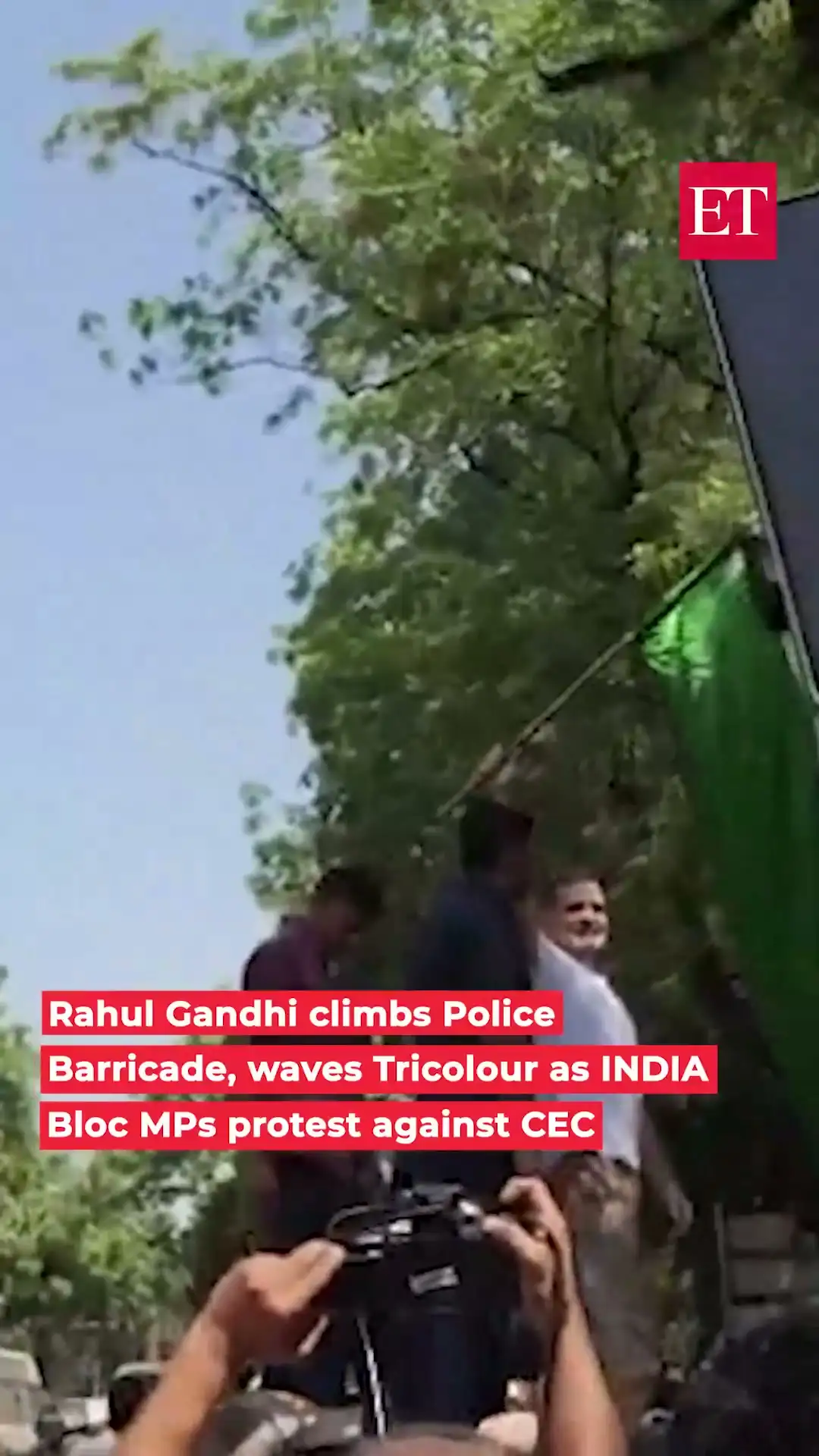
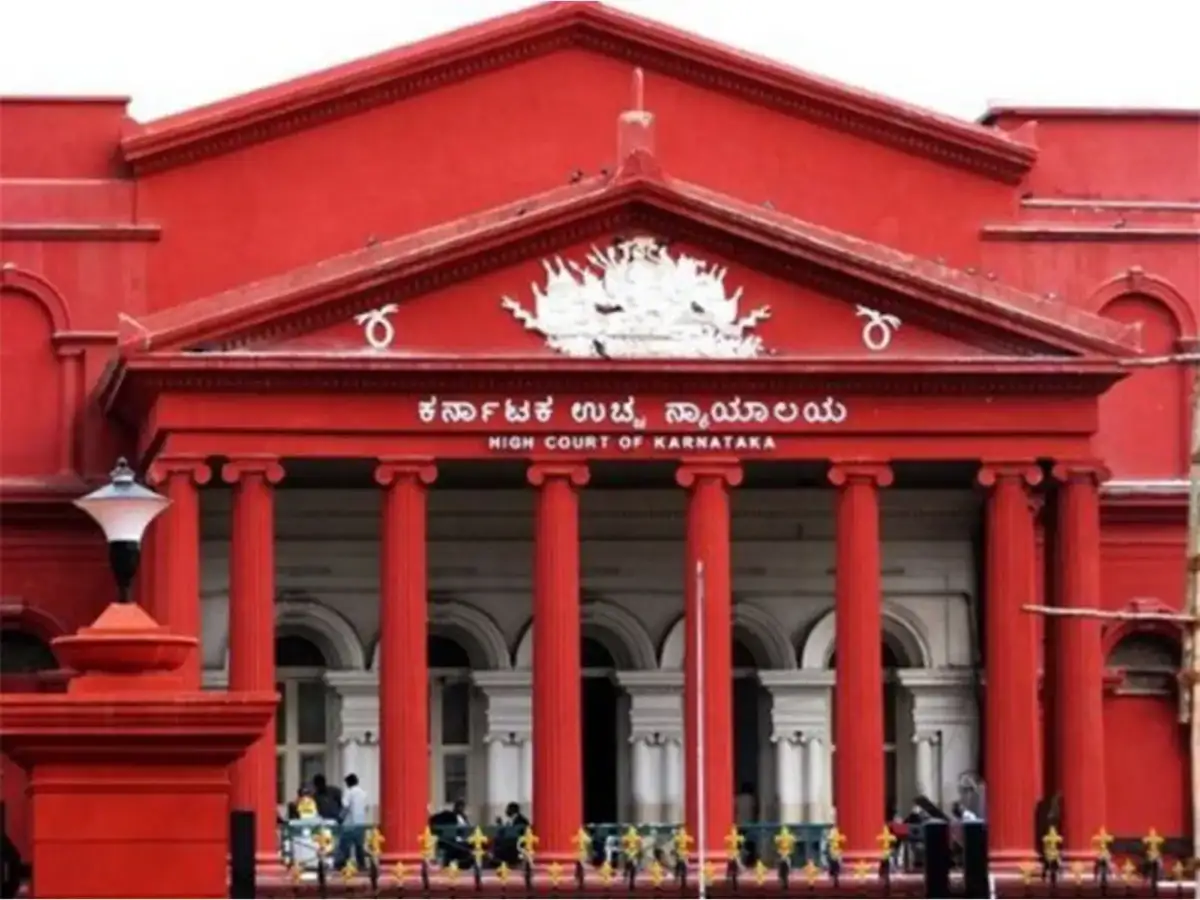
Karnataka HC questions ED over 12-year delay in FEMA case against Cafe Coffee Day CEO Malavika Hegde
The Karnataka High Court on Tuesday questioned the Enforcement Directorate over initiating FEMA proceedings against Cafe Coffee Day CEO Malavika Hegde more than 12 years after the transactions under scrutiny. The court examined whether such action was permissible after an unreasonable delay and extended interim protection against the proceedings.

India Vs Uruguay LIVE Score: Can Khalid Jamil's Men Upset The 2-Time World Champions?
India vs Uruguay: Follow all live updates from the FIFA international friendly in Kolkata.
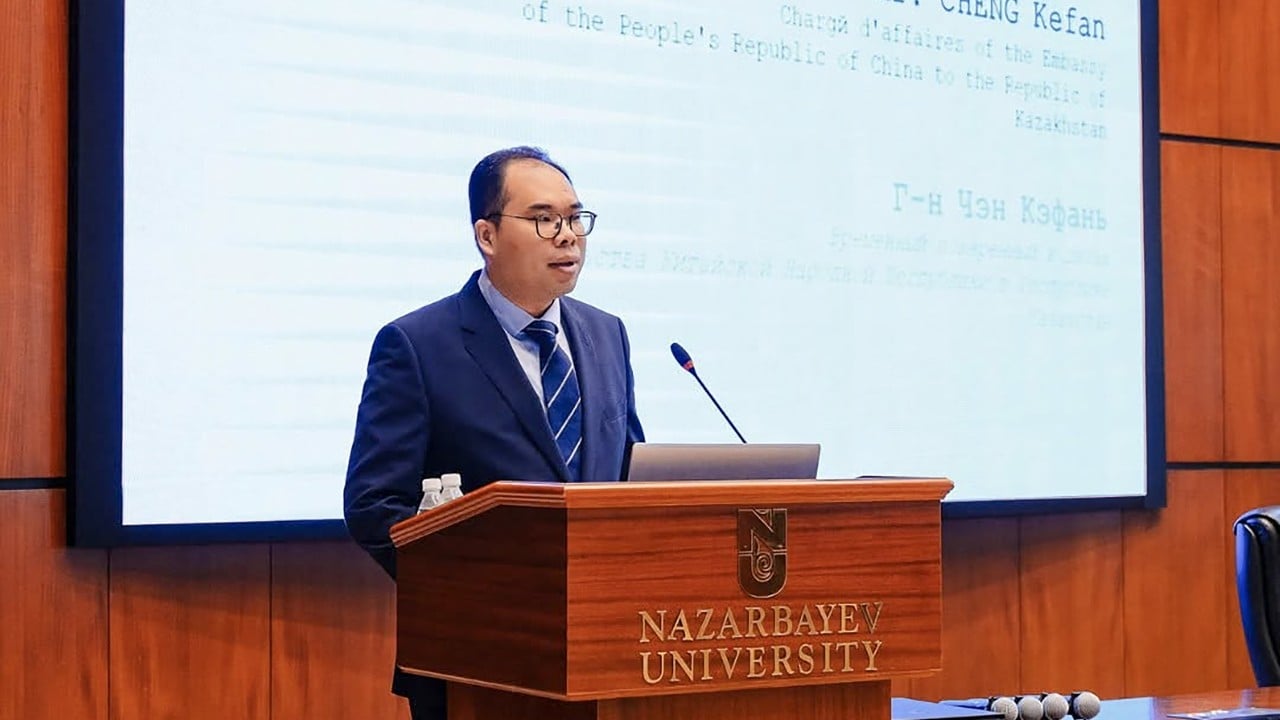
How traditional Chinese medicine is shaping Kazakhstan’s health system
China has pledged to expand its health partnership with Kazakhstan by helping the Central Asian nation integrate traditional medicine directly into its national healthcare system, shifting away from simple product exports. The Chinese embassy in Kazakhstan on Monday called for the alignment of high-level policy to enhance bilateral health cooperation for both countries’ benefit. “Both nations should promote the qualitative upgrading of cooperation in smart healthcare, hi-tech diagnostics and...
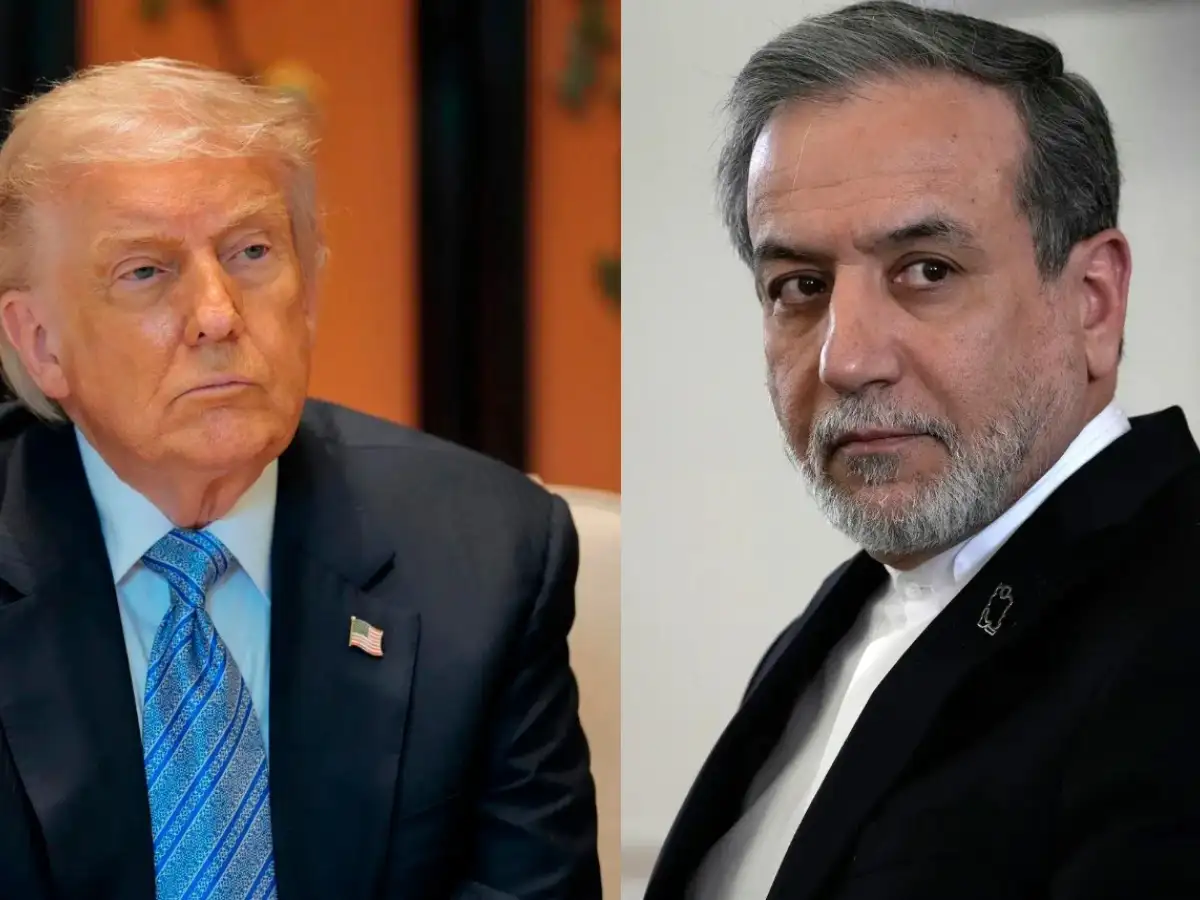
Qatar says US-Iran talks to end Middle East war continue via mediators, despite deadlock over Strait of Hormuz
Mediator Qatar confirmed that indirect negotiations between the United States and Iran continue amid a protracted conflict. Talks have resumed despite ongoing tensions and previous ceasefires not yielding lasting peace. Iranian President Masoud Pezeshkian expressed skepticism about the effectiveness of these discussions. As the war persists, both nations aim to address the strategic concerns surrounding the Strait of Hormuz.

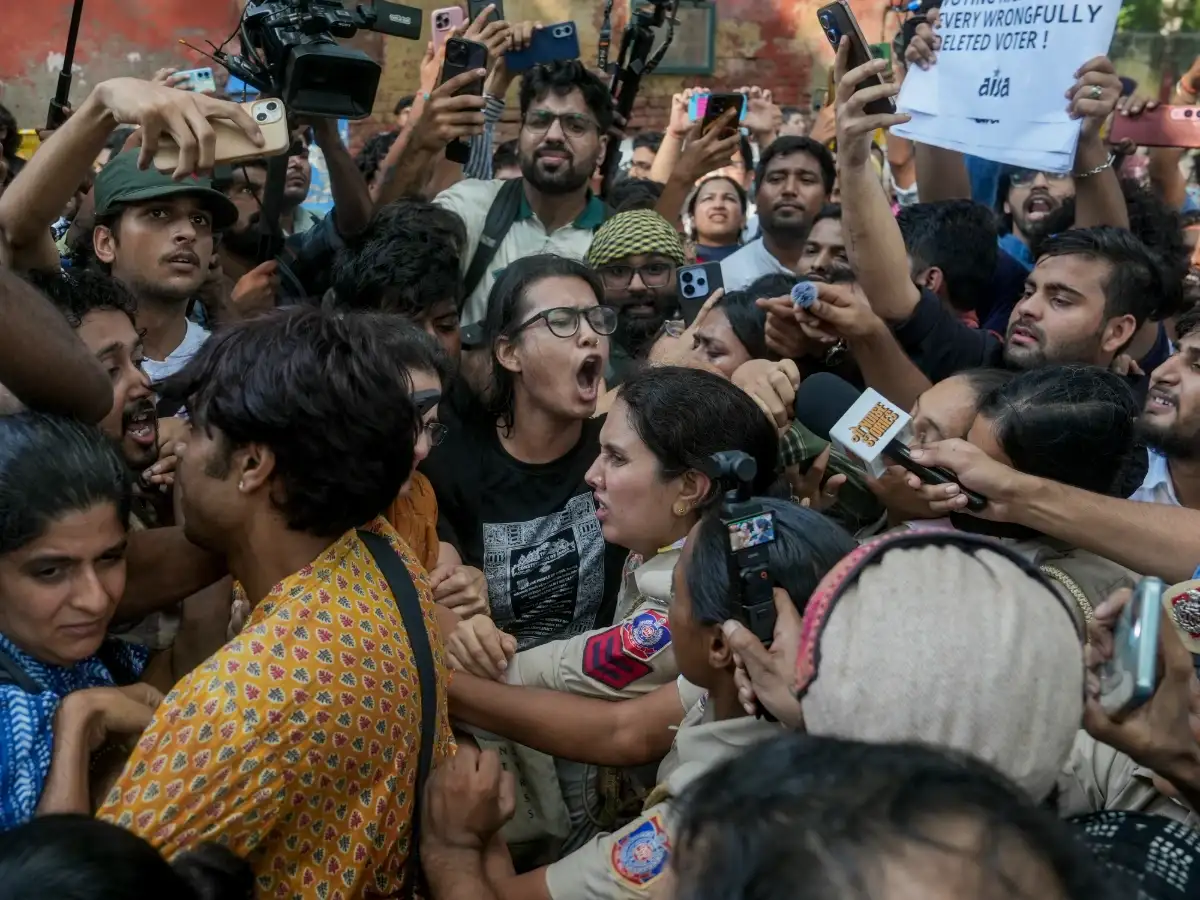
Protests erupt across India demanding resignation of Chief Election Commissioner Gyanesh Kumar over voter list manipulation
Protests have emerged across India as citizens demand the resignation of Chief Election Commissioner Gyanesh Kumar. Demonstrators claim that the ongoing Special Intensive Revision process threatens voter rights and favors the ruling Bharatiya Janata Party. Critics say this process requires complex documentation that may disenfranchise vulnerable communities and lead to significant voter list reductions. Opposition parties and activists are calling for more independent election oversight.

Helicopter makes emergency landing in Uttarakhand’s Rudraprayag amid bad weather
A helicopter made an emergency landing at the Agastyamuni sports ground in Rudraprayag district on Tuesday after encountering adverse weather conditions. The aircraft landed safely at the sports ground, with the incident occurring amid challenging weather conditions in the region.
Helicopter makes emergency landing in Uttarakhand’s Rudraprayag amid bad weather
A helicopter made an emergency landing at the Agastyamuni sports ground in Rudraprayag district on Tuesday after encountering adverse weather conditions. The aircraft landed safely at the sports ground, with the incident occurring amid challenging weather conditions in the region.

19-year-old Zain Javaid's startup called Ghost builds an AI computer without screen; the 'brain in a box' can be the next big PC idea
Ghost is pioneering a revolutionary startup with its innovative screenless AI computer known as Core, co-founded by Zain Javaid. This cutting-edge device is crafted to operate AI agents that function independently, engaging users via a mobile application. With an emphasis on security, Core protects user data by keeping it stored locally, steering clear of cloud dependencies.