
Pakistan says its planned deportation of 1.7 million Afghan migrants will be 'phased and orderly'
Oct 6, 2023
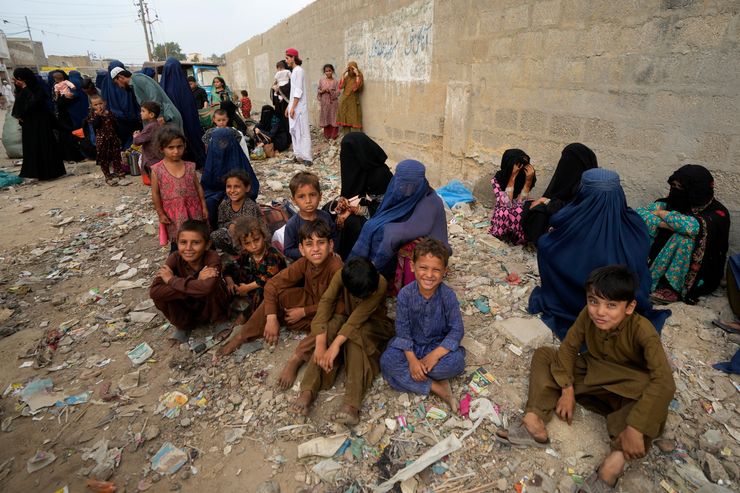
Pakistan says its recently announced plans to deport all illegal immigrants, including 1_7 million Afghans, will be implemented in a “phased and orderly manner.”
ISLAMABAD (AP) — Pakistan will carry out its recently announced plans to deport all illegal immigrants, including 1.7 million Afghans, in a “phased and orderly manner,” the foreign ministry said Friday.
The statement is likely meant to assuage international concerns and calm fears among Afghan refugees in Pakistan after Islamabad’s unexpectedly said Tuesday that all migrants — including the Afghans — without valid documentation will have to go back to their countries voluntarily before Oct. 31 to avoid mass arrests and forced deportation.
This sent a wave of panic among those living in this Islamic country without papers and drew widespread condemnation from rights groups. Activists say any forced deportation of Afghans will put them at a grave risk.
Mumtaz Zahra Baloch, the spokesperson for Pakistan's Ministry of Foreign Affairs, said Friday the new policy is not aimed at Afghans only.
“We have been hosting Afghans refugees generously for the past four decades” when millions of them fled Afghanistan during the 1979-1989 Soviet occupation, she said.
Those 1.4 million Afghan nationals who are registered as refugees in Pakistan need not worry, she added.
“Our policy is only about illegal individuals who are here illegally, no matter what their nationality is," she added. "But, unfortunately there has been a misunderstanding or misrepresentation and for some reason people have starting associating this with Afghan refugees."
“The laws in Pakistan are similar to laws in many other countries,” Baloch said.
Amnesty International on Thursday asked Pakistan to allow the Afghans to continue to live in the country while the day before, U.N. Secretary-General Antonio Guterres’ spokesman expressed concerns about the new policy.
“As a matter of principle it is critical that no refugees be sent back without it being a voluntary and dignified return,” U.N. spokesman Stephane Dujarric told reporters at U.N. headquarters in New York on Wednesday.
In Kabul, the Taliban government’s chief spokesman, Zabihullah Mujahid, has also criticized Pakistan’s announcement, saying it was “unacceptable” and that Islamabad should reconsider the decision.
Although Pakistani security forces and police have routinely been arresting and deporting Afghans who have sneaked into the country without valid documents in recent years, this is the first time that the government has announced plans for such a major crackdown.
The developments come amid a spike in attacks by the Pakistani Taliban, who have hideouts and bases in Afghanistan but regularly cross into Pakistan to stage attacks on Pakistani forces.
The outlawed Pakistani Taliban, known as Tehrik-e-Taliban Pakistan or TTP, often claim attacks on Pakistani security forces. But they have distanced themselves from a pair of suicide bombings last week that killed 59 people in southwest and northwest areas bordering Afghanistan. Nobody has claimed responsibility for those attacks.
Baloch said some of the illegal migrants, including Afghans, have already started going back to their countries. “We are allowing a grace period until" the end of the month, she said.
Pakistan has long demanded that the Taliban authorities in Afghanistan cease their support for the TTP.
The Pakistani Taliban are a separate group but are allied with the Afghan Taliban, who seized control of Afghanistan in mid-August 2021 as U.S. and NATO forces were in the last weeks of their withdrawal from the country, after 20 years of war. The takeover has emboldened the TTP.
Baloch also said that Pakistan's Foreign Minister Jalil Abbas Jilani held talks in China, where he is currently on an official visit, with Afghanistan’s Taliban-appointed Foreign Minister Amir Khan Muttaqi.
“Their meeting was very productive, she said without elaborating and urged the Afghan Taliban to disarm the TTP so that the Afghan territory would no longer be a launching pad for attacks in Pakistan.
She, however, insisted that the planned crackdown on illegal migrants was not aimed at bargaining with the Afghan Taliban authorities.
“Absolutely, this is not the case all ... we only want all illegal migrants to go back,” she said.
MORE NEWS
Mao vs Rao: Cell Press probe clears editor but Chinese biologist keeps up pressure
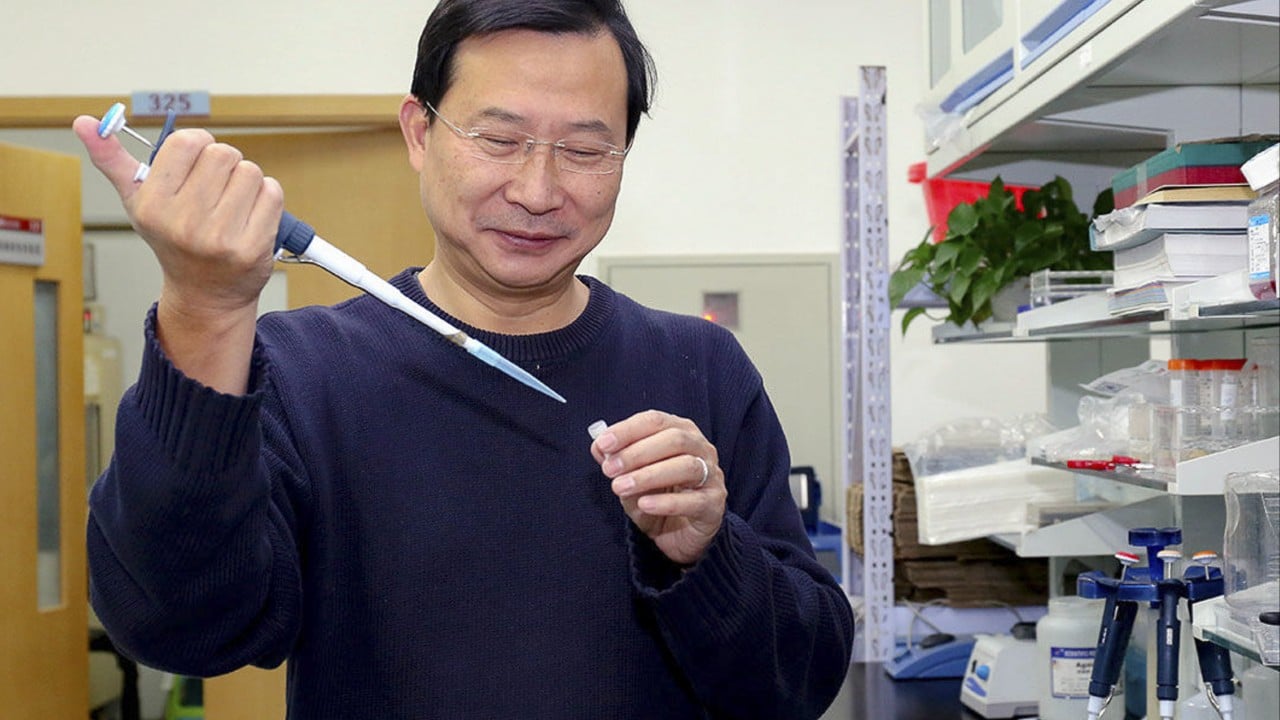
Prominent biologist Rao Yi is refusing to back down after Cell Press said it had found no evidence that top journal editor Steve Mao sought bribes from Chinese scientists. In a statement published on Thursday evening, Cell Press – one of the world’s leading scientific publishers, owned by Elsevier – said its investigation had “largely concluded” and “found no evidence to support the aforementioned allegations”. Nevertheless, Rao, a tenured chair professor at Peking University who stepped down as...

Harry Kane Pips Kylian Mbappe By 28 Votes To Win His First Ballon d'Or
Bayern Munich's Kane, the first Englishman to win the award since Michael Owen in 2001, received 40 first-place votes from the 100 jurors and a total of 1,055 points.

Achraf Hakimi Scores 1st Career Hat-Trick As PSG Thrash Le Havre 5-1 In Ligue 1
PSG's nearest Ligue 1 rivals Rennes lost 5-2 at Nice dropping four points adrift while Olivier Giroud's late goal lifted Lille second after their 1-0 home win over Lens.

Daniil Medvedev Sets Up Vienna Semi-Final Clash With Carlos Alcaraz, Qualifies For ATP Finals
Since his elimination in the round of 16 at the US Open, Medvedev has won tournaments in Hangzhou and Almaty, and reached the semi-finals of the Shanghai Masters 1000 and Beijing.
Hainan's digital reporting system streamlines grassroots governance
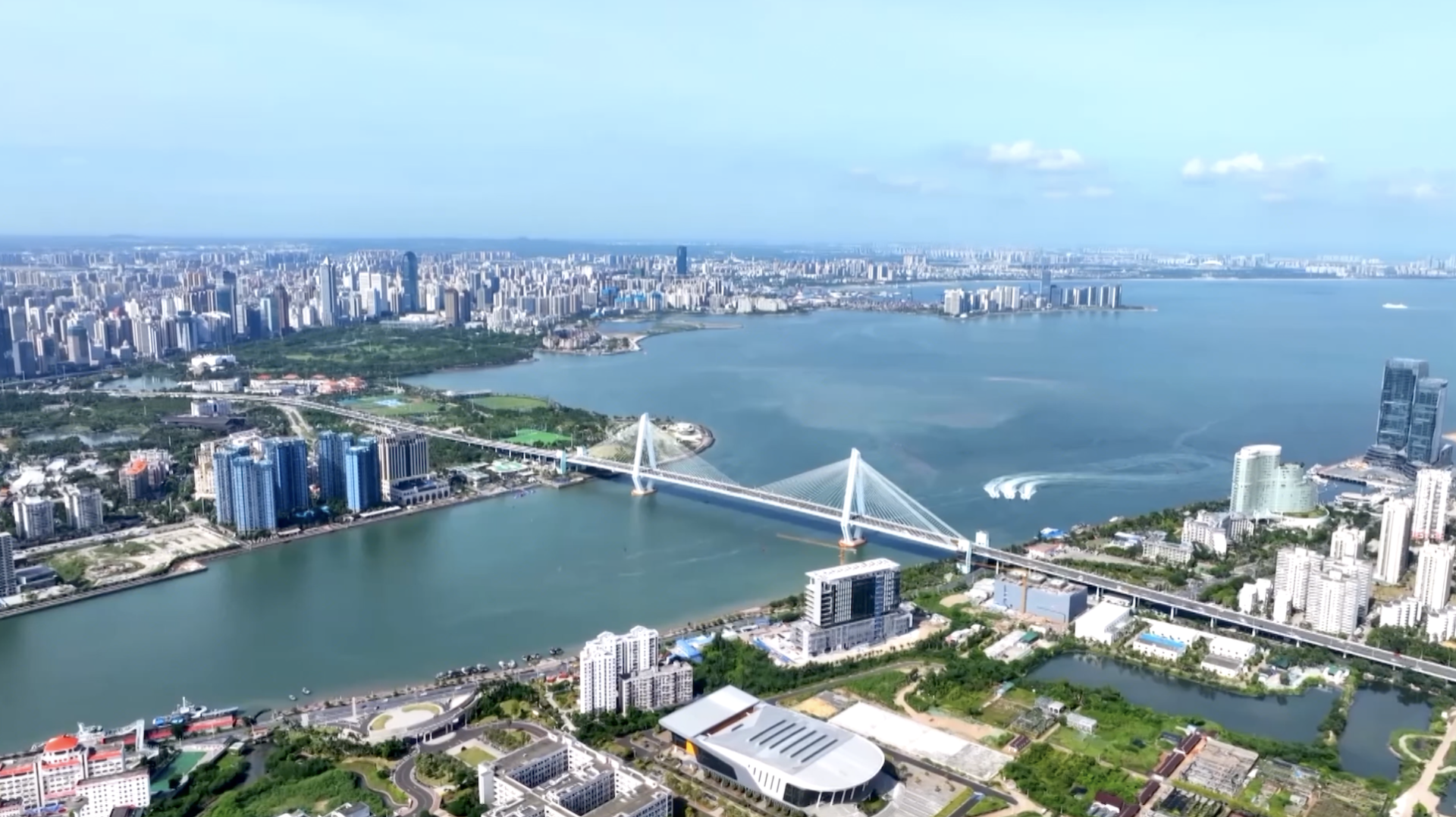
Hainan's digital reporting system streamlines grassroots governance

China's GJ-21 drone completes first takeoff, landing on assault ship
China's first shipborne stealth reconnaissance-strike integrated drone GJ-21 has recently completed its first takeoff and landing operation aboard the Sichuan, China's first Type 076 amphibious assault ship, a navy source said.
Are the latest Communist Party promotions a sign of a new political trend in China?
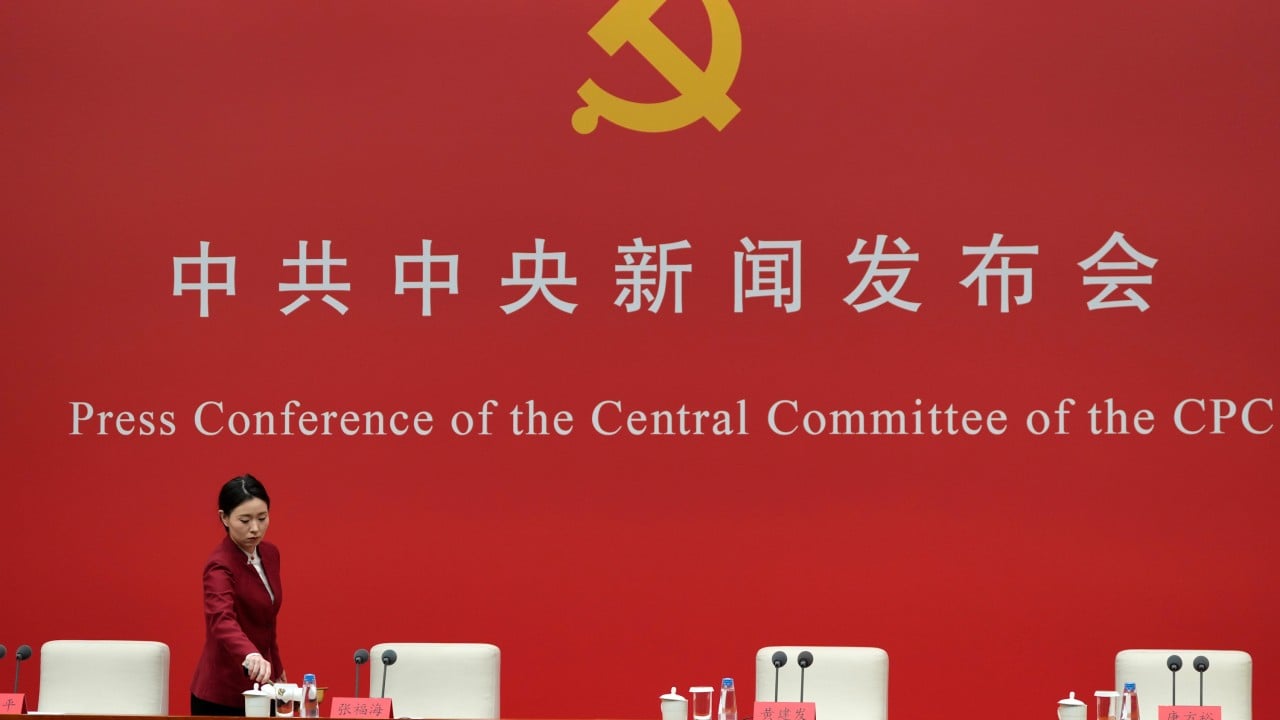
Beijing promoted 10 officials to full membership of the Communist Party’s Central Committee at a major political gathering this week, where the normally routine process of filling vacancies took on new significance. The names of the officials who have filled the vacant slots were included in a communique released at the end of the fifth plenum of the party’s 20th Central Committee on Thursday. The event, which focused on party discipline and the fight against corruption, confirmed that 24 full...

New Everest film hopes to nudge US-China relations into a higher altitude
The film Everest: The Other Side, a collaborative US-China project that opened on Friday in 515 US cinemas and that will premiere at 700 IMAX theatres in China on November 6, starts with a majestic shot of the world’s tallest mountain. Then the music builds and more challenging weather rolls in, foreshadowing what is at stake. The film invokes a well-trod narrative for fans of the mountaineering genre: a mix of the grit and sacrifice driving world-class climbers, along with no small amount of...
China helps dismantle major meth trafficking network in Southeast Asia
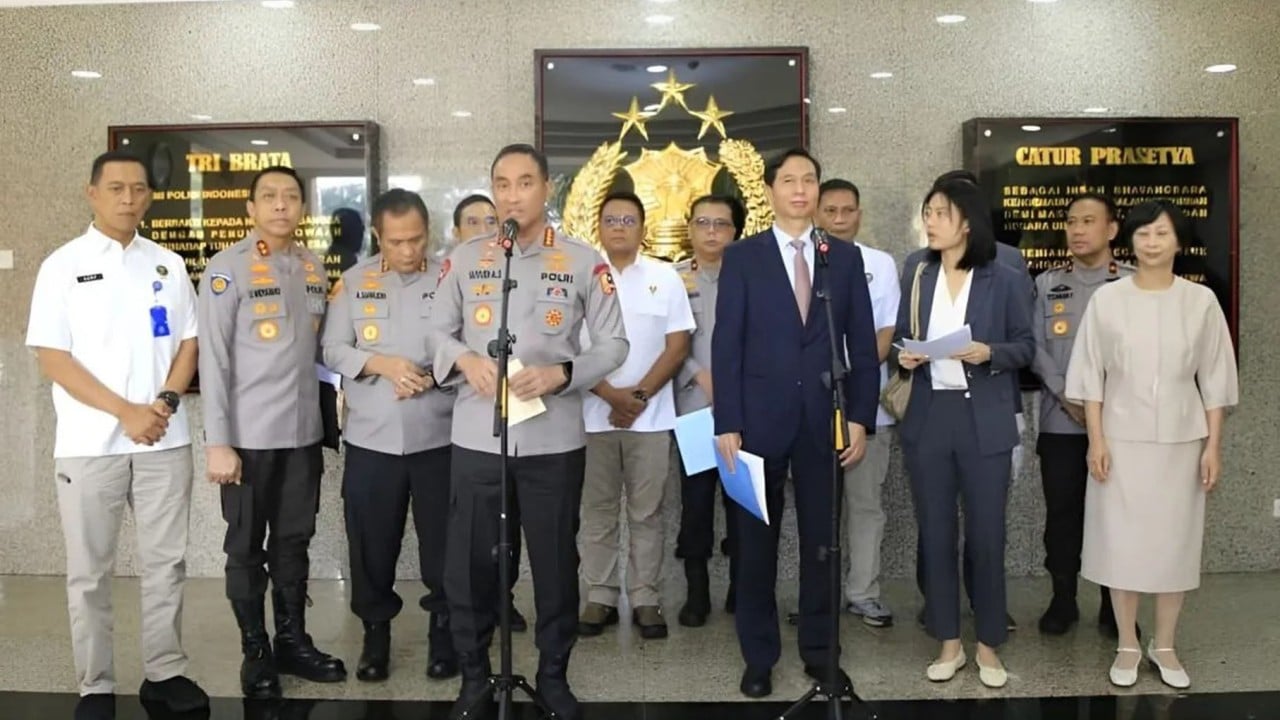
China has broken up a major transnational drug trafficking network in cooperation with Indonesia and Malaysia, seizing around 1.2 tonnes of liquid methamphetamine, China’s Ministry of Public Security said on Friday. The operation was carried out on October 21 by Indonesia’s National Narcotics Agency (BNN), which raided and shut down a large-scale drug processing and purification facility in Aceh, Indonesia, and arrested 11 people, with help from China’s National Narcotics Control Commission...
Is Donald Trump’s ‘Chinamaxxing’ pushing Beijing’s soft power?
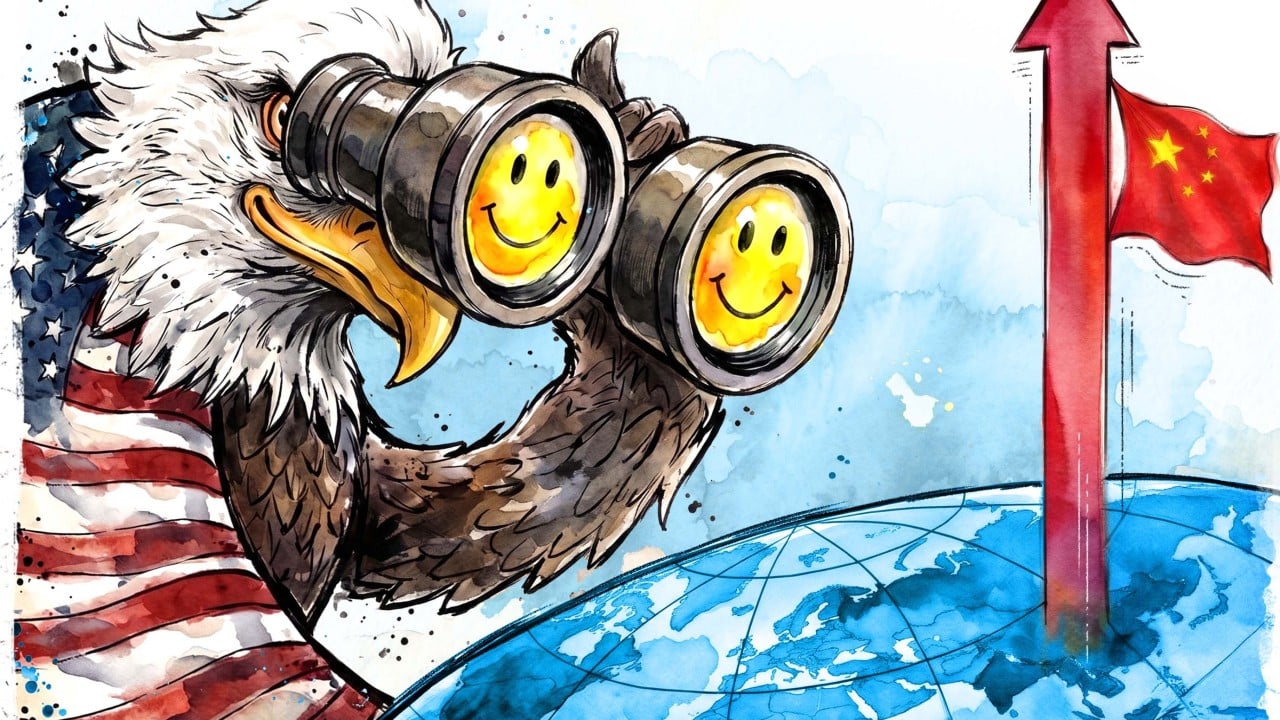
In May, Donald Trump touring Beijing’s Temple of Heaven – bathed in golden light as traditional Chinese music played in the background – was an unlikely image of US-China relations. For Julian Gewirtz, a former China official on president Joe Biden’s National Security Council, it also had a familiar Gen Z twist. “Trump, strange as it is to say, is Chinamaxxing,” he wrote in a Substack post at the time. The social media trend celebrates the features of Chinese life, from high-speed trains and...
US Democrats prepare to counter any Trump claim of foreign meddling in midterms
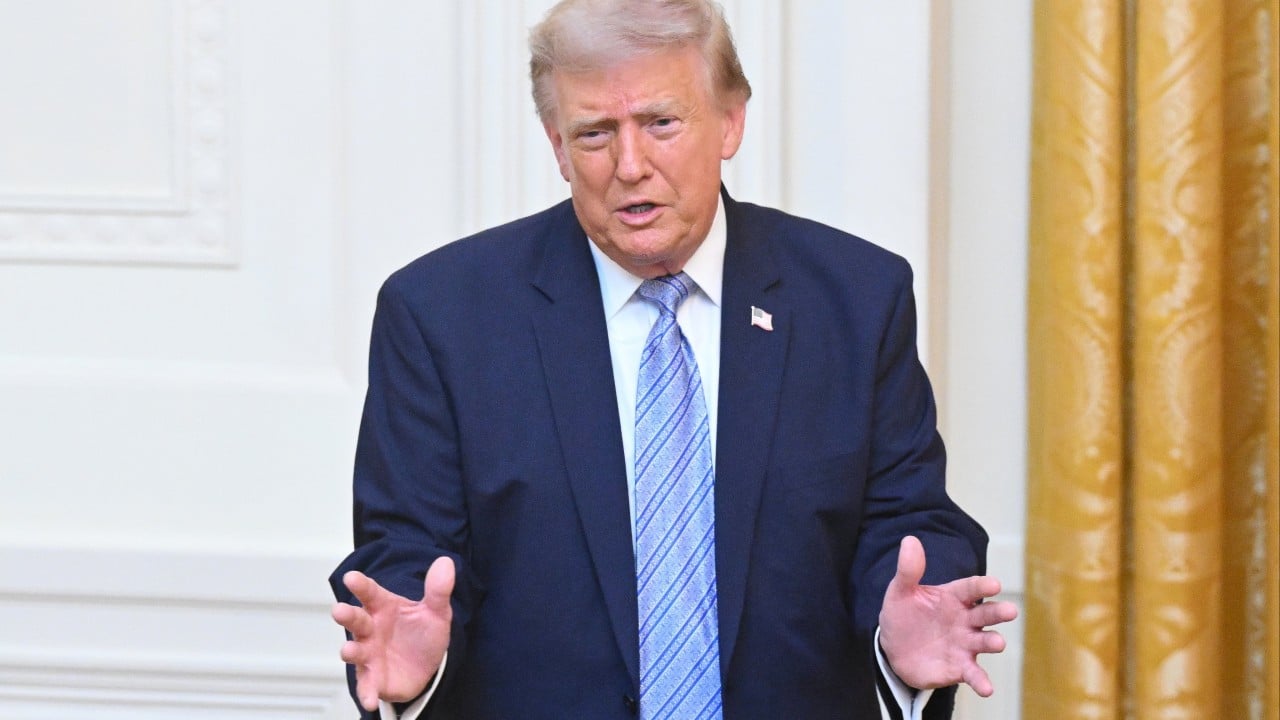
Top Democrats on the US congressional intelligence committees say they are preparing to check and respond to any claim by US President Donald Trump that foreign powers interfered in the November 3 midterm elections, even though they say they have seen no sign of any country interfering with voting or vote counting. The concern comes as Democrats lead by eight points among likely voters in the fight for control of Congress, according to an October 27 PBS News/NPR/Marist poll. It also follows a...
The flaw in Australia’s ‘China threat’ thesis
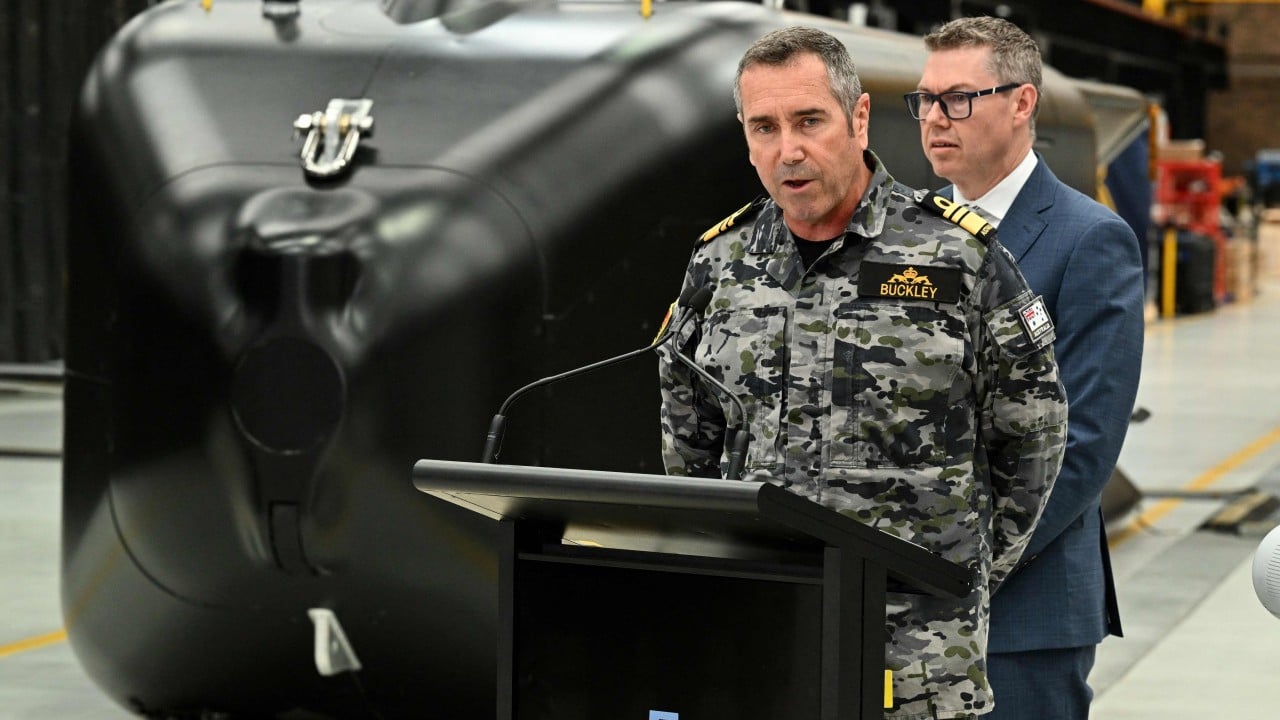
Australia’s preparations for a possible conflict with China reflect “a relatively superficial understanding”, argues prominent economist John Edwards. Europe, Canada, Indonesia, Malaysia and India, he notes, are not preparing for such a conflict. Why should Australia? Edwards, a former senior economic adviser to former Labor prime minister Paul Keating, makes the observation in a Lowy Institute paper released in October and in a newspaper interview. Instead, he sees US-China rivalry as a...