
One year after protests shook China, participants ponder the meaning of the brief flare of defiance
Nov 28, 2023
A year ago, Li Houchen was on the streets of Shanghai, hollering “Freedom!”
BEIJING (AP) — A year ago, Li Houchen was on the streets of Shanghai, hollering “Freedom!” to protest China’s harsh “zero COVID” policy and growing authoritarianism.
He was one of
thousands of people demonstrating across China
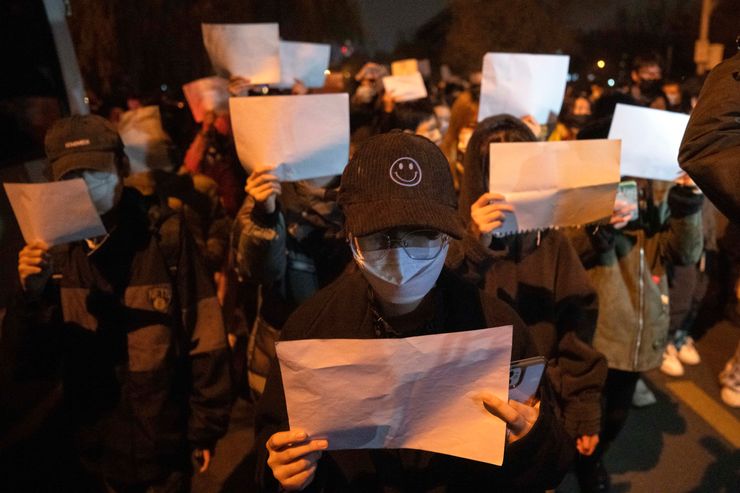
in what came to be called the White Paper movement, after the blank sheets of paper protesters used to represent the country’s strict censorship controls.Yet one year later, China has all but forgotten the protests. The state reacted quickly, breaking up the marches with arrests and threats and
abruptly lifting COVID-19 controls
.The protests were a brief flare of defiance, the most direct challenge to the Communist Party’s authority in decades. For the young people who took part, it was their first protest. Now, many of them are pondering what’s next.
Today, Li lives in Tokyo, fulfilling a vow to himself to leave his homeland and go into exile to document the tumultuous events in China last year. He’s written a 448-page book,
“Records of the Plague Year: From The Shanghai Lockdown to the White Paper Revolution,”
hoping to fill in the blanks of state censorship.“People in China easily forget,” Li said. “In China, you’re not allowed to remember.”
___
Li, 37, and others of his generation grew up at the height of China’s reform and opening period, when the economy soared and internet chatrooms teemed with critical discussion.
But after hard-line leader Xi Jinping came to power in 2012, things changed, Li said. Lawyers and intellectuals were arrested, critical voices silenced, and the internet, once free, filled with nationalist propaganda instead.
Xi’s crackdown “was a betrayal” for liberals like him, Li said. Xi broke the unspoken compact many thought the government had with its people — that it would bring prosperity and openness, as long as they didn't touch politics.
When the coronavirus began sweeping the world, Xi’s tough new approach to governance won support among many in China. For two years, measures like mandatory testing and mass quarantines succeeded in keeping the virus at bay even as it ravaged other countries.
But last year, the virus grew milder but more infectious, making it less dangerous but tough to keep under control. Beijing stuck stubbornly to its zero-COVID controls, resorting to draconian lockdowns to keep the virus from spreading.
A turning point came when the virus spread in Shanghai and the government put the city under lockdown. For two months, residents were trapped in their homes.
Some went hungry,
while others were grabbed by police and forced into centralized quarantine centers with thousands of others.Shanghai was just one of many cities put under brutal lockdowns. But as the most developed and cosmopolitan city in China, its suffering came as an intense shock to its residents, drawing global attention.
It set the stage for the White Paper protests, which started with
a deadly apartment fire in Urumq
i in China’s northwest Xinjiang region. Many questioned whether those who burned to death couldn’t escape because they were locked in their homes — one of the tactics authorities used to stem the spread of the virus.Anger flared. United in their frustration with COVID-19 controls,
people hit the streets of Urumqi
, and students across the country held memorials to mourn the fire’s 10 or more victims.As hundreds crowded one memorial in Shanghai, mourners tussled with police. Then some shouted slogans, escalating until the crowd began chanting:
“Xi Jinping! Step down! CCP! Step down!”
Videos of the protest spread online, electrifying those unhappy with the state’s control. The next day, thousands gathered in Shanghai and over a dozen other cities across China, holding up sheets of paper, shouting slogans and jostling with officers.
Li was among them, tears streaming down his face.
“This was the first street protest for my generation,” Li said. “Not in any sense did I expect something like this to happen in China.”
Yicheng Huang, a Ph.D. student, was at the same protest that Sunday. He warned others around him to stand closer to the back to avoid police attention. “I was being very careful that day,” he said.
His caution proved futile as police swept through the crowd. Police dragged him away upside down, he said, scraping his face and jaw, and shoved him into a bus. When a police officer was busy hitting another protester, he seized his chance and escaped.
“Sometimes it doesn’t feel real,” he said. “It was a little like dreaming.”
The protesters were scattered, scared, and easily dispersed. Under Xi, the space for civil society has vanished, and pervasive digital surveillance has kept dissent under tight control.
___
The government moved swiftly to quell discontent. Days after the protests, Beijing announced it was dropping many measures against the virus — a victory for the protesters.
But then came
the crackdown
. In cities across the country, police opened investigations into those who had participated. Protesters were hauled in for questioning, police knocked on doors of relatives, and some were detained weeks or months after the brief flare of anger.Even now, one year after the protests, authorities continue harassing participants and their families, according to six people who spoke with AP.
Huang, the arrested student who escaped, made it to safety in Germany after the protests. But after a media interview, his mother was taken for interrogation.
Despite the risks, he continues to speak out. He said he wants everyone to remember, not just the protests but all the things that happened throughout the pandemic leading up to the fateful weekend.
“The entire zero-COVID policy, from Li Wenliang to the Huanan Seafood market, 2021, 2022…to the White Paper Movement, to this sudden opening, the fact that an entire society can collectively forget this,” Huang said. “A country like this is terrifying.”
One young man, who asked to be identified by his online persona QiangGuoFanzei to avoid further government retribution, said his father was visited twice by authorities in China this year, long after he stood in front of San Francisco’s Chinese Consulate last November and shouted “Xi Jinping, step down!” Out of fear, he cut off contact with his father and doesn’t plan to return to China, he said.
A graduate student in the U.S. who asked to be identified by his last name, Lau, because of fear of harassment by Chinese nationalists, said he was taken by police for interrogation twice when he visited his relatives in July this year in China. Officers took him to a hotel and grilled him past sunset about his participation in political events and discussions online, he said.
Zhang Junjie, a 19-year-old freshman at Central University of Finance and Economics in Beijing, photographed himself holding up a blank sheet of paper in a solo protest.
His school forced him to sign a waiver claiming he was ill, then called his father to take him home. Back home, Zhang was institutionalized, confined to a mental hospital for weeks at a time. Eventually, he fled to New Zealand and has vowed never to come back.
___
The rare burst of nationwide protests did not transform into lasting political change. Though Beijing dropped COVID-19 controls, Xi only strengthened his grip on power.
After China reopened, the government declared victory over the virus. The protesters scattered, many abroad. Others have fallen silent. Today, few want to speak of the past.
Li, the podcaster in Tokyo, said he is “a little disappointed” that the protests petered out. After he started sharing his book on the protests, many asked, “Why are you bringing this up again? It’s nonsense to bring up these memories.”
But Li spent a year pondering the meaning of the protests, and he believes they were a watershed.
No, China wasn’t about to succumb to revolution. Yes, much of the country wants to forget.
But for many, zero-COVID, the protests, and the chaotic exit from virus controls that followed, shattered the illusion of state competence and China's unstoppable rise.
“It broke the narrative that China would become the new superpower and beat the U.S.,” Li said. “It ended the Chinese dream.”
___
Wu reported from Bangkok.
MORE NEWS

Why Is Real Madrid Appologising To China? The Multi-Million Dollar Answer
Real Madrid apologised to China after Kylian Mbappe’s Mao comments sparked backlash, sponsor exits and a La Liga broadcast suspension. But what is at stake?
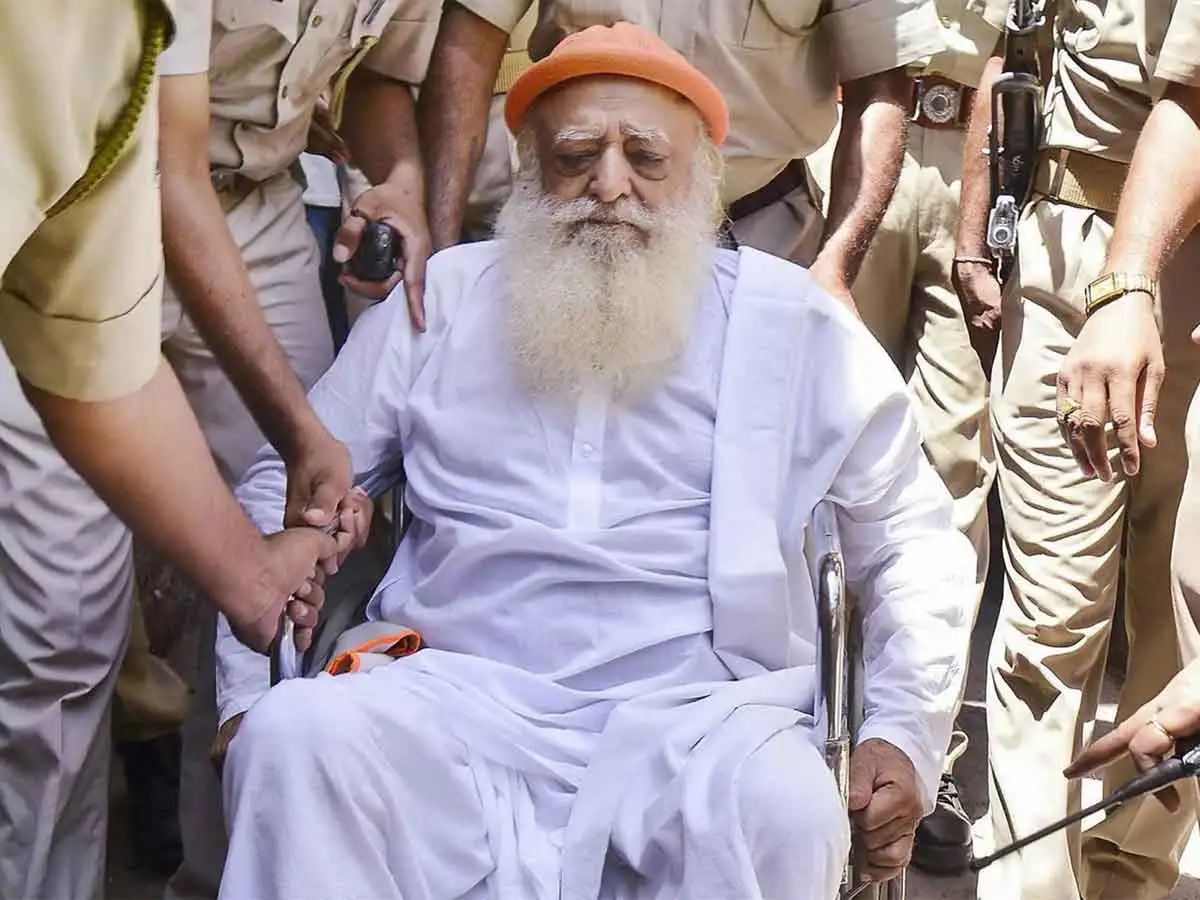
Out on parole, Asaram fails to return to Jodhpur jail on time; action initiated
The Ratanada police registered a case against the convicted godman under the Prisons Act on Tuesday night for failing to surrender within the stipulated time, even as the jail authorities refused to admit him due to the late hour.

Haryana ERC puts Eleven Power’s parallel power distribution licence on hold
The commission’s decision follows a state government directive issued under the Electricity Act, 2003, raising concerns over financial and consumer implications
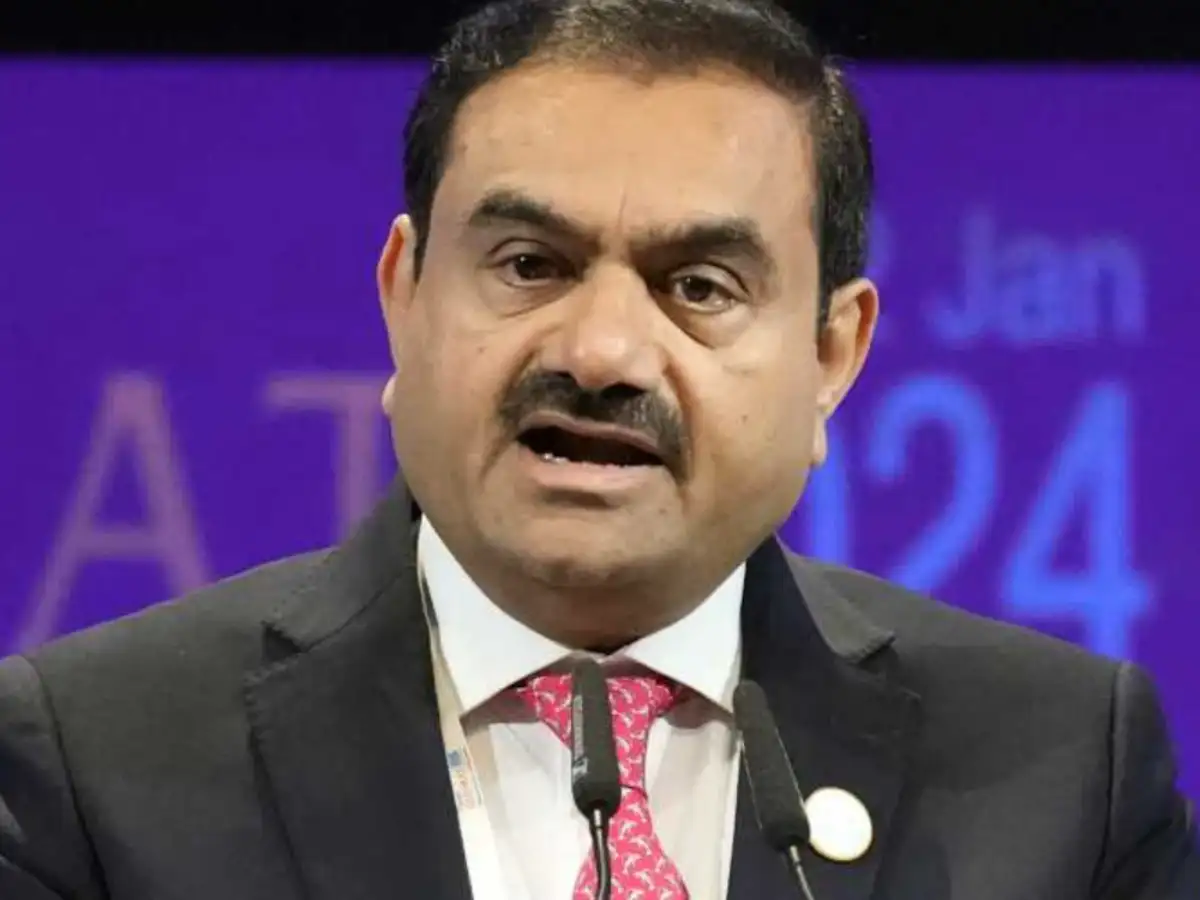
Adani said to weigh deal for €3 billion energy storage firm VTTI
Billionaire Gautam Adani is reportedly exploring a potential acquisition of Dutch energy storage group VTTI. Supply disruptions have made VTTI's facilities increasingly valuable for energy trading, attracting multiple suitors. A deal could value VTTI at around €3 billion, with IFM Investors and Vitol owning significant stakes. Adani Group has been evaluating international acquisitions to accelerate its growth in various sectors.
School Holiday October 29: Which states have announced closures due to Cyclone Arnab? Will schools in Delhi, Punjab and other North Indian states remain closed for Karwa Chauth? Check state-wise updates
School Holiday October 29 news: Schools in Andhra Pradesh, Odisha, and Jharkhand will close on October 29 due to Cyclone Arnab. Karwa Chauth is also observed on this day, affecting school holidays. While Delhi government schools declared a holiday, private schools may vary in their schedules. Parents are advised to check with individual schools for updated holiday information. District administrations will provide details regarding school closures based on local weather conditions.

Real Madrid issues apology to China over Mbappe’s Mao remarks
Real Madrid has issued an apology to China over Kylian Mbappe’s controversial remarks about the late Chinese leader Mao Zedong, after the Spanish football club’s initial response failed to quell anger in China. In a statement published on its website on Wednesday, the club apologised to the Chinese people for “any discomfort” caused by the French footballer’s remarks, a day after Mbappe issued his own public apology. The apology came after Chinese state broadcaster CCTV Sports rejected Real...
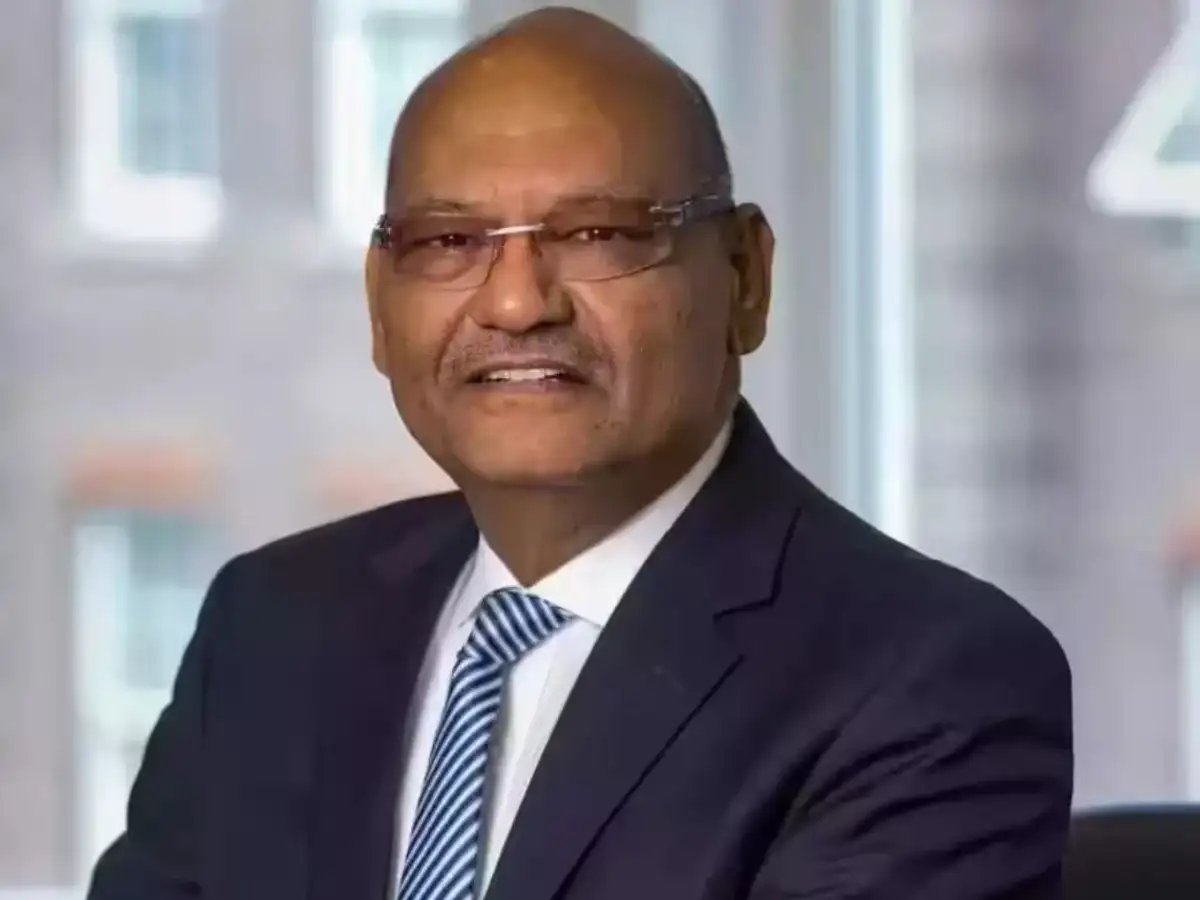
Vedanta explores Rs 80,000 crore investment in West Bengal, says Anil Agarwal
In a bold move, Vedanta Group's Anil Agarwal announced an investment strategy of Rs 70,000-80,000 crore in West Bengal, set to foster job creation for around 10,000 individuals. He conveyed confidence in the state's manufacturing potential and the necessity of leveraging local resources. This announcement came during a key meeting at Nabanna, highlighting Agarwal's commitment to positioning India as a manufacturing powerhouse on the global stage.
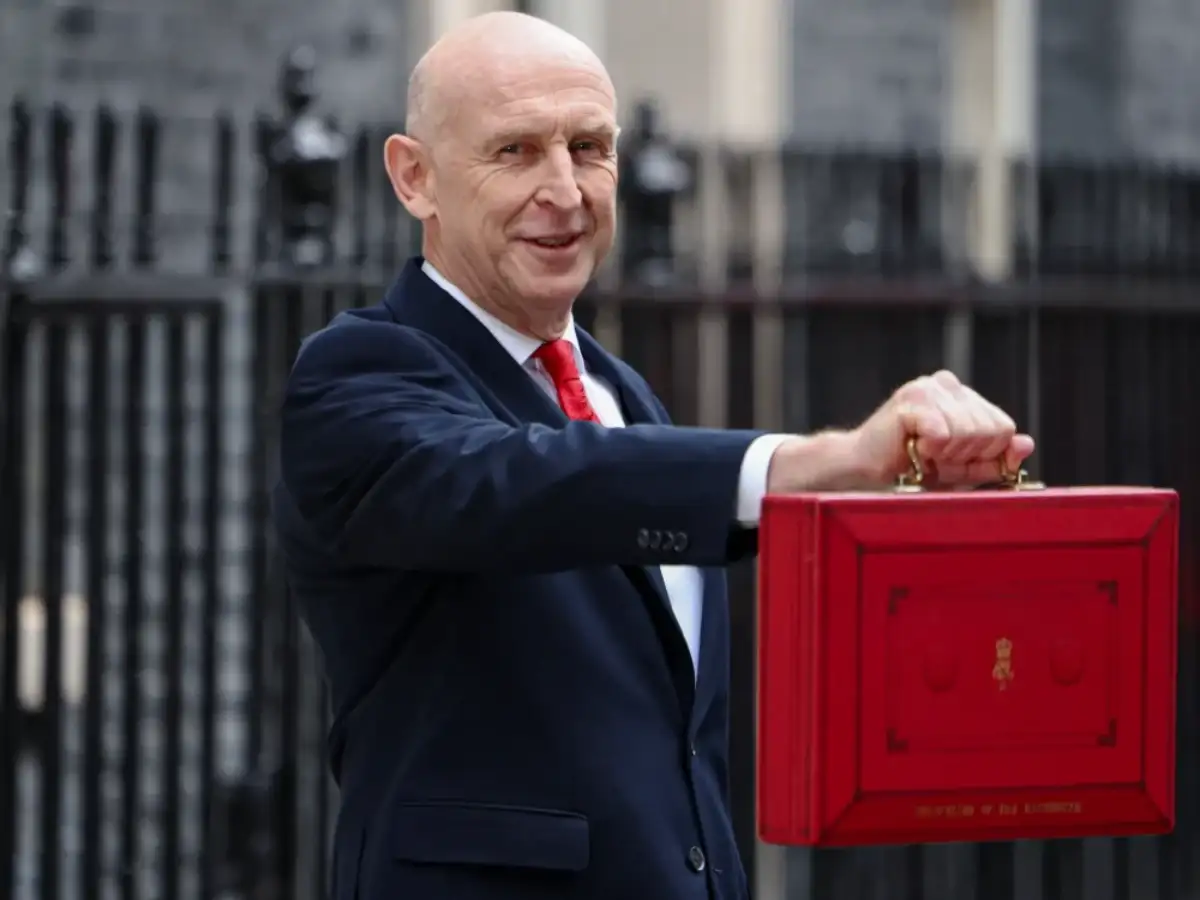
British PM Burnham commits to 'strongest possible' links with India in Diwali address
During his first Diwali as Prime Minister, Andy Burnham expressed his commitment to strengthen UK-India relations. The celebration at 10 Downing Street included lighting lamps and cultural performances. Burnham emphasized the importance of harmony among various communities in the UK. Key speakers highlighted the ongoing free trade agreement between the two countries and its benefits. The festive events reflect the growing partnership between the UK and India.
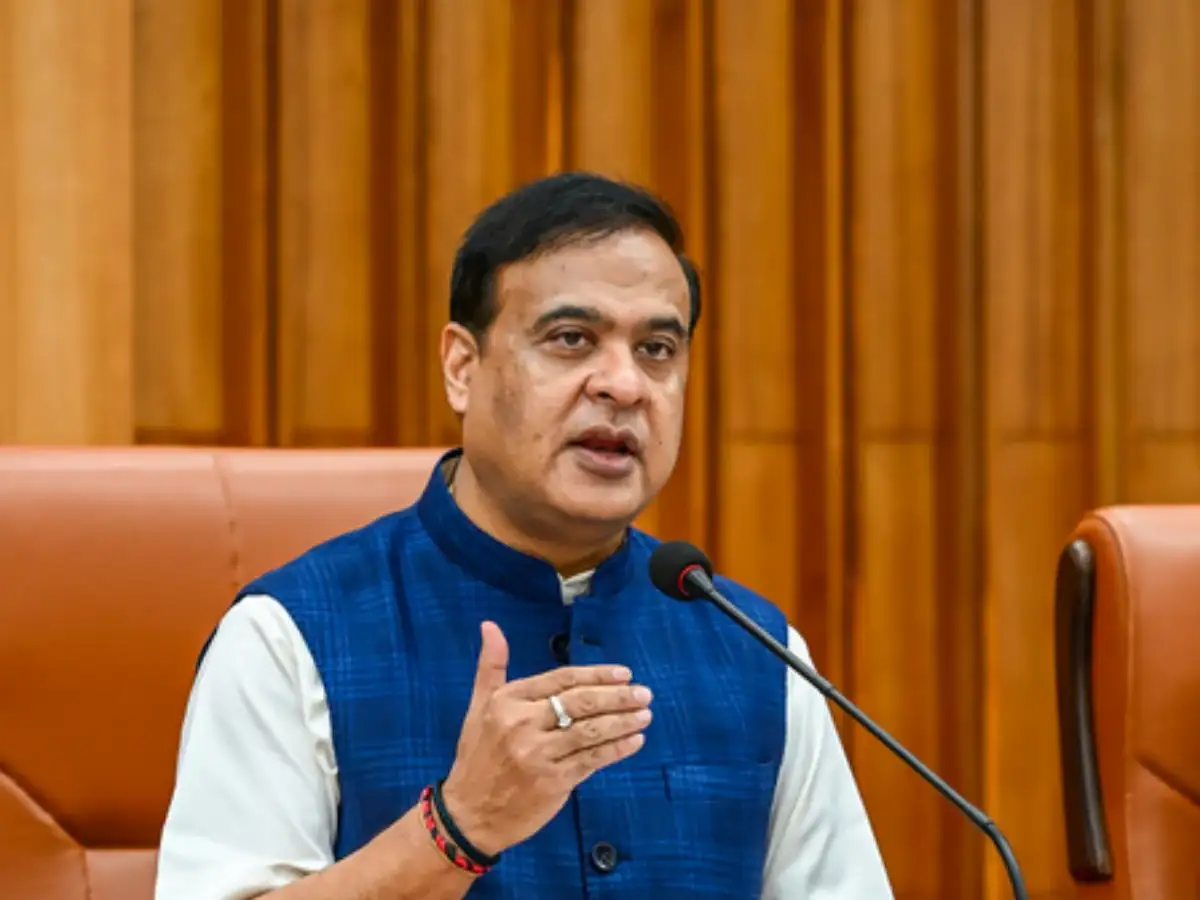
Assam Chief Minister chairs two crucial meetings in Dibrugarh to safeguard indigenous land rights
Assam's Chief Minister Himanta Biswa Sarma convened a series of meetings in Dibrugarh, concentrating on securing land rights for indigenous peoples. The gatherings highlighted challenges related to land distribution for tribal families, particularly within the Moran and Matak communities. To aid in resolving these issues, youth will receive training for online applications, reinforcing initiatives aimed at preserving and respecting the land ownership of tribes in Upper Assam.

YouTube Outage: Thousands of users reportedly facing problems, reports claim issues with Google Search and Gmail too
Google services, including YouTube and YouTube Music, have reported significant issues on October 28, 2026. Thousands of users faced problems accessing these platforms, with complaints rising sharply throughout the day. Users encountered issues streaming videos and loading content, prompting discussion on social media. Despite reports of widespread problems, Google's official status dashboard shows services operational. The cause of these issues remains unclear and has not been confirmed by Google.
MoS Somanna sees 2028 message in NDA’s council poll sweep
Union Minister of State V Somanna highlighted the Congress party's failure in recent Legislative Council elections across multiple states. He pointed out that Congress did not secure any seats in Maharashtra, Karnataka, Bihar, or Uttar Pradesh. Somanna used these results to challenge Congress's claims regarding electronic voting machines and alleged electoral fraud. The outcomes are perceived as a negative reflection on the Congress government in Karnataka.