
New China 'crime' crackdown targets threats to party rule
Mar 16, 2018
Tibetan activists, housing petitioners and other campaigners are targets of China's newly begun crackdown against so-called organized crime
BEIJING — As Tibetans prepared to celebrate a Buddhist new year festival with prayers and dance, police officers went to schools, airports and public squares to read out "21 kinds of dark and evil forces," a list of new criminal targets.
"Number Two: Individuals associated with the Dalai Lama clique" — supporters of the Tibetan spiritual leader — said the list issued by the Chinese region's public security bureau. Slightly further down the list were people described as "Protecting the Mother Tongue" — those seeking to preserve the Tibetan language.
These targets are part of a new campaign against alleged organized crime in China that expands the range of people law enforcement officials can take into custody in the name of preserving peace and order.
Analysts say the crackdown will help President Xi Jinping win political support in village, county and other lower-level jurisdictions. That could boost his legitimacy as he prepares to rule the country indefinitely following a surprise move to abolish presidential term limits.
More than 10,000 people were seized within a month of the crackdown starting in late January. Its wide scope has raised concerns it will be used to ensnare political opponents of the ruling Communist Party and that police will have wide leeway to apprehend anyone they consider a troublemaker.
The official Xinhua News Agency reported that while previous campaigns against organized crime have focused on "social security," the latest drive aims to "strengthen political power at the grassroots level." In some local jurisdictions, particularly in rural areas, governments and industries are controlled by gangs.
The high-profile initiative encourages local authorities to go after "soft forces"— a reference to nonviolent behavior that the government nevertheless views as a threat to "political security."
Legal experts and rights groups said the political focus is troubling.
"Police are given too much power to handle cases at their own discretion, which is in violation of human rights," said He Weifang, a lawyer who has advocated judicial reforms.
"People worry that the crackdown on ordinary crimes will turn into ideological and political repression," he said. He noted that nonprofit groups with connections to the West, rights lawyers and some critical online commentators have been accused of threatening political stability.
In addition to Tibetan activists, announcements of the anti-organized crime drive have targeted Xinjiang "separatists," people with complaints about medical malpractice, and organizers of people who petition government agencies over grievances.
In Tibet, residents have protested what they regard as China's heavy-handed rule and worry that their culture is being destroyed through the steady erosion of their native tongue. Beijing, meanwhile, accuses the Dalai Lama of trying to split the territory from China.
Authorities said "zero tolerance" will be shown in the restive far western region of Xinjiang, where notices about the campaign said it would be combined with "anti-separatist" efforts. Ethnic Uighur Muslims native to the region have experienced increasing religious and other restrictions in recent years.
"It is a worrying sign that China's top court announced that those who 'threaten political security' would be targeted alongside drug kingpins, loan sharks and other types of criminals," said Maya Wang, a senior China researcher at Human Rights Watch.
The campaign could "easily double as a partisan purge," Wang said in a statement.
The potential for abuses from a crackdown of this nature was shown in 2009. Bo Xilai, then party chief of the southwestern city of Chongqing, led a crackdown on alleged criminal gangs that was later shown to have also ensnared his political rivals. People who had been arrested and jailed later described being tortured and having their assets stolen by the authorities.
In the new crackdown, some police stations have posted quotas for how many criminals they sought to apprehend, and local publications have touted arrests.
"In one week, 1,481 people were captured," said a headline in a business newspaper in central Henan province. It said more than 10,000 officers were participating in the sweep.
One Henan police bureau said it would give 30,000 yuan ($4,740) to anyone who reports crimes by gangs that end up being prosecuted.
A police station in central Hubei province displayed its anti-gang efforts on the Weibo social media platform with images of officers inspecting businesses and questioning people in a dark room.
Police are spreading the message by holding public gatherings and meetings, handing out brochures and festooning buildings with banners.
The attention to so-called organized crime adds another notch to Xi's anti-corruption drive, which has taken down more than a million low- and high-level officials since it was launched six years ago.
Political commentator Hu Xingdou said while the anti-graft campaign strengthened Xi's grip on power at the top, the gang crackdown is aimed at "winning support from people at the grassroots level."
An opinion piece on the website of state broadcaster CCTV warned that while "high enthusiasm" for the crackdown is a positive thing, local authorities should not be "swept away" by quotas.
Wang Guoqing, spokesman for China's political advisory body, assured reporters that the anti-organized crime campaign would not become a competition between local governments seeking to improve their political records.
"Every case should be ironclad and able to stand the tests of history and the law," he said.
MORE NEWS
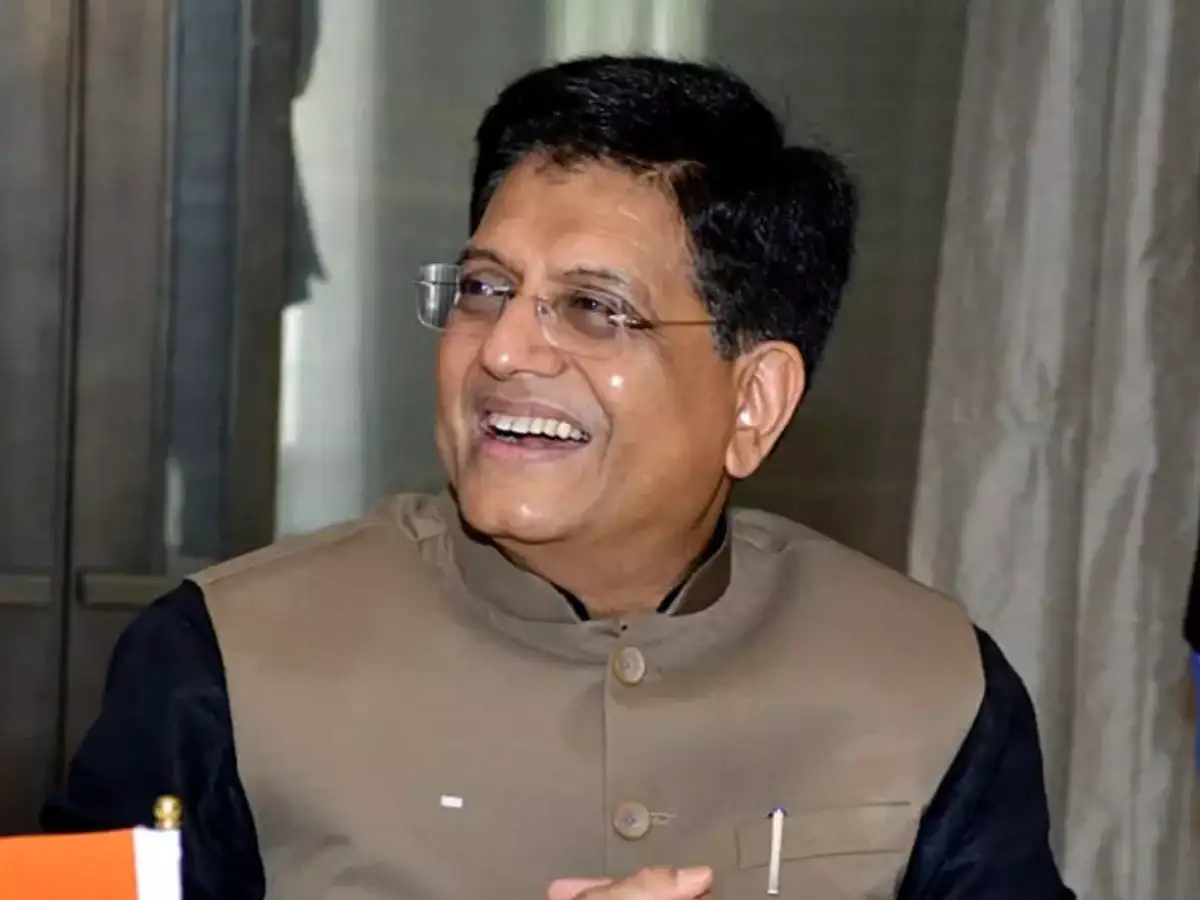
Just do it: Goyal's message to Nike on investment in India
Commerce Minister Piyush Goyal met with Nike executives in Milwaukee during the G20 Trade Ministers' Meeting. He encouraged them to enhance investments in India's growth story and local sourcing initiatives. Goyal emphasized the importance of deepening Nike's presence in the Indian market and expanding manufacturing opportunities. The discussions also focused on improving the broader sports ecosystem in India.




102-year-old woman watched US-Canada border change for nearly a century—then walked across the new Gordie Howe International Bridge
At 102 years old, Rita Georgeff from Windsor finally walked across the newly inaugurated Gordie Howe International Bridge, a moment she had dreamed of for two long years. Joined by her friends, she showcased incredible determination, leaving onlookers inspired. After admiring the scenic views, they made their way back to Canada, with Rita smiling as she expressed her desire to celebrate her 103rd birthday next year.


Many Americans overlook this: The new $7,500 IRA limit is one of the simplest ways to save on taxes in 2026, and it is still open today
The 2026 tax rules quietly give retirement savers more room to plan. The IRA contribution limit has climbed to $7,500, while 401(k), 403(b) and 457(b) limits have also increased. The standard deduction is higher, too. These changes may look modest individually, but together they can affect how much income you save, shelter or keep during the year.
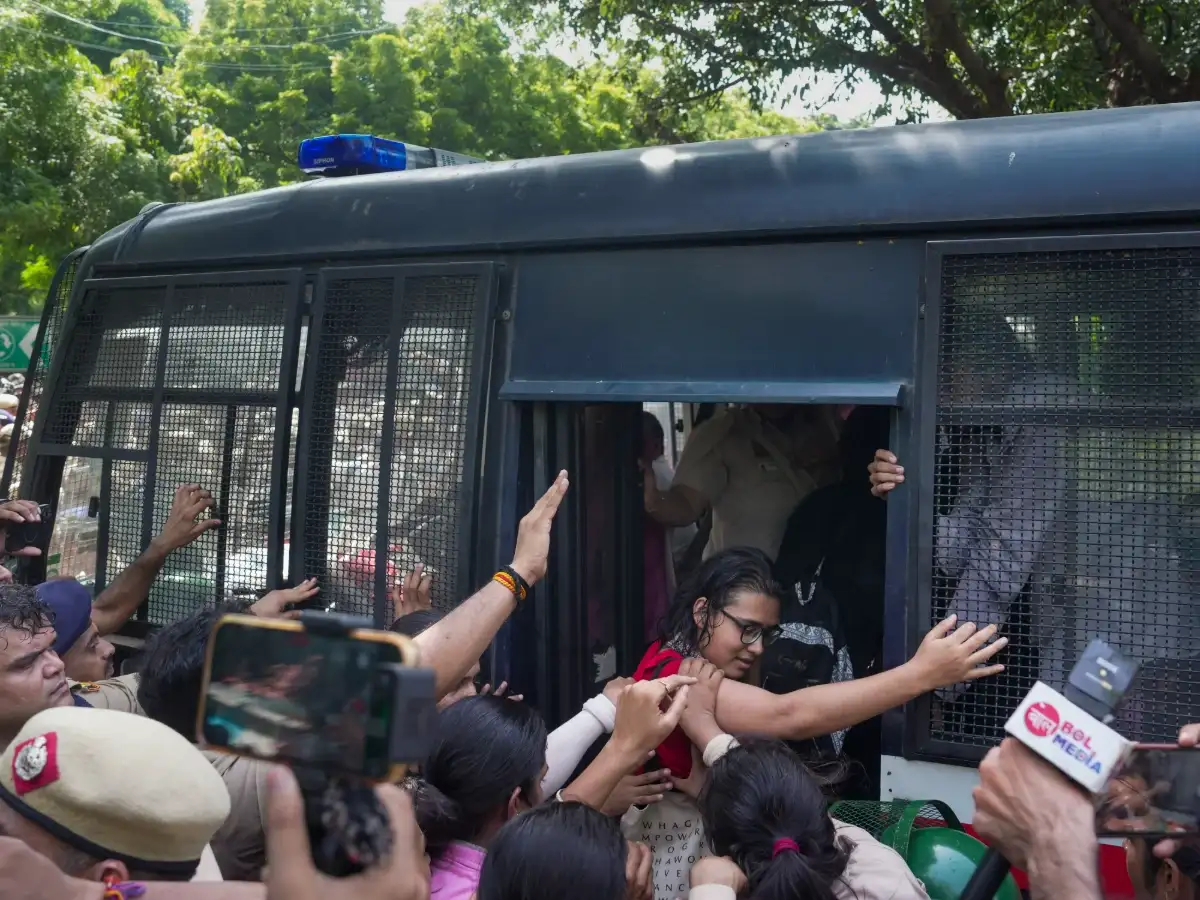
700 detained as AAP, student groups stopped from reaching Jantar Mantar
Hundreds of opposition activists protested in central Delhi, demanding the resignation of Chief Election Commissioner Gyanesh Kumar. The Delhi Police detained approximately 700 protesters, including members from various youth organizations and political parties. Internet services were suspended in the area, and major metro stations were closed for security. Protesters accused the Election Commission of irregularities in the electoral roll revision process and mass deletions.

'Needs to be invited to Israel': Ex-Dy FM Sharren Haskel seeks Medal of Honor for Capt Machchhar after Flydubai attack
Captain Smit Machchhar displayed remarkable bravery by thwarting an attack from his co-pilot during a flight. His courageous actions undoubtedly saved the lives of 180 passengers on board. Former Israeli Deputy Foreign Minister Sharren Haskel recommended that Machchhar receive Israel's Medal of Honour for his incredible efforts. Prime Minister Narendra Modi also applauded the captain's composure during the crisis in a video call.
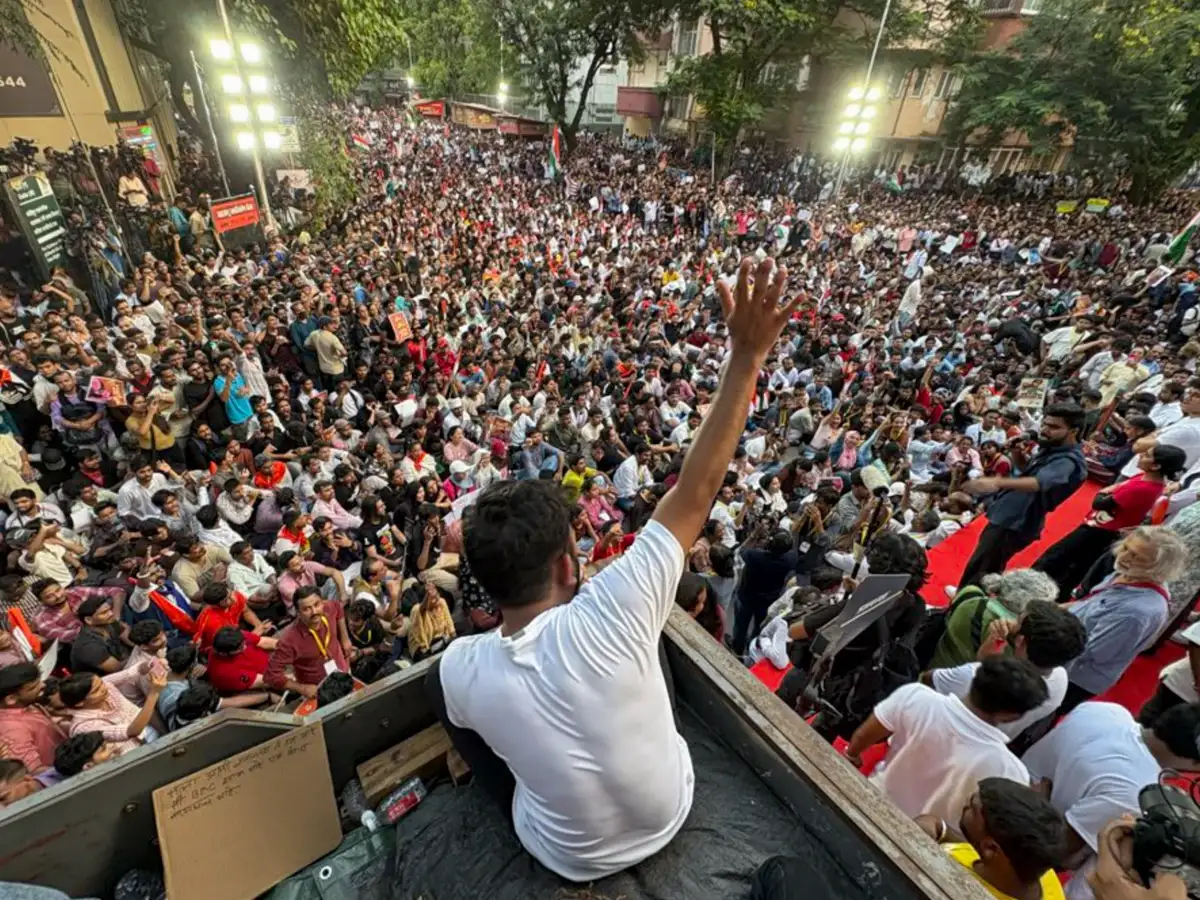
‘Shivaji Park, Shivaji Park’: Abhijeet Dipke takes auto-driver disguise to drum up CJP protest
CJP founder Abhijeet Dipke took an unusual route to rally support for Friday’s Mumbai protest, posing as an autorickshaw driver at Bandra station and calling out “Shivaji Park, Shivaji Park” to commuters. The outfit’s ‘Jail Bharo Andolan’ sought Chief Election Commissioner Gyanesh Kumar’s resignation amid the SIR controversy.

Trump’s $500 Obamacare refund checks are going out: Who qualifies, which 30 states are included and how the payments work
Eligible individuals who bought 2026 coverage via HealthCare.gov but did not receive premium tax credits may get a $500 payment. More than 950,000 people are included in this program across 30 states, but criteria vary based on income levels. Payments are automatically sent, either by check or direct deposit, without requiring application.