
Myanmar, UN sign pact on initial steps for Rohingya return
Jun 6, 2018
Myanmar and U.N. agencies signed an agreement that might eventually lead to the return of some of the 700,000 Rohingya Muslims who fled brutal persecution by the country's security forces and are now crowded into makeshift camps in Bangladesh
YANGON, Myanmar — Myanmar and U.N. agencies signed an agreement Wednesday that could eventually lead to the return of some of the 700,000 Rohingya Muslims who fled brutal persecution by the country's security forces and are now crowded into makeshift camps in Bangladesh.
The memorandum of understanding promises to establish a "framework of cooperation" that aims to create conditions for "voluntary, safe, dignified and sustainable" repatriation of Rohingya refugees but does not address Myanmar's denial of citizenship for the minority.
Myanmar's government said it hoped the pact would hasten repatriation, but rights groups still doubt it will let many Rohingya return or can guarantee the safety of those who do. Myanmar's statement didn't mention Rohingya, reflecting the government and the Burmese majority's insistence there is no such ethnic group in Myanmar. Instead it referred to them as "displaced persons."
Myanmar's security forces have been accused of rape, killing, torture and the burning of Rohingya homes in western Rakhine state, where most Rohingya lived. The U.N. and U.S. have described the army crackdown that began in August last year as "ethnic cleansing."
Predominantly Buddhist Myanmar and Bangladesh agreed in November to begin repatriating Rohingya. But refugees feared their lives would be at risk in Myanmar without international monitoring while Myanmar insisted they have identity documents, which most Rohingya have been denied.
Knut Ostby, U.N. Resident and Humanitarian Coordinator in Myanmar, said the agreement is an important first step toward resolving the crisis.
"There is a lot of work to be done. This task should not be underestimated," Ostby said. "We are talking about approximately 700,000 people who don't only have to return, but the conditions have to be right for them to return: the conditions both in terms of their identity in society, in terms of their safety and also in terms of services, livelihoods, a place to live, infrastructure."
The U.N. has said the agreement provides for its refugee and development agencies to be given access to Rakhine state.
It said that will allow the refugee agency to assess the situation and provide information to refugees about conditions in their areas of origin so that they can better decide whether they want to return.
The Myanmar government statement said assistance from the U.N. agencies would assist the work it has already started toward repatriation. It highlighted that it had cooperated with the U.N. a quarter century earlier in repatriating 230,000 "displaced persons" — Rohingya — who had fled violence in Rakhine to Bangladesh.
Rights groups remain pessimistic that the safe return of Rohingya refugees will ever be possible.
They point to a lack of firm commitments from Myanmar and its decades of hostility toward a minority that was denied citizenship by a 1982 law that excluded them from a list of recognized ethnic groups in the majority Buddhist nation.
"How will the Burmese government guarantee these people will not face again persecution?" said Kyaw Win, executive director of Burma Human Rights Network. "It is very politically convenient for the Burmese government to sign this agreement, and also never commit."
Some 125,000 of the Rohingya who remain in Myanmar are living in camps where their movement is restricted after being forced from their villages in 2012 by a wave of violence led by radical Buddhists and security forces.
"There's still been no movement to ensure Rohingya have equal access to full citizenship," said Matthew Smith, the head of advocacy group Fortify Rights. "Discourse around repatriation now unfortunately appears to be attempt by authorities to distract from mass atrocities and crimes taken place."
MORE NEWS

India’s Defence startups look beyond drones, towards maritime opportunities
The move is also opening opportunities in adjacent areas such as marine navigation, sensing and surveillance for State governments and civilian maritime communities
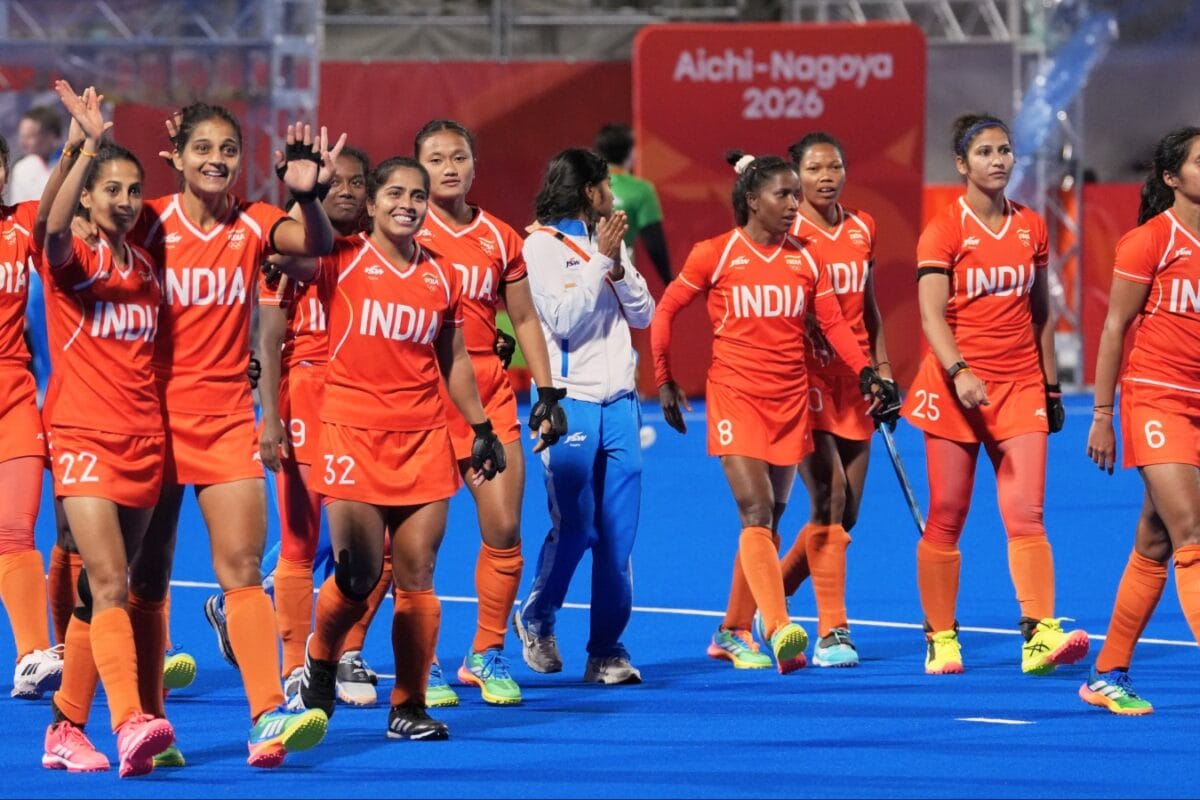
Asian Games 2026, Day 14 Wrap: India Win 6 Gold, Women's Hockey Team Ends 44-Year-Old Wait For Yellow Metal
India won three yellow metals in boxing through Lovlina Borgohain, Parveen Hooda and Ankush Panghal, and one each in archery, wrestling and women's hockey.

India Vs Pakistan Final Preview, Spin Strategy And World Cup Draw Analysed
India Vs Pakistan Final Preview, Spin Strategy And World Cup Draw Analysed

Man City launch appeal against guilty verdict in Premier League financial case
Man City launch appeal against guilty verdict in Premier League financial case
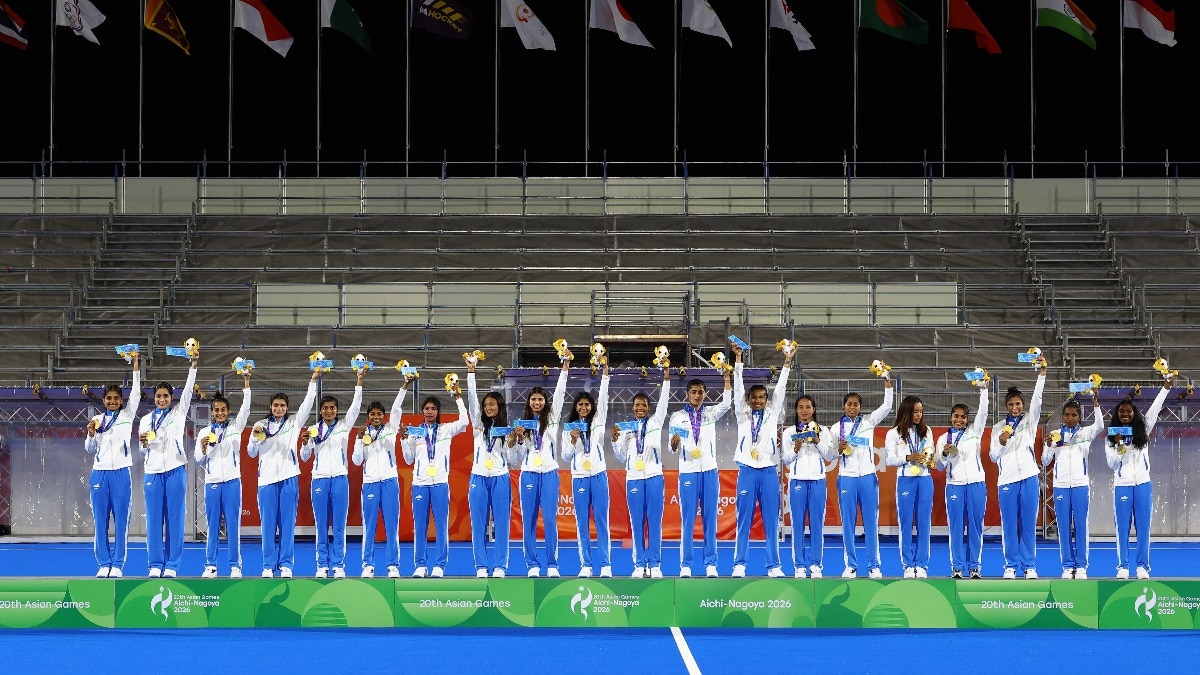
Lalremsiami struck, Savita stood tall: How India ended 44-year wait for hockey gold
Lalremsiami struck, Savita stood tall: How India ended 44-year wait for hockey gold
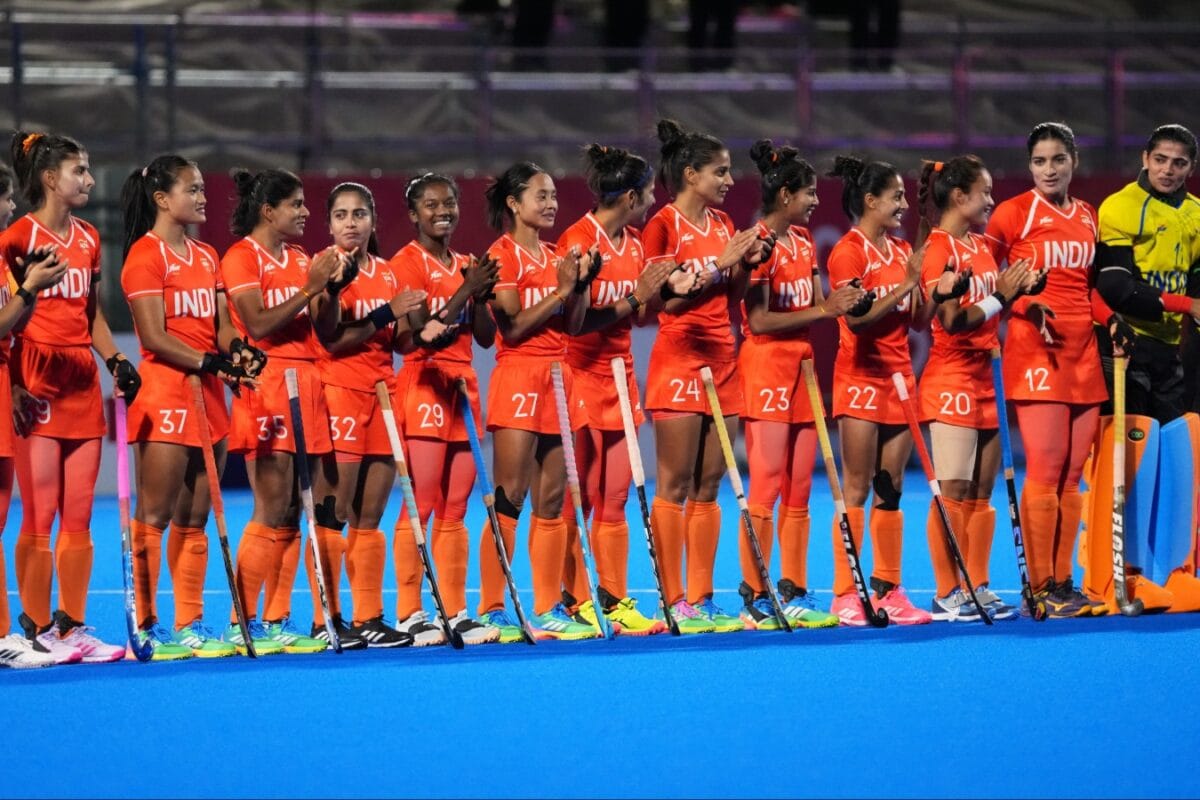
India's Wait Is Over! Women's Hockey Team Win Gold In Asian Games After 44 Years
India had last won the gold medal in women's hockey at the Asian Games during the 1982 edition of the Games.

Asian Games 2026 Day 14 Highlights: India Win 6 Gold, Extend Total Medal Tally To 76
Asian Games 2026, October 2 Highlights: On the 14th day of the Games, India won one gold medal in archery, three in boxing, one in men's wrestling and one in women's hockey.

India beat China to win historic women's hockey gold, seal Olympics berth
India beat China to win historic women's hockey gold, seal Olympics berth
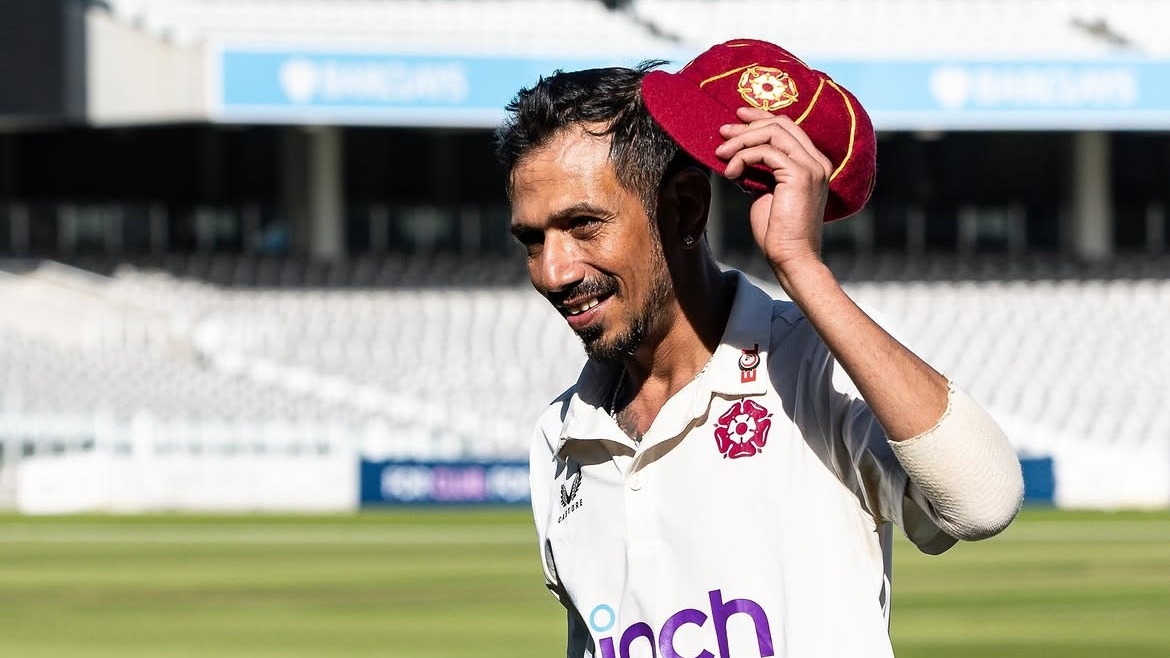
Yuzvendra Chahal calls time on red-ball cricket, but keeps India dream alive
Yuzvendra Chahal calls time on red-ball cricket, but keeps India dream alive
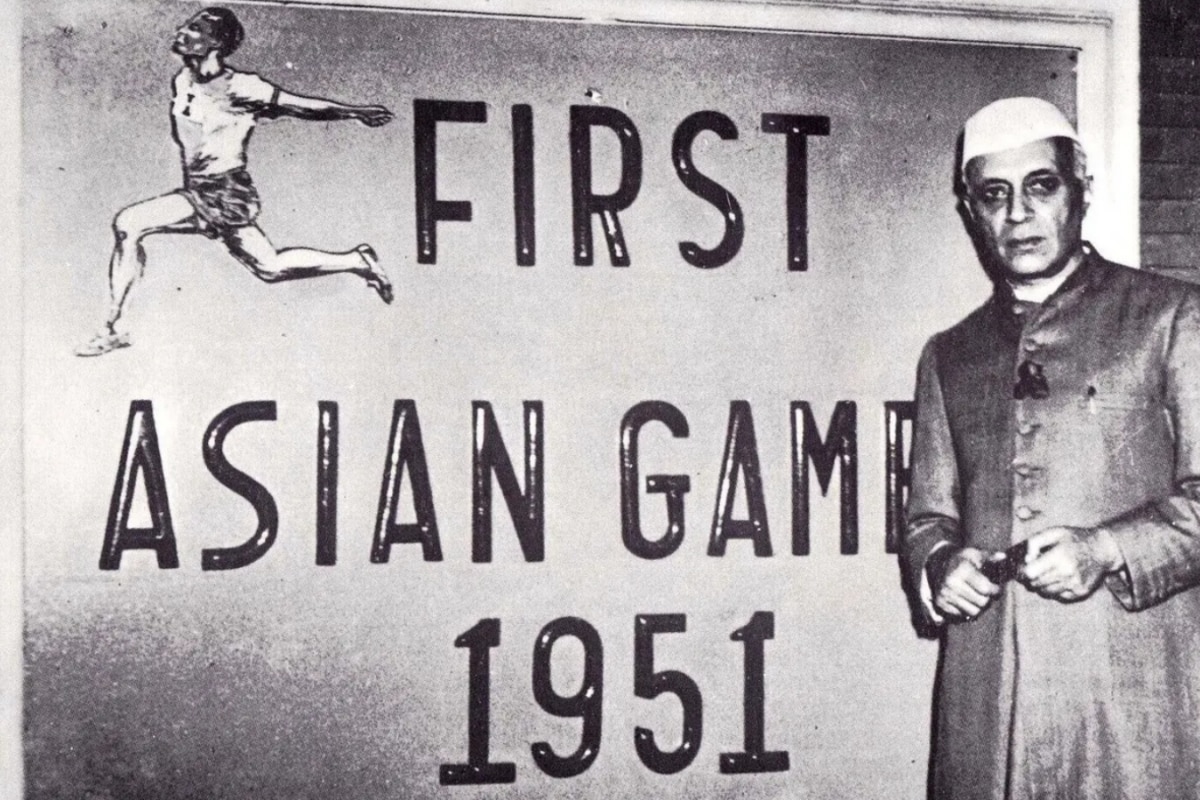
GK: Which Country Hosted The First Asian Games?
The Asian Games are one of the major multi sport event in Asia ehich brings together athletes from different countries to compete in various sports.

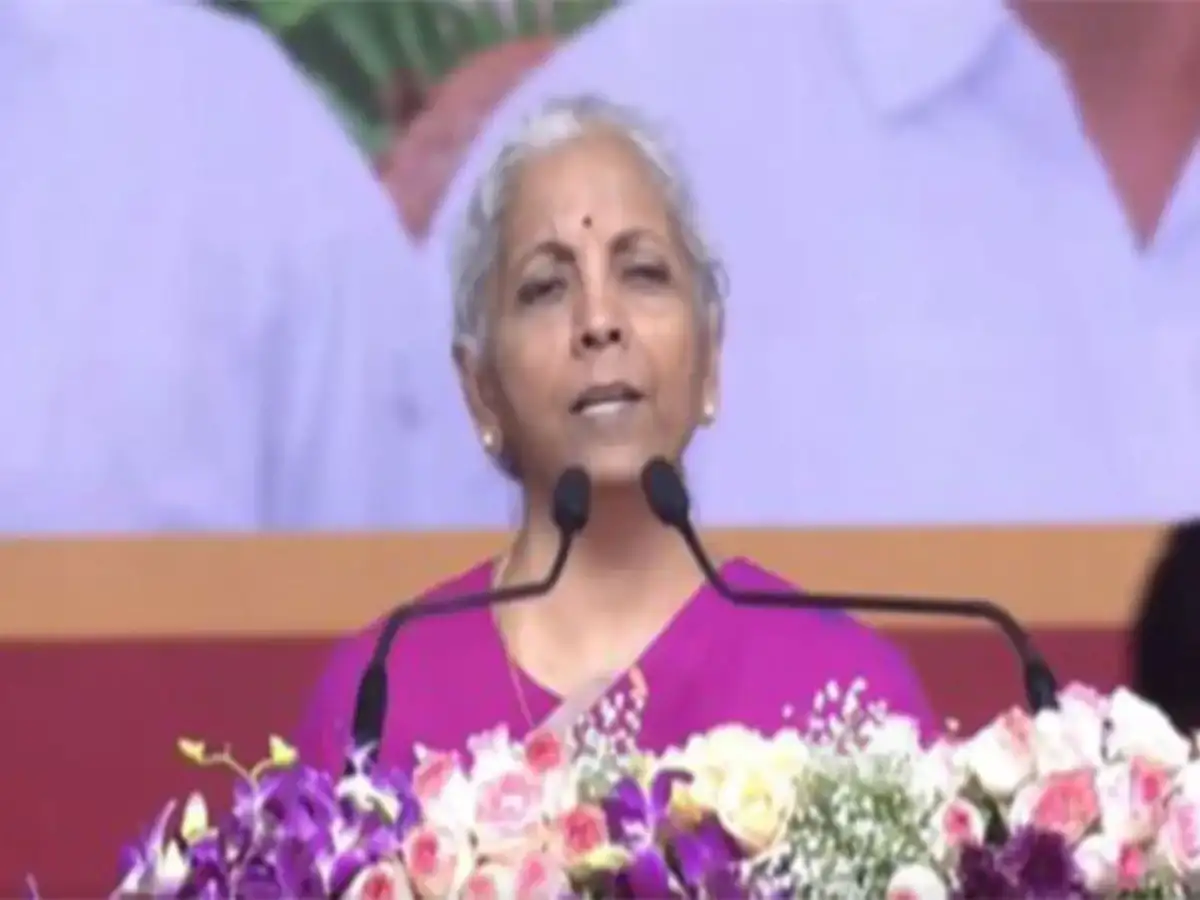
Govt absorbing up to Rs 2,700 per urea bag as global costs rise to Rs 3,000: Nirmala Sitharaman
Union Finance Minister Nirmala Sitharaman stated that the Centre absorbs a significant urea subsidy for farmers. This subsidy currently stands at approximately Rs 2,700 for each bag of urea. Sitharaman emphasised the government's commitment to providing essential farm inputs despite rising global prices. Additionally, her remarks highlighted ongoing efforts to support agricultural investment in Andhra Pradesh. These initiatives aim to ensure that farmers receive necessary resources and maintain economic stability.