
Myanmar propaganda? Army takes media on reporting trip
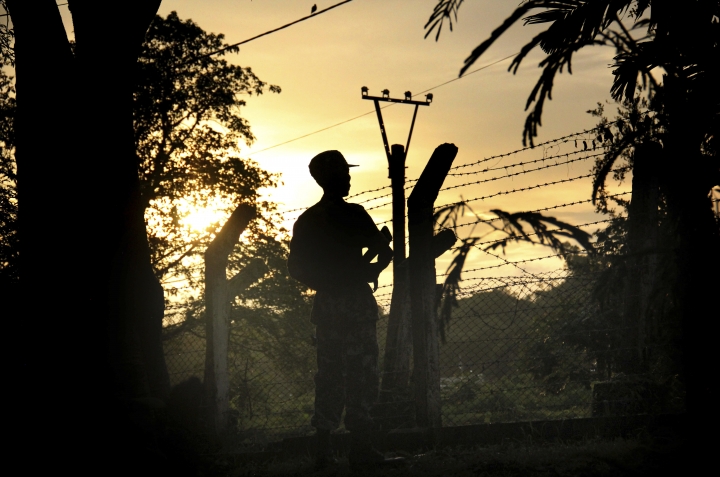
Jul 21, 2017
Myanmar's military, accused of committing genocide, brought 14 international journalists in a village in northern Rakhine state in an attempt to improve its image
KYAR GAUNG TAUNG, Myanmar — Myanmar's military has a big public relations problem: It stands accused of committing genocide.
Which is why I was among 14 international journalists escorted to a village in northern Rakhine state this past week on a guided press tour — the first time we were allowed into this area since last October, when the army began an aggressive counterinsurgency campaign in the heartland of the country's oppressed Muslim ethnic Rohingya minority.
The idea was to show that the army's hands are clean and to display openness, even as the government refuses to allow a human rights fact-finding team from the United Nations to enter the country.
It was hard to reach many conclusions. Our government handlers placed limits on how much we saw and heard. There were time constraints, guards and informers shadowed us, and official briefings mostly repeated familiar talking points. Reporting also was a challenge because many Rohingya villagers speak only their own language and only a few of the reporters even spoke Burmese.
But I learned enough to get at least a dim outline of an ongoing battle for hearts and minds.
___
Our five-day trip ended Sunday. Everywhere we went, I could see fear in people's faces, especially when police were with us. I learned how little access the Rohingya have to even basic services. The school attendance rate is less than one in 10; some schools exist but the transportation infrastructure to get children to them doesn't exist.
The five villages we visited in northern Buthidaung township are very remote; we spent much more time traveling to them — by boat and car — than actually in them.
Farmers and fishermen live in bamboo houses in settlements bracketed by rice paddies. Many small children don't wear clothes. The only boats visible in the nearby river were dugout canoes, nothing more elaborate.
Their lives are simple. Men plow the fields with their draft animals. Women stay home and cook and wash clothes and fetch the water.
It all seemed so normal.
But when we walked around, people's expressions made it clear they wanted to tell us something. We were on occasion able to get away from our security escorts — ostensibly there for our own protection — and talk to some.
The army is accused of carrying gross human rights violations against Rohingya villagers during a counterinsurgency operation launched after October's nighttime attacks by insurgent-led mobs resulted in the deaths of nine border guards and the theft of a cache of weapons.
Human rights groups accuse the government's security forces of mass killings, gang rapes and burning down villages.
There is evidence to support the allegations. Advocates for the Rohingya, working with a network of activists in Rakhine, circulated many photos and detailed accounts of alleged atrocities, mostly impossible to verify but not refuted either.
In Kyar Gaung Taung, one 20-year-old woman told us what happened when soldiers arrived in her village when the counterinsurgency sweeps began last year. Her story was very similar to accounts that circulated at that time but that we heard mostly secondhand.
When the troops arrived at her villages, she said, they seized her 60-year-old father and tied his hands behind his back. They then set fire to the family home and tossed her father in, she said. She spoke to journalists at the graveyard where her father's remains were buried.
The army was prepared with a response. "There are less than 10 cases involving killings by the Border Guard Police, and we have explanations in each case," Brig. Gen. Thura San Lwin told us later. "Even out of these 10 cases filed to the court involving killings, some of the complaints were fake and lies."
___
The U.N.'s human rights agency collected testimony from hundreds of Rohingya who fled to neighboring Bangladesh, concluding that rape was widely used by the army as a weapon of war and that civilian deaths were in the hundreds.
The New York-based group Human Rights Watch used before-and-after satellite photos to demonstrate that more than 1,500 houses and other structures had been burned down as part of the counterinsurgency operation. Less convincingly, the government attributed the arson to the insurgents and their sympathizers.
The allegations of abuse are credible not only because the army is historically notorious for mistreatment of other minority groups in the eastern side of the country, but also because there is a well-established pattern of hostility and violence directed by Buddhist ethnic Rakhines at the Rohingya population, estimated at upward of 1 million, most settled in this region.
The Rohingya were the targets of inter-communal violence in 2012 that killed hundreds and drove about 140,000 people — predominantly Rohingya — from their homes to camps for the internally displaced, where most remain.
Many others have been taken into custody. At one point, a group of women from another village glimpsed us and crossed some paddy fields to talk.
The women from War Pait village — I interviewed eight of them — said more than 60 men from their community were arrested for suspected links to the group that carried out the October attacks. Many were under 18, some as young as 13, they said. They've visited Buthidaung Prison a couple of times to see their sons, but none of the women knew exactly what charges their loved ones face or how long they will be held.
The violence is not one-sided, although the alleged brutality and scale of last year's army sweep tends to overshadow other ominous developments. The government claims, and the pattern of several dozen similar killings suggests, that these acts — some involving beheadings — have been carried out by the insurgents, targeting suspected informers or government collaborators.
It's evident that such activity is blowback from the army's vigorous counterinsurgency campaign, which had the predictable effect of serving as a recruiting tool for the militants.
Last year's presumed attackers of the border posts, relatively obscure at the time, have become very active on messaging networks such as WeChat to spread their propaganda. In March, they declared themselves the Arakan Rohingya Salvation Army.
And as the conflict gains more traction in the public eye, the government is grappling with how to get its message out — all while restricting access to the region. Included in this trip were four journalists from state-owned media.
Their only job, it seemed, was to document journalists from the international media — to keep track of us as we tried to tell the stories of others. We were on the front page of the government's English-language mouthpiece, The Global New Light of Myanmar, three mornings in a row.
As far as they were concerned, we were the news.
___
Esther Htusan is AP's correspondent in Myanmar, Yangon. Her work on human trafficking in the seafood industry was part of the winning entry for the 2016 Pulitzer Prize for Public Service.
MORE NEWS

Naval staffer among two arrested for spying for Pakistan: Andhra Police
Andhra Pradesh Police arrested two individuals as part of an espionage investigation involving contacts with Pakistani operatives. The arrests included a naval employee and a civilian engaged for naval officers. The Counter Intelligence Cell coordinated with police from ten states to track the suspects. Authorities reported that sensitive information was shared regarding defence establishments in India. Further investigation continues to reveal the extent of the conspiracy and other suspects involved.
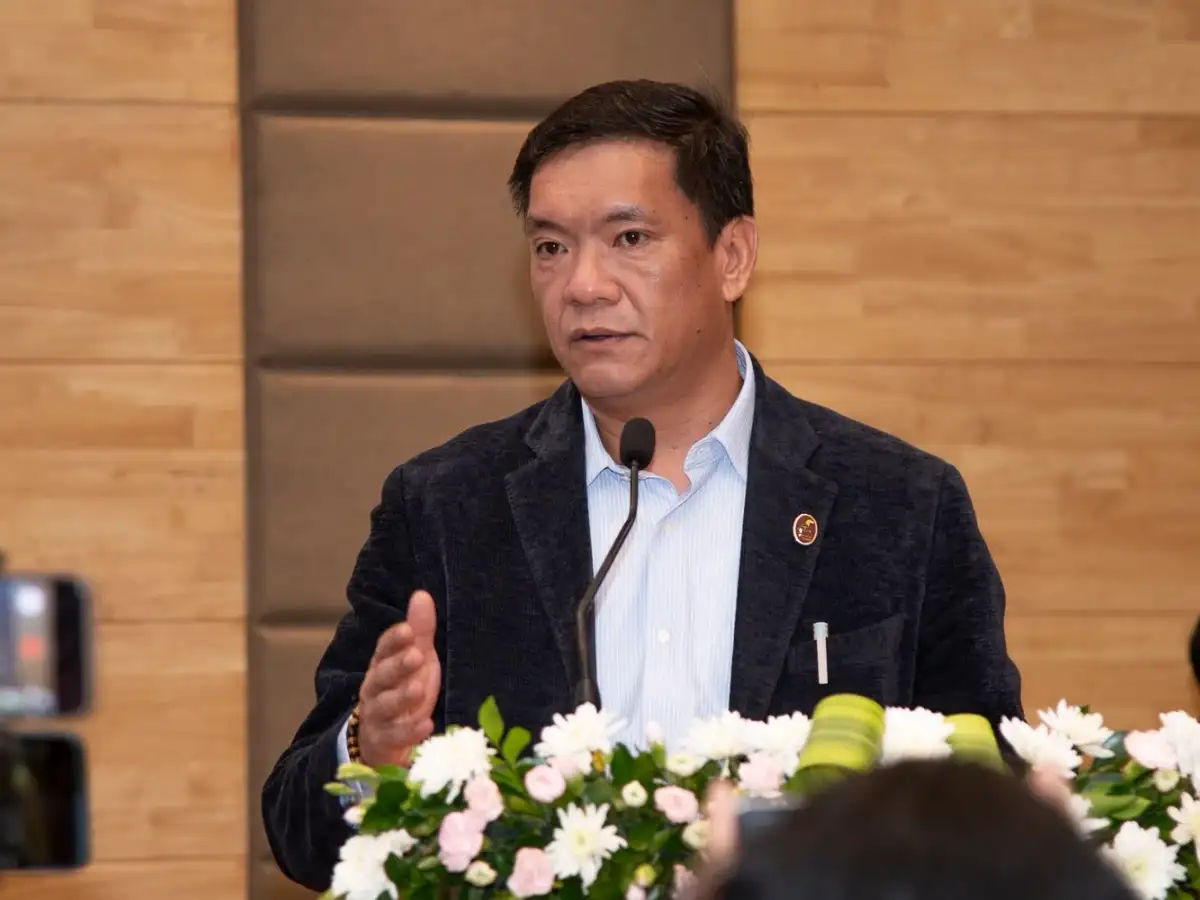
Hydropower presents massive investment opportunity with 19,000 MW projects underway: Arunachal Pradesh CM Pema Khandu
Arunachal Pradesh is focused on hydropower development, with 19,000 MW of projects in various stages. Chief Minister Pema Khandu highlighted the strategic importance of the Siang Upper Multipurpose Project and the need for public consultations. He emphasised conducting the Preliminary Feasibility Report before deciding on the project's construction. Several infrastructure projects under the Pasighat Smart City Mission were inaugurated to improve urban amenities.

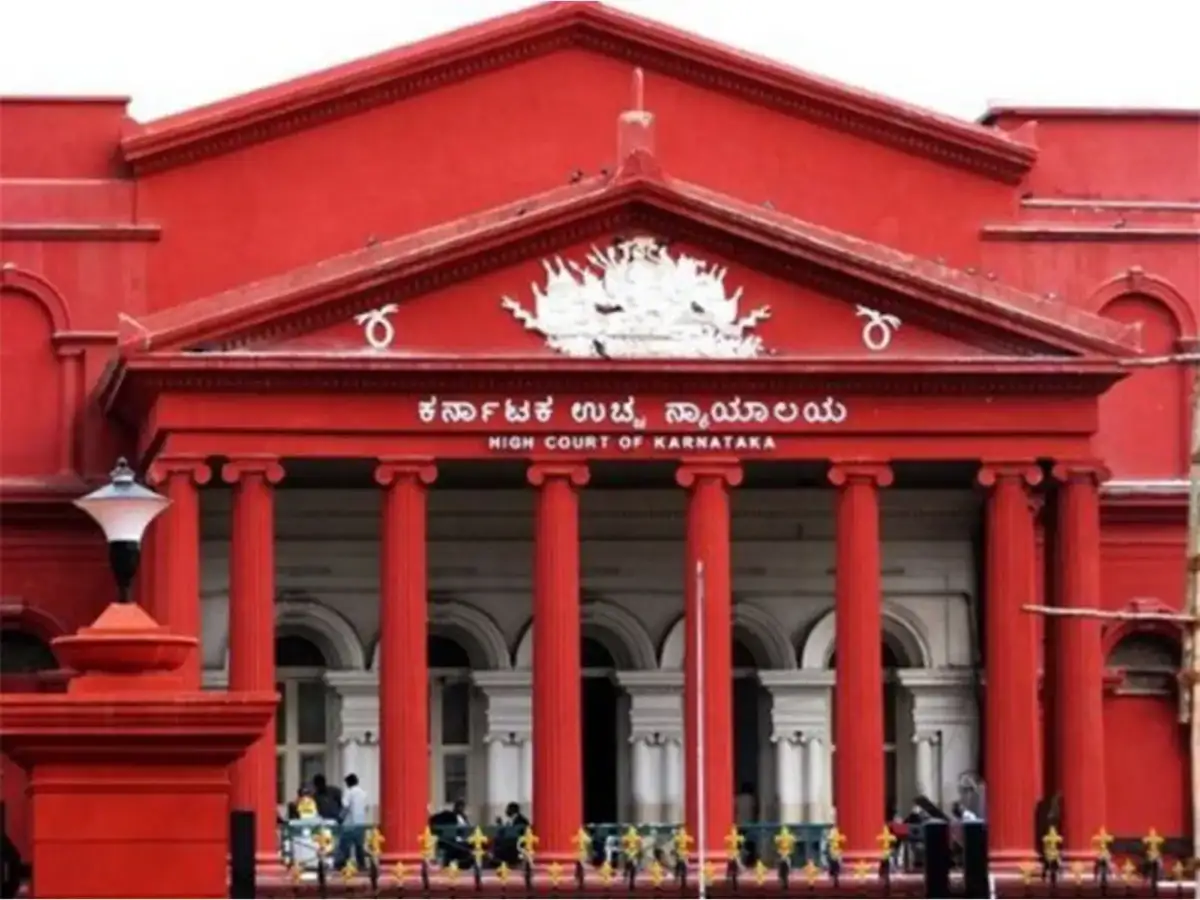
Karnataka HC questions ED over 12-year delay in FEMA case against Cafe Coffee Day CEO Malavika Hegde
The Karnataka High Court on Tuesday questioned the Enforcement Directorate over initiating FEMA proceedings against Cafe Coffee Day CEO Malavika Hegde more than 12 years after the transactions under scrutiny. The court examined whether such action was permissible after an unreasonable delay and extended interim protection against the proceedings.

India Vs Uruguay LIVE Score: Can Khalid Jamil's Men Upset The 2-Time World Champions?
India vs Uruguay: Follow all live updates from the FIFA international friendly in Kolkata.
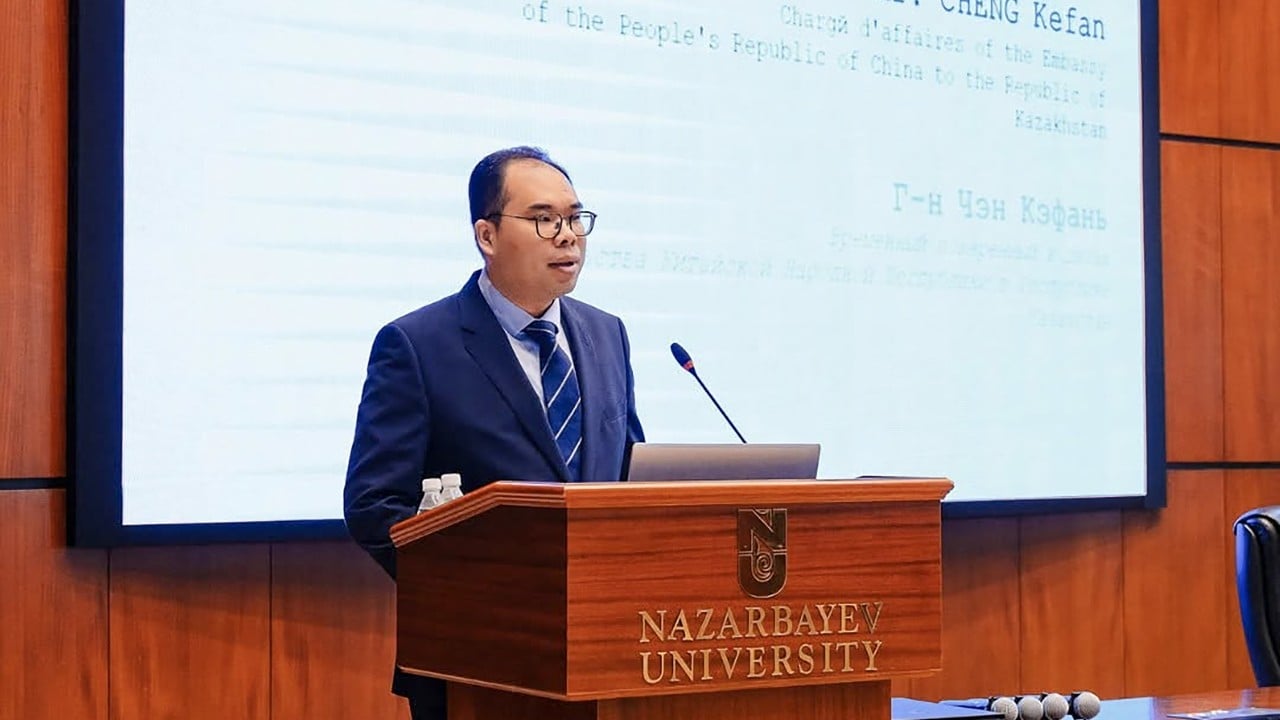
How traditional Chinese medicine is shaping Kazakhstan’s health system
China has pledged to expand its health partnership with Kazakhstan by helping the Central Asian nation integrate traditional medicine directly into its national healthcare system, shifting away from simple product exports. The Chinese embassy in Kazakhstan on Monday called for the alignment of high-level policy to enhance bilateral health cooperation for both countries’ benefit. “Both nations should promote the qualitative upgrading of cooperation in smart healthcare, hi-tech diagnostics and...
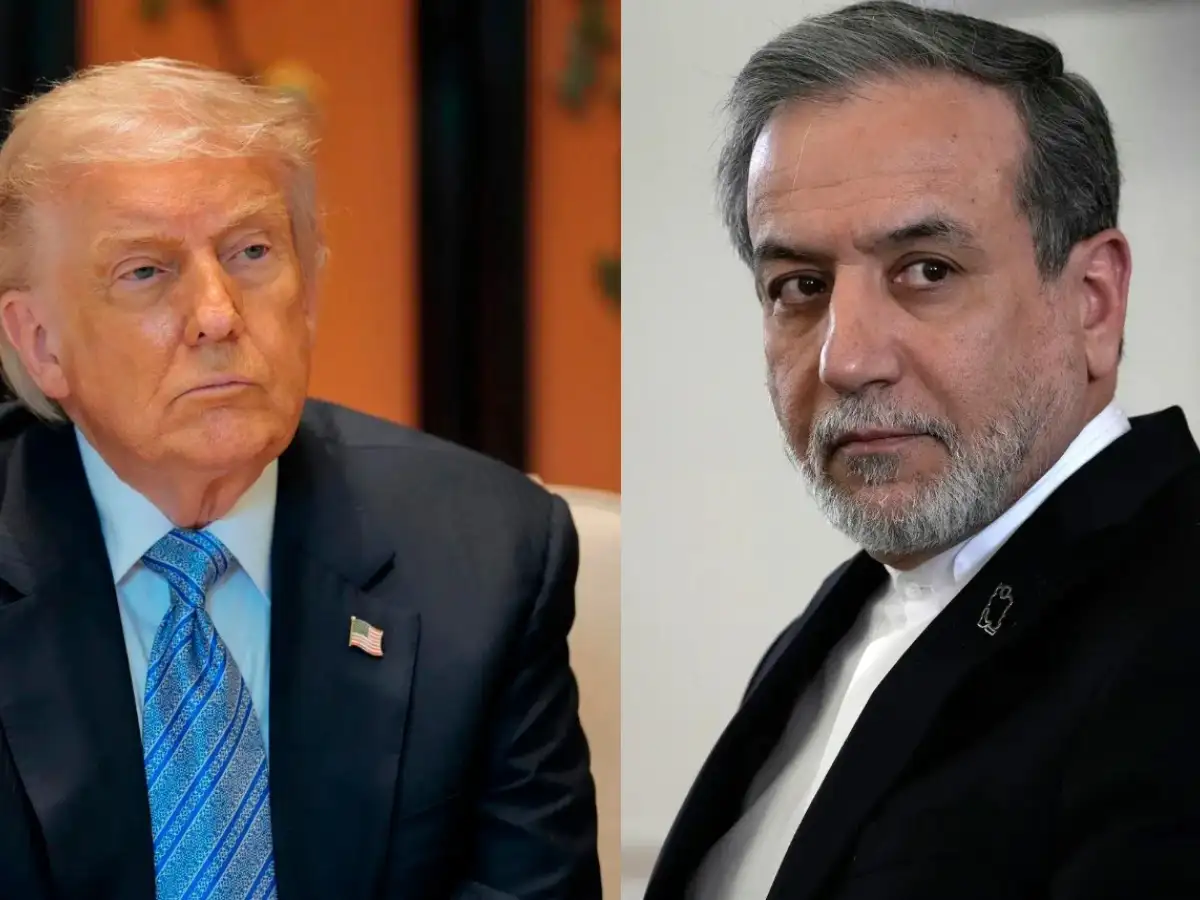
Qatar says US-Iran talks to end Middle East war continue via mediators, despite deadlock over Strait of Hormuz
Mediator Qatar confirmed that indirect negotiations between the United States and Iran continue amid a protracted conflict. Talks have resumed despite ongoing tensions and previous ceasefires not yielding lasting peace. Iranian President Masoud Pezeshkian expressed skepticism about the effectiveness of these discussions. As the war persists, both nations aim to address the strategic concerns surrounding the Strait of Hormuz.

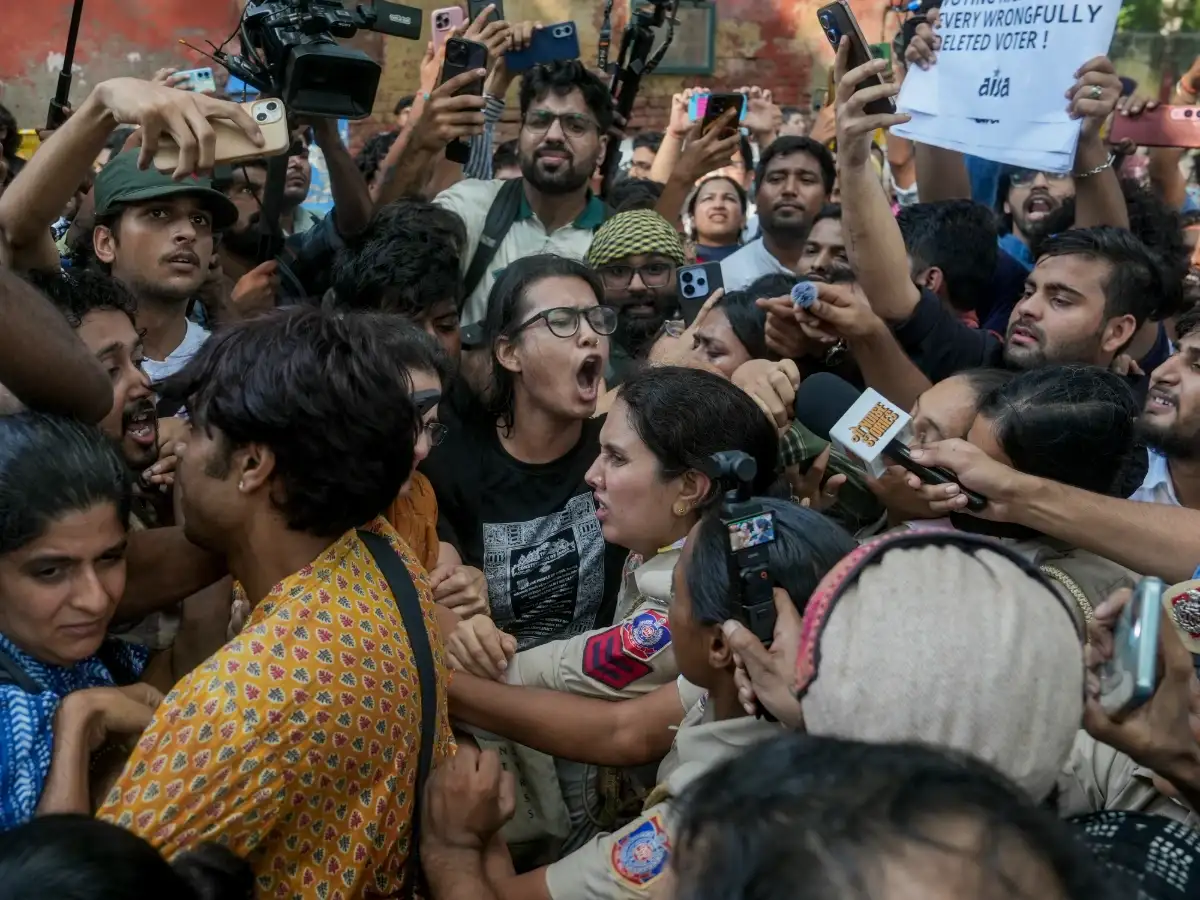
Protests erupt across India demanding resignation of Chief Election Commissioner Gyanesh Kumar over voter list manipulation
Protests have emerged across India as citizens demand the resignation of Chief Election Commissioner Gyanesh Kumar. Demonstrators claim that the ongoing Special Intensive Revision process threatens voter rights and favors the ruling Bharatiya Janata Party. Critics say this process requires complex documentation that may disenfranchise vulnerable communities and lead to significant voter list reductions. Opposition parties and activists are calling for more independent election oversight.
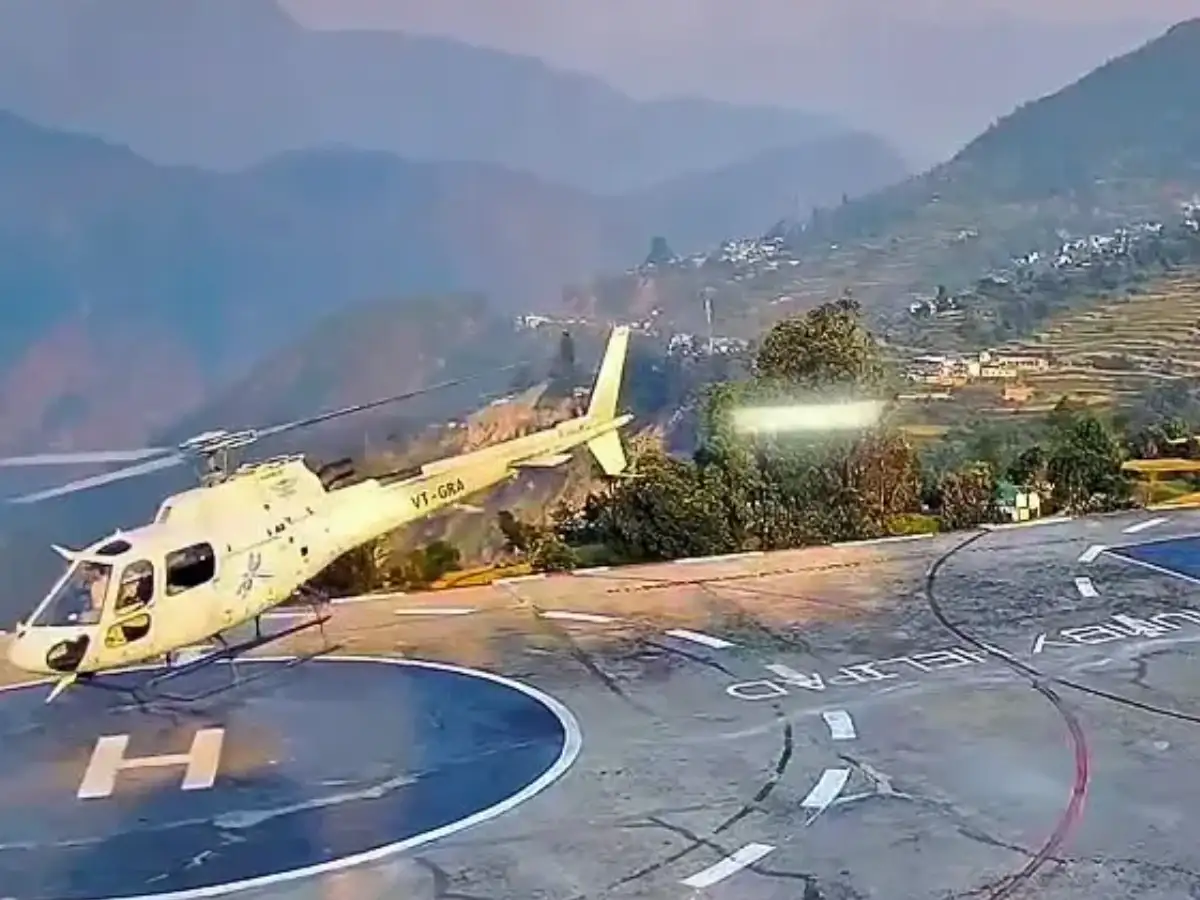
Helicopter makes emergency landing in Uttarakhand’s Rudraprayag amid bad weather
A helicopter made an emergency landing at the Agastyamuni sports ground in Rudraprayag district on Tuesday after encountering adverse weather conditions. The aircraft landed safely at the sports ground, with the incident occurring amid challenging weather conditions in the region.
Helicopter makes emergency landing in Uttarakhand’s Rudraprayag amid bad weather
A helicopter made an emergency landing at the Agastyamuni sports ground in Rudraprayag district on Tuesday after encountering adverse weather conditions. The aircraft landed safely at the sports ground, with the incident occurring amid challenging weather conditions in the region.

19-year-old Zain Javaid's startup called Ghost builds an AI computer without screen; the 'brain in a box' can be the next big PC idea
Ghost is pioneering a revolutionary startup with its innovative screenless AI computer known as Core, co-founded by Zain Javaid. This cutting-edge device is crafted to operate AI agents that function independently, engaging users via a mobile application. With an emphasis on security, Core protects user data by keeping it stored locally, steering clear of cloud dependencies.