
Rohingya in camp tell Myanmar official they survived attacks
Apr 12, 2018
Rohingya Muslims living in a refugee camp in Bangladesh told a visiting Myanmar official about the violence that forced them to flee their homes and presented him a list of demands for their repatriation
DHAKA, Bangladesh — A Myanmar Cabinet minister on Wednesday visited a sprawling refugee camp in Bangladesh for Rohingya Muslims, who described the violence that forced them to flee Myanmar and presented a list of demands for their repatriation.
Social Welfare Minister Win Myat Aye met with about 40 Rohingya refugees at the Kutupalong camp in Cox's Bazar for more than an hour, sometimes exchanging heated words.
A Rohingya leader, Abdur Rahim, said at least eight rape victims were among those who met with Win Myat Aye. Rahim said the group presented 13 demands for the government to meet for their return to Myanmar.
About 700,000 Rohingya Muslims have fled army-led violence in Buddhist-majority Myanmar since last August and are living in crowded refugee camps in Bangladesh. The two countries agreed in December to begin repatriating them in January, but they were delayed by concerns among aid workers and Rohingya that they would be forced to return and face unsafe conditions in Myanmar.
Hundreds of Rohingya were reportedly killed in the recent violence, and many houses and villages were burned to the ground. The United Nations and the U.S. have described the army crackdown as "ethnic cleansing."
Bangladesh has given Myanmar a list of more than 8,000 refugees to begin the repatriation, but it has been further delayed by a complicated verification process.
Win Myat Aye did not specify a timeframe for the repatriation but said it should begin as soon as possible.
Rahim said the group became angry when Win Myat Aye said the Rohingya refugees must accept national verification cards to be provided by Myanmar in which they state they are migrants from Bangladesh.
"We protested," he said. "We have told him it is not acceptable, we belong to Burma (Myanmar)," he told The Associated Press by phone.
Rohingya Muslims have long been treated as outsiders in Buddhist-majority Myanmar, even though their families have lived in the country for generations. Nearly all have been denied citizenship since 1982, effectively rendering them stateless. They are denied freedom of movement and other basic rights.
Rahim said they demanded to be recognized as citizens of Myanmar before the repatriation starts and that their security arrangements be supervised by the United Nations.
"We told him clearly we want to go back and we want our home, our land and everything back," he said.
Rohingya who have been repatriated in the past after previous refugee exoduses have been forced to live in camps in Myanmar.
Rahim said the rape victims described their experiences to Win Myat Aye.
"He listened to them patiently and said they will punish those responsible," Rahim said.
He said the minister mentioned that authorities have already investigated some cases and that 10 soldiers have been sentenced to 10 years in jail for rape.
"He promised that once we are back, they will continue their investigation and punish those responsible," he said.
"After initial hiccups, we discussed our points in a friendly manner," Rahim said.
Bangladesh's refugee commissioner, Abul Kalam, said the minister listened to the refugees and replied to their questions.
"He has come here to talk to their people. They talked, we just provided them that support," Kalam said by phone from Cox's Bazar.
Police superintendent A.K.M. Iqbal Hossain said the minister praised Bangladesh's government and international agencies for their work in supporting the Rohingya people.
"He seemed to be serious about his words," Hossain said.
The recent violence erupted after an insurgent group, the Arakan Rohingya Salvation Army, attacked security outposts in Rakhine in late August. The military and Buddhist mobs launched retaliatory attacks on Rohingya that were termed "clearance operations."
Win Myat Aye, who arrived on Wednesday for a three-day visit, also is to meet with Bangladeshi officials including the home minister and foreign minister.
___
Associated Press reporter in Cox's Bazar Tofayel Ahmad contributed to the story.
MORE NEWS

'India has a new hero': Consulate General of Israel in Mumbai puts billboard hailing Capt Machchhar
Israel Consulate in Mumbai hails flydubai pilot Smit Machchhar as a hero after flight FZ1073 made a sharp emergency descent and diverted to Saudi Arabia following an alleged attempt to crash the Israel-bound aircraft.
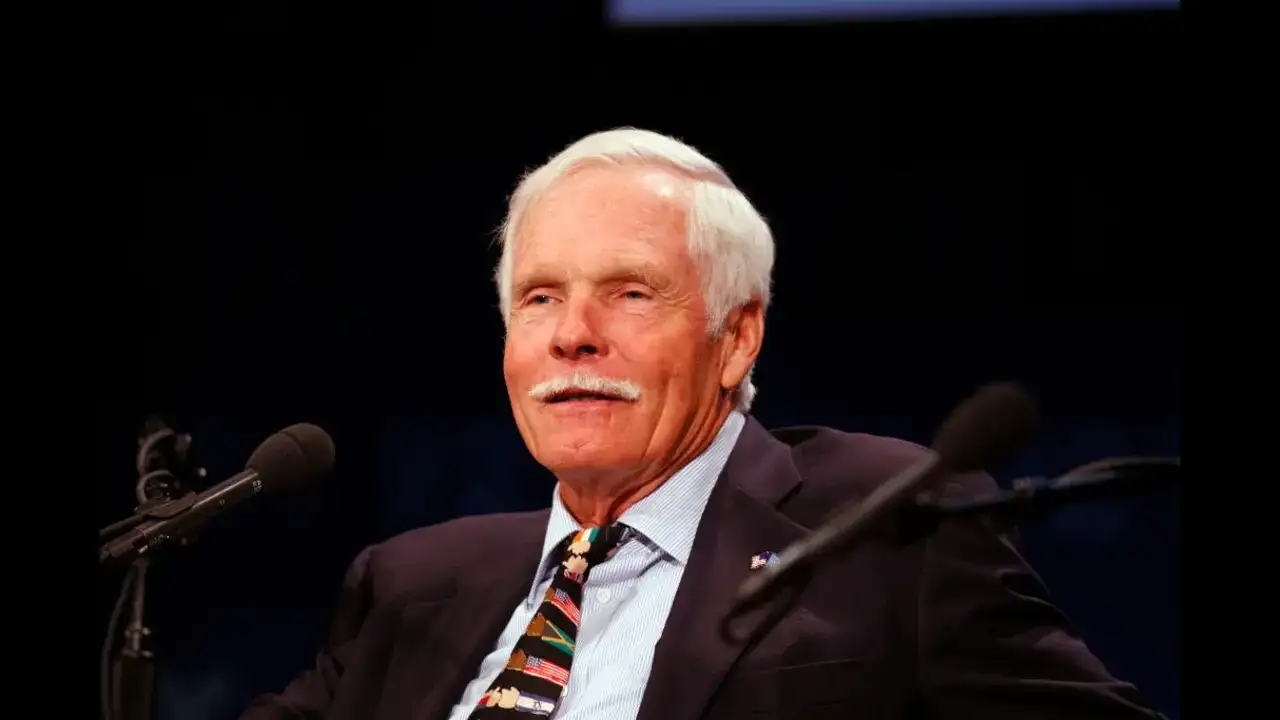
In 1987, Ted Turner bought a 22,000-acre Montana ranch; two years later, he spent $21 million on a 113,000-acre property to keep it undeveloped
Ted Turner, the founder of CNN and longtime conservationist, lived in a remarkable collection of expansive ranches and properties during his lifetime. Before his passing on May 6, 2026, at age 87, Turner spent his final years on one of his Montana ranches, where he enjoyed fishing.

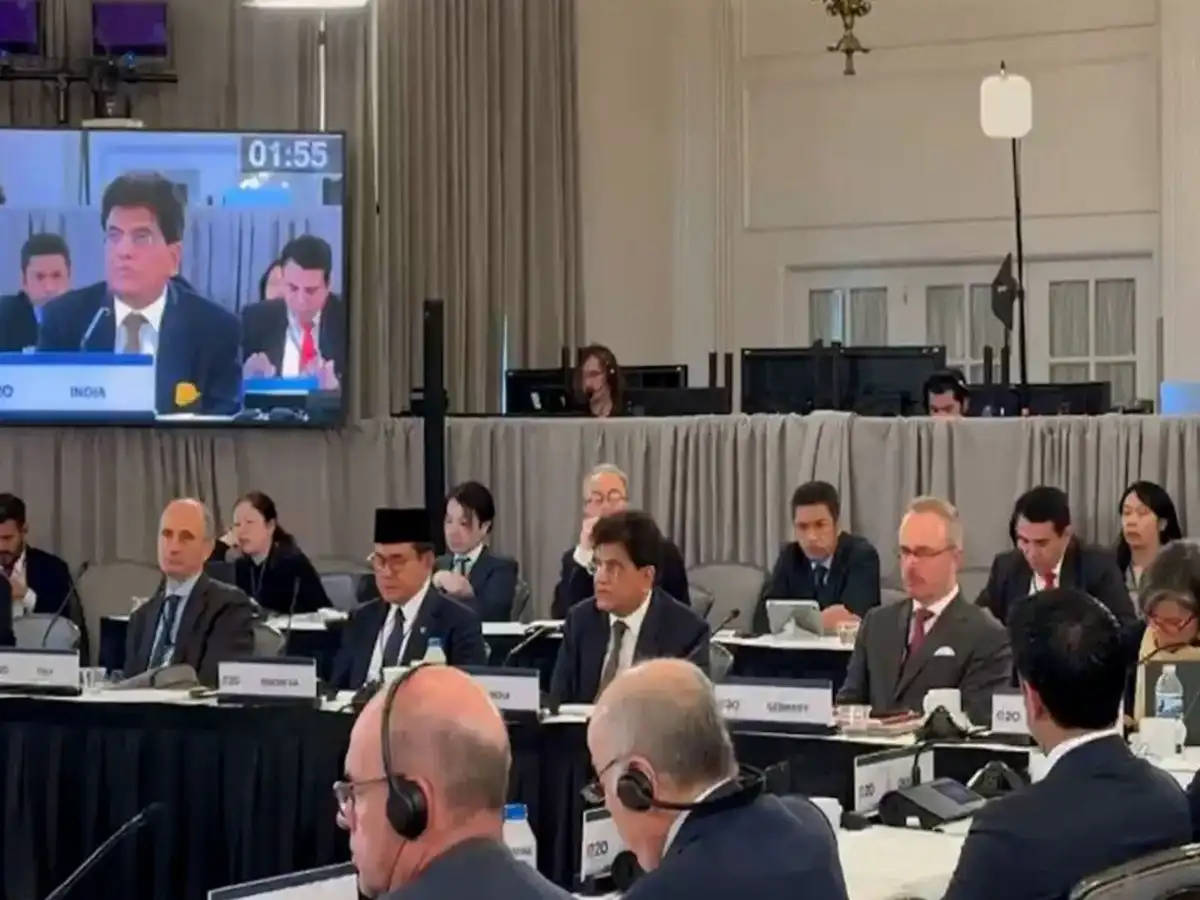
Goyal at G20: India opposes making MFN conditional on WTO obligations
Union Minister Piyush Goyal represented India at the G20 Trade Ministers' Meeting, emphasizing the importance of the Most-Favoured-Nation principle. He stated that equal trading terms are essential for both large and small traders. Goyal expressed India's commitment to addressing trade distortions through WTO-compliant measures and preserving developing countries' policy space for industrialization. India's position on forced labor in global supply chains was reiterated during the discussions.

Viral cookie chain Chip City closes in key locations; here's what went wrong
Chip City, the cookie chain famous for its adventurous flavors, has shuttered its three locations in Connecticut, reflecting a troubling trend for cookie outlets nationwide. The closures result from evolving consumer tastes and various economic pressures. The absence of any Connecticut listings on their website suggests a definitive withdrawal. However, Chip City continues to delight customers in New York, New Jersey, and Texas.

Defend, stay disciplined: Marijne's mantra powered India to women's hockey gold
Defend, stay disciplined: Marijne's mantra powered India to women's hockey gold

One faded photograph could prove Egypt’s first female pharaoh ruled like a king 5,000 years ago — and rewrite early Egyptian history
Researchers believe a digitally enhanced photograph of hieroglyphics could clarify Queen Meretneith's role in ancient Egypt. Discovered in the 1940s, the inscription may suggest she ruled as a king rather than merely as a regent. However, some Egyptologists dispute this interpretation, claiming it only references King Djer. The debate surrounding Meretneith could redefine women's political authority in ancient Egypt.


In 2010, Playboy's Hugh Hefner donated $900,000 to save land behind the Hollywood Sign from luxury homes. 16 years on, 138 acres at Cahuenga Peak remain protected in Griffith Park
In 2010, a major fundraising campaign sought to protect 138 acres at Cahuenga Peak, the land behind the iconic Hollywood Sign, from potential development. The effort required $12.5 million, but organizers were still $1 million short when Playboy founder Hugh Hefner contributed $900,000. Other major donors, that includes Tiffany & Company Foundation and Aileen Getty, also supported the campaign.

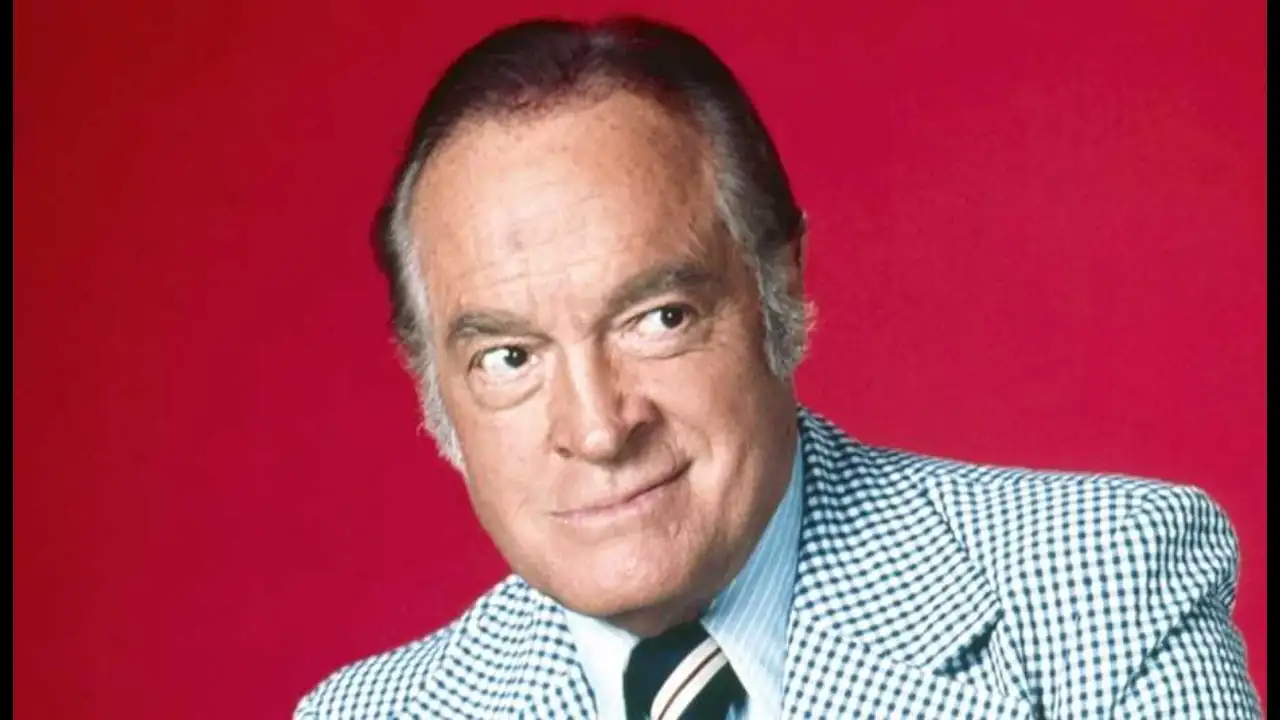
In 2013, Bob Hope's estate listed his UFO-style home for $50 million; after zero buyers, it eventually sold for $13 million
Bob Hope’s distinctive Palm Springs residence, popularly called as his “UFO house,” eventually found a new owner after years on the market. Originally listed for $50 million in 2013, the unusual estate finally sold for $13 million to billionaire Ronald Burkle, a venture capitalist and philanthropist,as per TopTenRealEstateDeals.com. Designed by architect John Lautner for Hope and his wife, Delores, in 1973, the 23,000-square-foot property features a curved structure, floor-to-ceiling windows and circular ceiling windows for stargazing.
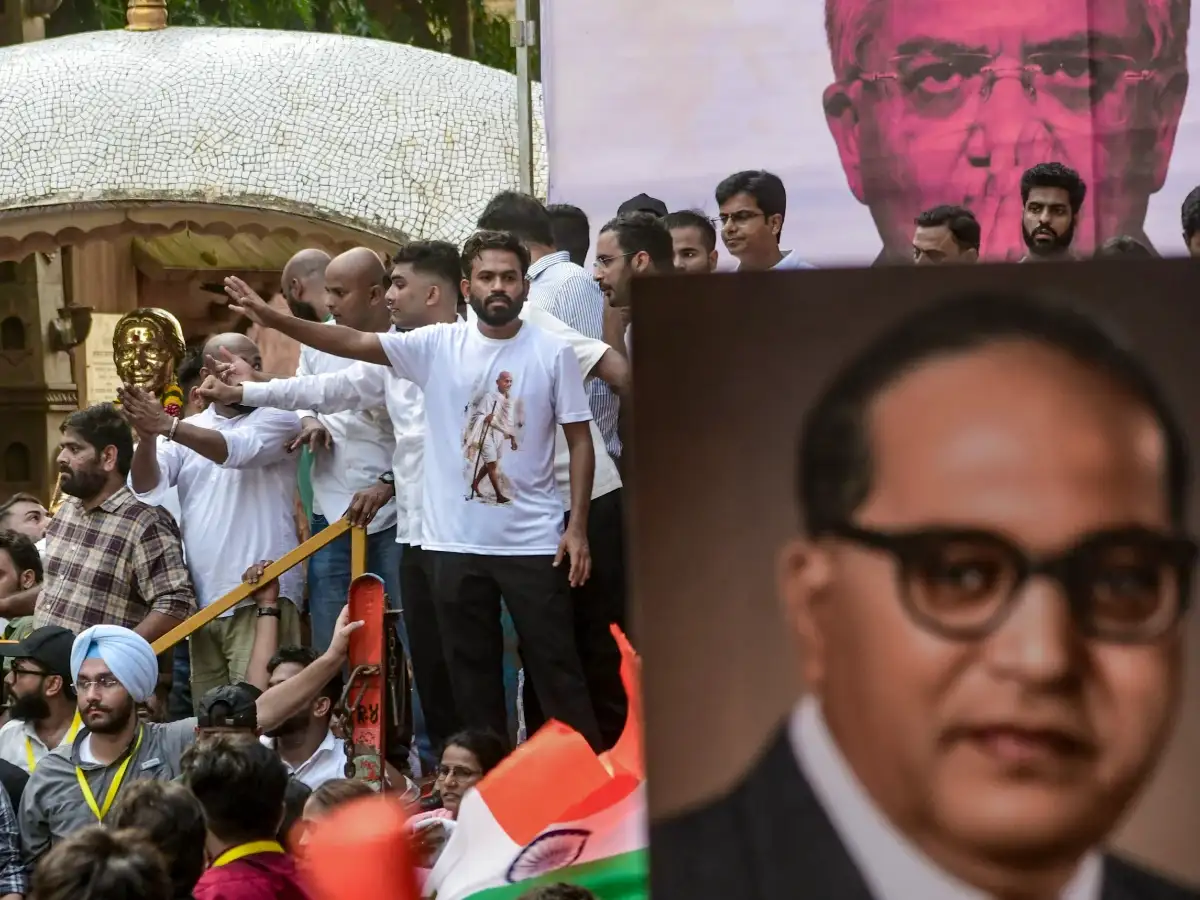
CJP warns of Jantar Mantar 2.0 as thousands attend Mumbai protest seeking CEC's ouster
The Cockroach Janta Party's protest at Shivaji Park sought the resignation of Chief Election Commissioner Gyanesh Kumar. Party leaders accused the government of electoral fraud and deleting voters' names from the lists. Many prominent figures, including veteran actors, participated in the demonstration despite police denial of permission. Protesters emphasized the need for immediate action and a fair electoral process.