
Modi flexes muscles in Kashmir to woo India's Hindu voters
May 6, 2019
Indian Prime Minister Narendra Modi has taken a hard-line approach to Kashmir, and while unpopular in the disputed Muslim-majority territory, the campaign is resonating with his nationalist Hindu base
SRINAGAR, India — Shortly before India's mammoth elections began in April, New Delhi did something unprecedented: It banned civilian traffic on the only major highway connecting the heart of disputed Kashmir with the rest of the country.
The government cited unspecified security threats for the twice weekly ban, but the move is indicative of the approach Prime Minister Narendra Modi and his Hindu nationalist party have taken to the disputed Himalayan region since taking power in 2014.
Gone are the carrot-and-stick methods of previous governments that saw at least attempting to win hearts and minds as a key part of maintaining security in the Muslim-majority region also claimed by Pakistan. Modi's government instead has given the military carte-blanche to counter resistance to Indian rule, which means it has taken aim not just at armed militants but also the regular people increasingly supporting their cause.
While deeply unpopular in Kashmir, the campaign has resonated in much of the country, where few issues reach as broad a consensus as that Kashmir must remain a part of India at any cost.
Modi has capitalized on a February attack on Indian paramilitary forces in Kashmir and his response of bombing militant positions inside Pakistan to bolster his campaign-slogan claim to being India's "chowkidar," Hindi for watchman. And when the first phase of voting in India's five week election kicked off in Kashmir on April 11, it came amid a sweeping crackdown with police arresting hundreds of Kashmiri leaders and activists.
Among the districts voting in India's fifth phase on Monday are Pulwama and Shopian in southern Kashmir. The election concludes May 23.
The crackdown has been good optics for Modi's Bharatiya Janata Party base, and he hasn't had to worry about losing votes in Kashmir. In addition to there being just six seats in the state, turn-out for India's general elections in the region have historically been low, with separatists calling them an illegitimate exercise under military occupation.
"Modi and his party have waged a war against people in Kashmir," said Nazir Ahmed, a trader in the outskirts of the region's main city of Srinagar. "This election doesn't matter in Kashmir. But Kashmir matters for election in India."
Modi repeatedly cites the airstrikes that followed the February attack, when a self-described Kashmiri member of the Pakistan-based militant group Jaish-e-Mohammed detonated a bomb in the middle of an Indian military convoy, as evidence of his tough, uncompromising stance on India's archrival.
"India has quit the policy of being scared of Pakistani threats," Modi said at a recent election rally.
Further efforts to project Modi and the BJP as India's protectors were made in billboards that went up across the country featuring the prime minister and party president Amit Shah with Indian Air Force pilot Wing Cmdr. Abhinandan Varthaman, who was captured by Pakistan during the February skirmish and given a hero's welcome when Pakistani forces returned him to India two days later.
India's Election Commission took the unusual step of asking parties not to use photographs of soldiers in campaign material.
"Optics matter a lot to Modi and his BJP. Be it surgical strikes, or killing militants or jailing separatists or clamping down on resistance groups, they are more of a well-oiled PR machine. They won't do anything quietly even if doing so has proven to be effective in the past for other parties," said Amit Kumar, a political historian in Srinagar, Kashmir's main city.
BJP leaders say the party has been pursuing national objectives and refuted being unfairly tough on Kashmir.
"If you want peace in Kashmir, the army needs to have a free hand," said Kavinder Gupta, a BJP leader in the region's Jammu city. "Once there's peace, soldiers will be back to barracks, but remember Pakistan is out there with its agents in Kashmir to create chaos."
Opposition parties have consistently said that Modi and his party are using Kashmir to pivot away from his economic record and other issues such as youth unemployment and farmer suicides.
Kashmir is divided between India and Pakistan but has been claimed by both in its entirety since the two nations gained independence from British colonial rule in 1947 and immediately started fighting over the territory.
Initially, the anti-India movement in the Indian-controlled portion of the territory was largely peaceful, but after a series of political blunders, broken promises and a crackdown on dissent, Kashmiris launched a full-blown armed revolt in 1989, seeking unification with Islamabad or complete independence for the entire region.
The territory continues to be one of the most militarized regions in the world and most residents favor and end to Indian rule. At least 70,000 people have been killed in the conflict in last three decades.
Militarization has only increased under Modi, and soldiers now fire shotgun blasts that routinely maim and blind protesters and blow up residential homes with explosives during counterinsurgency operations.
Kashmir has been so central to Modi's strongman narrative that even unpopular economic policies have been justified by his government as necessary for national security.
Modi introduced demonetization to take 1,000 and 500 rupee notes out of circulation, disrupting business and forcing millions of people to stand in lines to change out their suddenly-worthless bills, as a measure to curb black market money.
The Central Bank later said the measure had mostly injured India's poor. But Modi and his Cabinet colleagues defended it as a way to stop "terror" funds reaching Kashmir separatists.
While campaigning Modi and other BJP leaders have also cast their party as the antithesis of their main opposition, Congress, which ruled India for about half a century starting from independence.
Modi repeatedly accuses Congress of being soft on Pakistan, soft on terror, pandering to Muslims for votes and pampering Kashmiri separatists.
But experts say Congress statecraft had carefully calibrated ways to keep dissent in check through a strict surveillance regime, while maintaining an air of democracy working in Kashmir.
"Once in power BJP realized that those gaps were actually deliberately placed safety valves allowed to give vent to Kashmiris. With nothing else to show, they are going after these safety valves one after another," said Kumar, the historian.
"They've little time to bother for the long-term consequences of their muscular approach on Kashmir as long as it helps them consolidate power nationally in (the) short term," he said.
___
Follow Aijaz Hussain on Twitter at twitter.com/hussain_aijaz
MORE NEWS


Nike stock falls after revenue miss, NKE forecasts 2027 revenue decline and announces layoffs - here's what investors need to know
Nike stock after NKE earnings: Nike stock is down after the company reported a quarterly revenue miss and forecast a high-single-digit revenue decline for fiscal 2027. Nike also announced layoffs as part of a restructuring plan expected to generate about $2.5 billion in savings through fiscal 2031.
US midterm elections 2026: Trump's approval rating falls to record low as 2026 Midterms near
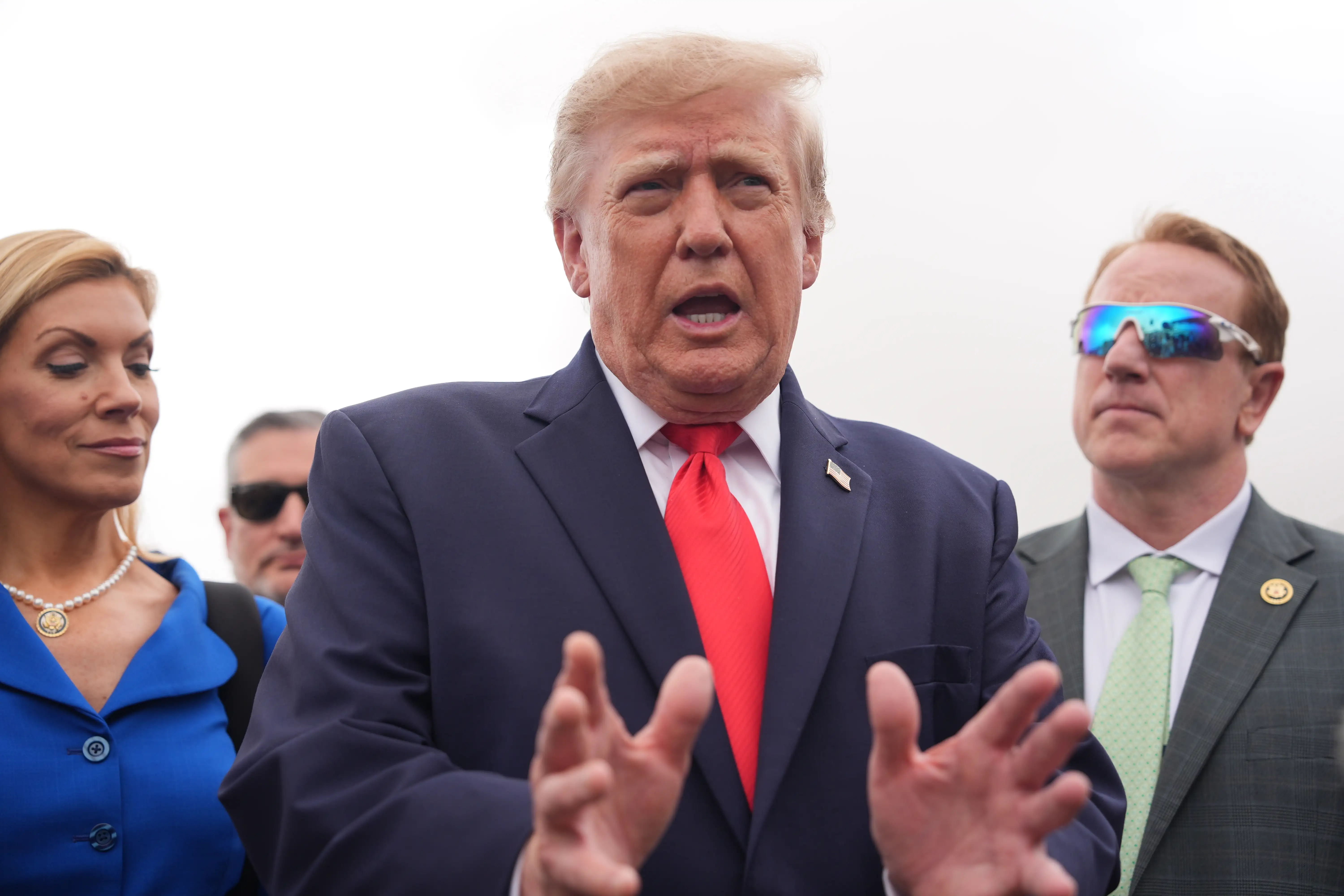
A recent AP-NORC poll shows Donald Trump's approval rating has plummeted to 31%, reflecting increasing public dissatisfaction. With midterm elections on the horizon, voters voiced their worries about the economy and rising prices, emphasizing 17% approval for Trump's management of cost of living. In response, White House spokesperson Davis Ingle defended Trump’s record by pointing out his significant policy achievements that could influence the forthcoming elections in November 2026.
Bitcoin price target: Why Citi raised its BTC USD forecast to $113,000 from $82,000 as the cryptocurrency rebounds
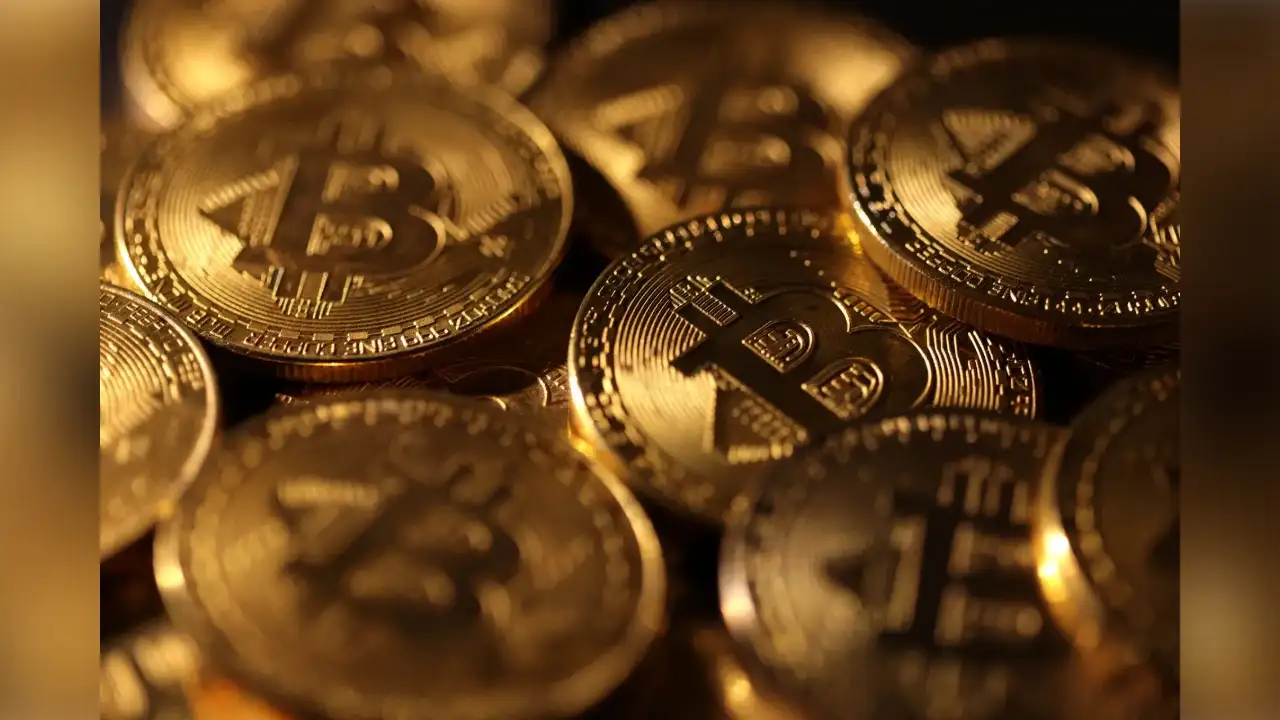
Bitcoin (BTC USD) price target: Citigroup has increased its 12-month Bitcoin price target from $82,000 to $113,000 due to favorable market conditions. The bank expects $5 billion in crypto investment product inflows over the next year as advisers increase allocations. Spot Bitcoin ETFs have started seeing renewed inflows after significant outflows earlier this year.
US Midterm Elections 2026: Here’s how to vote, register and cast your ballot
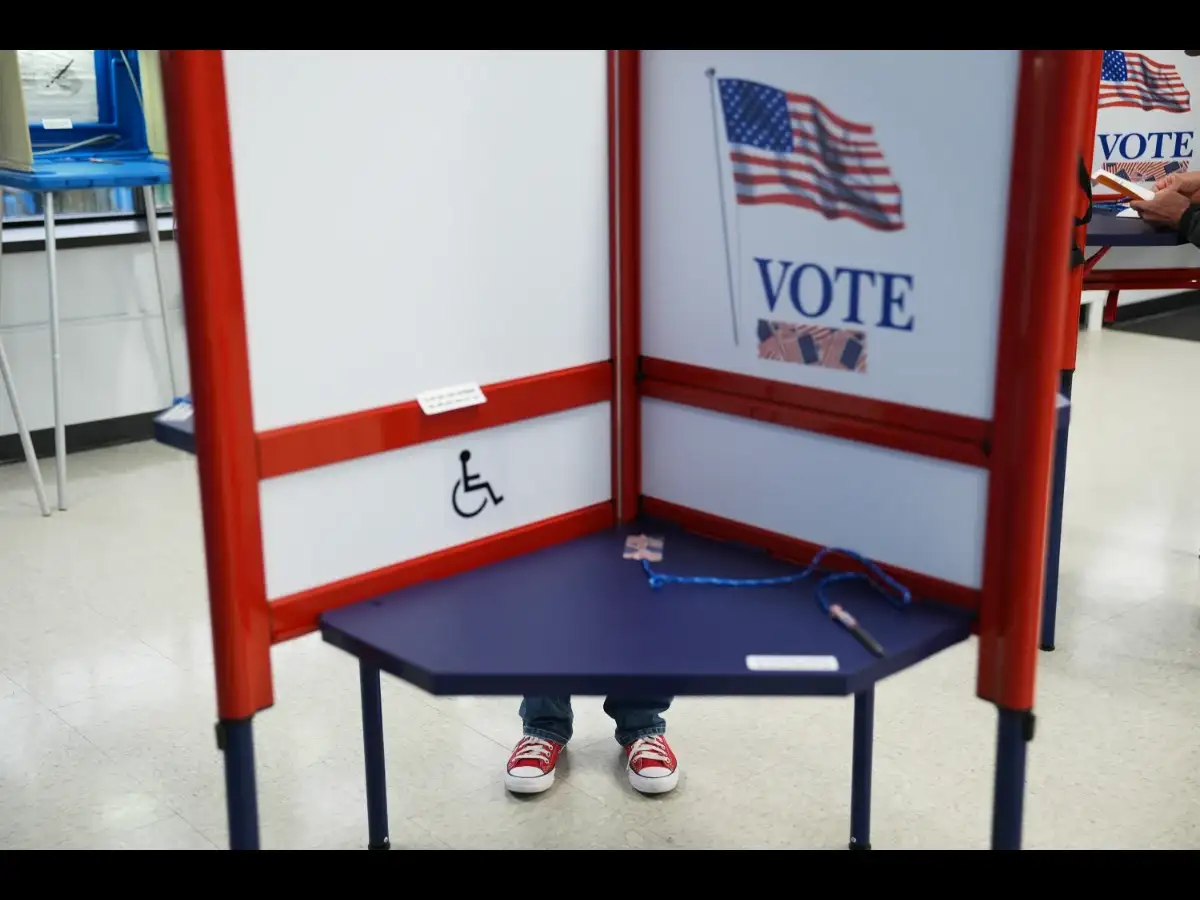
US Midterm Elections 2026: Voters need to be aware of registration deadlines and voting rules that vary by state. The 2026 U.S. midterm elections are scheduled for November 3, impacting numerous federal and state positions. Early voting and absentee ballot options are available depending on state regulations. Voter ID requirements must also be consulted to ensure compliance with local laws. Checking state election resources will provide the latest updates on procedures and deadlines.
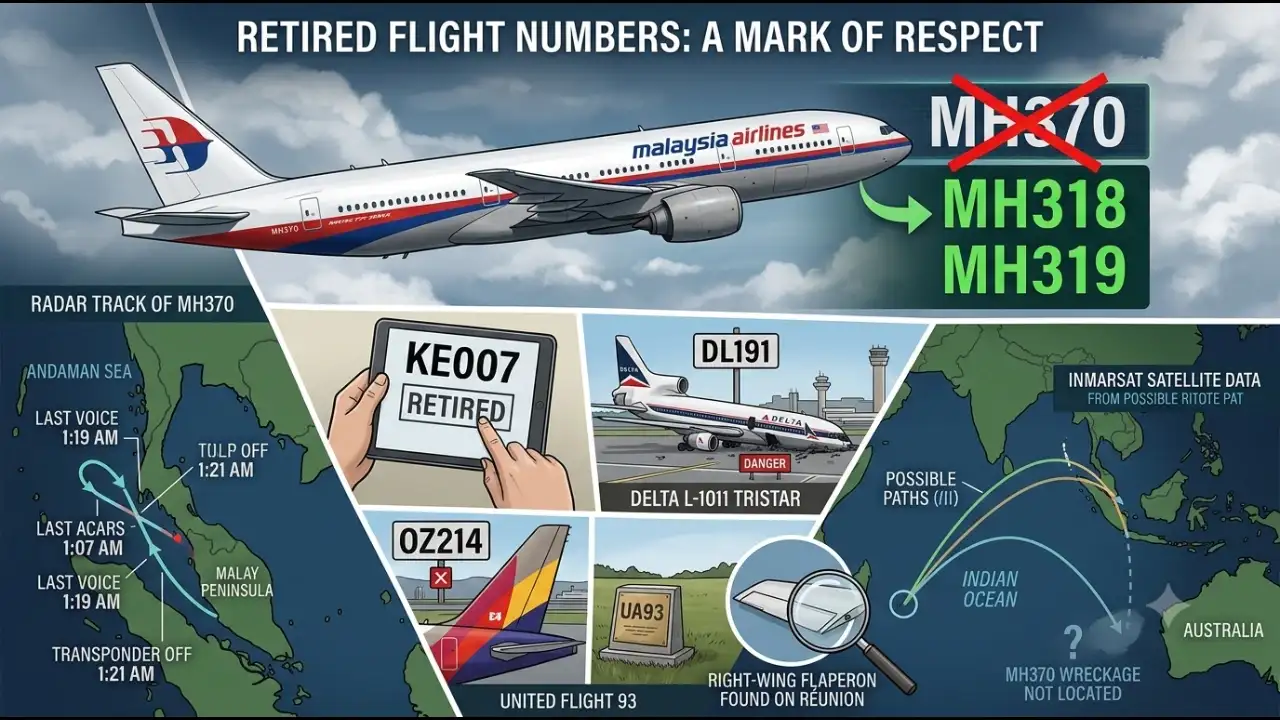
Malaysia Airlines stopped using flight code MH370 after the plane disappeared with 239 people aboard - why airlines retire flight numbers after aviation tragedies
Malaysia Airlines MH370: Malaysia Airlines changed flight numbers MH370 and MH371 following the aircraft's disappearance in March 2014. The aircraft, carrying 239 people, vanished during its journey from Kuala Lumpur to Beijing. Extensive search operations were conducted in the Indian Ocean, but the main wreckage remains undiscovered.

Social Security claiming age names could change: Will your benefits change? What new labels for ages 62, 67 and 70 really mean
Congress has cleared a bill that would give Social Security’s key claiming ages new names. The proposal would call 62 the “minimum monthly benefit age,” 67 the “standard monthly benefit age,” and 70 the “maximum monthly benefit age.” The ages themselves would not change. The goal is to make the benefit trade-offs easier to understand before workers decide when to claim.
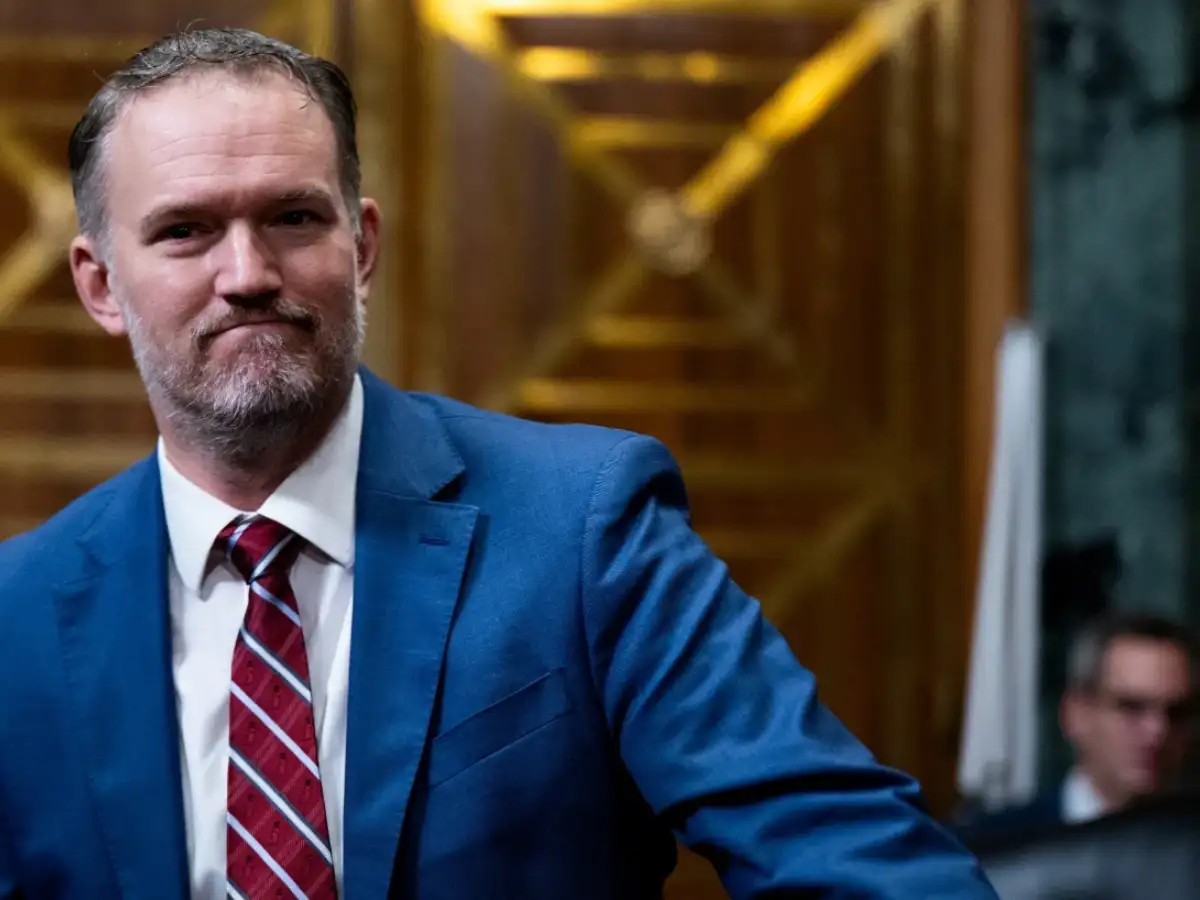
India-US trade deal 'not imminent'; USTR Greer says 'sticking points' identified
US Trade Representative Jamieson Greer said the Trump administration is working with India to finalise a bilateral trade deal, but an agreement is not imminent. Greer said he had a “very constructive conversation” with Commerce Minister Piyush Goyal at the G20 trade ministers meeting and that officials remain engaged.

Jeff Bezos just put $25 million into the Pacific Ocean. Is the Bezos Earth Fund enough to save the Pacific Ocean before the $10 billion deadline?
The Bezos Earth Fund has committed $25 million to enhance conservation efforts across five Pacific island nations, now totaling approximately $63.3 million dedicated to preserving marine ecosystems. This initiative strives to safeguard at least 30% of the oceanic territories by 2030, aligning with Jeff Bezos' ambitious $10 billion climate pledge. As the deadline nears, over $7 billion remains available for impactful distribution.
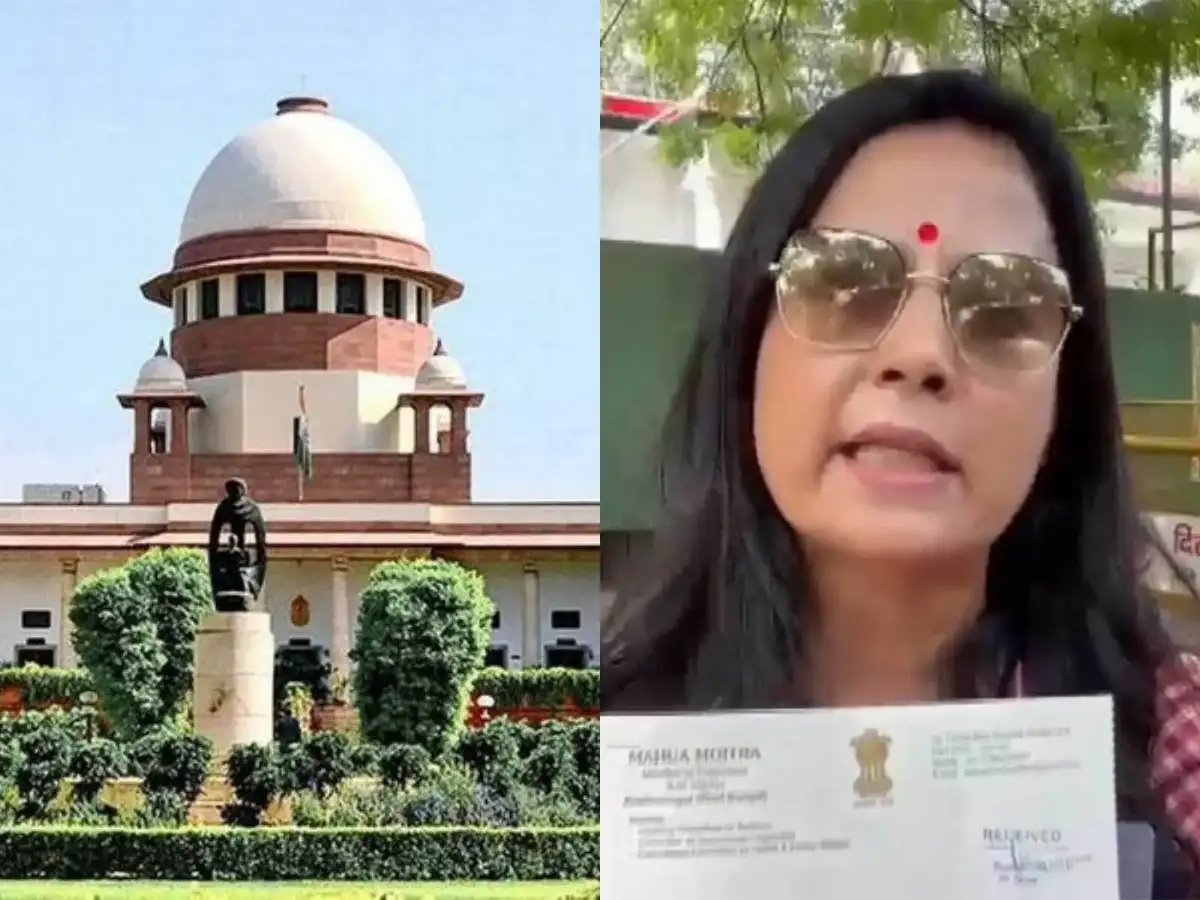
SC seeks Centre, Bengal govt response on Mahua Moitra’s plea over MPLADS works
The Supreme Court has sought responses from the Centre and West Bengal government on TMC MP Mahua Moitra’s plea alleging obstruction in implementing works under the MPLADS in her Krishnanagar constituency. A bench of Justices Joymalya Bagchi and V Mohana also heard her allegations that her functioning as an MP had been impeded.
SC seeks Centre, Bengal govt response on Mahua Moitra’s plea over MPLADS works
The Supreme Court has sought responses from the Centre and West Bengal government on TMC MP Mahua Moitra’s plea alleging obstruction in implementing works under the MPLADS in her Krishnanagar constituency. A bench of Justices Joymalya Bagchi and V Mohana also heard her allegations that her functioning as an MP had been impeded.