
Minorities under attack as PM pushes 'tolerant' Pakistan
Jul 16, 2020
Analysts and activists say minorities in Pakistan are increasingly vulnerable to Islamic extremists as Prime Minister Imran Khan vacillates between trying to forge a pluralistic nation and his conservative Islamic beliefs
PESHAWAR, Pakistan (AP) — It’s been a tough month for religious minorities in Pakistan, and observers warn of even tougher times ahead as Prime Minister Imran Khan vacillates between trying to forge a pluralistic nation and his conservative Islamic beliefs.
A Christian was gunned down because he rented in a Muslim neighborhood in northwest Peshawar, not far from the border with Afghanistan.
Another Christian, pastor Haroon Sadiq Cheeda, his wife and 12-year-old son were beaten by their Muslim neighbors in eastern Punjab and told to leave their village. The attackers screamed “you are infidels."
An opposition politician was charged this week with blasphemy after declaring all religions were equal. A senior political figure, allied with the government and backed by Islamic extremists, stopped construction of a Hindu temple in the capital Islamabad.
Analysts and activists blame an increase in attacks on an indecisive Khan. They say he preaches a vision of a tolerant Pakistan where its religious minorities thrive as equals among an overwhelming Muslim majority. They say that at the same time he cedes power to extreme Islamic clerics, bowing to their demands and turning to them for the final say, even on matters of state.
“Imran Khan no doubt wants a more tolerant Pakistan, wants more accommodation for minorities, but the problem is he nullifies all of this by empowering extremist elements, so much so that it seems they can dictate to the state,” said Zahid Hussain, analyst and author of two books that track militancy in the region.
Phone and text messages left with Khan’s spokesman were not immediately returned.
The spokesman for Khan's religious affairs ministry, Imran Siddiqui, dismissed complaints that minorities have reason to be concerned. He said in every religion there are “aggressive” clerics but neither Pakistan nor the prime minister were unduly pressured by them.
Still, Khan’s list of concessions to the radical religious is lengthy.
When the coronavirus first emerged as a threat, Khan refused to shut down a gathering of tens of thousands of Islamic missionaries from across the globe. It wasn’t until they had reached Pakistan that he ordered it canceled.
When Saudi Arabia closed its mosques and made the historic decision to cancel the Islamic pilgrimage of Hajj to the faithful outside its borders, Pakistan refused to close its mosques after religious clerics vowed to take to the streets.
Khan hadn't been in office more than a few months when he buckled to extremists and fired a minority Ahmadi Muslim from his economic commission despite his stellar qualifications.
He also drew criticism when he stood in Parliament earlier this month and called 9/11 mastermind Osama bin Laden a "martyr." A frequent guest to Khan’s residence in Islamabad is cleric Maulana Tariq Jameel, who on national TV blamed the pandemic on women who danced and dressed scantily.
When his political ally and speaker of the Punjab Provincial Parliament Pervez Elahi denounced the construction of a Hindu temple in the federal capital as being against Islam, Khan turned to the Council of Islamic Ideology to let it decide if public money can be used for its construction. Khan had promised $600,000 for its construction.
Khan isn’t the first politician to walk a religious tightrope in Pakistan. Successive military and democratically elected governments have buckled to the pressure of Islamic extremists, who critics say terrorize with their ability to bring impassioned mobs on to the street.
“It’s the fear of the establishment as to what they can do. They can cause mayhem across Pakistan,” said human rights activist Tahira Abdullah.
Khan, like governments before him, has tried to present an image of Pakistan as a country that protects its minorities. He even allowed visa-free access for Sikhs from enemy India to visit one of their holiest of sites in Pakistan.
But Amir Rana, executive director with the Islamabad-based Pakistan Institute of Peace Studies, said the initiatives have been mostly symbolic, not structural.
"They don’t have the political courage or political capital to challenge the radical religious elements who target the religious minorities,” said Rana.
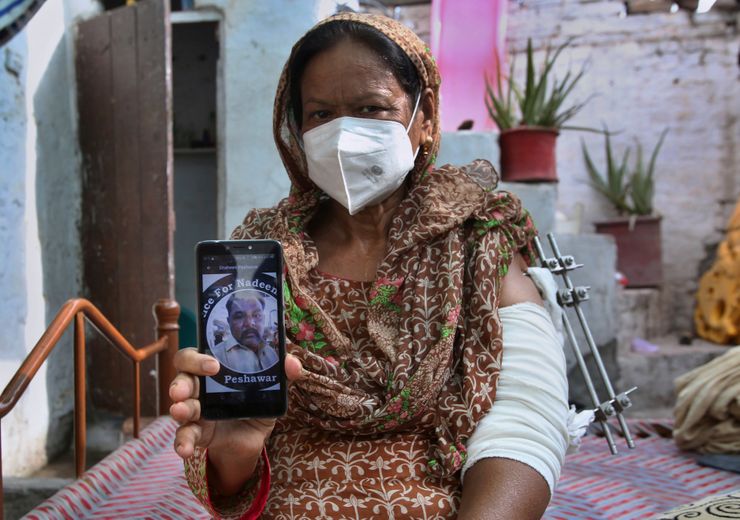
Fear haunts the family of Nadeem Jordan, the Christian man who was shot and killed because he rented in a Muslim neighborhood in Peshawar. Investigators say the gunmen have fled but also say they stalk Nadeem’s family, threatening his brother-in-law.
“They say ‘we will teach you a lesson.’ They say ‘you don’t belong here.’ We are always afraid,” said Nadeem’s mother-in-law, Elizabeth Lal. She was shot in the arm during the attack in early June. Her left arm is shattered, with the bullet still lodged in her limb.
Pastor Cheeda, who was beaten along with his wife and son, alleges that a large parcel of land on which he was going to build a Christian school was stolen with the help of local police. The powerful in the village said Christians weren’t welcome there.
“We have sympathies of some local Muslims, but these people are so powerful that even local Muslims can’t dare to help us.”
In the case of the Hindu temple, fatwas were issued and extremists took to social media to warn the faithful that it would be blasphemy to support the temple.
Yet a council of clerics stood in support of the temple giving Lal Malhi, a Hindu minority Parliamentarian with Khan’s Pakistan Insaf (Justice) party solace, even as the temple walls lie in ruins, destroyed by extremists.
But the most vulnerable of Pakistan’s minorities are Ahmadis, They are reviled by many mainstream Muslims because they believe a prophet after Muhammad arrived more than 100 years ago by the name of Ahmad. In Pakistan it is illegal for Ahmadis to call themselves Muslim.
The U.S. Commission on International Religious Freedom declared Pakistan a “country of particular concern” in its 2020 report released last month because of its treatment of minorities.
The report said Pakistan would have to end a ban on texts and publications of Ahmadis if it wants to get off the commission's watch list as well as re-examine the cases of many non-Muslims and Muslims facing blasphemy charges.
Nadine Maenza, a commission member, said Pakistan “still has a long way to go toward reaching the prime minister’s stated vision of a more tolerant Pakistan.”
____
Associated Press writers Asim Tanvir in Multan, Pakistan; Munir Ahmed in Islamabad and Riaz Khan in Peshawar, Pakistan contributed to this report.
MORE NEWS
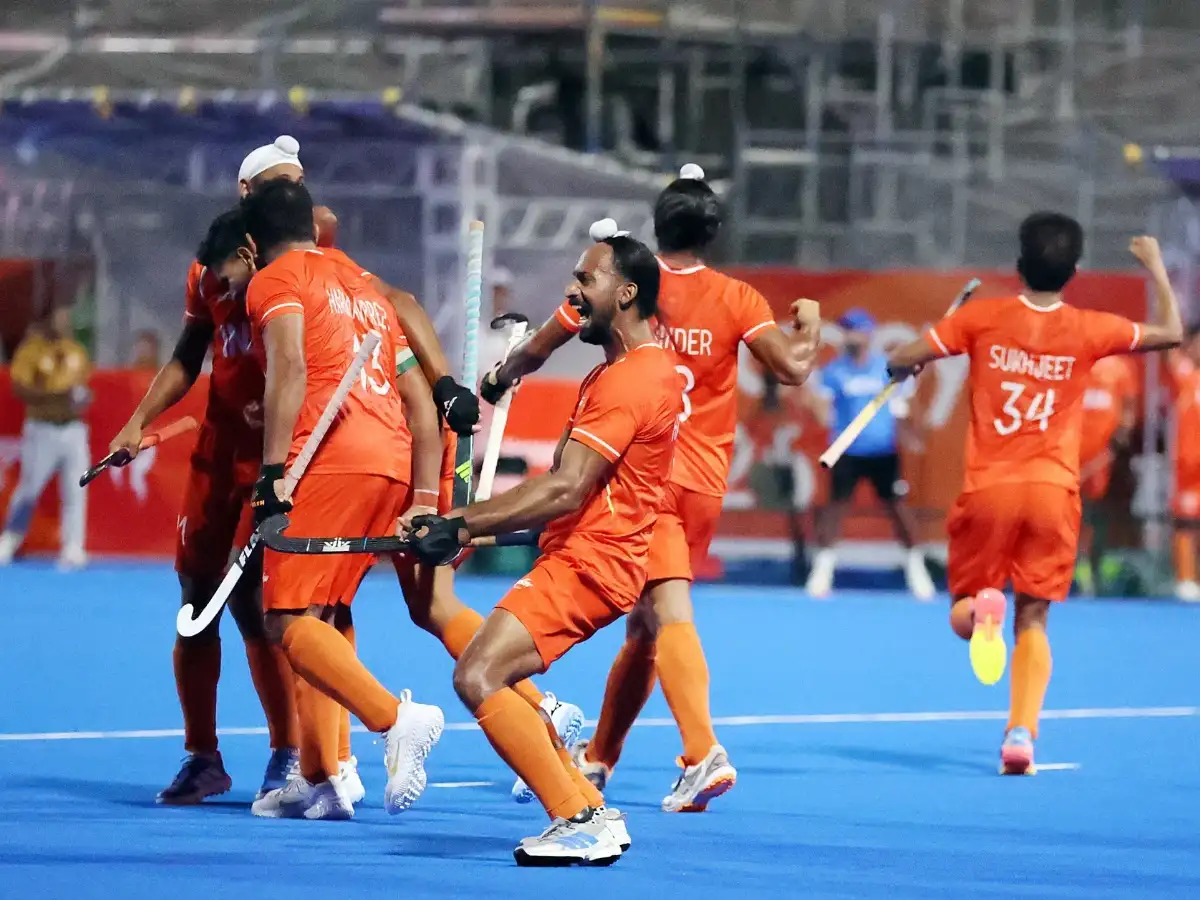
Asian Games 2026 Hockey: India cannot afford silly mistakes against Pakistan, says Harmanpreet after fiery semifinal
The Indian hockey team advanced to the Asian Games final in a thrilling semifinal match against Pakistan. After leading with a solid 3-0 score, tensions rose when Pakistan managed to draw level. Harmanpreet Singh highlighted the significance of staying composed during intense moments. The squad recognized the urgent need to strengthen their defensive strategies, especially when facing tough challenges, as they gear up for the impending final matchup.
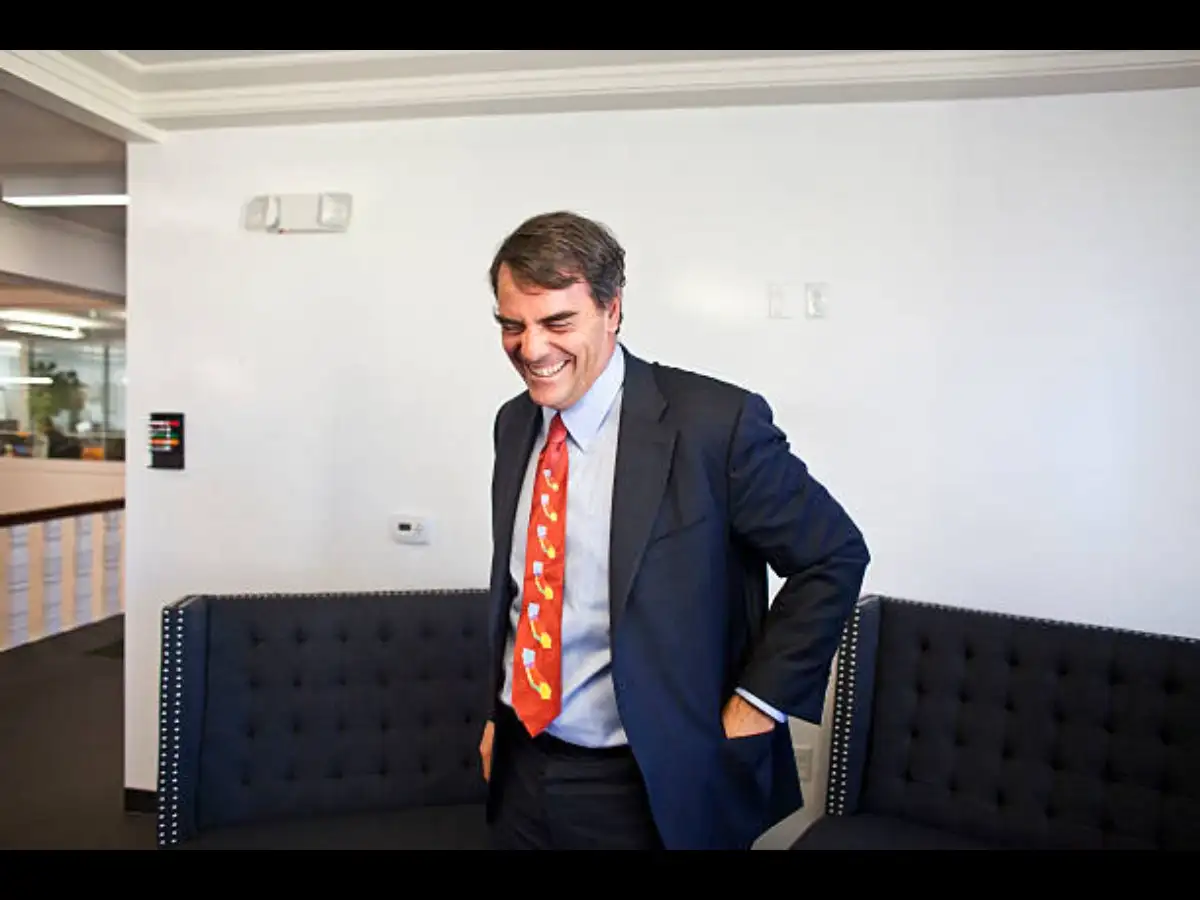
In 1996, Tim Draper bought Hotmail shares for $300,000. 2 years later, Microsoft acquired the startup for $400 million
Microsoft announced the Hotmail acquisition on December 31, 1997. It did not reveal how much it paid for the company. A later securities filing provided more detail. Hotmail’s owners received 2,769,148 Microsoft shares in the deal. Wired estimated those shares were worth about $400 million at the time.
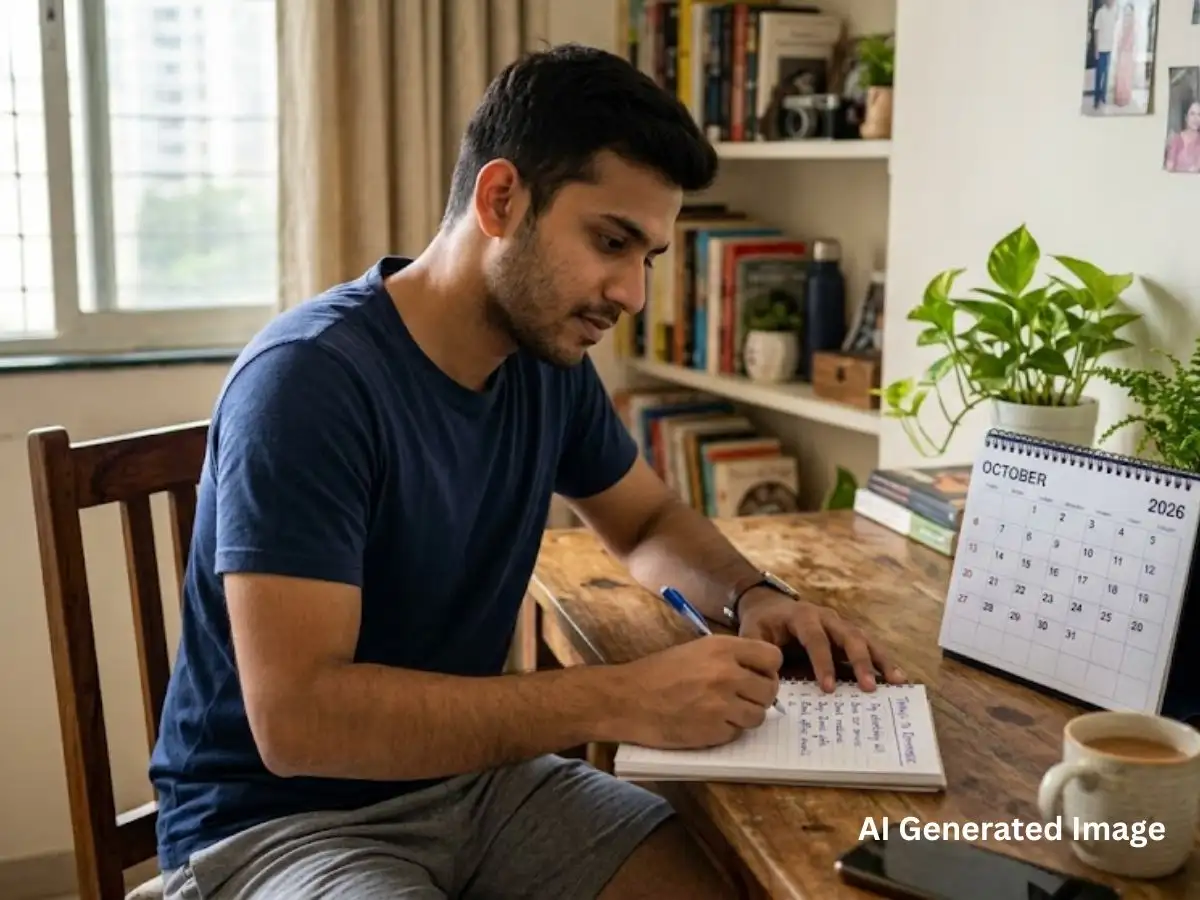
October 2026 rule changes: No PUC, no fuel, higher Mumbai tolls, UPI charges and 4 more updates
October 2026 brings seven rule and policy changes that could affect motorists, businesses and consumers across India. The updates include Delhi’s no-PUC, no-fuel rule, higher toll rates for commercial vehicles entering Mumbai, UPI charges on certain merchant payments, revised ATM limits for some bank customers, Aadhaar authentication for subsidised LPG and new NPS charges.

Johnnie Walker parent Diageo defeats false-labelling lawsuit over ‘100% agave’ tequilas
Diageo has been cleared of allegations claiming that its Casamigos and Don Julio tequilas were falsely labeled. A federal judge found insufficient evidence to support claims of consumer deception in the labeling. Plaintiffs argued that they would have chosen different products had they known the truth about the tequila labels. The ruling may be reconsidered according to the plaintiffs' attorney statements following the decision.
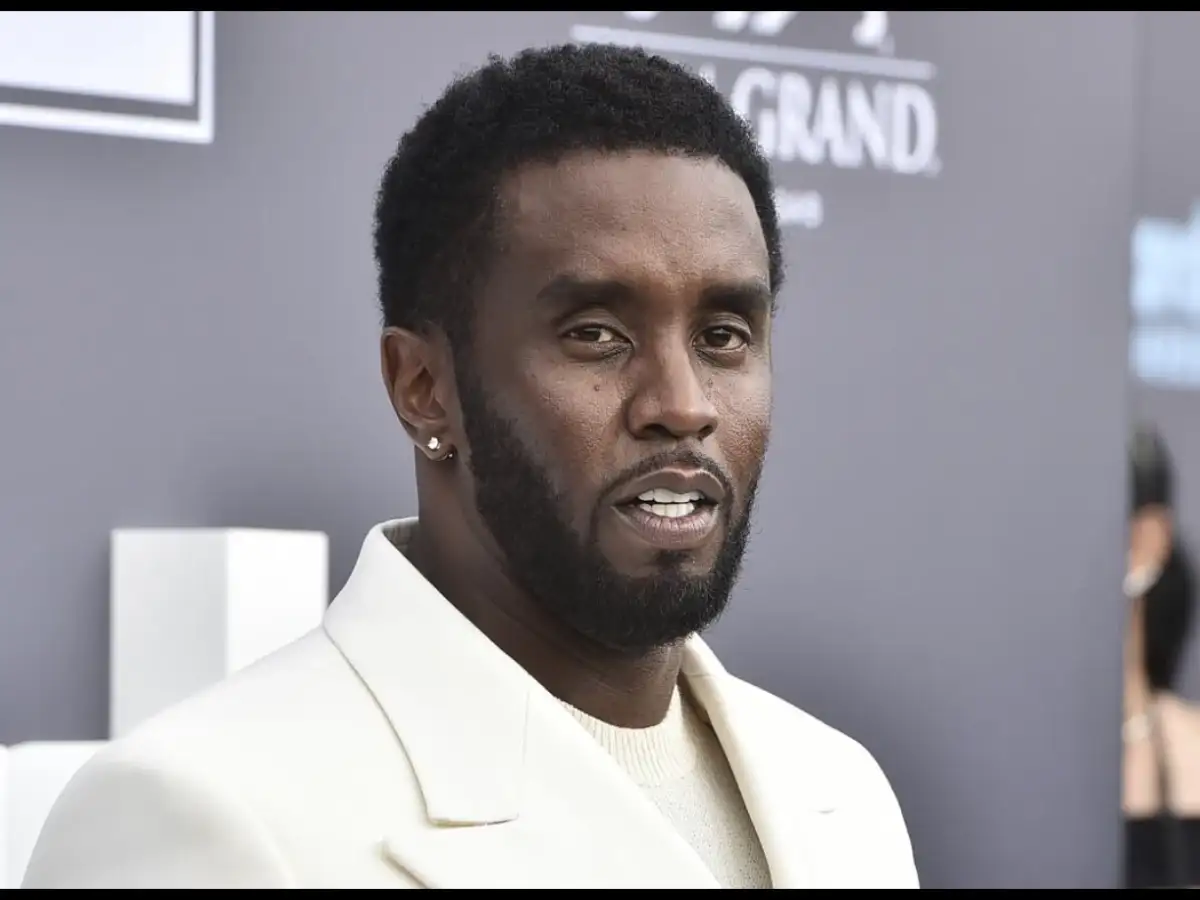
Sean Diddy Combs living like a king behind bars? Reports emerge about his pampered life in jail
Sean 'Diddy' Combs is currently serving a 50-month sentence in Fort Dix federal prison, New Jersey. Reports suggest he pays fellow inmates for services such as cooking, cleaning, and even massages, allowing him to maintain a surprisingly comfortable lifestyle. Despite confinement, sources state he has managed to acquire contraband phones, alcohol, and antidepressants, spending significant sums each month on luxury services.
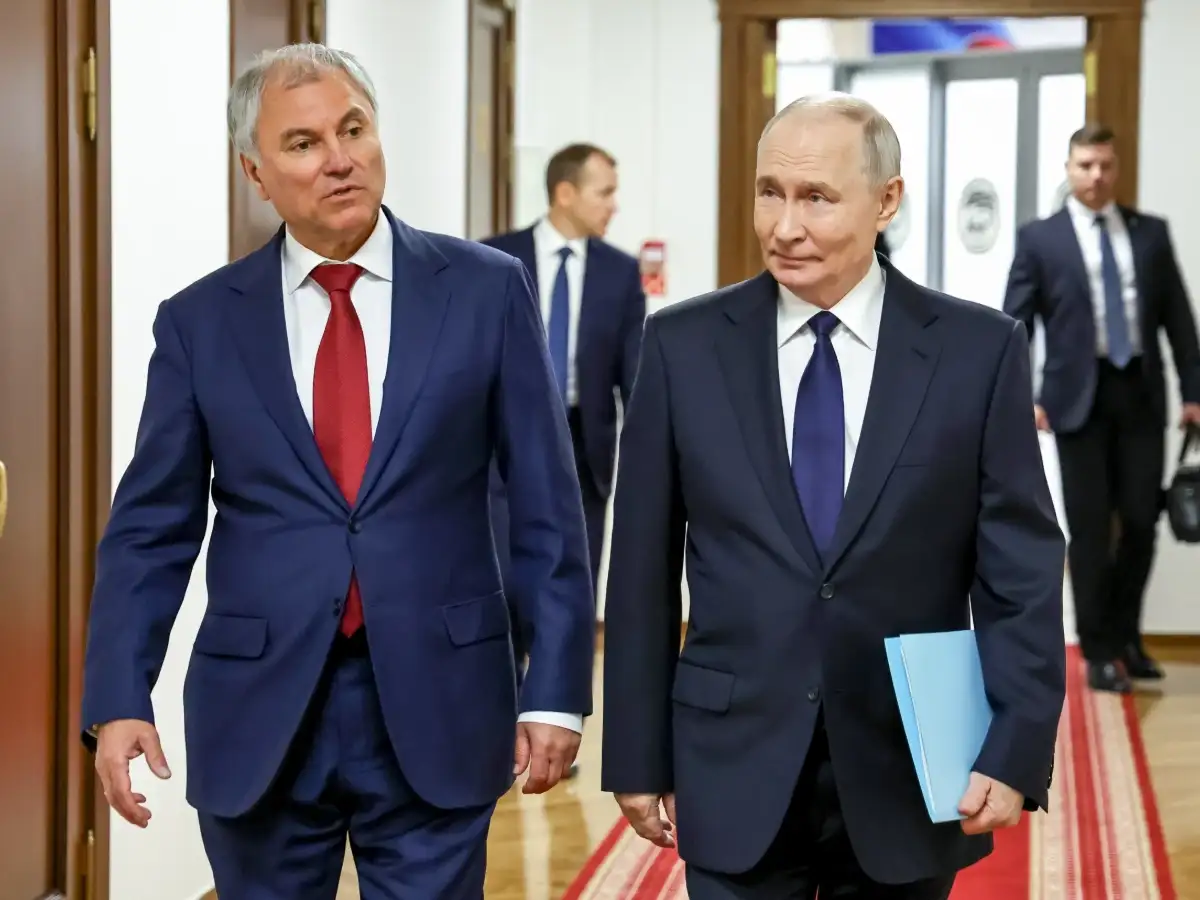
Days after Moscow warns NATO of nuclear attack, Russian strategist warns there will be ‘little left’ of Europe amid World War III threat
After Russia warned NATO that it could use nuclear weapons if the alliance tried to isolate Kaliningrad, Russian foreign policy strategist Sergei Karaganov issued another stark warning. Karaganov said Moscow could initially use conventional weapons but would “go nuclear” if European countries continued backing Ukraine and refused to surrender, warning there would be “little left” of some European countries.
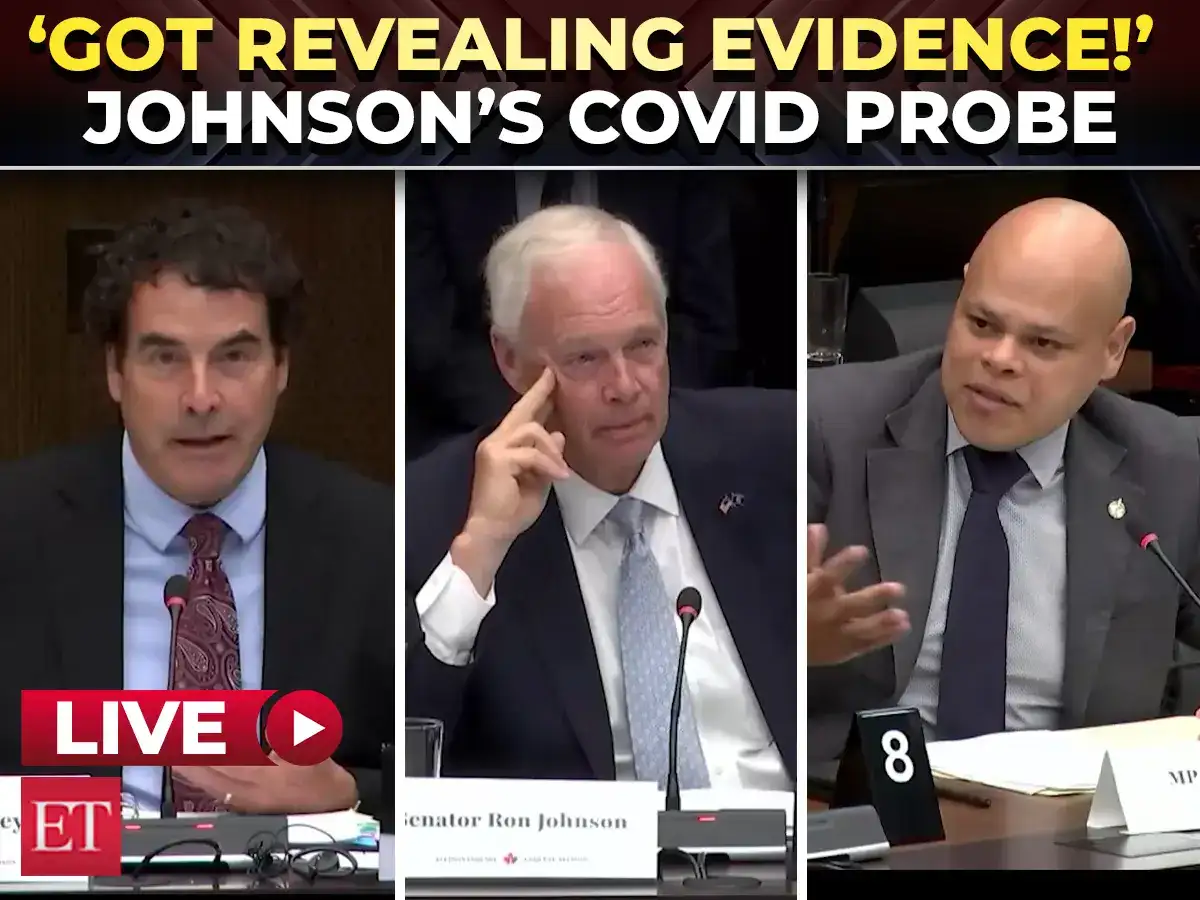

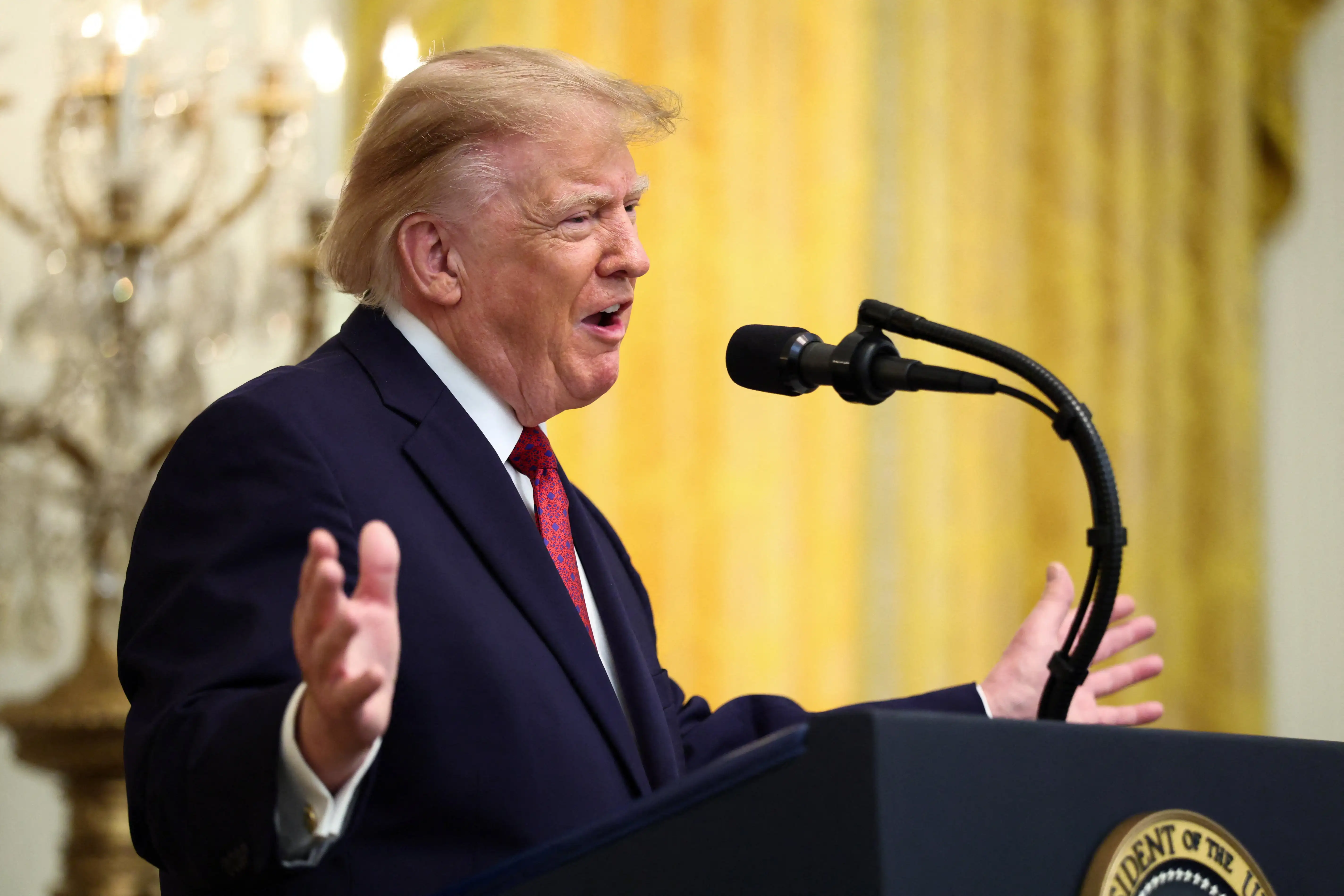
Warning signs multiply for Trump just a month before the midterms
The Republican Party is entering a challenging political environment as midterm elections approach. Issues related to tariffs and the Iran war are causing economic concerns among voters. Recent polling reveals low approval ratings for Trump's handling of the economy and cost of living. Early voting data indicates stronger Democratic participation compared to previous elections. Republican candidates may struggle to distance themselves from Trump while addressing economic dissatisfaction.
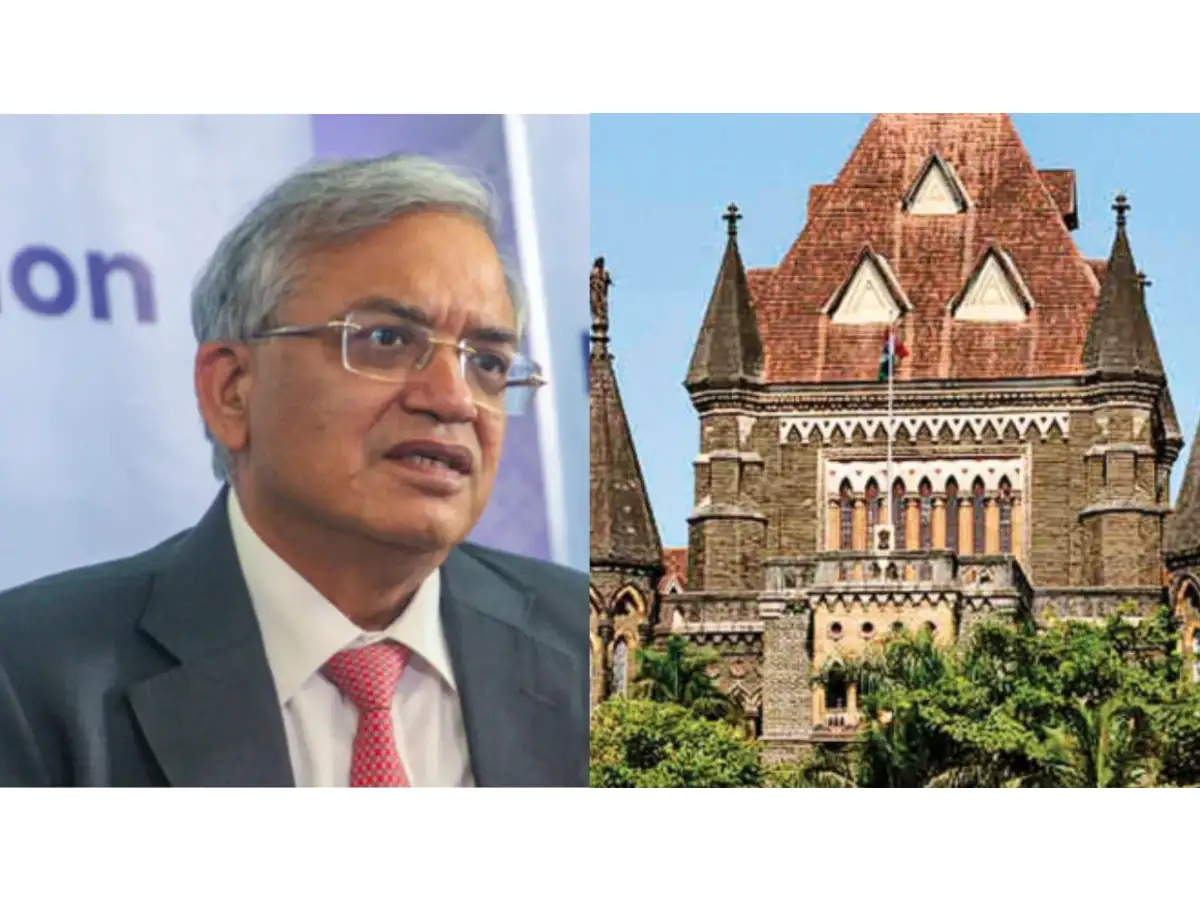
Primary mandate of ECI to ensure citizens vote, says Bombay HC; 'people too can question SIR ordered after decades'
The Bombay High Court questioned the Election Commission's actions regarding the deletion of voter names. The court emphasized the need for continuous updates to electoral rolls instead of abrupt rejections. Citizens should have their applications kept in abeyance rather than outright rejected during the Special Intensive Revision process.
Primary mandate of ECI to ensure citizens vote, says Bombay HC; 'people too can question SIR ordered after decades'
The Bombay High Court questioned the Election Commission's actions regarding the deletion of voter names. The court emphasized the need for continuous updates to electoral rolls instead of abrupt rejections. Citizens should have their applications kept in abeyance rather than outright rejected during the Special Intensive Revision process.