
Minorities say they're sidelined by Sri Lanka's Parliament
Oct 5, 2017
As lawmakers in Sri Lanka celebrate the 70th anniversary of the country's parliamentary democracy, minorities including Tamils, Christians and Muslims remain on the fringes of society
COLOMBO, Sri Lanka — As lawmakers in Sri Lanka celebrate the 70th anniversary of the country's parliamentary democracy, one of the oldest in Asia, minorities including Tamils, Christians and Muslims remain on the fringes of society.
Even with some representation in Parliament, the minorities complain they have been sidelined by the majority Buddhist Sinhalese. The Sinhalese-controlled legislature has done little to heal the wounds left from a quarter-century civil war that ended in 2009, and still refuses to acknowledge or investigate allegations of wartime atrocities by the government.
It has been accused of perpetuating rule by the country's 70 percent Sinhalese majority instead of unifying the multicultural nation.
With tensions growing, some, including the prime minister, have questioned whether Sri Lanka has been successful in its seven-decade state-building process.
"We started 1947 as a united people, but over the past years we had an ethnic conflict ... to the point of a civil war," Prime Minister Ranil Wickremesinghe told a special session of Parliament on Tuesday to celebrate its 70th anniversary.
"We safeguarded democracy through all that, but we are yet to provide a political solution and unify the country," he said.
Others say that, while democracy — based on majority rule — has helped Sri Lanka on many fronts, it has also caused harm. Jehan Perera of the National Peace Council, a local peace research and activist group, argues that the political system has increased divisions in the tropical island nation.
"In a country of ethnic divisions, majority rule can be a dictatorship by a permanent majority over a permanent minority," he said.
The divisions surfaced quickly after Sri Lanka, then known as Ceylon, won independence from British rule in 1948.
Within two years, the first post-independence Parliament stripped hundreds of thousands of mostly Tamil tea plantation workers of Indian origin of their citizenship and right to vote. That prompted fears among indigenous Tamil leaders, who demanded a federal form of self-rule in the country's north and east where they form a majority.
In 1956 a new government came to power on a wave of Sinhalese Buddhist nationalism and quickly abolished English as the language of government, instituting Sinhala as the only national language. That marked the starting point of an ethnic conflict that later flared into a vicious civil war that killed at least 100,000 people, according to U.N. estimates.
Non-violent campaigns by Tamil leaders demanding equal status for minority Tamils were attacked, and anti-Tamil riots killed hundreds of people. Thousands of other Tamils fled the country.
A cry for an independent Tamil state soon strengthened, and from the early 1970s Tamil youths in the north and east began taking up arms and launching sporadic attacks on police and government installations. Tamil politicians, meanwhile, boycotted discussions on crafting the first constitution because they said their concerns were not considered by the Parliament at the time.
It wasn't until state-backed Sinhalese mobs launched countrywide riots and attacks against Tamils in 1983 that civil war erupted in earnest. The riots left Tamil villages burned and hundreds dead. Hundreds of thousands fled the country, while many of those who remained joined Tamil militant groups.
Faced with a bloody conflict, Parliament attempted several constitutional changes to share some power with the Tamil minority and nullify the call for separatism. It introduced provincial councils through an India-brokered peace accord in 1987.
But the councils fell short of Tamil demands for autonomy, and Sinhalese opposed them for giving too much power to the minority group.
Parliament had also changed its stand on the language issue and included Tamil as an official language, but statelessness and voting rights of plantation workers of Indian origin weren't fully settled until the early 2000s.
"There is no reason to be proud of our parliamentary democracy, it has been a failure," said senior Tamil journalist Veeragathy Thanabalasingham.
"As early as 1948 the government started enacting laws to suppress minorities. As a result, a war erupted. Even after such destruction, the Sinhala polity has not had a change of mind in order to prevent more conflicts in the future," he said.
The war ended in 2009 after Sri Lankan soldiers killed the leader of the Tamil Tiger rebels, and many hoped that would lead to a period of post-war reconciliation and a resolution of widespread war crimes allegedly perpetrated by both sides.
But no independent investigations have been allowed to take place. Meanwhile, the military remains powerful, occupying barracks lined with barbed wire and private lands across the former conflict zone. Efforts to reform Sri Lanka's police, judiciary and other institutions to reflect the country's ethnic composition have crawled, exacerbating minority fears.
Last year, Parliament passed a proposal by Wickremesinghe to begin writing a new constitution to provide more minority rights and power sharing. However, the drafting has been delayed by political divisions and opposition from influential Buddhist monks.
Any proposed new constitution would have to be passed by a two-thirds majority in the Sinhalese-controlled Parliament and then be approved in a public referendum.
Meanwhile, Parliament remains far from achieving a consensus on how to deal with the allegations of wartime atrocities and human rights abuses — both efforts that draw strong protests from Sinhalese nationalists.
There are also divisions between the two main parliamentary parties that have formed a unity government, with Wickremesinghe's group pushing reforms while President Maithripala Sirisena's party has been more circumspect.
The patience of Tamil leaders has been dwindling.
"We have all learned many lessons from the most harmful situations that have prevailed in our country," said Rajavarothayam Sampanthan, an opposition leader in Parliament and the main Tamil leader.
"It would be a tragedy if in the name of patriotism, more exactly pseudo patriotism, anyone seeks to prolong these harmful situations."
MORE NEWS
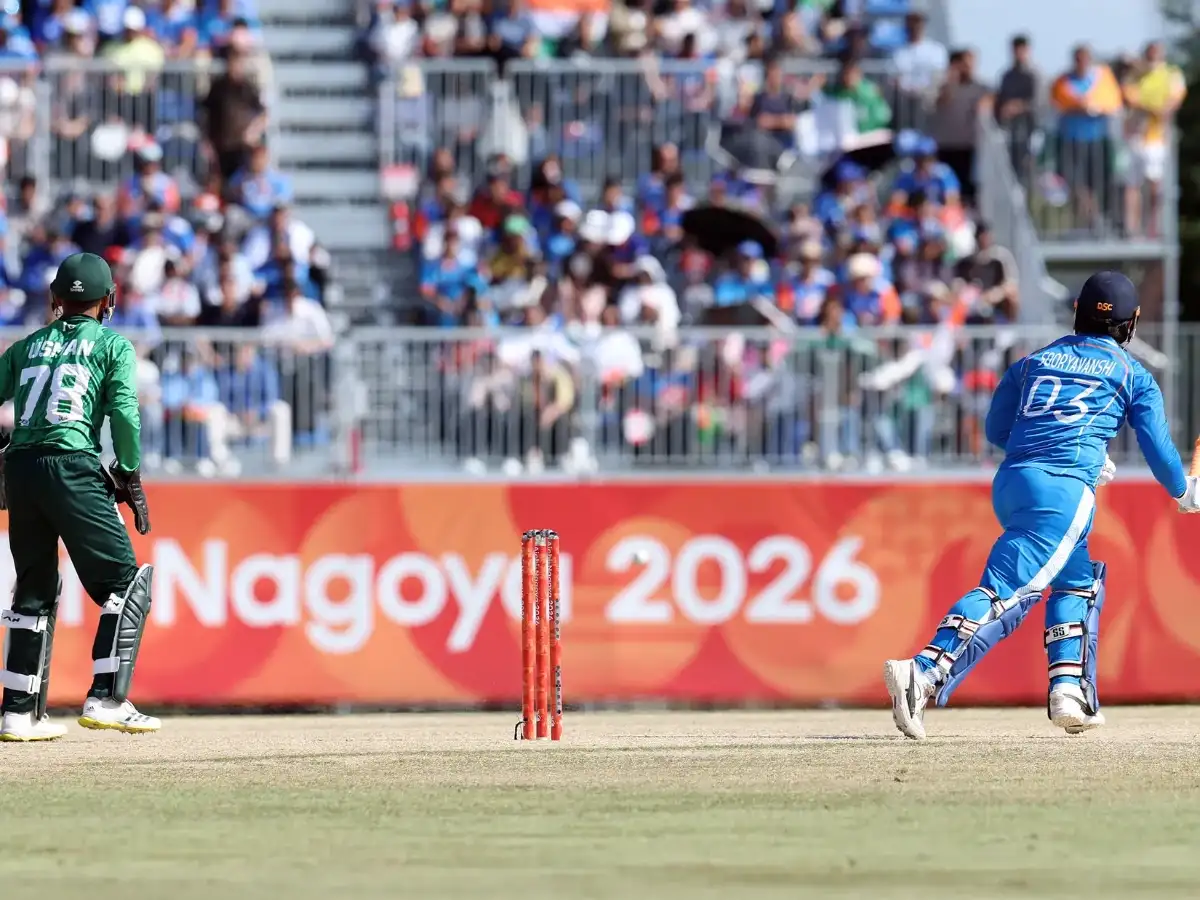
India did not get Asian Games gold ‘on a platter’, says Sanju Samson after Pakistan win
Sanju Samson highlighted the significance of the team's experience in securing victory against Pakistan in the Asian Games final. India successfully defended their men's cricket gold by posting 211 runs and restricting Pakistan to 192 runs. The final showcased a competitive match, as both teams fought hard for the title. Samson noted that despite the pressures, the team maintained focus and composure throughout the contest.

FMGE October 2026 final edit window opens: Check last date to make changes, admit card release date, exam pattern and result date
FMGE October 2026 final edit window now open: NBEMS has opened the final selective edit window for FMGE October 2026, letting candidates correct their photograph, signature and thumb impression till October 19. The exam is on October 31, with results expected by November 30.


RBI repo rate may climb to 6% in FY27; G-Sec yields face upward pressure: Report
RBI is expected to raise the repo rate by 25 basis points in October, with one or two more hikes possible in FY27, taking the benchmark rate to 5.75-6%, according to a Union Bank of India report.
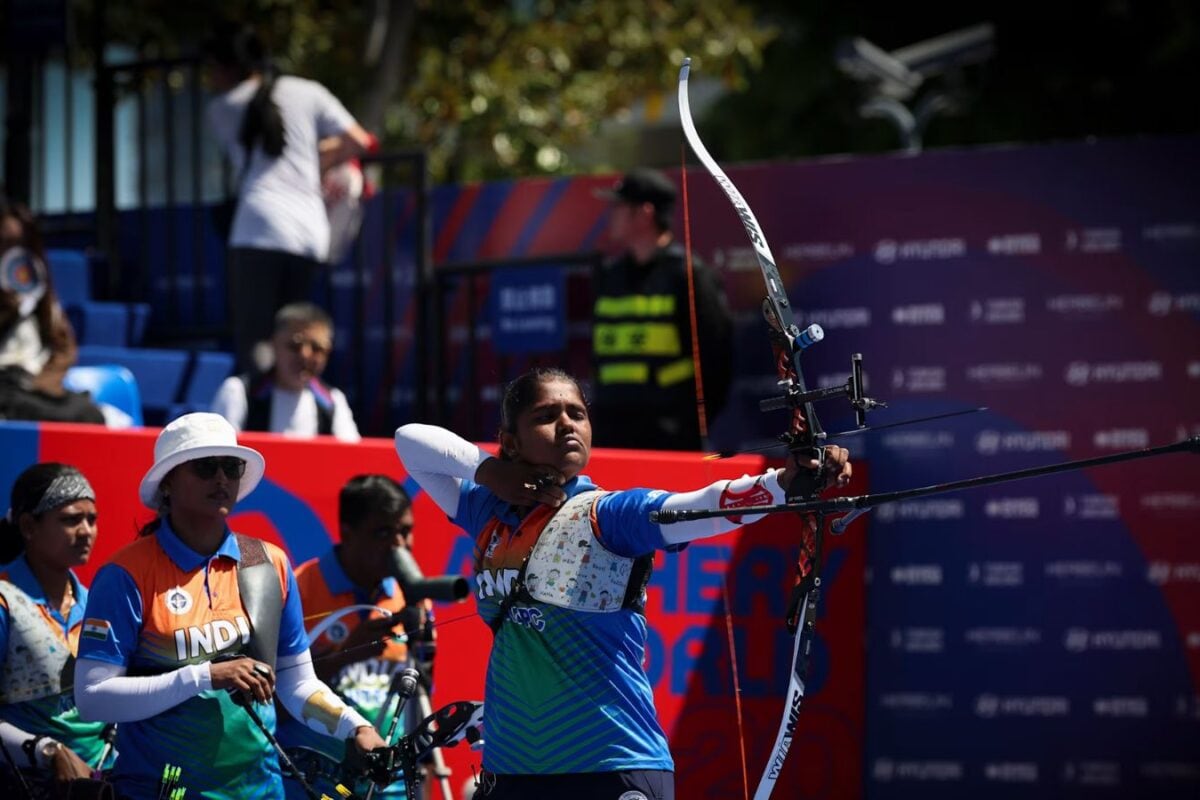
Golden Girl Kumkum Mohod Scripts History, Amravati Erupts In Joy: 'She Has Made India Proud'
Kumkum Mohod's family and neighbours rejoiced after the teenager scripted history at the Asian Games, with her father saying that she has made both Amravati and India proud.
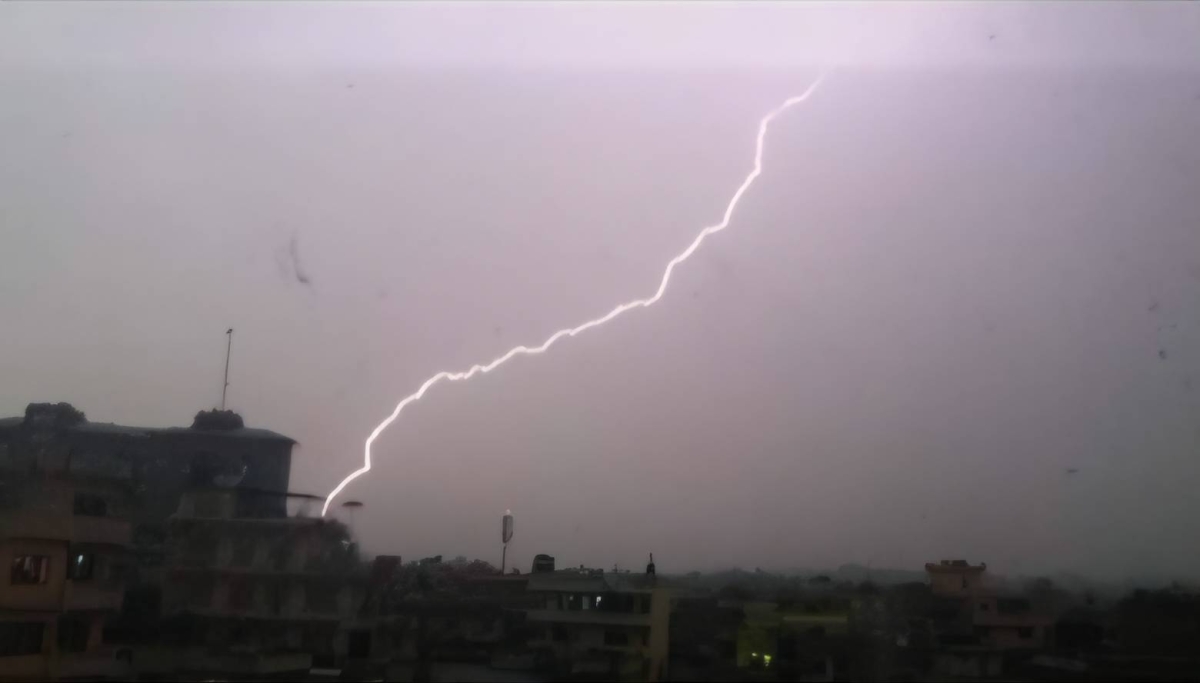
Madhes records 459 disasters in two months, 92 deaths
JANAKPURDHAM, OCTOBER 4Madhes Province recorded 459 disaster incidents in the first two months of the current fiscal year, claiming 92 lives and affecting 510 families, according t...
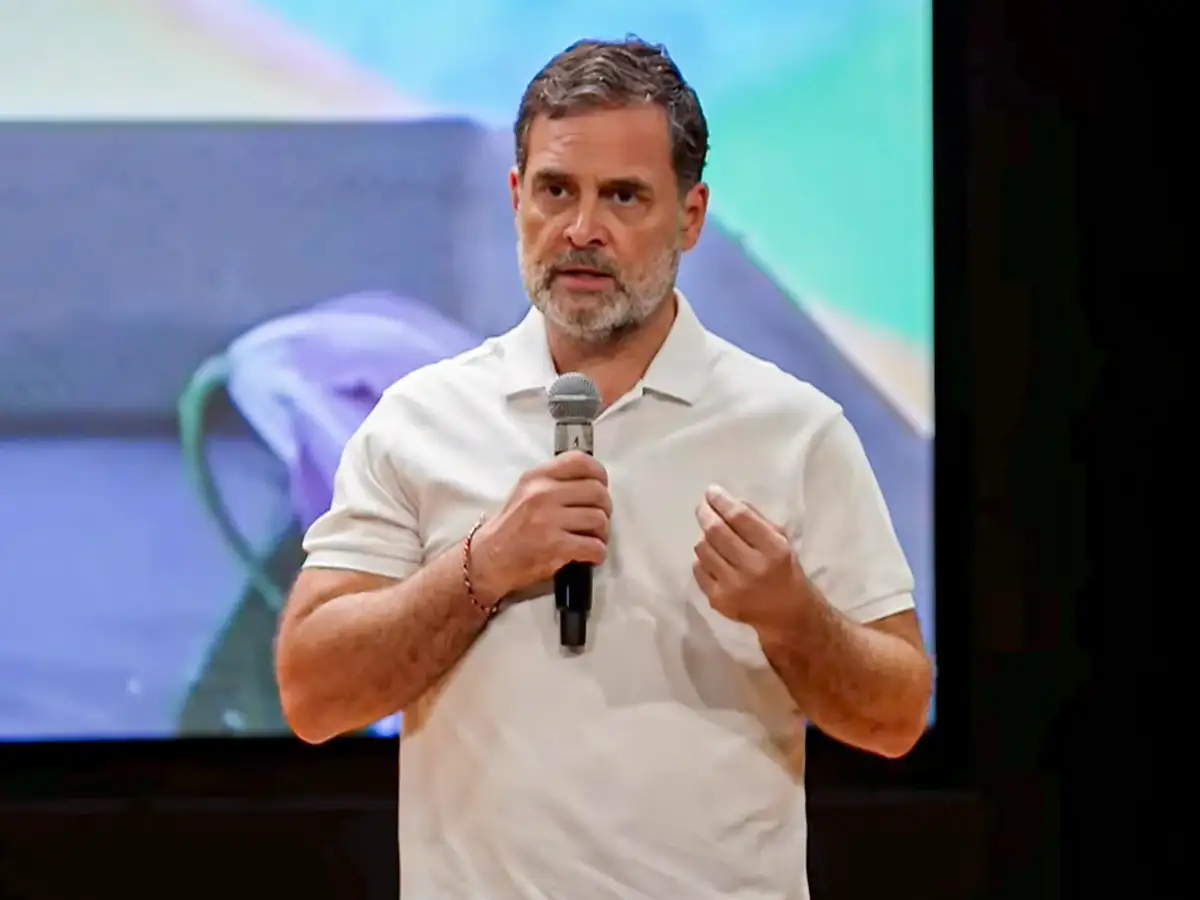
Rahul Gandhi was 'so scared': SP MP on Congress leader's decision to contest from Raebareli in 2024 Lok Sabha polls
Samajwadi Party MP Shiv Pal Singh Patel has claimed Congress would have won no seats in Uttar Pradesh in the 2024 Lok Sabha elections without its alliance with the SP.
IT sector faces another muted quarter as pricing pressure, geopolitics weigh on growth: Report
India's IT sector is expected to see limited growth in Q2FY27 due to various pressures and headwinds. Predictions indicate large-cap firms might experience a modest revenue increase, while mid-cap companies could outperform. Although margins might improve slightly, profitability could continue facing challenges from investment needs. The Nifty IT index has dropped significantly, reaching multi-year lows due to weak demand.
Google Gemini sets new limits for free users: What changes, which features will remain available; check
Google is cutting model access for free and AI Plus Gemini users from October 9, while AI Pro subscribers get the Deep Think feature. Here is what each plan will get, and what users stand to miss.

Lockheed Martin to expand production in India, if it wins transport aircraft bid
Lockheed Martin plans to expand its aircraft production capabilities in India if it wins a $10.5 billion contract to supply 60 medium transport aircraft to the Indian armed forces.
Canadian rock singer Sass Jordan, voice behind ‘Make You a Believer’ and ‘Tell Somebody,’ dies at 63
Sass Jordan, the renowned Canadian rock singer, has passed away at the age of 63. Her family reported that she died peacefully, surrounded by loved ones. Jordan had faced health issues recently, which led to the cancellation of her performances. Born in Birmingham and raised in Montreal, she became a prominent figure in the music industry.
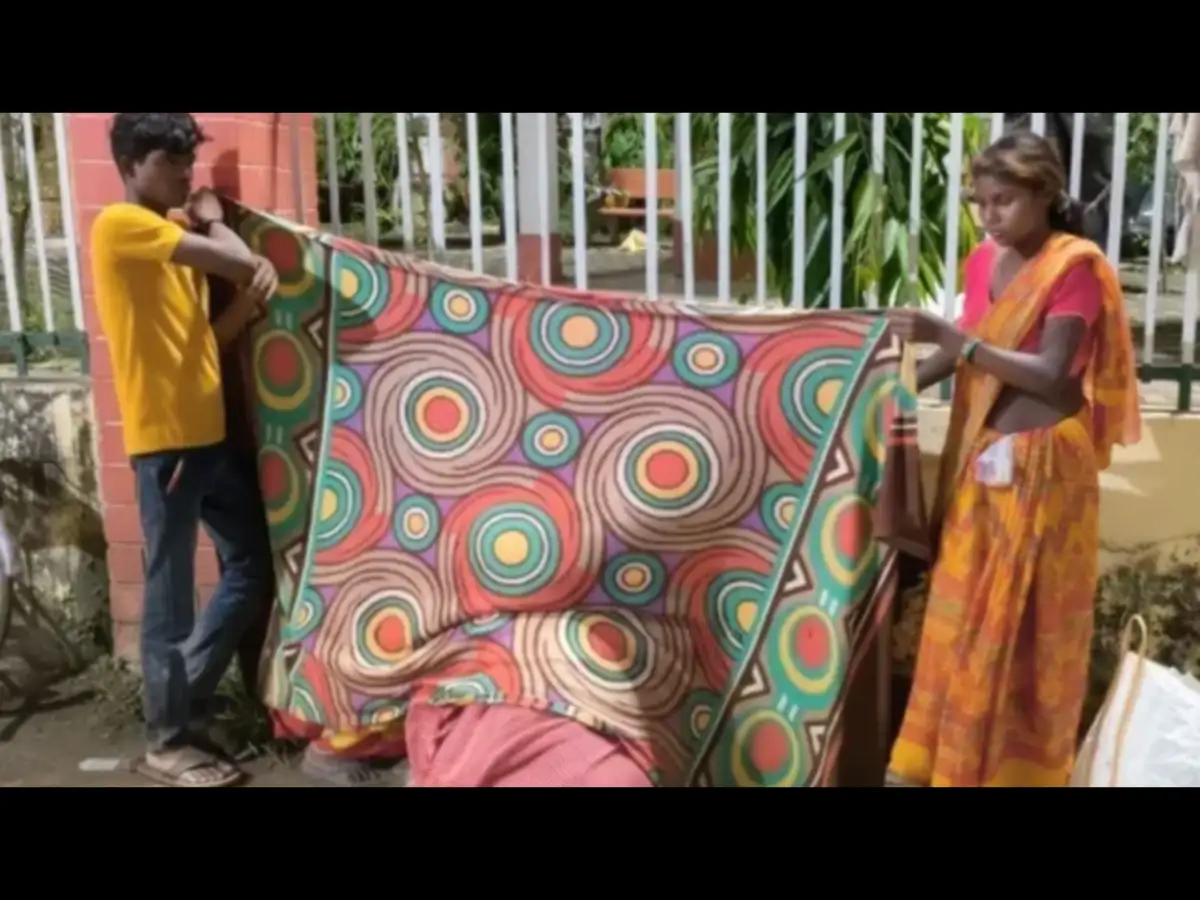
Woman in labour denied hospital admission after being identified as Dalit, forced to deliver baby on roadside outside UP hospital
Dalit woman denied hospital admission: A 20 year old woman in Uttar Pradesh's Bhadohi district was allegedly denied admission at a government hospital after staff learnt she belonged to the Dalit Mushar community, forcing her family to deliver her baby on the roadside right outside the facility. A video of the incident went viral, pushing the state's deputy chief minister to order an inquiry that has already cost one doctor his job and led to action against four other hospital staff members.