
Many organizations banned in Pakistan thrive online
Jul 11, 2017
Islamabad official: More than 40 out of 65 organizations banned in Pakistan operate, flourish on social media sites
ISLAMABAD — It's dusk. The shadows of three men brandishing assault rifles welcome the reader to the Facebook page of Lashkar-e-Islam, one of 65 organizations that are banned in Pakistan, either because of terrorist links or as purveyors of sectarian hate.
Still more than 40 of these groups operate and flourish on social media sites, communicating on Facebook, Twitter, WhatsApp and Telegram, according to a senior official with Pakistan's Federal Investigation Agency, or FIA, who is tasked with shutting down the sites. They use them to recruit, raise money and demand a rigid Islamic system. It is also where they incite the Sunni faithful against the country's minority Shiites and extoll jihad, or holy war, in India-ruled Kashmir and in Afghanistan.
"It's like a party of the banned groups online. They are all on social media," the FIA official told The Associated Press. He spoke on condition his name not be used because agency officials are not allowed to be quoted by name.
Meanwhile, Pakistan is waging a cyber crackdown on activists and journalists who use social media to criticize the government, the military or the intelligence agencies. The Interior Ministry even ordered the FIA, Pakistan's equivalent of the American FBI, to move against "those ridiculing the Pakistan Army on social media."
The FIA official said the agency has interrogated more than 70 activists for postings considered critical. All but two have been released and a third is still under investigation, he said.
Activists, journalists and rights groups who monitor Pakistan's cyberspace say the banned groups active on social media operate unencumbered because several are patronized by the military, its intelligence agencies, radical religious groups and politicians looking for votes.
Even the FIA official concedes state support for some of the banned groups but said it is a global phenomenon engaged in by all intelligence agencies.
"Everyone is protecting their own terrorists. Your good guy is my bad guy and vice versa," he said, adding that some sites belonging to banned groups are intentionally ignored to gain intelligence.
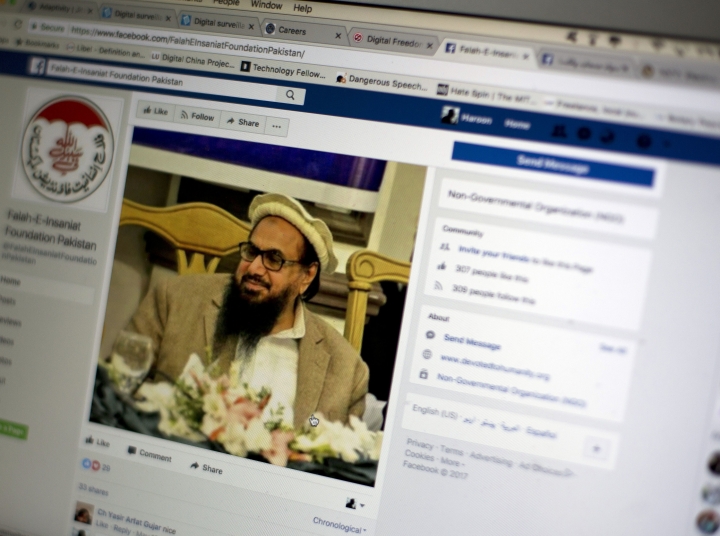
On one Facebook page, the Afghan Taliban flag welcomes viewers, its masthead emblazoned with Arabic script identifying the page as belonging to the Islamic Emirate of Afghanistan. Still another Facebook site features one of India's most wanted, Hafiz Saeed, the founder of Lashkar-e-Taiba, another banned organization and a U.S. declared terrorist group.
Saeed even has a $10 million U.S.-imposed bounty on his head. Yet his group, which has been resurrected under several names, is billed as a charity and has several Facebook pages. Currently called Falah-e-Insaniat, the group boasts of its community work, but its pages feature anti-India videos, call Syria a bleeding wound, rail against India and chastise the Pakistan government for siding with the U.S. following the 9/11 attacks.
Facebook and Twitter have said that they ban "terrorist content." In the second half of last year, Twitter said on its site it had suspended 376,890 accounts because they were thought to promote terrorism, although they say less than 2 percent of the removals were the result of requests from governments. Facebook, meanwhile, said in a blog last month it uses artificial intelligence and human reviewers to find and remove "terrorist content."
"There is no place on Facebook for terrorism," Facebook spokeswoman Clare Wareing said in an email reply to The Associated Press. "Our Community Standards do not allow groups or people that engage in terrorist activity, or posts that express support for terrorism. We encourage people to use our reporting tools if they find content that they believe violates our standards, so we can investigate and take action."
Shahzad Ahmed, of the Islamabad-based social media rights group BytesForAll, said Pakistan's powerful military and intelligence agencies are waging a "communication war" against progressive, moderate voices and those who criticize the government and more particularly the military and its agencies. They use radical religious groups to promote their narrative, he said.
"Their connectivity on the ground, the mosques, madrassas and supporters translates into social media strength and they are (further) strengthened because they feel 'no one is going to touch us,'" he said.
Ahmed Waqass Goraya is a blogger who was picked up and tortured by men he believes belonged to the country's powerful intelligence agency, known by its acronym ISI. He said Pakistan's social media space is dominated by armies of trolls unleashed by the military, intelligence agencies and allied radical religious groups to push their narrative. That narrative includes promoting anti-India sentiment — India is Pakistan's longtime enemy against whom it has fought three wars.
Critics who openly accuse the military of using extremists as proxies are under attack, said Goraya. He fled Pakistan after social media was used to suggest the he and other bloggers were involved in blasphemy, a charge that carries the death penalty. In Pakistan even the suggestion that someone insulted Islam or its prophet can incite mobs to violence.
Earlier this month, Taimoor Raza, a minority Shiite, became the first person sentenced to death under Pakistan's blasphemy law for a social media posting.
Taha Siddiqui, a Pakistan-based journalist with France 24 and an active social media user who often criticizes heavy handed actions of the military or its agencies, has taken the FIA to court to demand to know why he is under investigation after being ordered to come in for questioning. His resistance is taking its toll with family, friends and colleagues, who plead for him to be silent, he said. "They worry someday I will just disappear."
At FIA headquarters in the capital, Islamabad, the official told the AP that banned groups use proxy servers that reveal IP addresses buried somewhere in other countries, making it impossible to track.
That explanation was called "lame" by Haroon Baloch, a social media rights activist who has studied the free-wheeling use of social media by banned groups and purveyors of sectarian hate. He said sites can be blocked, users located and the persons running the pages stopped.
Bloggers like Goraya had elaborate safeguards but still were tracked down by authorities, said Baloch. Unlike the banned groups, Baloch said bloggers, social media activists and journalists are found and stopped because Pakistan's civilian and military intelligence agencies are on the offensive against them.
"Agencies have established a new wing to monitor 24/7, to counter liberal and progressive debate and particularly anything that criticizes their policies," he said.
___
Associated Press writer Barbarao Ortutay in New York contributed to this report.
MORE NEWS
Naval staffer among two arrested for spying for Pakistan: Andhra Police
Andhra Pradesh Police arrested two individuals as part of an espionage investigation involving contacts with Pakistani operatives. The arrests included a naval employee and a civilian engaged for naval officers. The Counter Intelligence Cell coordinated with police from ten states to track the suspects. Authorities reported that sensitive information was shared regarding defence establishments in India. Further investigation continues to reveal the extent of the conspiracy and other suspects involved.
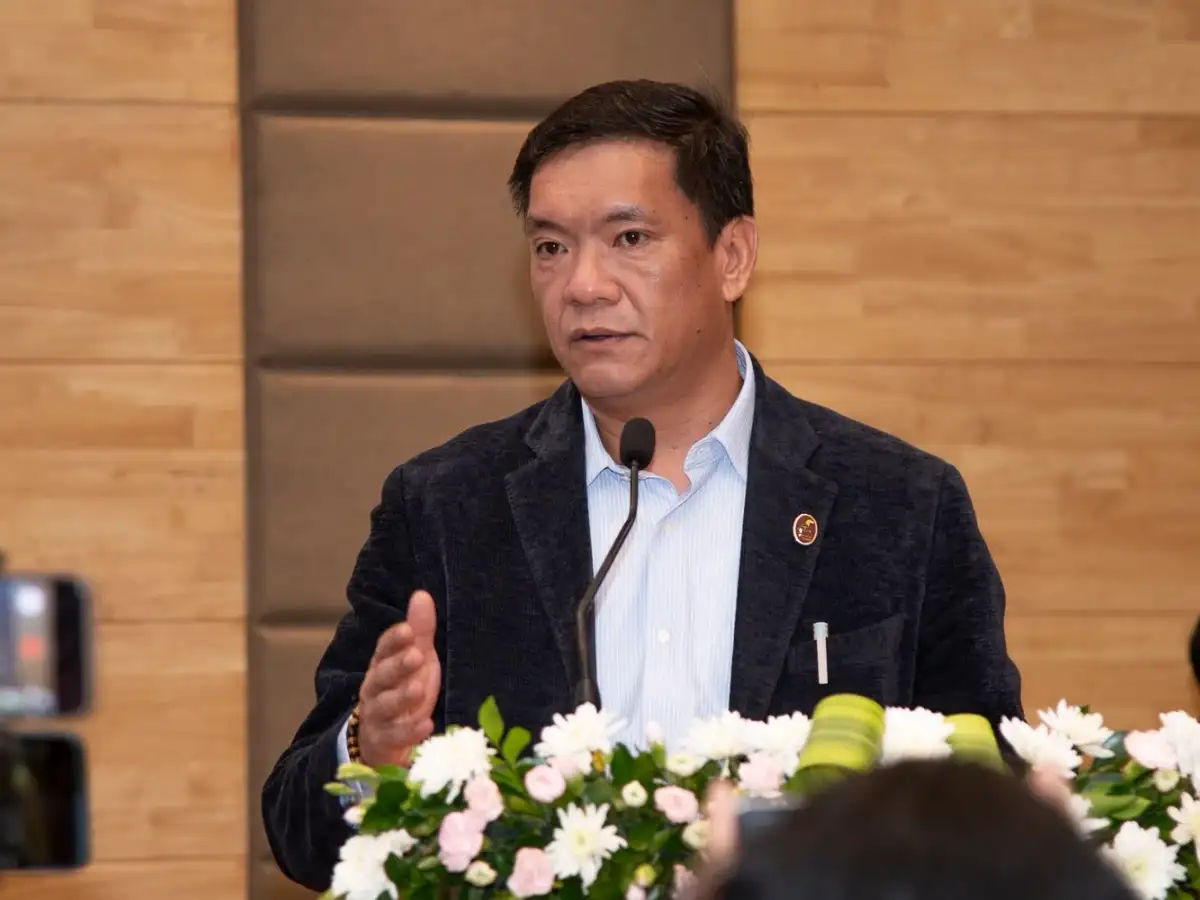
Hydropower presents massive investment opportunity with 19,000 MW projects underway: Arunachal Pradesh CM Pema Khandu
Arunachal Pradesh is focused on hydropower development, with 19,000 MW of projects in various stages. Chief Minister Pema Khandu highlighted the strategic importance of the Siang Upper Multipurpose Project and the need for public consultations. He emphasised conducting the Preliminary Feasibility Report before deciding on the project's construction. Several infrastructure projects under the Pasighat Smart City Mission were inaugurated to improve urban amenities.
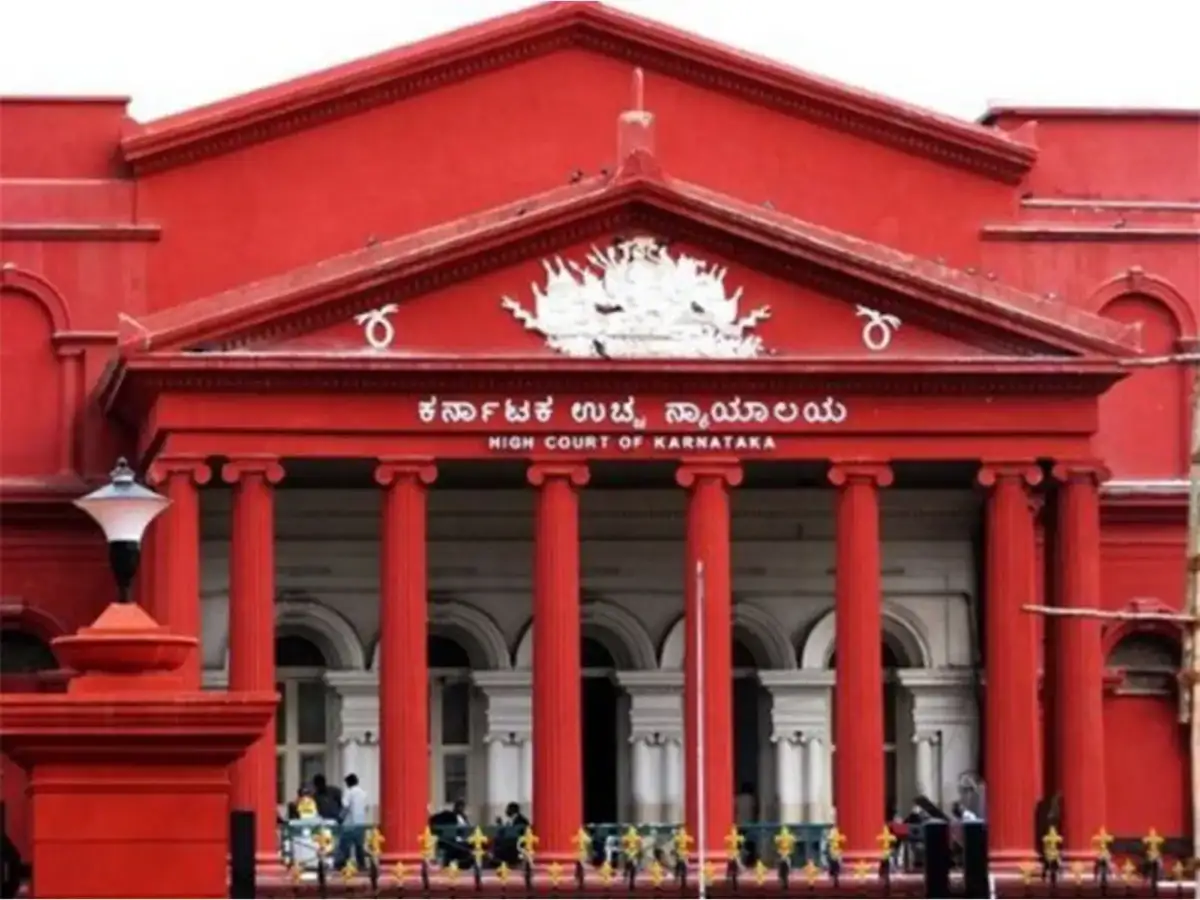
Karnataka HC questions ED over 12-year delay in FEMA case against Cafe Coffee Day CEO Malavika Hegde
The Karnataka High Court on Tuesday questioned the Enforcement Directorate over initiating FEMA proceedings against Cafe Coffee Day CEO Malavika Hegde more than 12 years after the transactions under scrutiny. The court examined whether such action was permissible after an unreasonable delay and extended interim protection against the proceedings.
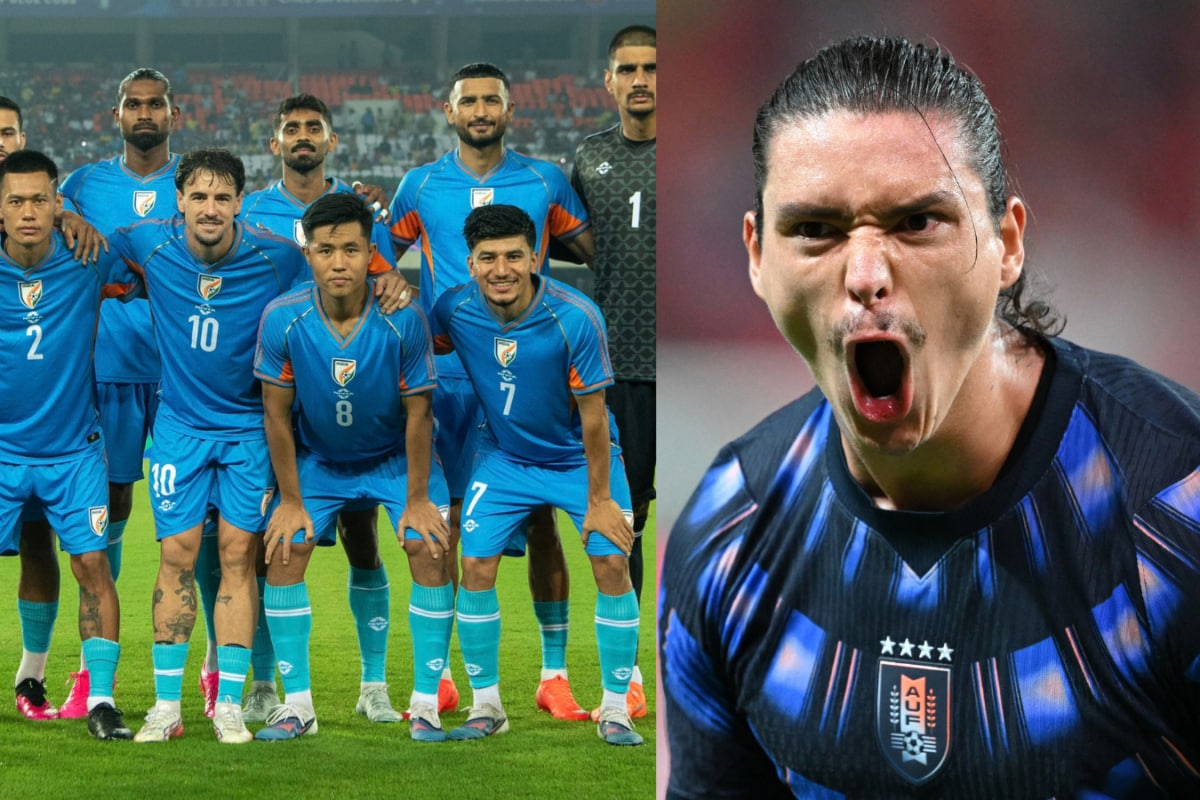
India Vs Uruguay LIVE Score: Can Khalid Jamil's Men Upset The 2-Time World Champions?
India vs Uruguay: Follow all live updates from the FIFA international friendly in Kolkata.
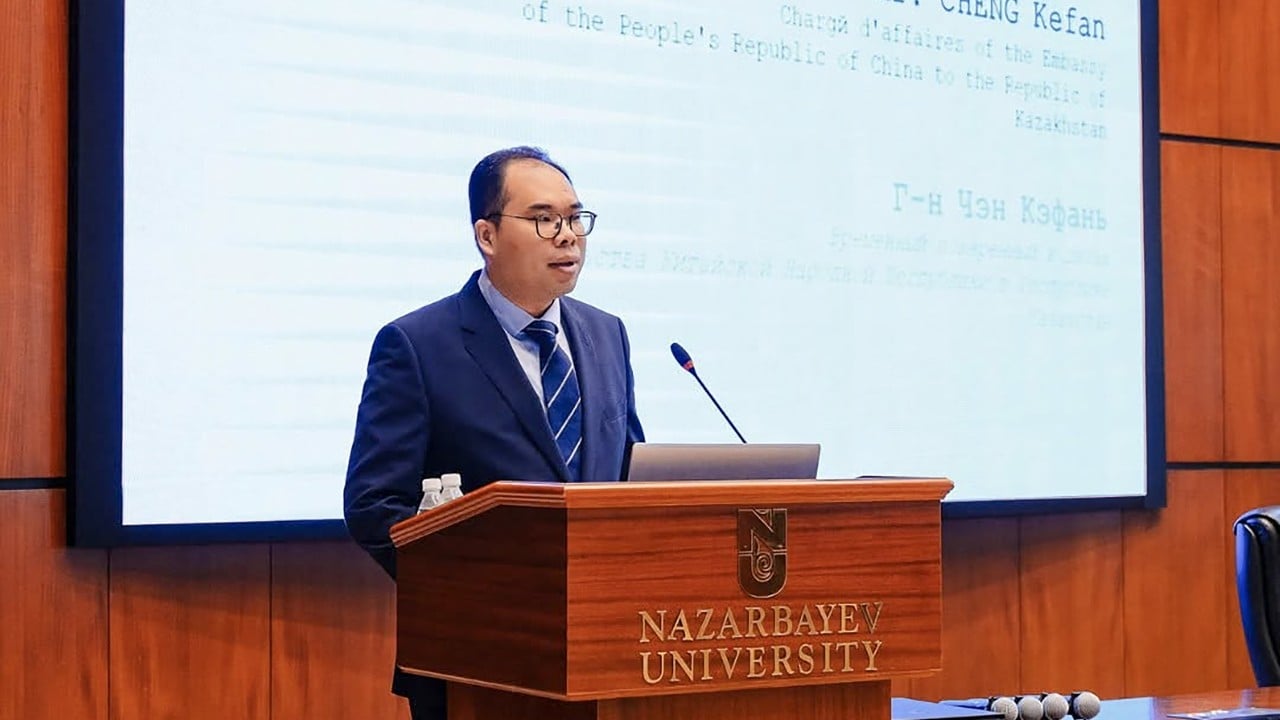
How traditional Chinese medicine is shaping Kazakhstan’s health system
China has pledged to expand its health partnership with Kazakhstan by helping the Central Asian nation integrate traditional medicine directly into its national healthcare system, shifting away from simple product exports. The Chinese embassy in Kazakhstan on Monday called for the alignment of high-level policy to enhance bilateral health cooperation for both countries’ benefit. “Both nations should promote the qualitative upgrading of cooperation in smart healthcare, hi-tech diagnostics and...
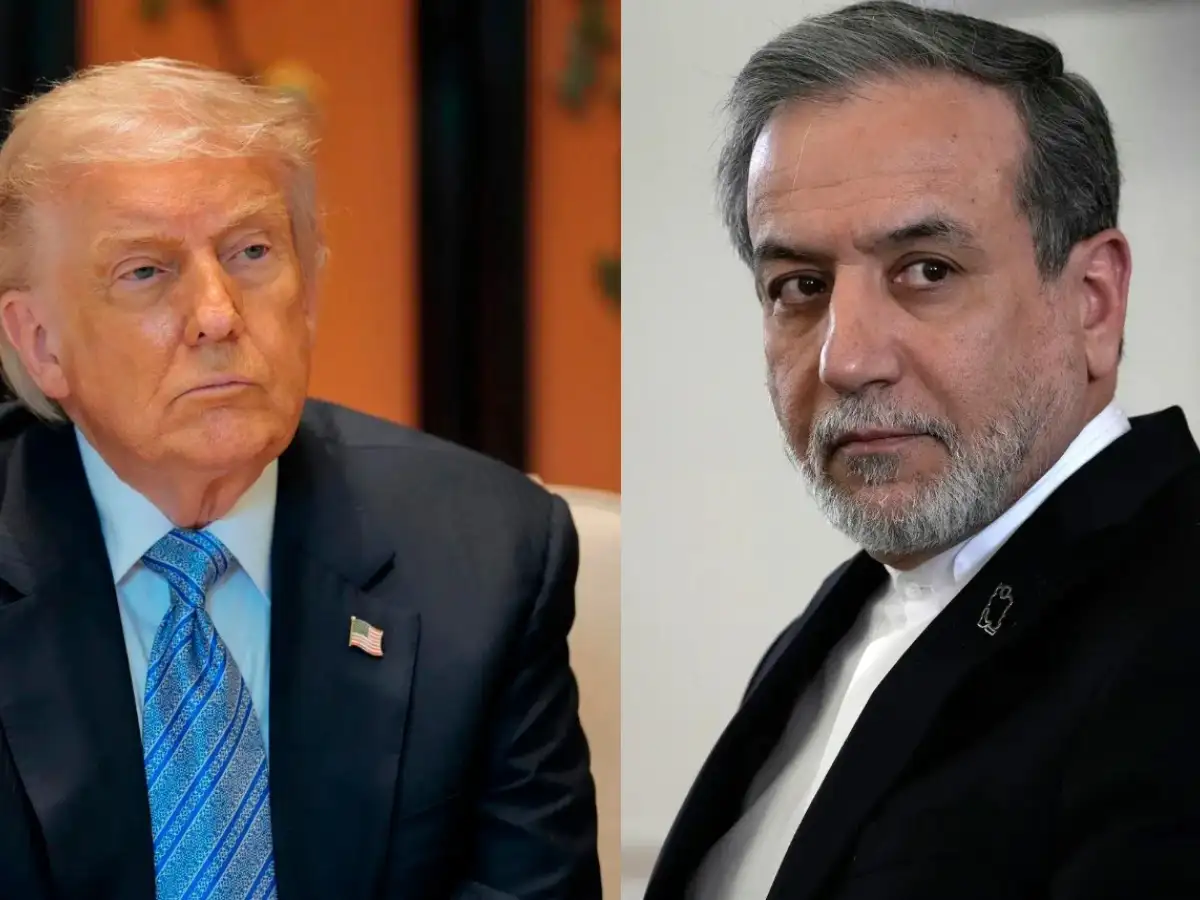
Qatar says US-Iran talks to end Middle East war continue via mediators, despite deadlock over Strait of Hormuz
Mediator Qatar confirmed that indirect negotiations between the United States and Iran continue amid a protracted conflict. Talks have resumed despite ongoing tensions and previous ceasefires not yielding lasting peace. Iranian President Masoud Pezeshkian expressed skepticism about the effectiveness of these discussions. As the war persists, both nations aim to address the strategic concerns surrounding the Strait of Hormuz.

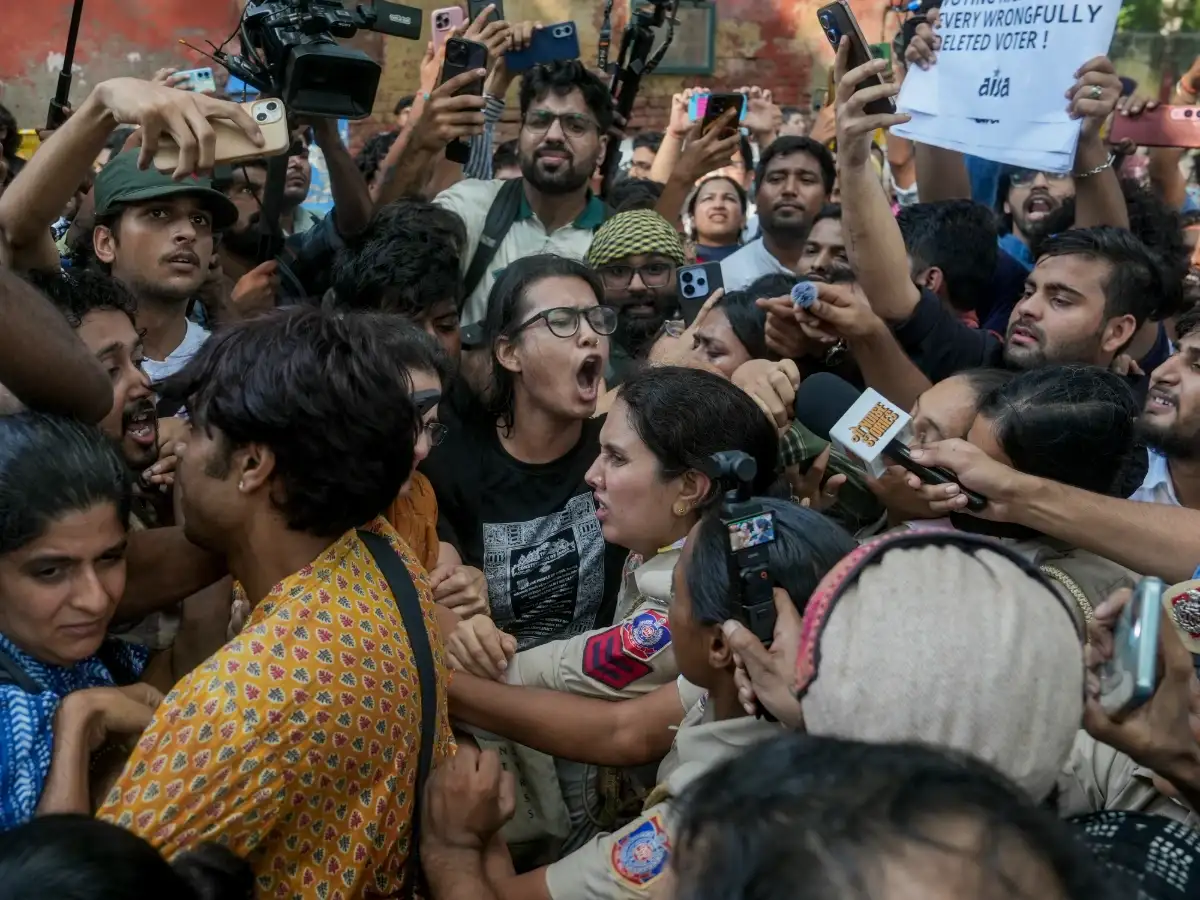
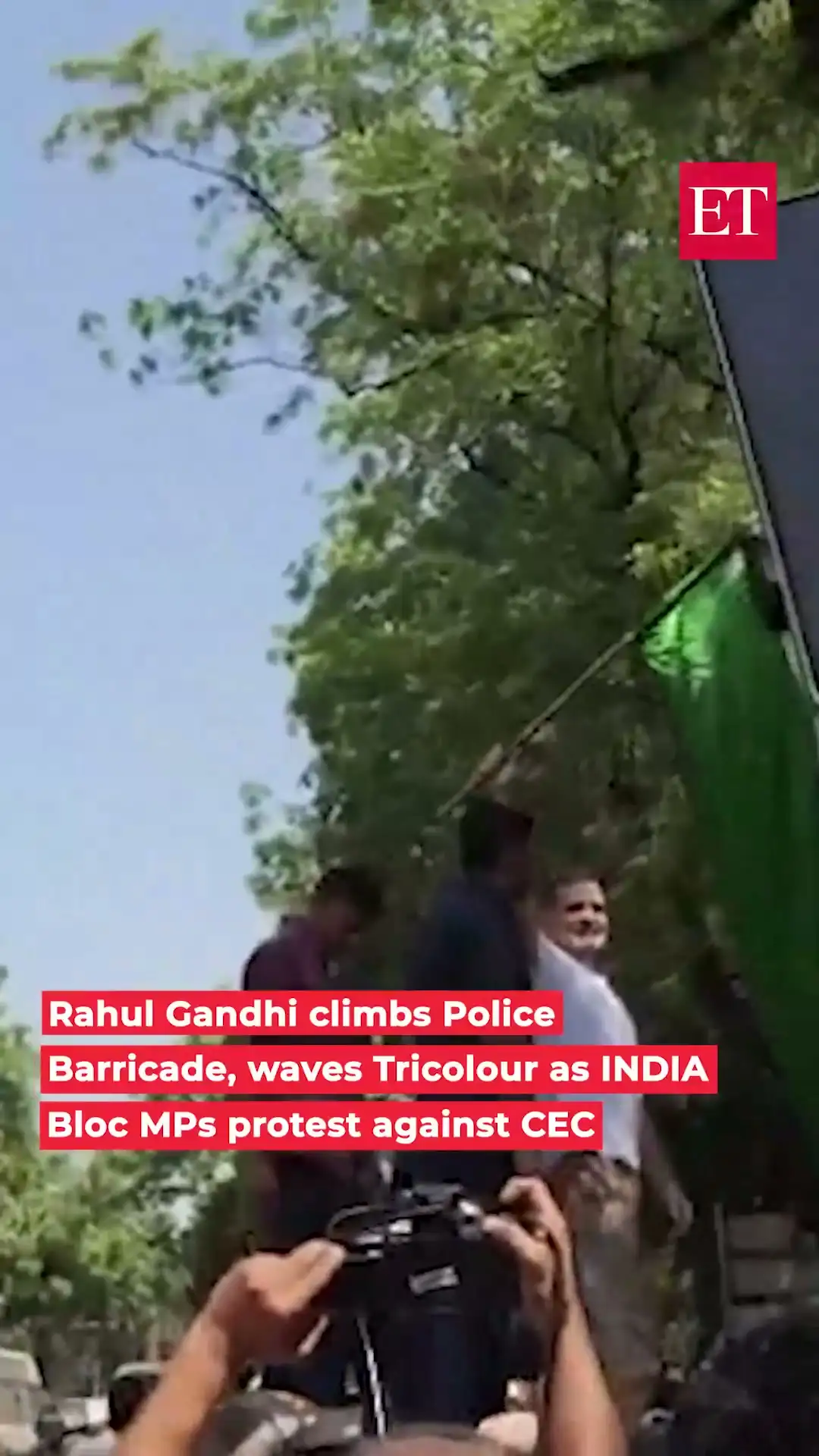
Protests erupt across India demanding resignation of Chief Election Commissioner Gyanesh Kumar over voter list manipulation
Protests have emerged across India as citizens demand the resignation of Chief Election Commissioner Gyanesh Kumar. Demonstrators claim that the ongoing Special Intensive Revision process threatens voter rights and favors the ruling Bharatiya Janata Party. Critics say this process requires complex documentation that may disenfranchise vulnerable communities and lead to significant voter list reductions. Opposition parties and activists are calling for more independent election oversight.
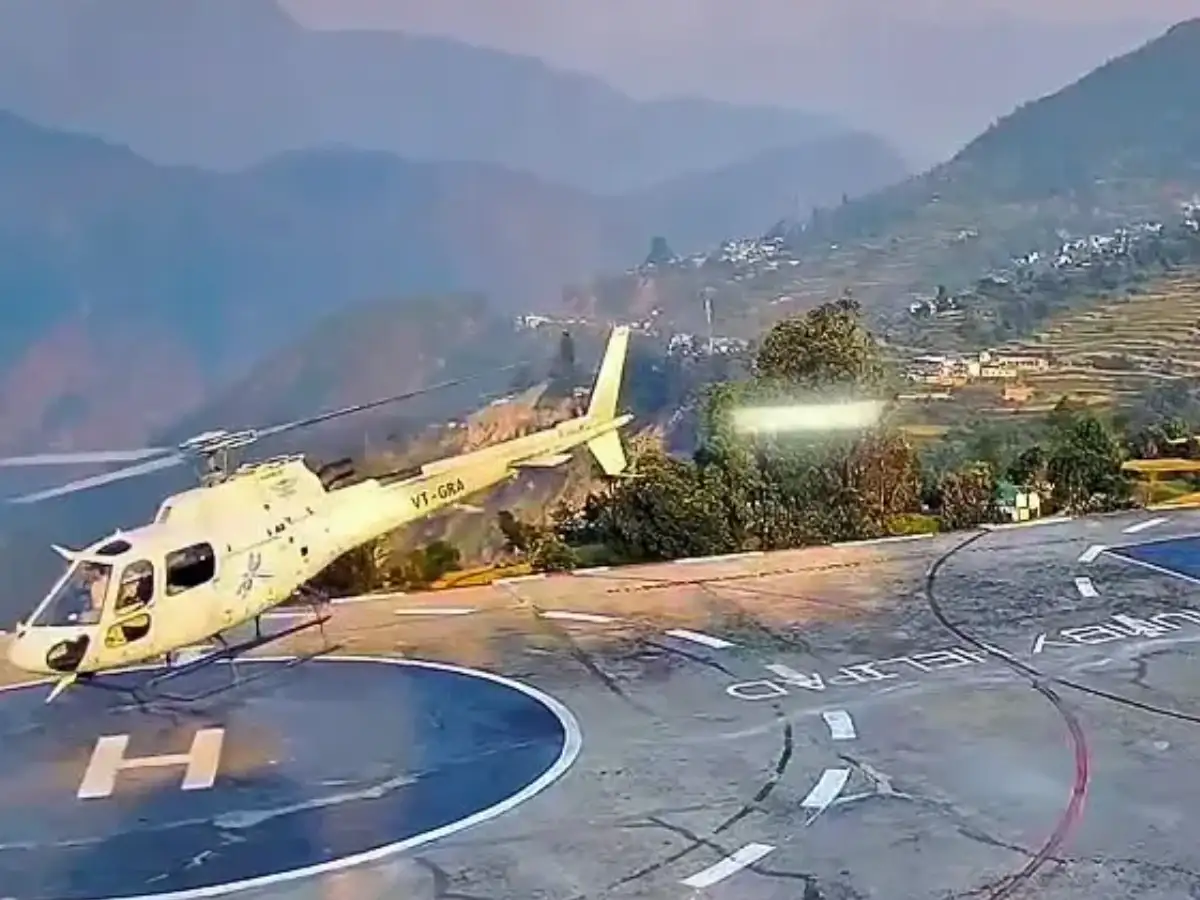
Helicopter makes emergency landing in Uttarakhand’s Rudraprayag amid bad weather
A helicopter made an emergency landing at the Agastyamuni sports ground in Rudraprayag district on Tuesday after encountering adverse weather conditions. The aircraft landed safely at the sports ground, with the incident occurring amid challenging weather conditions in the region.
Helicopter makes emergency landing in Uttarakhand’s Rudraprayag amid bad weather
A helicopter made an emergency landing at the Agastyamuni sports ground in Rudraprayag district on Tuesday after encountering adverse weather conditions. The aircraft landed safely at the sports ground, with the incident occurring amid challenging weather conditions in the region.

19-year-old Zain Javaid's startup called Ghost builds an AI computer without screen; the 'brain in a box' can be the next big PC idea
Ghost is pioneering a revolutionary startup with its innovative screenless AI computer known as Core, co-founded by Zain Javaid. This cutting-edge device is crafted to operate AI agents that function independently, engaging users via a mobile application. With an emphasis on security, Core protects user data by keeping it stored locally, steering clear of cloud dependencies.