
India's Supreme Court upholds government's decision to remove disputed Kashmir’s special status
Dec 11, 2023
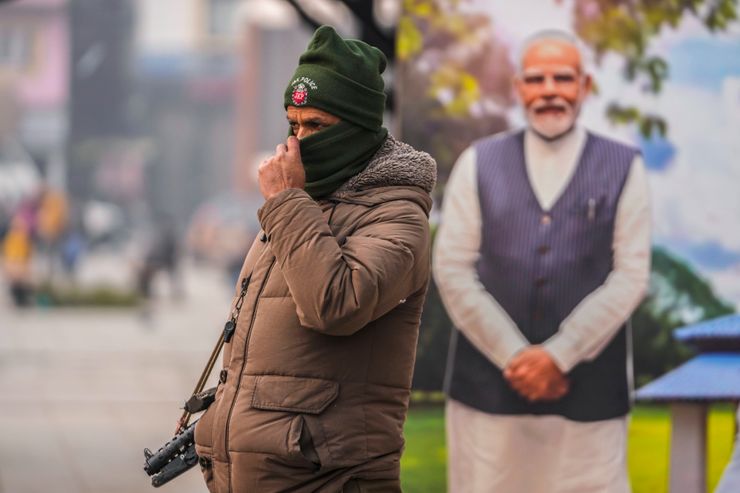
India’s top court has upheld a 2019 decision by Prime Minister Narendra Modi’s government to strip disputed Jammu and Kashmir’s special status as a semi-autonomous region with a separate constitution and inherited protections on land and jobs
SRINAGAR, India (AP) — India’s top court on Monday upheld a
2019 decision by Prime Minister Narendra Modi’s government
to strip disputed Jammu and Kashmir’s special status as a semi-autonomous region with a separate constitution and inherited protections on land and jobs.The five-judge constitutional bench of the Supreme Court ruled that the region’s special status had been a “temporary provision” and that removing it in 2019 was constitutionally valid.
The unprecedented move also divided the region into two federal territories, Ladakh and Jammu-Kashmir, both ruled directly by the central government without a legislature of their own. It was the first time in the history of India that a region’s statehood was downgraded to a federally administered territory.
As a result, the Muslim-majority region is now run by unelected government officials and has lost its flag, criminal code and constitution.
But Chief Justice Dhananjaya Yeshwant Chandrachud said the government has promised to restore Jammu-Kashmir’s statehood and should do so as soon as possible. Ladakh, however, will remain a federal territory.
He also ordered the country’s election commission to hold local legislative polls in the region by next Sept. 30.
The ruling is expected to boost the electoral prospects of Modi’s governing Hindu nationalist Bharatiya Janata Party in national polls next year. The 2019
move resonated in much of India
, where the Modi government was cheered by supporters for fulfilling a long-held Hindu nationalist pledge to scrap the Muslim-majority region’s special status.But the judgment will disappoint many in Kashmir, including the region’s main pro-India Kashmiri politicians who had petitioned the Supreme Court to reverse the deeply unpopular decision, which was imposed under an unprecedented security and communication clampdown that lasted many months.
When Britain divided its Indian colony into a Hindu-majority India and a Muslim-majority Pakistan in 1947, the status of what was then the princely state of Jammu and Kashmir was left undecided. India and Pakistan soon began a war over Kashmir, which ended with both countries controlling parts of the territory, divided by a heavily militarized frontier.
A 1948 United Nations resolution called for a referendum in Kashmir giving the territory’s people the choice of joining either Pakistan or India, but it never happened. The part of Kashmir controlled by India was granted semi-autonomy and special privileges in exchange for accepting Indian rule.
But
Kashmiri discontent with India
started taking root as successive Indian governments breached the pact of Kashmir’s autonomy. Local governments were toppled one after another and largely peaceful movements against Indian control were harshly suppressed.Kashmiri dissidents launched a full-blown armed revolt in 1989, seeking unification with Pakistan or complete independence. Tens of thousands of civilians, rebels and government forces were killed in the conflict.
New Delhi insists the Kashmir militancy is Pakistan-sponsored terrorism, a charge Islamabad denies. Most Kashmiris consider it a legitimate freedom struggle.
Soon after the 2019 move, Indian officials began integrating Kashmir into the rest of India with multiple administrative changes enacted without public input, including a
controversial residency law
that made it possible for Indian nationals to become permanent residents of the region.Many Muslim Kashmiris view the changes as an annexation, saying new laws were designed to change the region’s demography. Members of minority Hindu and Buddhist communities initially welcomed the move, but many of them later expressed fear of losing land and jobs in the pristine Himalayan region.
In New Delhi’s effort to shape what it calls “Naya Kashmir,” or a “new Kashmir,” the territory’s people have since been largely silenced, with their
civil liberties curbed and media intimidated
, as India has shown no tolerance for any form of dissent.The court’s hearings began in August
and included extensive arguments and discussions on the move’s constitutional validity. The court simultaneously also heard a series of petitions that challenged the special status granted to the region after its accession with newly independent India in 1947. Such petitions were filed before the 2019 changes.The petitioners had said authorities used its majority in the parliament to bring the changes and called it an attack on federalism and a fraud against the Indian constitution. The government had argued that the decision was necessary to wipe out militancy and anti-India sentiments and completely integrate the territory into the Union of India.
Monday’s verdict said the region's special status was “a feature of asymmetric federalism and not sovereignty” and that the region “surrendered its complete sovereignty with the merger” into the union of India.
MORE NEWS
Out on parole, Asaram fails to return to Jodhpur jail on time; action initiated
The Ratanada police registered a case against the convicted godman under the Prisons Act on Tuesday night for failing to surrender within the stipulated time, even as the jail authorities refused to admit him due to the late hour.

Haryana ERC puts Eleven Power’s parallel power distribution licence on hold
The commission’s decision follows a state government directive issued under the Electricity Act, 2003, raising concerns over financial and consumer implications
Adani said to weigh deal for €3 billion energy storage firm VTTI
Billionaire Gautam Adani is reportedly exploring a potential acquisition of Dutch energy storage group VTTI. Supply disruptions have made VTTI's facilities increasingly valuable for energy trading, attracting multiple suitors. A deal could value VTTI at around €3 billion, with IFM Investors and Vitol owning significant stakes. Adani Group has been evaluating international acquisitions to accelerate its growth in various sectors.

School Holiday October 29: Which states have announced closures due to Cyclone Arnab? Will schools in Delhi, Punjab and other North Indian states remain closed for Karwa Chauth? Check state-wise updates
School Holiday October 29 news: Schools in Andhra Pradesh, Odisha, and Jharkhand will close on October 29 due to Cyclone Arnab. Karwa Chauth is also observed on this day, affecting school holidays. While Delhi government schools declared a holiday, private schools may vary in their schedules. Parents are advised to check with individual schools for updated holiday information. District administrations will provide details regarding school closures based on local weather conditions.
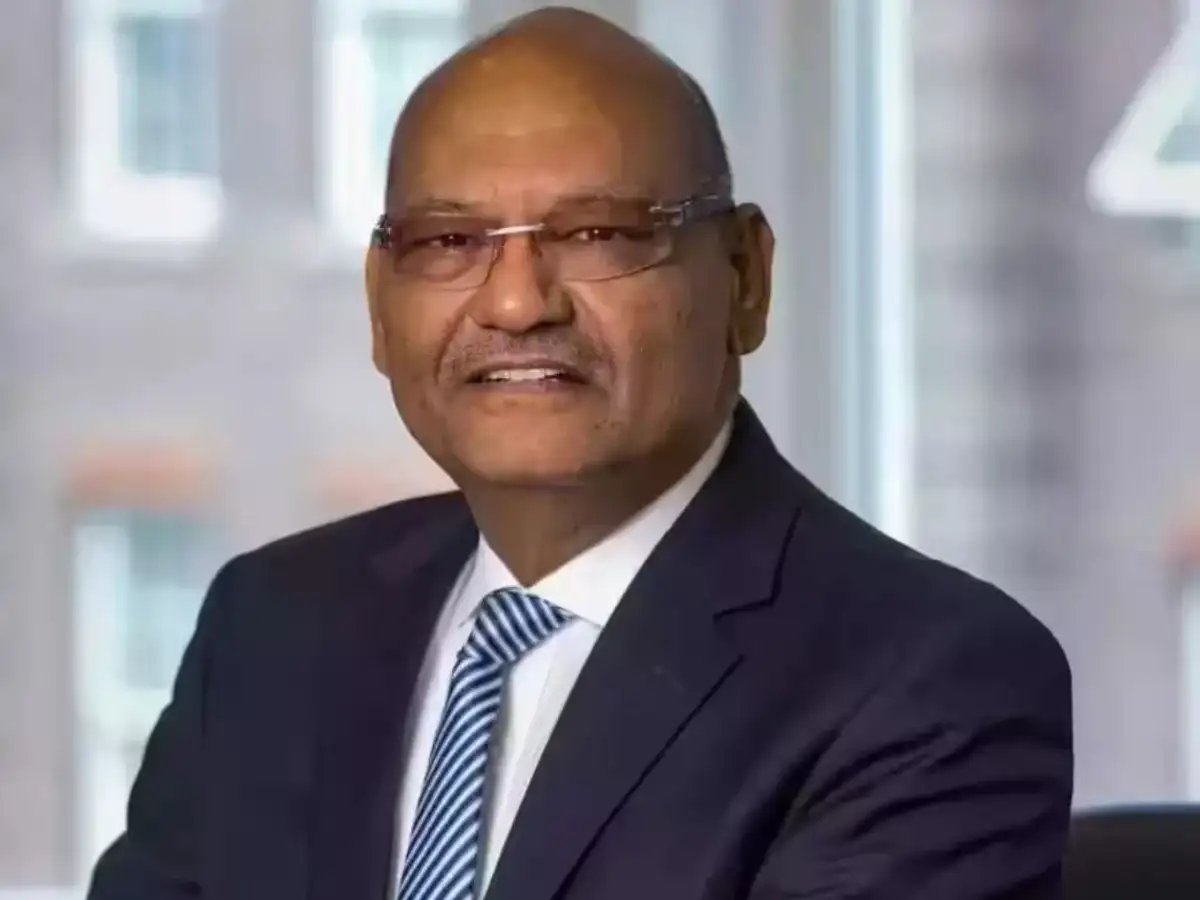
Vedanta explores Rs 80,000 crore investment in West Bengal, says Anil Agarwal
In a bold move, Vedanta Group's Anil Agarwal announced an investment strategy of Rs 70,000-80,000 crore in West Bengal, set to foster job creation for around 10,000 individuals. He conveyed confidence in the state's manufacturing potential and the necessity of leveraging local resources. This announcement came during a key meeting at Nabanna, highlighting Agarwal's commitment to positioning India as a manufacturing powerhouse on the global stage.
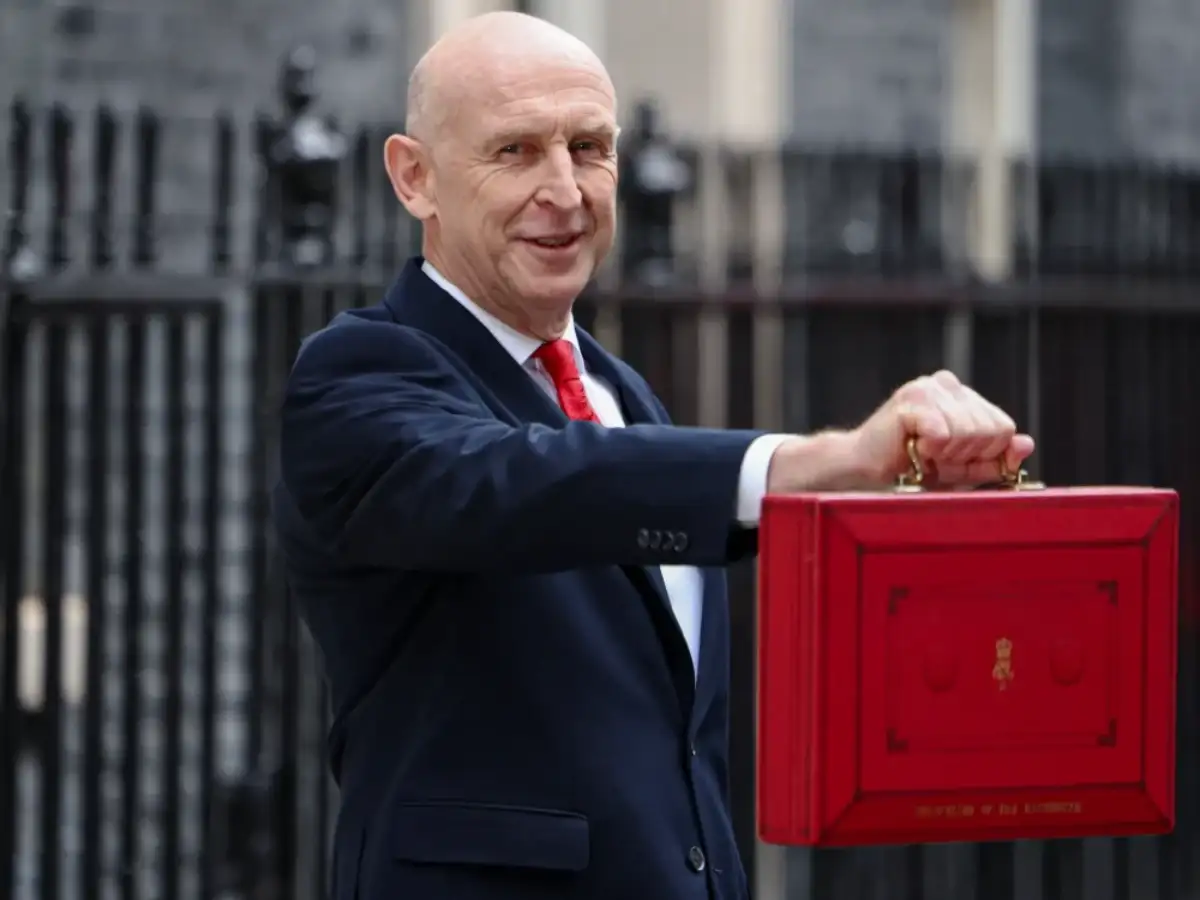
British PM Burnham commits to 'strongest possible' links with India in Diwali address
During his first Diwali as Prime Minister, Andy Burnham expressed his commitment to strengthen UK-India relations. The celebration at 10 Downing Street included lighting lamps and cultural performances. Burnham emphasized the importance of harmony among various communities in the UK. Key speakers highlighted the ongoing free trade agreement between the two countries and its benefits. The festive events reflect the growing partnership between the UK and India.
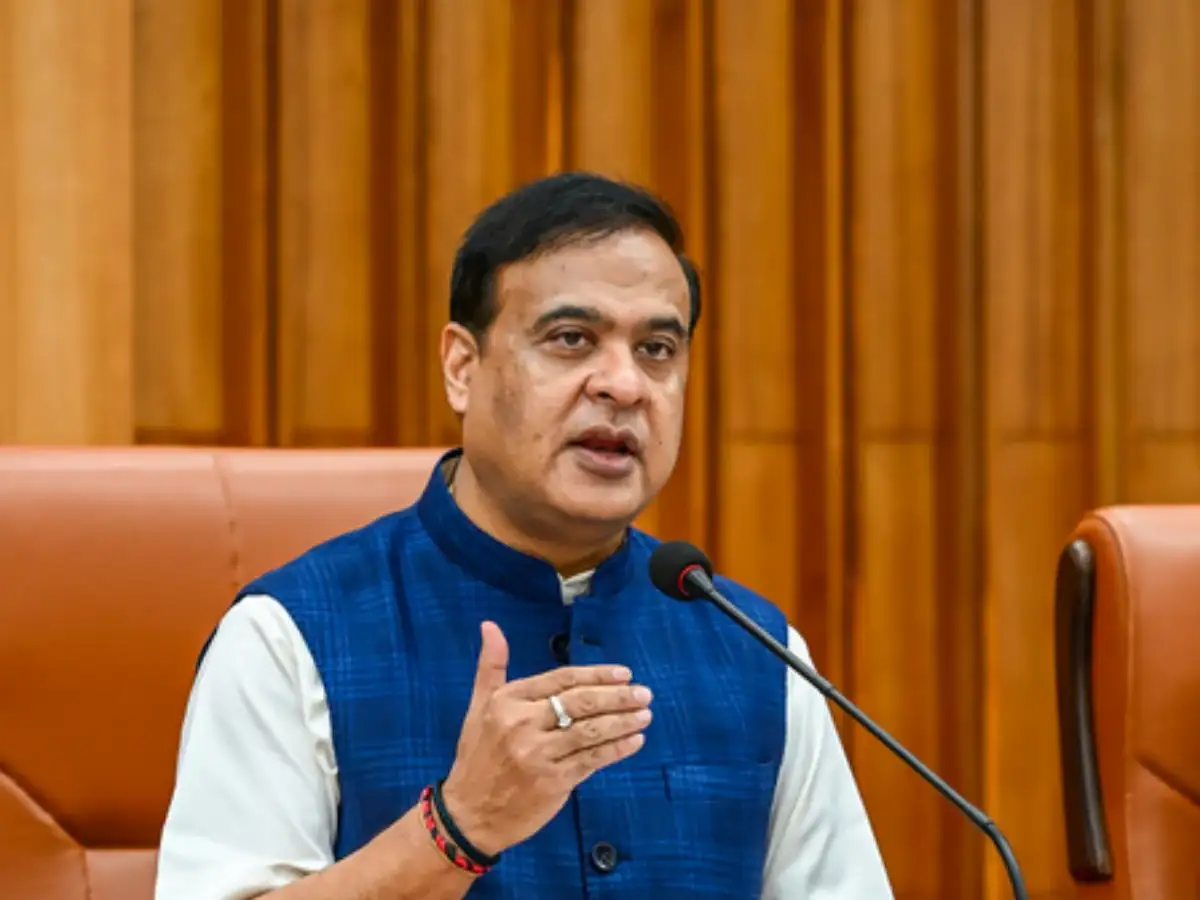
Assam Chief Minister chairs two crucial meetings in Dibrugarh to safeguard indigenous land rights
Assam's Chief Minister Himanta Biswa Sarma convened a series of meetings in Dibrugarh, concentrating on securing land rights for indigenous peoples. The gatherings highlighted challenges related to land distribution for tribal families, particularly within the Moran and Matak communities. To aid in resolving these issues, youth will receive training for online applications, reinforcing initiatives aimed at preserving and respecting the land ownership of tribes in Upper Assam.

YouTube Outage: Thousands of users reportedly facing problems, reports claim issues with Google Search and Gmail too
Google services, including YouTube and YouTube Music, have reported significant issues on October 28, 2026. Thousands of users faced problems accessing these platforms, with complaints rising sharply throughout the day. Users encountered issues streaming videos and loading content, prompting discussion on social media. Despite reports of widespread problems, Google's official status dashboard shows services operational. The cause of these issues remains unclear and has not been confirmed by Google.
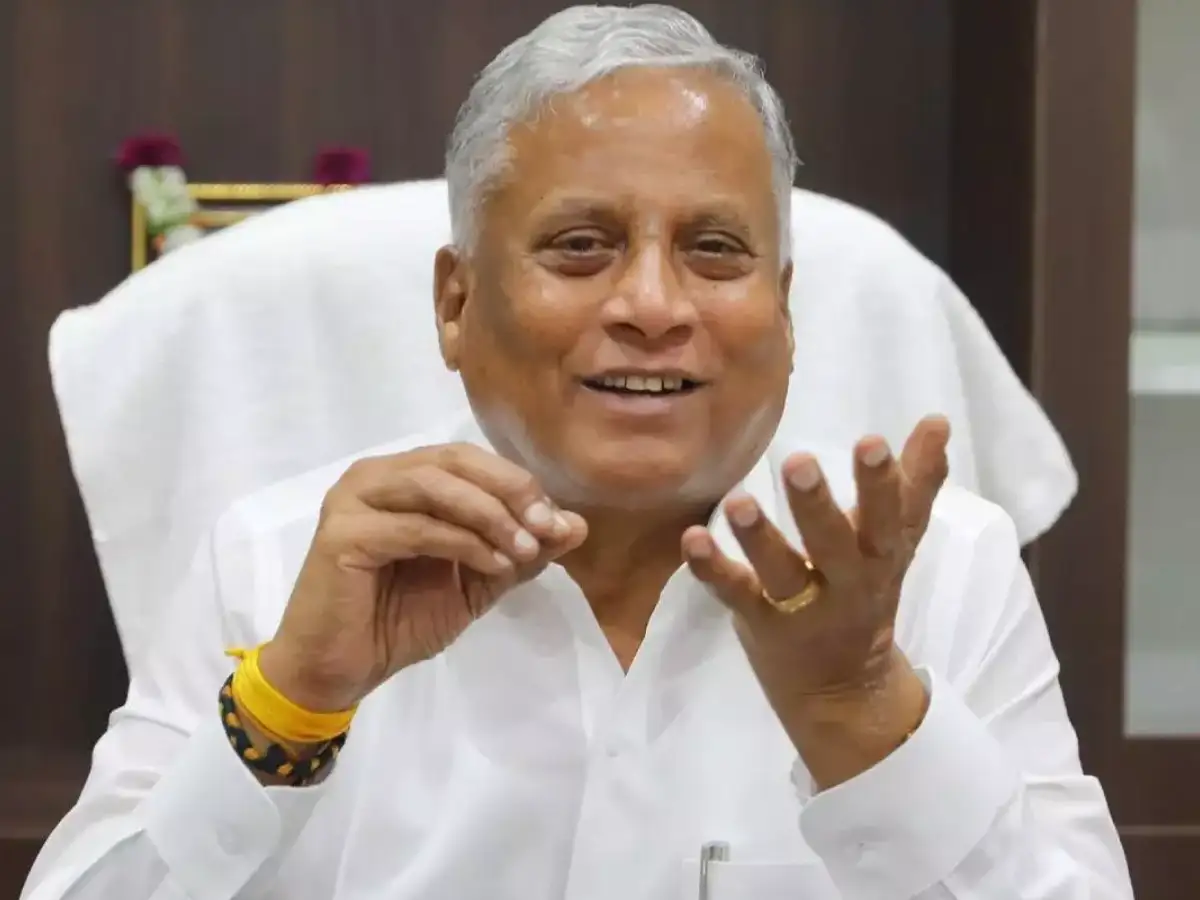
MoS Somanna sees 2028 message in NDA’s council poll sweep
Union Minister of State V Somanna highlighted the Congress party's failure in recent Legislative Council elections across multiple states. He pointed out that Congress did not secure any seats in Maharashtra, Karnataka, Bihar, or Uttar Pradesh. Somanna used these results to challenge Congress's claims regarding electronic voting machines and alleged electoral fraud. The outcomes are perceived as a negative reflection on the Congress government in Karnataka.
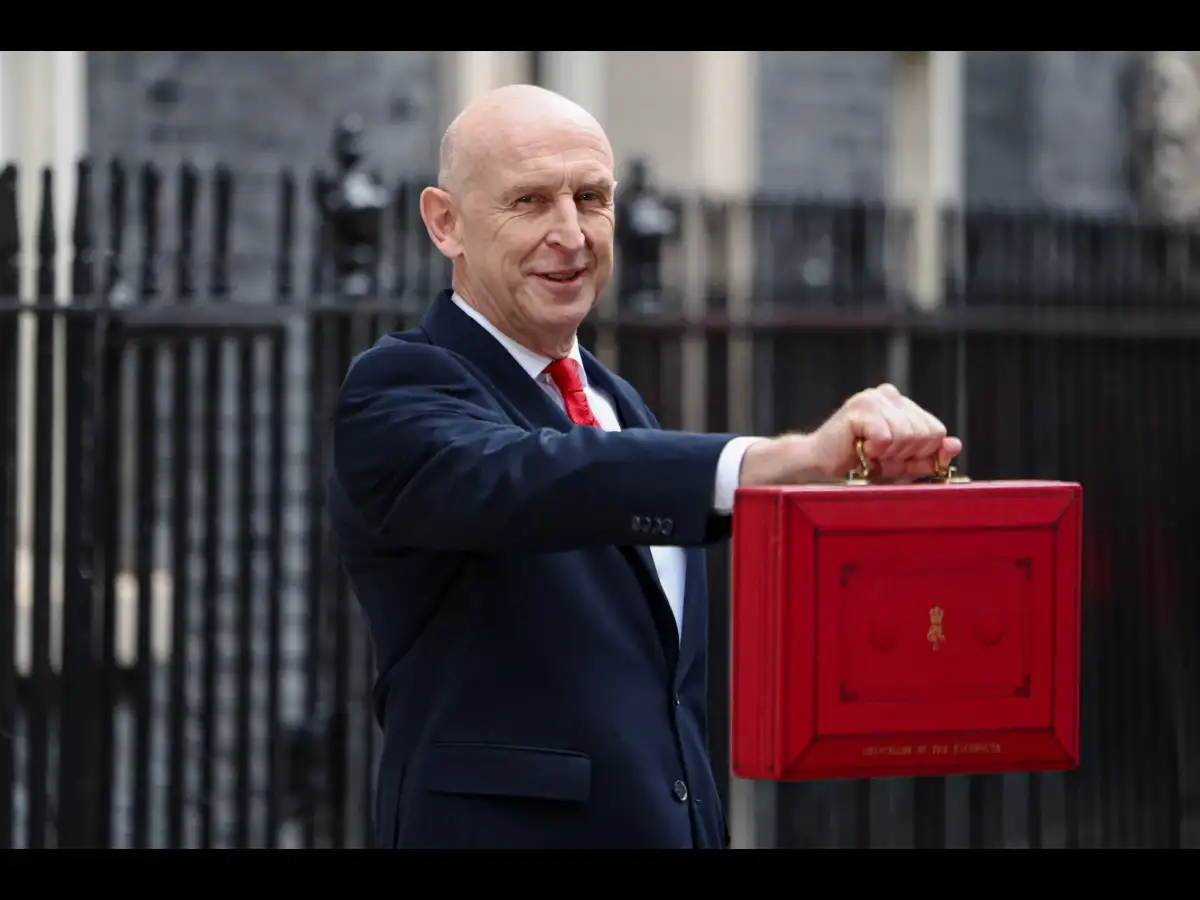
Council Tax Bands explained: How to check your band, current rates and can you pay less?
UK Chancellor John Healey has announced an innovative cost-of-energy payment aimed at aiding households in council tax bands A to D in England. Scheduled for January 2027, this initiative is expected to support roughly 20 million homes, funded by elevated taxes imposed on banks. The announcement details the council tax bands in England, encouraging residents to assess their eligibility for reductions or discounts on their council tax.
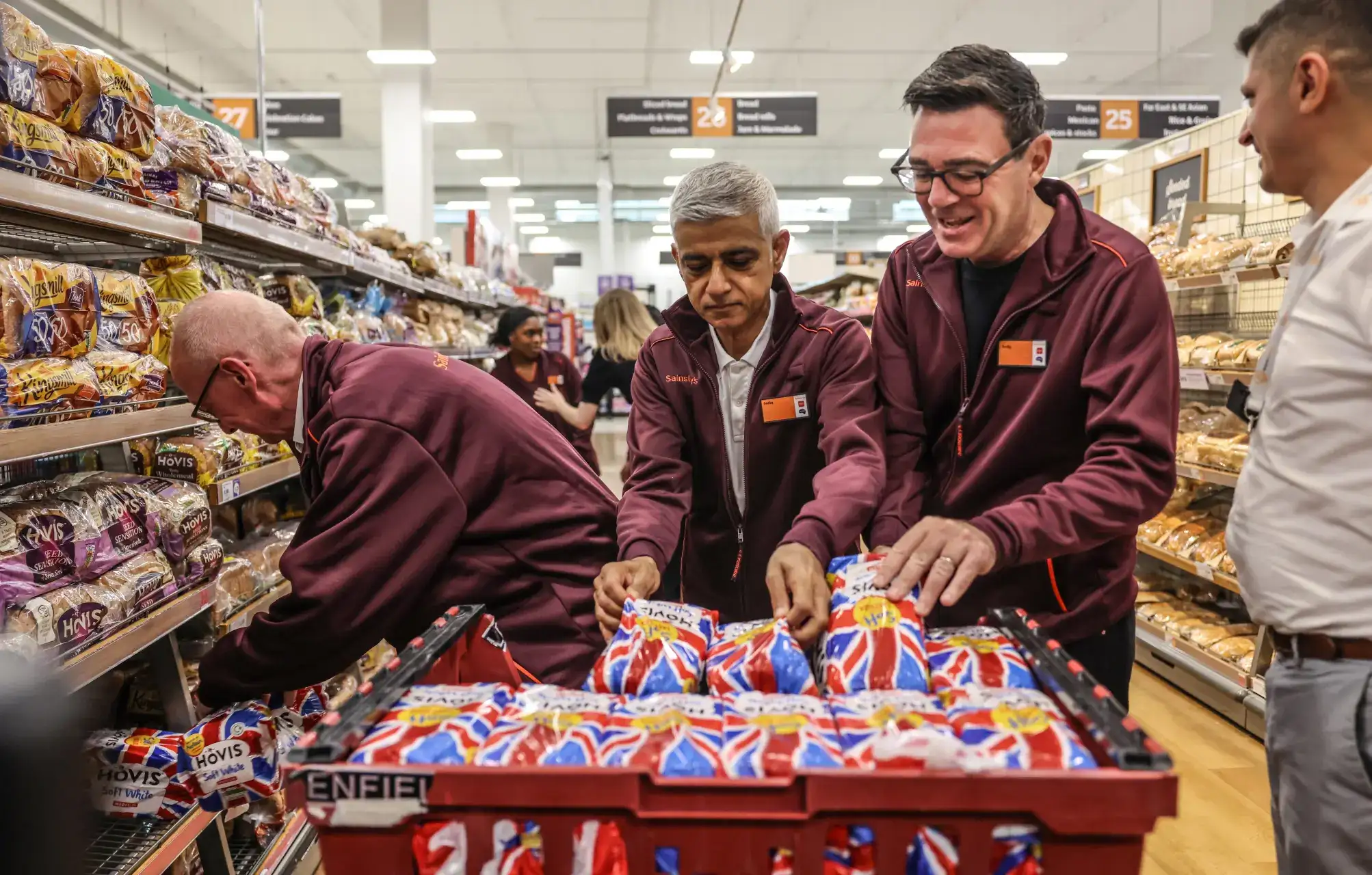
UK new minimum wage 2027: What will the new rates be, how much more will workers earn, and when does the new minimum wage start?
UK minimum wage 2027: The UK minimum wage will rise by 3.9% in April 2027, taking the hourly rate to £13.21 for workers aged 21 and over and £11.27 for those aged 18 to 20. Here's what to know about the new minimum wage 2027, how much more workers will earn and when the new rates take effect.