
India's national election will take place in phases over 44 days. Here's why it takes so long
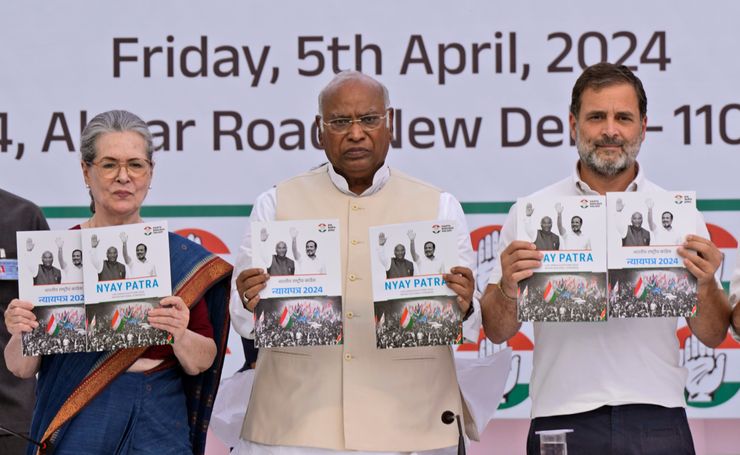
Mar 18, 2024
Nearly 970 million people are eligible to vote in India's national elections that start Friday and will be held in phases until June 1
NEW DELHI (AP) — Nearly 970 million people — or over 10% of the global population — are eligible to vote
in India's general elections
that start Friday and last to June 1. The mammoth exercise is the biggest anywhere in the world and will take 44 days before results are announced on June 4.Prime Minister Narendra Modi
is seeking a third successive term. He will face off against abroad but flailing alliance of opposition parties
that are struggling to challenge his appeal. Most surveys predict Modi’s Hindu nationalist Bharatiya Janata Party will win comfortably, cementing him as one of the country’s most popular and consequential leaders.WHY DOES IT TAKE SO LONG?
It boils down to two key reasons: the sheer size of India, the world’s most populous country, and the astonishing level of logistics needed to ensure that every registered voter is able to cast their ballot.
Over the years, the duration of voting has wavered. It took nearly four months to complete the vote in India’s first elections in 1951-1952, after it gained independence from British rule, and just four days in 1980. In 2019, voting took 39 days, and this year’s election is the second longest.
With 969 million registered voters, the size of India’s electorate is bigger than the combined population of the 27 European Union member states. This includes 18 million first-time voters, and around 197 million who are in their 20s.
The vote to choose 543 lawmakers for the lower house of Parliament takes place over seven phases. India’s 28 states and eight federal territories will vote at different times. Each phase is one day, with the first held on April 19 and the last on June 1.
While some states will cast their ballots in a day, voting elsewhere may take longer. The largest state, Uttar Pradesh, which is the size of Brazil with 200 million people, will vote on all seven days, for example.
General elections in India tend to take weeks to conduct, but Modi’s opponents also say it gives him an advantage as it makes it easier for the prime minister, the public face of the BJP, to travel and campaign, especially in states where they are weak.
EVERY VOTE COUNTS
The Election Commission of India, which oversees the vote, has to make sure there is a voting booth available within 2 kilometers (1.2 miles) of every voter.
"Election officials have to travel to great lengths to ensure that even a single voter can exercise their franchise,” said Chakshu Roy of PRS Legislative Research, an independent think tank.
Some 15 million election officials and security staff will traverse the country’s deserts and mountains — sometimes by boat, foot and even on horseback — to try to reach every voter.
It can be especially arduous. In 2019, when India last held elections, a team of polling officers trekked over 480 kilometers (300 miles) for four days just so a single voter in a hamlet in the remote state of Arunachal Pradesh, which borders China, could exercise their right.
Officials also traveled to a village tucked away high up in the Himalayas in 2019 to install a booth at 15,256 feet (4,650 meters), the highest polling station anywhere in the world.
This time too, polling stations will be installed in remote places, including one inside a wildlife sanctuary in southern Kerala state and another in a shipping container in western Gujarat state.
TIGHT SECURITY
Experts say a key reason behind the multiphase elections in India is about security.
Tens of thousands of federal security forces, who usually guard borders for instance, are freed up and deployed alongside state police to prevent violence and transport electoral officials and voting machines.
Deadly clashes involving supporters of rival political parties, particularly in the eastern state of West Bengal, had marred previous elections. But such violence has tapered over the years, thanks to heavy security, and voting has been relatively peaceful.
“Look at the geography of the country … there are rivers, mountains, snow, jungles … think of the security forces’ movements. They will have to travel through the length and breadth of the country,” Rajiv Kumar, the chief election commissioner, said on Saturday. “We will walk the extra mile so voters don’t have to.”
MORE NEWS
Why has Beijing appointed a propaganda veteran to lead a border province?
Beijing has appointed veteran propaganda official Mo Gaoyi as Communist Party secretary of Yunnan province in its latest leadership reshuffle, making him a rare example this year of a provincial head with minimal local governance experience. An analyst said that the move could reflect Beijing’s efforts to broaden the talent selection criteria for some senior roles, allowing specialists to take on important generalist positions. Mo – director of the State Council Information Office (SCIO) and a...

Manila speaks with 2 voices on China
Manila sent two strikingly different messages to Beijing on October 13. At the Malacanang Palace, a presidential spokeswoman reaffirmed Manila’s commitment to sustaining diplomatic and economic ties with China, saying “China needs the Philippines, and the Philippines needs China”. That same day, Philippine Defence Secretary Gilberto Teodoro Jnr rejected a call for military-to-military communication with China, a move that received public support from the Armed Forces of the Philippines. Teodoro...
Will China travel hurt US students’ careers? FBI battles fears as talent pipeline stalls
An American student considering studying in China attended a briefing with a senior FBI official at a Washington think tank last month to address her concerns about whether such an experience could jeopardise her prospects for a career in the federal government. The official’s message: travelling to China would not automatically disqualify her. She welcomed the clarification but said she wasn’t “completely reassured”. “I’m still wondering if it’s a good idea to go,” said the student, who...
China’s battery factories could be sitting right on top of vast lithium deposits
Lithium deposits formed by ancient volcanic activity may lie beneath parts of China’s battery manufacturing heartland, particularly along the southeastern coast, according to a new study. In an interview with the South China Morning Post, geologist Duan Zheng said that “potential targets for clay-type lithium deposits in southeastern China overlap with lithium battery industrial clusters in East and South China”. “Local supplies could significantly reduce transport costs and supply-chain risks,”...
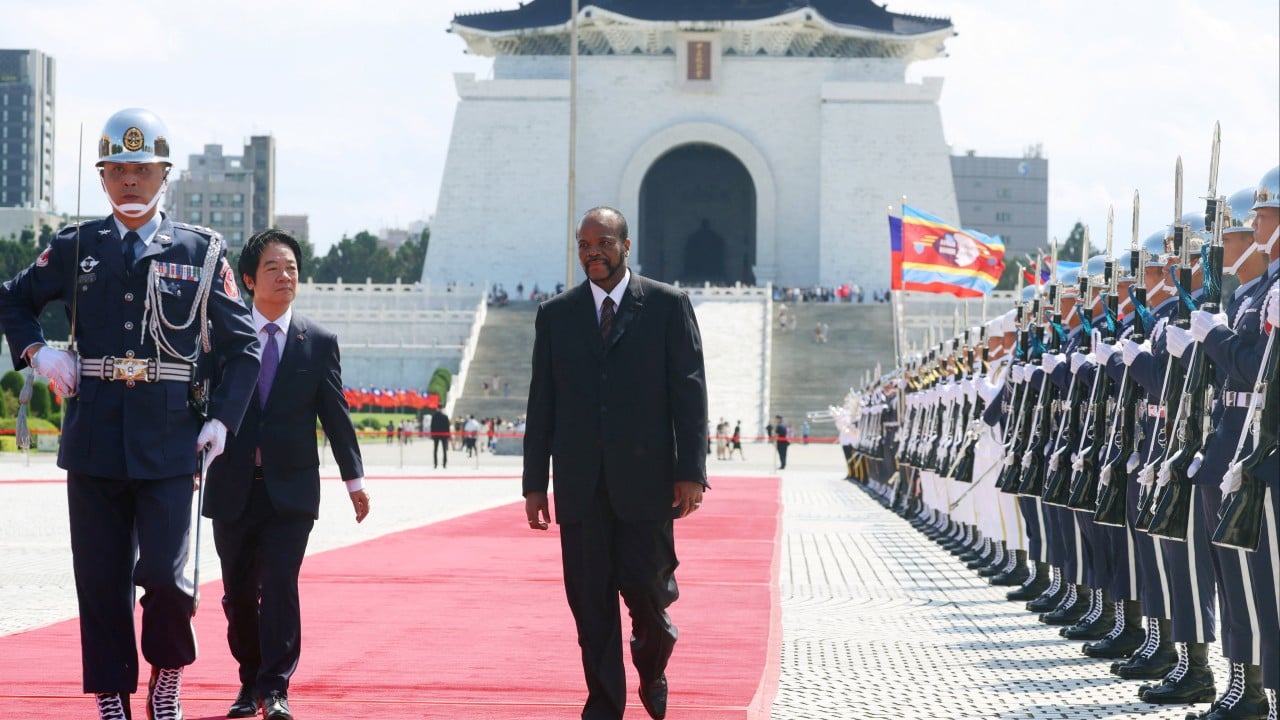
For its autocratic African ally, Taiwan bites its tongue and opens its wallet
Eswatini probably does not register on most people’s mental maps. Its relatively recent name might sound unfamiliar as many people still know it as Swaziland. That it demands attention from pundits like yours truly has much to do with it being the only African country that still formally recognises Taiwan. It is also the continent’s only absolute monarchy. The two facts are closely connected. Recognising Taipei makes little sense when every one of eSwatini’s neighbours recognises Beijing, but it...

Alibaba wins preliminary injunction against Pentagon lobbying rule
Alibaba has won a preliminary court order blocking a US restriction that drove away its Washington lobbyists, after a federal judge found the Chinese technology giant was likely to succeed in challenging the measure on free-speech grounds. US District Judge Eumi K. Lee ruled on Monday that the government had failed to provide sufficient evidence to justify the restriction, which effectively forces lobbying firms to choose between representing Alibaba and clients seeking Pentagon...

5 things to watch out for in 2027 US defence bill aimed at countering China
The 2027 US defence bill, covering more than US$1 trillion in proposed defence spending, will be one of the most closely watched pieces of legislation when Congress returns after the midterm elections, with efforts to counter China running through nearly every corner of the text. The US House of Representatives passed its version of the bill, known as the National Defence Authorisation Act (NDAA), in July. The bill faces a tougher path in the US Senate, where a July procedural vote to begin...

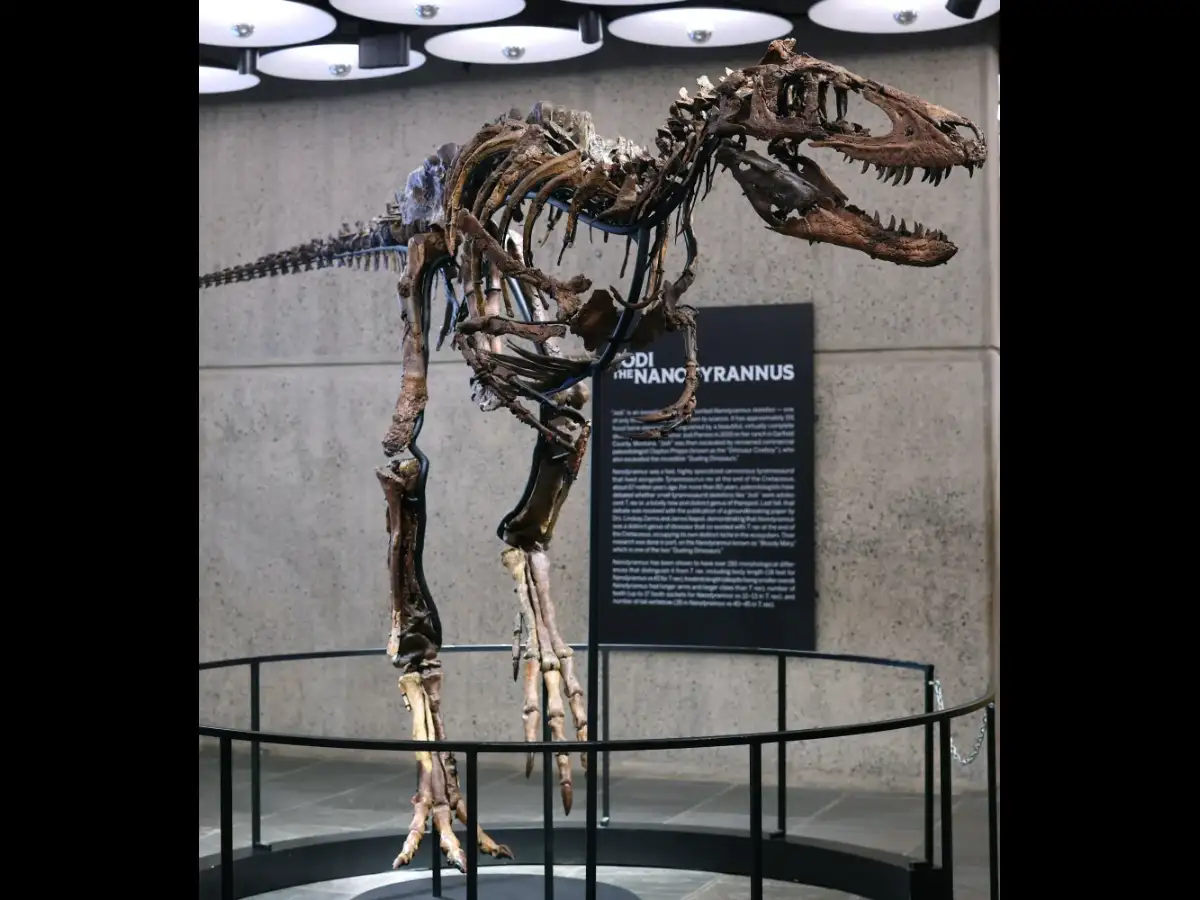
Dinosaur's rare skeleton is one of the world's most expensive fossils, fetches over USD 47 million against expected estimate worth around USD 9 million
Nanotyrannus was about half the length of an adult T. rex, and the two creatures coexisted during the Cretaceous period some 67 million years ago.


Eric Swalwell controversy: Who is Stephen Cloobeck? Why has FBI raided billionaire donor's Beverly Hills mansion?
Stephen Cloobeck, who founded the Diamond Resorts International timeshare company and ran last year for California governor, contributed more than $23,000 to Swalwell’s congressional campaigns since 2017, federal campaign finance records show.
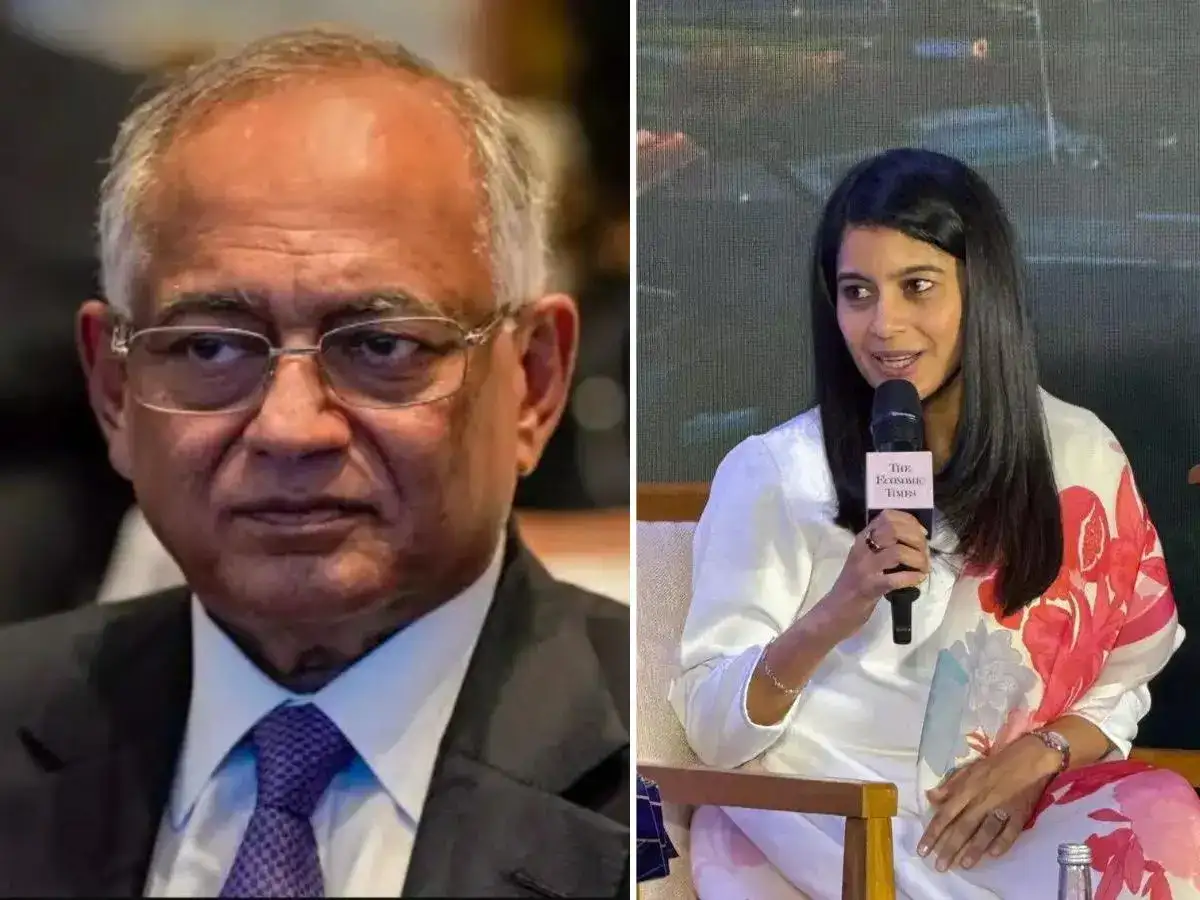
TVS Motor’s Venu Srinivasan and daughter Lakshmi file caveats against each other over inheritance
Venu Srinivasan and his daughter Lakshmi Venu have initiated caveats against each other regarding family business matters. The filings occurred in Chennai’s civil and commercial courts earlier this month. While Venu and his son Sudarshan claim a previous agreement exists, Lakshmi is advocating for a fair settlement. Mallika and Lakshmi have expressed their intention for an amicable resolution through discussions.