
India's festive season spawns fears of renewed virus surge
Oct 25, 2020
Weeks after India fully opened up from a harsh lockdown and began to modestly turn a corner by cutting new infections by near half, a Hindu festival season is raising fears that a fresh surge could spoil the hard-won gains
NEW DELHI (AP) — Just weeks after India fully opened up from a harsh lockdown and began to modestly turn a corner by cutting new coronavirus infections by near half, a Hindu festival season is raising fears that a fresh surge could spoil the hard-won gains.
“I’d be very worried about what we are going to see in India,” said Dr. Ashish Jha, the dean of Brown University’s School of Public Health and a leading infectious disease expert.
The festivals draw tens and thousands of people, packed together shoulder-to-shoulder in temples, shopping districts and family gatherings, leading to concerns among health experts who warn of a whole new cascade of infections, further testing and straining India’s battered health care system.
The Hindu festival season is traditionally laced with an unmatched fanfare and extravaganza, with socializing being the hallmark of the celebration. But this year's festivities have started on a pale note.
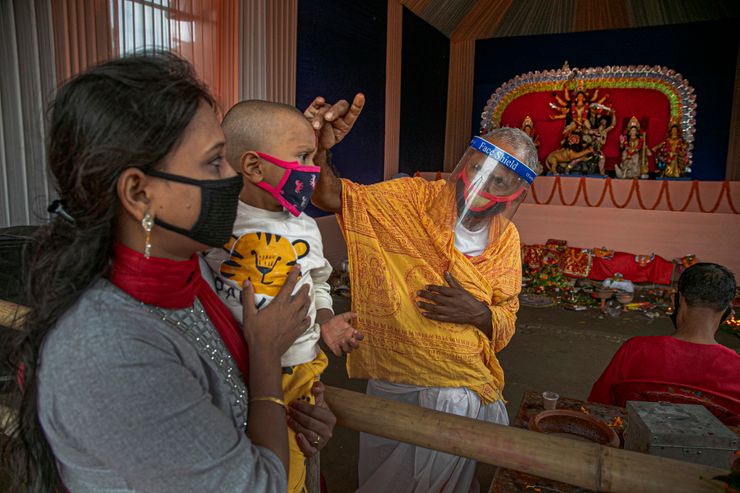
So far, the colorful and elaborate rituals for Durga Puja and Dussehra have been scaled down. The celebrations, bereft of all the grandiose, have been muted. The towering displays of religious sculptures are rare, and at many places, prayers have gone virtual, with organizers livestreaming the sessions for the devotees.
In many states, police barricades have been erected around the usually buzzing places of worship to avoid large gatherings.
But this could change.
Nearly 1 billion Indians will soon celebrate Diwali, the Hindu festival of light, and the country’s biggest. Socializing is key part of the most highly anticipated event of the year, with malls and markets buzzing with shoppers. It also traditionally brings in a massive increase in consumer spending across India.
Even though the government is expecting the festival to help resuscitate the ailing economy, it is also worried about people packing together, foregoing social distancing and masks.
Such concerns prompted Prime Minister Narendra Modi to address the nation in a televised speech earlier this week, warning people of “any laxity” during the festive season that "could strain India’s health system.”
India is second to the United States with the largest coronavirus outbreak. Last month, the country hit a peak of nearly 100,000 cases in a single day, but since then daily infections have fallen by about half and deaths by about a third.
Some experts say the decline in cases suggests the virus may have finally reached a plateau but others question the testing methods. India's testing rate has remained constant but it is relying heavily on antigen tests, which are faster but less accurate than traditional RT-PCR tests.
Even as the reasons behind the decline are not fully clear, India is still clocking more than 50,000 cases a day, making any new surge all the more important.
These fears stem largely from India's initial success story — until it wasn't.
In June, the southern coastal state of Kerala was cheered for flattening the curve, generating worldwide appreciation, even from the United Nations. But in a stunning reversal, it now fares as the second-worst state in active coronavirus cases in the country.
Health Minister Harsh Vardhan blamed “gross negligence” during the 10-day Onam festival celebrations in late August for Kerala's virus surge. Since then, reported infections there have jumped by five times, far outpacing the nationwide trend.
Kerala’s story has alarmed health experts who fear similar problems in the runup to Diwali that could reverse the gains.
“If we don’t avoid socializing during the upcoming festival season, I fear we will be back to where we started,“ said Dr. T. Jacob John, a retired virologist. “There is a significant risk ahead of us.”
For the many faithful, scaled-down celebrations aren't bringing home festival cheer and the urge to step out is only growing.
Sumita Chaterjee’s family has avoided outdoor gatherings for months after the 64-year-old resident of New Delhi and her granddaughter survived the virus in late June.
But now the family is planning to forego the restraint and take part in a ritual where the idol of goddess Durga will be immersed in a community pool on Sunday. The entire neighborhood is expected to take part in the ritual.
“This is a matter of faith,” said Chaterjee. “I know there are risks but we can't make the gods angry.” ___
Associated Press journalists Annirudha Ghosal and Rishi Lekhi contributed to this report.
MORE NEWS
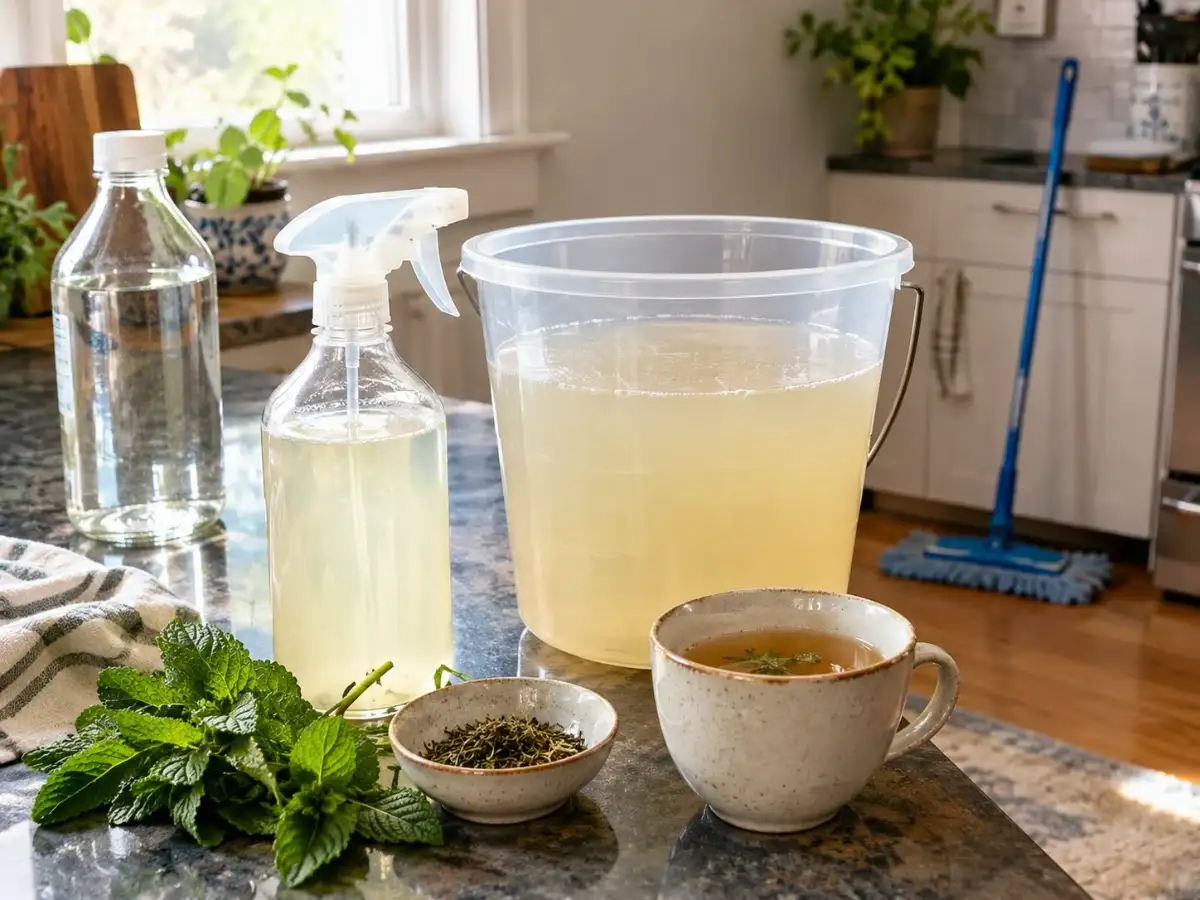
Vinegar and 1/2 cup herbal tea make a floor cleaner; Mississippi State says peppermint adds antibacterial qualities
More households are turning to DIY floor cleaners made from vinegar and peppermint tea. While vinegar is known for its cleaning properties, it doesn't effectively disinfect, according to research. Though peppermint tea has some antimicrobial benefits, it's not potent enough for thorough germ elimination. The addition of soap enhances dirt removal, making the solution suitable for routine cleaning.

Mars had a secret water history: NASA rover finds ancient groundwater and hot fluids that reshaped the planet after its ancient lake vanished
NASA's Perseverance rover discovered that Jezero Crater's Margin Unit was influenced by various water processes. The findings reveal alterations by ancient groundwater, lake water, and later hot fluids. These discoveries challenge previous assumptions about the crater's geological history and its water systems. Researchers believe that olivine and other minerals could provide clues about ancient habitability. The insights gained from Jezero may inform future studies on Mars' environmental changes.

New OTT releases this weekend: 9 new movies and shows coming on Netflix, JioHotstar, Prime Video and more
From anime sequels and action thrillers to sports documentaries, crime dramas and Indian films, this week's OTT lineup brings fresh movies and series across Netflix, Prime Video, JioHotstar, ZEE5 and more.
New OTT releases this weekend: 9 new movies and shows coming on Netflix, JioHotstar, Prime Video and more
From anime sequels and action thrillers to sports documentaries, crime dramas and Indian films, this week's OTT lineup brings fresh movies and series across Netflix, Prime Video, JioHotstar, ZEE5 and more.

BMW to cut 8,000 jobs in Germany as AI-led restructuring takes shape
BMW plans to eliminate around 8,000 jobs in Germany as part of its cost-cutting restructuring plan. The German luxury automaker aims to enhance competitiveness amid challenges such as weak demand and increasing Chinese competition. It intends to cut management roles by 20% and streamline its organizational structure while focusing on enhanced artificial intelligence.

What is Pentobarbital Injection? The drug used in Christa Pike’s failed Tennessee execution
Pentobarbital, a barbiturate used in lethal injections, was administered to Christa Pike during a failed execution. Pike survived after officials delivered two doses on September 30, 2026. Following the incident, Governor Bill Lee halted remaining executions for 2026 and ordered a review of the procedure. This incident has raised further scrutiny regarding the use of pentobarbital in capital punishment.

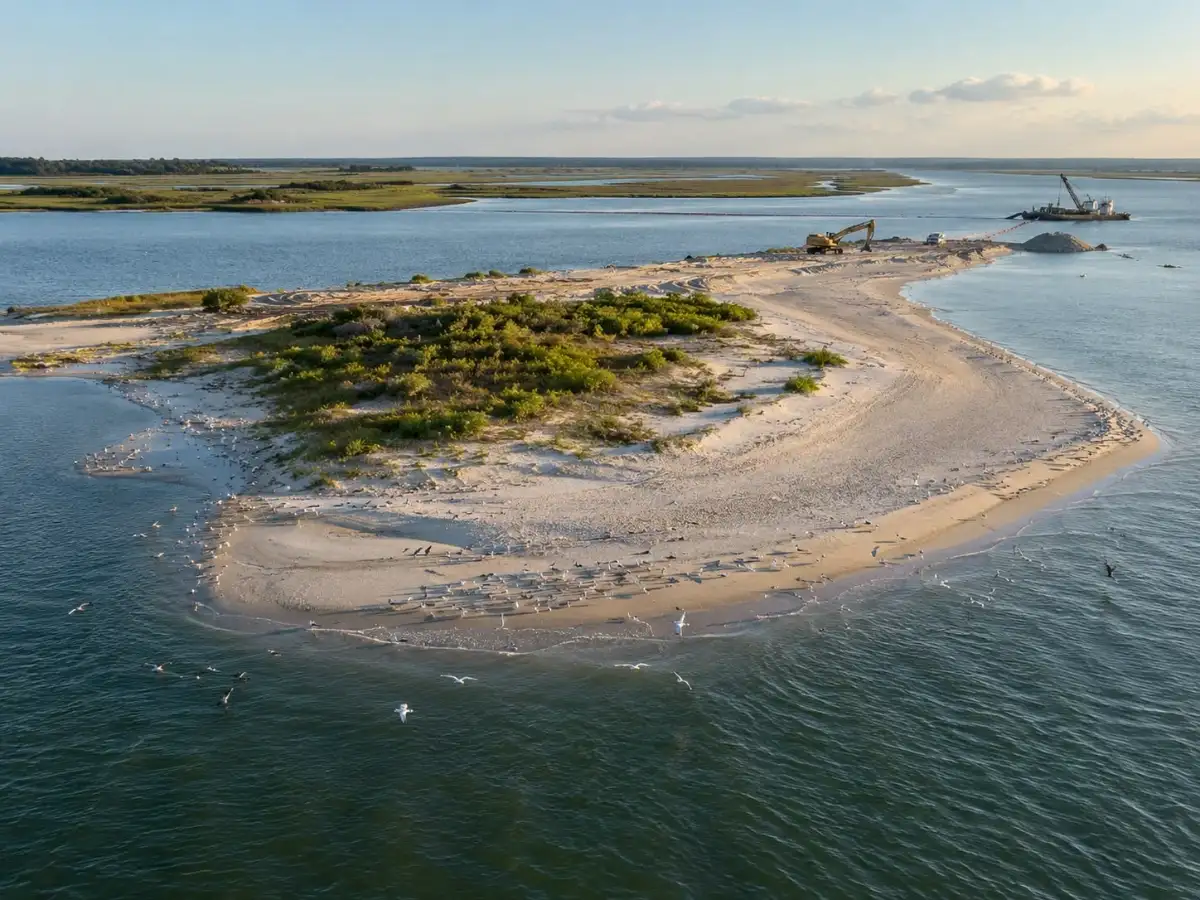
In 2018, South Carolina pumped 40,000 cubic yards of river sand onto an eroding bird island; enough to fill about 4,000 dump trucks and restore lost nesting ground
The restoration of Bird Key Stono, a vital nesting habitat for endangered bird species, involved utilizing dredged sand from Folly River. This effort was prompted by the severe erosion of the island's shores following Hurricane Irma. Supported by funding of $300,000 from federal sources, the South Carolina Department of Natural Resources and the U.S.

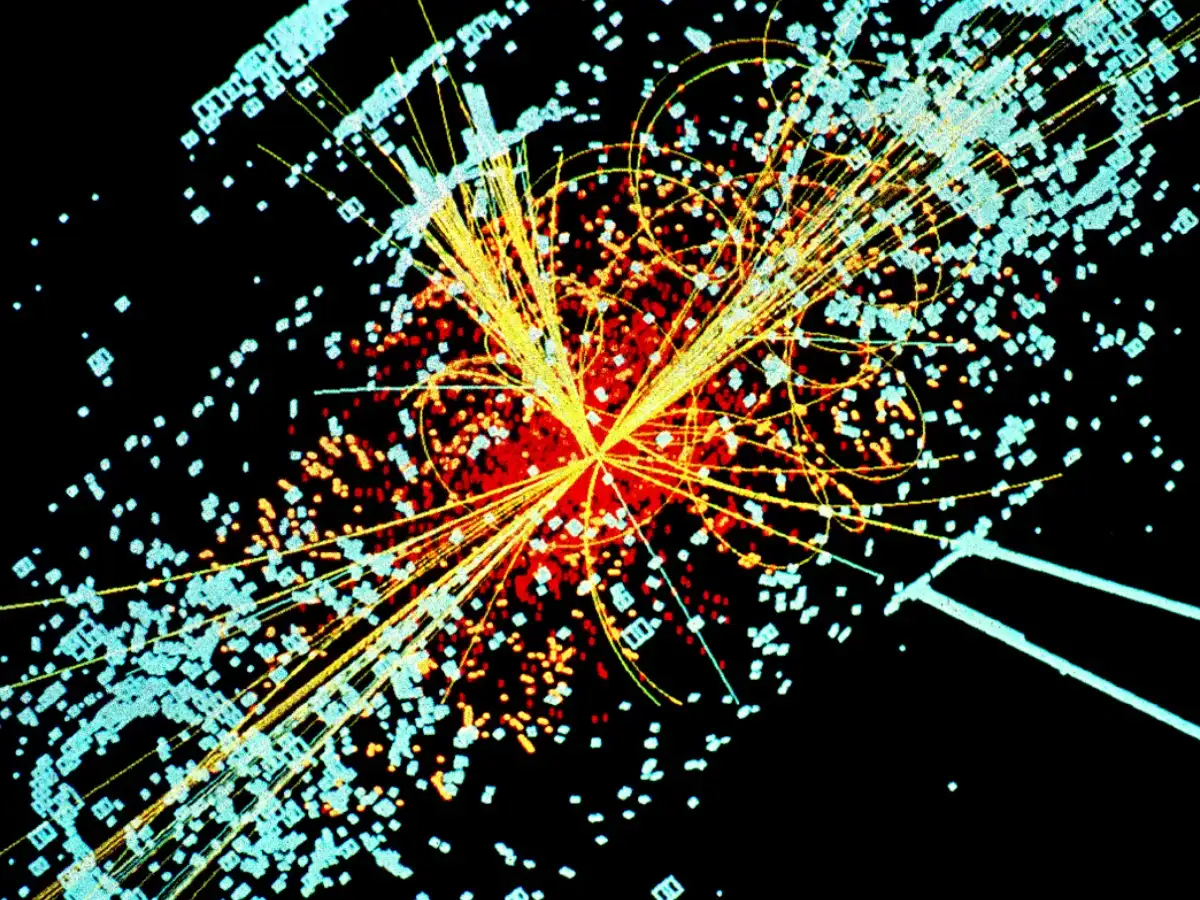
In 2014, volunteers began hunting for unusual features in particle-collision images; by 2026, over 42,000 had examined nearly 39,000 pictures
Higgs Hunters has rallied over 42,000 volunteers to sift through large volumes of images captured by the Large Hadron Collider. These participants seek to uncover distinctive patterns following the landmark Higgs boson discovery in 2012. The initiative not only fosters a deeper comprehension of particle physics but also motivates volunteers to pursue further studies, developing a unique lexicon that reflects their collective learning journey.
In 1967, Robert Kearns patented a windshield wiper that paused between sweeps; Ford later used the idea, and a jury awarded him $10.2 million in 1990
In the 1960s, inventor Robert W. Kearns developed a groundbreaking windshield wiper system featuring intermittent operation. After Ford appropriated his design without permission, Kearns found himself embroiled in an arduous legal fight to reclaim ownership. He endured various personal and financial hardships but triumphed in 1990 with a monumental $10.2 million judgment against Ford. Kearns' journey highlights the immense struggles inventors face in safeguarding their creations.

In 1988, Patricia Bath patented a device that used a laser through a tiny 1 mm incision to remove a cataract, turning the procedure into a matter of minutes
Dr. Patricia Bath made a groundbreaking advancement in cataract surgery with her invention of the Laserphaco Probe, utilizing cutting-edge laser technology. This innovation paved the way for minimally invasive procedures, leading to significantly quicker recovery times for patients. Despite facing numerous obstacles in securing research resources globally, Bath co-founded the American Institute for the Prevention of Blindness to enhance access to eye care.