
India's limits on selling cattle could hurt industry, diets
May 29, 2017
India has banned the sale of cows for slaughter to protect an animal many Hindus consider holy, but states and industries say the ban will hit beef and leather exports and deprive millions of people of a cheap source of protein
NEW DELHI — A new ban imposed by India's government on the sale of cows and buffaloes for slaughter to protect animals considered holy by many Hindus is drawing widespread protests from state governments and animal-related industries.
Many state governments criticized the ban as a blow to beef and leather exports that will leave hundreds of thousands jobless and deprive millions of Christians, Muslims and poor Hindus of a cheap source of protein.
The rules, which took effect Friday, require that cattle traders pledge that any cows or buffalos sold are not intended for slaughter.
At least one state government is planning a challenge in court. Some have said the ban infringes on states' commercial autonomy and are calling for a nationwide protest.
Others say the ban will hurt farmers who will be forced to continue feeding aged animals, and that millions of unproductive cattle will be turned out on the streets.
The new rules also propose the setting up of a vast animal monitoring bureaucracy, including animal inspectors and veterinarians, to ensure the rules are followed. Traditionally, cattle fairs and markets allow the sale of animals headed to abattoirs to provide raw materials used in dozens of industries, including leather making, soap and fertilizer.
The state governments have appealed to Prime Minister Narendra Modi to repeal the order, which they say was issued without consultations with them. Modi's Bharatiya Janata Party has been pushing a Hindu nationalist agenda since it came to power in 2014.
Chief Minister Pinarayi Vijayan, the top elected official in southern Kerala state, wrote to Modi on Sunday describing the restrictions as a "drastic move" that would have "far-reaching consequences and would be detrimental to democracy."
He said the move amounts to "an intrusion into the rights of the states" in India's federal structure and violates the principles of the Indian Constitution.
The government of West Bengal state also protested the move, saying the Modi government cannot make such decisions unilaterally.
Chief Minister Mamata Banerjee said the state would not accept the imposition of such restrictions on its commercial authority. She described it as a step by the Modi government to "destroy the federal structure of the country."
"We won't accept the decision. It is unconstitutional. We will challenge it legally," Banerjee told reporters Monday.
Hindus, who form 80 percent of India's 1.3 billion people, consider cows to be sacred, and for many eating beef is taboo. In many Indian states, the slaughtering of cows and selling of beef is either restricted or banned. India has the highest number of vegetarians in the world as a result of Hinduism's predominance, although not all Hindus are vegetarians.
While the eating of beef is not a crime in many states, slaughtering a cow carries a punishment of up to seven years in jail throughout the country. In Gujarat state, lawmakers have approved a bill increasing the punishment for killing a cow to life imprisonment.
Critics say the new rules, ostensibly to protect the way animals are treated and transported, are in keeping with demands of Hindu nationalists, who have long been pressing for a nationwide ban on the sale of beef. The past two years have also seen a rise in vigilante attacks on Muslims and lower caste Hindus involved in the cattle trade. Several deaths have occurred.
On Monday, police arrested seven people on suspicion of assaulting two Muslim men who were transporting meat in western Maharashtra state. The men were beaten and forced to chant Hindu slogans by a vigilante group on Sunday, police said.
Meanwhile, leather and meat industry groups said the ban could push them out of business.
Fauzan Alavi of the All India Meat and Livestock Exporters Association said beef exports, which had been growing rapidly, have already been affected. "Such a drastic move is bound to hit the industry," Alavi said Sunday.
The government "has handed a death certificate to us," said Ramesh K. Juneja of the Council of Leather Exports.
MORE NEWS
Naval staffer among two arrested for spying for Pakistan: Andhra Police
Andhra Pradesh Police arrested two individuals as part of an espionage investigation involving contacts with Pakistani operatives. The arrests included a naval employee and a civilian engaged for naval officers. The Counter Intelligence Cell coordinated with police from ten states to track the suspects. Authorities reported that sensitive information was shared regarding defence establishments in India. Further investigation continues to reveal the extent of the conspiracy and other suspects involved.

Hydropower presents massive investment opportunity with 19,000 MW projects underway: Arunachal Pradesh CM Pema Khandu
Arunachal Pradesh is focused on hydropower development, with 19,000 MW of projects in various stages. Chief Minister Pema Khandu highlighted the strategic importance of the Siang Upper Multipurpose Project and the need for public consultations. He emphasised conducting the Preliminary Feasibility Report before deciding on the project's construction. Several infrastructure projects under the Pasighat Smart City Mission were inaugurated to improve urban amenities.

Karnataka HC questions ED over 12-year delay in FEMA case against Cafe Coffee Day CEO Malavika Hegde
The Karnataka High Court on Tuesday questioned the Enforcement Directorate over initiating FEMA proceedings against Cafe Coffee Day CEO Malavika Hegde more than 12 years after the transactions under scrutiny. The court examined whether such action was permissible after an unreasonable delay and extended interim protection against the proceedings.

India Vs Uruguay LIVE Score: Can Khalid Jamil's Men Upset The 2-Time World Champions?
India vs Uruguay: Follow all live updates from the FIFA international friendly in Kolkata.
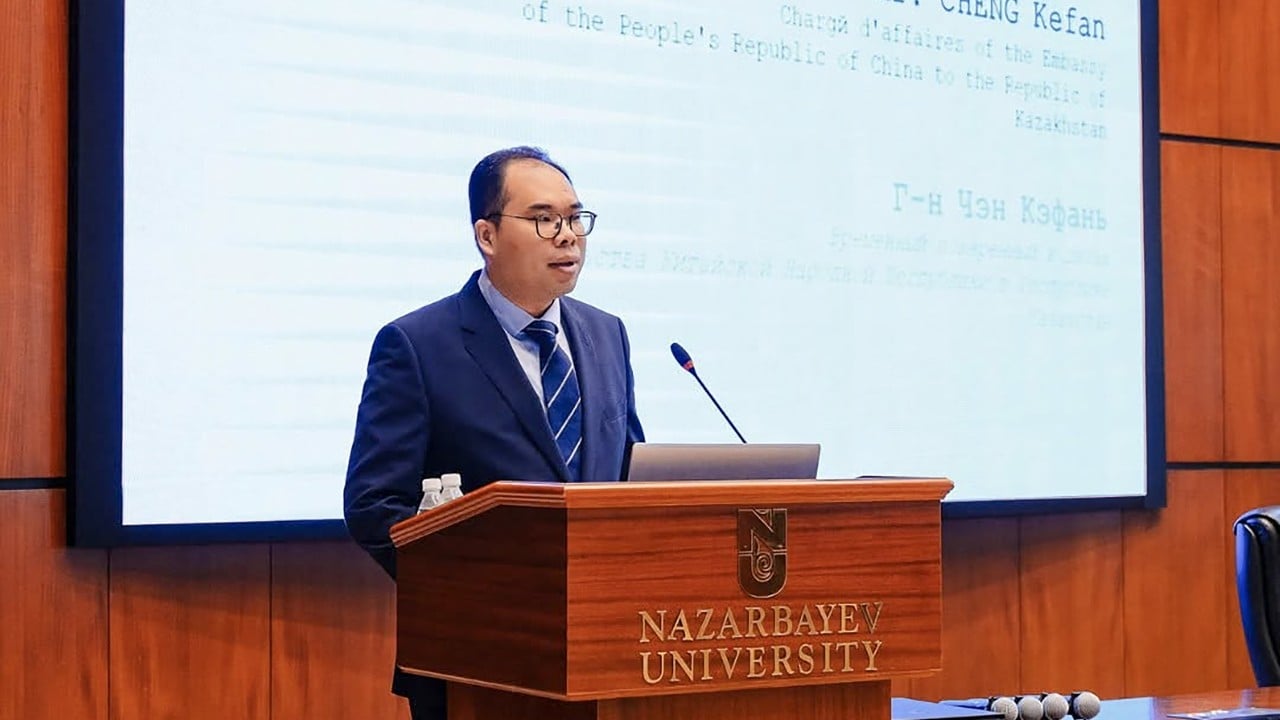
How traditional Chinese medicine is shaping Kazakhstan’s health system
China has pledged to expand its health partnership with Kazakhstan by helping the Central Asian nation integrate traditional medicine directly into its national healthcare system, shifting away from simple product exports. The Chinese embassy in Kazakhstan on Monday called for the alignment of high-level policy to enhance bilateral health cooperation for both countries’ benefit. “Both nations should promote the qualitative upgrading of cooperation in smart healthcare, hi-tech diagnostics and...
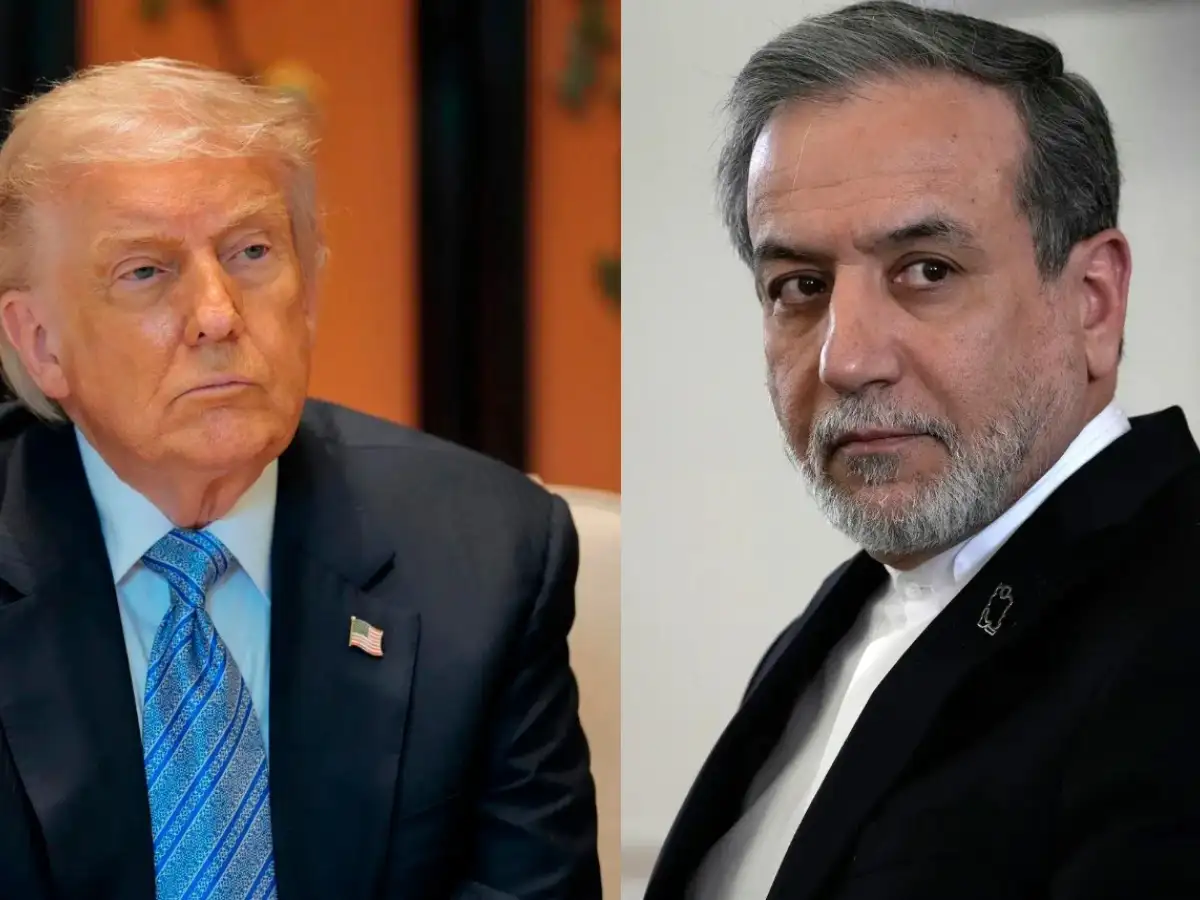
Qatar says US-Iran talks to end Middle East war continue via mediators, despite deadlock over Strait of Hormuz
Mediator Qatar confirmed that indirect negotiations between the United States and Iran continue amid a protracted conflict. Talks have resumed despite ongoing tensions and previous ceasefires not yielding lasting peace. Iranian President Masoud Pezeshkian expressed skepticism about the effectiveness of these discussions. As the war persists, both nations aim to address the strategic concerns surrounding the Strait of Hormuz.

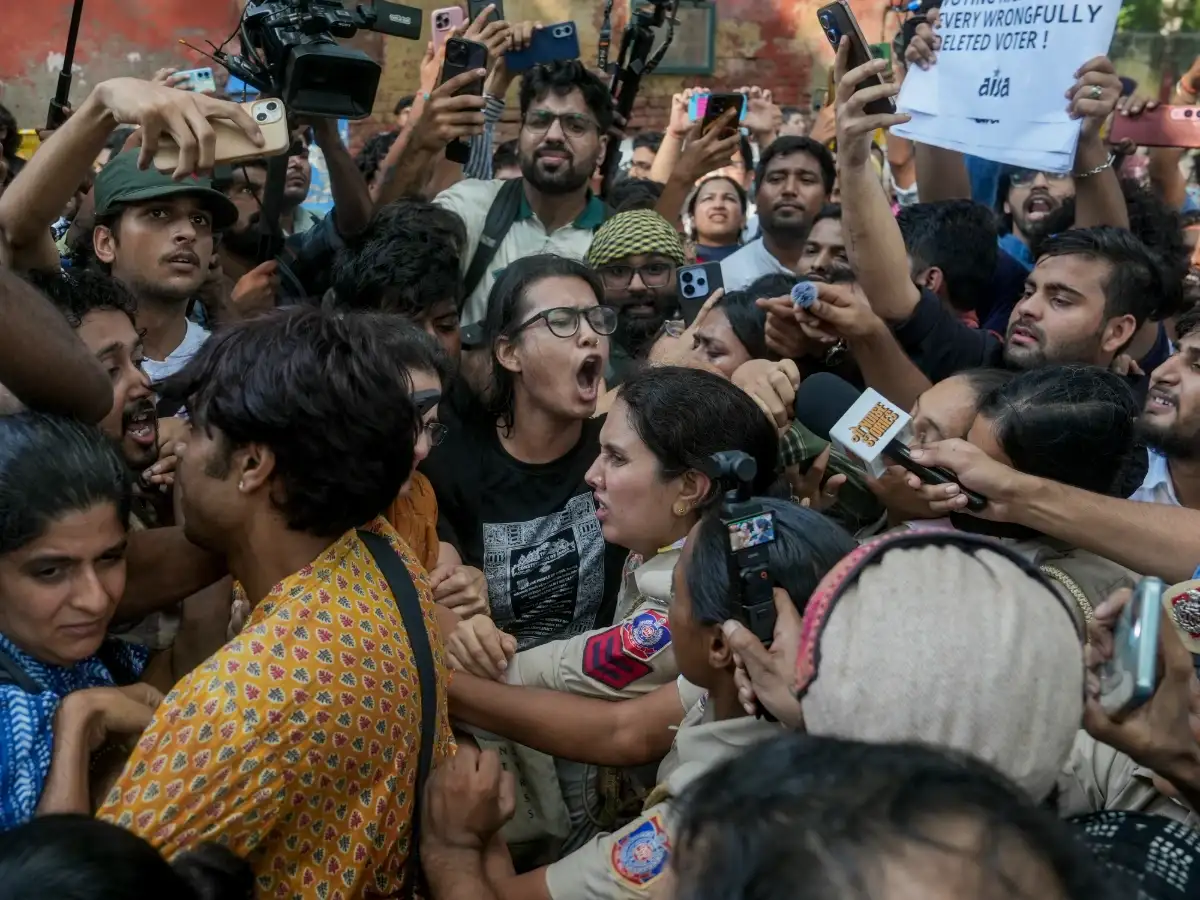
Protests erupt across India demanding resignation of Chief Election Commissioner Gyanesh Kumar over voter list manipulation
Protests have emerged across India as citizens demand the resignation of Chief Election Commissioner Gyanesh Kumar. Demonstrators claim that the ongoing Special Intensive Revision process threatens voter rights and favors the ruling Bharatiya Janata Party. Critics say this process requires complex documentation that may disenfranchise vulnerable communities and lead to significant voter list reductions. Opposition parties and activists are calling for more independent election oversight.

Helicopter makes emergency landing in Uttarakhand’s Rudraprayag amid bad weather
A helicopter made an emergency landing at the Agastyamuni sports ground in Rudraprayag district on Tuesday after encountering adverse weather conditions. The aircraft landed safely at the sports ground, with the incident occurring amid challenging weather conditions in the region.
Helicopter makes emergency landing in Uttarakhand’s Rudraprayag amid bad weather
A helicopter made an emergency landing at the Agastyamuni sports ground in Rudraprayag district on Tuesday after encountering adverse weather conditions. The aircraft landed safely at the sports ground, with the incident occurring amid challenging weather conditions in the region.

19-year-old Zain Javaid's startup called Ghost builds an AI computer without screen; the 'brain in a box' can be the next big PC idea
Ghost is pioneering a revolutionary startup with its innovative screenless AI computer known as Core, co-founded by Zain Javaid. This cutting-edge device is crafted to operate AI agents that function independently, engaging users via a mobile application. With an emphasis on security, Core protects user data by keeping it stored locally, steering clear of cloud dependencies.