
India court: No religious clothes until hijab row settled
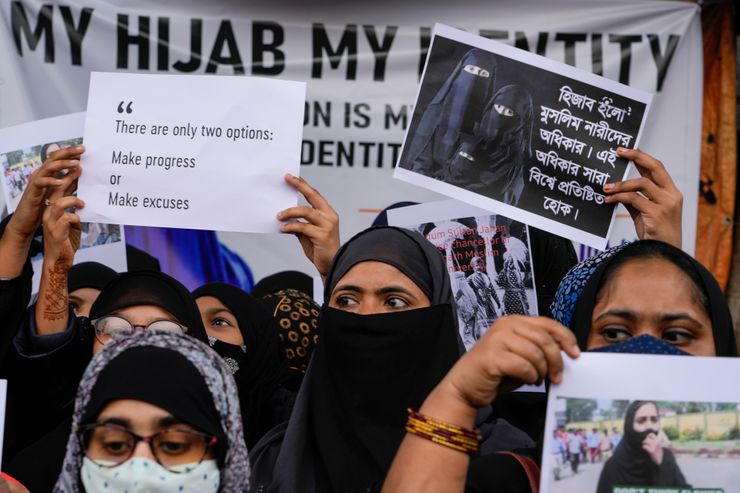
Feb 10, 2022
A court in a southern Indian state has told students not to wear any religious clothing until it delivers a verdict on petitions seeking to overturn a ban on hijabs, headscarves used by Muslim women
NEW DELHI (AP) — A court in a southern Indian state told students on Thursday not to wear any religious clothing until it delivers a verdict on petitions seeking to overturn a ban on hijabs, headscarves used by Muslim women.
The court in Karnataka state is considering petitions filed by students challenging a ban on hijabs that some schools have implemented in recent weeks.
“We will pass an order. But till the matter is resolved, no student should insist on wearing religious dress,” the Press Trust of India news agency quoted Chief Justice Ritu Raj Awasthi as saying.
The court also directed the state to reopen schools and colleges which the chief minister had shut for three days as protests over the ban escalated earlier this week.
The issue grabbed headlines last month when a government-run school in Karnataka's Udupi district barred students wearing hijabs from entering classrooms, triggering protests outside the school gate. More schools in the state followed with similar bans, forcing the state's top court to intervene.
The uneasy standoff has raised fears among Muslim students who say they are being deprived of their religious rights in the Hindu-majority nation. On Monday, hundreds of students and parents took to the streets to protest the restriction.
The dispute in Karnataka has set off protests elsewhere in India. A number of demonstrators were detained in the capital, New Delhi, on Thursday, and students and activists have also marched in cities including Hyderabad and Kolkata in recent days.
It also captured attention in neighboring Muslim-majority Pakistan. “Depriving Muslim girls of an education is a grave violation of fundamental human rights,” its foreign minister, Shah Mahmood Qureshi, tweeted on Wednesday, calling the situation “absolutely oppressive.”
Nobel Peace Prize laureate and education activist Malala Yousafzai also condemned the ban. “Refusing to let girls to go to school in their hijabs is horrifying,” the 24-year-old Pakistani human rights campaigner tweeted.
For many Muslim women, the hijab is part of their faith and a way to maintain modesty. It has been a source of controversy for decades in some Western countries, particularly in France, which in 2004 banned them from being worn in public schools.
In India, where Muslims make up about 14% of the country’s almost 1.4 billion people, they are not banned or restricted in public places and are a common sight.
Some rights activists have voiced concerns that the bans could increase Islamophobia. Violence and hate speech against Muslims have increased under Prime Minister Narendra Modi’s governing Hindu nationalist party, which also governs Karnataka state.
MORE NEWS

Elon Musk to co-lead 'Project Meridian' on future of warfare, announces US War Secy Pete Hegseth
US Secretary Pete Hegseth announced the formation of Project Meridian to study future warfare strategies. Elon Musk will co-lead this initiative alongside Palmer Luckey and Newt Gingrich. The project aims to explore and identify key domains and technologies relevant to warfare. It has a strict 120-day deadline to provide findings to military leadership. Hegseth also introduced the Autonomous Warfare Command, emphasizing the need for advancements in military technology.
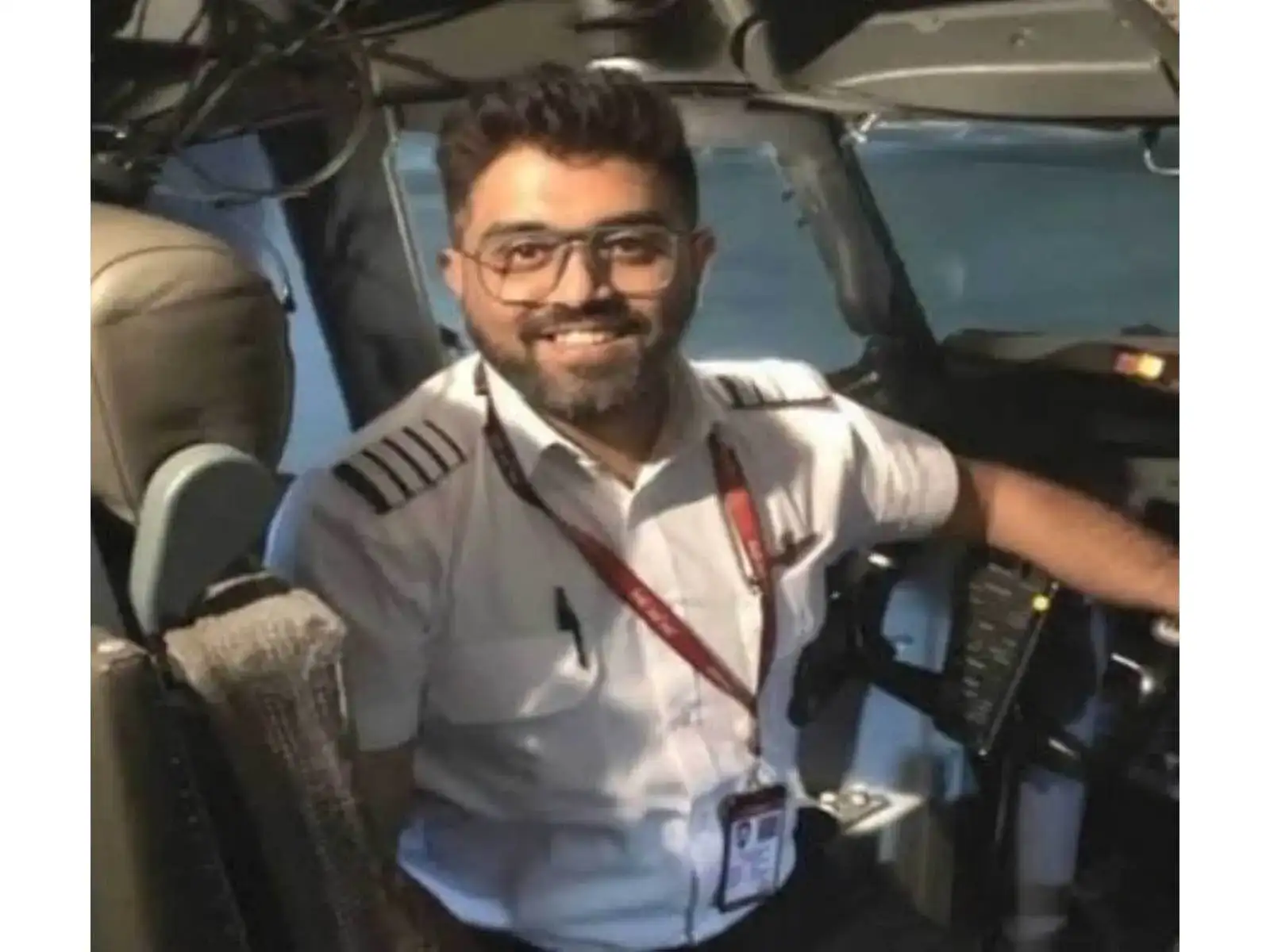
Midair miracles: Passengers hail Captain Smit Machchhar and Israeli heroes who thwarted attack on flydubai flight
An Indian flydubai pilot, Captain Smit Machchhar, was seriously stabbed by his copilot in an attempted plane crash. Despite his injuries, he unlocked the cockpit door, enabling passengers and crew to overpower the attacker. The plane landed safely, and global leaders hailed the captain as a hero.
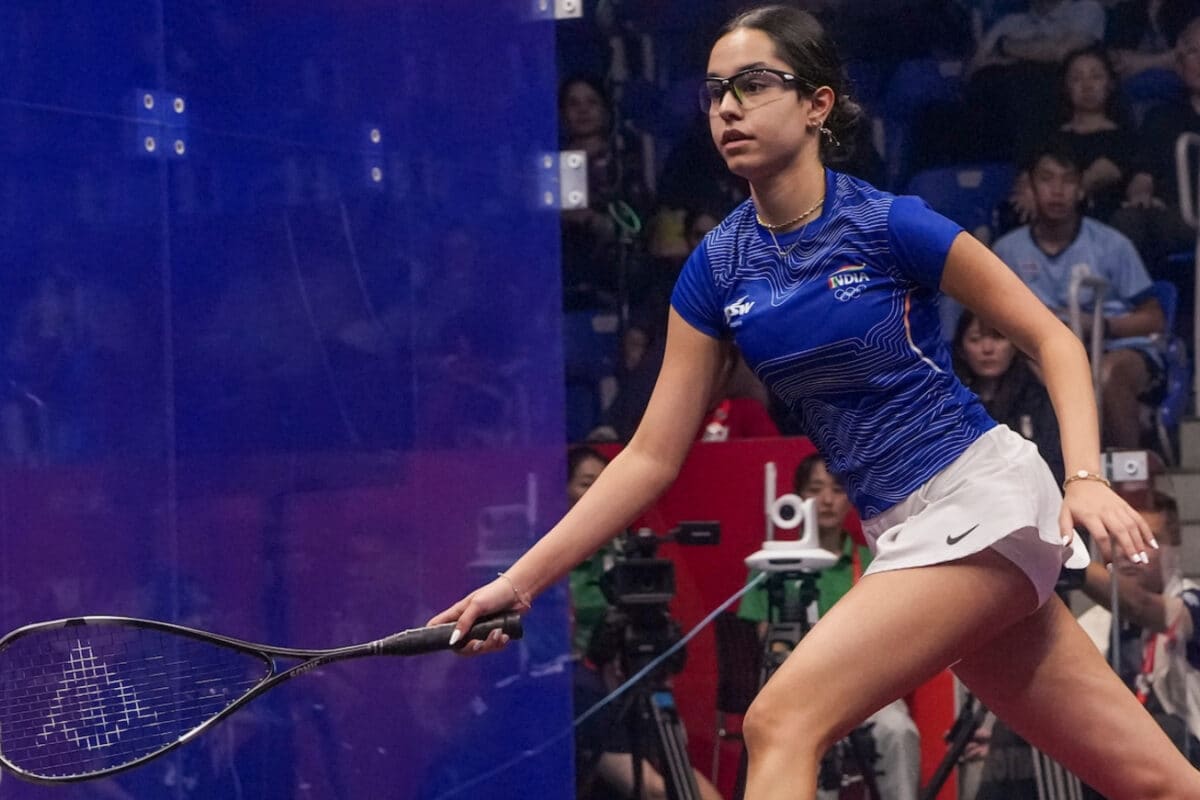
Asian Games 2026 Live Updates, Day 13: India Win Squash Women's Team Bronze
India at the Asian Games 2026 Live: Follow all the latest updates, scores and latest medals tally as India competes across various events on Day 13 in Japan.
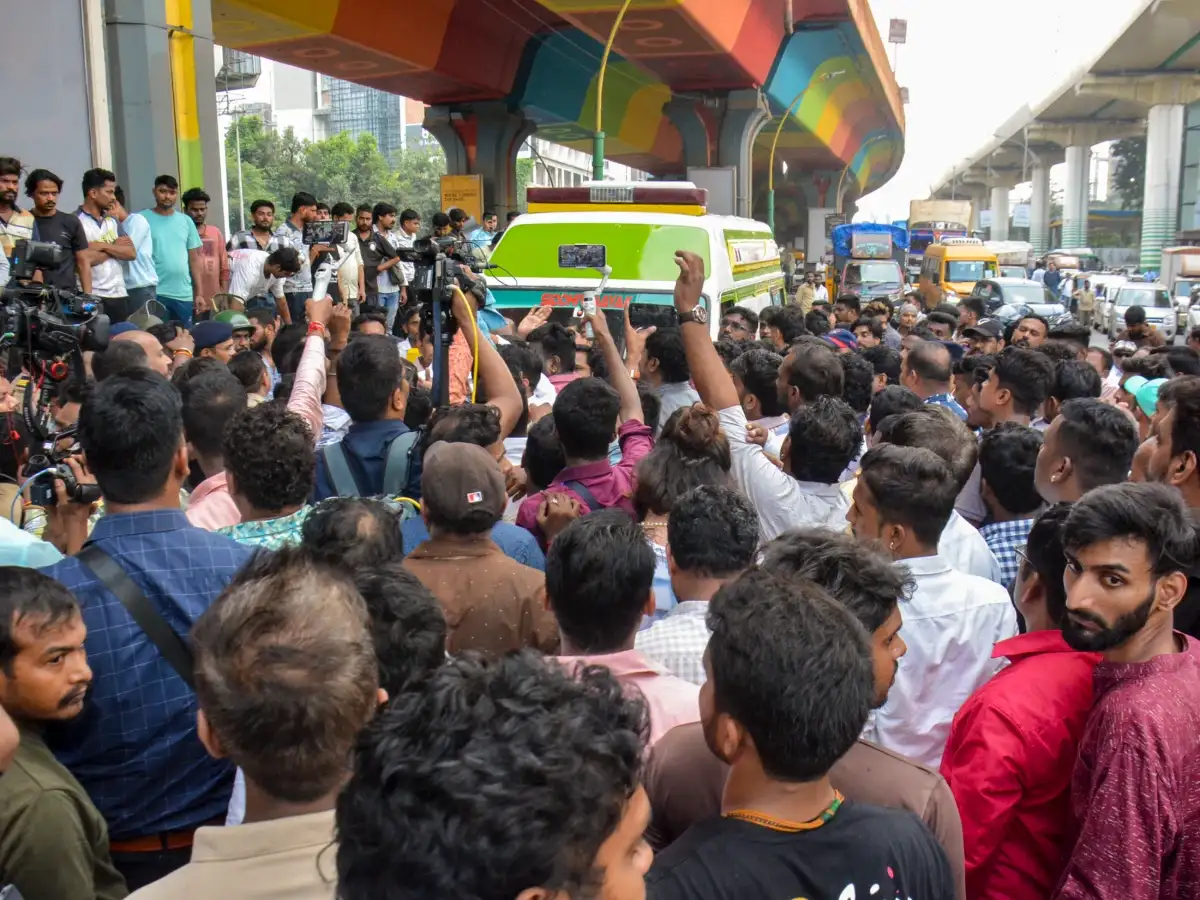
Murder of Sena (UBT) leader: In police statement, son blames ex-mayor of Thane, her husband
Pradeep Purnekar was shot dead in Thane, leading to major protests by his family and supporters. His son, Ram Purnekar, has accused Meenakshi Shinde and her husband of orchestrating the crime. The police arrested one suspect and detained another in connection with the murder case.
RBI’s success on dollar flows raises stakes in inflation fight & clamour for rate hike
India’s record $133 billion diaspora inflow has flooded banks with liquidity, pushing overnight rates below the RBI’s 5.25% policy rate. The Reserve Bank has already drained more than ₹1 trillion as food and oil prices fuel inflation concerns. Markets now expect further liquidity measures and are increasingly pricing in a possible RBI interest-rate hike.
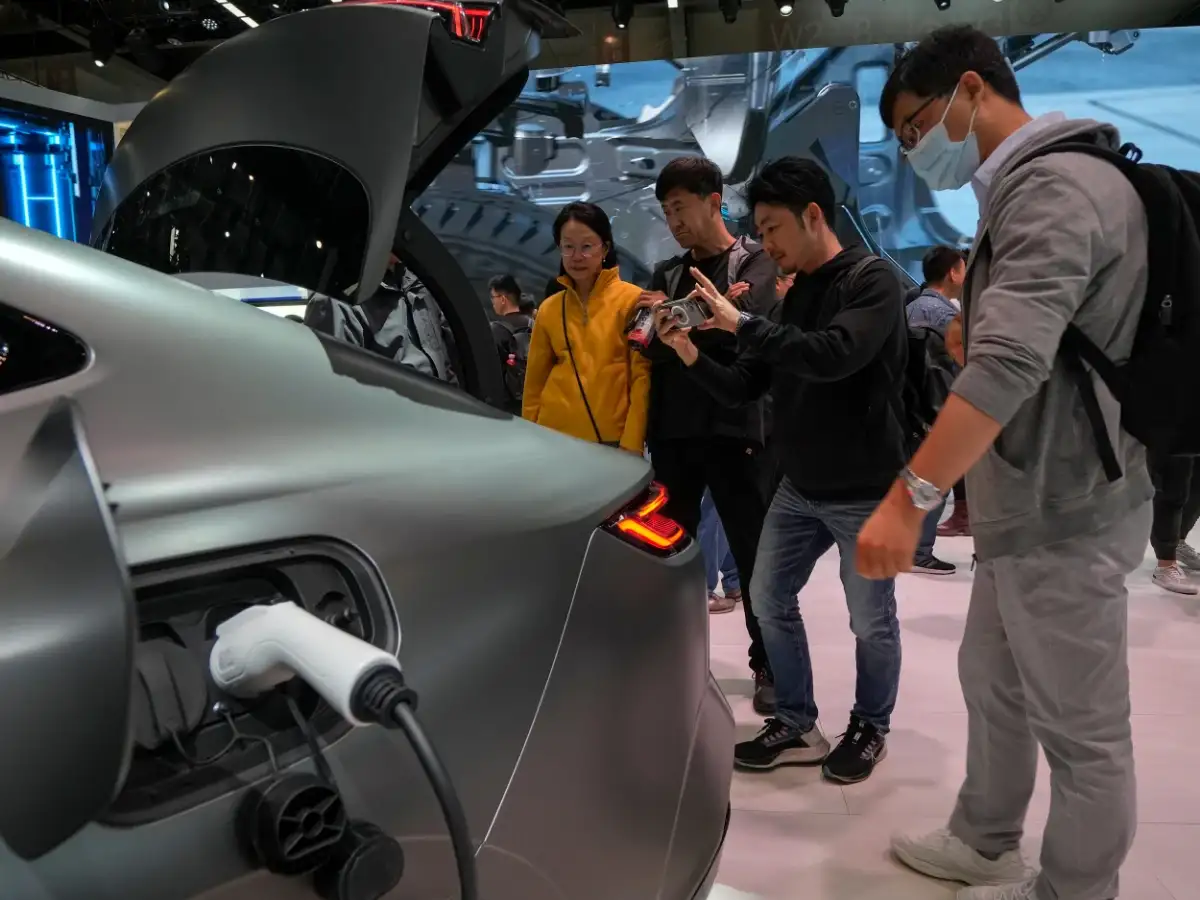
Senate punts bill to permanently ban Chinese cars until after midterm elections
Legislation aiming to permanently prohibit Chinese vehicles and technology from entering the U.S. market is currently stalled. Senators are negotiating to address concerns raised by a Republican senator regarding foreign ownership stakes. The proposed bill seeks to protect American automakers from subsidized Chinese competition and prevent data privacy risks. Supporters of the bill anticipate revisiting this matter after the upcoming November elections.

SC seeks response of Delhi government on plea for free treatment for EWS patients at ILBS
The court agreed to examine the plea which also sought an independent inquiry into alleged patient-rights violations and financial irregularities at the ILBS
'Very good call': US Ambassador Sergio Gor on PM Modi-Trump telephonic conversation
Modi and Trump engaged in a telephone conversation reviewing bilateral cooperation. They discussed trade, defense, energy, and critical technologies during the call. Both leaders reaffirmed their commitment to advancing the India-US Comprehensive Global Strategic Partnership after evaluating ongoing regional and international developments. EAM S Jaishankar indicated progress on a mutually beneficial trade deal while addressing tariff concerns.
KPSC paper leak: ED alleges IAS officer supplied Veterinary Officer exam paper for bribes
Gyanendra Kumar Gangwar, an IAS officer, allegedly leaked the Veterinary Officers Recruitment Examination question paper for money. The Enforcement Directorate is investigating this corruption case involving 400 Veterinary Officer posts. Middleman Basavaraj Kannale, who facilitated the scheme, promised candidates their selection in exchange for bribes. Candidates received leaked exam materials while residing at a resort prior to the exam.