
How will a new national security law affect different walks of life in Hong Kong?

Mar 19, 2024
Hong Kong has passed a new national security law that could redefine the liberties of its citizens, and its role on the world stage
HONG KONG (AP) — As
Hong Kong
passed anew national security law
, the city that evolved from a swampy fishing village to a financial center embarked on another transformation, one that may redefine its role on the world stage and the liberties of its citizens.For the government and supporters of Beijing,
the legislation
is the keystone in fulfilling a constitutional duty, heralding a new era focused squarely on economic prosperity. It will take effect on Saturday.However, for those who value Hong Kong’s once-vibrant political culture and commitment to openness, the legislation exacerbates fears of dwindling Western-style civil liberties that are fundamental to its allure as a global financial hub.
Here's what you need to know about the new law.
Doesn’t the city already have a national security law?
Four years ago,
Beijing imposed a sweeping security law
triggered by the massive anti-government protests in 2019.The law was used to prosecute many leading activists, including
media tycoon Jimmy Lai
and former student leaders like Joshua Wong and Lester Shum. Others were silenced or forced into self-exile. Dozens of civil society groups facing police investigations and other obstacles closed, as well as vocalpro-democracy media outlets Apple Daily
and Stand News. The drastic political changes prompted a large number of young professionals and middle-class families to emigrate to Britain, Canada, Taiwan, Australia and the United States, among other places.Beijing and Hong Kong governments say the law helped bring back stability.
Why does the city need a new law?
Hong Kong’s mini-constitution, the Basic Law, requires the city to enact a home-grown national security law.
In 2003, an attempt to pass a version of the law sparked a street protest that drew half a million people who feared the legislative efforts would erode the city's freedoms. The legislation was shelved.
Then, in late January, a public consultation on the legislation resurfaced. Hong Kong leader John Lee said the legislation is needed to
fulfill a long-overdue duty
, and often referred to the 2019 protests to justify that need, saying it will keep Hong Kong safe against “potential sabotage” and “undercurrents that try to create troubles” — particularly lurking ideas about Hong Kong independence. Some foreign agents might still be active in Hong Kong, he added.“This is a law to tell people not to attack us,” Lee said.
What is the new law about?
As proposed in the Safeguarding National Security Bill, the new law expands the government's power to stamp out future challenges to its rule, punishing treason and insurrection with up to life imprisonment.
The law also includes stiff prison terms for other offenses, including up to 20 years for espionage and up to 10 years for the unlawful disclosure of state secrets. Some provisions allow criminal prosecutions for certain acts committed anywhere in the world.
Additionally, tougher penalties would be imposed on people convicted of working with foreign governments or organizations to commit certain offenses. For example, residents who damage public infrastructure with the intent to endanger national security could be jailed for 20 years — or life, if they collude with an external force to do so.
The law could curb disruptive protests like the one in 2019 when dissenters occupied the airport and vandalized railway stations.
How will this affect business people, financial professionals and journalists?
Financial professionals who often deal with sensitive corporate information are worried about some provisions related to the protection of state secrets because they echo the
broad definition of secrets
used in mainland China, which covers economic, social and technological developments beyond traditional security fields.While the offenses outlined in the new law pertain to acts conducted without lawful authority, there is anxiety that the law may create gray areas.
Some foreign business leaders said the cost of complying with the new law could result in investors directing their capital elsewhere. Investment decisions for Western businesses weigh on the balance between social stability and an open and legally predictable business environment, they said.
Journalists are concerned their reporting might also inadvertently lead to legal issues. A leading media professional group, Hong Kong Journalists Association, pointed to some provisions involving state secrets that do not require proof of intent to harm national security. Although the government added a public interest defense in the bill, the scope is more limited than what they had recommended, the association said.
The government has tried to assuage the concerns, saying the legislation targets “an extremely small minority of people” who endanger national security, and insisting that normal business people, individuals, organizations, and the media sector “will not unwittingly violate the law.”
How about activists?
After the 2019 protests, the city's
colonial-era sedition law
has been increasingly used to target dissidents.Under the new bill, activists will face harsher penalties if they break the sedition law. They face seven years in prison if convicted for committing seditious acts or uttering seditious words — up from the current maximum sentence of two years. Colluding with an external force to carry out such activities is now punishable by up to 10 years, and it is not necessary for the prosecution to prove intent to incite public disorder or violence.
Amnesty International’s China Director Sarah Brooks worried that the new crime broadly defined as “external interference" could lead to the prosecution of activists who interacted with overseas individuals or organizations and be “framed as ‘endangering national security.'"
The law also authorizes stiffer measures against suspects in national security cases: Police can apply to the court to extend detention without charges and prohibit suspects from consulting certain legal representatives. Some legal scholars and rights advocates say this would undermine due process.
Authorities would also be empowered to use financial sanctions to punish people who have fled abroad, potentially preventing them from being hired, leasing property, or starting businesses.
In 2023, police
offered bounties of 1 million Hong Kong dollars
($128,000) on more than a dozen activists living abroad, including former lawmakers Nathan Law and Ted Hui, whom they accuse of colluding with external forces to impose sanctions on Hong Kong and China.How about residents who are not politically active?
The new law requires Chinese citizens to report to authorities if they know others are committing treason. Failure to report could be penalized by up to 14 years in prison. Ronny Tong, an adviser to the city leader, has said religious professionals are not exempt, even if they heard about the acts during confession.
On Friday, the Catholic Diocese of Hong Kong assured believers that the new legislation will not change the confidential nature of confession. Still, the diocese acknowledged citizens have an obligation to ensure national security.
During one legislative discussion, officials were asked whether residents keeping copies of Apple Daily newspaper at home would be considered as possessing a seditious publication — an offense punishable by up to three years in jail. Security minister Chris Tang said it would be a reasonable defense if residents argued they had no recollection the publication was still in the home and it was not used for incitement.
MORE NEWS
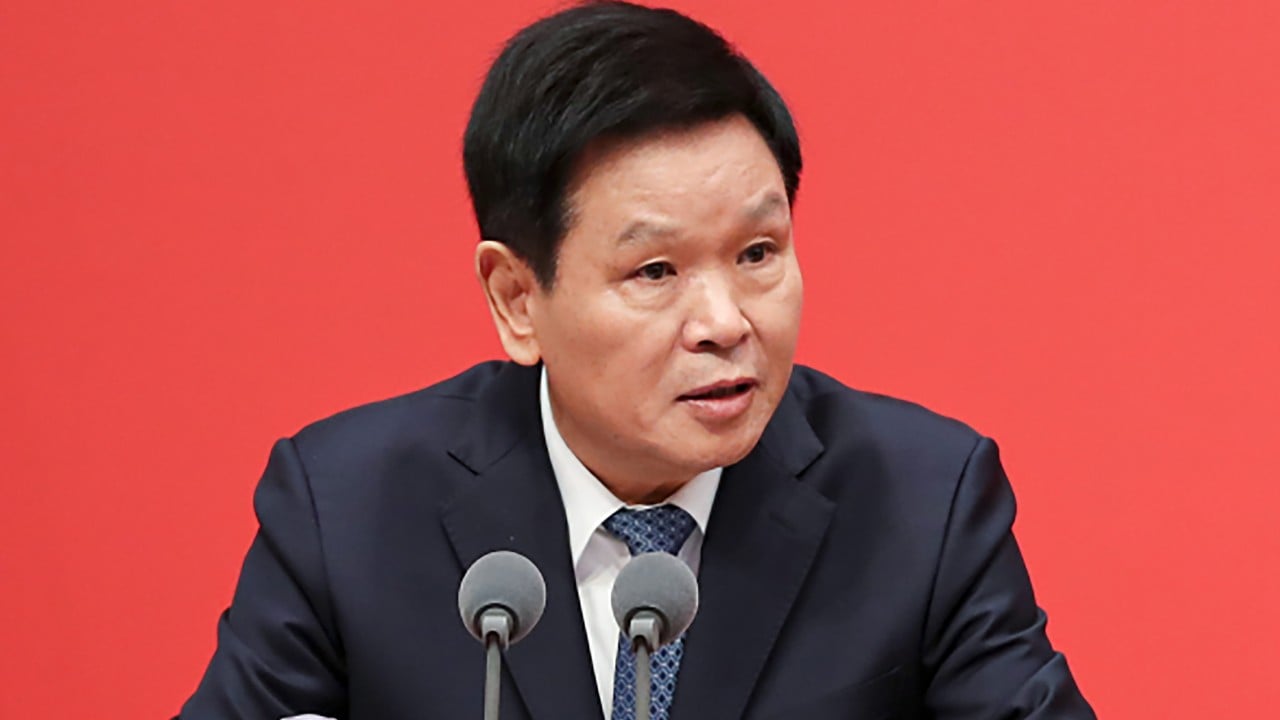
Why has Beijing appointed a propaganda veteran to lead a border province?
Beijing has appointed veteran propaganda official Mo Gaoyi as Communist Party secretary of Yunnan province in its latest leadership reshuffle, making him a rare example this year of a provincial head with minimal local governance experience. An analyst said that the move could reflect Beijing’s efforts to broaden the talent selection criteria for some senior roles, allowing specialists to take on important generalist positions. Mo – director of the State Council Information Office (SCIO) and a...

Manila speaks with 2 voices on China
Manila sent two strikingly different messages to Beijing on October 13. At the Malacanang Palace, a presidential spokeswoman reaffirmed Manila’s commitment to sustaining diplomatic and economic ties with China, saying “China needs the Philippines, and the Philippines needs China”. That same day, Philippine Defence Secretary Gilberto Teodoro Jnr rejected a call for military-to-military communication with China, a move that received public support from the Armed Forces of the Philippines. Teodoro...
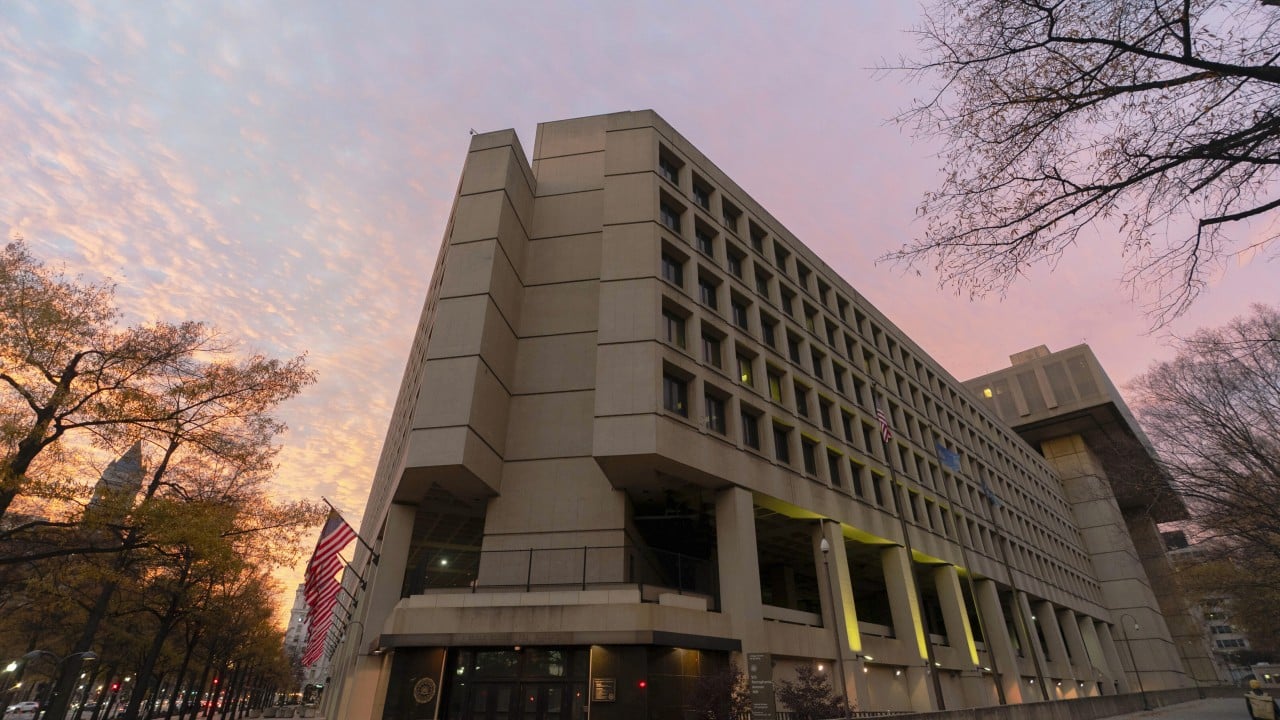
Will China travel hurt US students’ careers? FBI battles fears as talent pipeline stalls
An American student considering studying in China attended a briefing with a senior FBI official at a Washington think tank last month to address her concerns about whether such an experience could jeopardise her prospects for a career in the federal government. The official’s message: travelling to China would not automatically disqualify her. She welcomed the clarification but said she wasn’t “completely reassured”. “I’m still wondering if it’s a good idea to go,” said the student, who...

China’s battery factories could be sitting right on top of vast lithium deposits
Lithium deposits formed by ancient volcanic activity may lie beneath parts of China’s battery manufacturing heartland, particularly along the southeastern coast, according to a new study. In an interview with the South China Morning Post, geologist Duan Zheng said that “potential targets for clay-type lithium deposits in southeastern China overlap with lithium battery industrial clusters in East and South China”. “Local supplies could significantly reduce transport costs and supply-chain risks,”...
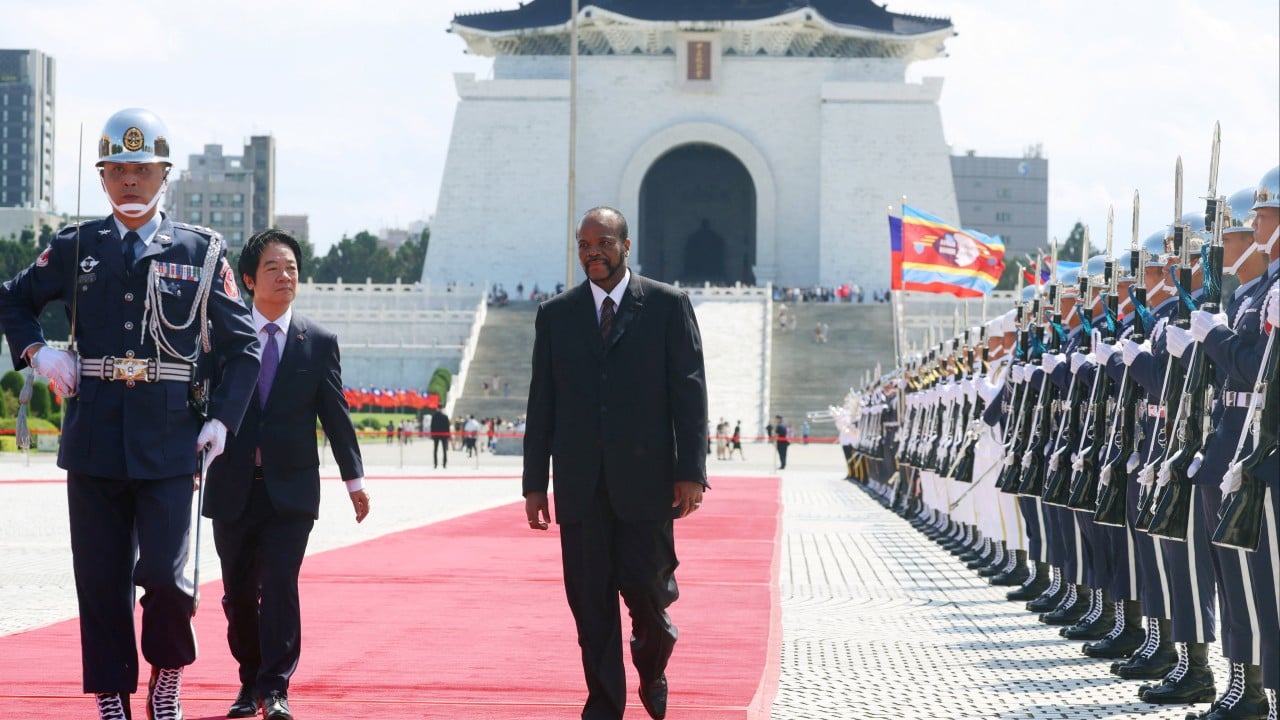
For its autocratic African ally, Taiwan bites its tongue and opens its wallet
Eswatini probably does not register on most people’s mental maps. Its relatively recent name might sound unfamiliar as many people still know it as Swaziland. That it demands attention from pundits like yours truly has much to do with it being the only African country that still formally recognises Taiwan. It is also the continent’s only absolute monarchy. The two facts are closely connected. Recognising Taipei makes little sense when every one of eSwatini’s neighbours recognises Beijing, but it...

Alibaba wins preliminary injunction against Pentagon lobbying rule
Alibaba has won a preliminary court order blocking a US restriction that drove away its Washington lobbyists, after a federal judge found the Chinese technology giant was likely to succeed in challenging the measure on free-speech grounds. US District Judge Eumi K. Lee ruled on Monday that the government had failed to provide sufficient evidence to justify the restriction, which effectively forces lobbying firms to choose between representing Alibaba and clients seeking Pentagon...

5 things to watch out for in 2027 US defence bill aimed at countering China
The 2027 US defence bill, covering more than US$1 trillion in proposed defence spending, will be one of the most closely watched pieces of legislation when Congress returns after the midterm elections, with efforts to counter China running through nearly every corner of the text. The US House of Representatives passed its version of the bill, known as the National Defence Authorisation Act (NDAA), in July. The bill faces a tougher path in the US Senate, where a July procedural vote to begin...


Dinosaur's rare skeleton is one of the world's most expensive fossils, fetches over USD 47 million against expected estimate worth around USD 9 million
Nanotyrannus was about half the length of an adult T. rex, and the two creatures coexisted during the Cretaceous period some 67 million years ago.
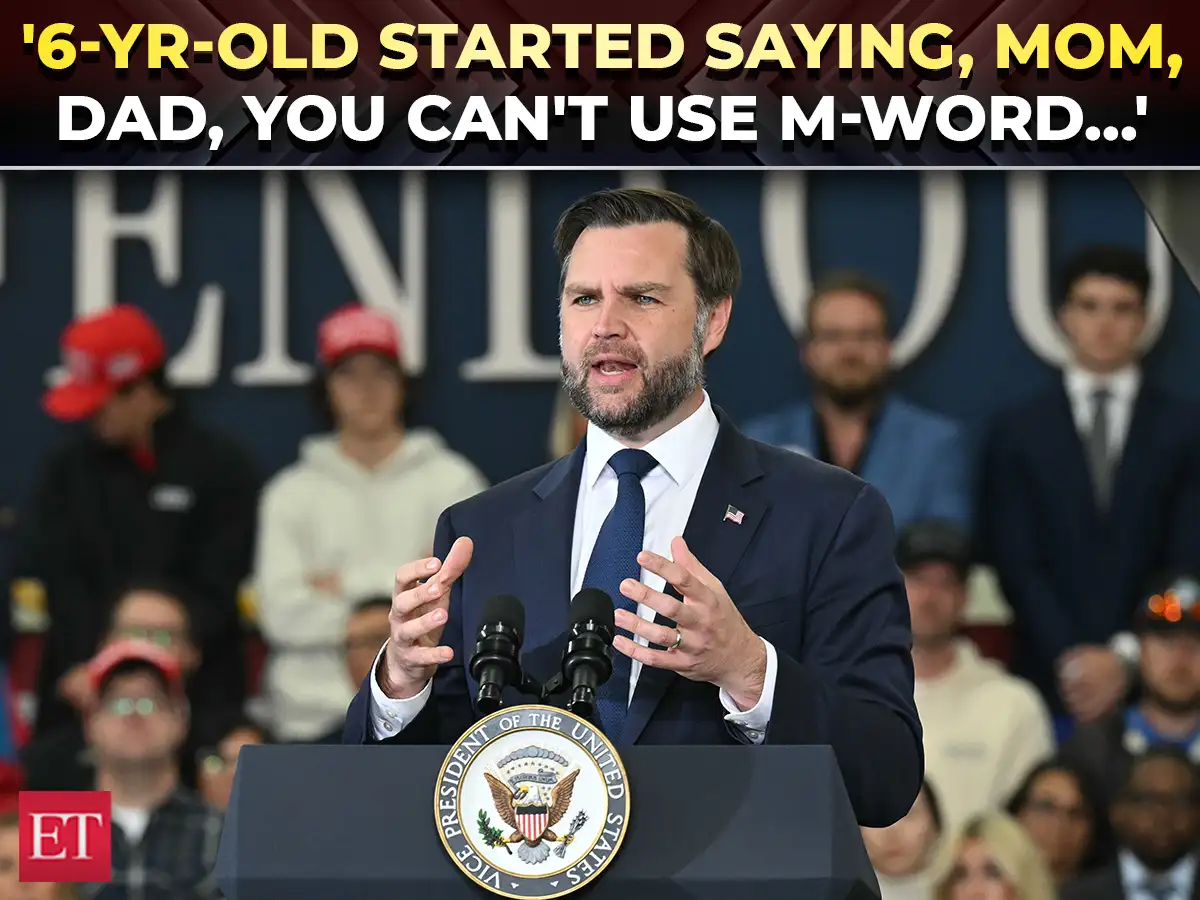

Eric Swalwell controversy: Who is Stephen Cloobeck? Why has FBI raided billionaire donor's Beverly Hills mansion?
Stephen Cloobeck, who founded the Diamond Resorts International timeshare company and ran last year for California governor, contributed more than $23,000 to Swalwell’s congressional campaigns since 2017, federal campaign finance records show.
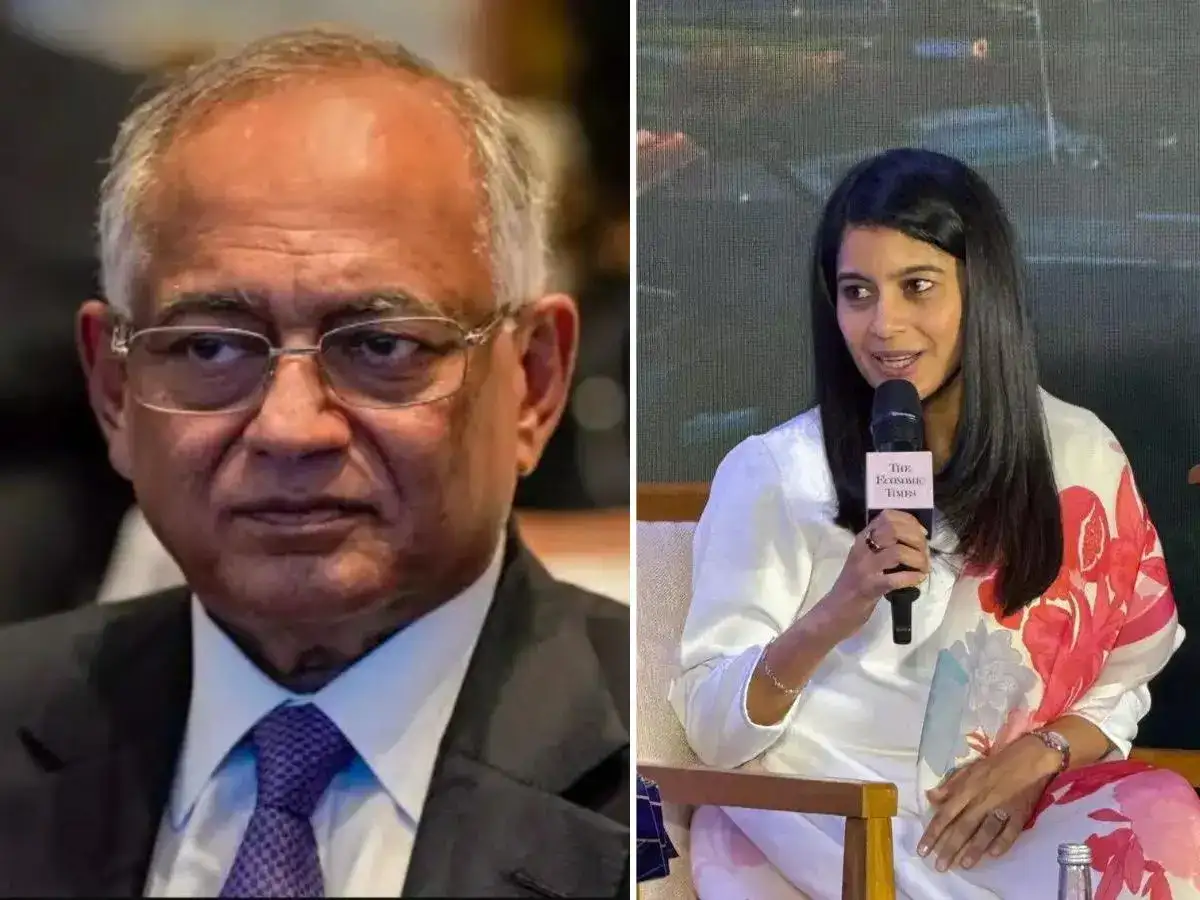
TVS Motor’s Venu Srinivasan and daughter Lakshmi file caveats against each other over inheritance
Venu Srinivasan and his daughter Lakshmi Venu have initiated caveats against each other regarding family business matters. The filings occurred in Chennai’s civil and commercial courts earlier this month. While Venu and his son Sudarshan claim a previous agreement exists, Lakshmi is advocating for a fair settlement. Mallika and Lakshmi have expressed their intention for an amicable resolution through discussions.