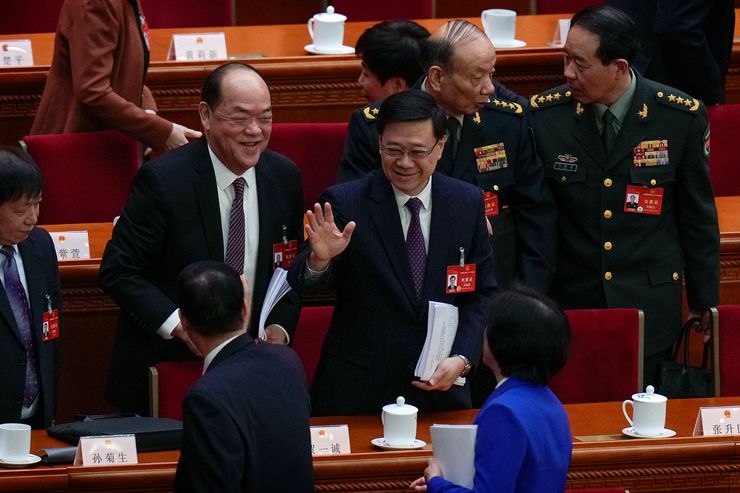
Hong Kong's new national security bill includes stiff penalties and more power to suppress dissent
Mar 8, 2024
Hong Kong unveiled a proposed law that threatens life imprisonment for residents who “endanger national security” on Friday, deepening worries about erosion of the city’s freedoms four years after Beijing imposed a similar law that all but wiped out public dissent
HONG KONG (AP) — Hong Kong unveiled a proposed law that threatens life imprisonment for residents who “endanger national security" on Friday,
deepening worries
about erosion of the city’s freedoms four years after Beijing imposed a similar law that all but wiped out public dissent.It’s widely seen as the latest step in a crackdown on political opposition that began after the semi-autonomous Chinese city was rocked by violent pro-democracy protests in 2019. Since then, the authorities have crushed the city's once-vibrant political culture. Many of the city’s leading pro-democracy activists have been arrested and others fled abroad. Dozens of civil society groups have been
disbanded
, and outspoken media outlets like Apple Daily and Stand News have beenshut down
.Hong Kong leader John Lee has urged legislators to push the Safeguarding National Security Bill through “at full speed," and lawmakers began debate hours after the bill was released publicly. It's expected to pass easily, possibly in weeks, in a legislature packed with Beijing loyalists following an
electoral overhaul
.The proposed law
will expand the government’s power to stamp challenges to its rule, targeting espionage, disclosing state secrets, and “colluding with external forces" to commit illegal acts among others. It includes tougher penalties for people convicted of working with foreign governments or organizations to break some of its provisions.The law would jail people who damage public infrastructure with the intent to endanger national security for 20 years — or life, if they collude with an external force to do so. In 2019, protesters occupied the airport and vandalized railway stations.
Similarly, those who commit sedition face a jail term of seven years but colluding with an external force to carry out such acts increase that penalty to 10 years.
On Thursday, an appeals court upheld a
conviction for sedition
against a pro-democracy activist for chanting slogans and criticizing the Beijing-imposed 2020 National Security Law during a political campaign.Its expansive definition of external forces includes foreign governments and political parties, international organizations, and “any other organization in an external place that pursues political ends” — as well as companies that are influenced by such forces. Beijing said the 2019 unrest was supported by external forces and the city government has been condemned what it called external interference during the protests.
The bill allows prosecutions for acts committed anywhere in the world for most of its offenses.
Critics say that the proposed law would make Hong Kong even more like mainland China.
The European Union said the bill covers “an even wider range” of offenses than previously disclosed, including sweeping bans on external interference and significantly hardened provisions on sentencing.
“The legislation risks exacerbating the erosion of fundamental freedoms in Hong Kong brought about, in particular, by the 2020 National Security Law,” it said.
However, Beijing insisted that the bill balances maintaining security with safeguarding rights and freedoms. The city government said it was necessary to prevent a recurrence of the massive anti-government protests that rocked the city in 2019, insisting it would only affect “an extremely small minority” of disloyal residents.
It defined national security as a status in which the state's political regime and sovereignty are relatively free from danger and threats, so are the welfare of the people and the state's economic and social development among other “major interests.”
The legislature's president, Andrew Leung, told reporters that the process was accelerated because the bill was necessary to safeguard national security.
“If you look at other countries, they enacted it within a day, two weeks, three weeks ... So why can't Hong Kong do it in a speedy manner? You tell me," the pro-Beijing politician said.
But the British consulate in Hong Kong urged authorities to “allow time for proper legislative scrutiny.” The city was a British colony until it returned to Chinese rule in 1997.
Hong Kong’s mini-constitution, the Basic Law, requires the city to enact a national security law, but a previous attempt sparked a massive street protest that drew half a million people, and the legislation was shelved.
Such against the current bill are unlikely, due to the chilling effect of the 2020 law after it was enacted to quell the 2019 protests.
During a one-month public comment period that ended last week, 98.6% of the views received by officials showed support, and only 0.72% opposed the proposals, the government said. The rest contained questions or opinions that did not reflect a stance on the law, it added.
But business people and journalists have
expressed fear
that a broadly framed law could criminalize their day-to-day work, especially because the proposed definition of state secrets includes matters linked to economic, social and technological developments. The government has sought to allay concerns by adding a public interest defense under specific conditions in the proposal.John Burns, an honorary professor of politics and public administration at the University of Hong Kong, said it remains to be seen how courts will interpret the provision that allows a public interest defense to charges of disclosing state secrets.
The bill, if passed as tabled, is likely to have chilling effect on local civil society, Burns said, especially political and public policy lobby groups that have benefited from connections to overseas counterparts.
“At least initially, I expect them to be especially cautious about expanding links with similar groups overseas,” he said.
Eric Lai, a research fellow at Georgetown Center for Asian Law, said fears about the “are now materialized."
He called it “overbroad and vague," particularly for offenses involving state secrets and external forces, and said it would undermine due process by allowing extended detention without charges, and by limiting the right to a lawyer.
People arrested on suspicion of national security offenses and released on bail could face “movement restriction orders” which limit the places they can go and where they can live, as well as prevent them from communicating with certain people.
Police can also apply to the court to extend detentions and prohibit suspects from consulting certain lawyers.
Authorities would also be empowered to use financial sanctions to punish people who have fled abroad, such as preventing other people from hiring them, leasing them property, starting businesses with them, or providing economic support to them.
Last year, police offered bounties of 1 million Hong Kong dollars ($128,000) on more than a dozen activists living abroad, including former lawmakers Nathan Law and Ted Hui, whom they accuse of colluding with external forces to impose sanctions on Hong Kong and China.
Prisoners convicted of national security offenses will not be eligible for sentences reductions until authorities are confident early release would not risk national security. This would apply to all national security prisoners, even those whose sentences were imposed prior to the bill.
___
Follow AP's Asia-Pacific coverage at
https://apnews.com/hub/asia-pacific
MORE NEWS

China formally launches project to build aircraft carrier-sized ‘science island’
China’s massive maritime science infrastructure – an aircraft carrier-sized floating artificial island – has officially entered its engineering construction phase. On October 18, Shanghai Jiao Tong University (SJTU), the facility’s lead developer, signed a construction contract worth over 2.7 billion yuan (US$405 million) with a shipbuilder under China State Shipbuilding Corporation, according to local media reports. The semi-submersible twin-hull platform is the world’s first mobile,...

Fourth-Tier Club Sends Shockwaves Across Football World! Knocks Out Premier League Champions Arsenal In League Cup
Premier League leaders Arsenal suffered a humiliating League Cup exit, losing 5-3 on penalties to fourth-tier Fleetwood.
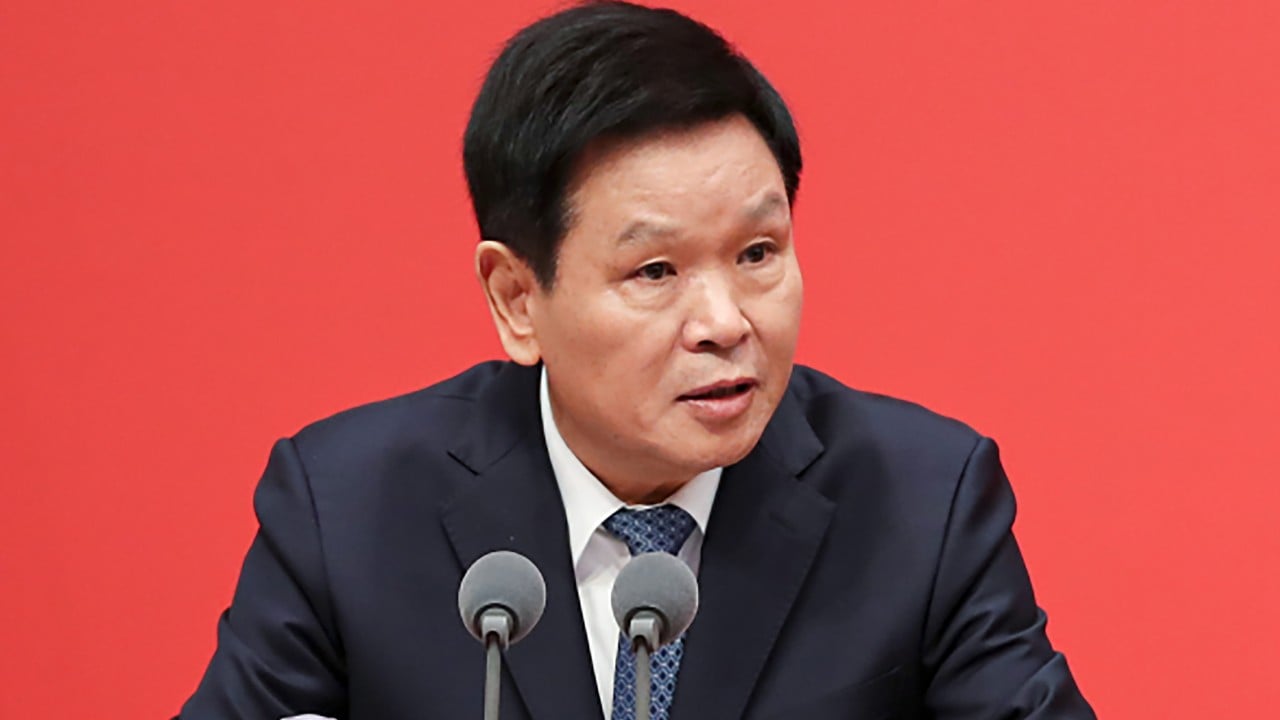
Why has Beijing appointed a propaganda veteran to lead a border province?
Beijing has appointed veteran propaganda official Mo Gaoyi as Communist Party secretary of Yunnan province in its latest leadership reshuffle, making him a rare example this year of a provincial head with minimal local governance experience. An analyst said that the move could reflect Beijing’s efforts to broaden the talent selection criteria for some senior roles, allowing specialists to take on important generalist positions. Mo – director of the State Council Information Office (SCIO) and a...

Manila speaks with 2 voices on China
Manila sent two strikingly different messages to Beijing on October 13. At the Malacanang Palace, a presidential spokeswoman reaffirmed Manila’s commitment to sustaining diplomatic and economic ties with China, saying “China needs the Philippines, and the Philippines needs China”. That same day, Philippine Defence Secretary Gilberto Teodoro Jnr rejected a call for military-to-military communication with China, a move that received public support from the Armed Forces of the Philippines. Teodoro...
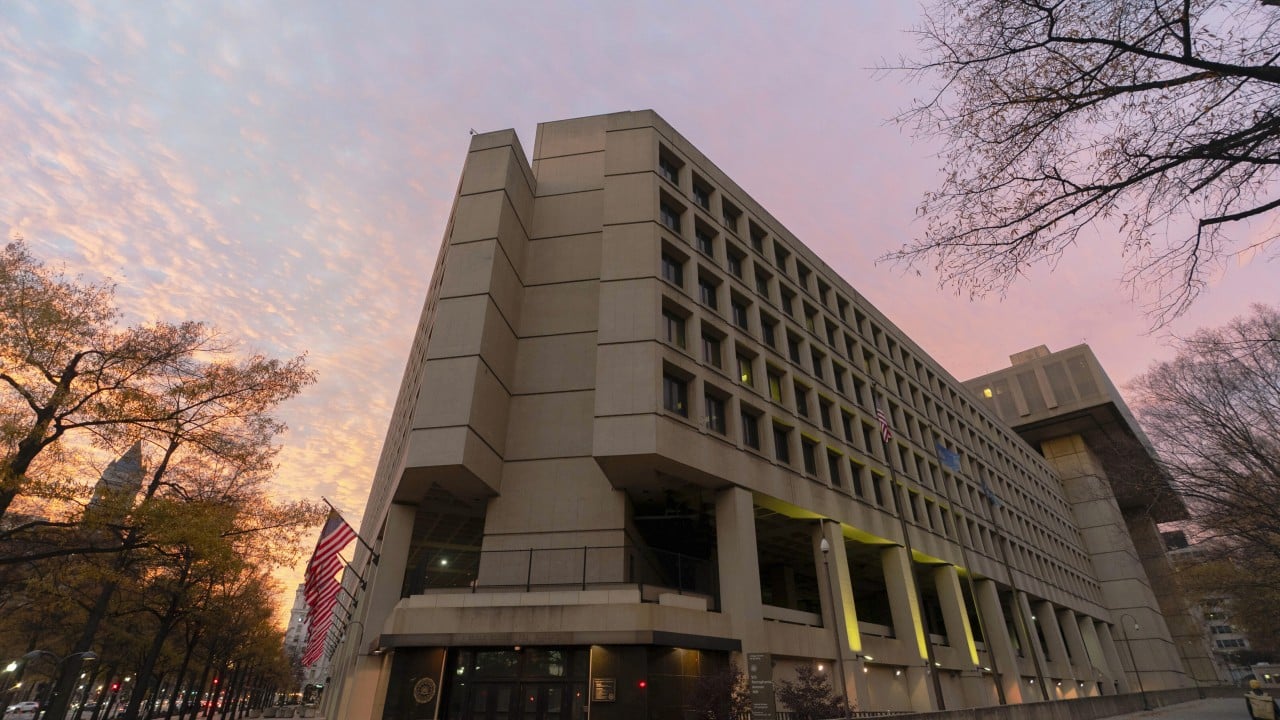
Will China travel hurt US students’ careers? FBI battles fears as talent pipeline stalls
An American student considering studying in China attended a briefing with a senior FBI official at a Washington think tank last month to address her concerns about whether such an experience could jeopardise her prospects for a career in the federal government. The official’s message: travelling to China would not automatically disqualify her. She welcomed the clarification but said she wasn’t “completely reassured”. “I’m still wondering if it’s a good idea to go,” said the student, who...
China’s battery factories could be sitting right on top of vast lithium deposits
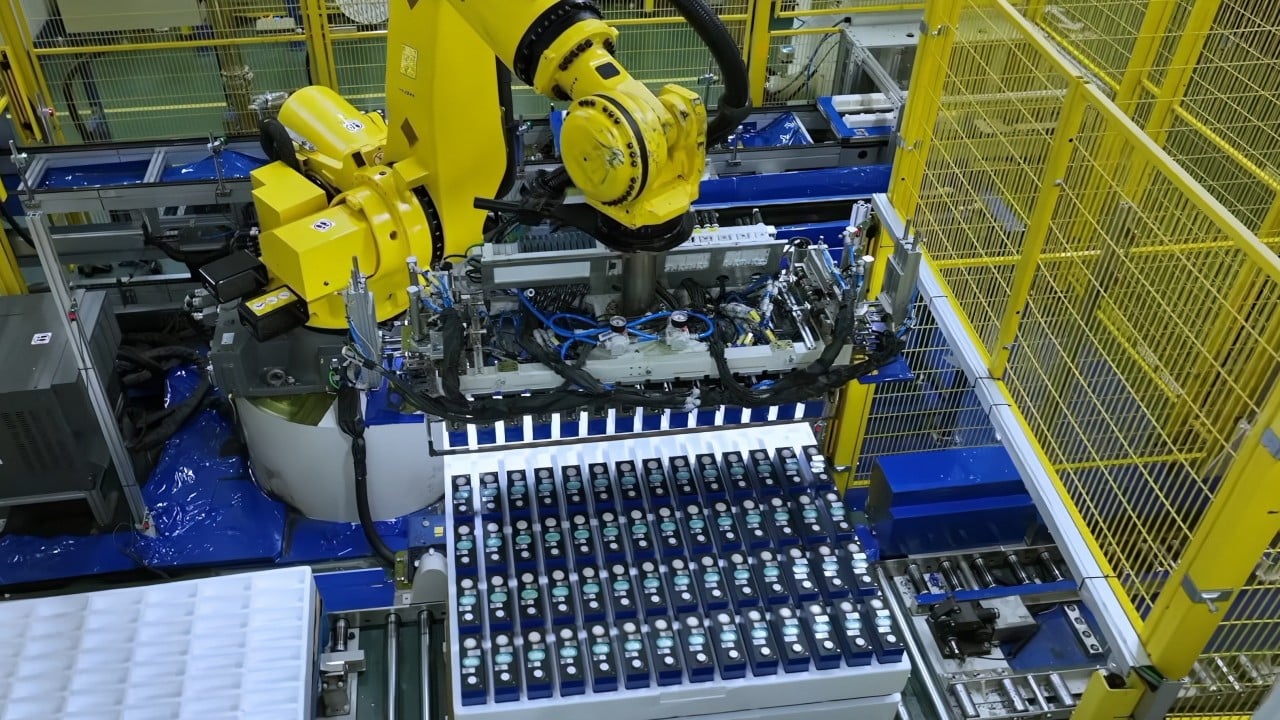
Lithium deposits formed by ancient volcanic activity may lie beneath parts of China’s battery manufacturing heartland, particularly along the southeastern coast, according to a new study. In an interview with the South China Morning Post, geologist Duan Zheng said that “potential targets for clay-type lithium deposits in southeastern China overlap with lithium battery industrial clusters in East and South China”. “Local supplies could significantly reduce transport costs and supply-chain risks,”...
For its autocratic African ally, Taiwan bites its tongue and opens its wallet
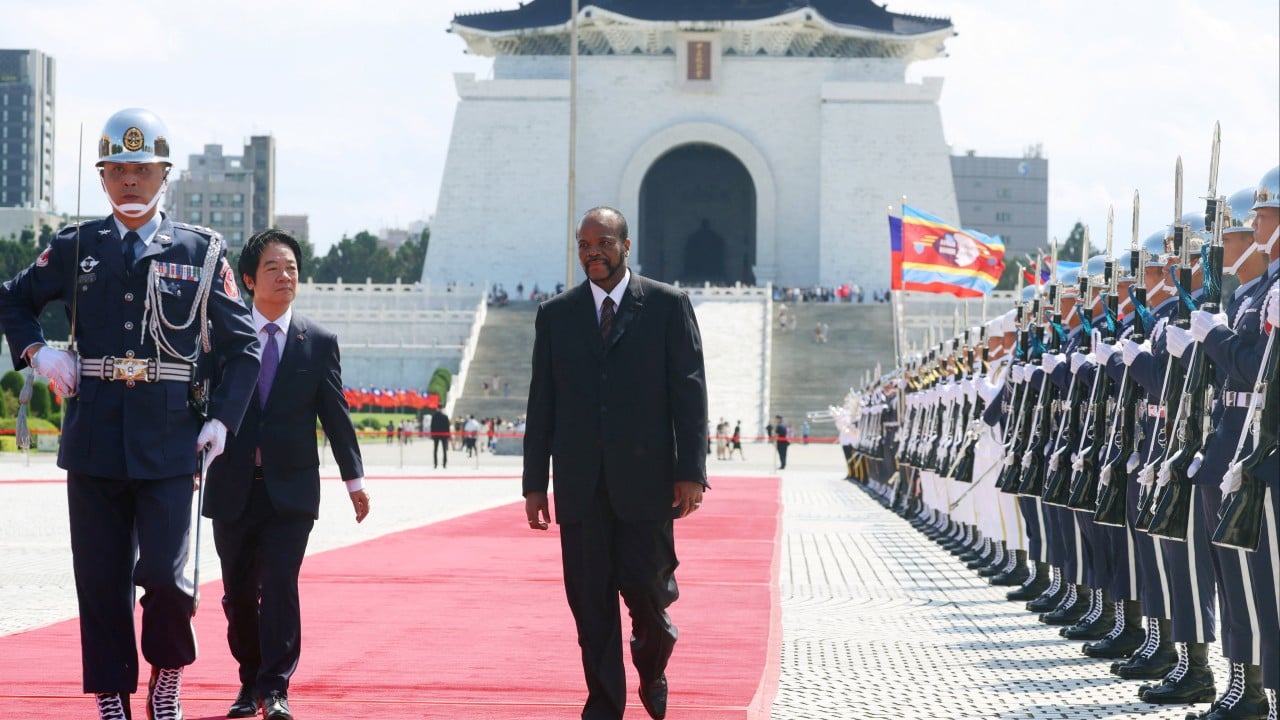
Eswatini probably does not register on most people’s mental maps. Its relatively recent name might sound unfamiliar as many people still know it as Swaziland. That it demands attention from pundits like yours truly has much to do with it being the only African country that still formally recognises Taiwan. It is also the continent’s only absolute monarchy. The two facts are closely connected. Recognising Taipei makes little sense when every one of eSwatini’s neighbours recognises Beijing, but it...
Alibaba wins preliminary injunction against Pentagon lobbying rule
Alibaba has won a preliminary court order blocking a US restriction that drove away its Washington lobbyists, after a federal judge found the Chinese technology giant was likely to succeed in challenging the measure on free-speech grounds. US District Judge Eumi K. Lee ruled on Monday that the government had failed to provide sufficient evidence to justify the restriction, which effectively forces lobbying firms to choose between representing Alibaba and clients seeking Pentagon...

5 things to watch out for in 2027 US defence bill aimed at countering China
The 2027 US defence bill, covering more than US$1 trillion in proposed defence spending, will be one of the most closely watched pieces of legislation when Congress returns after the midterm elections, with efforts to counter China running through nearly every corner of the text. The US House of Representatives passed its version of the bill, known as the National Defence Authorisation Act (NDAA), in July. The bill faces a tougher path in the US Senate, where a July procedural vote to begin...


Dinosaur's rare skeleton is one of the world's most expensive fossils, fetches over USD 47 million against expected estimate worth around USD 9 million
Nanotyrannus was about half the length of an adult T. rex, and the two creatures coexisted during the Cretaceous period some 67 million years ago.