
Foreign aid drops sharply as Taliban abuses jeopardize the Afghan health system, group says
Feb 12, 2024
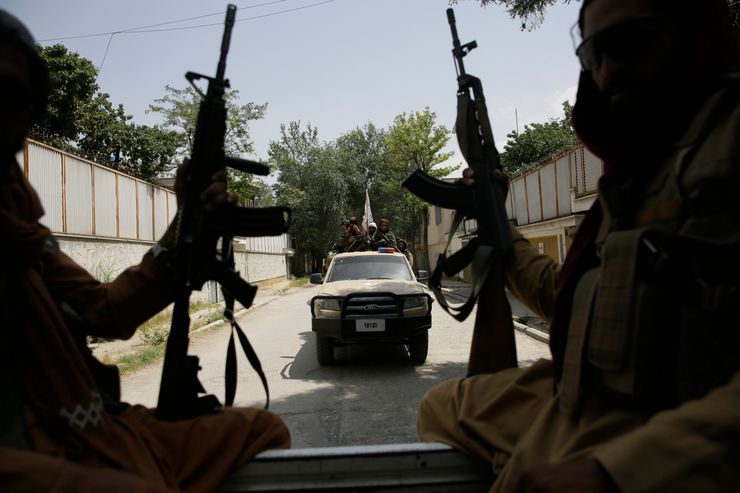
Human Rights Watch says Afghanistan’s public health system has been hit hard following a sharp reduction in foreign assistance, coupled with serious Taliban abuses against women and girls, It says this is jeopardizing the right to healthcare of millions of Afghans
ISLAMABAD (AP) — Human Rights Watch said Monday that Afghanistan’s public health system has been hit hard following a sharp reduction in foreign assistance, coupled with serious
Taliban abuses against women and girls
, jeopardizing the right to healthcare of millions of Afghans.In a report, the New York-based watchdog said this has left the “Afghan population increasingly vulnerable to severe malnutrition and illness” among other effects of inadequate medical care.
The
Taliban takeover of Afghanistan in August 2021
drove millions into poverty and hunger after foreign aid stopped almost overnight. Sanctions against the Taliban rulers, a halt on bank transfers and frozen billions in Afghanistan’s currency reserves, have cut off access to global institutions and the outside money that supported the aid-dependent economy before the withdrawal of U.S. and NATO forces.In 2023, the World Food Program warned that malnutrition rates in Afghanistan were at a record high with half the country suffering from severe hunger throughout the year.
“Women and girls have been disproportionately affected by the healthcare crisis, particularly because of Taliban abuses,” said the report.
The Taliban have barred women from most areas of public life and work and
stopped girls from going to school
beyond the sixth grade as part ofharsh measures
they imposed after taking power.Taliban restrictions on women’s freedom of movement and employment have gravely limited their access to health services, the HRW report said, while bans on education have blocked almost all training of future female healthcare workers in the country.
“The loss of foreign development aid and Taliban rights violations have caused a catastrophic health crisis in Afghanistan that is disproportionately harming women and girls,” the report quoted Fereshta Abbasi, Afghanistan researcher at Human Rights Watch, as saying.
She added that "the cost of treatment and medicine has put care out of reach for many Afghans.”
HRW remotely interviewed 46 Afghan and foreign aid officials, healthcare workers, and people seeking healthcare in 16 of Afghanistan’s 34 provinces between February 2023 and January 2024. Fifteen of the interviewees, 12 women and three men, were with Afghans who had sought health care. The rights group also talked to Afghan healthcare officials, 10 women and eight men.
The Taliban government spokesmen were not immediately available to comment on the report.
While Afghans living in poverty have always faced difficulties obtaining health care because of costs, a rising number now struggle to pay for food and are often unable to cover the price of medicines and transportation to reach health services.
“Since the Taliban took over, the price of my medications has nearly doubled," a 54-year-old man living with a kidney infection told HRW. "This is too much for anyone who doesn’t have a job.”
The report also cited an unnamed official with the charity Mercy Corps in September as telling HRW that “the humanitarian response in Afghanistan simply cannot keep pace with the country’s worsening conditions.”
The Taliban have also also imposed the women's head-covering, or hijab, and strict regulations regarding the presence of a male guardian, known as mahram, further impeding women from traveling for work or receiving treatment, the report said.
The report cited an unnamed doctor in the town of Samangan as saying they have been told by the Taliban "not to treat any female patient who is not accompanied by a mahram or is not in full hijab.”
“The unprecedented economic crisis in Afghanistan has meant that millions are facing life-threatening conditions,” said Abbasi, the HRW researcher. “The situation demands more than humanitarian aid; it requires sustainable efforts to avert further economic decline and alleviate the immense suffering of the Afghan population.”
MORE NEWS
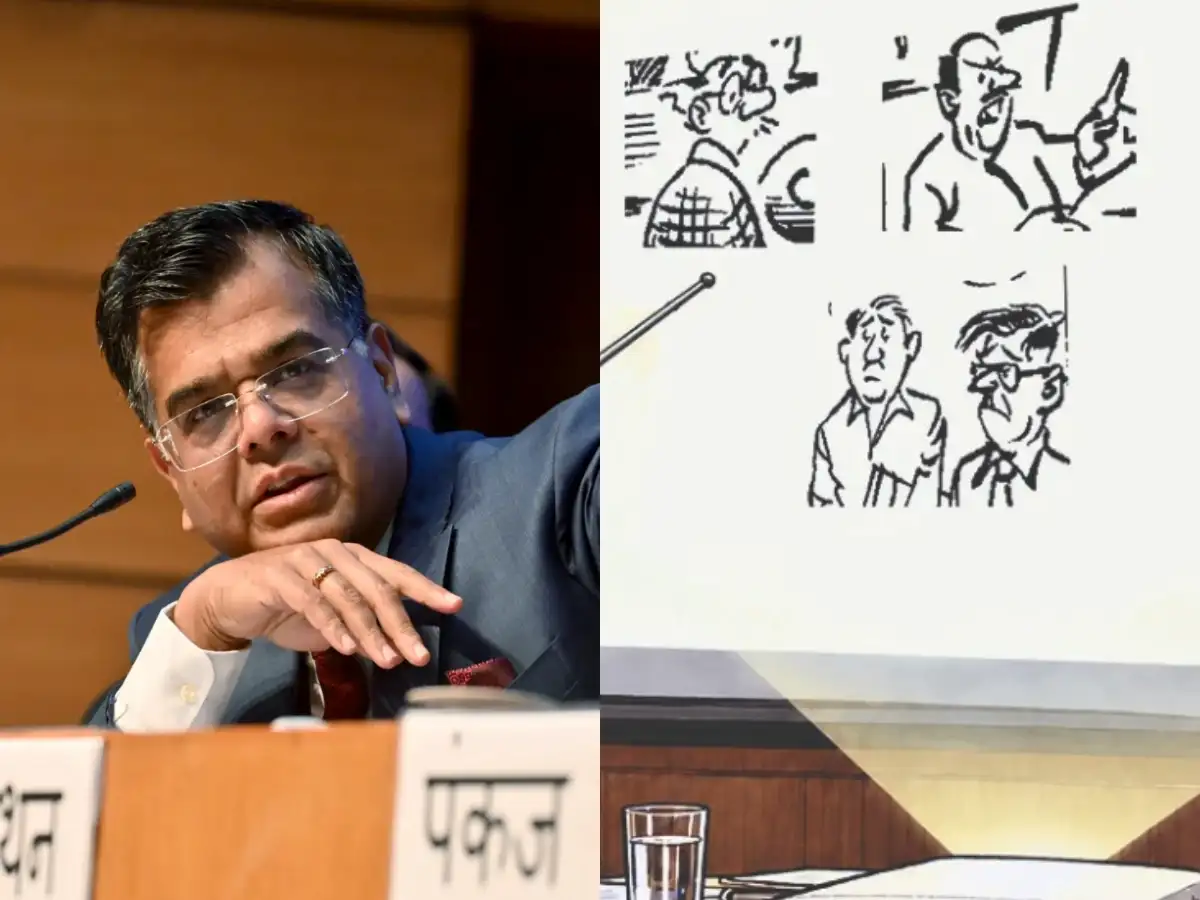
Babus who call late meetings, delay files face scrutiny as cabinet secretary lists 12 types of secretaries
Cabinet Secretary T V Somanathan highlighted issues with bureaucratic efficiency at a recent performance review meeting. He presented a list of problematic behaviors affecting government productivity using cartoons. Somanathan emphasized the necessity of timely decision-making and better communication between ministries. Another topic addressed was the improper usage of ration cards by railway employees.

Delhi starts online liquor booking app: How to order favourite brands without waiting in queues, check process, outlet availability, and key rules
Delhi's latest initiative introduces an online liquor booking app, letting users select their favorite brands and make payments seamlessly. To streamline the process, residents have 48 hours to pick up their orders from one of the 208 designated shops. While home delivery isn’t an option, the app aims to eliminate long queues and enhance transparency.


1st batch of Agniveers retiring soon: What's the retirement money, career options and benefits they will get
By 2026, approximately 18,300 Agniveers will finish their service in the armed forces, marking a pivotal transition. To ease their shift into civilian life, numerous states have initiated job quotas specifically for ex-Agniveers across different uniformed services and police departments. These initiatives stem from the Agnipath scheme launched in June 2022, which focuses on enlisting younger individuals in military roles.
GST clarification on foreign investor brokerage offers sentiment boost, analysts say
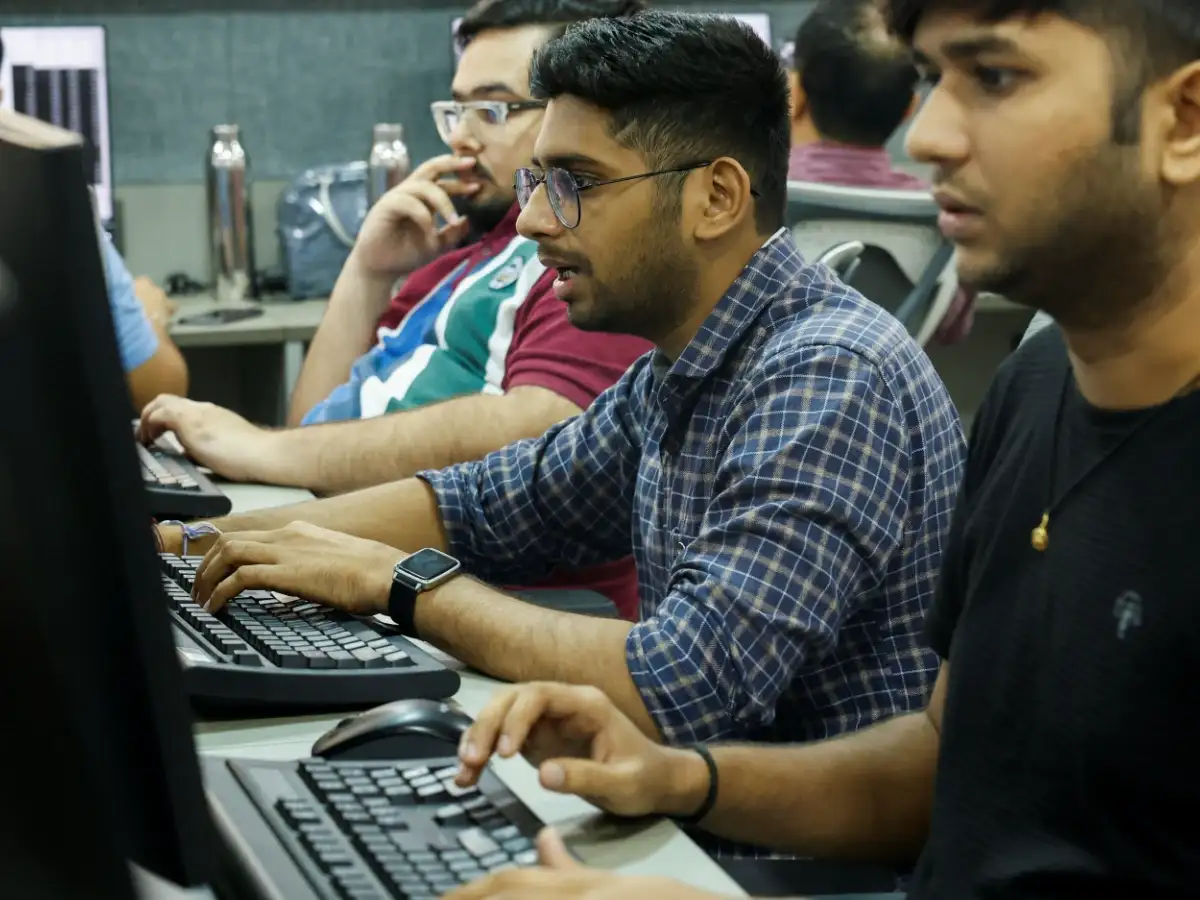
The Indian government has clarified that brokerage paid by overseas clients may qualify as an export service. This could help foreign investors avoid the 18% goods and services tax on brokerage fees. Analysts suggest this clarification is sentimentally positive amid significant foreign outflows from Indian stocks. There is ongoing speculation regarding potential cuts in capital gains tax ahead of the federal budget.

'Copying China's manufacturing model may not pay off': Ashwini Vaishnaw hits back with ‘Cope harder’ remark, cites Rs 3 lakh crore PLI returns
Union Minister Ashwini Vaishnaw has hit back at criticism of India's mobile phone manufacturing strategy with a blunt “Cope harder” remark. Citing figures from the government's Production Linked Incentive (PLI) scheme, he said the government paid Rs 19,000 crore in incentives and collected Rs 25,000 crore in direct taxes, alongside Rs 3 lakh crore in GST. His response followed a Bloomberg Opinion video questioning India's iPhone manufacturing model, its dependence on imported components and the cost of government subsidies.


Ministry of Civil Aviation reviews Cyclone 'Arnab' situation, operational readiness
Cyclonic Storm Arnab is expected to intensify as it approaches the Andhra Pradesh coast on October 28. The Union Ministry of Civil Aviation has organized a meeting to ensure aviation safety during this period. Flights to and from coastal regions, including Visakhapatnam, Vijayawada, and Rajahmundry, are facing significant disruptions. Airlines have been advised to assist passengers and adhere to operational guidelines amid adverse weather.