
Could it escalate? A look at what is behind Iran and Pakistan's airstrikes

Jan 18, 2024
This week’s airstrikes between Iran and Pakistan marks a significant escalation in fraught relations between the neighbors
ISLAMABAD (AP) — This week's
airstrikes
between Iran and Pakistan that killed at least 11 people marks a significant escalation in fraught relations between the neighbors.Long-running, low-level insurgencies on either side of the border have frustrated both countries, and the apparent targets of the strikes — Iran's on Tuesday and Pakistan's response on Thursday — were insurgent groups whose goal is an independent Baluchistan for ethnic Baluch areas in Iran, Pakistan and Afghanistan.
The question is why Iran and Pakistan would choose to strike insurgents in each other's territories rather than their own, considering
the risk of a wider conflagration
.THE BACKGROUND
Iran and Pakistan share a 900-kilometre (560-mile), largely lawless border where smugglers and militants roam freely. Both countries have suspected each other of supporting, or at least behaving leniently toward some of the groups operating on the other side of the border.
Jaish al-Adl
, the Sunni separatist group that Iran targeted on Tuesday, is believed to operate out of Pakistan, launching attacks on Iranian security forces. The Baluch Liberation Army, which was formed in 2000 and has launched attacks against Pakistani security forces andChinese infrastructure projects
, is suspected of hiding out in Iran.WHY DID PAKISTAN RETALIATE?
Pakistan said its strikes in Iran on Thursday were aimed at hideouts of the Baluchistan Liberation Army and the Baluchistan Liberation Front. It also wanted to send a message to Iran and other neighbors that it can fight back if provoked.
The last time Pakistan retaliated against a neighboring country was
in 2019
, when it downed two Indian warplanes and captured a pilot in the disputed Kashmir region. It followed anIndian strike
inside Pakistan against what New Delhi said was a terrorist training camp.WHY NOW?
Iran and Pakistan have long had a volatile relationship, but these strikes are likely prompted by internal dynamics.
Tehran has been experiencing a growing pressure for some kind of action after a deadly
Islamic State group attack
earlier this month, Israel’s war on Iran's ally, Hamas, and wider unrest against its theocracy. Pakistan's attack on Thursday also served a domestic purpose according to analysts.“The government and military have been under immense pressure (since Tuesday),” said Abdullah Khan from the Pakistan Institute for Conflict and Security Studies think-tank in Islamabad. “The public perception of a strong army is not as it used to be, so it had to respond.”
COULD THE SITUATION ESCALATE?
Iran’s military on Thursday began a planned annual air defense drill stretching from its port of Chabahar near Pakistan in the east, all the way across the country to its border with Iraq in the west. The drill will include live fire from aircraft, drones and air defense systems.
Fresh strikes by Iran and Pakistan cannot be ruled out, although this week's attacks raise questions about the preparedness of their own militaries, particularly their radar and air defense systems.
For Pakistan, such systems are crucial given its constant, low-level tensions with its nuclear-armed rival, India. Its equipment has long been deployed along that frontier, rather than its border with Iran. Separately, Iran relies on radar and air defense systems in the case of potential strikes by its main enemy, the United States.
WHAT THE AIRSTRIKES MEAN FOR IRAN AND PAKISTAN
Launching these strikes allows Tehran to point to it directly taking military action without risking a wider confrontation with either Israel and the U.S., particularly as tensions also remain high over Iran's rapidly advancing nuclear program.
However, the airstrikes could backfire on Pakistan because the Baluch Liberation Army said it will avenge the killings and wage war on the state.
MORE NEWS
'Personal' Setback Behind Neeraj Yadav's Suicide? Police Reveals Startling Details
A reported fallout with a woman friend has emerged as a key angle in the investigation into Neeraj Yadav's death.

Three-Time Grand Slam Winner Ends Tennis Career With 1st-Round Defeat In Basel
Stan Wawrinka ended his 24-year professional tennis career following a first-round defeat at the Basel Open.

Thomas van Tonder Completes World-First Crossing Beneath Bloukrans Bridge
Thomas van Tonder completed a world-first crossing beneath Bloukrans Bridge, traversing 600 suspended monkey bars over 280 metres in 47 minutes and 37 sec.

Neeraj Yadav, Three-Time Asian Para Games Gold Medallist, Dies By Suicide
Para-athlete Neeraj Yadav has reportedly died by suicide after consuming poison.
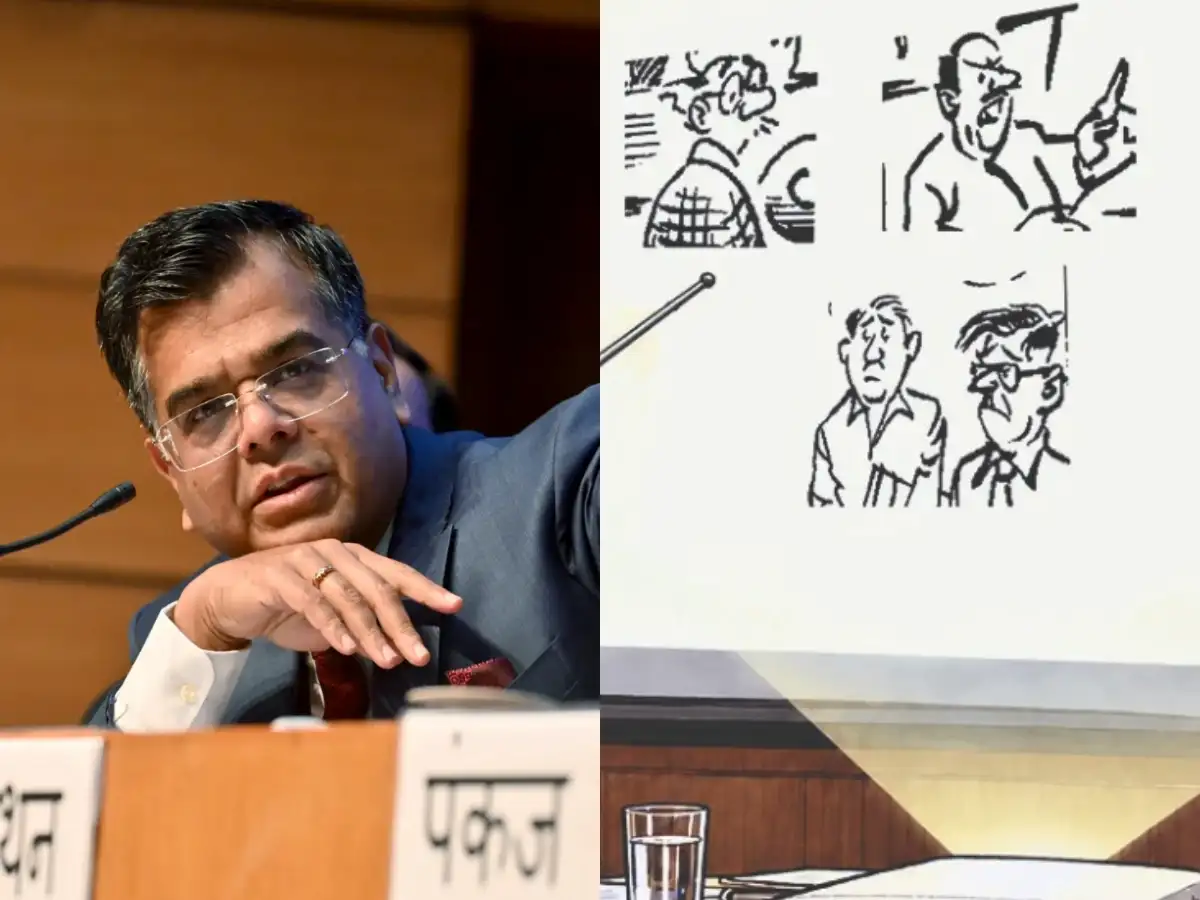
Babus who call late meetings, delay files face scrutiny as cabinet secretary lists 12 types of secretaries
Cabinet Secretary T V Somanathan highlighted issues with bureaucratic efficiency at a recent performance review meeting. He presented a list of problematic behaviors affecting government productivity using cartoons. Somanathan emphasized the necessity of timely decision-making and better communication between ministries. Another topic addressed was the improper usage of ration cards by railway employees.

Delhi starts online liquor booking app: How to order favourite brands without waiting in queues, check process, outlet availability, and key rules
Delhi's latest initiative introduces an online liquor booking app, letting users select their favorite brands and make payments seamlessly. To streamline the process, residents have 48 hours to pick up their orders from one of the 208 designated shops. While home delivery isn’t an option, the app aims to eliminate long queues and enhance transparency.

1st batch of Agniveers retiring soon: What's the retirement money, career options and benefits they will get
By 2026, approximately 18,300 Agniveers will finish their service in the armed forces, marking a pivotal transition. To ease their shift into civilian life, numerous states have initiated job quotas specifically for ex-Agniveers across different uniformed services and police departments. These initiatives stem from the Agnipath scheme launched in June 2022, which focuses on enlisting younger individuals in military roles.
GST clarification on foreign investor brokerage offers sentiment boost, analysts say
The Indian government has clarified that brokerage paid by overseas clients may qualify as an export service. This could help foreign investors avoid the 18% goods and services tax on brokerage fees. Analysts suggest this clarification is sentimentally positive amid significant foreign outflows from Indian stocks. There is ongoing speculation regarding potential cuts in capital gains tax ahead of the federal budget.

'Copying China's manufacturing model may not pay off': Ashwini Vaishnaw hits back with ‘Cope harder’ remark, cites Rs 3 lakh crore PLI returns
Union Minister Ashwini Vaishnaw has hit back at criticism of India's mobile phone manufacturing strategy with a blunt “Cope harder” remark. Citing figures from the government's Production Linked Incentive (PLI) scheme, he said the government paid Rs 19,000 crore in incentives and collected Rs 25,000 crore in direct taxes, alongside Rs 3 lakh crore in GST. His response followed a Bloomberg Opinion video questioning India's iPhone manufacturing model, its dependence on imported components and the cost of government subsidies.