
Thousands in China mosque standoff over demolition plan
Aug 10, 2018
Thousands of Muslims have gathered at a mosque in northwestern China to protest its planned demolition in a rare, public pushback to the government's efforts to rewrite how religions are practiced
BEIJING — Thousands of Muslims gathered at a mosque in northwestern China on Friday to protest its planned demolition in a rare, public pushback to the government's efforts to rewrite how religions are practiced in the country.
A large crowd of Hui people, a Muslim ethnic minority, began congregating at the towering Grand Mosque in the town of Weizhou on Thursday, local Hui residents told The Associated Press by phone.
"People are in a lot of pain," said Ma Sengming, a 72-year-old man who was at the protest from Thursday morning until Friday afternoon. "Many people were crying. We can't understand why this is happening."
Ma said the group shouted "Protect faith in China!" and "Love the country, love the faith!"
The protest comes as faith groups that were largely tolerated in the past have seen their freedoms shrink as the government seeks to "Sinicize" religions by making the faithful prioritize allegiance to the officially atheist ruling Communist Party. Islamic crescents and domes have been stripped from mosques, Christian churches have been shut down and Bibles seized, and Tibetan children have been moved from Buddhist temples to schools.
The residents of Weizhou were alarmed by news that the government was planning to demolish the mosque despite initially appearing to approve its construction, which was completed just last year.
The town's Communist Party secretary had even made a congratulatory speech at the site when the mosque's construction began, said Ma Zhiguo, a resident in his late 70s.
The authorities planned to take down eight out of the nine domes topping the mosque on the grounds that the structure was built larger than permitted, Ma said. But community members were standing their ground, he added.
"How could we allow them to tear down a mosque that is still in good condition?" he said, adding that the mosque conducts prayers attended by about 30,000 Muslims and was built using believers' personal funds. Photos online show the mosque to be a palatial white structure, with towering columns, vertical windows and a Chinese national flag erected out front.
Officials in the county and city propaganda offices said they were not aware of the situation. Other local authorities could not immediately be reached for comment.
In May, the county disciplinary inspection commission published a notice saying that Weizhou authorities had failed to properly oversee the construction of the Grand Mosque. As a result of lax supervision, the notice said, four mosques in the county had received a total of 1.07 million yuan ($156,148) in foreign donations. It did not specify whether the Grand Mosque was among the four.
Ma Sengming said protesters remained at the mosque through the night from Thursday to Friday and were twice visited by a local official who encouraged them to go home. Ma said the official did not make any specific promises, but tried to assure the protesters that the government would work with them on the matter.
More than a hundred police officers surrounded the mosque, but did not attempt to stop the protest, according to Ma.
Public demonstrations are rare in China, where the government is often quick to quash any hint of dissent. Under President Xi Jinping, the Communist Party is cracking down on religious expression and attacking what it calls radical ideas among the country's more than 20 million Muslims.
In the far west region of Xinjiang, following sporadic violent attacks by radical Muslim separatists, hundreds of thousands of members of the Uighur and Kazakh Muslim minorities have been arbitrarily detained in indoctrination camps where they are forced to denounce Islam and profess loyalty to the party.
Compared to those ethnic groups, the Hui are culturally much closer to China's Han majority, similar in appearance and speaking a variation of the mainstream Mandarin language.
But recently, reports said authorities have shut down Hui religious schools and Arabic classes and barred children from participating in Muslim activities.
James Leibold, a scholar of Chinese ethnic policies at Melbourne's La Trobe University, said the proposed demolition of the Weizhou mosque appeared to be part of a recent "far more assimilatory policy" toward ethnic minorities.
"The ultimate agenda is to erode minority identity and create a sense of belonging and connection to Chinese identity and Chinese culture," Leibold said.
___
This story has been corrected to show that Ma Sengming is a man. A quote previously attributed to Ma Sengming was made by his wife.
MORE NEWS
Sherpa climbers share stories of risk, rescue and resilience in Colorado
KATHMANDU, OCTOBER 2Sherpa mountaineers have shared stories of mountain rescues, loss, climbing risks and the effects of climate change at an event in Colorado aimed at raising fun...

Asian Games 2026 Live Updates, Day 14: Sujeet Wins India's First Wrestling Gold, Ankush Clinches Boxing Gold
Asian Games 2026, October 2 Live Updates: Follow all the latest updates from the 14th day of the event with Indian contingent in action across various sports.
SC stays Karnataka HC order constituting SIT, fresh probe in KPSC recruitment irregularities
The Supreme Court has stayed the Karnataka High Court's directions regarding the Special Investigation Team for KPSC recruitment irregularities. The bench issued a notice for responses from original petitioners and the state government. Senior advocate Kapil Sibal argued against a new investigation, stating the CID was near completion. The high court had mandated the formation of an SIT to investigate allegations against KPSC.
SC stays Karnataka HC order constituting SIT, fresh probe in KPSC recruitment irregularities
The Supreme Court has stayed the Karnataka High Court's directions regarding the Special Investigation Team for KPSC recruitment irregularities. The bench issued a notice for responses from original petitioners and the state government. Senior advocate Kapil Sibal argued against a new investigation, stating the CID was near completion. The high court had mandated the formation of an SIT to investigate allegations against KPSC.
SSC Exam Calendar 2026: Commission announces dates for JE, Delhi Police SI And CHSL exams; check full schedule
The Staff Selection Commission has announced the schedule for various upcoming recruitment exams, starting with the Junior Engineer exam set for November 2 to November 6, 2026. This will be followed by the Sub-Inspector exam from November 20 to November 28, 2026. Finally, the Combined Higher Secondary Level Tier-I examination will take place from November 30, 2026, to December 31, 2026.
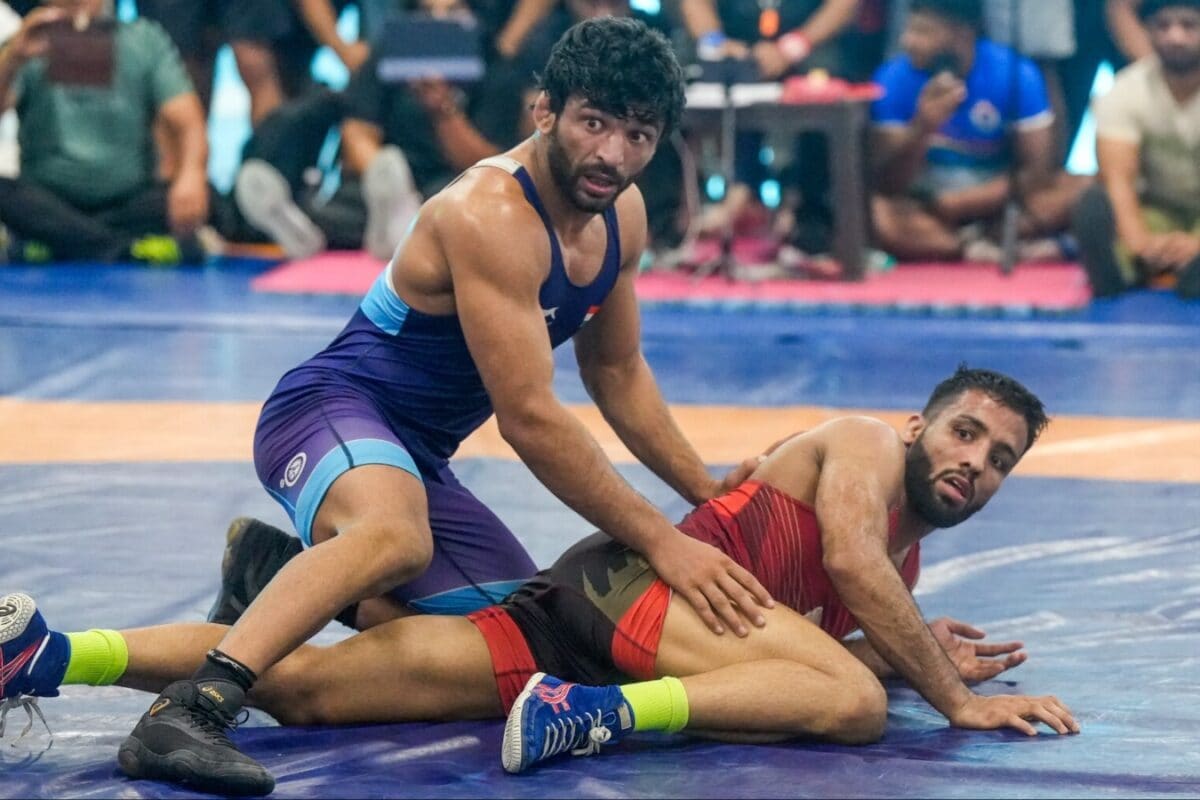
Sujeet Wins GOLD In Men's 65kg Freestyle Wrestling At Asian Games 2026
The Indian defeated Abdulmajid Kudiyev of Tajikistan 10-9 in the final to secure the top spot on the podium.
Allahabad HC judge flags issues with full court meetings, says last 2 seemed 'stage-managed'
Justice Vinod Diwakar has raised concerns regarding the insufficient frequency and quality of full court meetings. He noted that only 16 meetings occurred over the last decade despite requirements for quarterly sessions. The judgment highlights the lack of accountability in high court administration and stresses a need for improved institutional practices. Furthermore, Justice Diwakar emphasized that individual judges' views should be represented in discussions for effective deliberation.
Allahabad HC judge flags issues with full court meetings, says last 2 seemed 'stage-managed'
Justice Vinod Diwakar has raised concerns regarding the insufficient frequency and quality of full court meetings. He noted that only 16 meetings occurred over the last decade despite requirements for quarterly sessions. The judgment highlights the lack of accountability in high court administration and stresses a need for improved institutional practices. Furthermore, Justice Diwakar emphasized that individual judges' views should be represented in discussions for effective deliberation.
2 years after losing her medal, Parveen Hooda returns to claim Asian Games gold
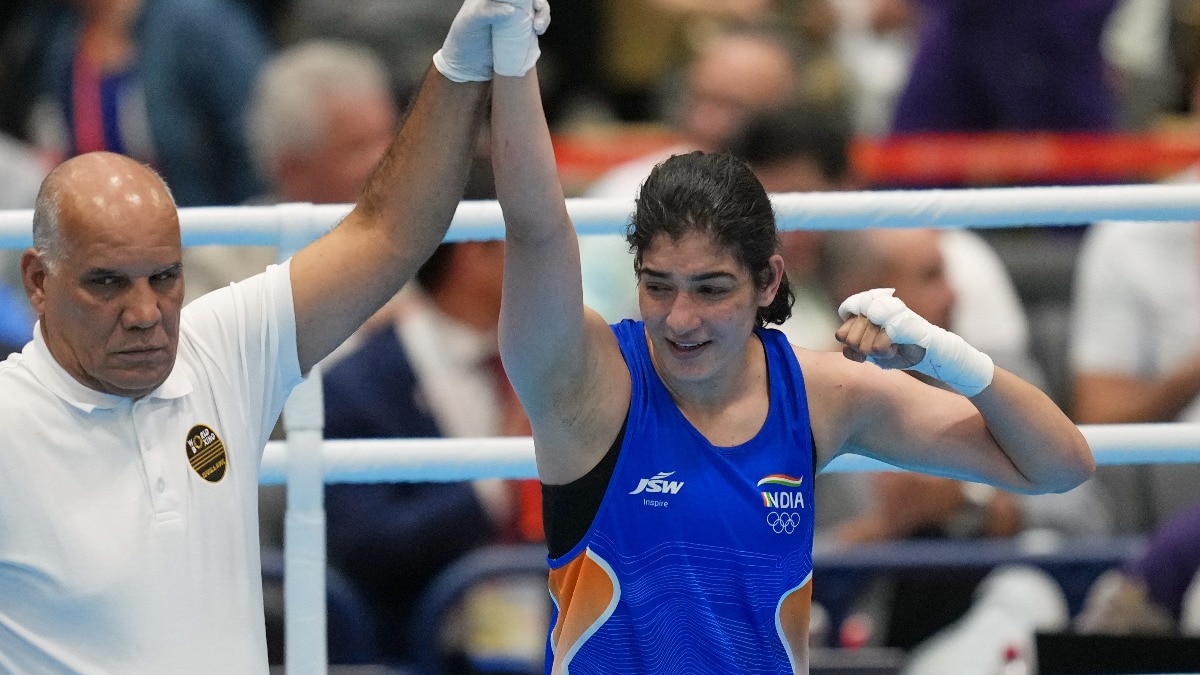
2 years after losing her medal, Parveen Hooda returns to claim Asian Games gold
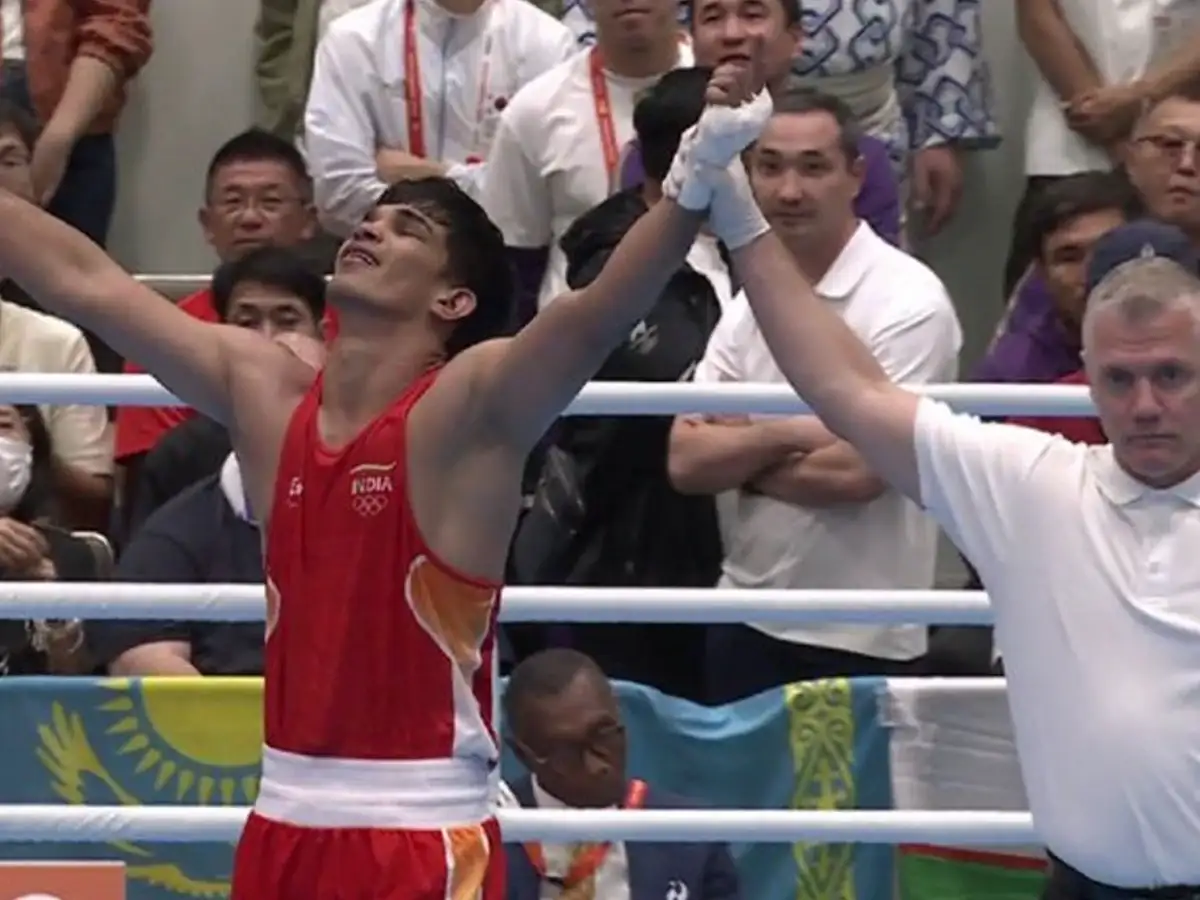
Ankush Panghal wins Asian Games 2026 boxing gold in men's 80kg, beats South Korea's Kim Minseong 4-0
Ankush Panghal secured the men's 80kg gold medal at the Asian Games in Aichi-Nagoya on Friday. He defeated South Korea's Kim Minseong with a dominating performance, winning by a score of 4-0. Panghal's victory marks his second major title after winning the Commonwealth Games gold two months prior. He showcased impressive counter-punching skills, using speed and movement during the bout.
Athlete MR Poovamma Says Karnataka CM Congratulated Her Two Days After Gold Win At Asian Games
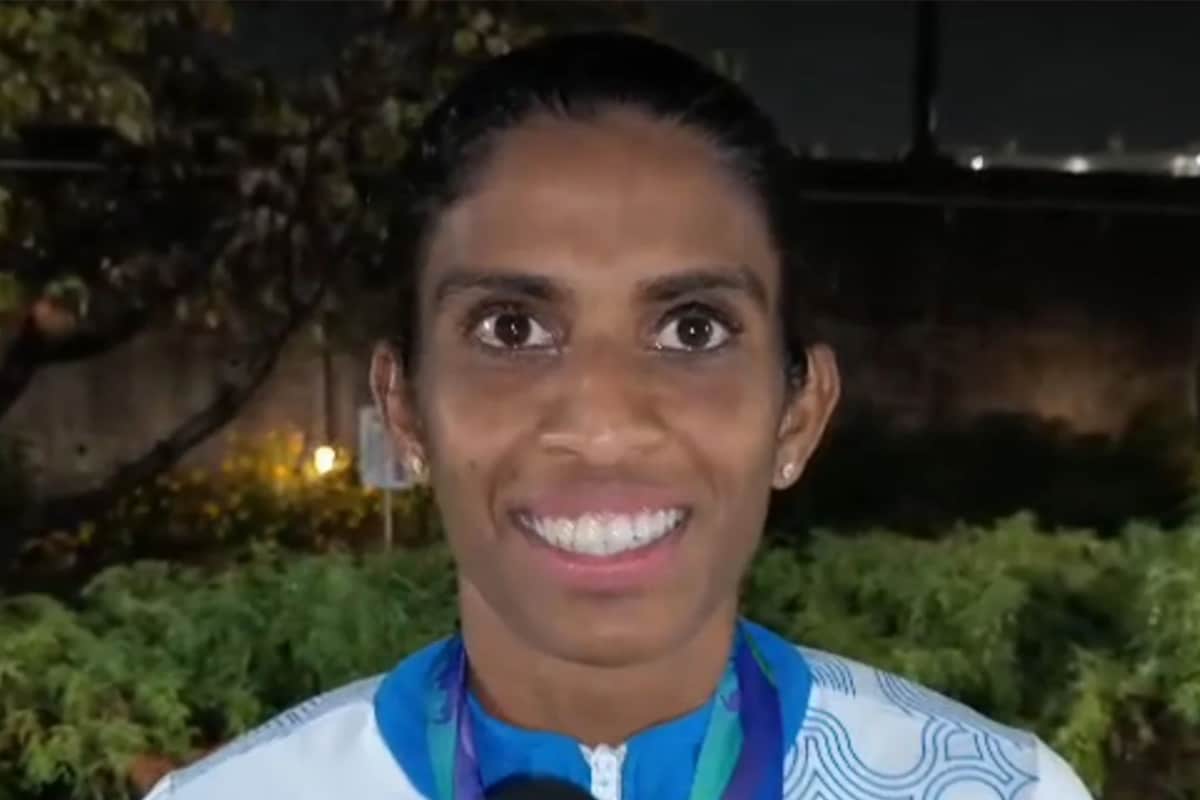
According to Poovamma, the calls came after media reports highlighted that she had not received any communication from state leaders following her gold-medal win.
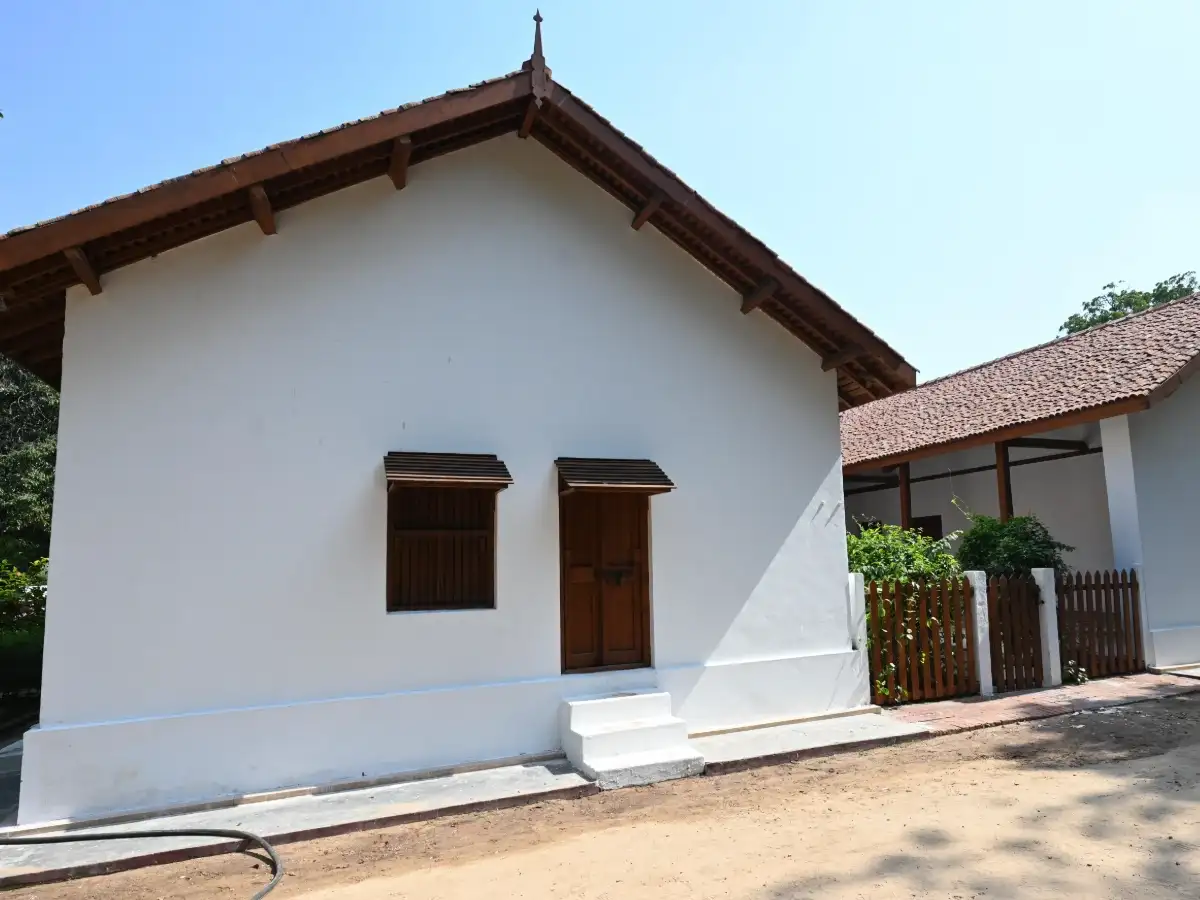
Before Sabarmati, Kochrab ashram was Gandhi's first laboratory for social change
Kochrab Ashram became Mahatma Gandhi's initial site for practicing principles of truth and social equality in 1915. Tushar Gandhi emphasized that inviting a Dalit family led to significant backlash and his eventual relocation. Constructive activities such as spinning khadi were emphasized during his time at Sabarmati Ashram, which he established later in 1917. The ashram now serves as a museum housing artifacts related to Gandhi's life.