
China says interning Muslims brings them into 'modern' world
Oct 17, 2018
China characterized its mass internment of Muslims as bringing into the "modern, civilized" world a destitute people who are easily led astray, a depiction seen as having troubling colonial overtones
BEIJING — China on Tuesday characterized its mass internment of Muslims as a push to bring into the "modern, civilized" world a destitute people who are easily led astray — a depiction that analysts said bore troubling colonial overtones.
The report is the ruling Communist Party's latest effort to defend its extrajudicial detention of Central Asian Muslim minorities against mounting criticism.
China's resistance to Western pressure over the camps highlights its growing confidence under President Xi Jinping, who has offered Beijing's authoritarian system as a model for other countries.
About 1 million Uighurs, Kazakhs and other minorities have been arbitrarily detained in mass internment camps in China's far west Xinjiang region, according to estimates by a U.N. panel. Former detainees say they were forced to disavow their Islamic beliefs in the camps, while children of detainees are being placed in dozens of orphanages across the region.
The report by the official Xinhua News Agency indicated that key to the party's vision in Xinjiang is the assimilation of the indigenous Central Asian ethnic minorities into Han Chinese society — and in turn, a "modern" lifestyle.
Xinjiang Gov. Shohrat Zakir said the authorities were providing people with lessons on Mandarin, Chinese history and laws. Such training would steer them away from extremism and onto the path toward a "modern life" in which they would feel "confident about the future," he said.
"It's become a general trend for them to expect and pursue a modern, civilized life," Zakir said, referring to the trainees. He said the measures are part of a broader policy to build a "foundation for completely solving the deeply-rooted problems" in the region.
China has long viewed the country's ethnic minorities as backward, said James Leibold an expert on Chinese ethnic polices at Melbourne's La Trobe University.
Leibold described Beijing's perspective on minorities as: "They're superstitious, they're deviant, they're potentially dangerous. The role of the party-state is to bring them into the light of civilization, to transform them."
Despite growing alarm from the U.S. and the United Nations, China has maintained that Xinjiang's vast dragnet of police surveillance is necessary for countering latent extremism and preserving stability.
The Turkic-speaking Uighurs (pronounced WEE-gurs) have long resented restrictions placed on their religious practices. They say they experience widespread discrimination in jobs and access to passports.
In the Xinhua report, Zakir said authorities provide free vocational training in skills geared toward manufacturing, food and service industries. Zakir said "trainees" are paid a basic income during the training, in which free food and accommodations are provided.
The report appeared aimed at disputing accounts provided by former detainees, who have said they were held in political indoctrination camps where they were forced to denounce Islam and profess loyalty to the party.
Ethnic Uighurs and Kazakhs have told The Associated Press that ostensibly innocuous acts such as praying regularly, viewing a foreign website or taking phone calls from relatives abroad could land one in a camp.
Zakir said the training centers were for people "who are influenced by terrorism and extremism, and those suspected of minor criminal offenses" who could be exempted from criminal punishment.
Zakir did not say whether such individuals were ever formally charged with any crime or provided a chance to defend themselves against the allegations. The report also did not say if attendance was mandatory, though former detainees have said they were forcibly held in centers policed by armed guards.
Maya Wang, senior China researcher at Human Rights Watch, said the system deprived detainees of basic legal protections such as access to lawyers.
The authorities' attempts to justify the camps "illustrate what the 'rule of law' in China means — that the party bends it to its will and uses it as a weapon against perceived political enemies," Wang said in an email.
Zakir did not say how many people were in such courses, but said some would be able to complete their courses this year.
Zakir seemed to try to counter reports of poor living conditions within the camps, saying that "trainees" were immersed in athletic and cultural activities. The centers' cafeterias provide "nutritious, free diets," and dormitories are fully equipped with TVs, air conditioning and showers, he said.
Omir Bekali, a Xinjiang-born Kazakh citizen, said he was kept in a cell with 40 people inside a heavily guarded facility.
Bekali said he was kept in a locked room with eight other internees. They shared beds and a wretched toilet. Baths were rare.
Before meals, they were told to chant "Thank the party! Thank the motherland!" During daily mandatory classes, they were told that their people were backward before being "liberated" by the party in the 1950s.
The idea that one's beliefs can be transformed through indoctrination dates back to the Mao Zedong era, when self-criticisms and public humiliation were routinely employed to stir up ideological fervor.
The program's philosophies can be traced even further back to the late imperial era, when Xinjiang's "natives" were seen as requiring education in the Confucian way, according to Michael Clarke, a Xinjiang expert at Australian National University.
Amnesty International called the Xinhua report an insult to detainees and the families of people who have gone missing in the crackdown.
"No amount of spin can hide the fact that the Chinese authorities are undertaking a campaign of systematic repression," the human rights group said.
MORE NEWS

Asian Games 2026 Live Updates, Day 14: Birthday Girl Lovlina, Recurve Archery Mixed Team Win Gold Medals
Asian Games 2026, October 2 Live Updates: Follow all the latest updates from the 14th day of the event with Indian contingent in action across various sports.

Centre formally marks 28 strategic Ladakh sites, including LAC friction points, on official map
The Centre has formally identified 28 strategic places and geographical features in Ladakh on the official Survey of India map, including Gogra and Hot Spring, which were friction points during the 2020 India-China border standoff. The move, carried out in consultation with the Ladakh administration, aims to standardise place and feature names, improve identification and promote public awareness of the sensitive border region.

Chinese work gathering pace on Antelope Reef in South China Sea, latest satellite images show
Chinese construction at Antelope Reef is well underway, aiming to develop a significant military runway. Analysts project its completion by mid-2027, which would strengthen Beijing's military presence in the South China Sea. Satellite imagery reveals extensive ongoing work including grading and compacting the runway foundation. The base could significantly extend the range of Chinese naval and military operations in the region.

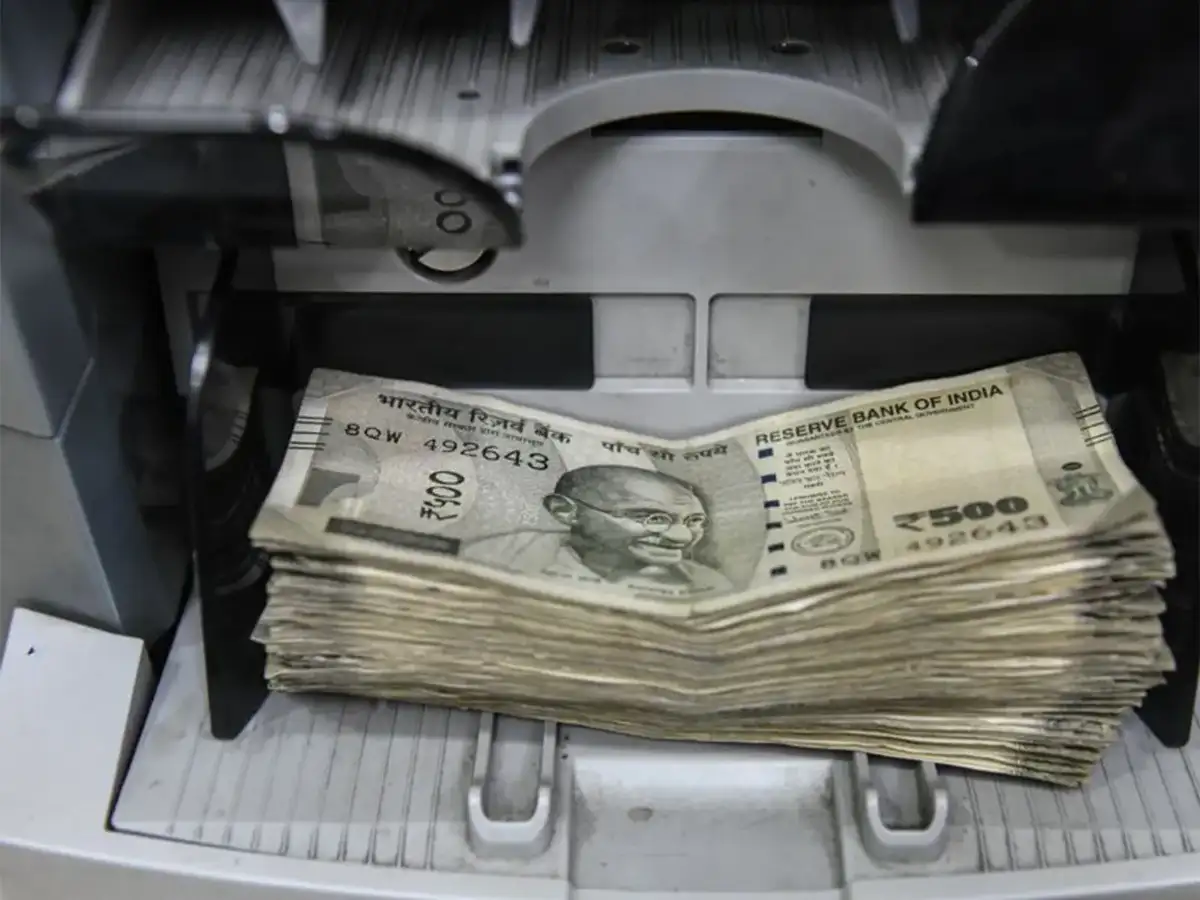
FCNR inflows cushion rupee, BoP; FII flows crucial for sustained external stability: Report
Foreign currency non-resident inflows have significantly bolstered rupee stability and India's balance of payments. However, the current support from these inflows may not suffice for long-term external stability. Foreign institutional investor flows are crucial for maintaining economic balance as the support from FCNR is absorbed. India's goods deficit has reached a decade-high despite continuous support from services exports and remittances.

India goes FTA shopping at G20 as Piyush Goyal works the room with a cart full of trade deals
India's Commerce Minister Piyush Goyal is actively engaged in negotiations for several trade agreements at the G20 meeting. Talks with the US include an interim pact and finalizing issues for a broader agreement. Discussions with Canada aim to conclude a Comprehensive Economic Partnership Agreement by the end of 2026. Existing trade agreements with the UK and Australia are also under review for their implementation and effectiveness.

From Tibetan plateau to UFC: Su Mudaerji dreams of becoming China’s first men’s champion
Su Mudaerji, nicknamed the Tibetan Eagle, is the first Tibetan fighter in the UFC. He recently achieved a significant victory in front of a large crowd in Shanghai. His success has inspired many young people in Tibetan communities to pursue mixed martial arts. UFC's growing popularity in China has led to increased attention for fighters like Sumu. He aspires to win a championship title in the near future.

Humla's Hilsa border: 41 Nepalis stranded as heavy snowfall blocks route
Key Takeways: Nepali residents remain unable to travel beyond Hilsa About 2 to 2.5 feet of snow has accumulated in the area Travel is expected to resume from Oct. 4 Snow has...
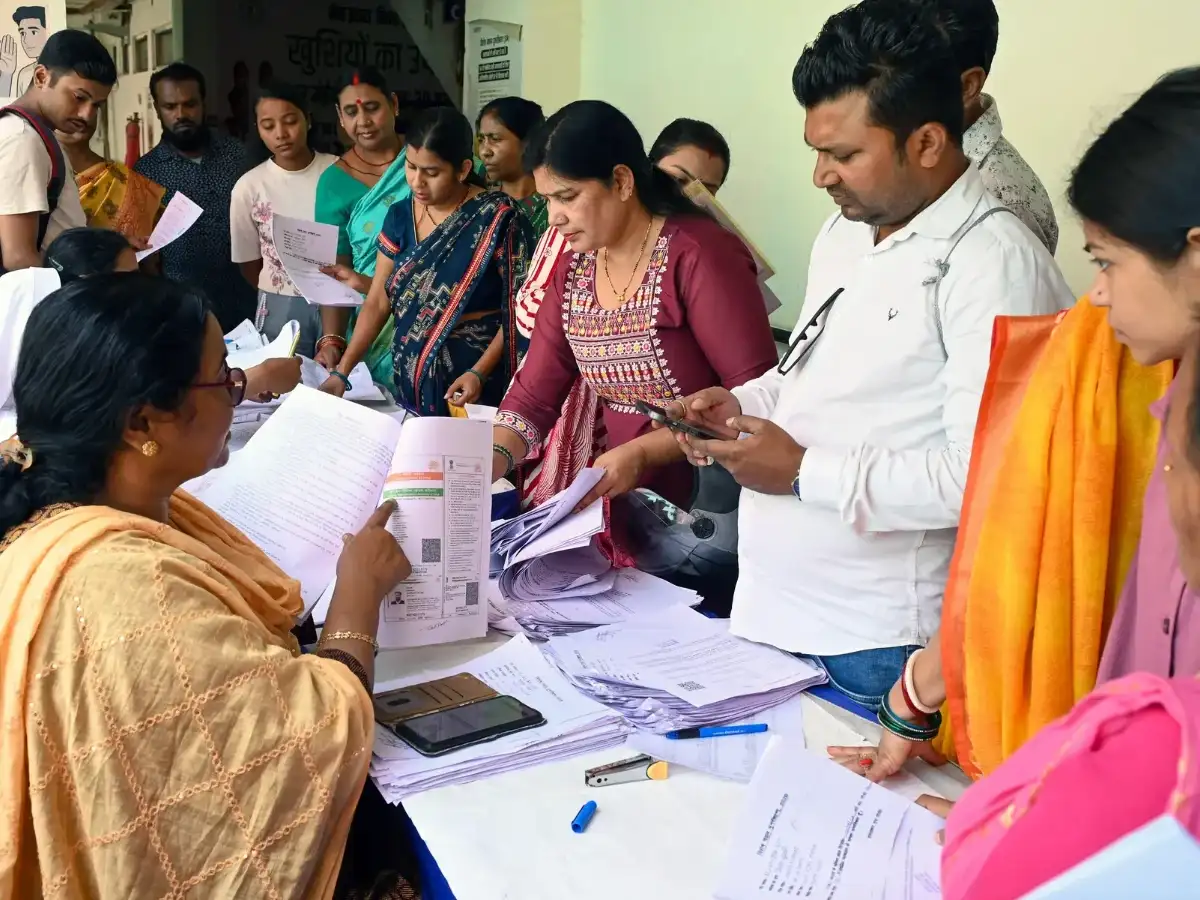
Goa: CEO says 88 of 97 left-out voters have filed Form 6, applications accepted
Goa's Chief Electoral Officer confirmed that most excluded voters have applied for inclusion in the electoral roll. Of the 97 excluded, 88 have filed Form 6, while three are Portuguese passport holders. Six others currently reside outside India and are being contacted by officials. A special drive will be launched to enroll left-out eligible and first-time voters in Goa.
Goa: CEO says 88 of 97 left-out voters have filed Form 6, applications accepted
Goa's Chief Electoral Officer confirmed that most excluded voters have applied for inclusion in the electoral roll. Of the 97 excluded, 88 have filed Form 6, while three are Portuguese passport holders. Six others currently reside outside India and are being contacted by officials. A special drive will be launched to enroll left-out eligible and first-time voters in Goa.
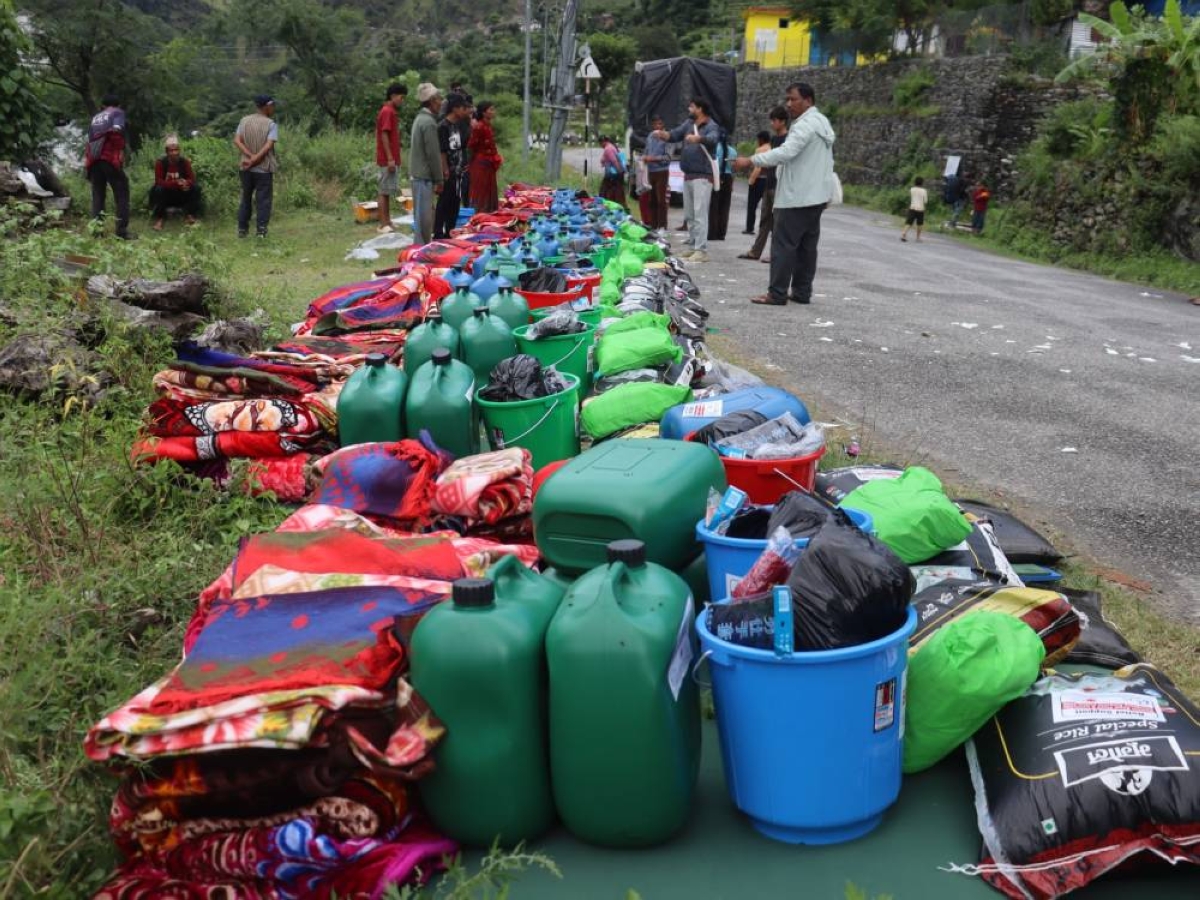
Bajura flood, landslide victims receive Rs 2.26 million in relief
Key Takeways: Affected households in Badimalika, Tribeni and Gaumul received relief Materials were provided under a western Nepal emergency response project Food, blankets, mat...
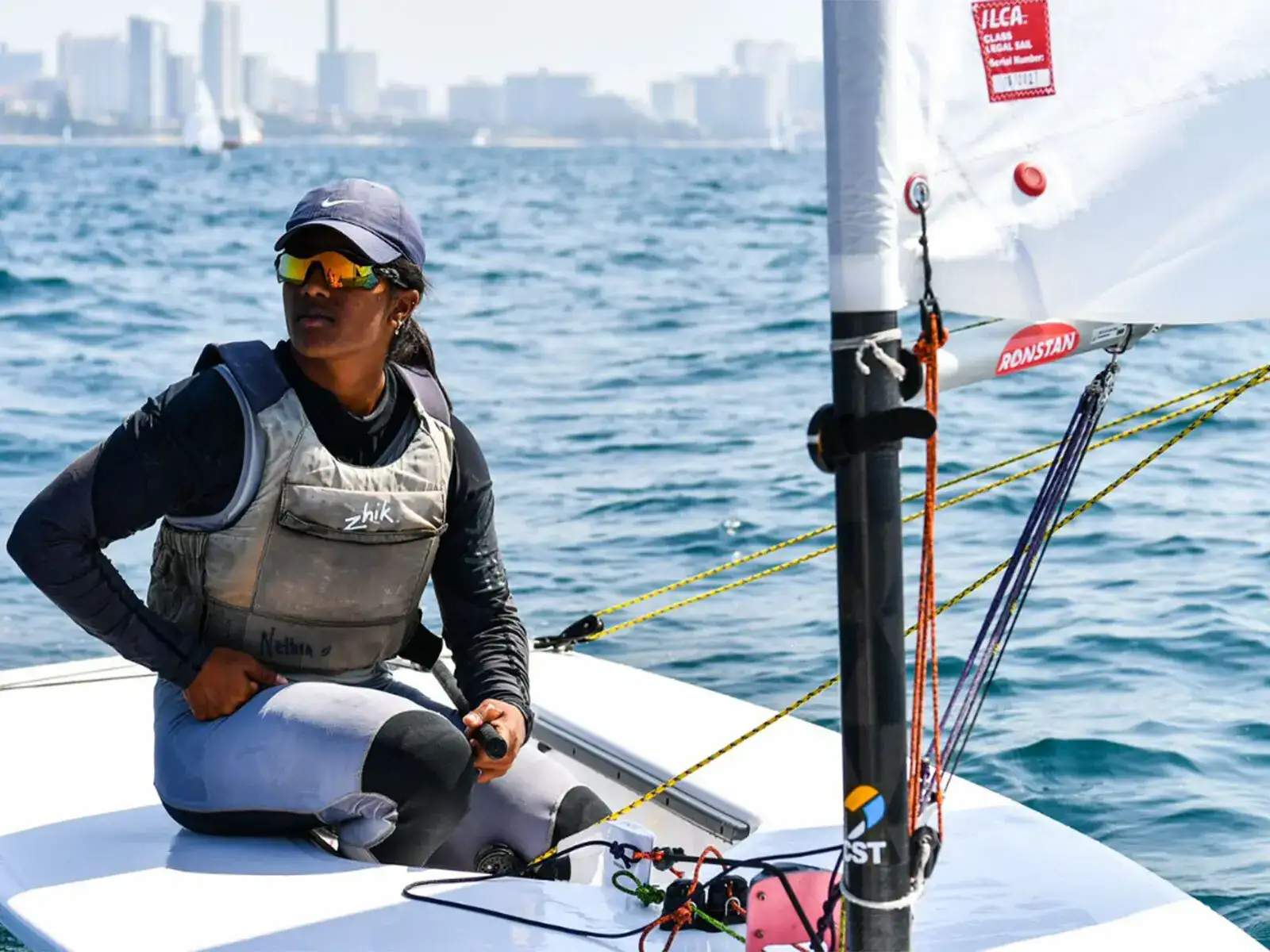
Asian Games: Nethra Kumanan wins bronze in women's dinghy to secure India's third sailing medal
Nethra Kumanan secured a bronze medal in the women's dinghy event at the Asian Games 2026. Indian sailors previously achieved multiple medals in both men's and women's skiff competitions. The Indian women's archery team also won gold against South Korea in the recurve team event. Various athletes progressed to semifinals in wrestling and cycling competitions during the games. Currently, India ranks sixth in the overall medal tally with 70 medals.