
China orders crackdown on large outdoor religious statues
May 26, 2018
China ruling Communist Party has ordered local government to better regulate the construction of large outdoor religious statues amid increasing restrictions on religious expression of all kinds
BEIJING — China's ruling Communist Party has ordered local governments to better regulate the construction of large outdoor religious statues amid increasing restrictions on religious expression of all kinds.
The directive from the United Front Work Department viewed on its website Saturday appears targeted mainly at followers of Buddhism and Taoism, two of China's five officially recognized religions.
"The meeting required all localities to take up the regulation of large outdoor religious statues as their top priority in preventing the further commercialization of Buddhism and Toaism," the directive said.
Thousands of Buddhist and Taoist temples and shrines, along with mosques and churches, were damaged or destroyed under communism, especially during the violent 1966-76 Cultural Revolution.
Although many have been restored and reopened since then, new regulations and a bureaucratic overhaul earlier this year have put the day-to-day running of religious affairs directly under the officially atheistic party.
That's been accompanied by a renewed campaign promoting atheism and loyalty to the party, along with a push to study the works of one of communism's founding fathers, Karl Marx, who famously wrote that religion "is the opium of the people."
The anti-religion drive overlaps with campaigns to promote patriotism and party loyalty, oppose separatism among ethnic minorities and fight Western liberal values.
That has complicated efforts toward reconciliation with the Vatican and led to thousands of Muslims being subjected to anti-Islamic indoctrination in re-education camps, churches being demolished and students and monks removed from a famed Tibetan Buddhist seminary.
MORE NEWS

India’s Defence startups look beyond drones, towards maritime opportunities
The move is also opening opportunities in adjacent areas such as marine navigation, sensing and surveillance for State governments and civilian maritime communities
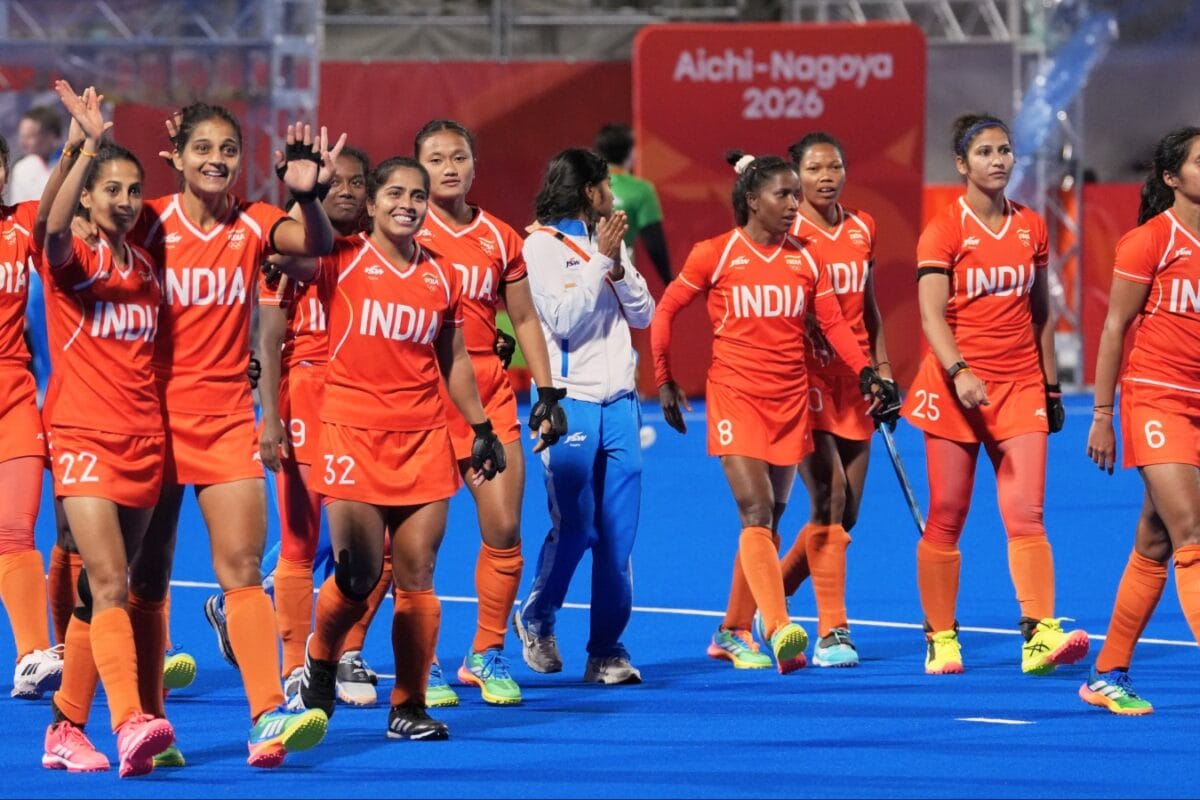
Asian Games 2026, Day 14 Wrap: India Win 6 Gold, Women's Hockey Team Ends 44-Year-Old Wait For Yellow Metal
India won three yellow metals in boxing through Lovlina Borgohain, Parveen Hooda and Ankush Panghal, and one each in archery, wrestling and women's hockey.

India Vs Pakistan Final Preview, Spin Strategy And World Cup Draw Analysed
India Vs Pakistan Final Preview, Spin Strategy And World Cup Draw Analysed

Man City launch appeal against guilty verdict in Premier League financial case
Man City launch appeal against guilty verdict in Premier League financial case
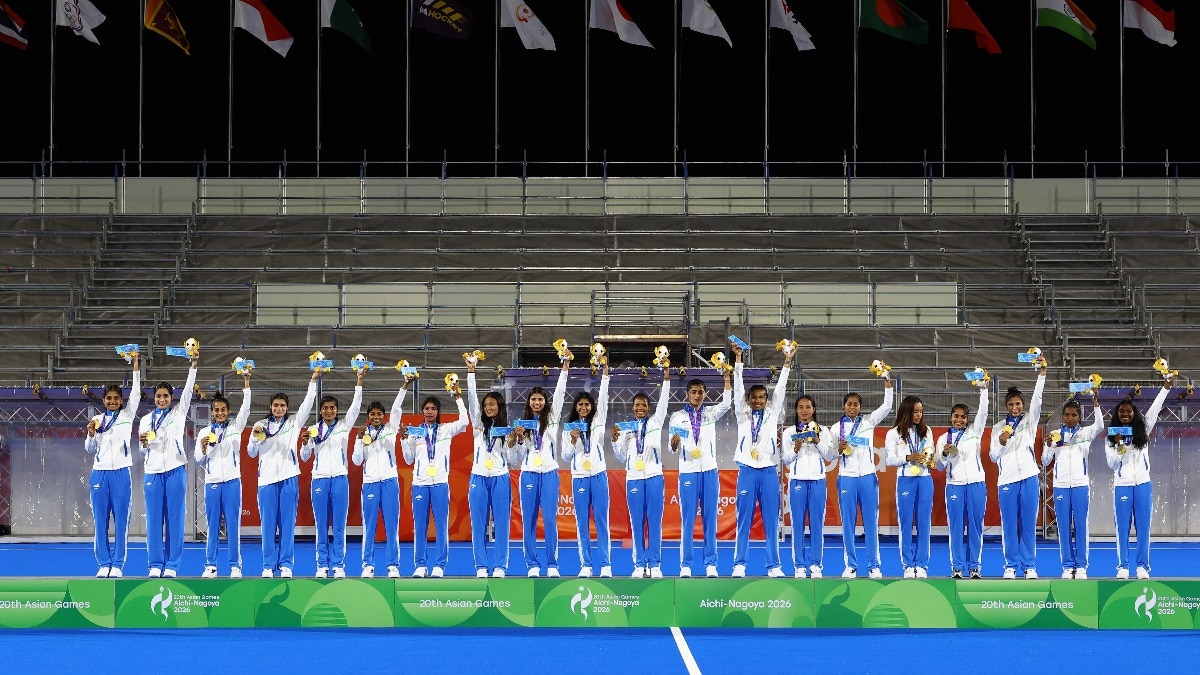
Lalremsiami struck, Savita stood tall: How India ended 44-year wait for hockey gold
Lalremsiami struck, Savita stood tall: How India ended 44-year wait for hockey gold
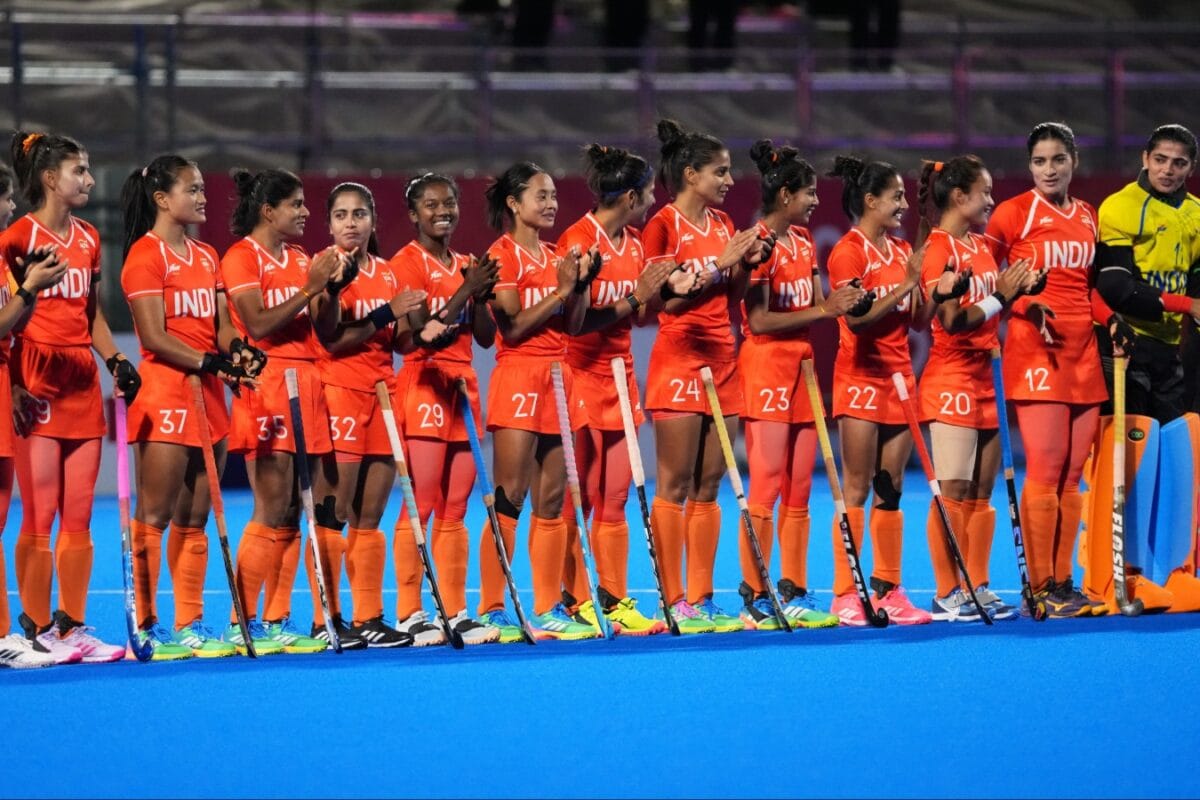
India's Wait Is Over! Women's Hockey Team Win Gold In Asian Games After 44 Years
India had last won the gold medal in women's hockey at the Asian Games during the 1982 edition of the Games.
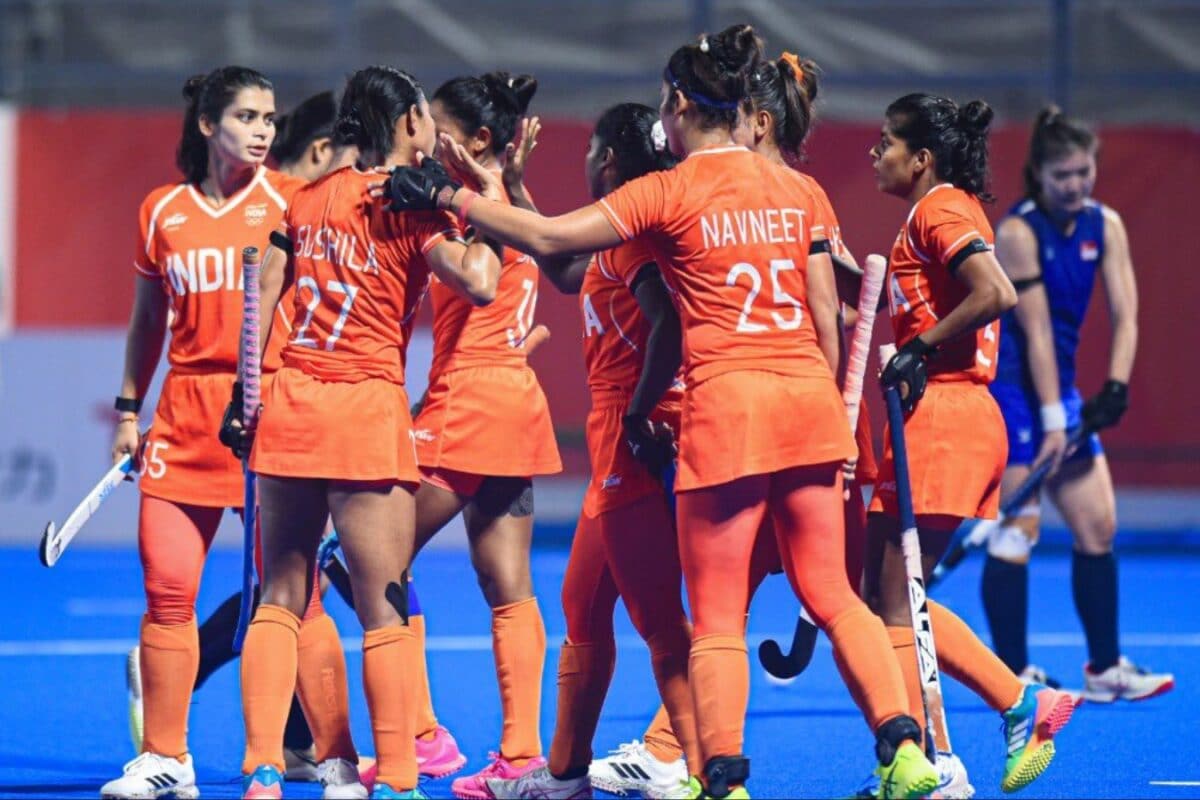
Asian Games 2026 Day 14 Highlights: India Win 6 Gold, Extend Total Medal Tally To 76
Asian Games 2026, October 2 Highlights: On the 14th day of the Games, India won one gold medal in archery, three in boxing, one in men's wrestling and one in women's hockey.
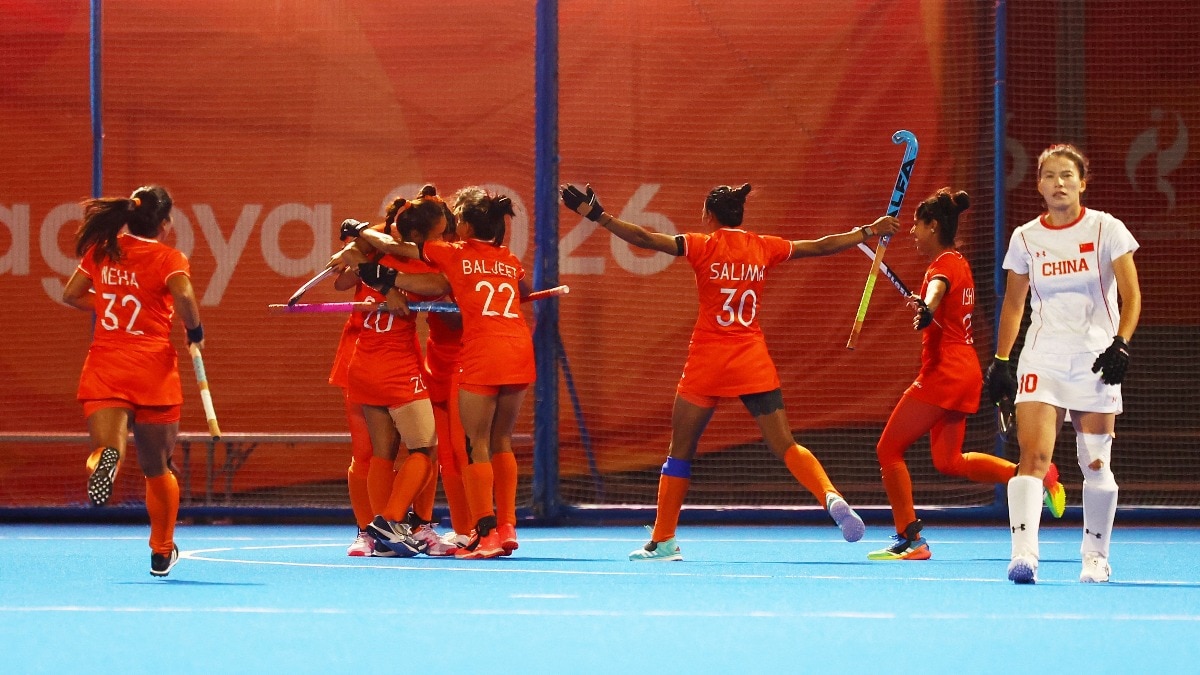
India beat China to win historic women's hockey gold, seal Olympics berth
India beat China to win historic women's hockey gold, seal Olympics berth
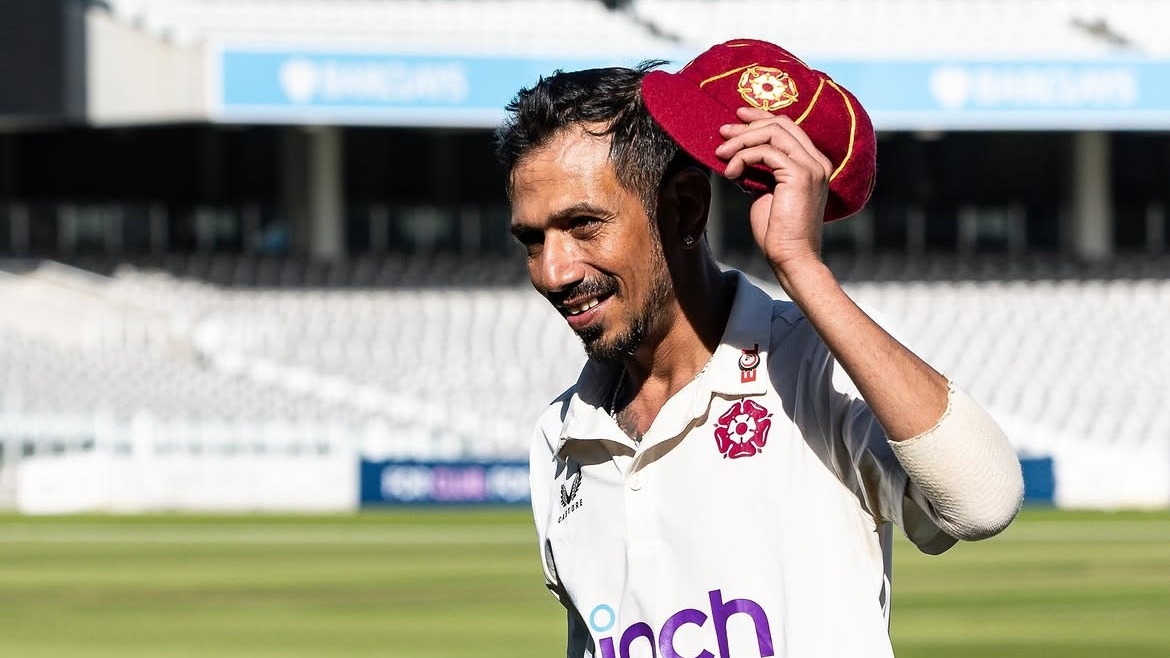
Yuzvendra Chahal calls time on red-ball cricket, but keeps India dream alive
Yuzvendra Chahal calls time on red-ball cricket, but keeps India dream alive
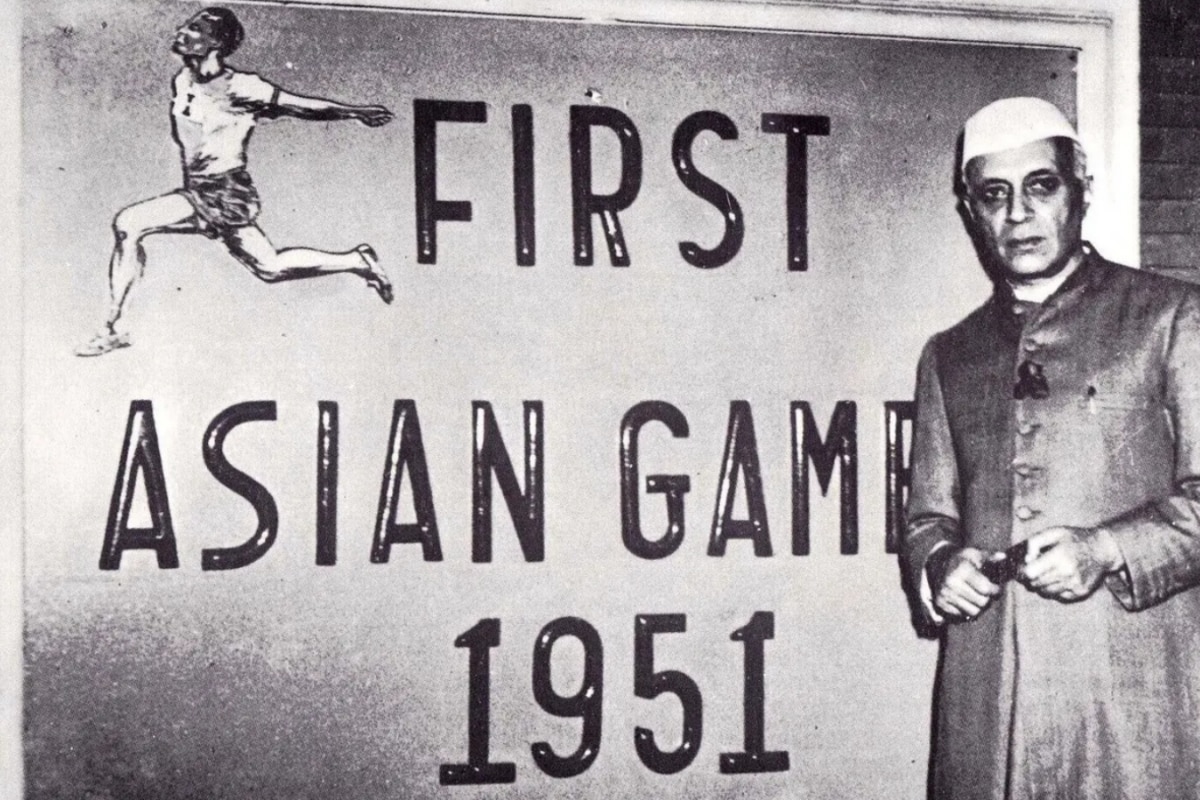
GK: Which Country Hosted The First Asian Games?
The Asian Games are one of the major multi sport event in Asia ehich brings together athletes from different countries to compete in various sports.

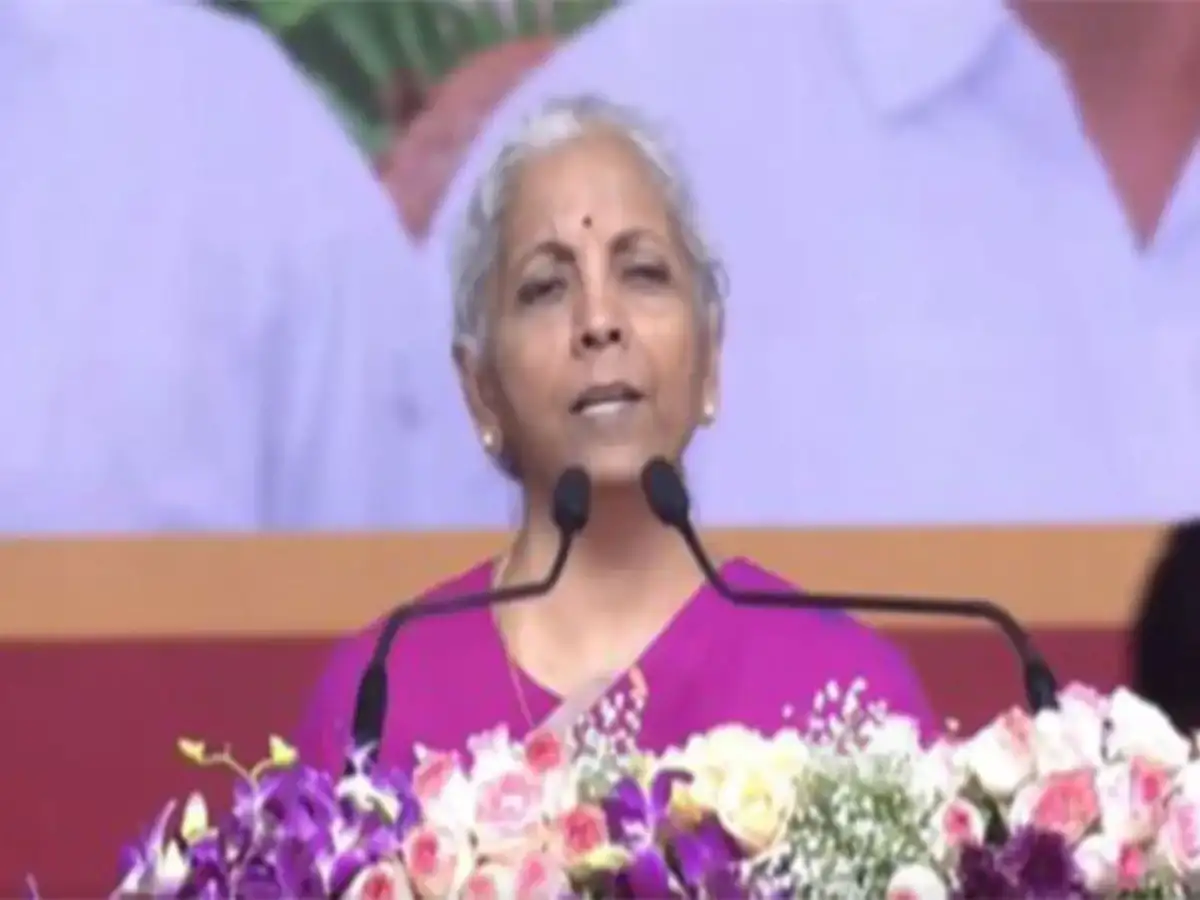
Govt absorbing up to Rs 2,700 per urea bag as global costs rise to Rs 3,000: Nirmala Sitharaman
Union Finance Minister Nirmala Sitharaman stated that the Centre absorbs a significant urea subsidy for farmers. This subsidy currently stands at approximately Rs 2,700 for each bag of urea. Sitharaman emphasised the government's commitment to providing essential farm inputs despite rising global prices. Additionally, her remarks highlighted ongoing efforts to support agricultural investment in Andhra Pradesh. These initiatives aim to ensure that farmers receive necessary resources and maintain economic stability.