
Charges of rigging, intimidation mar Pakistan campaign
Jul 24, 2018
Pakistani activists, candidates say campaigning ahead of Wednesday's general elections marred by dirty 'attempts to manipulate'
ISLAMABAD — As Pakistan prepares to make history Wednesday by electing a third straight civilian government, rights activists, analysts and candidates say the campaign has been among its dirtiest ever, imperiling the country's wobbly transition to democratic rule.
The campaign has been characterized by "blatant, aggressive and unabashed attempts to manipulate" the outcome, with media being silenced and the intimidation of candidates, according to Pakistan's Independent Human Rights Commission.
At the center of most allegations is the powerful military establishment, along with its intelligence agency, known by the acronym ISI.
The manipulation is seen as seeking to prevent the Pakistan Muslim League, the party of disgraced Prime Minister Nawaz Sharif, from returning to power, while giving a shot at running the country to former cricket star Imran Khan and his Pakistan Tehreek-e-Insaf party, or PTI.
The rancorous campaign and charges of manipulation have polarized Pakistanis, and whichever party loses is likely to cry fraud.
"Whatever way elections run, I see a lot of instability," said Ayesha Siddiqa, a defense analyst and author of "Military Inc.," about the massive financial holdings of Pakistan's military.
The military has ruled the country of more than 200 million people — directly or indirectly — for most of its history. Successive attempts at protracted democracy have been interrupted by military coups, the last one in 1999.
Pakistanis went to the polls in 2008 and elected their first civilian government in 12 years.
"This is quite a schizophrenic moment for Pakistan's democracy," said Moeed Yusuf, associate vice president of the Asia Center at the Washington-based U.S. Institute of Peace.
"On the one hand, you have completing 10 years of uninterrupted democratic rule. ... On the other hand, you've got all sorts of allegations of pre-poll rigging and manipulation."
The left-leaning Pakistan People's Party was propelled to victory in 2008 by sympathetic voters following the death of their leader Benazir Bhutto, killed by militant radicals she had vowed to eradicate.
Sharif's Pakistan Muslim League, or PML-N, won in 2013, but he fell out with the military after questioning its links to some militant groups and seeking to make it subservient to parliament.
He was ousted last year after leaked documents from a Panama law firm revealed he and his family had undisclosed assets abroad. He was found guilty of corruption, banned from politics for life and sentenced to 10 years in jail, where he is appealing his conviction. His brother, Shahbaz Sharif, took over the party's helm.
"The shadow of the military looming over the election amplifies the continued struggles of democracy in Pakistan," said Michael Kugelman, deputy director of the Asia Program at the U.S.-based Wilson Center. "Allegations of army meddling and the fact that troops will be deployed on mass levels on election day make it crystal clear that this election process is not entirely a civilian-led process."
At the request of the Election Commission of Pakistan, the military is deploying 350,000 soldiers to polling stations nationwide. Leading rights activist I.A. Rehman said it was worrying that soldiers will be positioned inside booths where votes are cast.
The campaign also has been rattled by violence, with candidates from several parties targeted. An attack claimed by the Islamic State group earlier this month in southwestern Baluchistan province killed 149 people, including a parliamentary candidate. Another 300 people were wounded.
On the eve of elections, militants lobbed grenades and opened fire at a military convoy escorting election staffers and voting material in the district of Turbat on the eve of the elections, killing four troops.
Tuesday's attack also wounded nine troops and four civilians, according to two intelligence officials who spoke on condition of anonymity because they were not authorized to talk to reporters. No group immediately claimed responsibility for the attack.
An unprecedented number of radical religious parties also are participating in the election, including some that have been banned but are running under new names. Violent Sunni militant groups that vow to rid Pakistan of its minority Shiites are seeking election, and candidates from both the PTI and PML-N have been seen courting them. In some areas, candidates have been intimidated into not running.
"It is worrying how strategically religion is being used as a tool to come into power by a large number of candidates," said Samar Minallah Khan, a human rights activist and documentary filmmaker. "Political parties are paying homage to banned outfits, handing out party tickets to people who in the past have been putting lives of activists and minorities under threat through their television programs, spewing hatred and violence. It seems the priority is to win, no matter what."
There are 85,307 polling stations across Pakistan and more than 11,000 candidates are vying for 270 seats in parliament and 570 seats in four provincial assemblies. Voting for two parliament seats and six seats in provincial assemblies has been postponed for a later date, due to attacks on candidates or disqualifications. One candidate in the Sindh provincial assembly was unopposed and has already secured that seat.
Of the 106,000 eligible voters in Pakistan, 47 million are women. The Election Commission reminded candidates Tuesday that any election that does not have at least 10 percent turnout among women would be nullified. The stipulation was introduced in this election because in 2013 some deeply religious conservative areas had forbidden women to vote.
International and domestic election observers will monitor voting. The European Union Election Observation Mission has 60 monitors at polling stations in major centers.
Under Pakistani law, separate seats are reserved for women and non-Muslim minorities, which comprise 4 percent of the population.
___
Associated Press writers Zarar Khan in Islamabad and Abdul Sattar, in Quetta, Pakistan, contributed to this report.
MORE NEWS
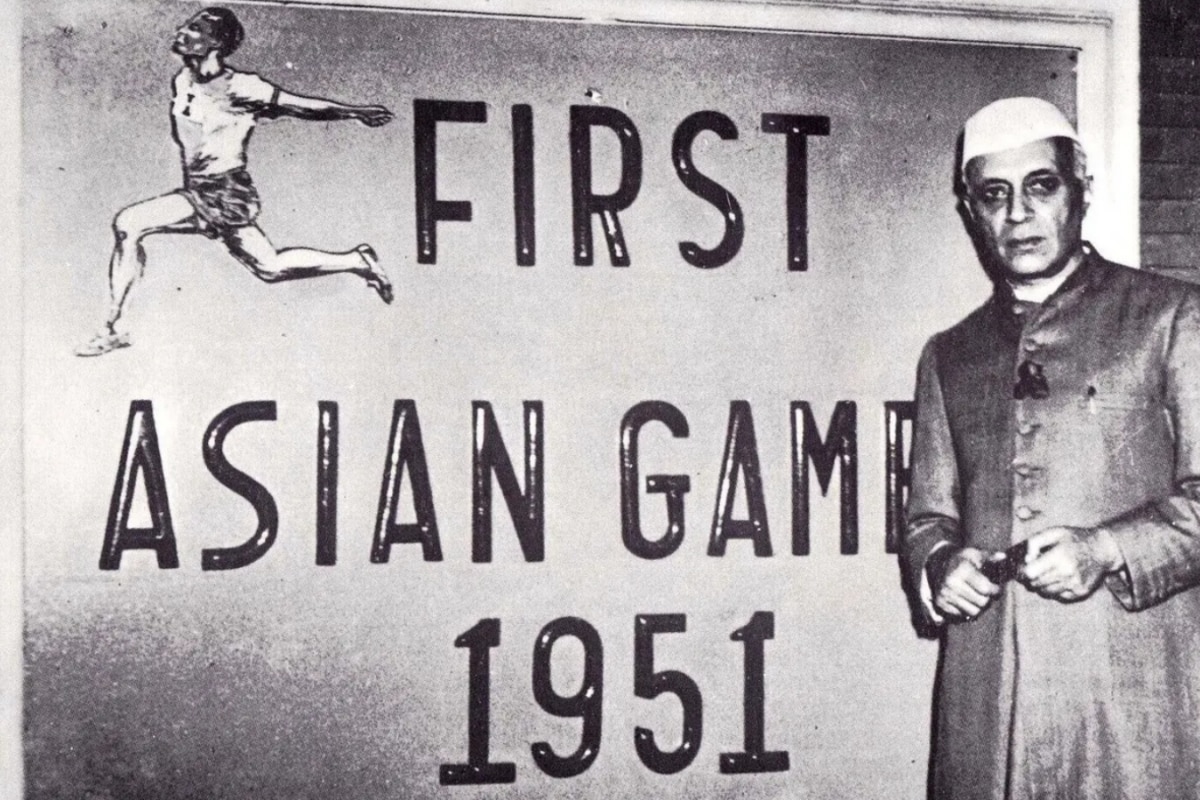
GK: Which Country Hosted The First Asian Games?
The Asian Games are one of the major multi sport event in Asia ehich brings together athletes from different countries to compete in various sports.
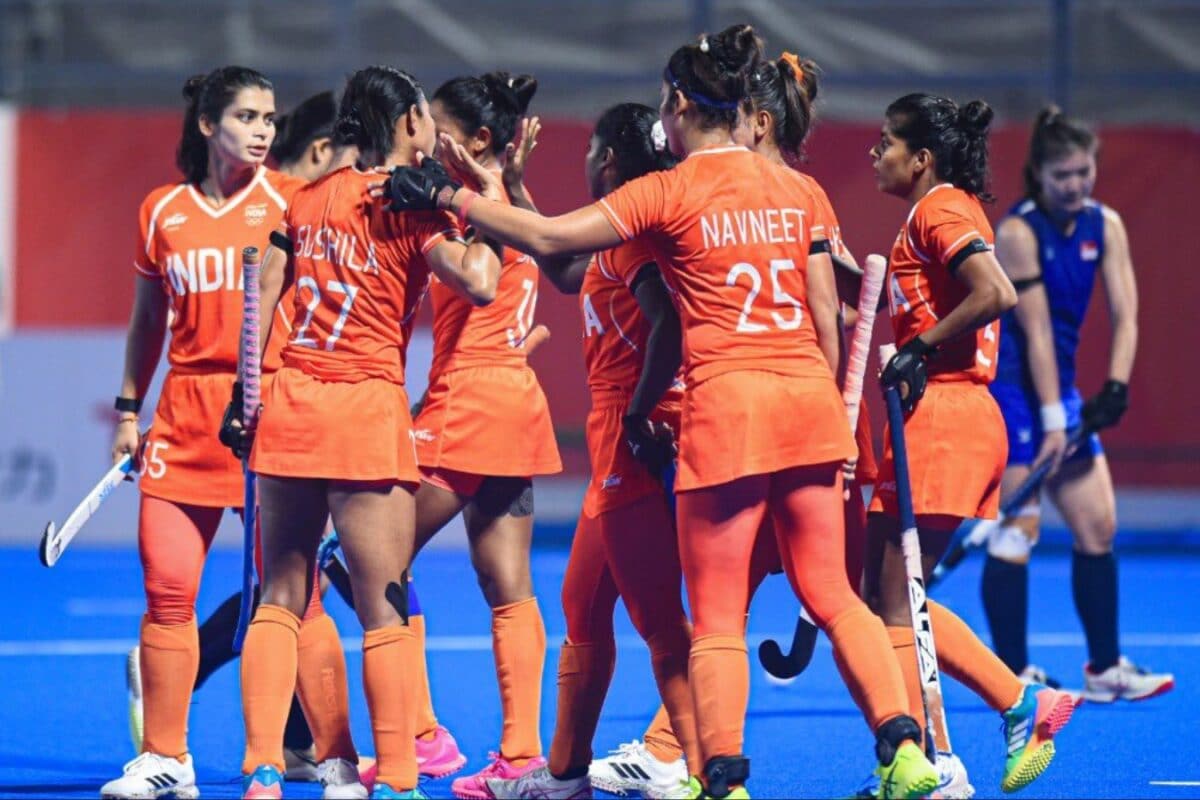
Asian Games 2026 Live Updates, Day 14: India Lead China 1-0 In Women's Hockey Gold Medal Match
Asian Games 2026, October 2 Live Updates: Follow all the latest updates from the 14th day of the event with Indian contingent in action across various sports.

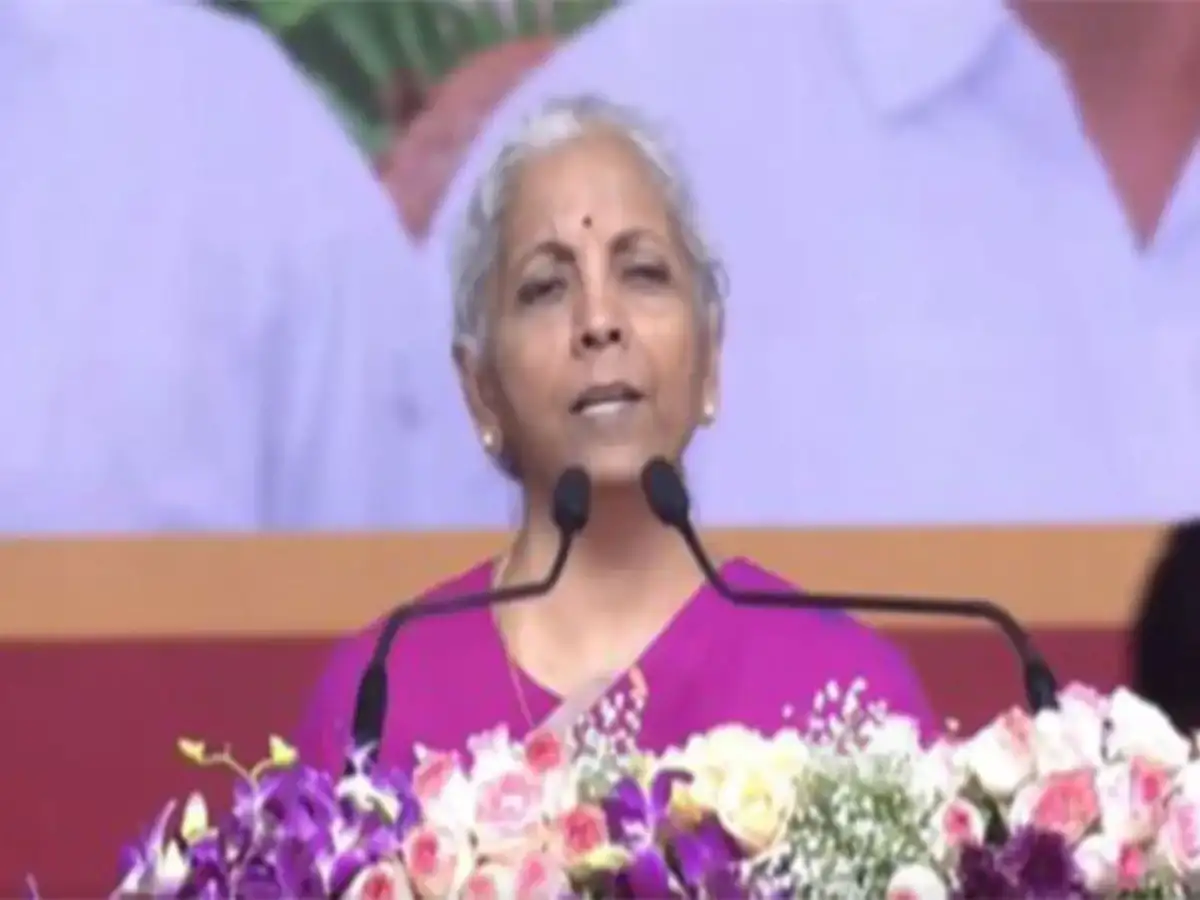
Govt absorbing up to Rs 2,700 per urea bag as global costs rise to Rs 3,000: Nirmala Sitharaman
Union Finance Minister Nirmala Sitharaman stated that the Centre absorbs a significant urea subsidy for farmers. This subsidy currently stands at approximately Rs 2,700 for each bag of urea. Sitharaman emphasised the government's commitment to providing essential farm inputs despite rising global prices. Additionally, her remarks highlighted ongoing efforts to support agricultural investment in Andhra Pradesh. These initiatives aim to ensure that farmers receive necessary resources and maintain economic stability.

Carlo Ancelotti has Ryan Williams on his radar ahead of India vs Brazil friendly
Carlo Ancelotti has Ryan Williams on his radar ahead of India vs Brazil friendly
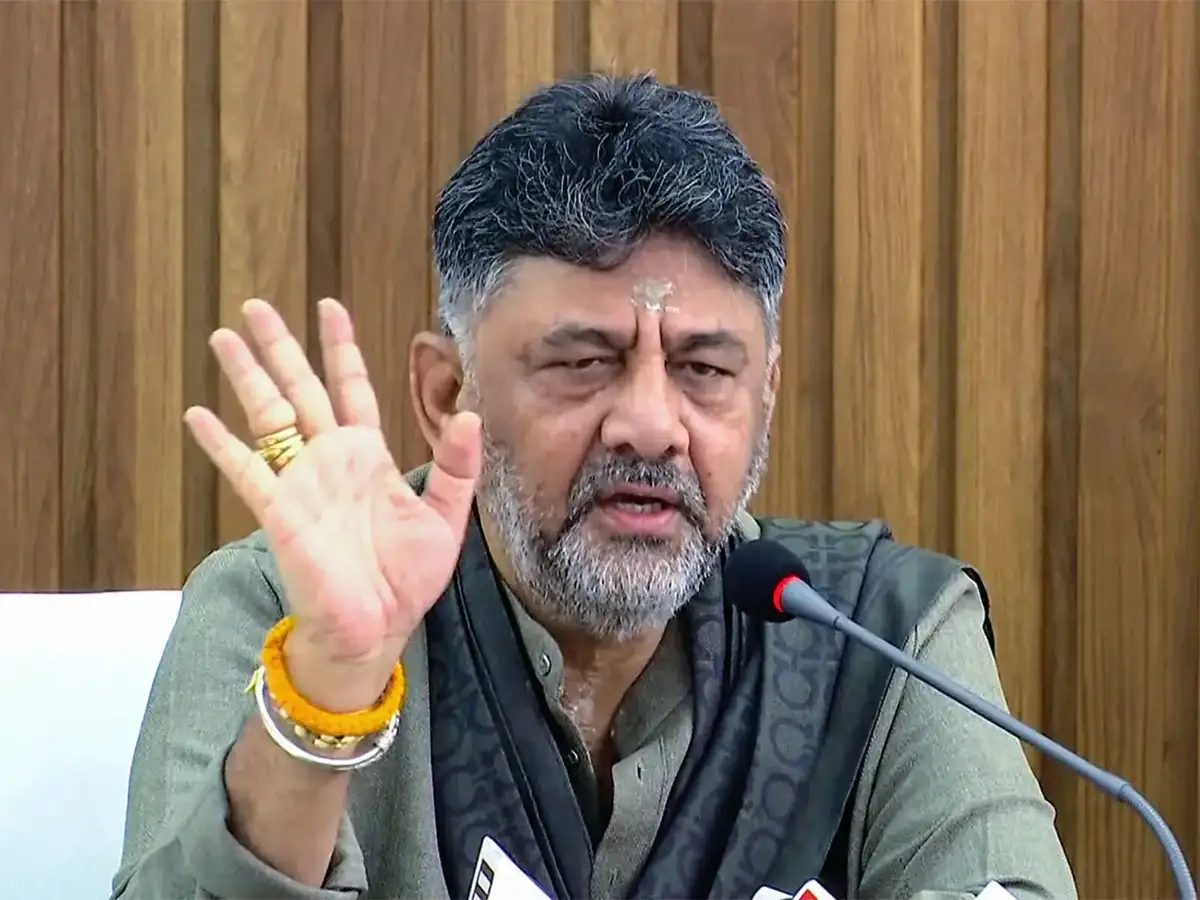
SIR: CM DK Shivakumar hails ECI special drive to enrol voters claiming victory after dharna
Chief Minister DK Shivakumar welcomed the Election Commission of India's decision for a nationwide voter enrollment drive. This initiative aims to include left-out voters and first-time electors, ensuring their voting rights are protected. The Election Commission has directed various officials to compare electoral rolls and facilitate the registration process. Awareness campaigns will also be launched to engage communities and improve voter participation.


Bezos Earth Fund’s $26 million FireSat could detect 15-by-15-foot fires anywhere on Earth within 20 mins: Lauren Sánchez Bezos says, ‘I watched friends and family lose everything’
FireSat is a new satellite network designed to detect wildfires early and provide timely data. This constellation, backed by Jeff Bezos, aims to identify fires as small as 15 feet globally with approximately 50 satellites in orbit within 20 minutes anywhere on Earth. Jeff Bezos' wife Lauren Sanchez said FireSat is an investment worth betting on to safeguard communities and preserve nature.
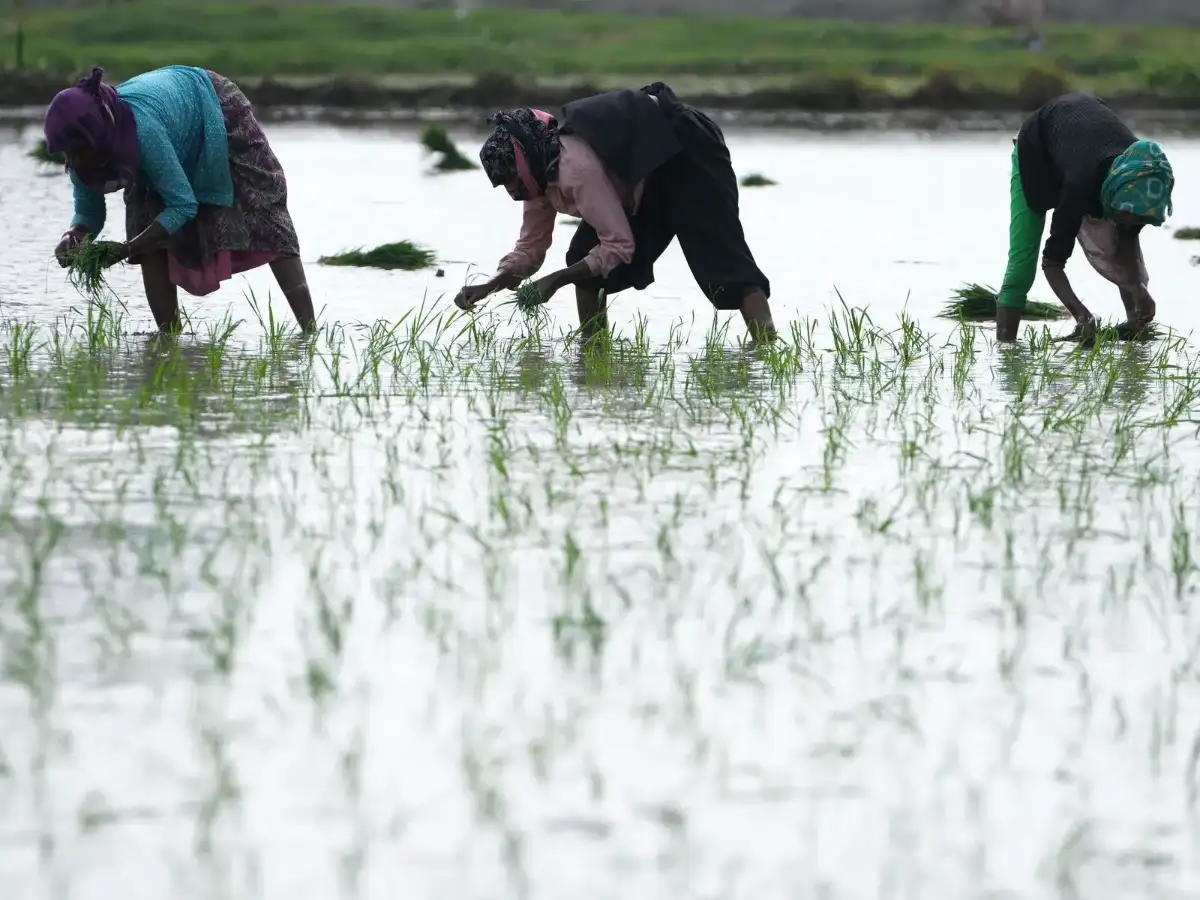
Weakest monsoon since 2015 prompts ICRA to cut FY27 farm growth forecast
In 2026, the Southwest monsoon recorded rainfall at 87 percent of the long-period average, the lowest since 2015. ICRA has lowered its agriculture growth forecast for FY27 to approximately 1 percent from 1.3 percent due to inadequate rains. Kharif sowing has decreased by 1.2 percent compared to last year, with rice and cotton crops showing notable reductions. Reservoir storage levels have significantly declined, raising concerns for the upcoming rabi season.
Ozone Urbana MD S Vasudevan remanded in ED custody in Rs 927-cr fraud case
S Vasudevan, chairman of Ozone Urbana Infra Developers, was arrested for alleged money laundering activities. The Enforcement Directorate claims he cheated homebuyers out of nearly Rs 927.22 crore by failing to deliver apartments. Investigations reveal that the company collected funds but did not refund deposits to buyers. The ED has also attached properties worth Rs 423.37 crore during the investigation.
Ozone Urbana MD S Vasudevan remanded in ED custody in Rs 927-cr fraud case
S Vasudevan, chairman of Ozone Urbana Infra Developers, was arrested for alleged money laundering activities. The Enforcement Directorate claims he cheated homebuyers out of nearly Rs 927.22 crore by failing to deliver apartments. Investigations reveal that the company collected funds but did not refund deposits to buyers. The ED has also attached properties worth Rs 423.37 crore during the investigation.