
India political rivals join hands in bid to top ruling party
Apr 7, 2019
Political archrivals in India's most populous state have stitched an inventive political alliance that fuses votes from the ancient caste system to take on the ruling Hindu nationalist party-led government
LUCKNOW, India — Political archrivals in India's most populous state rallied together Sunday, asking voters to support a new alliance created with the express purpose of defeating Prime Minister Narendra Modi's ruling Hindu nationalist Bharatiya Janata Party.
The low caste-dominated Bahujan Samaj Party and the Samajwadi Party, which holds sway among a section of so-called "backward" castes and Muslims, have decided to contest elections in vote-rich Uttar Pradesh state in a rainbow coalition headed by BSP President Mayawati.
"This election will expose BJP because the prime minister has failed to fulfill the promises" he made to lower castes, the poor and the unemployed during the last election, Mayawati, who uses only one name, said during an election rally in Saharanpur city on Sunday.
"His report card is very poor. He helped the rich to earn more riches during his five years of rule and when he realized that he has failed to deliver he used the Pulwama incident to get votes," she said, referring to a Feb. 14 suicide bomb attack against an Indian paramilitary convoy in disputed Kashmir that killed 40 soldiers and brought rivals India and Pakistan to the brink of war.
The rally was filled with party workers carrying flags and shouting slogans. They were also carrying pictures of Mayawati and Akhilesh Yadav, the head of the Samajwadi Party.
Mayawati promised reserved quotas of government jobs for the poor and so-called backward and lower castes, while urging Muslims to vote for alliance candidates "because we are true saviors of the minority community."
"Believe me, BJP is on its way out and the alliance will be part of the next government," Mayawati said.
The alliance could pose a real challenge to the BJP in the five weeks of polling that begin this week, experts say.
"Even though caste discrimination has been officially banned in India, caste continues to be the driving force as it shapes the way people vote during elections," said Giri Institute of Development Studies researcher Nomita P. Kumar.
In Uttar Pradesh, lower-caste people comprise 22% of the population, "backward" people are 45%, and 19% are Muslims. The remaining 14% are upper caste.
"Arithmetically, the alliance between Mayawati and Akhilesh seems very potent. They have numbers under their belt and if voters vote as per these parties, the alliance will sweep Uttar Pradesh," Kumar said.
Out of 80 seats up for grabs in the Lok Sabha, the lower house of India's Parliament, Mayawati's BSP will contest 38 while SP will contest 37 seats. Another regional party, the Rashtriya Lok Dal, will contest three seats. The alliance has decided not to field candidates against leaders of the main opposition Congress party, whose president, Rahul Gandhi, is running from the city of Amethi. His mother, Sonia Gandhi, the widow of assassinated Indian Prime Minister Rajiv Gandhi, is standing from Rae Bareli.
Like elsewhere in India, Modi and the BJP swept parliamentary elections in Uttar Pradesh in 2014, winning about 43% of the votes and 71 out of 80 seats.
Uttar Pradesh Chief Minister Yogi Adityanath, a Hindu monk-turned-BJP politician, was quick to dismiss the alliance as an "unnatural" attempt to undercut "Modi magic."
"This is Modi magic which has forced two bitter enemies to join hands. This alliance is unnatural. It will not stand the trial of election. Politics is not arithmetic all the time. It requires chemistry too," he told The Associated Press in Lucknow.
The coming together of rivals isn't without precedent.
The BSP and SP stitched an alliance for provincial elections in 1993, when the BJP was gaining ground after right-wing Hindu rioters demolished a mosque in the city of Ayodhya, fanning the flames of Hindu nationalism. That time, the architects of the alliance were Mulayam Singh Yadav, Akhilesh Yadav's father, and Kanshi Ram, Mayawati's political mentor.
Together, the parties triumphed.
The alliance, though, did not last long, abruptly ending in 1995 when Mayawati said "goons" from the Samajwadi Party attempted to kill her in an attack at a guesthouse.
Mayawati's alleged assault turned the two parties into bitter enemies, a chasm that reached down into Uttar Pradesh villages where SP and BSP workers frequently clashed.
However, more than two decades later, the parties have decided to bury the hatchet.
"People are upset with the anti-people policies of the Modi government. We have come together to stop Modi's forward march," Mayawati said at a joint news conference in March with Yadav.
Yadav said that Uttar Pradesh's Muslim voters would "catapult" the alliance to power. Anti-Muslim sentiment in India, which is 80% Hindu, has become more violent since the BJP came to power in 2014. Three dozen Muslims have been lynched by mobs on suspicion of illegally transferring cows, sacred to Hindus, or beef, according to Human Rights Watch.
Mayawati, a former state chief minister, nurtures a dream to become India's first prime minister of lower-caste Dalit heritage. But her ambition could be a liability for the Uttar Pradesh alliance in these elections, said S.P. Pandey of the Pandit Govind Ballabh Pant Institute of Studies in Rural Development.
"The caste alliances are very fragile as these are linked with egos. Mayawati is a known alliance breaker," he said.
"She had entered into alliance with BJP three times and had even asked for votes for Narendra Modi in a provincial election and once fought election as an ally with Congress," Pandey said. "She has used alliances for her ascent because of the jigsaw puzzle nature of Indian politics."
MORE NEWS
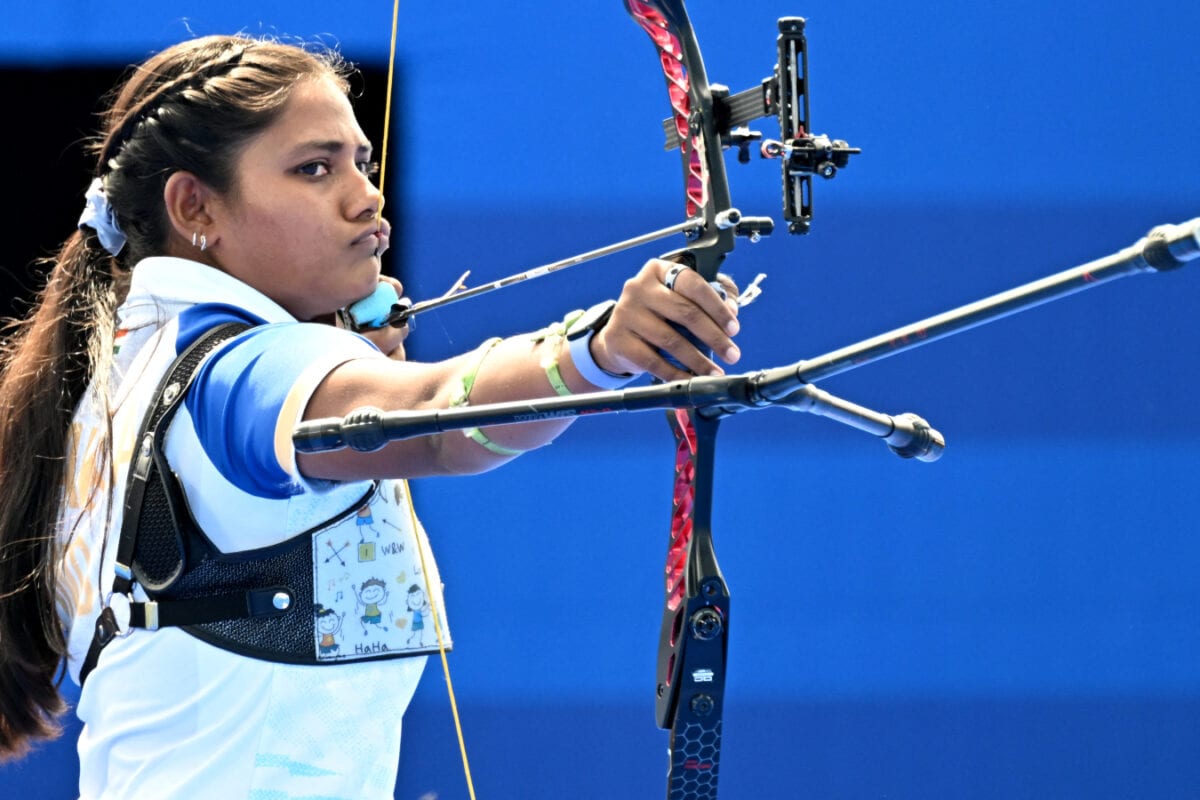
Asian Games 2026 Live Updates, Day 14: India Beat Korea To Win Historic Recurve Archery Women's Team Gold
Asian Games 2026, October 2 Live Updates: Follow all the latest updates from the 14th day of the event with Indian contingent in action across various sports.
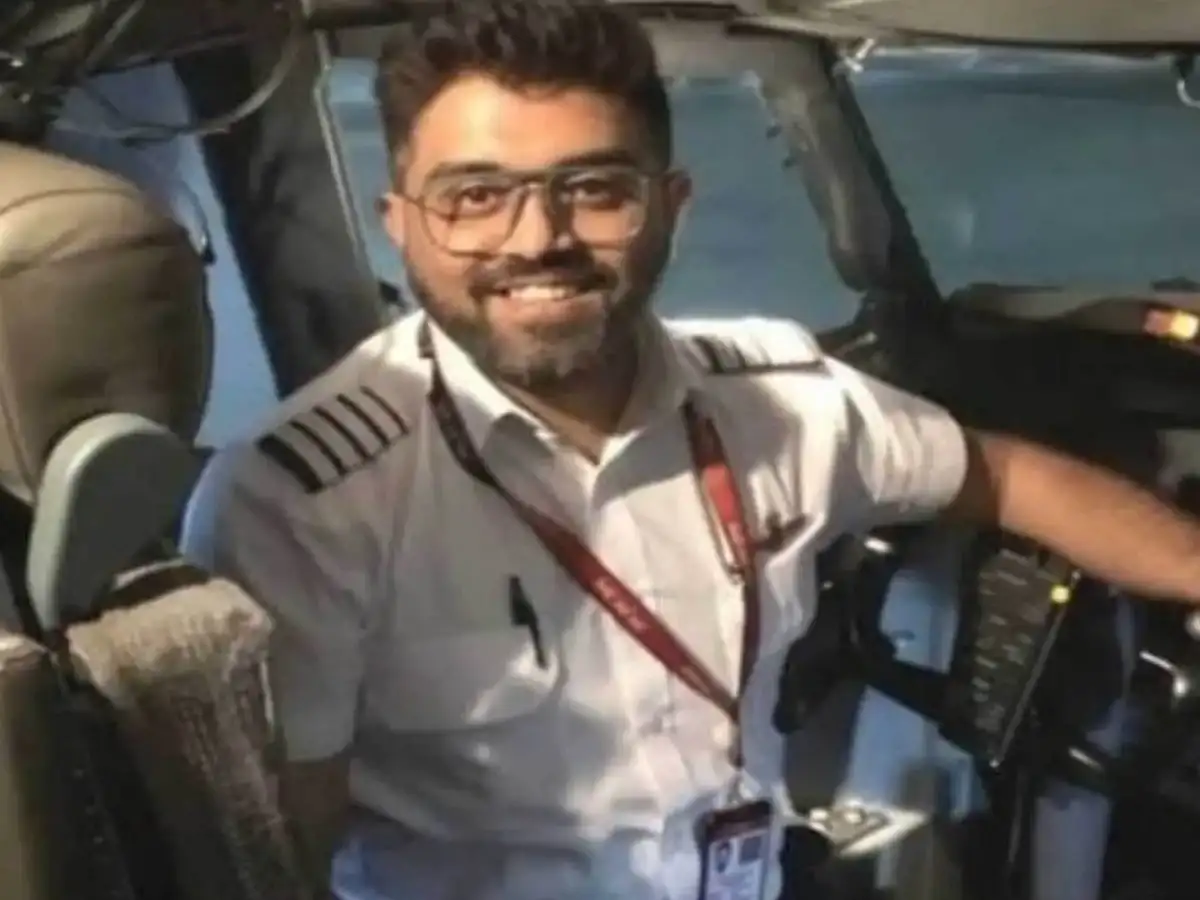
"Hit me so many times": New footage from flydubai flight shows bloodied Capt Machchhar whose heroics saved 180 lives
Captain Smit Machchhar was attacked by his co-pilot during a flight from Dubai to Tel Aviv. After being stabbed, he managed to unlock the cockpit door, thereby saving all passengers aboard. Police later identified the co-pilot as having undergone radical Islamist indoctrination and exhibiting suicidal tendencies. Israeli Prime Minister Benjamin Netanyahu praised Machchhar's actions as heroic and crucial to preventing a disaster.

Aaron Rodgers opens up on marriage with Brittani, shares 'biggest regret' about his relationship
With the end of his illustrious NFL journey in sight, Aaron Rodgers readies himself for a formidable challenge against the Steelers. Pittsburgh's troubles on the road, particularly in AFC North matchups on Thursdays, add to the tension. Their 150th clash brings the rivalry full circle. Meanwhile, Rodgers contemplates his personal life and the emotional ties to his wife, Brittani, shedding light on their shared history.

flydubai cockpit attack: Saudi Arabia hands over co-pilot to UAE as investigators probe midair stabbing incident
Saudi Arabia has handed over the Omani flydubai co-pilot accused of stabbing Captain Smit Machchhar and attempting to crash Flight FZ1073 to the UAE. The Dubai-Tel Aviv flight made an emergency landing in Tabuk after plunging thousands of feet. Investigators are probing the motive, possible terrorism links and an alleged Iran connection as Netanyahu and Trump weigh in.
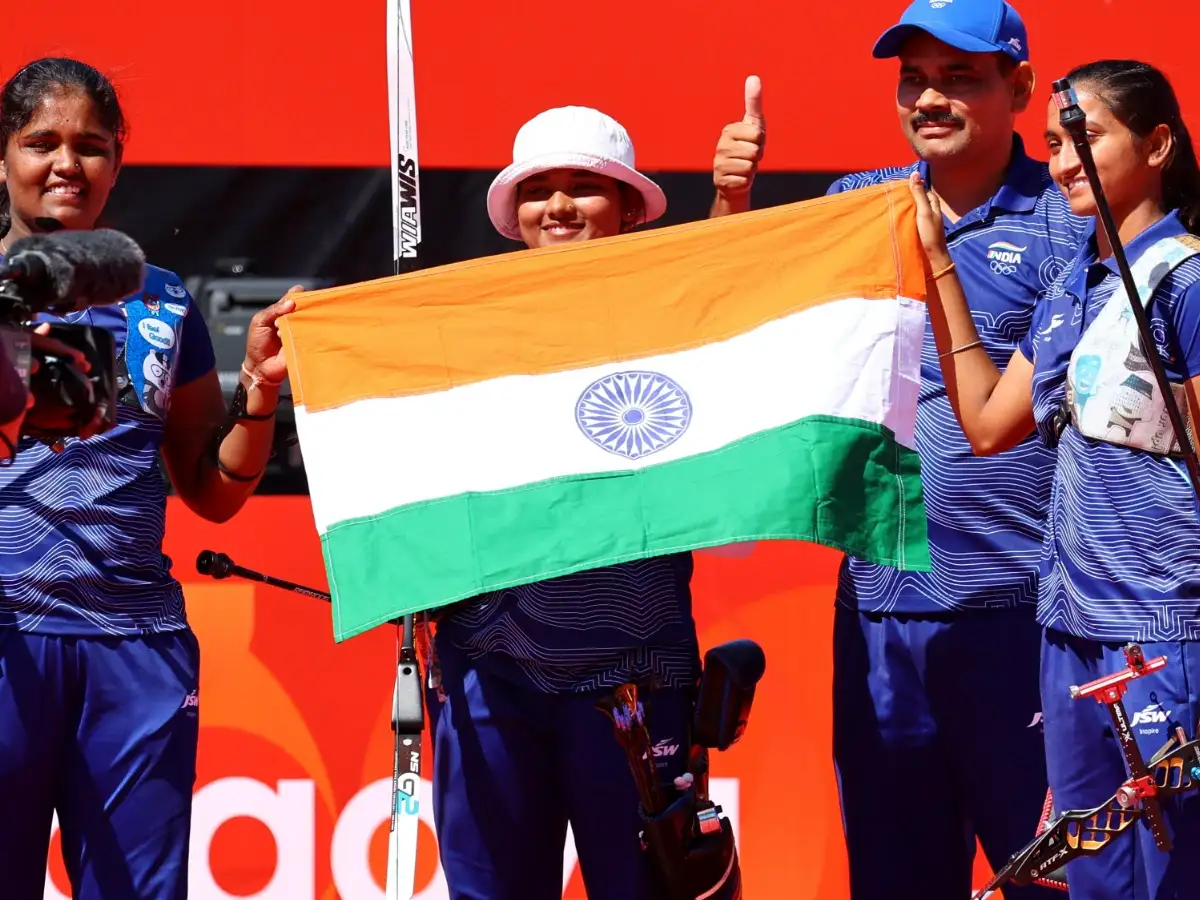
India beat world champions South Korea to win maiden Asian Games recurve gold
India's women's recurve archery team secured its first Asian Games gold by defeating South Korea in the final. The Indian team included Ankita Bhakat, Kirti Sharma, and Kumkum Mohod, showcasing exceptional skill during the match. After the first two sets ended in a tie, India took the lead in the third set. The final set also ended in a tie, confirming India’s victory.
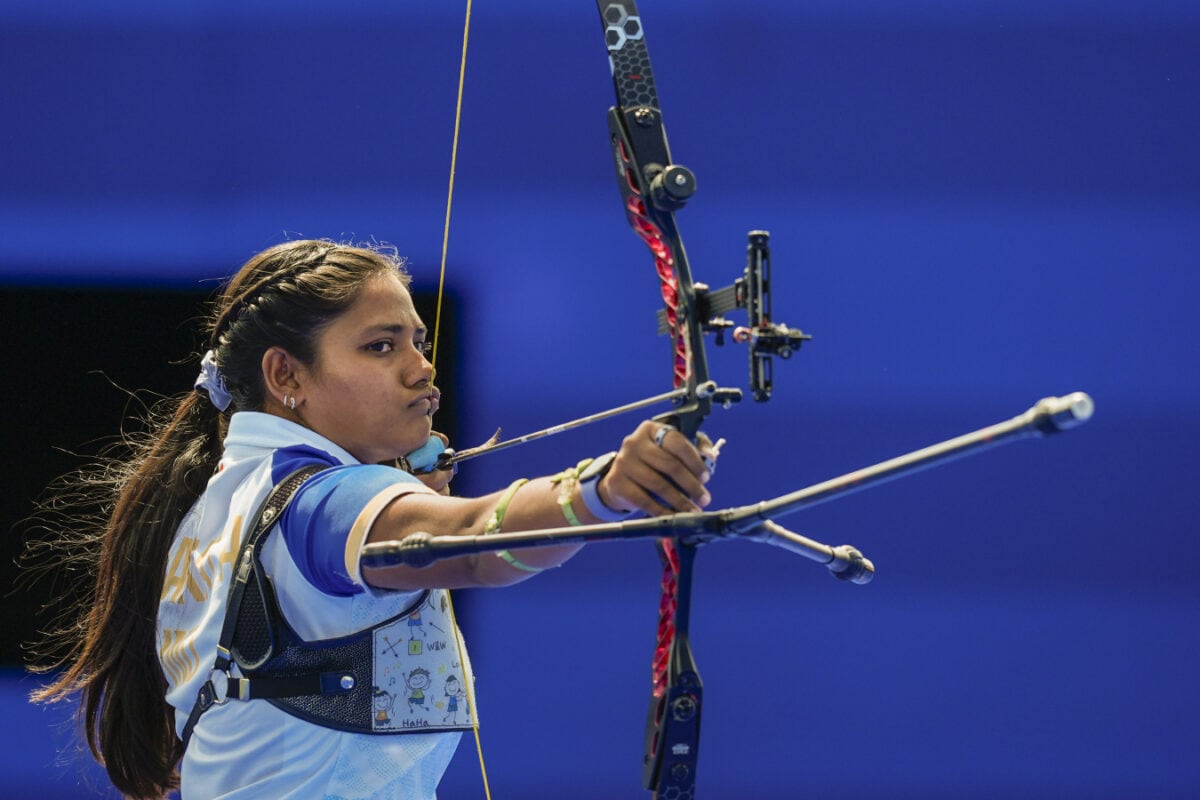
Asian Games 2026: India Win Historic Gold Medal In Women's Team Recurve Archery
India's day has started with a historic gold medal in women's team recurve archery.
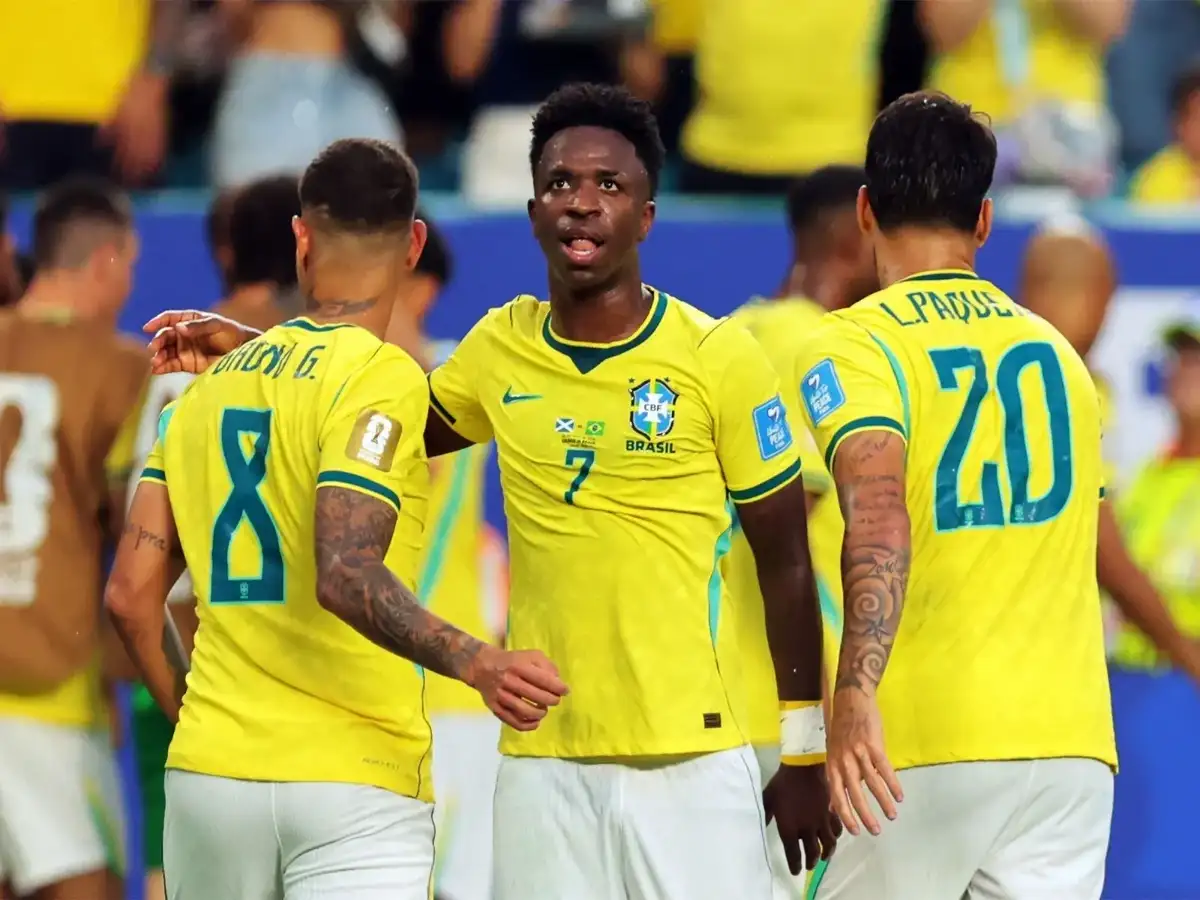
Brazil land in Kolkata for much-anticipated India friendly at Salt Lake Stadium
Brazil's national football team has arrived in Kolkata for an upcoming friendly match against India. The match is scheduled to take place at Salt Lake Stadium on October 3, marking a significant event in Indian football history. Advanced security arrangements are being implemented to prevent issues such as ticket black marketing. The West Bengal government is also upgrading infrastructure, aiming for a World Cup-like experience.
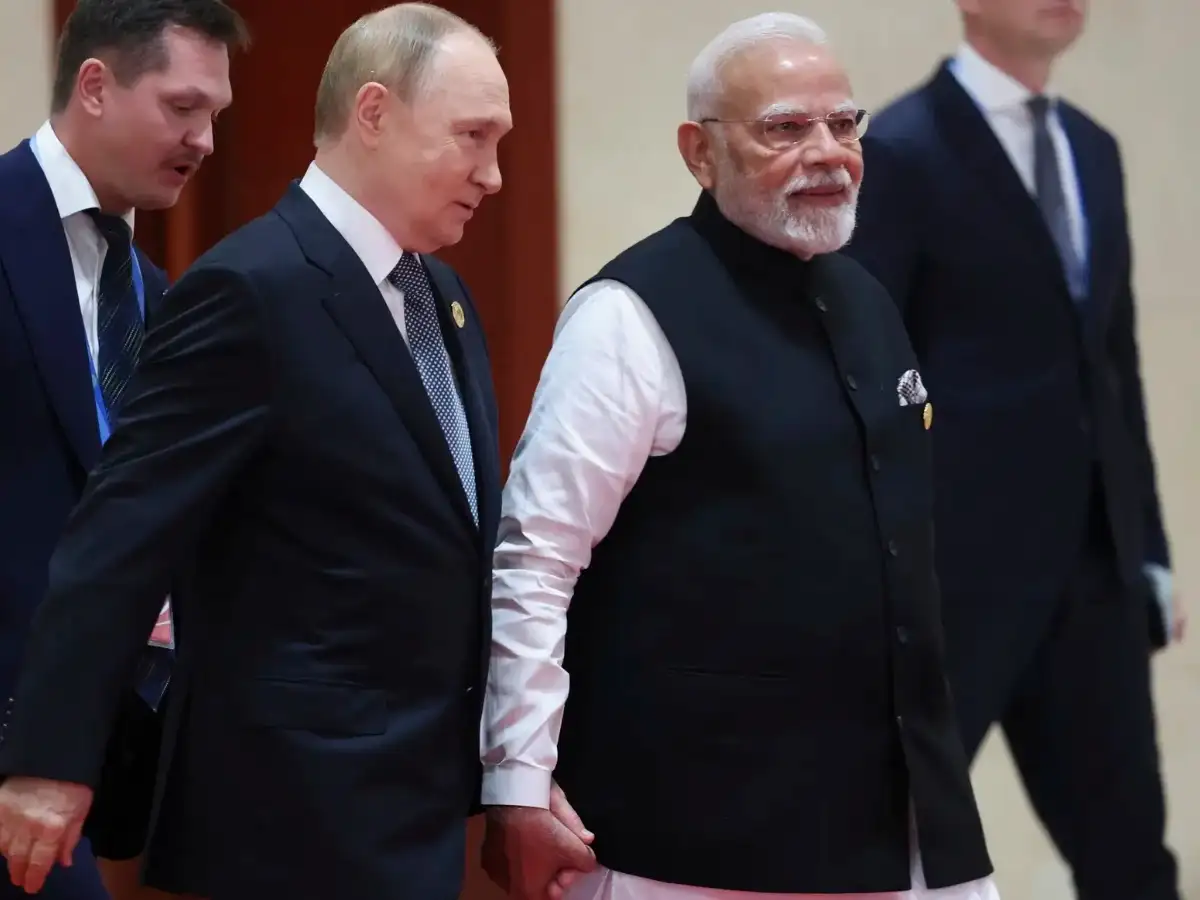
Putin praises Modi’s ‘good ideas’ for peaceful resolution of Ukraine conflict
Vladimir Putin acknowledged Narendra Modi's commitment to ending the Ukraine conflict and praised his ideas for resolution. Modi has maintained a humanitarian stance while advocating for dialogue to achieve peace. The Russian President expressed gratitude for Modi's ongoing support to resolve the situation. Both leaders have discussed enhanced cooperation in various sectors during their recent meetings. Modi indicated India's willingness to aid in meaningful peace efforts between the involved parties.
Putin praises Modi’s ‘good ideas’ for peaceful resolution of Ukraine conflict
Vladimir Putin acknowledged Narendra Modi's commitment to ending the Ukraine conflict and praised his ideas for resolution. Modi has maintained a humanitarian stance while advocating for dialogue to achieve peace. The Russian President expressed gratitude for Modi's ongoing support to resolve the situation. Both leaders have discussed enhanced cooperation in various sectors during their recent meetings. Modi indicated India's willingness to aid in meaningful peace efforts between the involved parties.
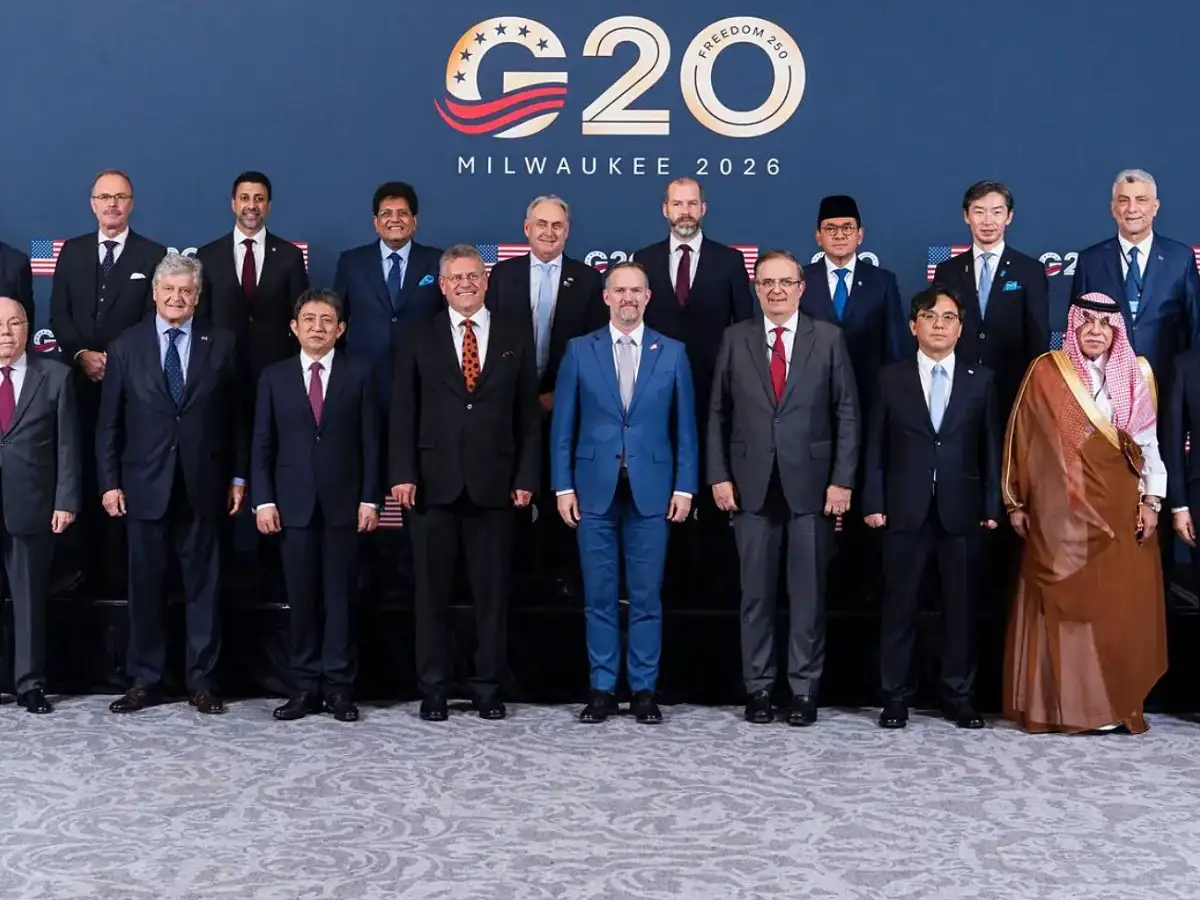
G20 trade ministers deadlock on excess capacity, forced labour as US seeks tougher rules
G20 trade ministers met in Milwaukee but failed to reach an agreement on overproduction of goods. The Trump administration accused various countries, especially China, of flooding markets, affecting competition. Tensions between the US and Canada escalated after new tariffs were imposed, raising concerns about trade relations. Discussions on forced labor also did not lead to a consensus among the participating countries.