
As China, Vatican talk, bishop's fate shows party's power
Mar 31, 2018
Bishop's forced exile comes as Vatican, China seek historic deal to unite country's Catholics for first time in decades
SAIQI, China — The twin-spired church in this southern Chinese village was packed with more than a thousand Catholics observing Good Friday, but the bishop who tends to the congregation was not among them. Just a day earlier, government agents had taken him away.
Bishop Guo Xijin is at the center of talks between the Vatican and the atheist Communist Party that will likely yield a deal on who appoints bishops in China. The move would be historic, uniting the country's Catholics for the first time since Beijing and the Holy See severed relations nearly seven decades ago.
At a pre-dawn Mass on Thursday, Guo had urged congregants at the Saiqi church to be brave and keep the faith. "Full of comfort and hope, we are inspired to more bravely face struggles and offer our love to God," he told them.
Not long after, government agents arrived and for the second time during Holy Week took Guo away for what they described as a "vacation" — a euphemistic term in China for an enforced disappearance.
For years, China's Catholics have been split between those who follow state-authorized churches outside the Vatican's authority and those who attend underground churches that swear fealty to the pope. Guo is the head of one such underground diocese.
Under the deal being discussed, the Vatican is expected to recognize seven Beijing-appointed bishops not chosen by the pope, and Guo and one other underground bishop would step aside.
Supporters say the deal would help the Holy See achieve its years-long goal of bringing all of China's 12 million Catholics ostensibly under the pope's wing.
Others, including a prominent Hong Kong cardinal, have accused the Vatican of selling out its followers to an authoritarian regime.
Guo's exile serves as a stark reminder of the power of a state that has been seeking to center the people's devotion on the ruling party.
It also highlights how high-level deliberations in the marble-columned splendor of the Vatican City and in Beijing's walled leadership compound could have reverberations in places like rural Saiqi for generations to come.
Guo's church sits atop a sloping hill overlooking meandering streets of small barbershops and noodle joints. Parishioners say they don't know what to expect from a deal they discuss mostly in whispered conversations between morning and evening services.
For decades, they say, they've been able to peacefully practice their religion despite being under the watchful eye of the state. But it wasn't always that way.
The story of the Catholic Church's dark period in China during Mao Zedong's Cultural Revolution has been told and retold to the young people at Guo's parish. They've heard the tales of elderly relatives having their Bibles torn up, being paraded down the streets during public shaming sessions or sent away to labor camps.
"That generation had to go through so much," said Huang Weiping, 37, who manages a shop selling rosary beads and portraits of Joseph and Mary.
He said his relative was Guo's predecessor, Bishop Huang Shoucheng, who spent many years in prison.
Lin Qigua, a 55-year-old parishioner, said bridging the divide between the official and underground church would be difficult.
"Our parents always told us that the Catholic Church comes from Rome, and then suddenly the Communist Party comes out with its own church," Lin said. "There's a conflict here, isn't there? Our ancestors sacrificed so much — was their blood shed for nothing?"
The state-backed Chinese church at recent conferences has stressed the need to remain independent of the Vatican and to "Sinicize" itself — code for accepting party leadership and rejecting foreign links.
A Vatican official who spoke on condition of anonymity because he wasn't authorized to reveal the content of the talks with China acknowledged there were downsides to the potential deal. The official said it would limit the Holy See's activities in China and cede power to Beijing to nominate bishops, with the pope only able to exercise what amounts to a papal veto.
China's State Administration of Religious Affairs declined to be interviewed.
The underground Churches have had regular communications with Chinese authorities since the 1990s, and officials even ask the church for help with local disputes, said Rev. Peng Zhenkang, a priest in Guo's parish.
"Villagers here will listen to clergy," Peng said.
He said Guo is often taken away during "sensitive" periods and that the bishop doesn't resist. This time, Peng said, his exile was surely linked to the Vatican talks.
Reached by phone on Thursday, a priest who had been asked by authorities to leave Saiqi along with Guo said they were just getting off a train in Xiamen, a city more than 160 miles (255 kilometers) away
"It's inconvenient for the bishop to talk right now. I'm sorry," Rev. Xu Wenming said before hanging up.
The Vatican official said that under the proposed deal with China, Guo would become an auxiliary bishop to the official, state-recognized Bishop Zhan Silu, but would remain in charge of the churchgoers he had been leading. The official said Guo has agreed to that arrangement.
The other Vatican-appointed leader who would be affected by the deal is 88-year-old Bishop Zhuang Jianjian, the head of a rural parish in Guangdong province housed in a weathered stucco church built more than a hundred years ago.
Zhuang is described as a pillar of the Catholic communities in the villages clustered in Jiexi county. For decades, he has nurtured generations of Catholics and frequently administers blessings over newborns or newlyweds, the dead or dying, his parishioners say.
The bishop declined to speak to reporters outside his church.
"Please forgive me," Zhuang said, bowing in apology.
While several of Zhuang's parishioners expressed admiration for the bishop's generosity and dedication, none were certain they would oppose his departure if the Vatican ordered it.
"We will all stick to the church no matter how the negotiations go," said Huang Q. L., a descendant of three generations of Catholics whose hand-painted Biblical depictions adorn the church nave. "We have all experienced the faith deeply."
Zhuang's proposed replacement is Bishop Huang Bingzhang, who Beijing ordained "illicitly" in 2011 without Vatican approval. Zhuang declined to be interviewed.
One of his priests, Rev. Xu Jihua, said he expected Huang to be ordained by the Vatican. He said ending the divisions between the Vatican and Beijing will be good for Catholics across China.
"No one hopes to live a life of faith under these abnormal conditions," Xu said.
Then, repeating a belief expressed by underground and state-sanctioned churchgoers alike, the priest remarked: "The essence of faith, after all, is that it exists in light. If a faith is opaque and has its doors closed, that is darkness."
___
Associated Press writer Nicole Winfield in Rome contributed to this report.
MORE NEWS

'India has a new hero': Consulate General of Israel in Mumbai puts billboard hailing Capt Machchhar
Israel Consulate in Mumbai hails flydubai pilot Smit Machchhar as a hero after flight FZ1073 made a sharp emergency descent and diverted to Saudi Arabia following an alleged attempt to crash the Israel-bound aircraft.
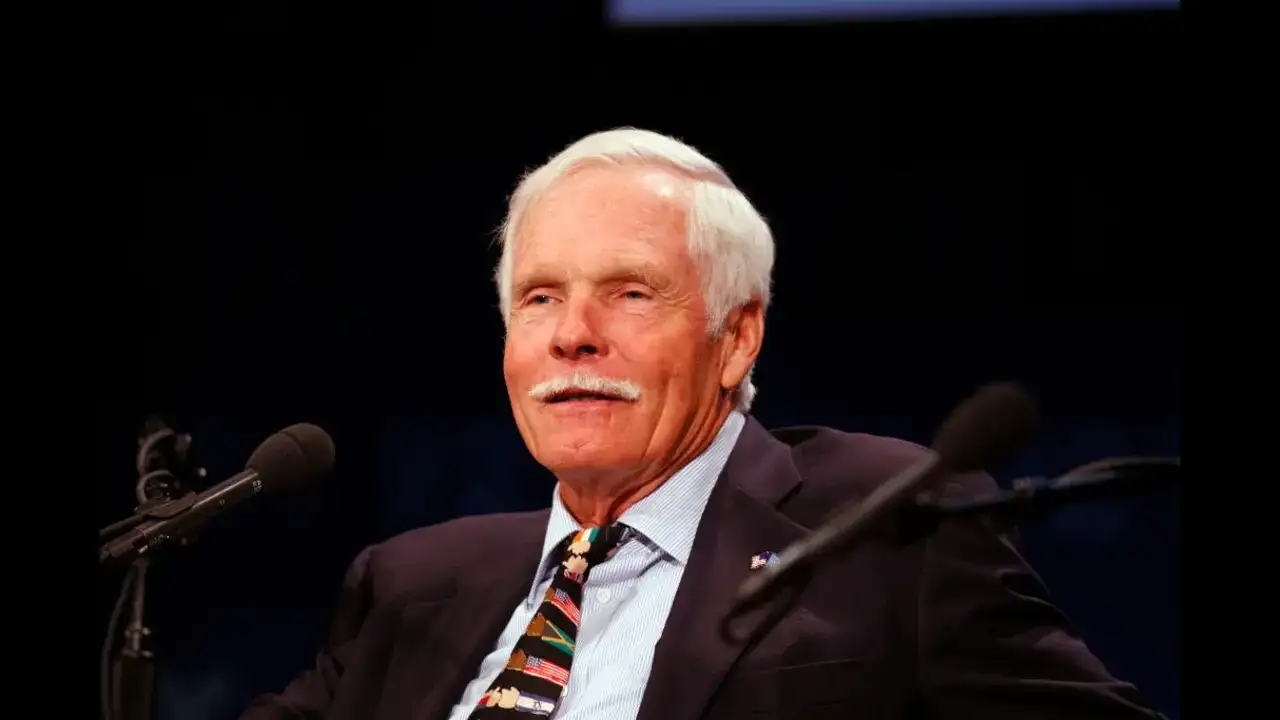
In 1987, Ted Turner bought a 22,000-acre Montana ranch; two years later, he spent $21 million on a 113,000-acre property to keep it undeveloped
Ted Turner, the founder of CNN and longtime conservationist, lived in a remarkable collection of expansive ranches and properties during his lifetime. Before his passing on May 6, 2026, at age 87, Turner spent his final years on one of his Montana ranches, where he enjoyed fishing.
Goyal at G20: India opposes making MFN conditional on WTO obligations
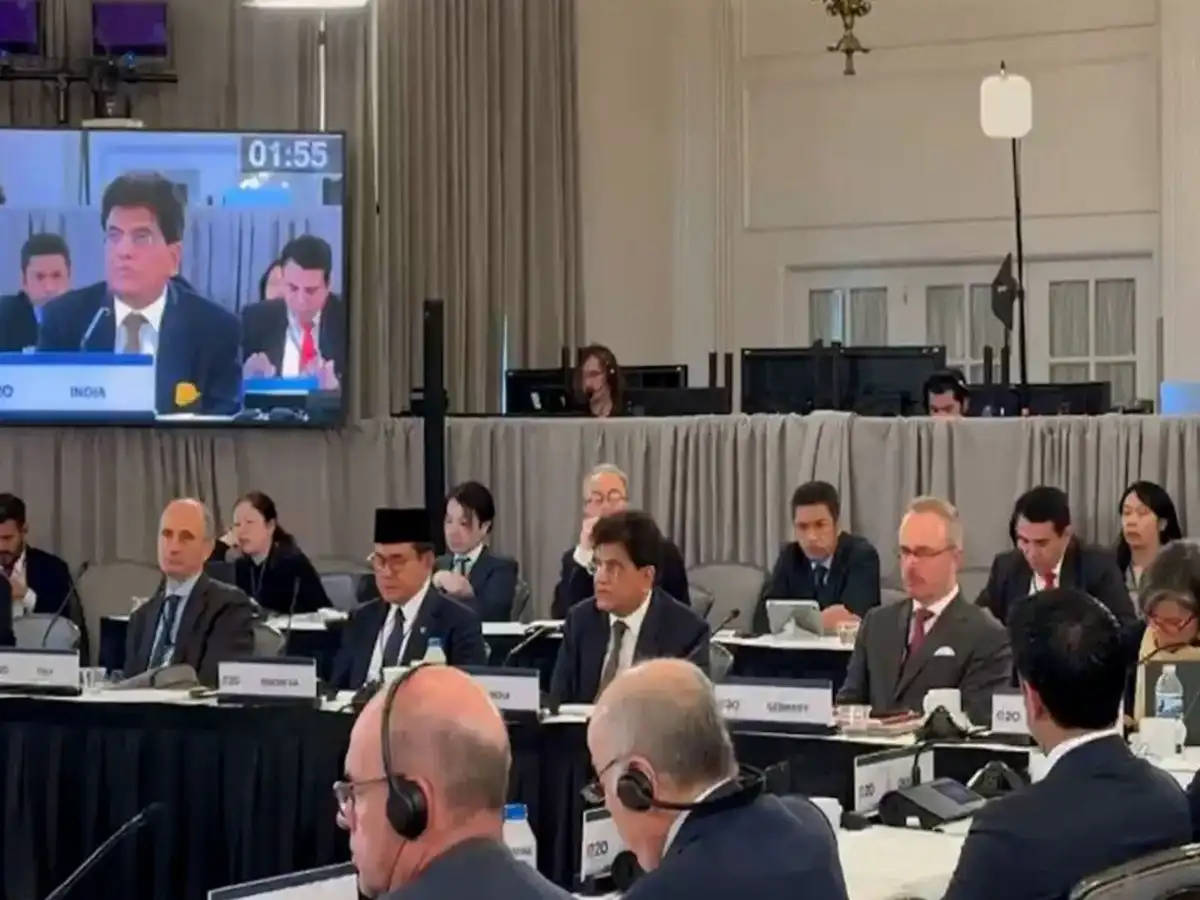
Union Minister Piyush Goyal represented India at the G20 Trade Ministers' Meeting, emphasizing the importance of the Most-Favoured-Nation principle. He stated that equal trading terms are essential for both large and small traders. Goyal expressed India's commitment to addressing trade distortions through WTO-compliant measures and preserving developing countries' policy space for industrialization. India's position on forced labor in global supply chains was reiterated during the discussions.

Viral cookie chain Chip City closes in key locations; here's what went wrong
Chip City, the cookie chain famous for its adventurous flavors, has shuttered its three locations in Connecticut, reflecting a troubling trend for cookie outlets nationwide. The closures result from evolving consumer tastes and various economic pressures. The absence of any Connecticut listings on their website suggests a definitive withdrawal. However, Chip City continues to delight customers in New York, New Jersey, and Texas.

Defend, stay disciplined: Marijne's mantra powered India to women's hockey gold
Defend, stay disciplined: Marijne's mantra powered India to women's hockey gold
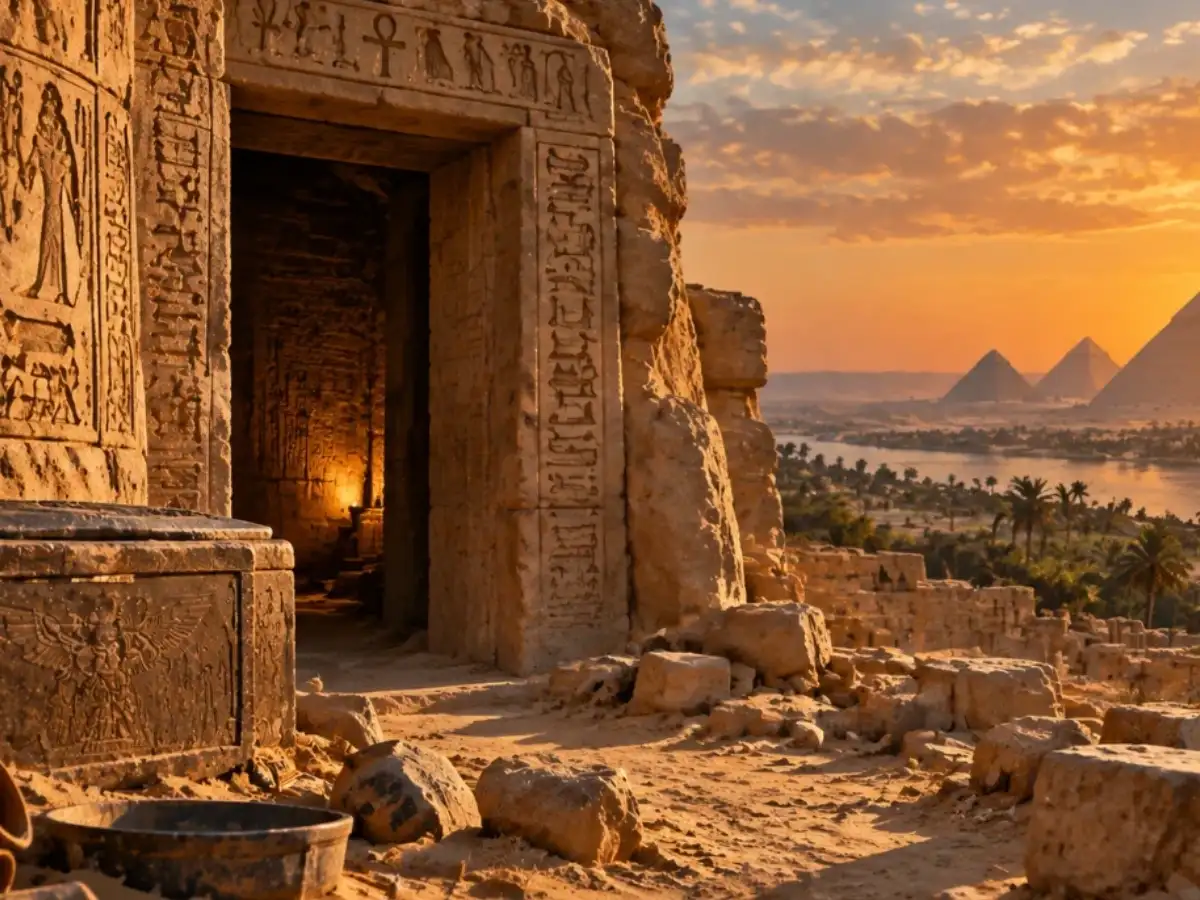
One faded photograph could prove Egypt’s first female pharaoh ruled like a king 5,000 years ago — and rewrite early Egyptian history
Researchers believe a digitally enhanced photograph of hieroglyphics could clarify Queen Meretneith's role in ancient Egypt. Discovered in the 1940s, the inscription may suggest she ruled as a king rather than merely as a regent. However, some Egyptologists dispute this interpretation, claiming it only references King Djer. The debate surrounding Meretneith could redefine women's political authority in ancient Egypt.

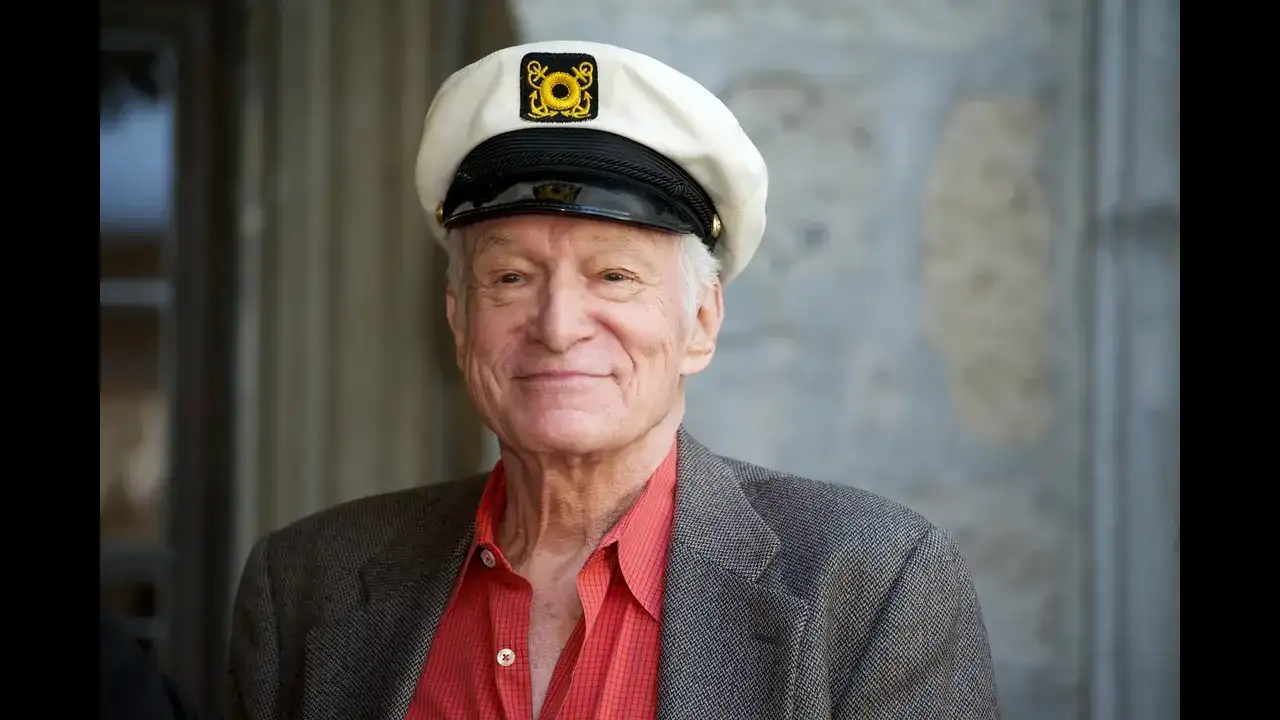
In 2010, Playboy's Hugh Hefner donated $900,000 to save land behind the Hollywood Sign from luxury homes. 16 years on, 138 acres at Cahuenga Peak remain protected in Griffith Park
In 2010, a major fundraising campaign sought to protect 138 acres at Cahuenga Peak, the land behind the iconic Hollywood Sign, from potential development. The effort required $12.5 million, but organizers were still $1 million short when Playboy founder Hugh Hefner contributed $900,000. Other major donors, that includes Tiffany & Company Foundation and Aileen Getty, also supported the campaign.

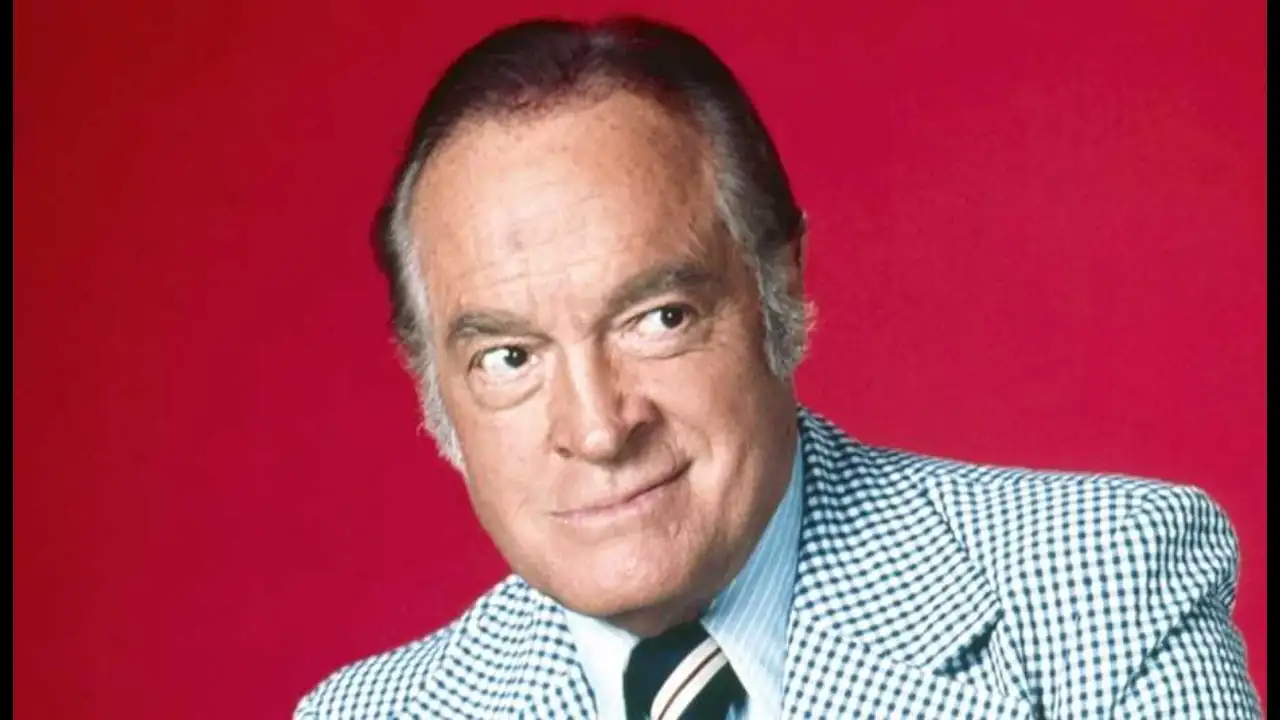
In 2013, Bob Hope's estate listed his UFO-style home for $50 million; after zero buyers, it eventually sold for $13 million
Bob Hope’s distinctive Palm Springs residence, popularly called as his “UFO house,” eventually found a new owner after years on the market. Originally listed for $50 million in 2013, the unusual estate finally sold for $13 million to billionaire Ronald Burkle, a venture capitalist and philanthropist,as per TopTenRealEstateDeals.com. Designed by architect John Lautner for Hope and his wife, Delores, in 1973, the 23,000-square-foot property features a curved structure, floor-to-ceiling windows and circular ceiling windows for stargazing.
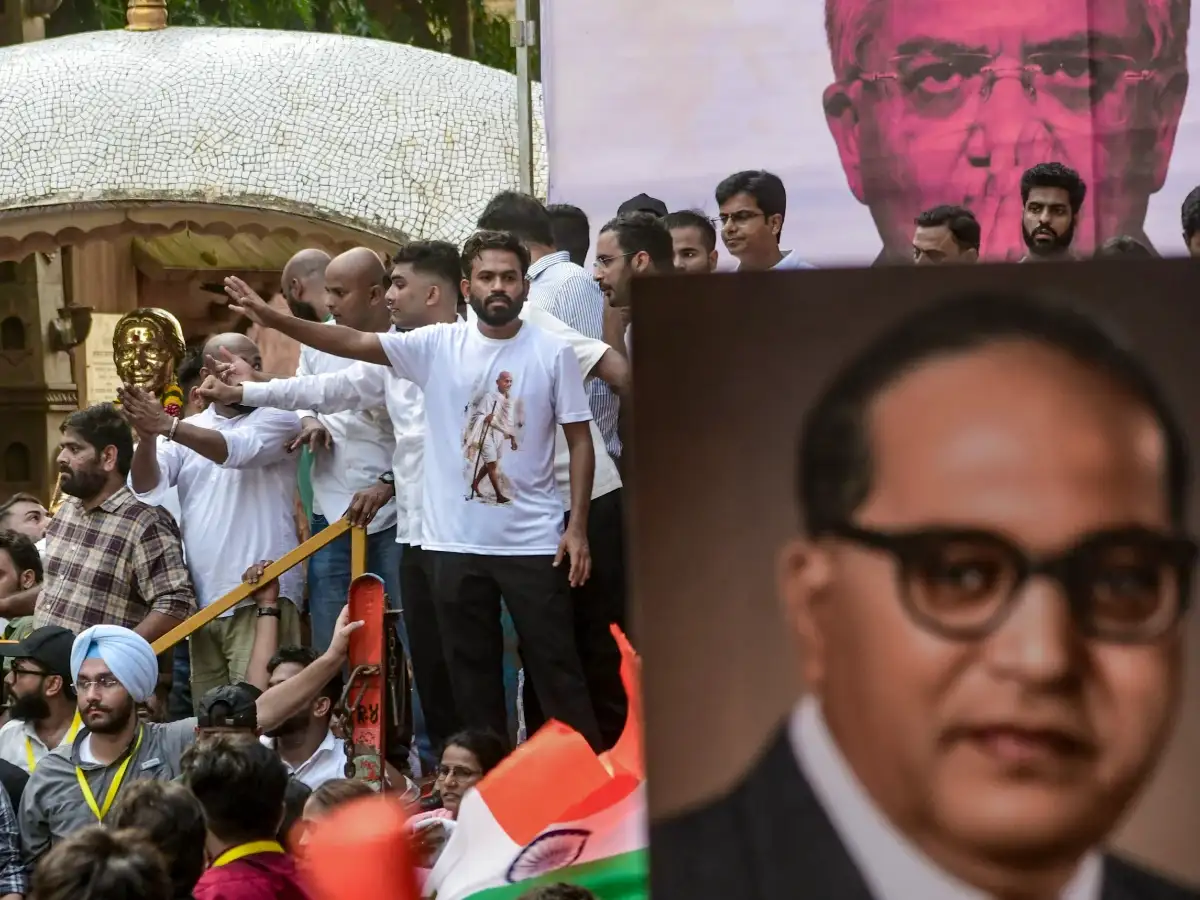
CJP warns of Jantar Mantar 2.0 as thousands attend Mumbai protest seeking CEC's ouster
The Cockroach Janta Party's protest at Shivaji Park sought the resignation of Chief Election Commissioner Gyanesh Kumar. Party leaders accused the government of electoral fraud and deleting voters' names from the lists. Many prominent figures, including veteran actors, participated in the demonstration despite police denial of permission. Protesters emphasized the need for immediate action and a fair electoral process.