
Bangladesh's democracy faces strain as Hasina is reelected amid a boycott by opposition parties

Jan 8, 2024
Prime Minister Sheikh Hasina has swept to power for a fourth consecutive term in Bangladesh following an election on Sunday that was boycotted by opposition parties and roiled by protests and international scrutiny
DHAKA, Bangladesh (AP) — Prime Minister Sheikh Hasina has swept to power for a fourth consecutive term in Bangladesh, following an
election on Sunday
that was boycotted by opposition parties and roiled by violent protests and international scrutiny.Her Awami League party won 224 seats out of 299, according to local media, cementing a majority in Parliament and extending her 15-year-long rule that has already made
Hasina one of the most defining and divisive leaders
in the nation's history.Official results from the Election Commission were expected later Monday.
Hasina's victory, which was widely seen as inevitable, came amid low voter turnout at 40% in a severely fractured climate that saw
opposition members jailed
ahead of the polls. The clampdown on political foes and stifling of dissent, analysts say, puts Bangladesh’s democracy in a fragile place, risks triggering political turmoil and may test some of its diplomatic ties.Campaigning
was rife with violence
and the main opposition Bangladesh Nationalist Party and its allies boycotted the election saying that Hasina’s government could not oversee free and fair polls.“This is not a story of a thumping, resounding reaction from the people. There is a question mark in the public’s mind about this election, so the result that has come will face this taint,” said Avinash Paliwal, who specializes in South Asia relations at London’s SOAS University.
It has also spotlighted
a troublesome electoral record
, with the latest polls being the third in the last 15 years to be dogged by credibility concerns. The previous two votes were widely seen as flawed with allegations of vote-rigging, which authorities denied, and another opposition boycott. All three elections were held under Hasina’s rule.The main opposition party has rejected the latest results as a one-sided election.
This is likely "to ratchet up rather than rein in political tensions” and fan further polarization and mistrust instead of reconciliation, said Michael Kugelman, director of the South Asia Institute at the Wilson Center.
The government has consistently defended the polls as open and inclusive, but critics have pointed out that many smaller opposition groups and independent candidates belonged to the ruling party, which left voters with few options.
While Hasina is often credited with presiding over Bangladesh’s impressive growth in recent years, experts say its economy is now sputtering. The nation’s foreign exchange reserves have dwindled to less than three months worth of imports, the price of groceries has surged and a wave of labor protests from the country’s prized garment industry has highlighted dissatisfaction with the government.
Experts say economic discontent is already mounting and widespread in Bangladesh, which means Hasina's handling of the economy will be key going forward, especially to regain legitimacy among disenchanted voters who skipped the polls.
The political tumult surrounding the election also risks straining Bangladesh’s ties with the U.S., the biggest buyer of its garment exports. Relations between the two sides have been tense for months, especially after Washington vowed to impose visa restrictions on anyone disrupting the electoral process in a bid to ensure that the government held a legitimate election. The move irked Hasina, who accused the U.S. of trying to plot her ouster.
Pierre Prakash, Asia director at the International Crisis Group, a think tank that researches global conflict, said the U.S. made Bangladesh a showcase of the Biden administration's values-based foreign policy, which emphasizes human rights and democratic freedoms.
Dhaka is an important trade and strategic partner for Washington in Asia, where it is trying to counter Chinese influence, but the Biden administration has still been vocal about its concerns surrounding the election.
“We'll have to see how the U.S. behaves. There could be sanctions on the horizon, but we don't know for sure,” Prakash said, adding that these could target individuals or apply more broadly to a sector, which would more adversely pinch citizens.
Bangladesh’s regional neighbors are likely to welcome Hasina’s reelection. Her tough stance on terror, non-aligned foreign policy and efforts to help Rohingya refugees — “all of this has made her government, warts and all, fully acceptable to much of the world,” Kugelman said.
Hasina has also won support from Russia, which is building a nuclear plant in the country, and maintained ties with the European Union, a major trade partner that analysts say will be watching developments closely.
Her biggest backer remains India, which has invested in several infrastructure projects as it jostles for influence against rival China in the region.
While that’s unlikely to change in the short run, Paliwal at SOAS said there is growing anti-India sentiment amid perceptions that New Delhi's support has enabled Hasina’s controversial rise and authoritarian turn.
“This narrative is taking root, and New Delhi will be watching because it can’t write off the political problems that are rising within the country,” he said, adding that the low voter turnout is a major blow to the Awami League. “This will reshape the calculus of Hasina’s international allies and adversaries alike in the coming weeks."
___
AP journalist Julhas Alam contributed reporting.
MORE NEWS

China’s top swimmers enjoy record-breaking performances at national championships
Chinese swimmers showcased their strength in-depth with record-breaking performances by veterans and rising stars at the national championships in Beijing. As of Tuesday, swimmers had broken one world, six Asian and multiple national records. Zhang Yufei and Zhang Zhanshuo set Asian short-course records in the women’s 100m butterfly and men’s 800m freestyle, clocking 54.87 seconds and 7 minutes 28.61 seconds respectively to claim gold. The national event is the official selection trial for...
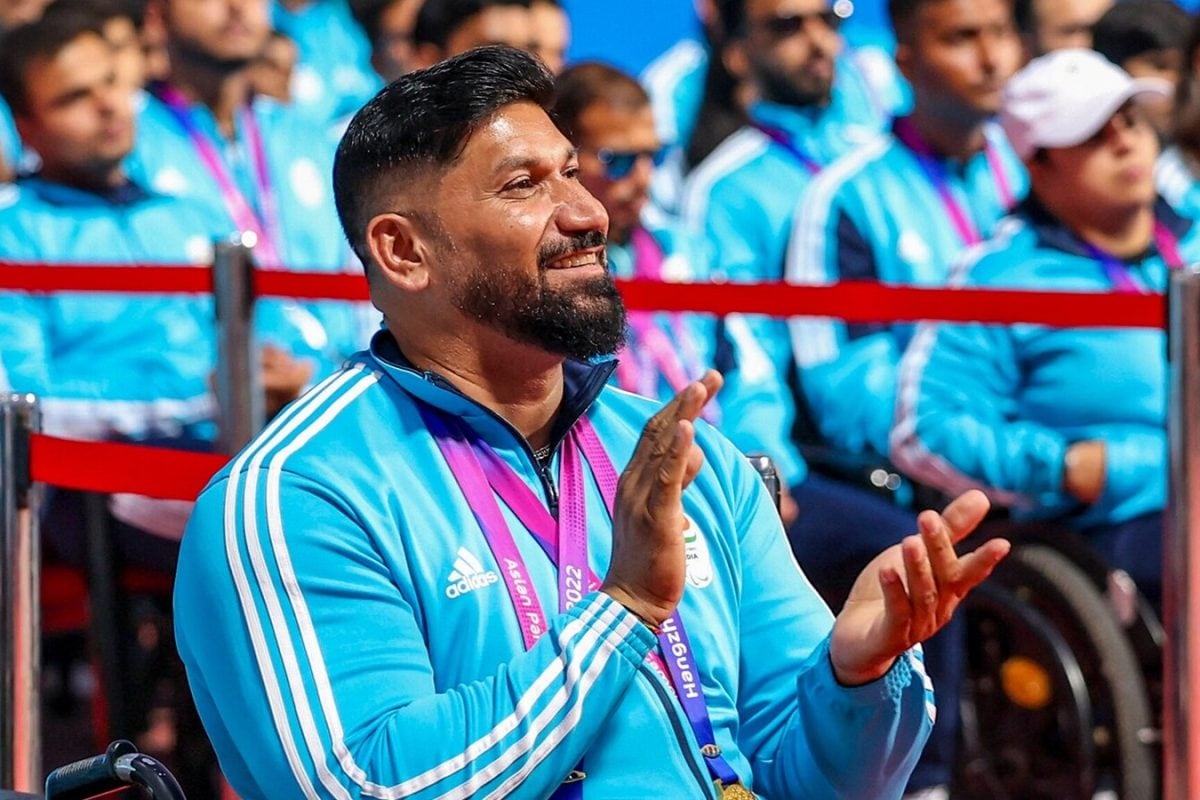
'Personal' Setback Behind Neeraj Yadav's Suicide? Police Reveals Startling Details
A reported fallout with a woman friend has emerged as a key angle in the investigation into Neeraj Yadav's death.

Three-Time Grand Slam Winner Ends Tennis Career With 1st-Round Defeat In Basel
Stan Wawrinka ended his 24-year professional tennis career following a first-round defeat at the Basel Open.

Thomas van Tonder Completes World-First Crossing Beneath Bloukrans Bridge
Thomas van Tonder completed a world-first crossing beneath Bloukrans Bridge, traversing 600 suspended monkey bars over 280 metres in 47 minutes and 37 sec.
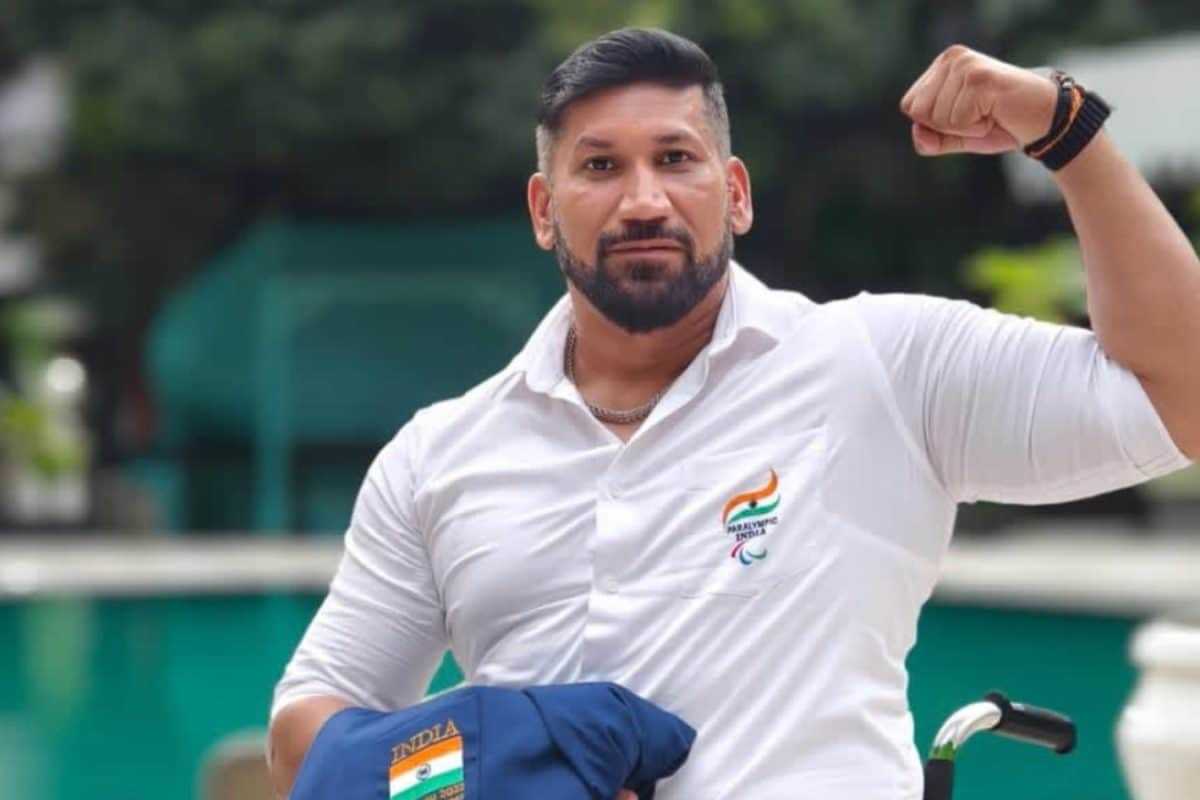
Neeraj Yadav, Three-Time Asian Para Games Gold Medallist, Dies By Suicide
Para-athlete Neeraj Yadav has reportedly died by suicide after consuming poison.
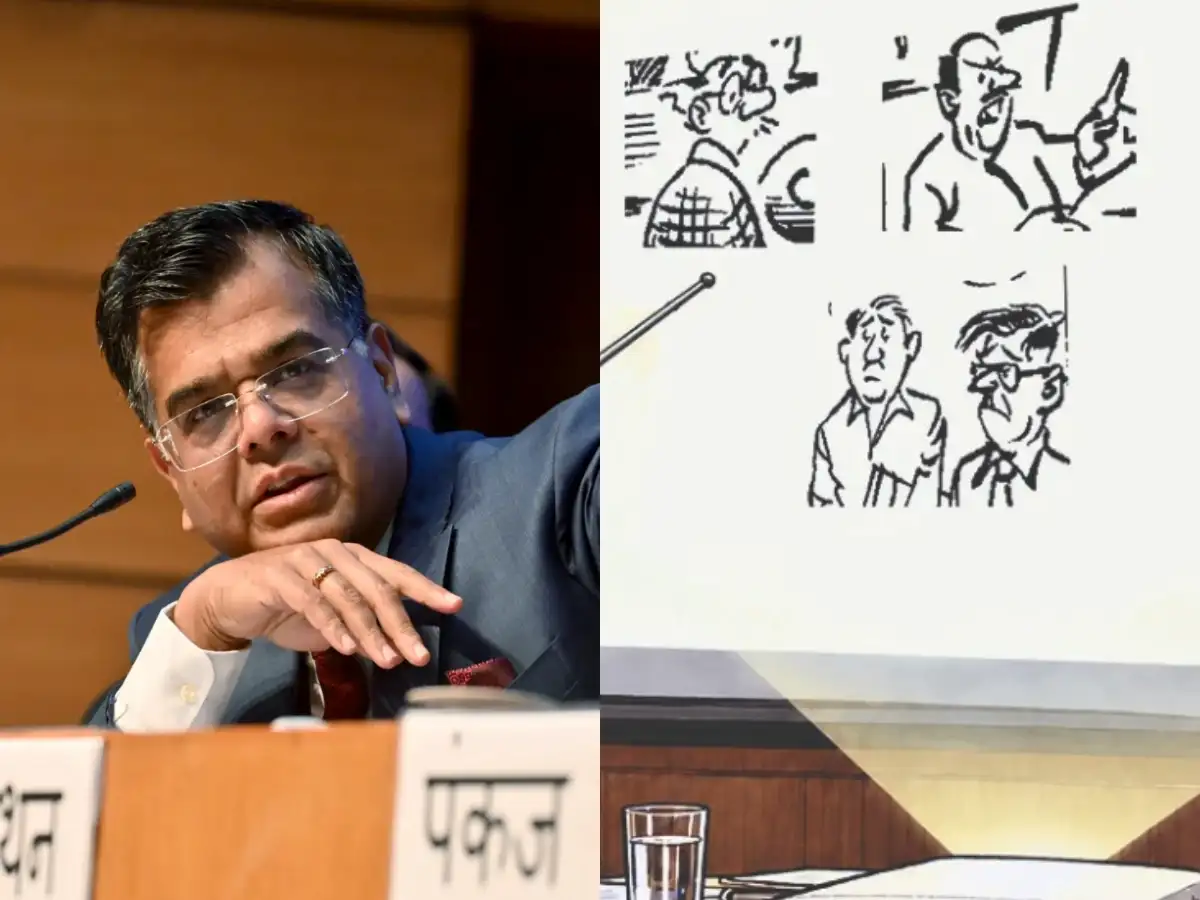
Babus who call late meetings, delay files face scrutiny as cabinet secretary lists 12 types of secretaries
Cabinet Secretary T V Somanathan highlighted issues with bureaucratic efficiency at a recent performance review meeting. He presented a list of problematic behaviors affecting government productivity using cartoons. Somanathan emphasized the necessity of timely decision-making and better communication between ministries. Another topic addressed was the improper usage of ration cards by railway employees.

Delhi starts online liquor booking app: How to order favourite brands without waiting in queues, check process, outlet availability, and key rules
Delhi's latest initiative introduces an online liquor booking app, letting users select their favorite brands and make payments seamlessly. To streamline the process, residents have 48 hours to pick up their orders from one of the 208 designated shops. While home delivery isn’t an option, the app aims to eliminate long queues and enhance transparency.


1st batch of Agniveers retiring soon: What's the retirement money, career options and benefits they will get
By 2026, approximately 18,300 Agniveers will finish their service in the armed forces, marking a pivotal transition. To ease their shift into civilian life, numerous states have initiated job quotas specifically for ex-Agniveers across different uniformed services and police departments. These initiatives stem from the Agnipath scheme launched in June 2022, which focuses on enlisting younger individuals in military roles.
GST clarification on foreign investor brokerage offers sentiment boost, analysts say
The Indian government has clarified that brokerage paid by overseas clients may qualify as an export service. This could help foreign investors avoid the 18% goods and services tax on brokerage fees. Analysts suggest this clarification is sentimentally positive amid significant foreign outflows from Indian stocks. There is ongoing speculation regarding potential cuts in capital gains tax ahead of the federal budget.

'Copying China's manufacturing model may not pay off': Ashwini Vaishnaw hits back with ‘Cope harder’ remark, cites Rs 3 lakh crore PLI returns
Union Minister Ashwini Vaishnaw has hit back at criticism of India's mobile phone manufacturing strategy with a blunt “Cope harder” remark. Citing figures from the government's Production Linked Incentive (PLI) scheme, he said the government paid Rs 19,000 crore in incentives and collected Rs 25,000 crore in direct taxes, alongside Rs 3 lakh crore in GST. His response followed a Bloomberg Opinion video questioning India's iPhone manufacturing model, its dependence on imported components and the cost of government subsidies.