
Back home, Afghan veterans of Syria war seen as Iran's pawns
Mar 31, 2019
Security officials worry that Iranian-backed Afghan veterans of the war in Syria will one day become a secret army for Tehran in Afghanistan itself, particularly after a US withdrawal
HERAT, Afghanistan — An impoverished teenager, Mehdi, joined the wave of Afghans who left their homeland, dreaming of reaching Europe to find work. Where he ended up was entirely different: On the battlefields of Syria's civil war, in a militia created by Iran.
Mehdi was one of tens of thousands of Afghans recruited and trained by Iran to fight in support of Tehran's ally, Syrian President Bashar Assad. In Syria, he was thrown into one of the war's bloodiest battles, surrounded by the bodies of his comrades, under fire from Islamic militants so close he could hear their shouts of "Allahu akbar" before each mortar blast.
Iran created a network of militias made up of Shiites from across the region and used it to save Assad from the uprising against his rule — not only Afghans but also Pakistanis, Iraqis and Lebanese. Now with the 8-year war in Syria winding down, the question is what will Tehran do with those well-trained, well-armed forces.
Mehdi and other soldiers-for-hire from Afghanistan's impoverished Shiite Muslim communities are returning home, where they are met with suspicion. Afghan security officials believe Iran is still organizing them, this time as a secret army to spread Tehran's influence amid Afghanistan's unending conflicts.
"Here in Afghanistan we are afraid. They say we are all terrorists," said Mehdi, now 21 and back in his home city of Herat. He was terrified, speaking on condition he not be fully identified for fear of retaliation. He met The Associated in a car parked in a remote, mostly Shiite neighborhood, and even there kept his face obscured with a scarf, glancing suspiciously at every passing car.
The returning veterans are threatened from multiple sides. They face arrest by security agencies that see them as traitors. They face violence from the brutal Islamic State affiliate in Afghanistan, which views Shiites as heretics and vows to kill them. Last May, IS gunmen attacked a Shiite mosque in Herat, killing 38 people.
To back Assad, Iran sent hundreds of Revolutionary Guard troops to Syria and brought in a number of allied militias. The most well-known and most powerful was Lebanon's Hezbollah.
But the largest was a force made up of Afghans, known as the Fatimiyoun Brigade, which experts have estimated numbered up to 15,000 fighters at any one time. Over the years, several tens of thousands of Afghans trained and fought in it, most from the ethnic Hazara minority, who are among Afghanistan's poorest.
Roughly 10,000 veterans of the brigade have returned to Afghanistan, says a senior official in Afghanistan's Interior Ministry, who spoke on condition of anonymity.
The Afghan government and many experts believe Iran could mobilize these ex-fighters once more, especially if the country's many armed factions turn on each other in escalated warfare after U.S. and NATO troops withdraw. Iran could use the chaos to deploy the brigade, with the very real pretext that the vulnerable Shiite minority needs a defender.
"Expect the Iranians to reconstitute their militias inside Afghanistan at some point," said Bill Roggio, editor of the Long War Journal, a site devoted to coverage of the U.S. war on terror. "Iran does not discard assets in which it invests time, treasure, and expertise."
Like most of those who joined the Fatimiyoun Brigade, Mehdi was driven by poverty, not ideology or loyalty to Iran.
Too poor to afford books for school, Mehdi had just turned 17 when he left Afghanistan in 2015. He went to Iran and worked in Tehran for months, saving money for the next leg of the trip to Europe. But Europe's borders closed, and Mehdi was stranded in Tehran.
An Afghan friend suggested they enlist for Syria. As a fighter for Iran, they could earn the equivalent of $900 a month. At the time Mehdi was making barely $150 a month.
"I thought about it and I made my heart strong, like a raging river," Mehdi said. "I decided, 'Live or die, I'll go'."
He and other Afghans underwent 27 days of training under the Revolutionary Guard at a base in Iran's southern Yazd province. Afterward, Mehdi was flown to Damascus with around 1,600 other new recruits.
In Damascus, the recruits opened bank accounts where their salaries would be deposited. They went to the shrine of Sayeda Zeinab, a site outside Damascus revered by Shiites, for final blessings before battle. The next day, they were taken by bus to the northern city of Aleppo and sent immediately to the front.
Mehdi was thrown into one of the fiercest battles of the war — a 2016 campaign against Islamic militant factions for control of the town of Khan Toman and nearby villages on Aleppo's edge.
It was a fight that showed the international nature of the war. Among the militants were Syrians, Iraqis, Chechens, Turkmens, Uzbeks and other foreign jihadis; on the other side were Syrian and Iranian troops, Lebanese Hezbollah fighters, Iraqi Shiites and Afghans, backed by Russian warplanes — all battling for a piece of Syrian land. The fighting went on for months, killing and wounding hundreds on both sides.
"Often in the morning I saw seven, eight dead bodies." Mehdi said. He said in one battle, 800 Afghans were sent to the front line and all but 200 were either killed or wounded.
Mehdi returned to Afghanistan a year ago. He remains dirt poor, and unable to find a job. He spoke bitterly of his lack of options. He noted that the Fatimiyoun Brigade remains in Syria, and some Afghan veterans stayed there after their service to work.
"I don't know what my future brings," he said. "Maybe I become a thief — or maybe I go back to Syria."
____
Associated Press writer Amir Shah in Kabul, Afghanistan contributed to this report.
MORE NEWS
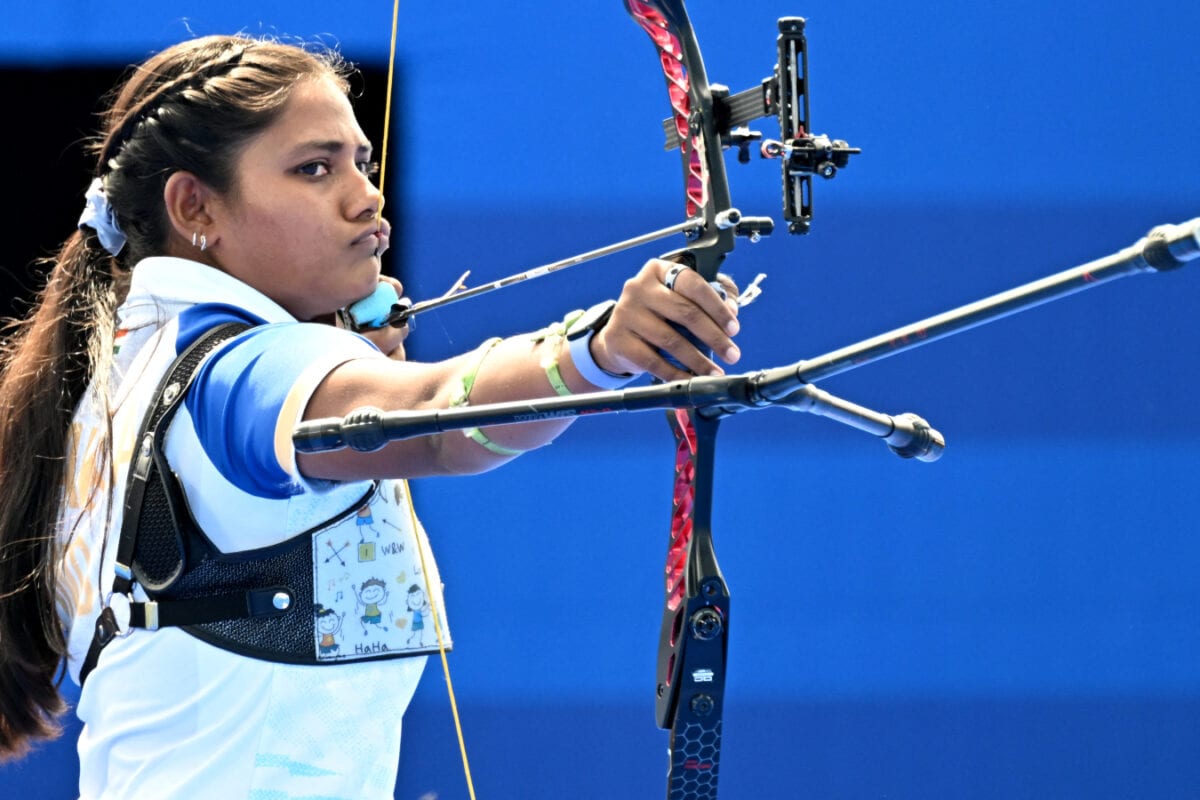
Asian Games 2026 Live Updates, Day 14: India Beat Korea To Win Historic Recurve Archery Women's Team Gold
Asian Games 2026, October 2 Live Updates: Follow all the latest updates from the 14th day of the event with Indian contingent in action across various sports.
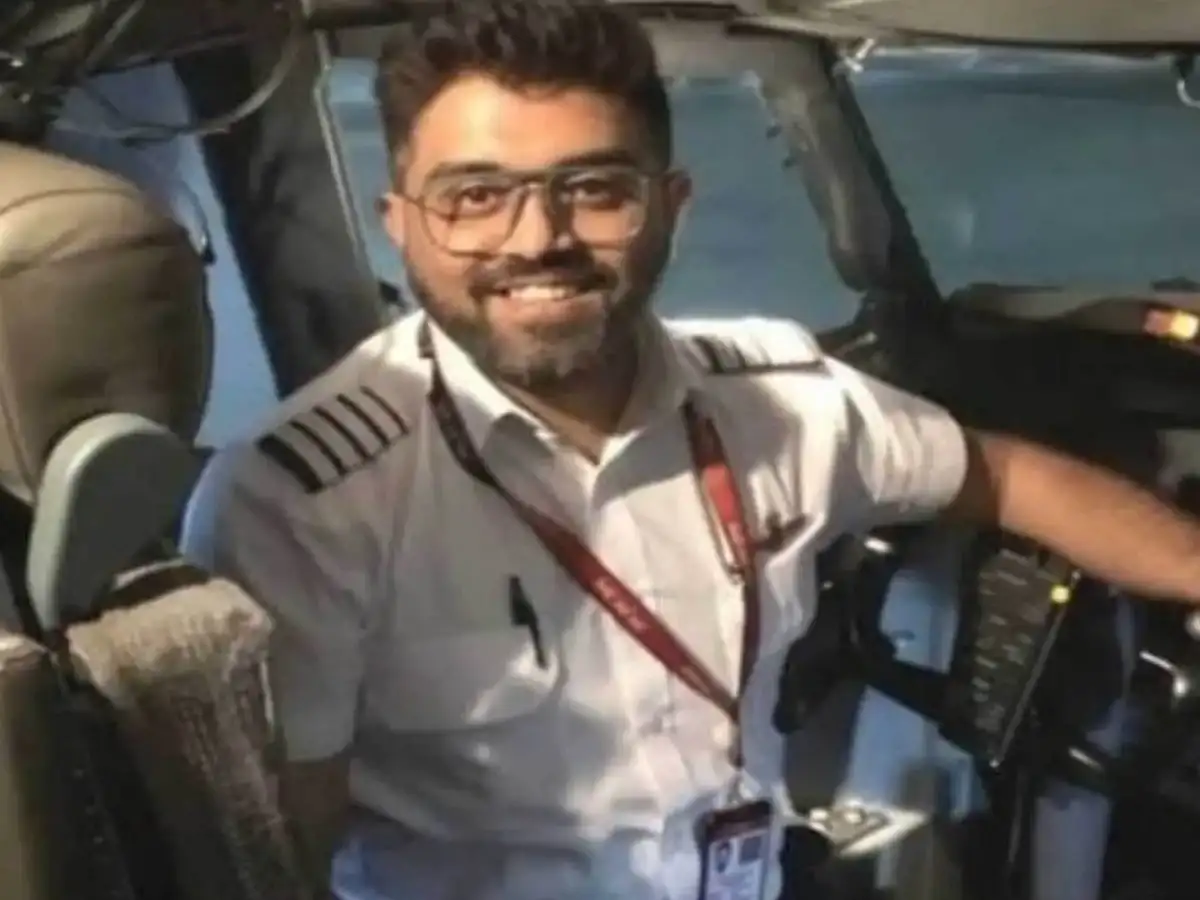
"Hit me so many times": New footage from flydubai flight shows bloodied Capt Machchhar whose heroics saved 180 lives
Captain Smit Machchhar was attacked by his co-pilot during a flight from Dubai to Tel Aviv. After being stabbed, he managed to unlock the cockpit door, thereby saving all passengers aboard. Police later identified the co-pilot as having undergone radical Islamist indoctrination and exhibiting suicidal tendencies. Israeli Prime Minister Benjamin Netanyahu praised Machchhar's actions as heroic and crucial to preventing a disaster.

Aaron Rodgers opens up on marriage with Brittani, shares 'biggest regret' about his relationship
With the end of his illustrious NFL journey in sight, Aaron Rodgers readies himself for a formidable challenge against the Steelers. Pittsburgh's troubles on the road, particularly in AFC North matchups on Thursdays, add to the tension. Their 150th clash brings the rivalry full circle. Meanwhile, Rodgers contemplates his personal life and the emotional ties to his wife, Brittani, shedding light on their shared history.
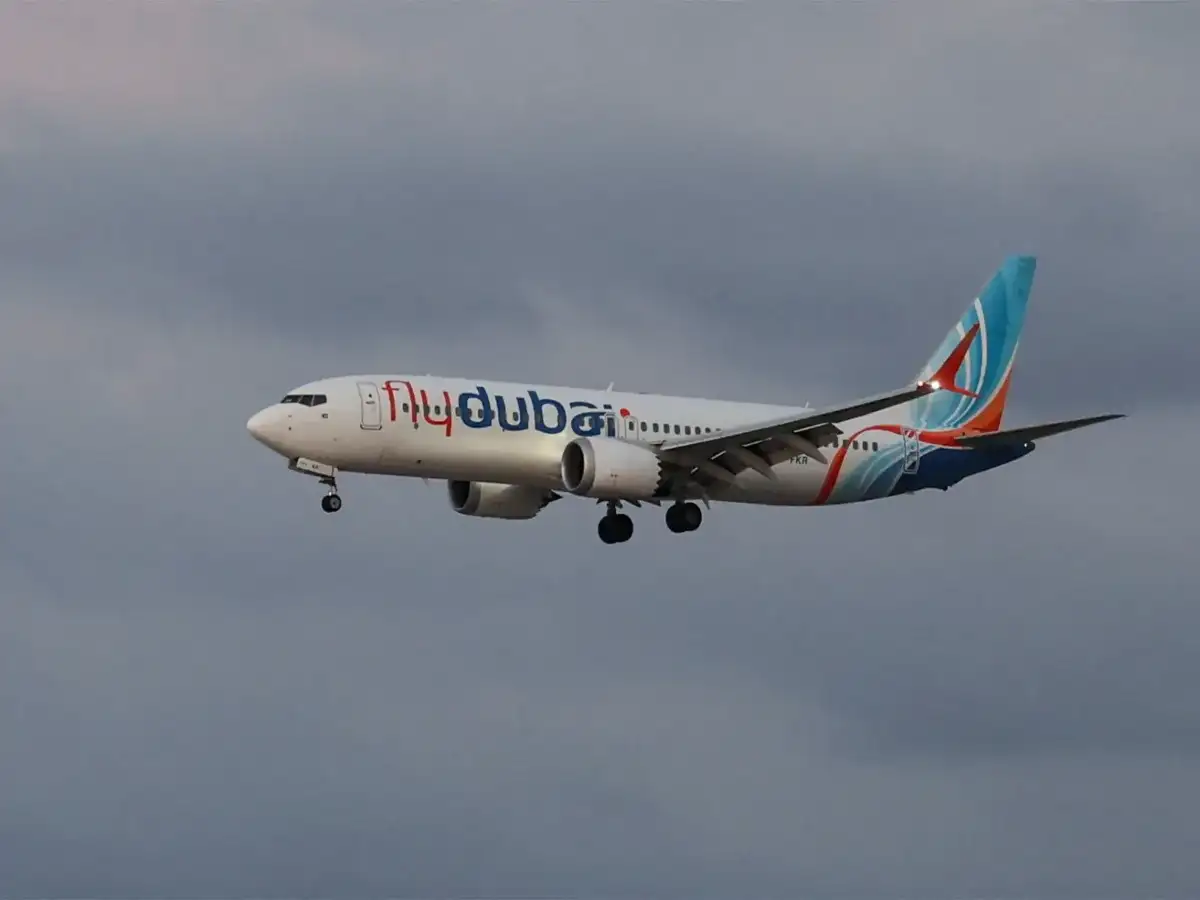
flydubai cockpit attack: Saudi Arabia hands over co-pilot to UAE as investigators probe midair stabbing incident
Saudi Arabia has handed over the Omani flydubai co-pilot accused of stabbing Captain Smit Machchhar and attempting to crash Flight FZ1073 to the UAE. The Dubai-Tel Aviv flight made an emergency landing in Tabuk after plunging thousands of feet. Investigators are probing the motive, possible terrorism links and an alleged Iran connection as Netanyahu and Trump weigh in.

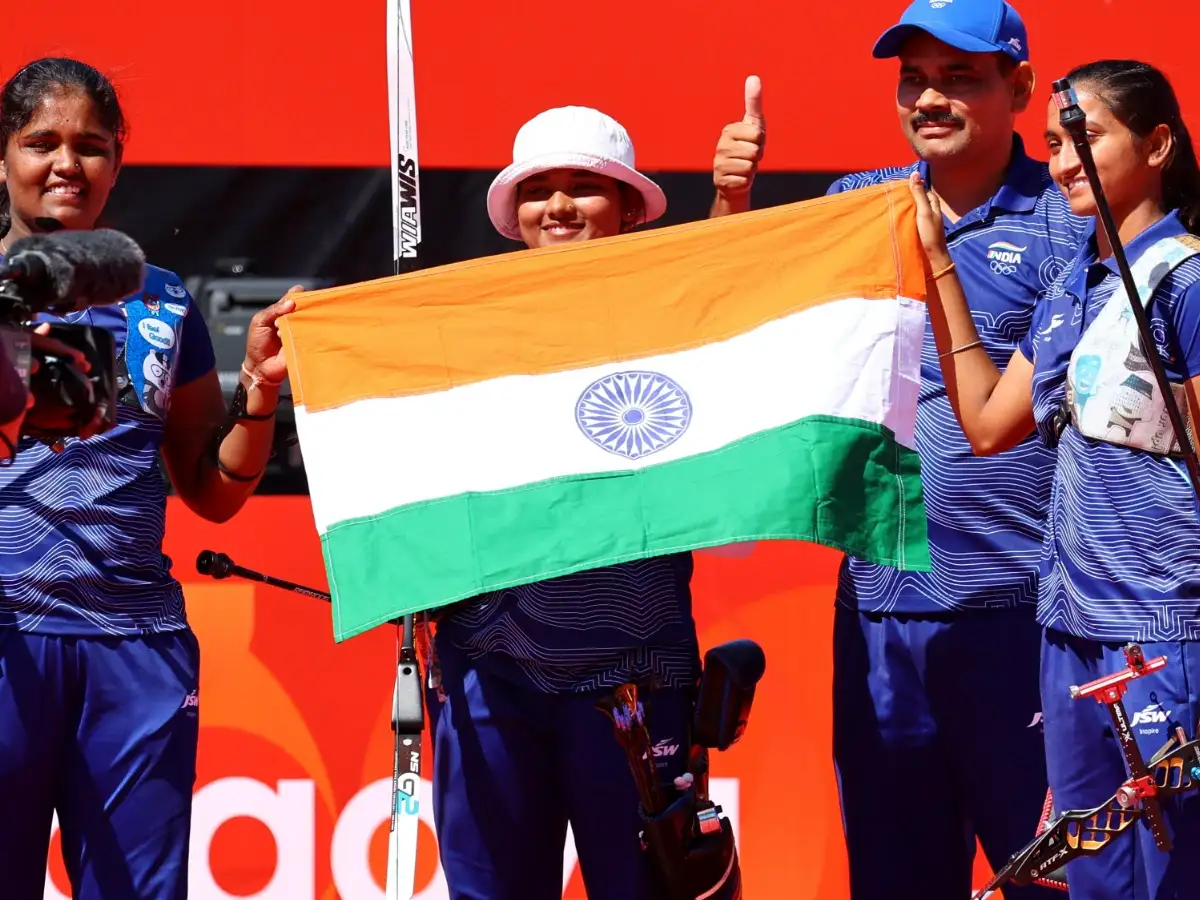
India beat world champions South Korea to win maiden Asian Games recurve gold
India's women's recurve archery team secured its first Asian Games gold by defeating South Korea in the final. The Indian team included Ankita Bhakat, Kirti Sharma, and Kumkum Mohod, showcasing exceptional skill during the match. After the first two sets ended in a tie, India took the lead in the third set. The final set also ended in a tie, confirming India’s victory.
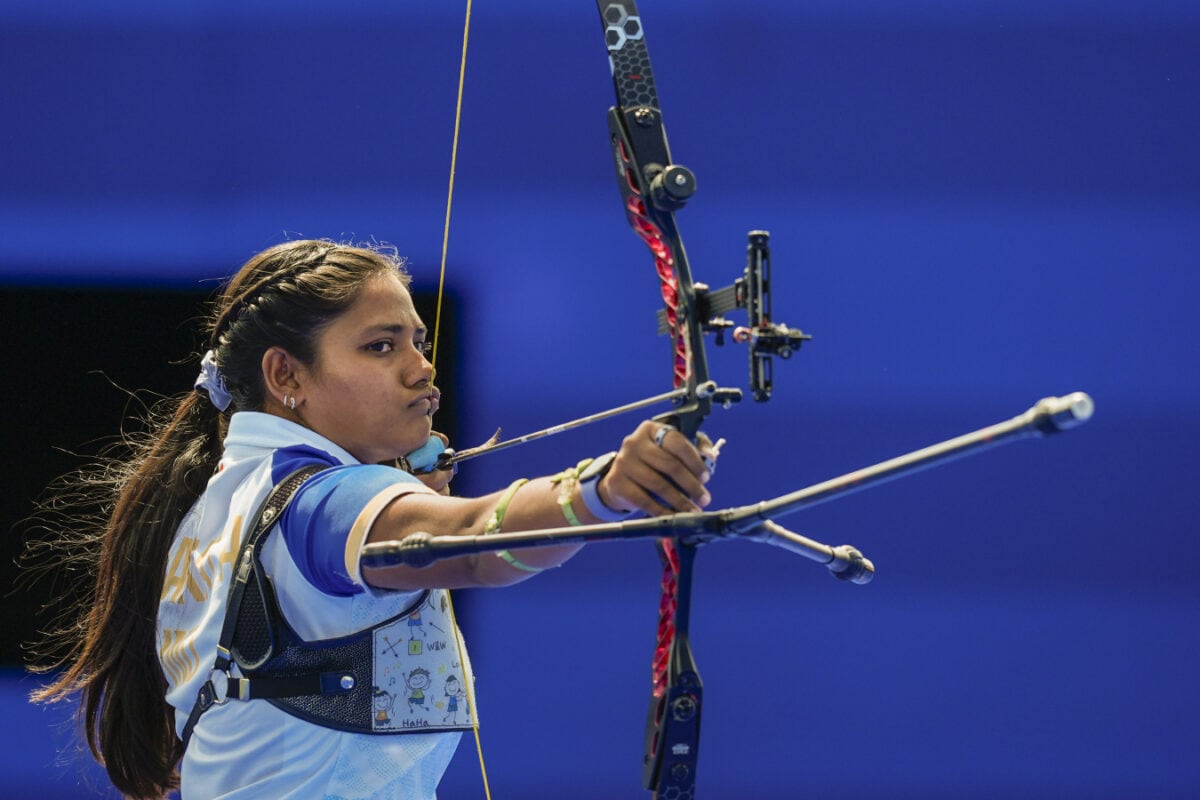
Asian Games 2026: India Win Historic Gold Medal In Women's Team Recurve Archery
India's day has started with a historic gold medal in women's team recurve archery.


Brazil land in Kolkata for much-anticipated India friendly at Salt Lake Stadium
Brazil's national football team has arrived in Kolkata for an upcoming friendly match against India. The match is scheduled to take place at Salt Lake Stadium on October 3, marking a significant event in Indian football history. Advanced security arrangements are being implemented to prevent issues such as ticket black marketing. The West Bengal government is also upgrading infrastructure, aiming for a World Cup-like experience.
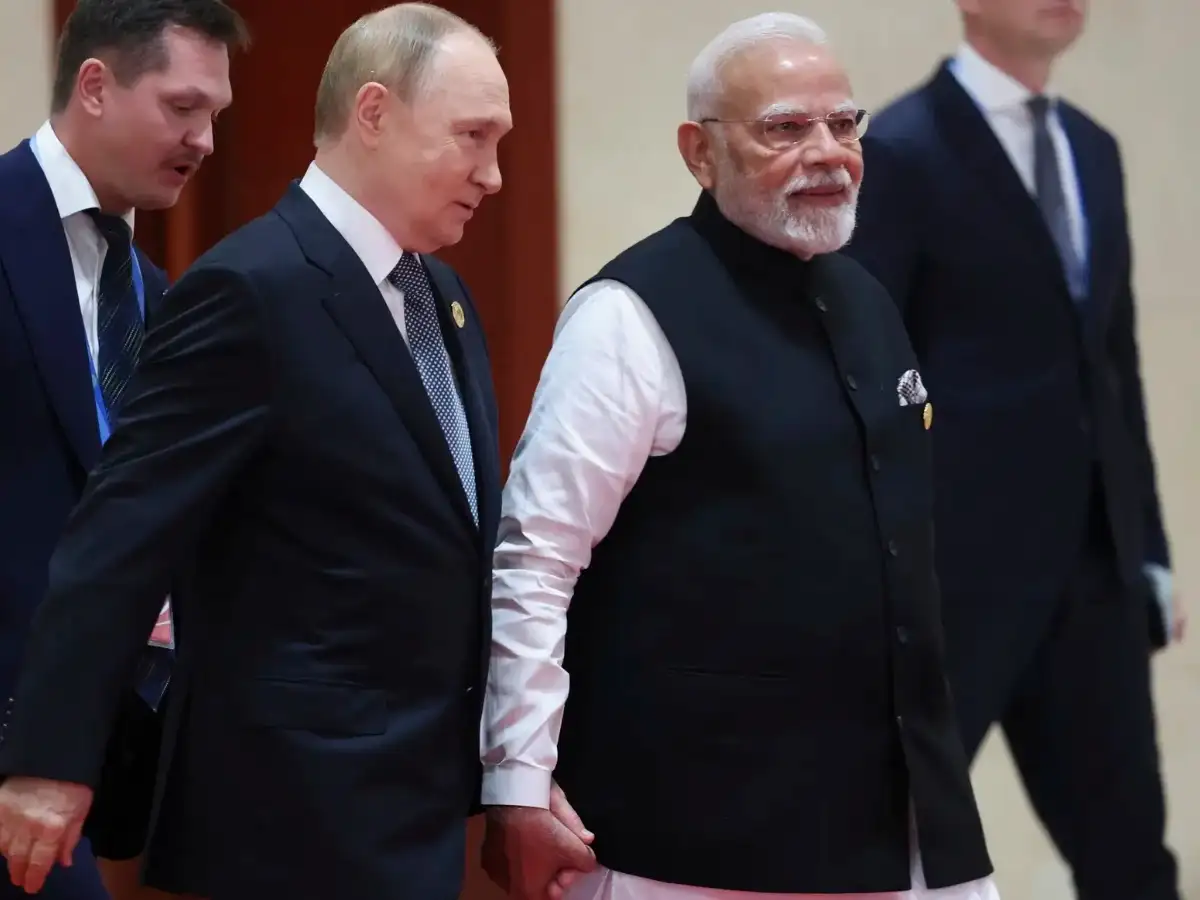
Putin praises Modi’s ‘good ideas’ for peaceful resolution of Ukraine conflict
Vladimir Putin acknowledged Narendra Modi's commitment to ending the Ukraine conflict and praised his ideas for resolution. Modi has maintained a humanitarian stance while advocating for dialogue to achieve peace. The Russian President expressed gratitude for Modi's ongoing support to resolve the situation. Both leaders have discussed enhanced cooperation in various sectors during their recent meetings. Modi indicated India's willingness to aid in meaningful peace efforts between the involved parties.
Putin praises Modi’s ‘good ideas’ for peaceful resolution of Ukraine conflict
Vladimir Putin acknowledged Narendra Modi's commitment to ending the Ukraine conflict and praised his ideas for resolution. Modi has maintained a humanitarian stance while advocating for dialogue to achieve peace. The Russian President expressed gratitude for Modi's ongoing support to resolve the situation. Both leaders have discussed enhanced cooperation in various sectors during their recent meetings. Modi indicated India's willingness to aid in meaningful peace efforts between the involved parties.
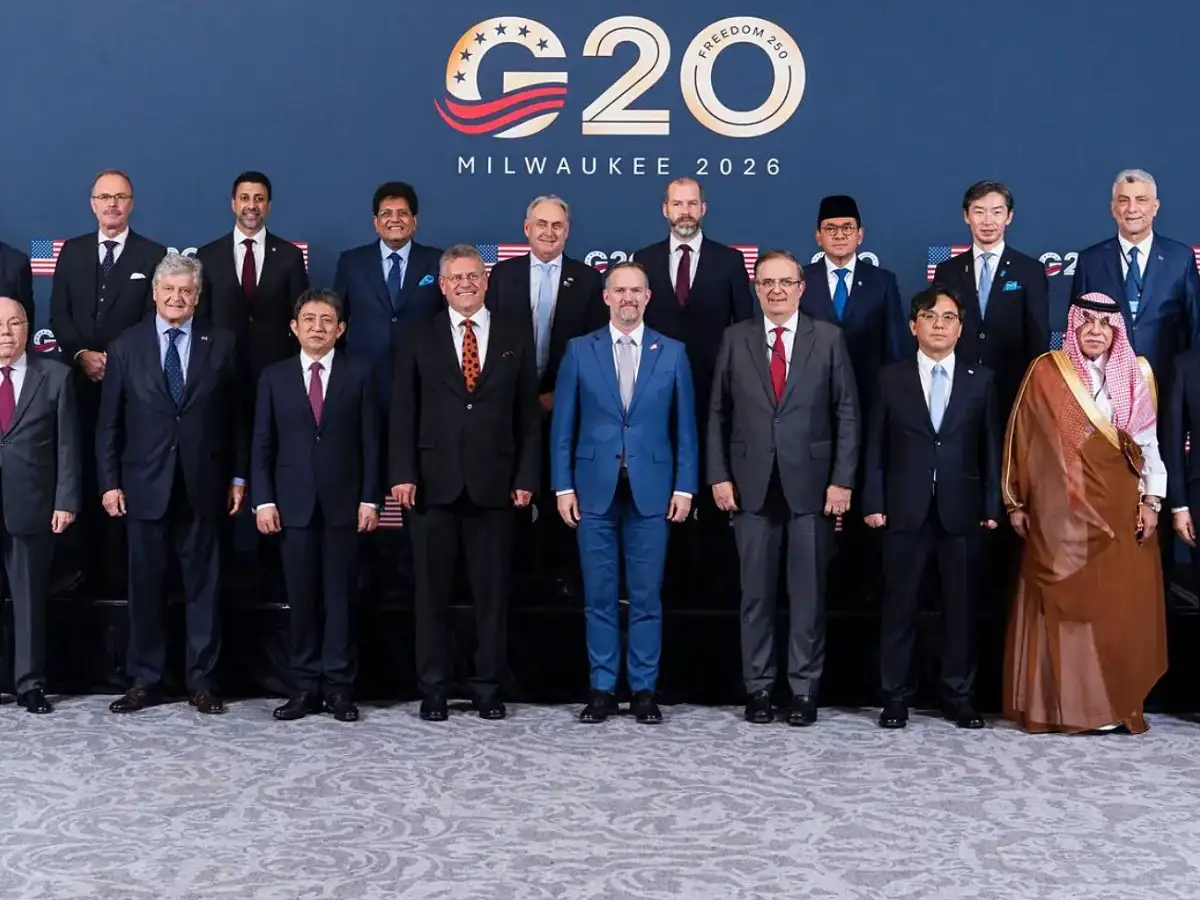
G20 trade ministers deadlock on excess capacity, forced labour as US seeks tougher rules
G20 trade ministers met in Milwaukee but failed to reach an agreement on overproduction of goods. The Trump administration accused various countries, especially China, of flooding markets, affecting competition. Tensions between the US and Canada escalated after new tariffs were imposed, raising concerns about trade relations. Discussions on forced labor also did not lead to a consensus among the participating countries.