
Asia Today: India's virus cases now 4th highest in world

Jun 12, 2020
India’s coronavirus caseload is now the fourth-largest in the world, overtaking Britain
NEW DELHI (AP) — India’s coronavirus caseload has become the fourth-largest in the world, overtaking Britain, by adding 10,956 new cases in yet another biggest single-day spike.
India's two-month lockdown kept transmissions low but in a large population of 1.3 billion, people remain susceptible and the campaign against the virus is likely to go on for months, said Balram Bhargava, director-general of the Indian Council of Medical Research.
India's lockdown was imposed nationwide in late March but has eased since, and it is now largely being enforced in high-risk areas. The spiking caseload came after India allowed the reopening of shops, shopping malls, factories and religious places.
Subways, schools, colleges and cinemas, however, remain shuttered nationwide.
The increase reported Friday raised India's total cases to 297,535, including 8,498 deaths, according to the Health Ministry. The death toll increased 396 in the past 24 hours.
India's number of confirmed cases is behind only the United States, Brazil and Russia.
Mumbai, New Delhi and Chennai are the worst-hit cities in the country, and Bhargava said urban residents have a greater chance of contracting the virus. Infections in rural areas have surged, however, after migrant workers who left cities and towns after they lost jobs returned to their hometowns.
In other developments in the Asia-Pacific region:
— MORE JAPAN ECONOMIC MEASURES: Japan’s parliament approved more money to soften the economic blow from the pandemic. The 32 trillion yen ($300 billion) second supplementary budget includes support for small businesses, including programs to finance their rents and adjust employment. It also has funding for dealing with future waves of infections and developing vaccines and treatments for COVID-19. Japan’s economy, the world’s third largest, slipped into recession in the last quarter. Business activity has slowly resumed after a state of emergency was lifted in late May. The country has confirmed 17,332 cases and 922 deaths as of Thursday.
— SCHOOL OPENING SUSPENDED IN BEIJING: China’s capital is suspending plans to restart classes for the first three years of elementary school next week amid reports of new cases of local transmission in the city. Beijing’s municipal government said it wants to ensure the health and safety of students and teachers. Local authorities announced on Thursday a 52-year-old man had become the city’s first confirmed case of local transmission in weeks after he arrived at a clinic complaining of fever. The official Xinhua News Agency said two other cases of COVID-19 were confirmed in Beijing on Friday. The man whose diagnosis was announced Thursday had reportedly visited a market on June 3. The hall where he shopped has now been closed for disinfection, state media reported. It wasn’t clear if there was a connection between the three new cases.
— THAILAND LOOSENS RESTRICTIONS: Thailand has announced a further easing of restrictions that were imposed to fight the spread of the coronavirus, including allowing some schools to reopen and scrapping a curfew. The new measures, which take effect Monday, follow more than six weeks in which the daily increase in COVID-19 cases was usually less than 10, and almost all new infections originated abroad. Restaurants will no longer be banned from serving alcohol, though bars remain shut. International flights remain suspended until the end of the month while the government considers how to gradually reopen the tourism sector, a major pillar of the economy.
— RESURGENCE IN SEOUL: South Korea’s top infectious disease expert has raised alarm over the speed of coronavirus transmissions in the densely populated capital area, where around 30 to 50 new infections have been reported each day since late May. Jung Eun-kyeong, director of the Korea Centers for Disease Control and Prevention, said the average infectiousness of virus carriers in the Seoul metropolitan area was about three times higher than in the rest of the country. She said a measure of the number of infections caused by a sick individual in the capital area reached as high as 1.7 or 1.8 in recent weeks. Any number above 1 indicates a growing epidemic. She pleaded with Seoul residents to stay home over the weekend, saying there is “high concern” that increased public activity will lead to a massive circulation of the virus. Health workers have struggled to trace hundreds of infections linked to e-commerce workers, church gatherings, elderly door-to-door sellers and clubgoers.
— FOREIGN STUDENTS IN AUSTRALIA: Prime Minister Scott Morrison said international students will be allowed to begin returning to Australia in July as states reopen their borders. Morrison said he expected all state borders to reopen in July, with the possible exception of Western Australia. He said states could only welcome back international students if they opened their borders to interstate travel as well. International students have been Australia’s most lucrative industry after mining, with China the largest source of foreign students. China this week warned its citizens of the risk of pandemic-related racism in Australia, which Foreign Minister Marise Payne called “disinformation.”
—- CHINA GIVES PHILIPPINES VACCINE ASSURANCE: President Rodrigo Duterte has been promised by his Chinese counterpart that the Philippines “as a friendly neighbor” will be prioritized when China is able to develop a vaccine against the coronavirus. Presidential spokesman Harry Roque said Friday that Duterte got the assurance from Chinese leader Xi Jinping in a late Thursday telephone call. Roque said Xi assured Duterte of “his country’s commitment to make the vaccine available for all, adding that the Philippines, as a friendly neighbor, would certainly be a priority.”
— MALDIVES LOOSENS RESTRICTIONS: Maldives will relax more coronavirus restrictions on Monday to allow people to leave their homes during daytime. People will be able to go out without permits from 5 a.m to 10 p.m. Parks and public spaces will also be reopened, and workouts will be allowed for three hours every evening. Shops will reopen and restaurants will be able to sell food for delivery or takeaway. Previously, each family received three passes, each permitting one person two hours outside each week. The government plans to reopen schools, government offices, mosques, international travel, gyms and dine-in restaurants next month. Maldives has reported 1,976 COVID-19 cases, including eight deaths.
MORE NEWS

Asian Games 2026 Hockey: India cannot afford silly mistakes against Pakistan, says Harmanpreet after fiery semifinal
The Indian hockey team advanced to the Asian Games final in a thrilling semifinal match against Pakistan. After leading with a solid 3-0 score, tensions rose when Pakistan managed to draw level. Harmanpreet Singh highlighted the significance of staying composed during intense moments. The squad recognized the urgent need to strengthen their defensive strategies, especially when facing tough challenges, as they gear up for the impending final matchup.
In 1996, Tim Draper bought Hotmail shares for $300,000. 2 years later, Microsoft acquired the startup for $400 million
Microsoft announced the Hotmail acquisition on December 31, 1997. It did not reveal how much it paid for the company. A later securities filing provided more detail. Hotmail’s owners received 2,769,148 Microsoft shares in the deal. Wired estimated those shares were worth about $400 million at the time.
October 2026 rule changes: No PUC, no fuel, higher Mumbai tolls, UPI charges and 4 more updates
October 2026 brings seven rule and policy changes that could affect motorists, businesses and consumers across India. The updates include Delhi’s no-PUC, no-fuel rule, higher toll rates for commercial vehicles entering Mumbai, UPI charges on certain merchant payments, revised ATM limits for some bank customers, Aadhaar authentication for subsidised LPG and new NPS charges.

Johnnie Walker parent Diageo defeats false-labelling lawsuit over ‘100% agave’ tequilas
Diageo has been cleared of allegations claiming that its Casamigos and Don Julio tequilas were falsely labeled. A federal judge found insufficient evidence to support claims of consumer deception in the labeling. Plaintiffs argued that they would have chosen different products had they known the truth about the tequila labels. The ruling may be reconsidered according to the plaintiffs' attorney statements following the decision.

Sean Diddy Combs living like a king behind bars? Reports emerge about his pampered life in jail
Sean 'Diddy' Combs is currently serving a 50-month sentence in Fort Dix federal prison, New Jersey. Reports suggest he pays fellow inmates for services such as cooking, cleaning, and even massages, allowing him to maintain a surprisingly comfortable lifestyle. Despite confinement, sources state he has managed to acquire contraband phones, alcohol, and antidepressants, spending significant sums each month on luxury services.
Days after Moscow warns NATO of nuclear attack, Russian strategist warns there will be ‘little left’ of Europe amid World War III threat
After Russia warned NATO that it could use nuclear weapons if the alliance tried to isolate Kaliningrad, Russian foreign policy strategist Sergei Karaganov issued another stark warning. Karaganov said Moscow could initially use conventional weapons but would “go nuclear” if European countries continued backing Ukraine and refused to surrender, warning there would be “little left” of some European countries.


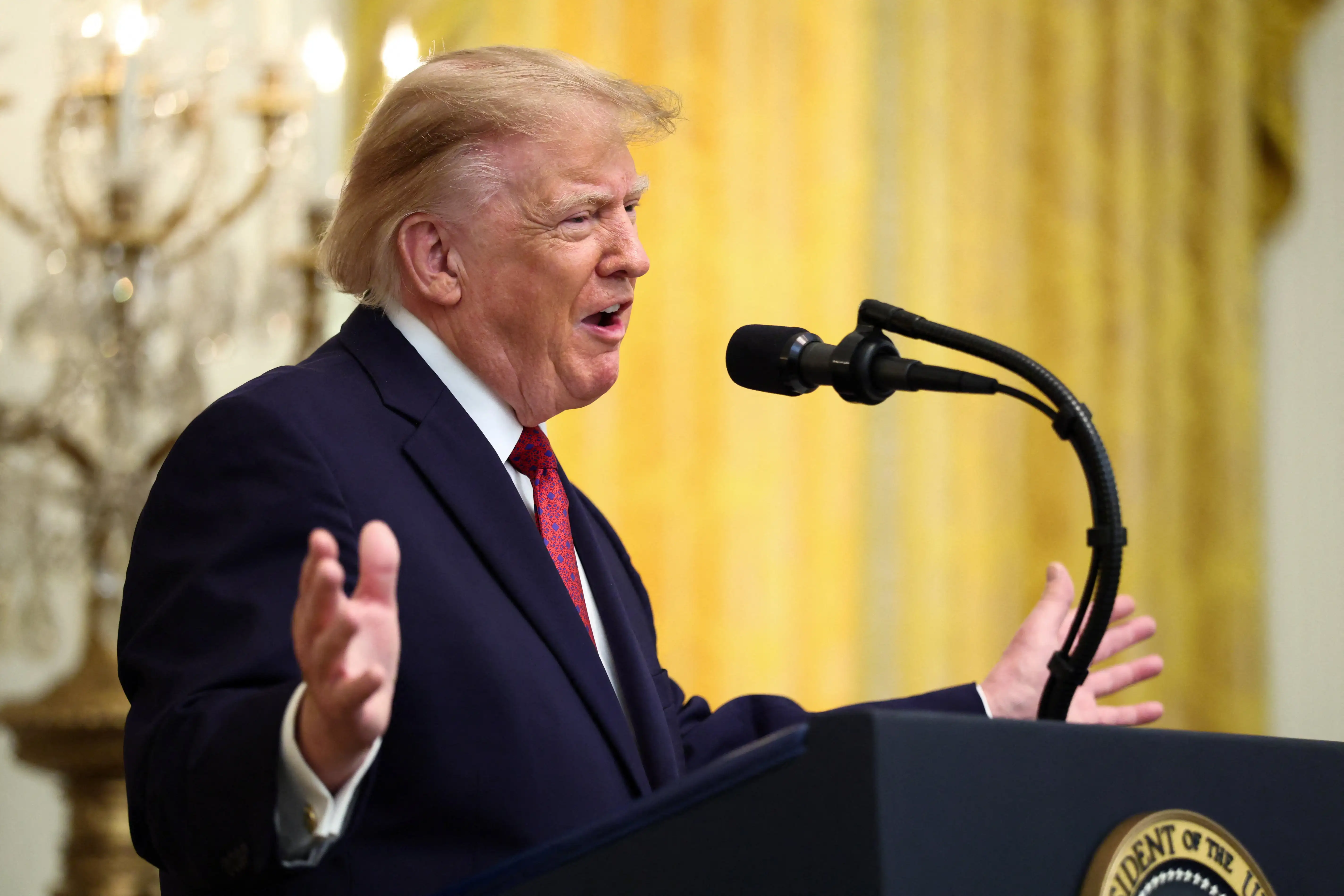
Warning signs multiply for Trump just a month before the midterms
The Republican Party is entering a challenging political environment as midterm elections approach. Issues related to tariffs and the Iran war are causing economic concerns among voters. Recent polling reveals low approval ratings for Trump's handling of the economy and cost of living. Early voting data indicates stronger Democratic participation compared to previous elections. Republican candidates may struggle to distance themselves from Trump while addressing economic dissatisfaction.
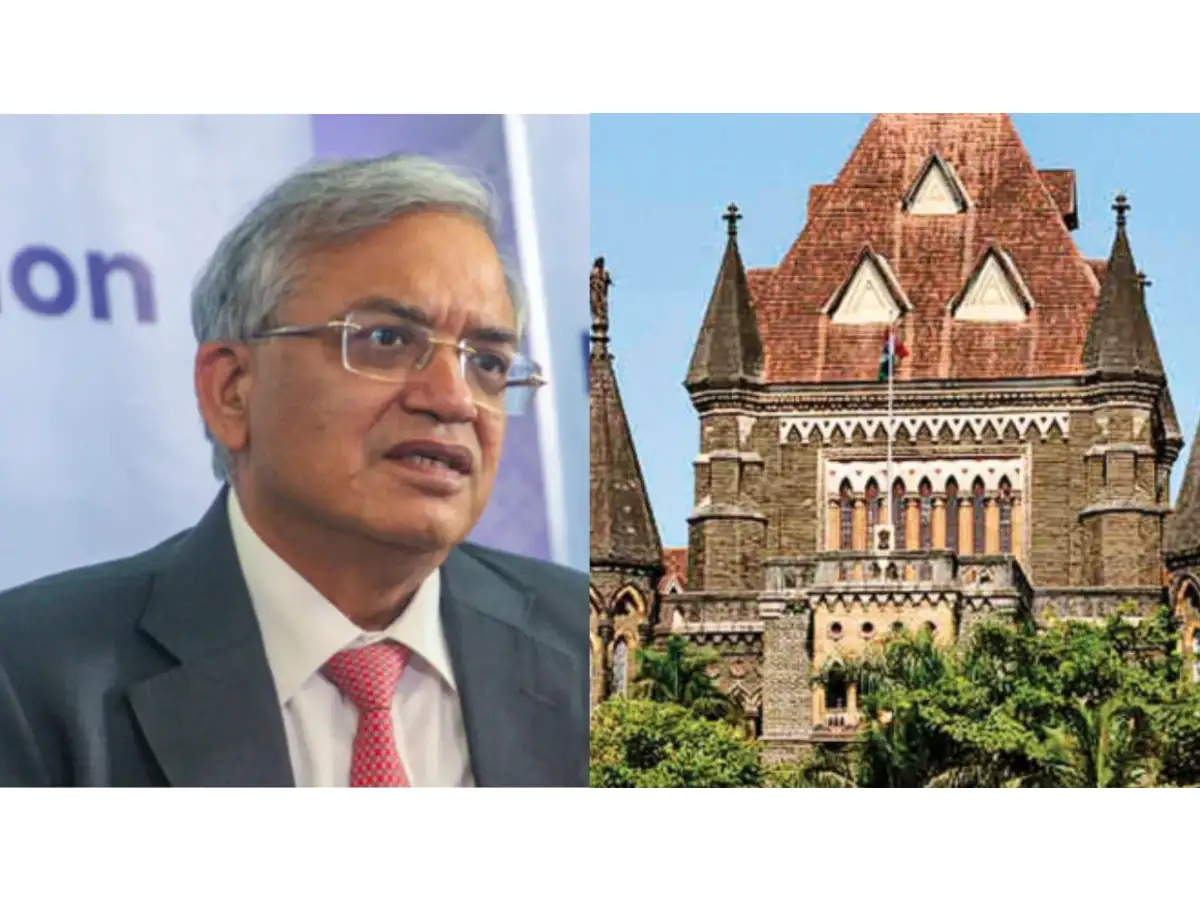
Primary mandate of ECI to ensure citizens vote, says Bombay HC; 'people too can question SIR ordered after decades'
The Bombay High Court questioned the Election Commission's actions regarding the deletion of voter names. The court emphasized the need for continuous updates to electoral rolls instead of abrupt rejections. Citizens should have their applications kept in abeyance rather than outright rejected during the Special Intensive Revision process.
Primary mandate of ECI to ensure citizens vote, says Bombay HC; 'people too can question SIR ordered after decades'
The Bombay High Court questioned the Election Commission's actions regarding the deletion of voter names. The court emphasized the need for continuous updates to electoral rolls instead of abrupt rejections. Citizens should have their applications kept in abeyance rather than outright rejected during the Special Intensive Revision process.