
AP PHOTOS: Painter-caste Nepal couple tries saving dying art
Aug 28, 2019
AP PHOTOS: A Chitrakar couple in Nepal is struggling to keep alive the dying traditional art of painting Hindu gods
KATHMANDU, Nepal — Chitrakar families in the Nepalese capital of Kathmandu were renowned traditional painters and sculptors who depicted gods and goddesses on temples, masks of Hindu deities and posters for various religious celebrations.
The art and tradition, however, is dying because of mass machine printed posters and card-size pictures of gods that are cheaper and more popular. There are just 10 or fewer families now painting in this style, which is denoted by its vivid palette of plant-based paints. New generations of Chitrakars are going into other professions, or leaving Nepal for work or education abroad.
For Chitrakar couple Tej Kumari and Purna, who have been following the tradition at their home in Bhaktapur, a suburb of Kathmandu, it is a struggle to keep the dying art alive against the modern mass produced prints.
The Chitrakars were given their title, which became their family name, by 14th century King Jayasthiti Malla. Malla classified the Newar ethnic group of Kathmandu under a caste system according to occupations passed down from generation to generation, with different families taking on roles as priests, artisans, fishermen, cleaners, farmers, traders and many more. With this, higher and lower castes were also formed.
Nepal history and culture expert Satya Mohan Joshi said there were positive and negative aspects of this system back then.
"The bad thing was it created a basis for discrimination. The good thing was it created expertise in each sector," he said, allowing the Chitrakar's distinct painting style to continue and flourish.
"Even if the painter's son, a Chitrakar, wanted to do the coppersmith job of a Tamrakar, they weren't able to," he said, referring to another Hindu ethnic group. "It is still the same now. But passing these skills on to people from different castes and backgrounds who want to learn the craft could save these traditions."
Tej Kumari and Purna learned how to paint in the Chitrakar style from their fathers and grandfathers, knowledge passed down over generations. However, they are not sure if the next generation will continue the tradition. Their two sons work in business but their third son is showing some interest in learning the trade.
While painting snake gods for the Hindu festival of Naag Pancahami, Tej Kumari recalls days when she would make thousands of posters for people to paste on their doors in August. This year she made only about 50.
She said machine printed ones have gained popularity, leading to a drastic reduction in the number of customers. Many of the older generation who appreciated the art form have died.
"It is a craft I have known and practiced for ages," she said. "If anyone in Nepal would like to learn it and keep the culture alive, I would happily teach them."
MORE NEWS
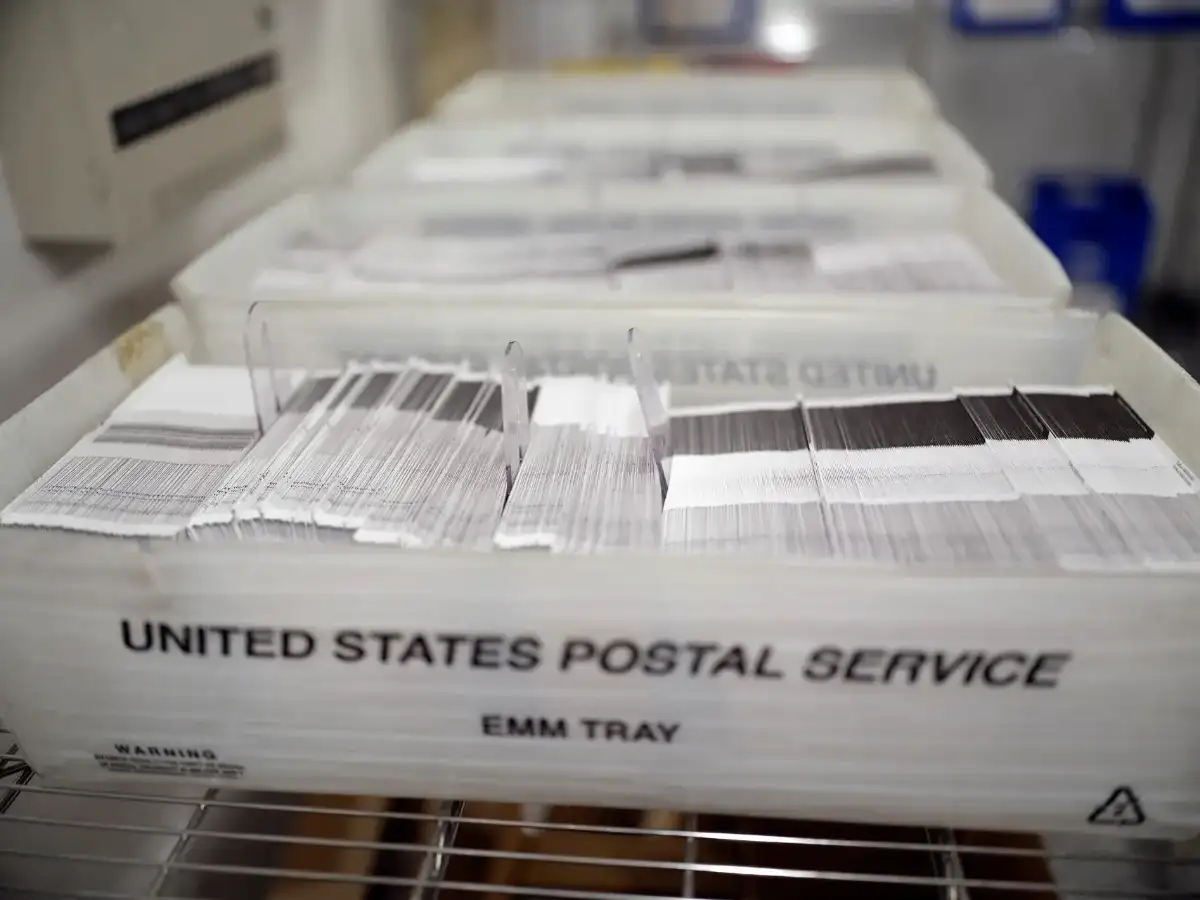
US Postal Service to take extra steps to ensure ballot deliveries
US Postal Service plans to implement several measures to facilitate ballot delivery for the upcoming elections. Starting October 4, some retail branches will extend hours for ballot handling and processing. The agency will use expedited services to ensure timely delivery of completed ballots, particularly through its Priority Mail Express network.

In 2017, Google researchers published “Attention Is All You Need”; they were solving translation, but accidentally laid the foundation for today’s AI age
Google Translate once struggled with long sentences because its software processed language one word at a time. This sequential reading approach created severe computational bottlenecks, slowing down translation and causing models to lose context by the time they reached the end of a paragraph. Computer scientists solved this limitation by abandoning step-by-step reading entirely. Their Transformer architecture analyzed full blocks of text simultaneously using self-attention.

‘Productivity growth in consumer services is powering India’s rise’
Dani Rodrik highlights the relationship between ending poverty, boosting the global middle class, and addressing climate change. He emphasizes the importance of transitioning from manufacturing to services in the global economy. As digital technologies evolve, they enhance productivity in services and create equitable opportunities. The decline of the middle class threatens democracy, leading to political instability in many countries.

Bypolls: CPI (M), backing TVK-led regime from outside, alleges 'cash for votes' by Vijay's party
CPI(M) State Secretary P Shanmugam has raised serious allegations against the ruling party TVK, claiming they are engaging in monetary inducements to sway voters ahead of the upcoming bypolls. He contended that while the TVK is known for cash-for-votes schemes, his party focuses solely on distributing informative pamphlets without resorting to bribery.


Who were the sailors who survived 18 hours after sperm whales sank their yacht
A yacht with four crew members sank in the South Pacific after colliding with a whale around 250 nautical miles north of Norfolk Island. The 51-foot Tai Tam suffered severe hull and steering damage and started taking on water. The crew activated an emergency beacon, declared a mayday and worked for hours to control the flooding before abandoning the vessel for a life raft.


Trump says latest Iran peace offer not enough, may resume bombing, and other Mideast developments
US President Donald Trump has suggested that following the elections, he might escalate military actions against Iran. In Yemen, clashes have intensified between Iran-aligned Houthi rebels and government forces surrounding Taiz City. Trump also commented on reports that Israeli Prime Minister Benjamin Netanyahu received advance notice of a Hamas attack.

Samsung Galaxy S27 price may rise next year, leak points to higher costs for 512GB and 1TB models. Check all updates
Samsung Galaxy S27 could be more expensive next year, with a Korean tipster claiming a price increase of up to more than 130,000 won in the South Korean market. Higher-storage variants may see larger increases as memory costs rise. The potential hike has also raised questions over Indian pricing, especially after Samsung increased Galaxy S26 prices in the country.

India and Pakistan to clash in pool phase at 2027 Cricket World Cup
India and Pakistan have been drawn in the same group for the upcoming 2027 Cricket World Cup. Their match is scheduled for October 10 at The Wanderers in Johannesburg. India will also face Australia in their pool in a repeat of the 2023 final, opening the second stage. Co-hosts South Africa are in Group B, competing against England and New Zealand, among others.

Canada minimum wage 2026: Five provinces increase hourly rates, workers say it's not enough
On October 1, 2026, five provinces in Canada took a significant step by raising their minimum wages. Ontario's wage rose to $17.95 an hour, aligning with similar increases across other provinces. However, Alberta's wage remained stagnant at $15, the lowest in the country. Workers highlight that these new rates may not suffice to meet basic living expenses, emphasizing the need for higher wages to enhance affordability and bolster local economies.