
AP PHOTOS: Life in a madrassa as Afghanistan enters new era
Oct 2, 2021
Attention is turning to the future of education in Afghanistan under Taliban rule, with calls among urban educated Afghans and the international community for equal access to education for girls and women
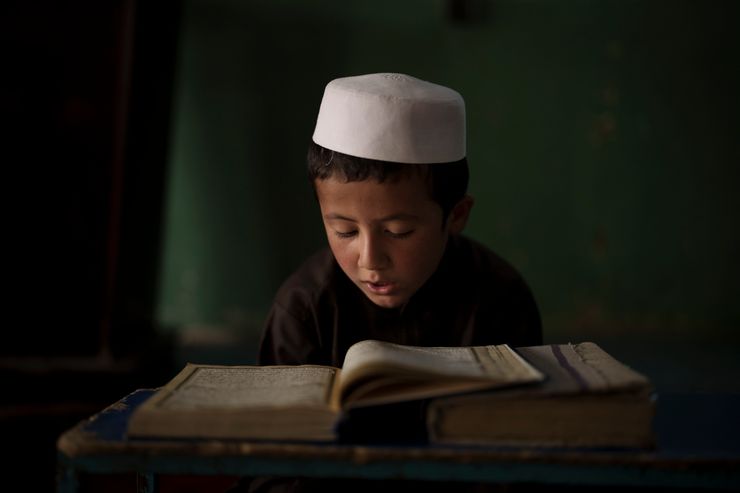
KABUL, Afghanistan (AP) — In a school in a remote corner of the Afghan capital, a cacophony of children’s voices recite Islam’s holiest book.
Sunshine streams through the windows of the Khatamul Anbiya madrassa, where a dozen young boys sit in a circle under the tutelage of their teacher, Ismatullah Mudaqiq.
The students are awake by 4:30 a.m. and start the day with prayers. They spend class time memorizing the Quran, chanting verses until the words are ingrained. At any moment, Mudaqiq might test them by asking that a verse be recited from memory.
Attention is turning to the future of education in Afghanistan under Taliban rule, with calls among urban educated Afghans and the international community for equal access to education for girls and women. The madrassas — Islamic religious schools for elementary and higher learning, attended only by boys — represent another segment of Afghan society, poorer and more conservative.
And they too are uncertain what the future will hold under the Taliban.
Most of the students hail from poor families. For them, madrassas are an important institution; it is sometimes the only way for their children to get an education, and the children are also sheltered, fed and clothed. At night they lie on thin mattresses, preferring the ground over rickety bunk-beds, until sleep comes. Like most institutions in Afghanistan, madrassas have struggled in the decline of the country’s economy, which has accelerated since the Taliban takeover on Aug. 15.
The Taliban — which means “students” — originally emerged in the 1990s in part from among the students of hard-line madrassas in neighboring Pakistan. Over the past two decades, madrassas in Afghanistan have steered clear of militant ideologies, under the eye of the U.S.-backed government fighting the Taliban. Now that government is gone.
Staff at Khatamul Anbiya were cautious when asked if they hoped for greater support from the new Taliban rulers.
“Regardless, with or without the Taliban, madrassas are very important,” explained Mudaqiq. “Without them, people will forget their religious sources … The madrassa should always be there no matter what government is present. It doesn’t matter the cost, it should be kept alive.”
Historically, the Afghan government has lacked the resources to provide education in rural areas, enabling madrassas to grow in influence. The madrassa system has been kept alive largely through community-driven efforts; most of its funding comes from private sources. But with financial shortfalls as a result of U.S. sanctions and freezes from international monetary institutions, public salaries have not been paid. Madrassas are not seeing the same funding they used to.
The young boys who grow up in the madrassa system can qualify to become religious scholars and experts. The schools usually teach a conservative interpretation of Islam and have been criticized for an overreliance on rote-learning over critical thinking.
But for some, the system is just a way to get basic education and stay fed.
Between religious study the young men convene in large seating areas for a meal of bread and hot tea. Before sunset, they play marbles until it’s prayer time — the last before nightfall.
___
This story has been corrected to show the date of the Taliban takeover as August 15, not October 15.
MORE NEWS

Asian Games 2026 Live Updates, Day 13: Ganesh Wins Individual Archery Bronze
India at the Asian Games 2026 Live: Follow all the latest updates, scores and latest medals tally as India competes across various events on Day 13 in Japan.

Is Christa Pike still alive? US death row inmate in hospital after heart kept beating through two lethal injections
Tennessee death row inmate Christa Pike was executed but complications arose following two lethal injections administered. Her legal team argued that she did not receive proper medical care during the execution process. A judge confirmed that medical staff had begun providing emergency care, indicating serious issues with the procedure. Pike, convicted of murder in 1996, has consistently maintained her mental health issues were a factor in her actions.
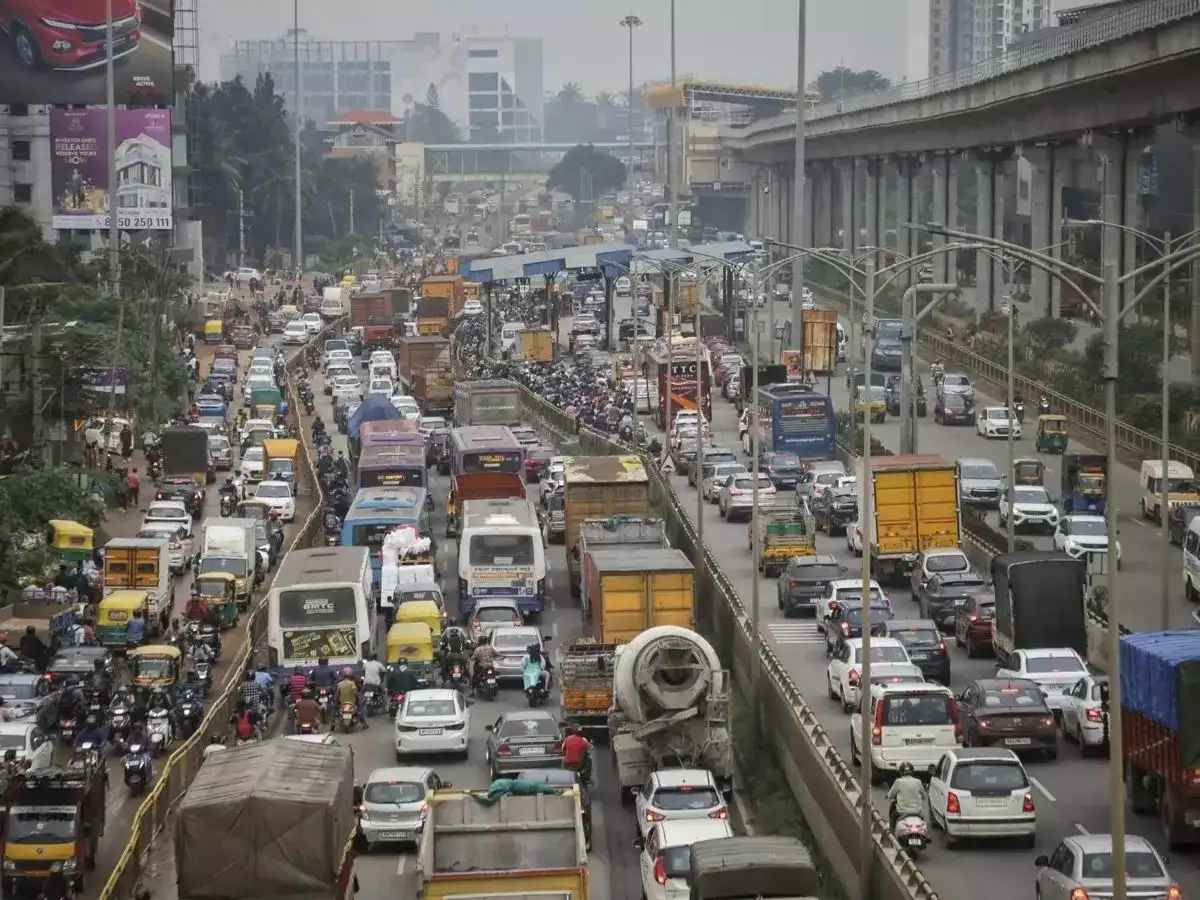
Bengaluru traffic rules may get stricter: Govt mulls Rs 5,000 fine for one-way driving and other offences, licence suspension through penalty-point system and a carpooling rule
Bengaluru traffic news: Karnataka government is considering raising fines for traffic violations to tackle habitual offenders effectively. Proposed penalties for offences could reach Rs 5,000 for repeated violations, while first-time offences will incur lower fines. Additionally, measures to integrate traffic systems are being discussed for better accountability of motorists. The government is exploring regulations on half-helmets and promoting carpooling to alleviate traffic congestion.


Captain Smit Machchhar is ‘true hero’: Netanyahu hails pilot after flydubai mid-air attack
Israeli Prime Minister Benjamin Netanyahu recognized Captain Smit Machchhar for his bravery during a cockpit attack on a flydubai flight. Machchhar was injured but managed to unlock the cockpit door, allowing others to intervene. The incident occurred as the aircraft descended dangerously after being attacked by the co-pilot. Passengers and crew worked together to stabilize the aircraft and ensure a safe landing.

Tata Trusts vice chairmen Vijay Singh, Venu Srinivasan inform trustees in letter they weren’t consulted on Tata Sons reorganisation
A fresh rift has emerged within Tata Trusts over Tata Sons’ proposed reorganisation, with Sir Dorabji Tata Trust vice chairmen Venu Srinivasan and Vijay Singh saying they were not consulted before a letter supporting the plan was sent to Tata Sons. The trustees questioned the process, governance implications and whether the communication represented the collective position of the trust.

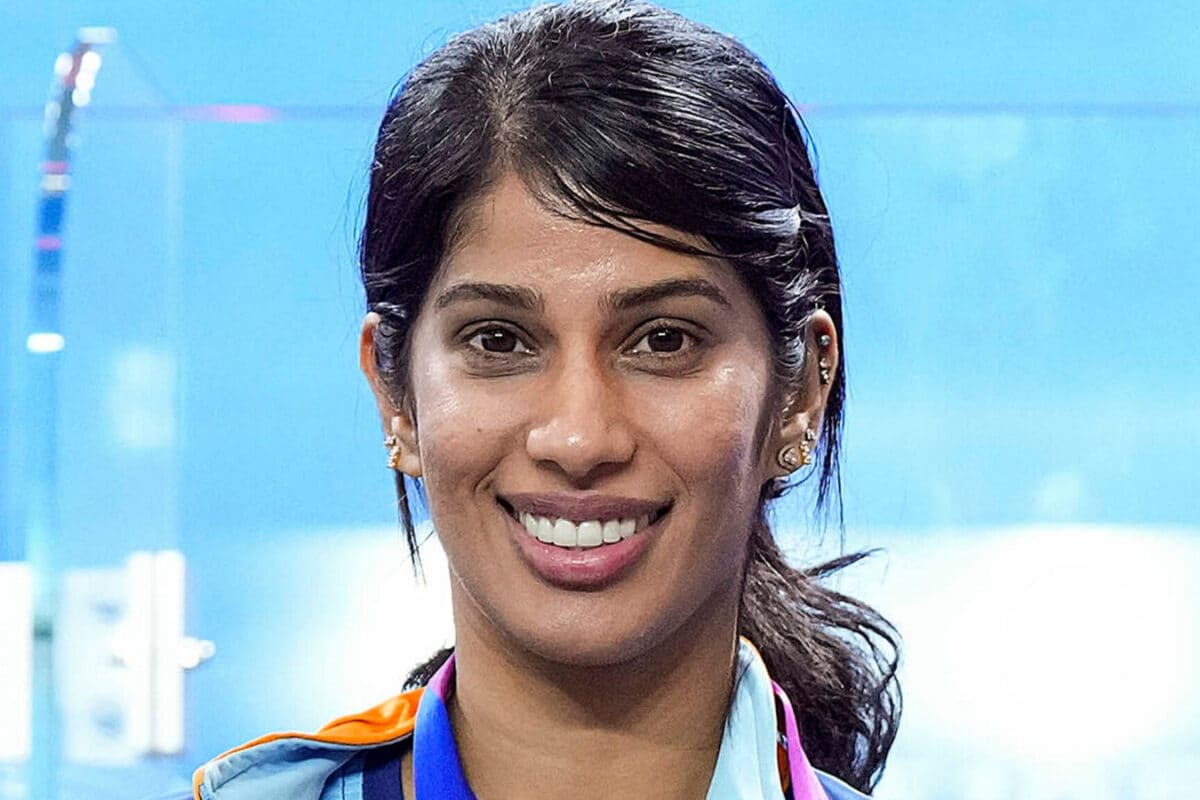
Asian Games 2026: Indian Women's Team Wins Bronze Medal After Losing 1-2 To Hong Kong
India's women's squash team won bronze at the Asian Games after losing 1-2 to Hong Kong in the semifinals.

US sees Chinese invasion of Taiwan unlikely next year despite 2027 timeline, sources say
US officials believe a Chinese Invasion of Taiwan before 2028 is increasingly improbable despite Chinese President Xi Jinping's direction to his military to be ready for an invasion of Taiwan by 2027. The reasons include the delay in military readiness, the Chinese Communist Party's anti-corruption campaign and the awaited Taiwanese 2028 elections. US officials say that China hopes to bring in a government more amenable to bringing the island under Chinese control.

WhatsApp changes for parents: New controls let you track teen group activity, manage privacy settings & limit Meta AI, without seeing chats
WhatsApp web: WhatsApp has introduced optional parental controls for teenagers, giving parents more control over privacy settings, group activity, Channels and Meta AI. The new features allow parents to set boundaries while keeping teens’ personal messages and calls protected by end-to-end encryption. WhatsApp said the controls will be rolled out gradually and can be changed or disabled at any time.

Asian Games: India's Manu Francis And Kurisinkal Noble Win Men's Skiff Silver In Sailing
Manu Francis and Kurisinkal Noble combined for a total of 23 points after nine races.