
AP Explains: What's behind latest India-China border tension
May 31, 2020
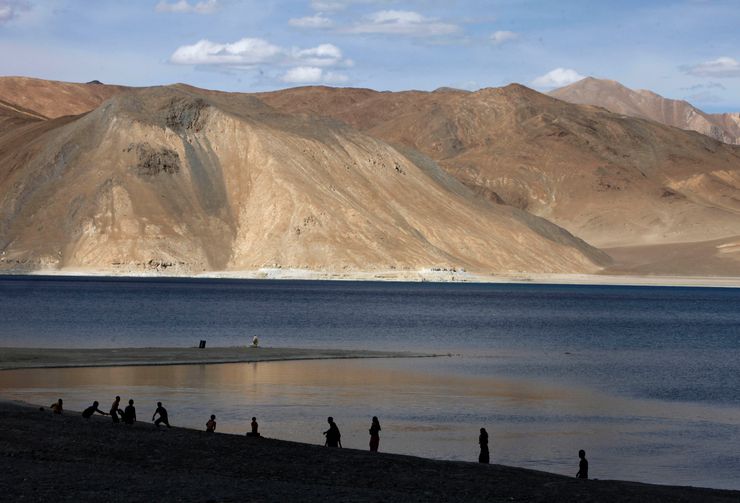
Tensions along the China-India border high in the Himalayas have flared again in recent weeks
NEW DELHI (AP) — Tensions along the China-India border high in the Himalayas have flared again in recent weeks.
Indian officials say the latest row began in early May, when Chinese soldiers entered the Indian-controlled territory of Ladakh at three different points, erecting tents and guard posts. They said the Chinese soldiers ignored repeated verbal warnings to depart, triggering shouting matches, stone-throwing and fistfights. China has sought to downplay the confrontation while providing little information.
A look at the history and current relations between the two countries and how events may develop:
___
BRAWLING TROOPS
Over recent weeks, thousands of soldiers from the two countries have been facing off just a few hundred meters (yards) from each other in Ladakh’s Galwan Valley. China has objected to India building a road through the valley connecting the region to an airstrip, possibly sparking its move to assert control over territory along the border that is not clearly defined in places.
Analyst Chris Biggers said that a Chinese airport nearby has steadily expanded its military use over the past year with the deployment of a surface-to-air missile battery and four fighter jets. He said recent satellite imagery of Ngari Günsa shows workers constructing a taxiway, parking ramps and “quick reaction alert aprons” but falling short of adding a second runway.
While a brawl between Chinese and Indian troops has been captured on video, Chinese foreign ministry spokesperson Zhao Lijian said Wednesday that the border situation was “generally stable and controllable.”
The sides were communicating through both their front-line military units and their respective embassies to “properly resolve relevant issues through dialogue and consultation,” Zhao said at a daily ministry news briefing in Beijing.
India and China engaged in a similar standoff for 73 days at Doklam, at the other end of their disputed border, in 2017, when Indian troops were mobilized to counter what was seen as moves by the Chinese side to expand its presence along the border with Bhutan. The situation was later defused through diplomatic channels.
___
WAR AND PEACE BETWEEN TWO ASIAN GIANTS
The sides established diplomatic relations in 1950, but a 1962 border war between them set back ties for decades.
In all, China claims some 90,000 square kilometers (35,000 square miles) of territory in India’s northeast, including the Indian state of Arunachal Pradesh with its traditionally Buddhist population. India says China occupies 38,000 square kilometers (15,000 square miles) of its territory in the Aksai Chin Plateau in the western Himalayas, including part of the Ladakh region.
Relations are also strained by India’s hosting of the exiled Tibetan spiritual leader, the Dalai Lama, who fled his homeland in 1959 during an aborted uprising against Chinese rule. The Dalai Lama established a self-declared government-in-exile in the northern Indian town of Dharmsala, where thousands of Tibetans have settled.
___
EFFORTS FOR A RESOLUTION
In 1993, the two countries signed an agreement on the “Maintenance of Peace and Tranquility” along what is known as the Line of Actual Control along their border.
But they are nowhere near to settling their dispute despite more than 20 rounds of talks along with multiple meetings between Indian Prime Minister Narendra Modi and Chinese President Xi Jinping.
Beijing’s support for Pakistan on the issue of the disputed territory of Kashmir is also a major cause of concern for India. China has built a road through Pakistani-controlled Kashmir and is blocking India’s entry into the Nuclear Suppliers Group by insisting on Pakistan’s simultaneous entry. India’s refusal to participate in Xi’s signature foreign policy initiative, the multibillion-dollar Belt and Road Initiative, hasn’t gone down well with China, while Beijing has paid only lip service to New Delhi’s aspirations to join the U.N. Security Council as a permanent member.
___
ECONOMIC RIVALRY AMID GROWING TRADE
Despite the sporadic border clashes, economic ties between the two have expanded in the past decade, with China exercising a large trade surplus.
More than 100 Chinese companies, many of them state-owned, have established offices or operations in India, according to India’s External Affairs Ministry. Chinese firms including Xiaomi, Huawei, Vivo and Oppo occupy nearly 60% of India’s mobile phone market, while India’s major exports to China lean toward cotton, copper and gemstones.
Trade volume rose to more than US$95 billion in 2018, and passed $53 billion in the first half of 2019, with almost $43 billion of that being Chinese exports to India. The imbalance has contributed to a push by India to capitalize on China’s rising costs and deteriorating ties with the United States and European nations to become a replacement home for large multinationals.
___
This story corrects the name of the analyst.
___
Associated Press journalist Sam McNeil in Beijing contributed to this report.
MORE NEWS
US Postal Service to take extra steps to ensure ballot deliveries
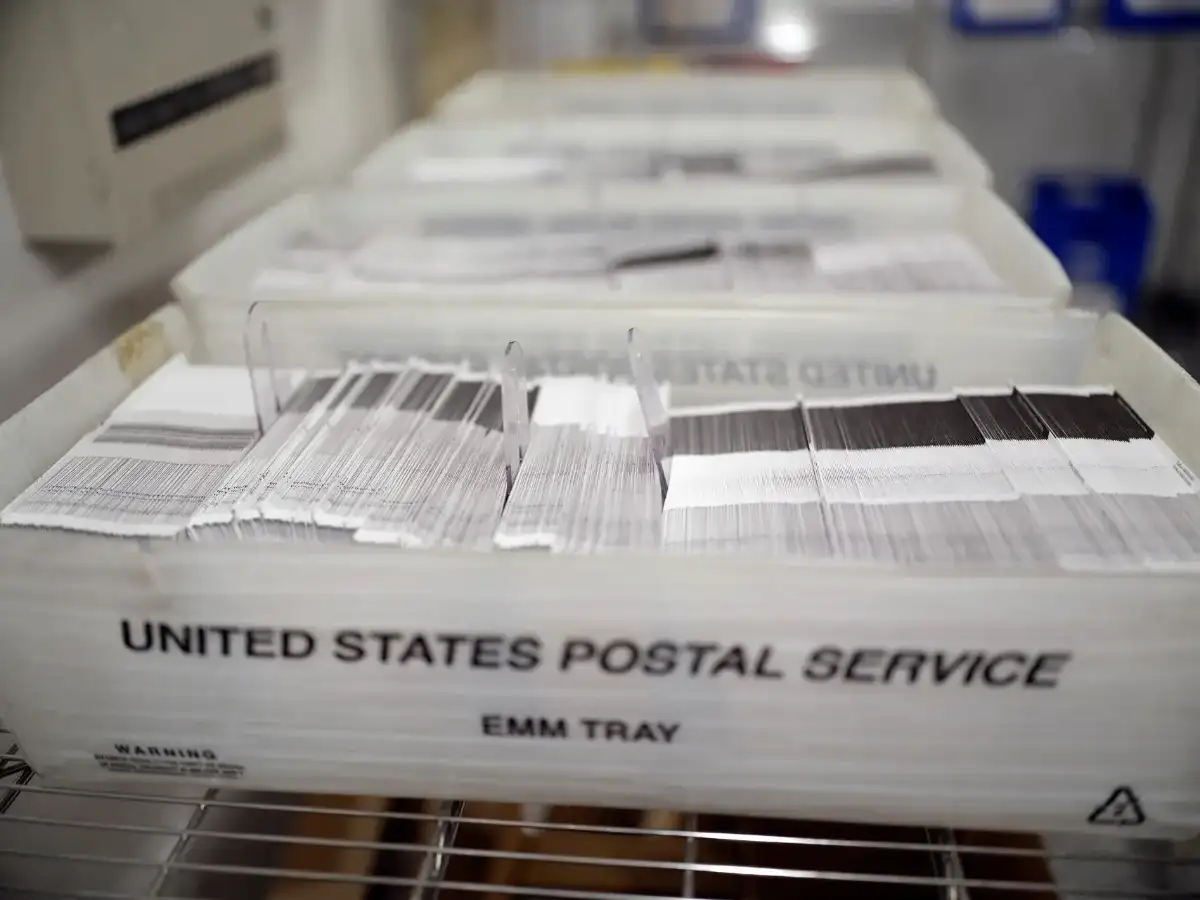
US Postal Service plans to implement several measures to facilitate ballot delivery for the upcoming elections. Starting October 4, some retail branches will extend hours for ballot handling and processing. The agency will use expedited services to ensure timely delivery of completed ballots, particularly through its Priority Mail Express network.

In 2017, Google researchers published “Attention Is All You Need”; they were solving translation, but accidentally laid the foundation for today’s AI age
Google Translate once struggled with long sentences because its software processed language one word at a time. This sequential reading approach created severe computational bottlenecks, slowing down translation and causing models to lose context by the time they reached the end of a paragraph. Computer scientists solved this limitation by abandoning step-by-step reading entirely. Their Transformer architecture analyzed full blocks of text simultaneously using self-attention.

‘Productivity growth in consumer services is powering India’s rise’
Dani Rodrik highlights the relationship between ending poverty, boosting the global middle class, and addressing climate change. He emphasizes the importance of transitioning from manufacturing to services in the global economy. As digital technologies evolve, they enhance productivity in services and create equitable opportunities. The decline of the middle class threatens democracy, leading to political instability in many countries.

Bypolls: CPI (M), backing TVK-led regime from outside, alleges 'cash for votes' by Vijay's party
CPI(M) State Secretary P Shanmugam has raised serious allegations against the ruling party TVK, claiming they are engaging in monetary inducements to sway voters ahead of the upcoming bypolls. He contended that while the TVK is known for cash-for-votes schemes, his party focuses solely on distributing informative pamphlets without resorting to bribery.


Who were the sailors who survived 18 hours after sperm whales sank their yacht
A yacht with four crew members sank in the South Pacific after colliding with a whale around 250 nautical miles north of Norfolk Island. The 51-foot Tai Tam suffered severe hull and steering damage and started taking on water. The crew activated an emergency beacon, declared a mayday and worked for hours to control the flooding before abandoning the vessel for a life raft.

Trump says latest Iran peace offer not enough, may resume bombing, and other Mideast developments
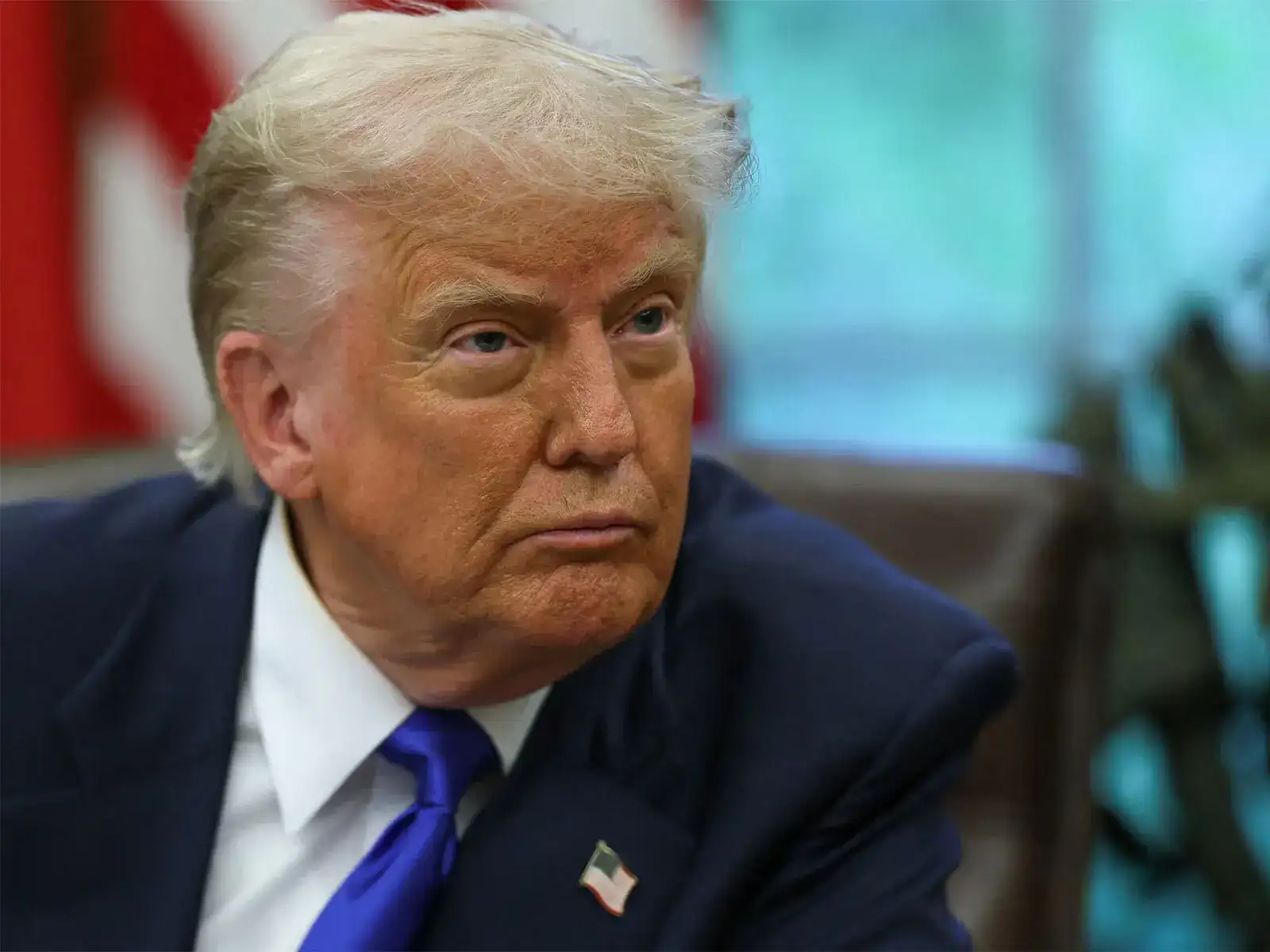
US President Donald Trump has suggested that following the elections, he might escalate military actions against Iran. In Yemen, clashes have intensified between Iran-aligned Houthi rebels and government forces surrounding Taiz City. Trump also commented on reports that Israeli Prime Minister Benjamin Netanyahu received advance notice of a Hamas attack.

Samsung Galaxy S27 price may rise next year, leak points to higher costs for 512GB and 1TB models. Check all updates
Samsung Galaxy S27 could be more expensive next year, with a Korean tipster claiming a price increase of up to more than 130,000 won in the South Korean market. Higher-storage variants may see larger increases as memory costs rise. The potential hike has also raised questions over Indian pricing, especially after Samsung increased Galaxy S26 prices in the country.
India and Pakistan to clash in pool phase at 2027 Cricket World Cup
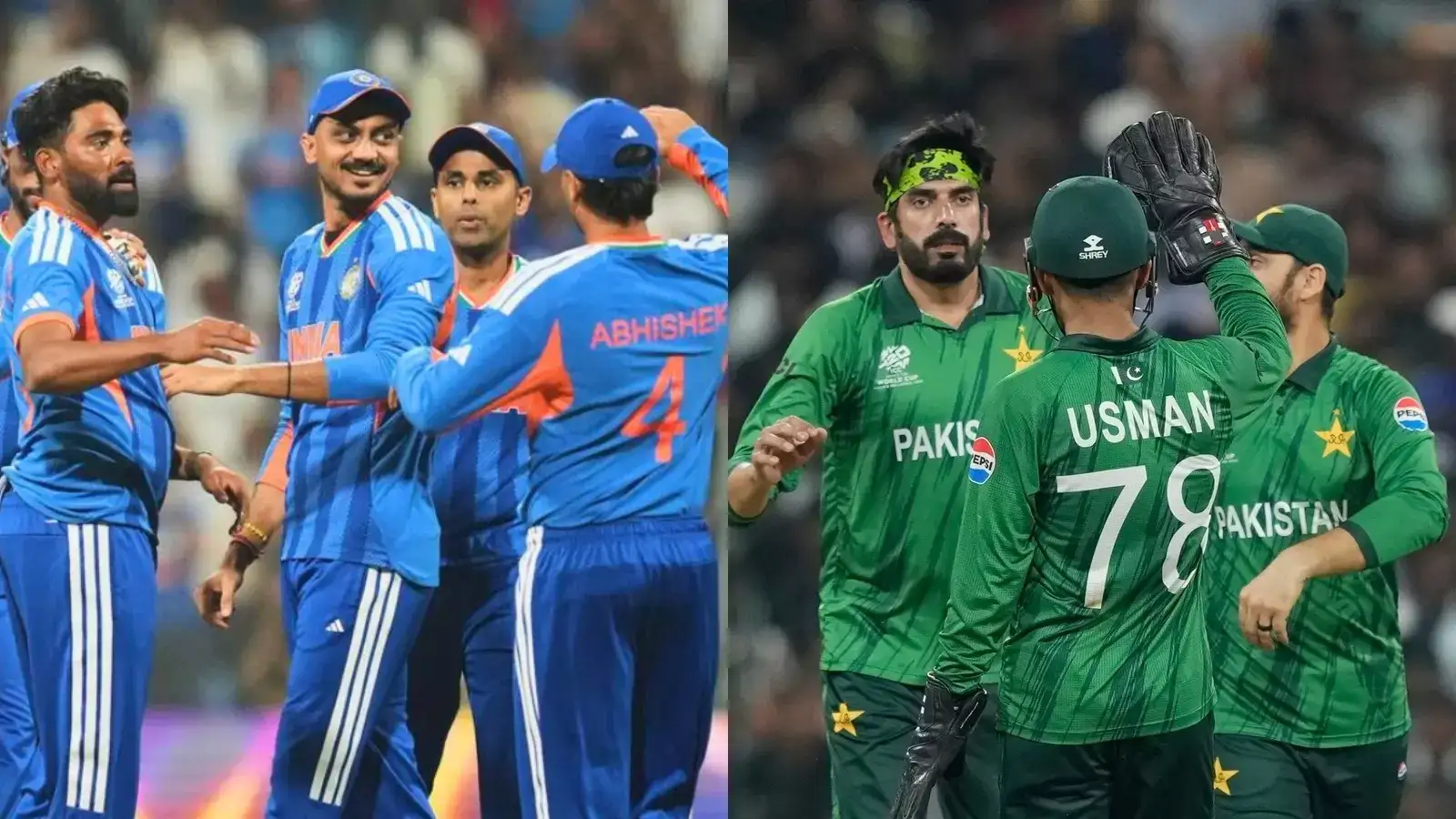
India and Pakistan have been drawn in the same group for the upcoming 2027 Cricket World Cup. Their match is scheduled for October 10 at The Wanderers in Johannesburg. India will also face Australia in their pool in a repeat of the 2023 final, opening the second stage. Co-hosts South Africa are in Group B, competing against England and New Zealand, among others.
Canada minimum wage 2026: Five provinces increase hourly rates, workers say it's not enough
On October 1, 2026, five provinces in Canada took a significant step by raising their minimum wages. Ontario's wage rose to $17.95 an hour, aligning with similar increases across other provinces. However, Alberta's wage remained stagnant at $15, the lowest in the country. Workers highlight that these new rates may not suffice to meet basic living expenses, emphasizing the need for higher wages to enhance affordability and bolster local economies.