
Analysis: Face-to-face with Rohingya, pope ditches diplomacy
Dec 2, 2017
Analysis: Face-to-face with Rohingya refugees in Bangladesh, pope ditches diplomacy to address minority's suffering
DHAKA, Bangladesh — Pope Francis has gotten into trouble before for ditching diplomatic protocol and calling a spade a spade, most famously when he labeled the Ottoman-era slaughter of Armenians a "genocide" from the altar of St. Peter's Basilica.
Francis took the hit — Turkey recalled its ambassador to the Vatican in protest — for the sake of standing up for an oppressed people who were nearly wiped off the map a century ago.
Given the opportunity to do the same in Myanmar, where the military has launched what the U.N. says is a campaign of ethnic cleansing against the Rohingya Muslim minority, Francis opted instead for diplomatic expediency. He not only avoided the contested term "Rohingya" in his public remarks, he ignored Asia's worst refugee crisis in decades entirely and didn't call out his hosts for launching it.
Human rights groups complained. Rohingya complained. Journalists and pundits asked if Francis' legacy as a fearless crusader for the world's most marginal — the poor, homeless, refugees and prisoners — wasn't now in question.
By Friday, Francis' heart won out.
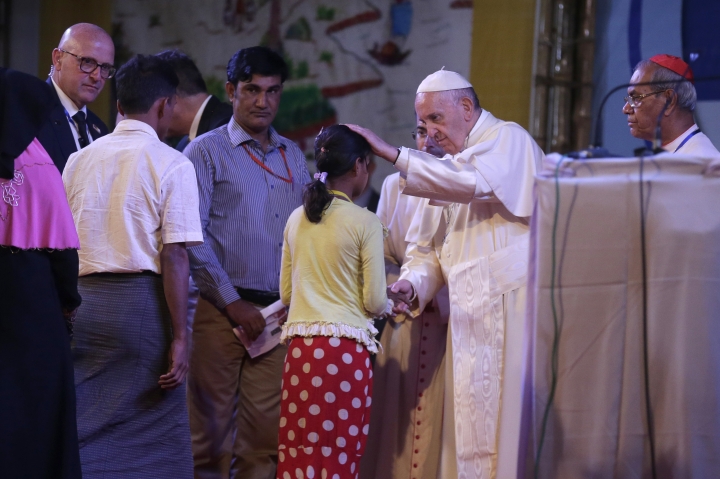
In an emotional encounter with 16 Rohingya refugees, Francis said what he probably wanted to say from the start. His voice trembling after he greeted the men, women and children who had been forced to flee their homes in Myanmar for wretched camps in Bangladesh, Francis begged them for forgiveness for what they had endured and the "indifference of the world" to their plight.
"The presence of God today also is called 'Rohingya,'" he told them.
And with that one word, Francis erased days of speculation that the tell-it-like-it-is, protocol-be-damned pope had sold out to the professional diplomats at the Vatican who were willing to deny a persecuted minority their very identity for the sake of global and local church politics.
The Vatican had defended Francis' initial silence as necessary for the sake of "building bridges" with Myanmar, which only established diplomatic relations with the Holy See in May.
"Vatican diplomacy is not infallible," spokesman Greg Burke told reporters in Yangon. "You can criticize what's said, what's not said. But the pope is not going to lose moral authority on this question here."
Burke added that the Catholic Church is a minority in Myanmar. The implication was clear: Catholics are already discriminated against in predominantly Buddhist Myanmar, and certainly didn't need any blowback from the vast majority of Burmese who recoil at the term "Rohingya" because it implies an official recognition of them as an ethnic group. The local church had urged Francis to refrain from using the term, and Francis obliged.
A pope is first and foremost a shepherd to his flock.
The Vatican also wanted to back its local church in supporting Aung San Suu Kyi, who many Burmese see as their only hope for forging a more democratic, inclusive society where basic rights are guaranteed for all minorities — Christians included.
And so when he arrived in Yangon and joined Suu Kyi at an official welcome ceremony, Francis behaved like a true diplomat.
He called for all ethnic groups in Myanmar to have their basic rights guaranteed — an important message to be sure but one that was clearly written by committee.
Francis upped the ante when he arrived in Bangladesh, where he acknowledged the "immense toll of human suffering" under way in the squalid, overcrowded refugee camps that are now home to more than 620,000 Rohingya who have poured across the border from Myanmar's Rakhine state.
In his official arrival speech, Francis demanded the international community take "decisive measures" to not only help Bangladesh provide for the refugees, but to resolve the underlying political causes in Myanmar that set off the exodus.
But he didn't say "Rohingya." Until he met them.
And when he did, when he clasped their hands in his and listened to their tragedies, he not only acknowledged their identity, he assumed responsibility for all the suffering they had endured.
"In the name of all those who persecute you, who have persecuted you, and those who have hurt you, above all in the indifference of the world, I ask you for forgiveness," he said. He repeated the word: "Forgiveness."
Francis was back.
___
Nicole Winfield has covered the Vatican and three popes since 2001. Follow her at www.twitter.com/@nwinfield
MORE NEWS
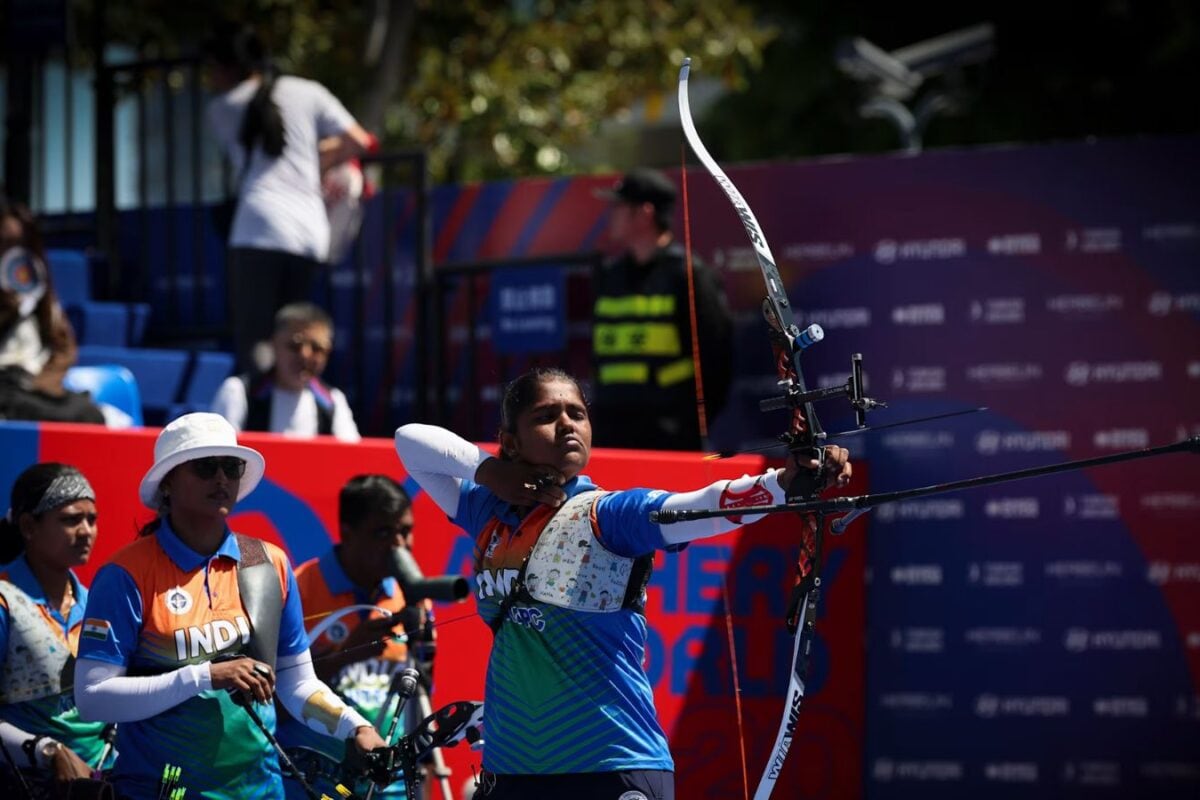
Asian Games 2026 Day 15 LIVE Updates: Kumkum Delivers Under Pressure, Knocks Out World No. 1 Kang
Asian Games 2026, October 3 Live Updates: Follow all the latest updates from the 15th day of the event with Indian contingent in action across nine sports.
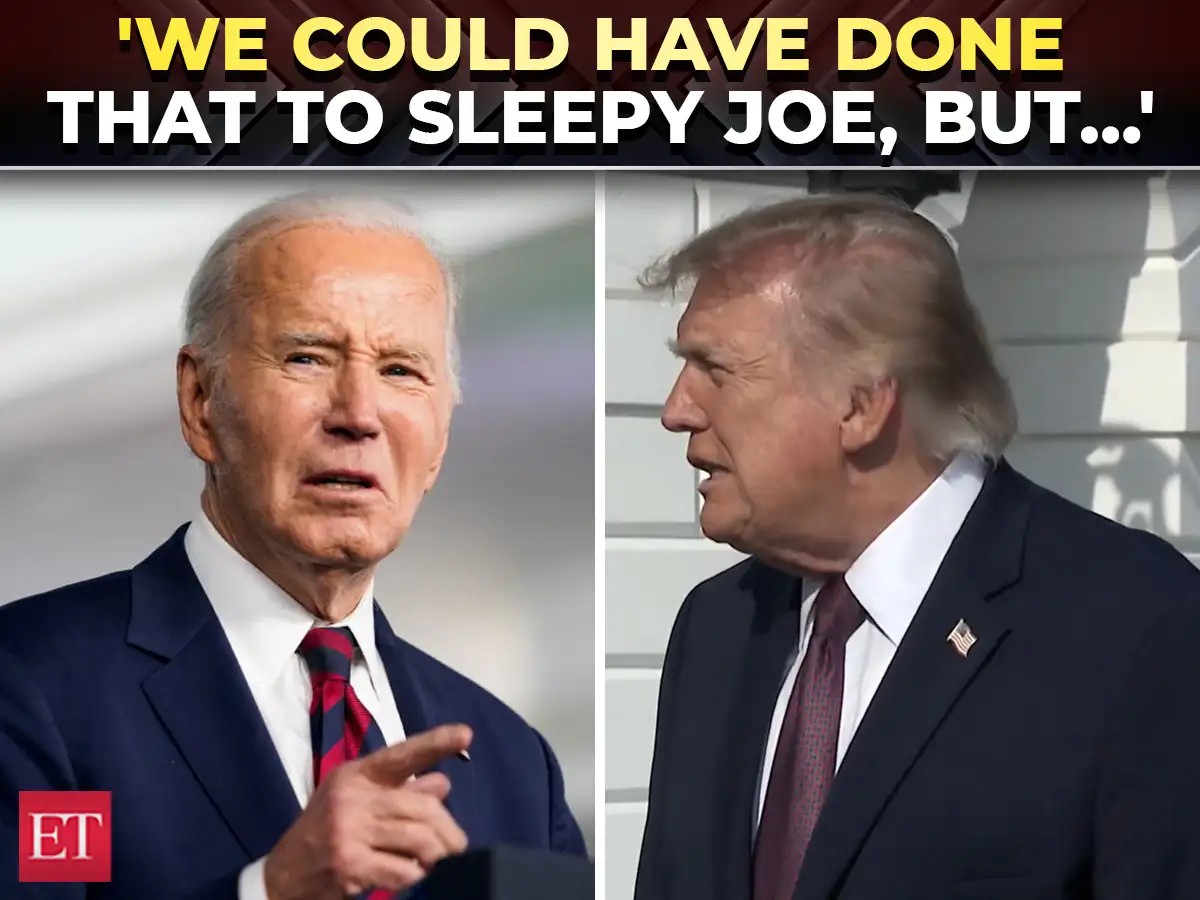
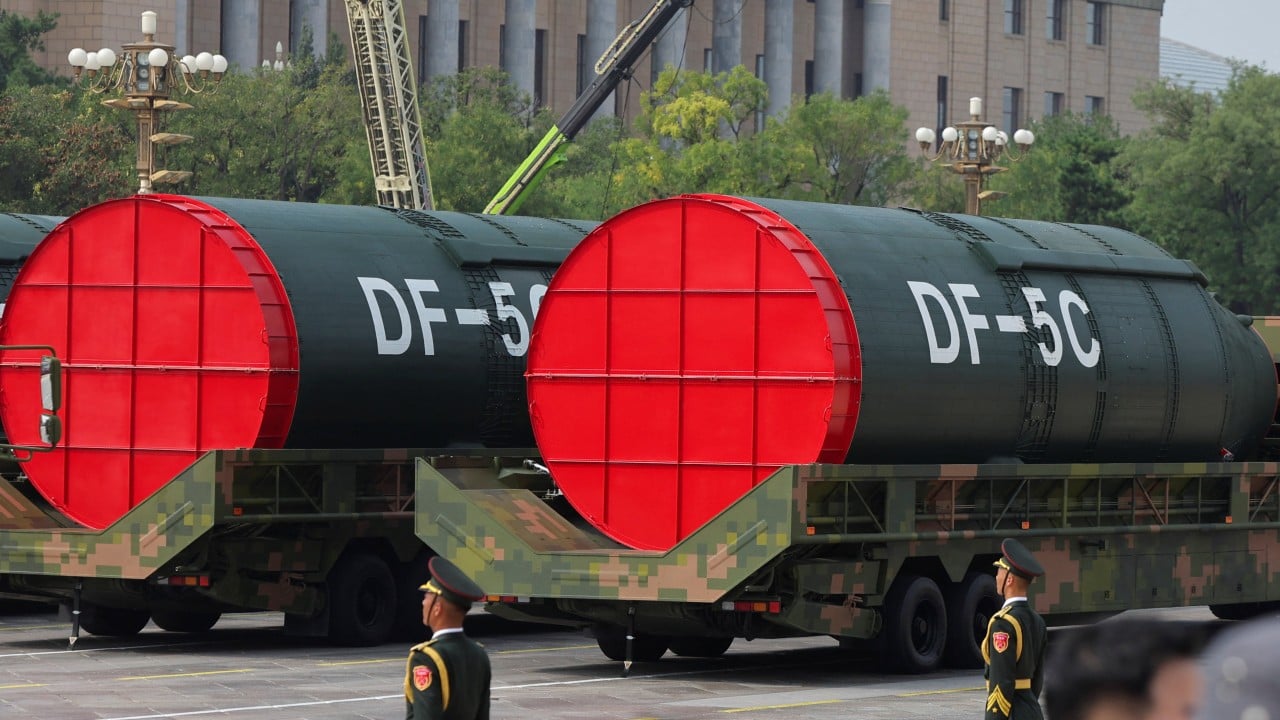
US blast simulation targets China’s alleged secret nuclear testing
The US has conducted a non-nuclear underground experiment to enhance its ability to detect low-yield nuclear explosions that it explicitly linked with a test that Washington suspects China carried out in 2020 – an accusation Beijing denies. The US Department of Energy announced on Wednesday that the National Nuclear Security Administration (NNSA) conducted a “subsurface, non-nuclear chemical high-explosive” experiment at the Nevada National Security Site, which it said aimed to “increase the...
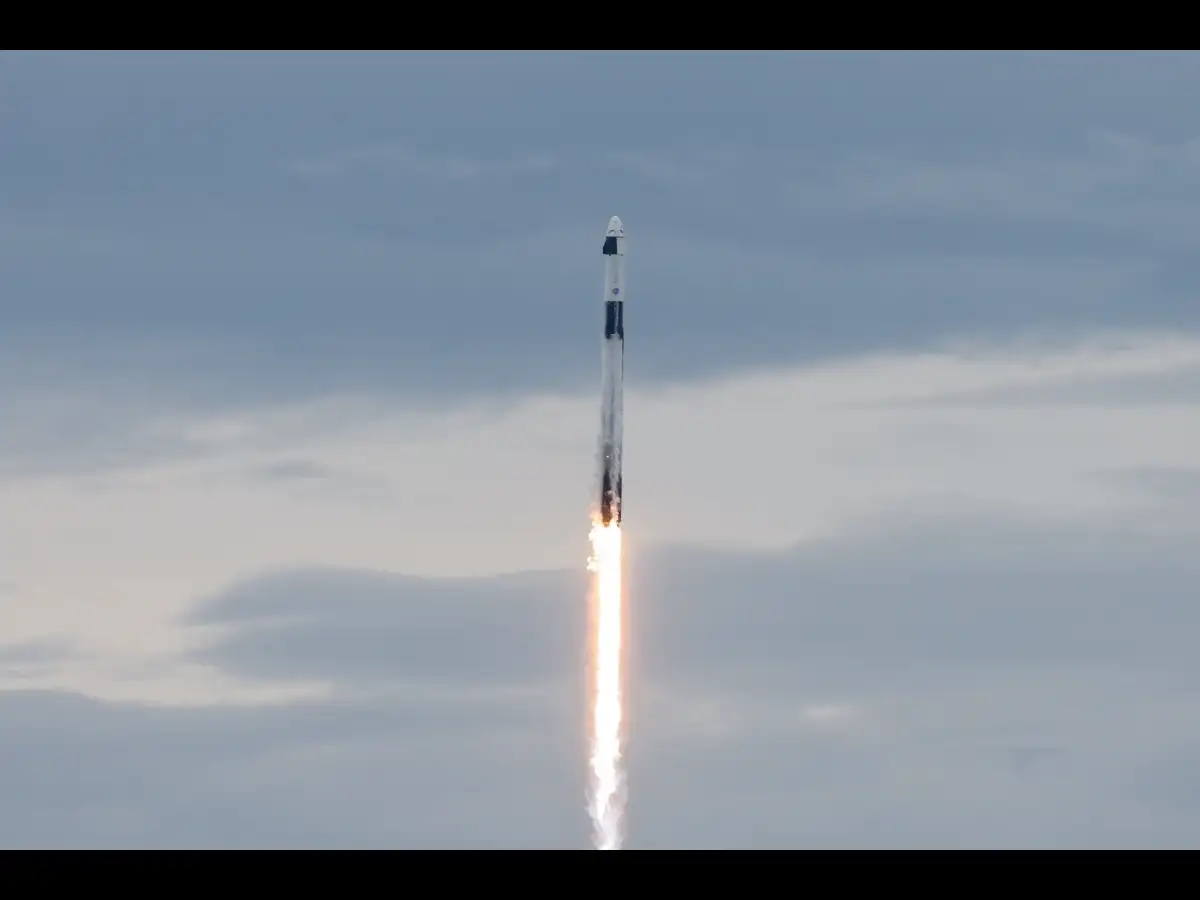
In 1962, a spacecraft was launched by NASA to study Venus but a few moments later, the rocket went off course and was lost
A spacecraft, called Mariner 1, was NASA's first probe which planned to study Venus. A software error and a guidance control problem led to the loss of the spacecraft after it went off its intended path.
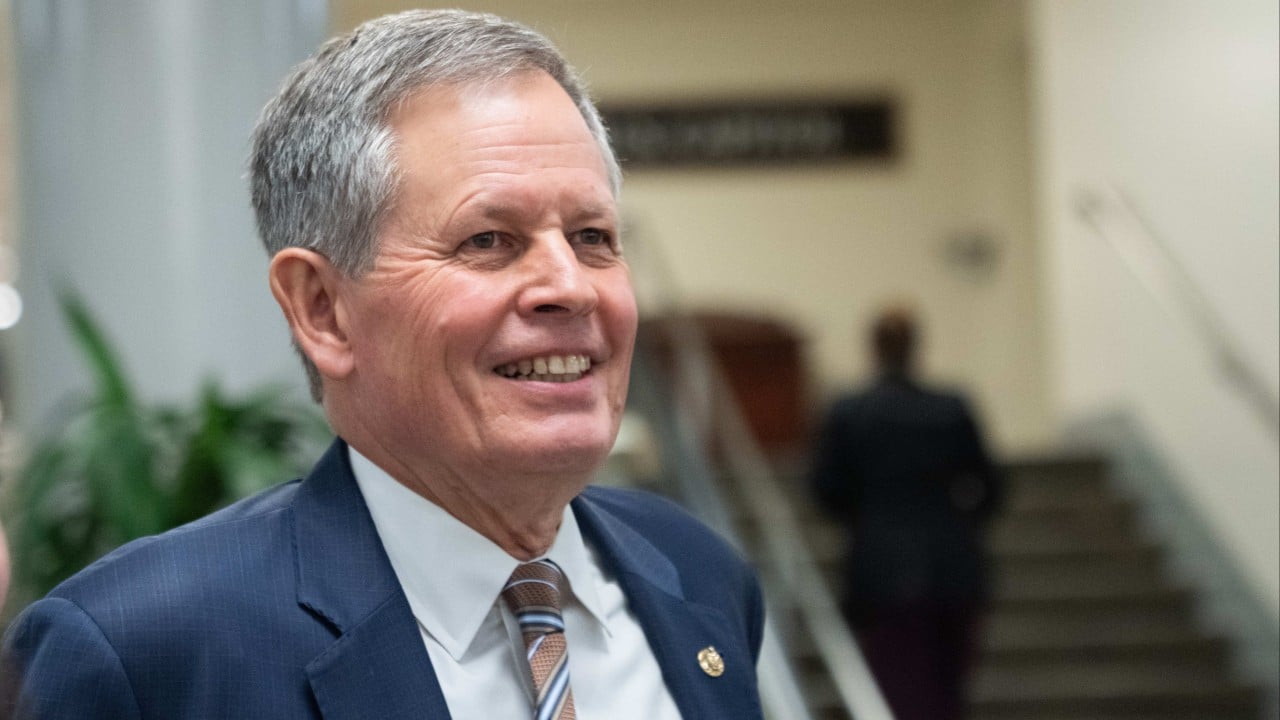
‘No retreat’: Key Trump ally urges continued US-China engagement on rare earths
US Republican Senator Steve Daines, a close aide to President Donald Trump and a key interlocutor between Washington and Beijing, has called on the two capitals to stay engaged and “not retreat” over differences on issues including rare earth supply chains. Daines told the South China Morning Post that both sides still had issues that predated Chinese President Xi Jinping’s state visit to Washington last week and that they would continue working on them after the summit. “So that’s again why...
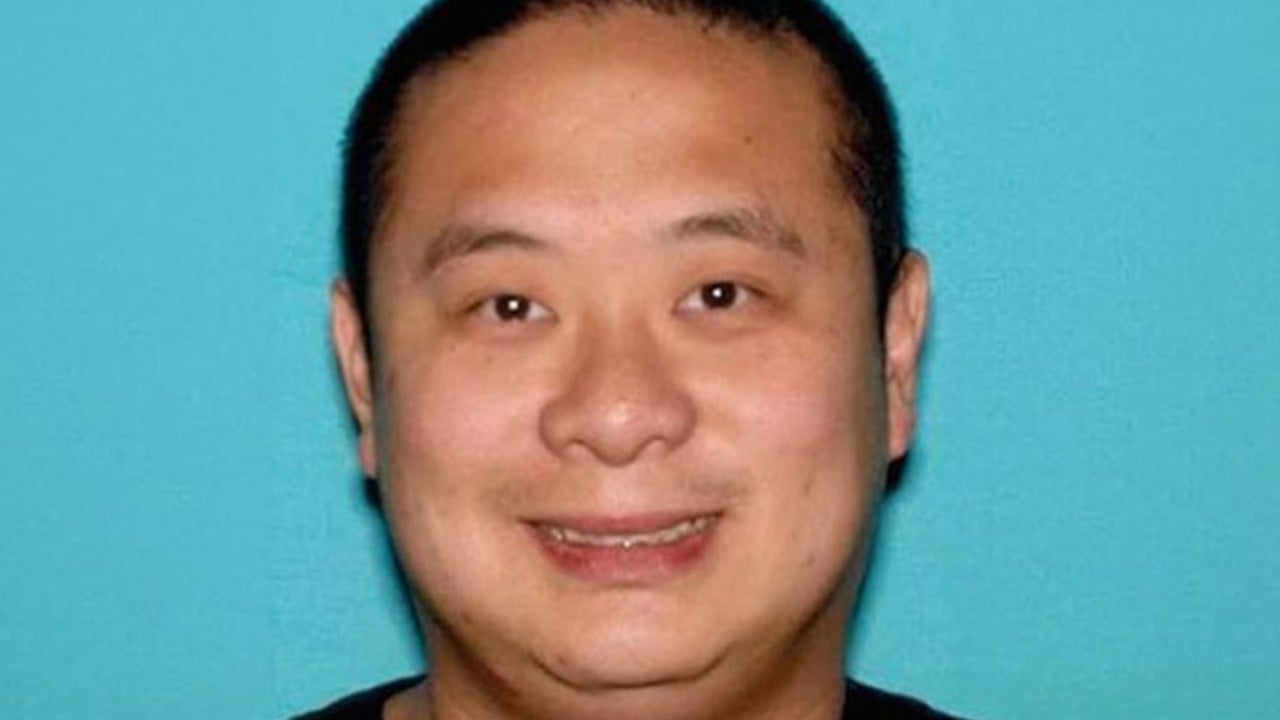
US man arrested over alleged $300 million scheme to smuggle Nvidia AI servers to China
Amid intensifying competition in the AI technology race, US authorities have arrested a California technology company owner accused of using Malaysia and Singapore as transit points to circumvent US export controls and send more than US$300 million worth of restricted computer servers to China. Greg Lui, 38, also known as Yiu Kong Lui, of San Gabriel, was arrested on Thursday and charged with conspiracy to violate US export controls, outbound smuggling and conspiracy to commit money laundering,...
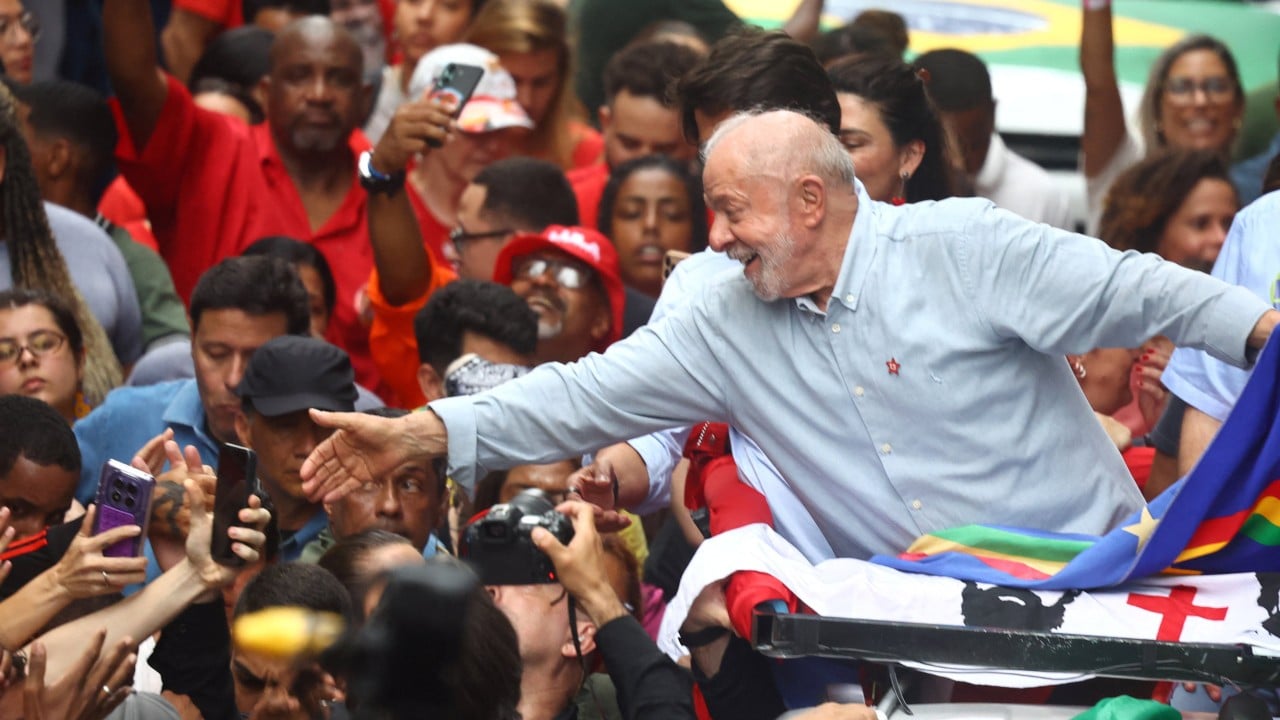
Brazil’s Lula hails ‘bold’ Chinese investors as rival pitches rare earths to Trump
Brazilian President Luiz Inacio Lula da Silva named China as a possible partner in his critical minerals plans, three days before Sunday’s closely fought election. Lula told Flow, one of the country’s most-watched podcasts, on Thursday evening that Brazil should stop shipping out raw ore. “We want to transform them here in Brazil,” he said of the minerals. Asked whether China fit into his plans, Lula said it could be a partner “bringing technology to us”, as could the United States. “[Donald]...

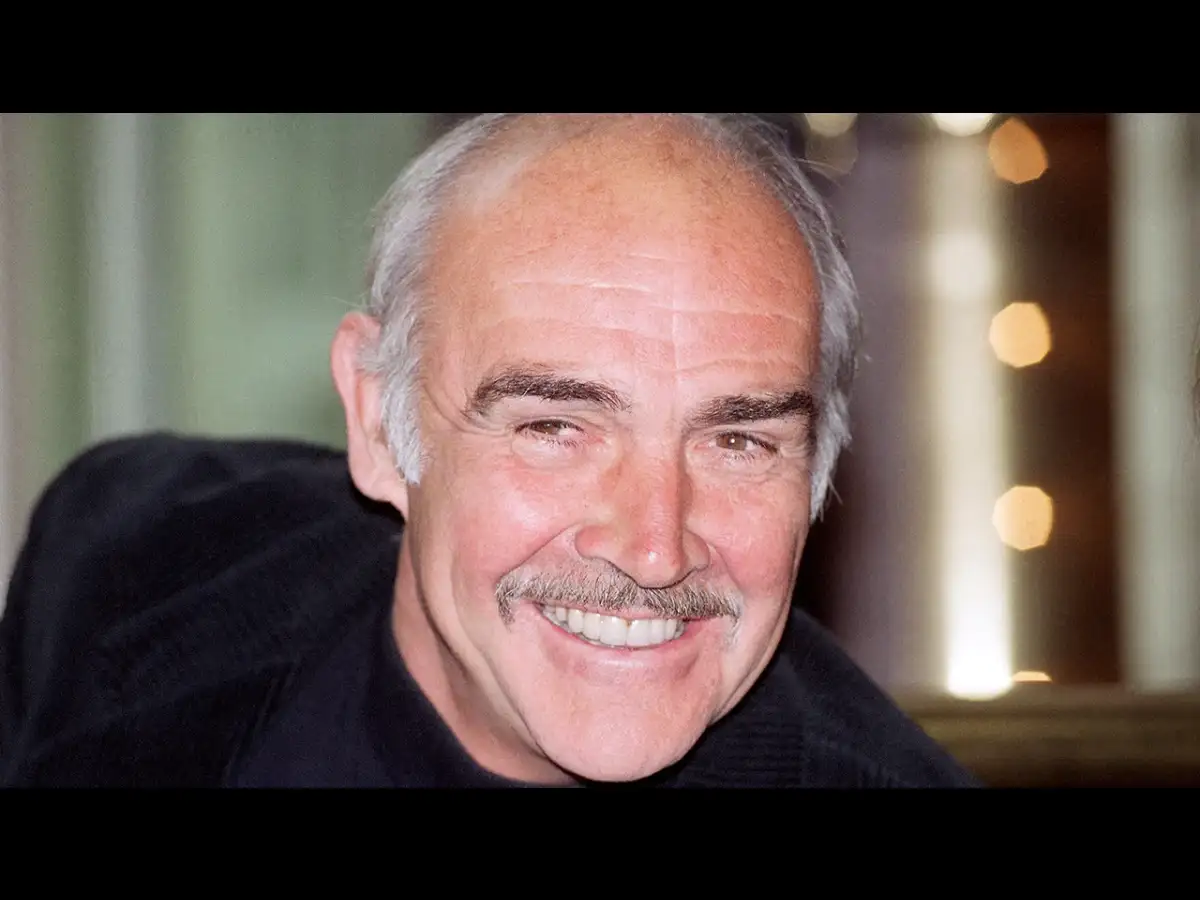
Quote of the day by Sean Connery: 'The key to a woman's heart is an unexpected gift at an unexpected time.' Life lessons from inspirational quote on romance and attentiveness
Quote of the day by Sean Connery from Finding Forrester speaks about the importance of an unexpected gift. It is needed to show a person that you care about them. Romance and spontaneity are highly important in relationships.
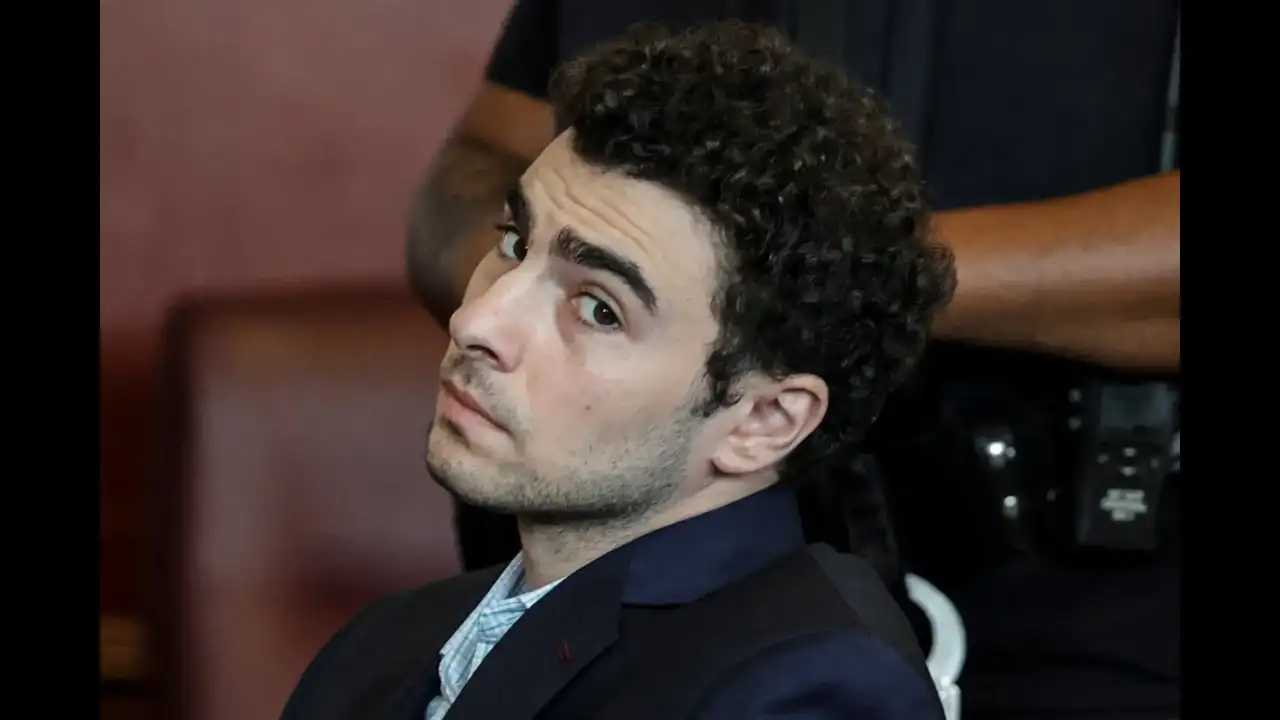
Luigi Mangione arrest video: ‘That’s 100% him’ - newly released footage shows how police identified him at McDonald’s and what happened during his arrest
Luigi Mangione arrest video: Newly released body-camera footage shows the moments police identified Luigi Mangione at a McDonald’s in Pennsylvania and took him into custody. The video captures officers questioning his identity, including the name on his ID, before showing what happened during his arrest and the search that followed at the station.
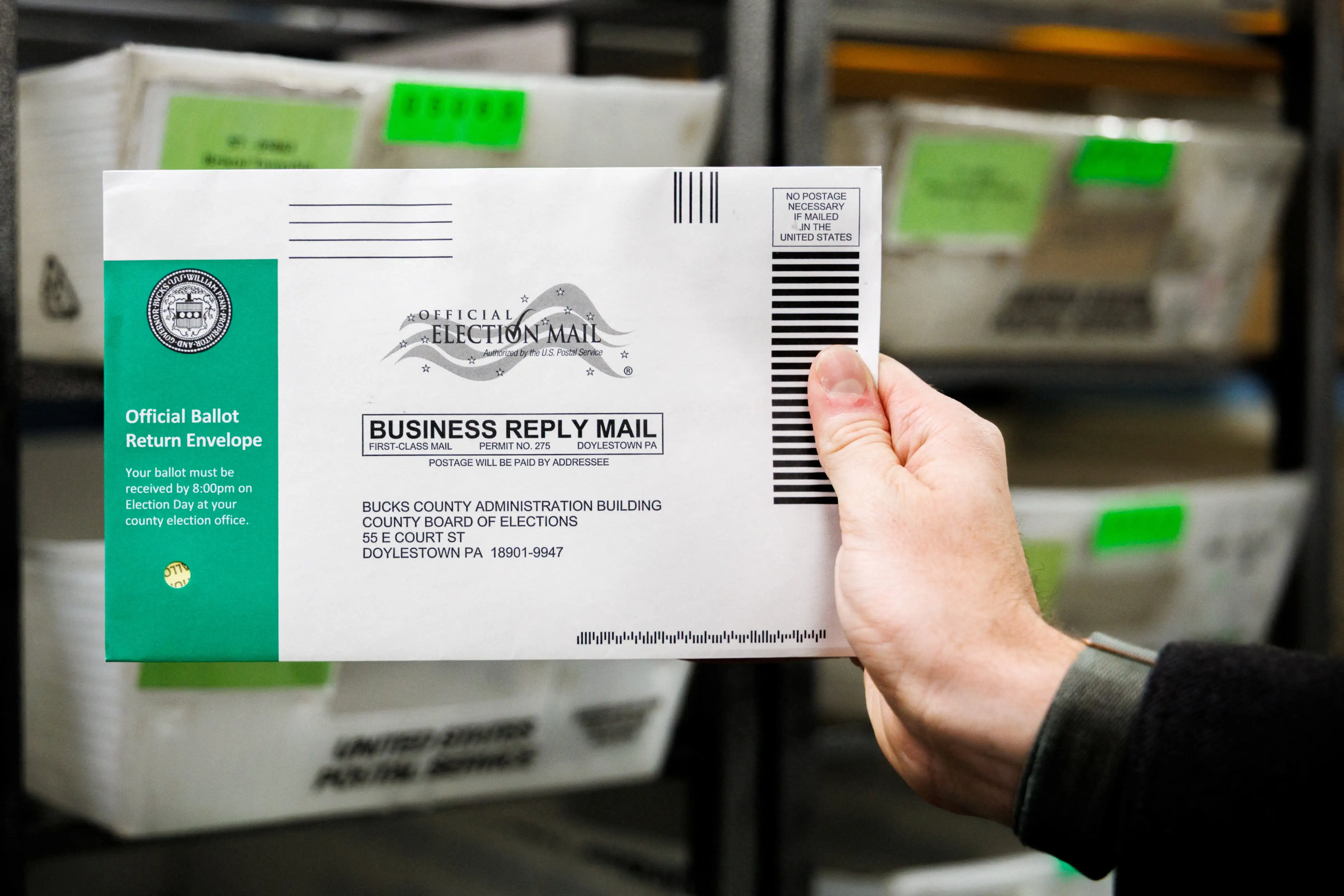
How to make sure your mailed ballot counts in US midterm elections: Mail it early because the postmark date may not match the day you dropped it in the mailbox
As the 2026 US midterm elections approach, it's crucial for voters to mail their ballots ahead of time to avert potential complications. Remember, ballots must be postmarked by Election Day to be counted. In California, ballots can be accepted up to seven days late if they are postmarked correctly. Voters are encouraged to track their ballots to confirm acceptance.